A skeleton found in a gully
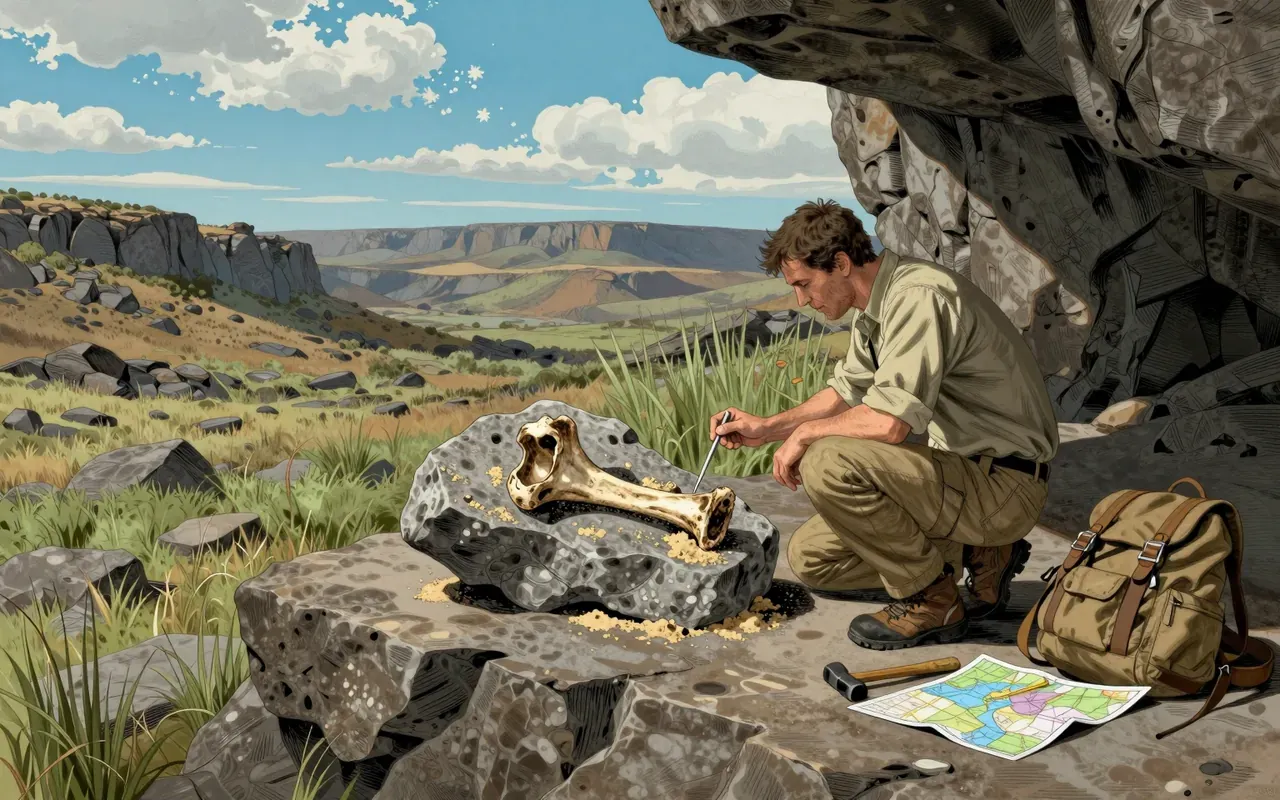
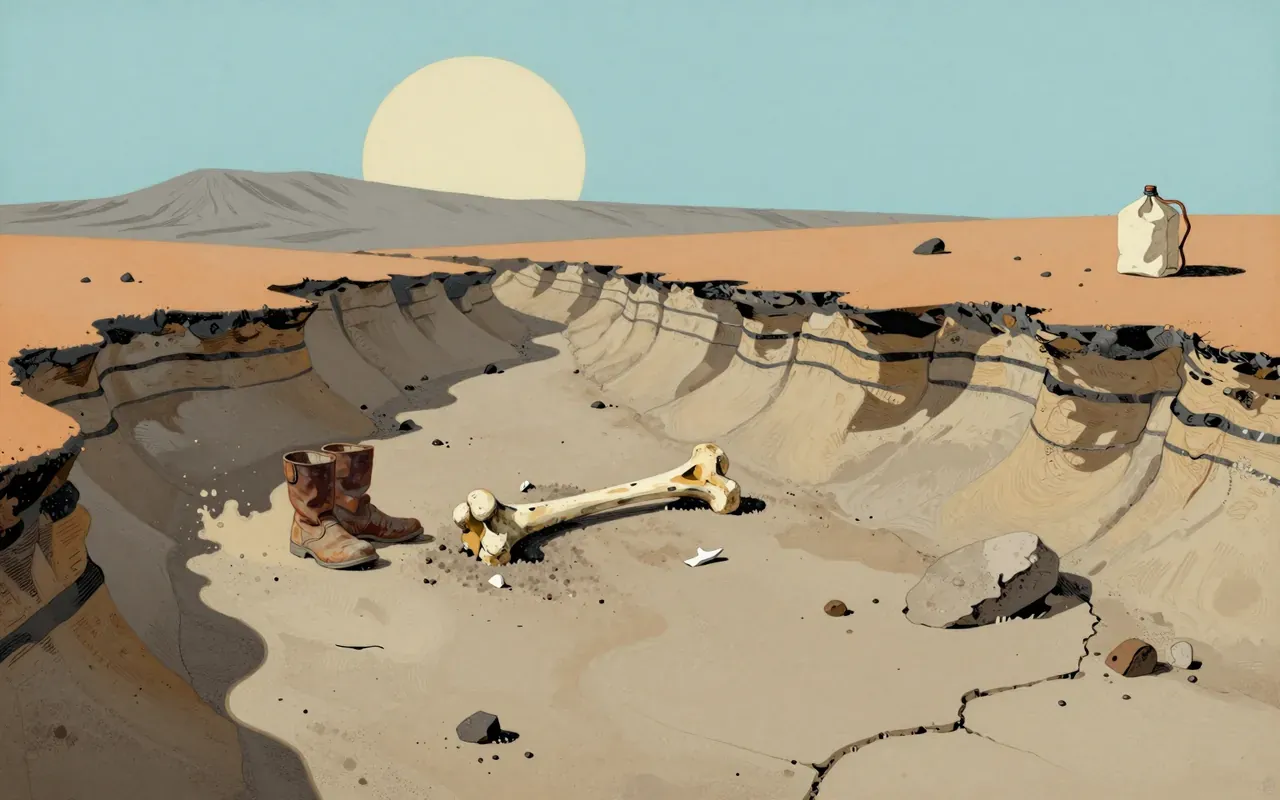
The claim is that a single fossil skeleton, discovered by chance in a gully in Ethiopia, provided some of the clearest early evidence that human ancestors walked upright long before they had large brains. Donald Johanson, surveying a site near Hadar with graduate student Tom Gray on 24 November 1974, spotted a fragment of fossilised bone that turned out to belong to a single individual, and over the following weeks the team recovered roughly 40 percent of a skeleton, an unusually complete find for a hominin this old. The fossil was catalogued as AL 288-1 and given the nickname Lucy after a song playing at the expedition camp that evening.
Dated to 3.2 million years
Dating the surrounding volcanic ash layers using the argon-argon method placed Lucy’s age at approximately 3.2 million years, and she was eventually classified, along with related fossils found afterward at Hadar and other East African sites, as a member of the species Australopithecus afarensis, a designation Johanson’s team settled on only after further discoveries of similar skulls elsewhere. She stood only about 1.1 metres tall and weighed around 29 kilograms, a small-bodied hominin whose skull, when later reconstructed, closely resembled that of non-human apes rather than later members of the human lineage, making the rest of her skeleton all the more informative about how she actually moved day to day.
What the bones say about her walk
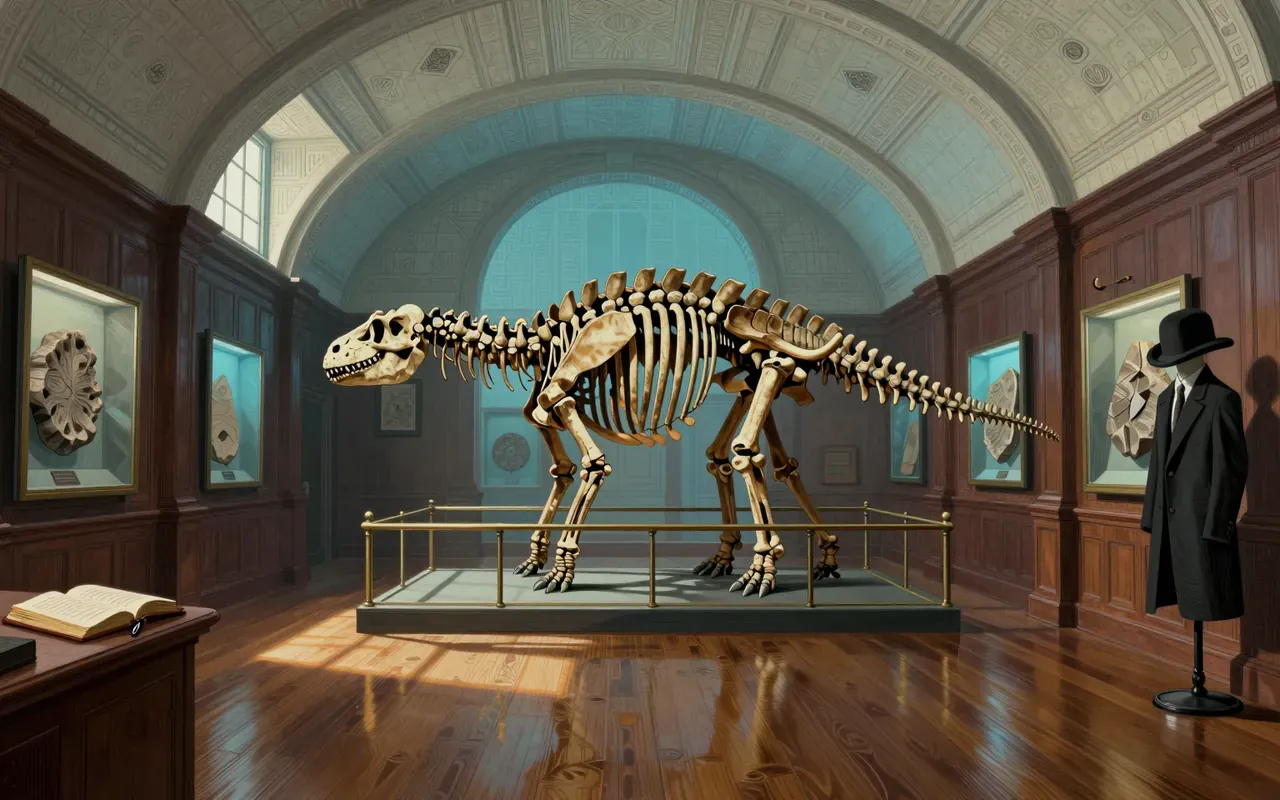
That skeleton provides several independent lines of evidence for habitual upright walking. Her knee shows a valgus angle, meaning the thigh bone slants inward toward the knee in a way associated with walking on two legs rather than four. Her pelvis, reconstructed from a complete pelvic bone and sacrum, shows a broad flare and a pubic arch angle resembling that of modern human females rather than that of a quadrupedal ape. Her lower spine also shows a lumbar curve, another feature strongly associated with habitual bipedalism. Together, researchers have described her pelvis and leg bones as functioning in a manner nearly identical to those of modern humans.
A small skull, an upright gait
The genuinely striking part of the find is the contrast between skull and skeleton. Lucy’s cranium remained small and ape-like, yet the bones below the neck show clear, functional adaptation to upright walking, evidence that bipedalism arose well before any substantial increase in brain size in the human lineage. This overturned an earlier assumption, common before Lucy’s discovery, that bigger brains and upright walking evolved together or that larger brains came first, and it remains one of the clearest single pieces of evidence for the actual order in which key human traits appeared.
Long arms and a tree-climbing question
Not every feature of Lucy’s skeleton points as cleanly toward a fully modern walking style. The ratio of her arm length to her leg length is notably higher than in modern humans, closer in proportion to that of chimpanzees, and features of her ribcage and curved finger bones have led some researchers to argue that Australopithecus afarensis, while capable of efficient upright walking, still spent meaningful time climbing in trees. A 2016 study went further, examining her fossilised bones for fracture patterns and proposing that Lucy herself died from a fall out of a tall tree, an interpretation Johanson and fellow researcher Tim White publicly disputed.
Even her death is disputed
This case is worth attention because it shows how a single, unusually complete fossil can settle one major question, the order in which bipedalism and brain growth evolved, while leaving other questions about the same individual and species genuinely open. Readers get both the satisfaction of a well-supported scientific conclusion and an honest look at where legitimate disagreement continues, over how arboreal Lucy’s species really was and even over how the specific individual behind the name died nearly three and a half million years ago, a reminder that fame and completeness do not make a fossil immune to ongoing argument.