What the work claims
Berger and co-authors claim Australopithecus sediba is a new species bridging australopithecines and Homo habilis. They claim Homo naledi is a distinct hominin species represented by more than 1,550 fossils from a remote chamber.
How it was done
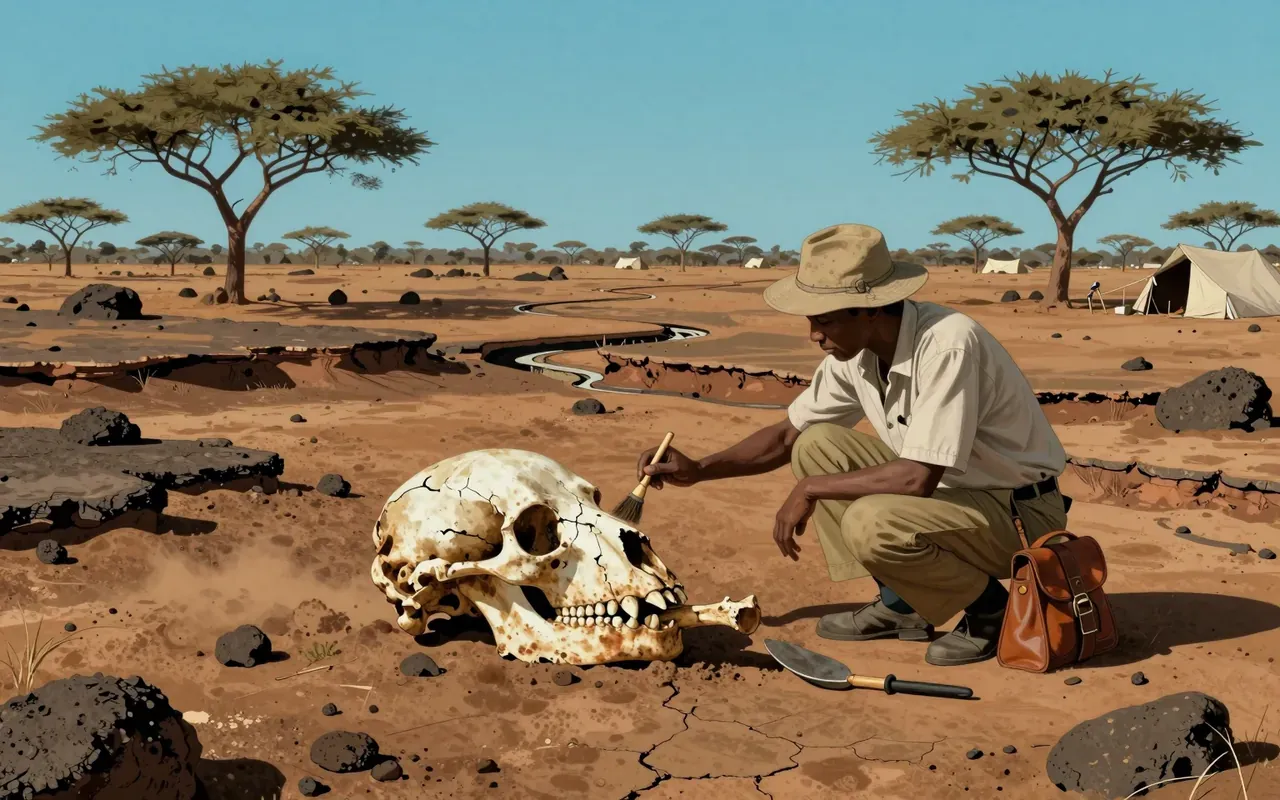
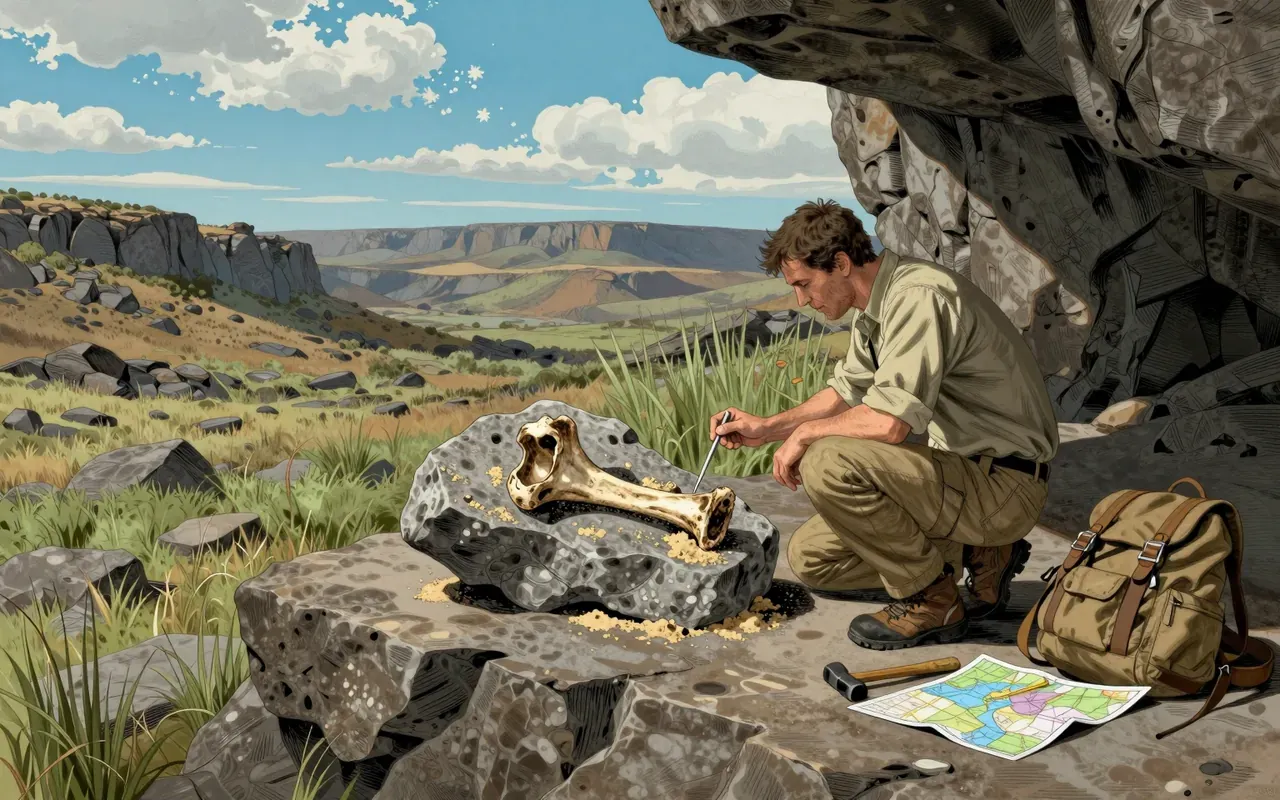
Berger’s team excavated bones near Malapa Cave after a child found a clavicle and jawbone embedded in rock there in August 2008. In September 2013, two cavers discovered the Dinaledi Chamber in Rising Star cave system, its floor littered with human-like bones; Berger then recruited six researchers via social media to excavate in November 2013. A May 2014 workshop brought together 54 scientists to study over 1,550 recovered fossils.
What holds up
The discovery of numerous bones near Malapa Cave dating to nearly two million years holds up. The description of Australopithecus sediba as a new species with mixed primitive and modern traits is formally published. Over 1,550 fossils from Dinaledi were recovered and studied by 54 scientists in a structured workshop.
What does not
The material does not establish that Australopithecus sediba is a direct ancestor of Homo habilis. It does not confirm dating precision beyond ‘nearly two million years’ for sediba, nor does it assign an age to Homo naledi. It does not claim the Dinaledi Chamber was deliberately used for burial.
Why it matters beyond the lab
It matters because it replaces lone-expert fieldwork with open, distributed collaboration — using social media recruitment and mass workshops — setting a new standard for transparency and participation in palaeoanthropology.
Is it worth your time
Yes — it redefines how hominin discoveries are made, not just what they reveal. The open, collaborative model is replicable; the species claims remain contested but anchored in measurable morphology.