sciencebriefs
all subjects →
11:01in productionCh. 1 · The Gap Filler/ 11:01 · ceiling 15 min
Evolution

Tim D. White

Two fossils—one 4.4 million, one 2.5 million years old—don’t prove human ancestry, but they do break the timeline into testable chunks.

Tim D. White’s fieldwork produced two high-impact, precisely dated hominin fossils—Ardipithecus ramidus (4.4 Ma) and Australopithecus garhi (2.5 Ma)—that constrain evolutionary models with empirical evidence, not conjecture.

Chapters & takeaways4
  1. 0:49
    The Gap Filler

    Ardi is not just old—it’s the only well-preserved specimen from a 4.4-million-year gap.

  2. 2:31
    The Whole Skeleton

    An almost complete female skeleton changes how we reconstruct posture, gait, and anatomy.

  3. 5:00
    The Tool-Use Timeline

    Australopithecus garhi predates Homo habilis tool use—but no tools were found with it.

  4. 7:18
    The Fieldwork

    White co-led both discoveries under the Middle Awash Research Project—fieldwork, not theory.

Worth your time?

Yes. Study the whole thing.

4.5/ 5
What works
  • anchors timelines in geology
  • replaces speculation with measurable anatomy
  • forces testable revisions to locomotor and dietary models
What does not
  • prove ancestry
  • establish behaviour
  • confirm tool manufacture
Study it if
  • students of human origins
  • science journalists covering fossil claims
  • curious readers who distrust 'missing link' narratives
Skip it if
  • those seeking definitive answers about human nature
  • readers wanting policy implications or medical relevance
The written brief1 min read

What the work claims

That Ardi represents a previously missing stage in human ancestry, and that Australopithecus garhi predates Homo habilis tool use—suggesting tool-making may have emerged earlier, or in a different lineage.

How it was done

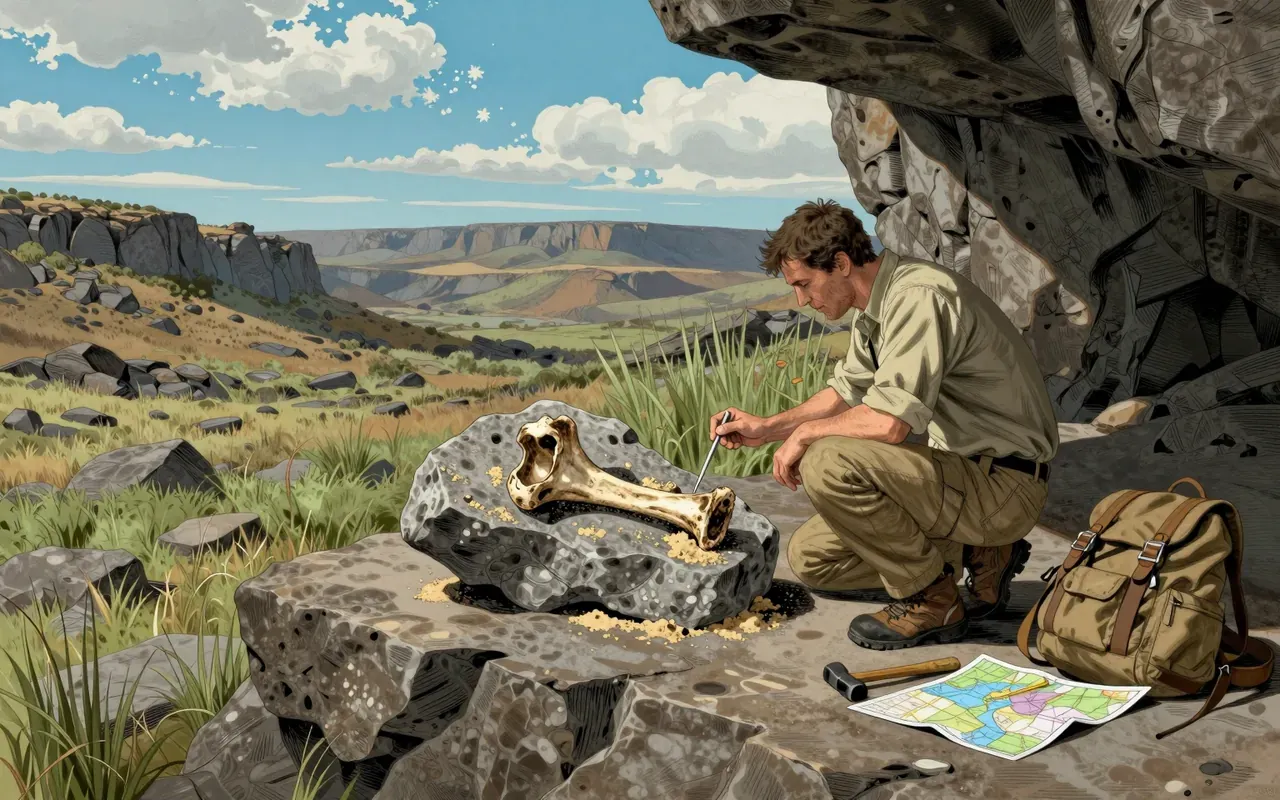
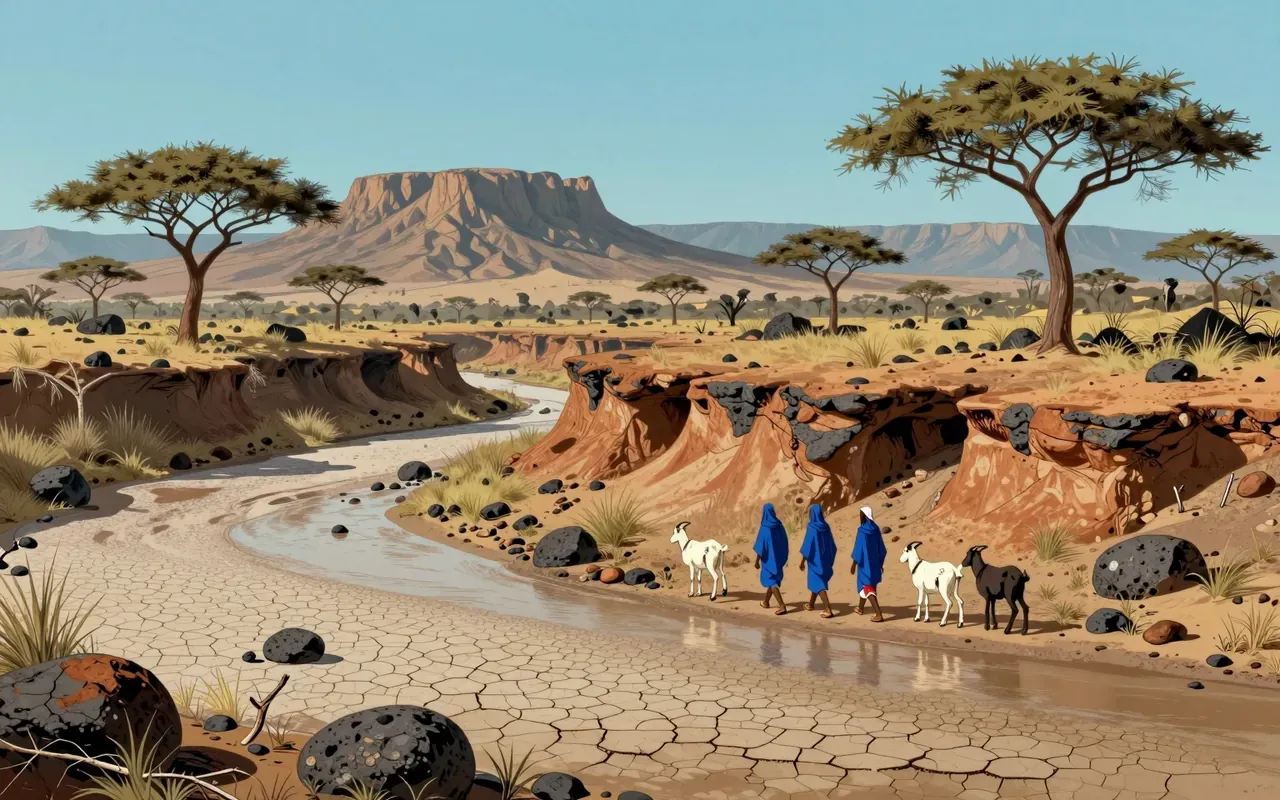
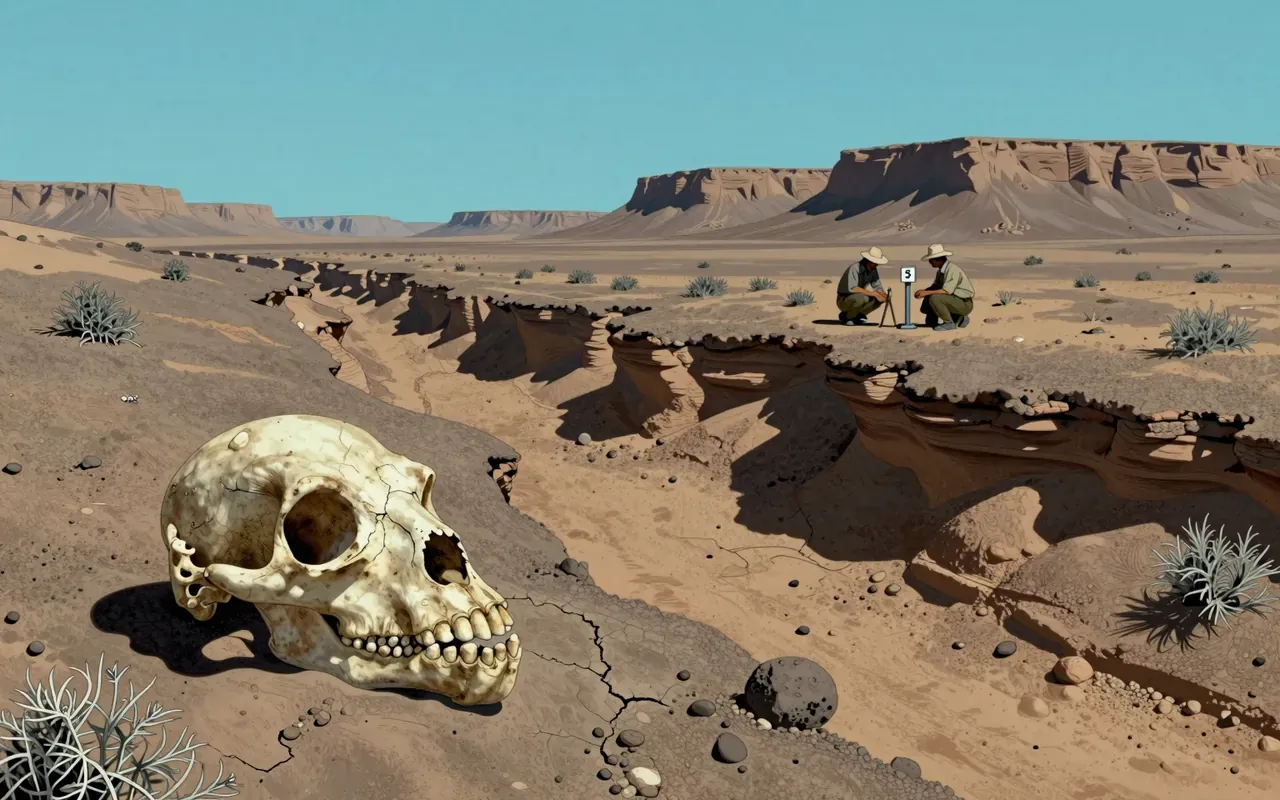
White led a fossil excavation team in the Middle Awash region of Ethiopia. He found an almost complete fossilized female skeleton near the Awash River. The discovery was reported in Science and conducted under the Middle Awash Research Project.

What holds up

Ardipithecus ramidus fills a documented 4.4-million-year-old gap in the hominin fossil record. Australopithecus garhi is securely dated at 2.5 million years and co-occurs with cut-marked animal bones—evidence cited elsewhere but not verified here. Both are type specimens from stratigraphically constrained contexts.

What does not

The material does not establish that Ardipithecus ramidus is a direct human ancestor—only that it is a ‘likely human ancestor’. It does not confirm locomotion, diet, or behaviour beyond what the skeleton implies. It does not prove Australopithecus garhi made tools—only that it predates H. habilis tool use by 100,000–600,000 years.

Why it matters beyond the lab

These fossils anchor evolutionary timelines in geology, not inference. They force revisions to models of bipedalism, brain expansion, and dietary shifts—because they are real, dated, anatomically distinct specimens—not hypothetical intermediates.

Is it worth your time

Yes—if you need to understand how hominin evolution is anchored in physical evidence, not speculation. This work provides two concrete, dated fossils that constrain when key adaptations appeared.
Same field · Evolution4 of 45
Up next in Science

Tycho Brahe

· 9:42

A naked-eye parallax measurement ended celestial immutability — not with a theory, but with a ruler held against the stars.

9:42