Leakey didn’t find 'human origins' — he found five fossils that pinned Homo sapiens, erectus, rudolfensis, ergaster, and aethiopicus to East Africa, nothing more.
Leakey's fieldwork produced five benchmark fossils that collectively anchor early Homo and Australopithecus species in East Africa — but no claim about lineage, behaviour, or inevitability follows from them alone.
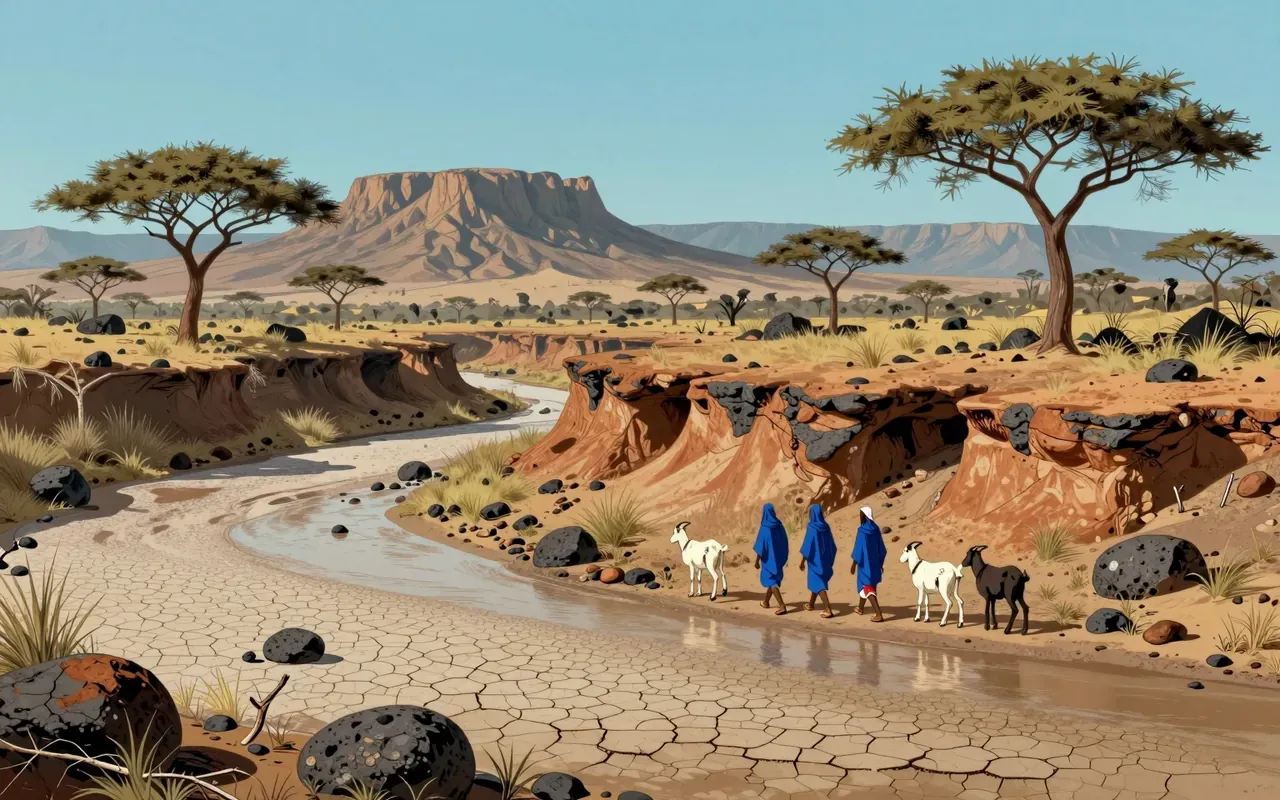
Omo fossil proved Homo sapiens existed in Africa 160,000 years ago — older than any other known at the time.
2:23
The Turkana Skulls
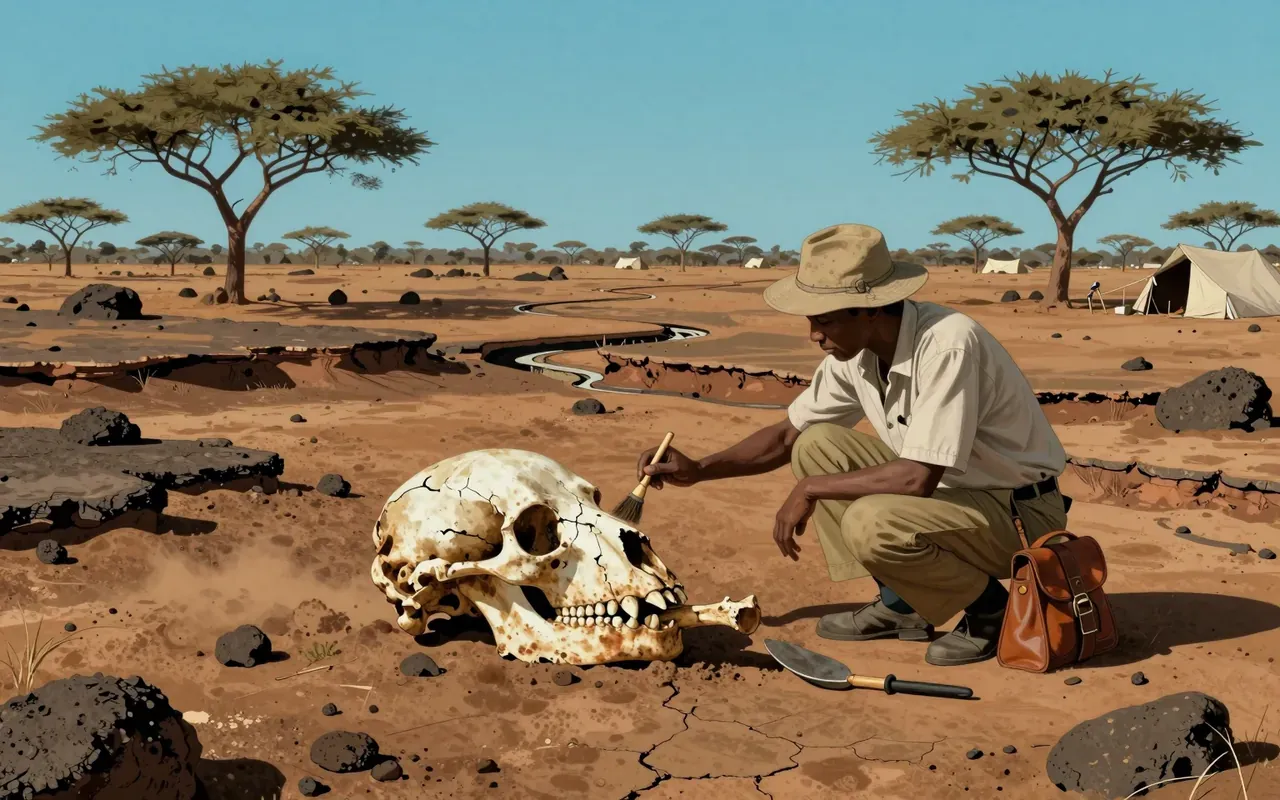
Four major skulls — Paranthropus boisei, Homo rudolfensis, and two Homo erectus — showed coexistence of multiple hominin lineages in Kenya.
3:49
Turkana Boy: A Complete Body
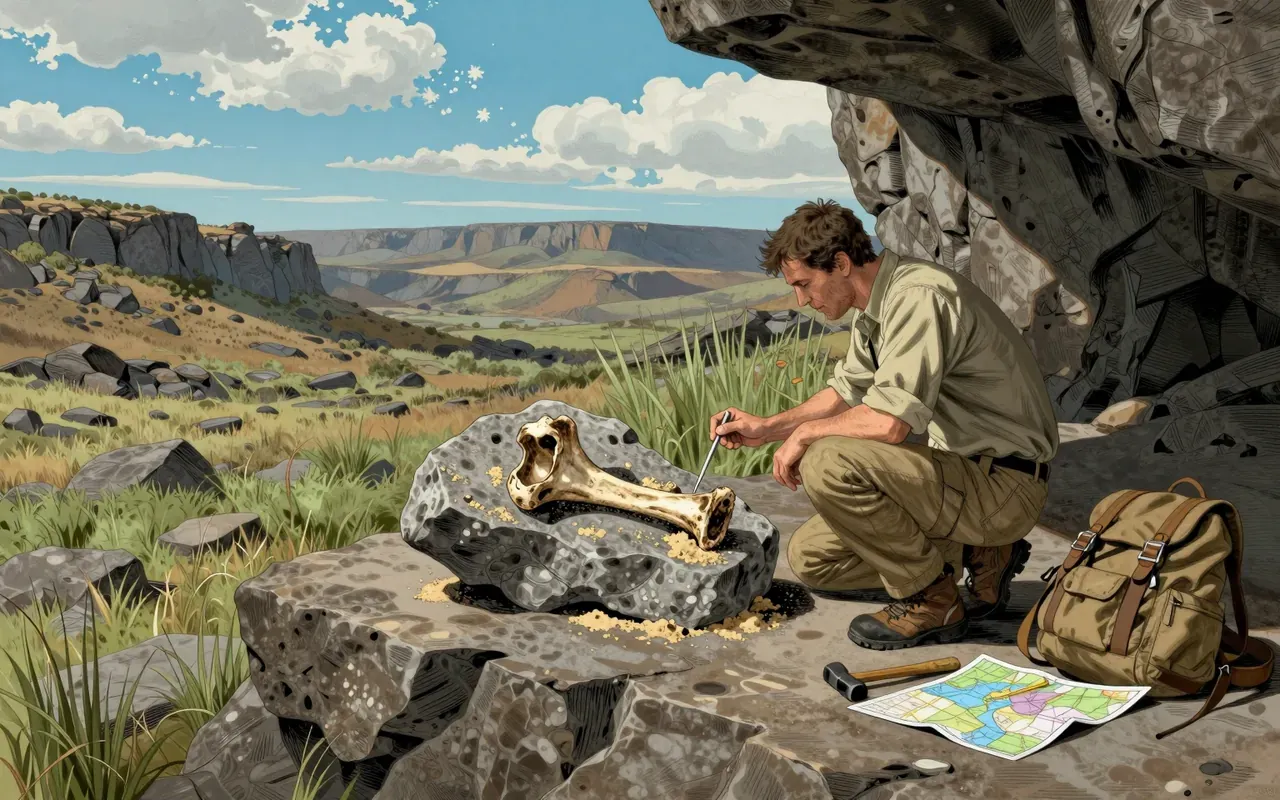
Turkana Boy gave the first near-complete Homo ergaster skeleton — 1.6 million years old, from Kenya.
5:06
The Black Skull
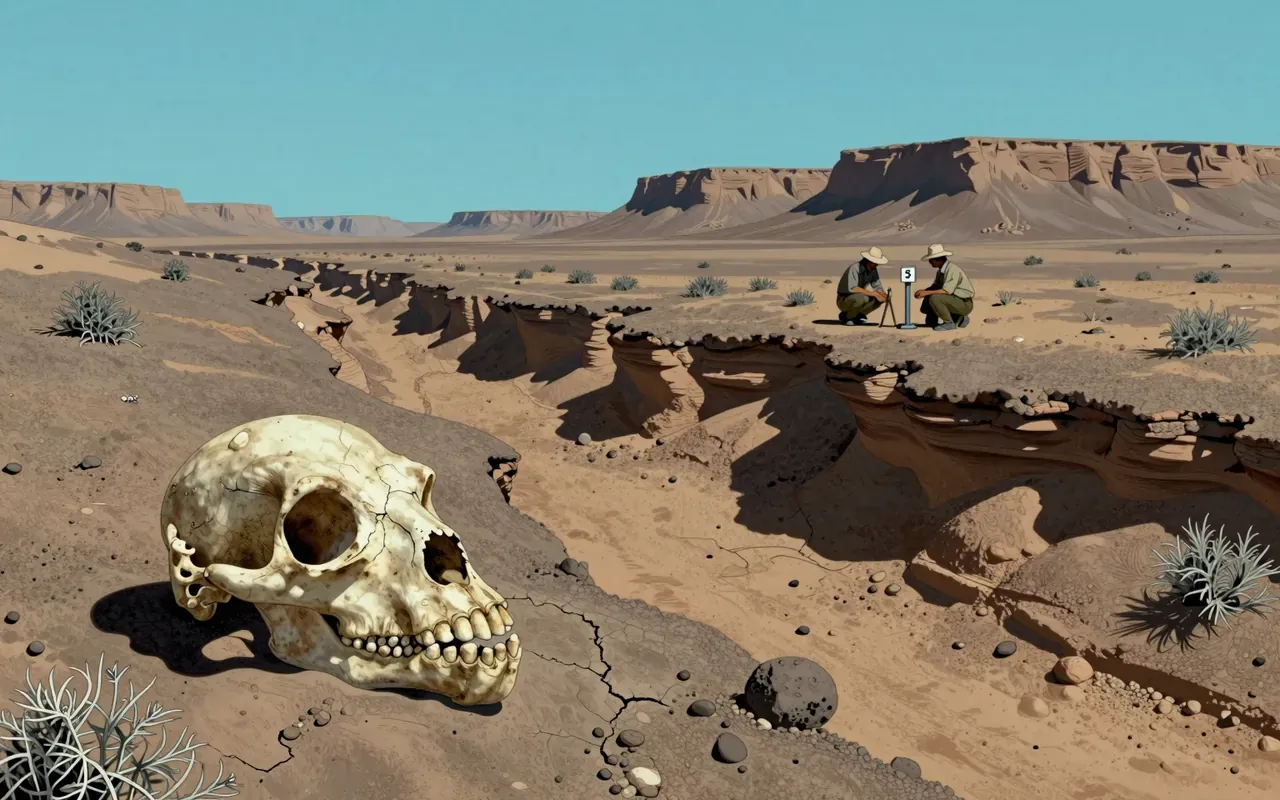
The 'Black Skull' defined Australopithecus aethiopicus — a robust, early hominin with a small brain and large teeth.
6:35
Africa as the Birthplace
No single fossil proves Africa is the cradle — but together, these finds made it the only region with direct evidence for the full early human sequence.
Worth your time?
Yes. Study the whole thing.
4.5/ 5
What works
Dates and localities of five key hominin fossils
Morphological identification of distinct species
Geographic concentration of early Homo in Africa
What does not
Prove human origins
Establish phylogenetic trees
Demonstrate behavioural complexity
Refute alternative geographic hypotheses
Study it if
Students of human evolution
Science journalists covering fossil discoveries
Educators needing primary-evidence examples
Skip it if
Readers seeking genetic or behavioural explanations
Those expecting resolution of taxonomic disputes
Audiences looking for 'proof' of evolutionary theory
The written brief1 min read
What the work claims
That Africa was the birthplace of humankind — specifically, that the earliest Homo sapiens, multiple Homo species, and early Australopithecus lineages all lived on the African continent.
How it was done
Leakey led field expeditions in East Africa, primarily around Lake Turkana and the Omo River. His team included skilled fossil hunters like Kamoya Kimeu. Finds were identified morphologically and dated using geological context and radiometric methods where applicable.
What holds up
The age and morphology of each listed fossil are empirically grounded: Omo 160,000-year Homo sapiens; KNM ER 1470 as Homo rudolfensis; KNM ER 3733 and 3883 as Homo erectus; Turkana Boy as 1.6 Ma Homo ergaster/erectus; KNM WT 17000 as Australopithecus aethiopicus. All were found in situ in East Africa.
What does not
The work does not establish evolutionary pathways, genetic relationships, or behavioural traits. It does not prove ancestry or descent between any two finds. It does not resolve taxonomic debates — e.g., whether KNM ER 1470 is Homo rudolfensis or a variant of Homo habilis — nor does it confirm or refute competing models of speciation.
Why it matters beyond the lab
It shifted paleoanthropology’s geographic focus decisively to Africa. It provided concrete, datable evidence against multiregionalism — but only by showing where early humans were, not by disproving where they weren’t.
Is it worth your time
Yes. The fossils directly challenged linear models of human evolution and anchored key species in time and place — but only within the limits of what those specific specimens show.