What the work claims
That targeted plant breeding — combining dwarfing traits, disease resistance, and high yield — could rapidly transform national wheat production when deployed with modern agronomic support.
How it was done
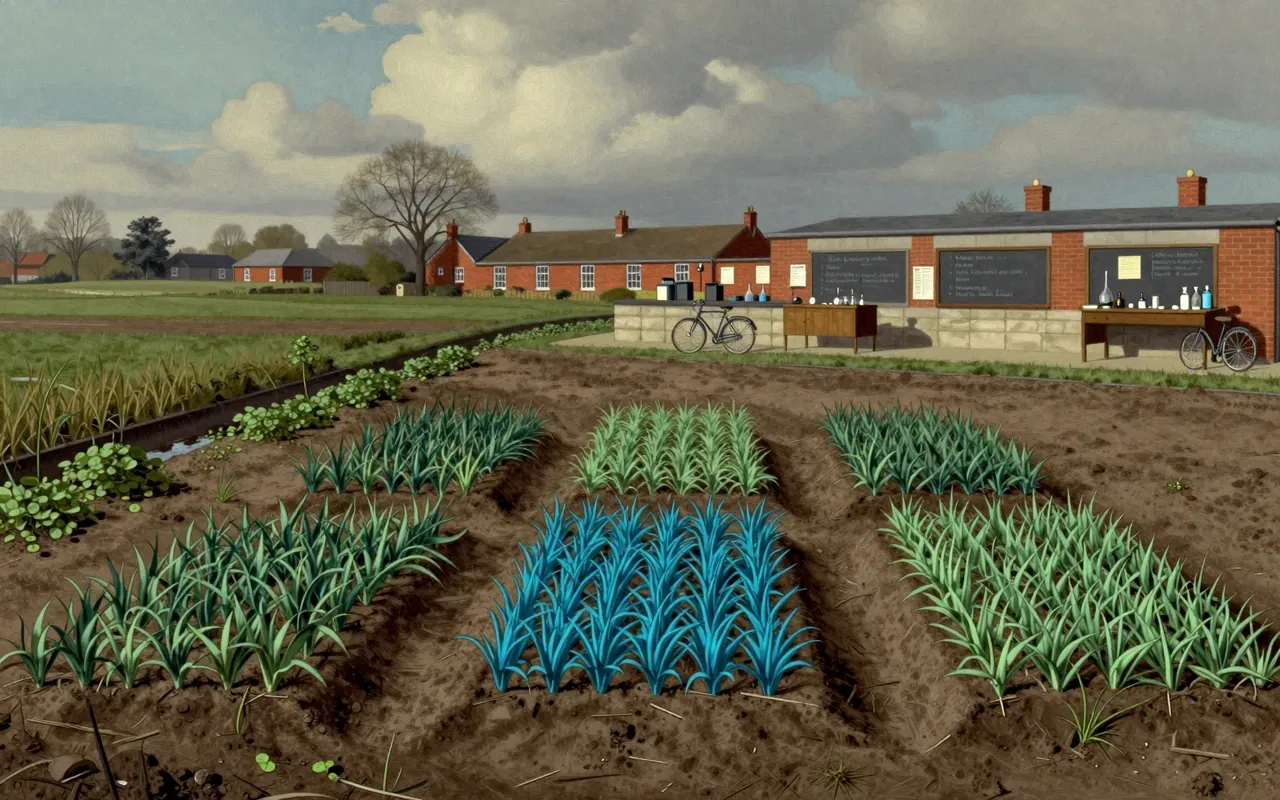
He developed semi-dwarf, high-yield, disease-resistant wheat varieties using shuttle breeding and Norin 10/Brevor 14 germplasm. He held a PhD in plant pathology and genetics. He introduced these varieties alongside modern agricultural production techniques in Mexico, Pakistan, and India.
What holds up
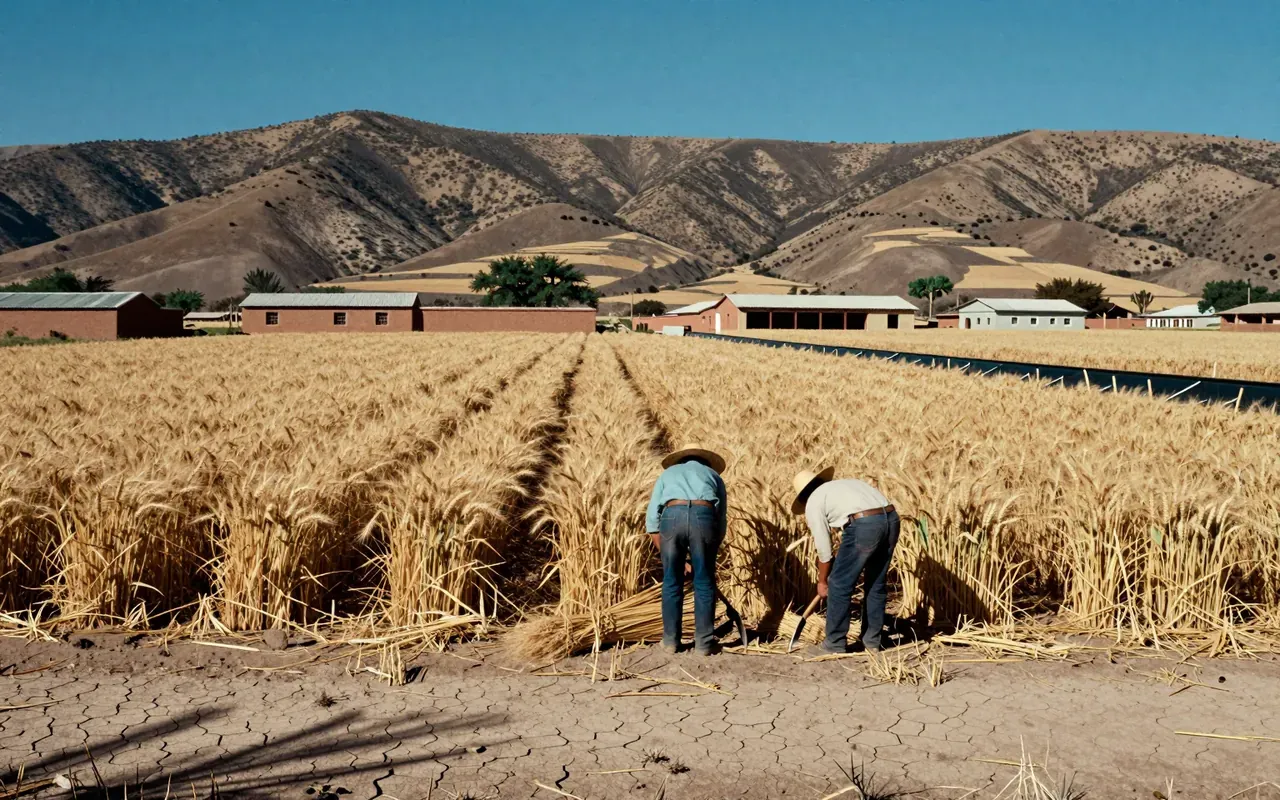
Mexico became a net wheat exporter by 1963. By 1963, 95% of Mexico’s wheat crops used his semi-dwarf varieties. Wheat yields nearly doubled in Pakistan and India between 1965 and 1970. His varieties Pitic 62 and Penjamo 62 dramatically changed the potential yield of spring wheat.
What does not
The sources do not establish that Borlaug’s work ended hunger, prevented famine globally, or was universally adopted without inputs like irrigation, fertiliser, or pesticides. No evidence is given on long-term soil health, equity of benefit, environmental side effects, or sustainability beyond the 1960s–70s yield gains.
Why it matters beyond the lab
It shows how applied genetics, coupled with coordinated extension and infrastructure, can shift national caloric sovereignty in under a decade. It is a benchmark for what crop science can achieve in defined agroecological and political contexts — not a universal template.
Is it worth your time
Yes. The work directly altered national food balances and yield trajectories in three countries within five to ten years. It is concrete, time-stamped, and tied to specific cultivars and adoption rates.