What survives in the sediment
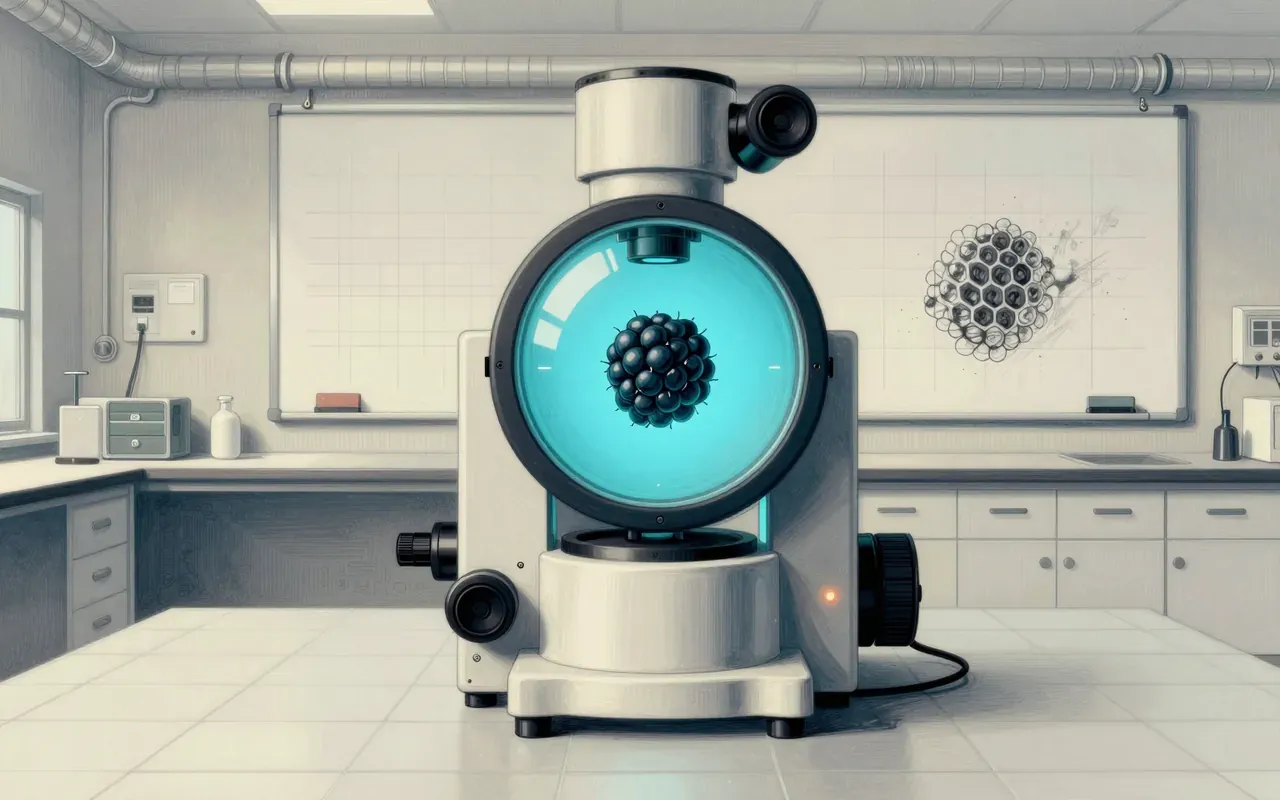
Palynology is defined here as the study of microscopic, acid-resistant organic particles preserved in sediment and sedimentary rock, ranging from about five to five hundred micrometres in size and including pollen grains, spores, and several less familiar categories such as dinoflagellate cysts and fungal material. What unites these particles, called palynomorphs, is that they are built from unusually resistant substances, chitin and a compound called sporopollenin among them, tough enough to survive burial and chemical breakdown over long spans of geological time in a way most organic material does not. This durability is what makes the field possible at all: pollen grains deposited thousands of years ago can still be recovered, identified and counted today, preserving a record of what plants were growing, and in what proportion, at the time each sediment layer formed.
A method born from peat, not archaeology
The method’s development traces to Lennart von Post, a Swedish geologist who spent twenty-one years working as a peat specialist for the Swedish Geological Survey. Rather than approaching pollen from a botanical angle, von Post developed a technique for using pollen grains to build stratigraphies capable of correlating peat layers across different sites, work that crystallised into the publication of the first modern pollen diagram in 1916, the same year he presented what became a well-known lecture in Christiania, present-day Oslo. This origin in practical peat surveying rather than pure botanical curiosity is worth noting, since it grounds the method’s beginnings in a specific, applied geological problem, tracking and dating peat deposits, rather than an abstract scientific question about ancient vegetation.
A discovery that had to wait to travel
Despite this foundational work, von Post’s influence spread more slowly than the method’s later importance might suggest, because he published primarily in Swedish, limiting his readership largely to a domestic audience. It took Gunnar Erdtman’s 1921 publication in German to carry pollen analysis into wider circulation across Europe and eventually North America, a language barrier the material treats as a genuine, specific obstacle to the method’s early adoption rather than a vague historical footnote. Erdtman went on to make his own methodological contributions, including refining a technique called acetolysis that dissolves cellulose material to make pollen grains easier to examine under a microscope, work that reinforced his role in popularising the field even as von Post remained its original innovator.
A name settled in 1944, after competitors
The field did not receive its current name immediately either. Hyde and Williams formally proposed the term palynology in 1944, in a publication called the Pollen Analysis Circular, selecting Greek roots relating to scattering or dust as the basis for the name. This happened only after competing terms, including paepalology and pollenology, had also been floated as possibilities, and the material treats this naming process as a genuine, somewhat contested episode rather than an inevitable, obvious choice, with Erdtman’s broader prominence in the field cited as a factor in why the eventually chosen terminology gained lasting acceptance over its rivals.
Reading a landscape’s history from its pollen
In practice, reconstructing past environments works by counting the relative frequency of different pollen types across successive sediment layers and plotting the results as a pollen diagram, a visualisation format credited to Phyllis Draper’s work on samples from Curtis Bog. Shifts in this frequency over time can reveal changes in vegetation composition, evidence of human activity such as logging, and broader regional climate change, since different plant species favour different climatic conditions and their relative abundance in the pollen record shifts accordingly. This turns a sediment core into a genuine historical timeline of a landscape’s changing plant life, built entirely from particles too small to see without a microscope but durable enough to have survived largely intact since they were first deposited.
From ancient farms to honey fraud
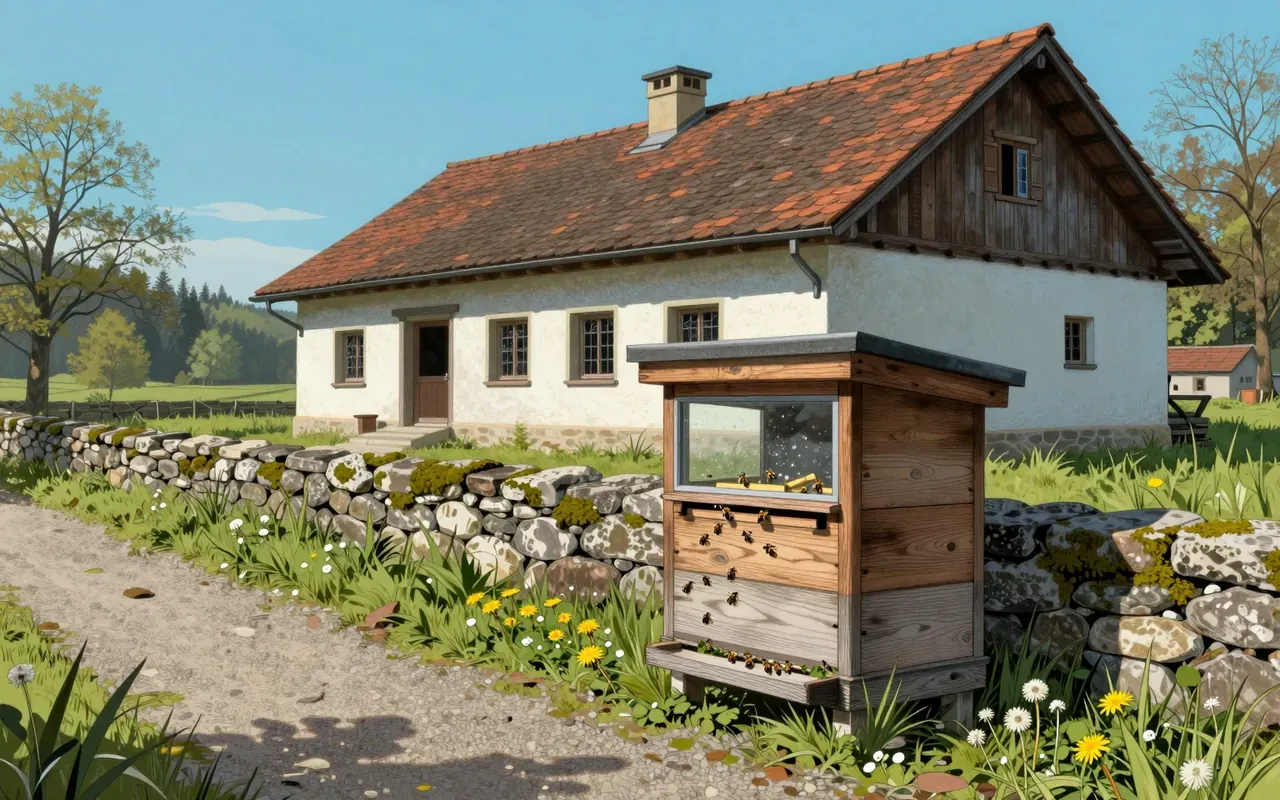
The same core technique extends well beyond reconstructing ancient climate. In archaeology, pollen analysis helps identify what plants past communities exploited and can indicate the season in which a site was occupied, based on which plants happened to be releasing pollen at the time. Forensic palynology applies the same principle to criminal investigation, using pollen recovered from clothing or objects to help place a person at a specific location. A further specialised branch, melissopalynology, examines pollen found in honey to identify its geographic and botanical source, a method also used to detect honey adulteration. This range, from Quaternary climate reconstruction to honey fraud detection, is what makes the hour worthwhile: a single, unglamorous counting method applied to genuinely varied and practical modern problems.