sciencebriefs
Topic

Plants

The organisms everything else eats, studied last.

7
in science
11:00
average
77 min
in total
26
across the network
Plants across the network →
All briefs7
13:00

Carotenoid

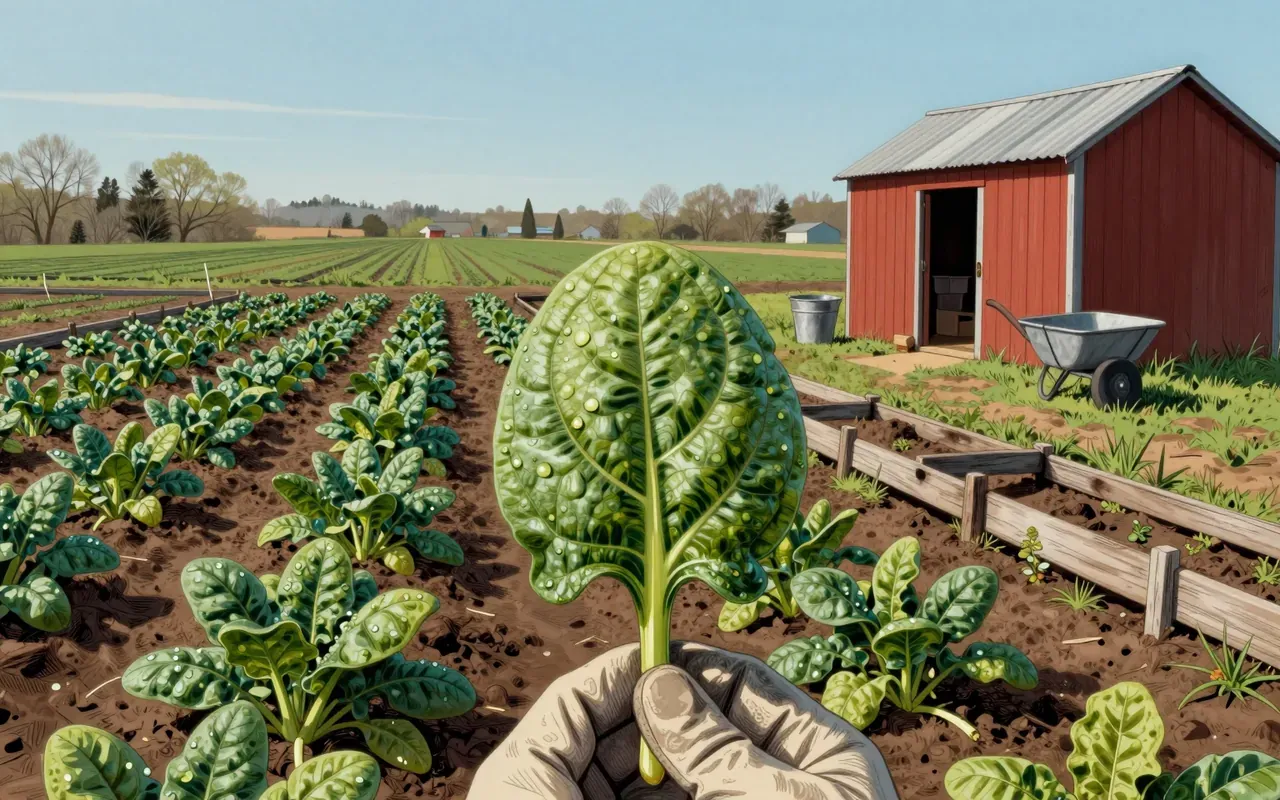
Chlorophyll makes plants green precisely because it is bad at absorbing green light, and carotenoids do the opposite job of protecting the plant from the light chlorophyll absorbs too well, which this brief explains alongside a decades-old chlorophyll marketing hoax.
9:17

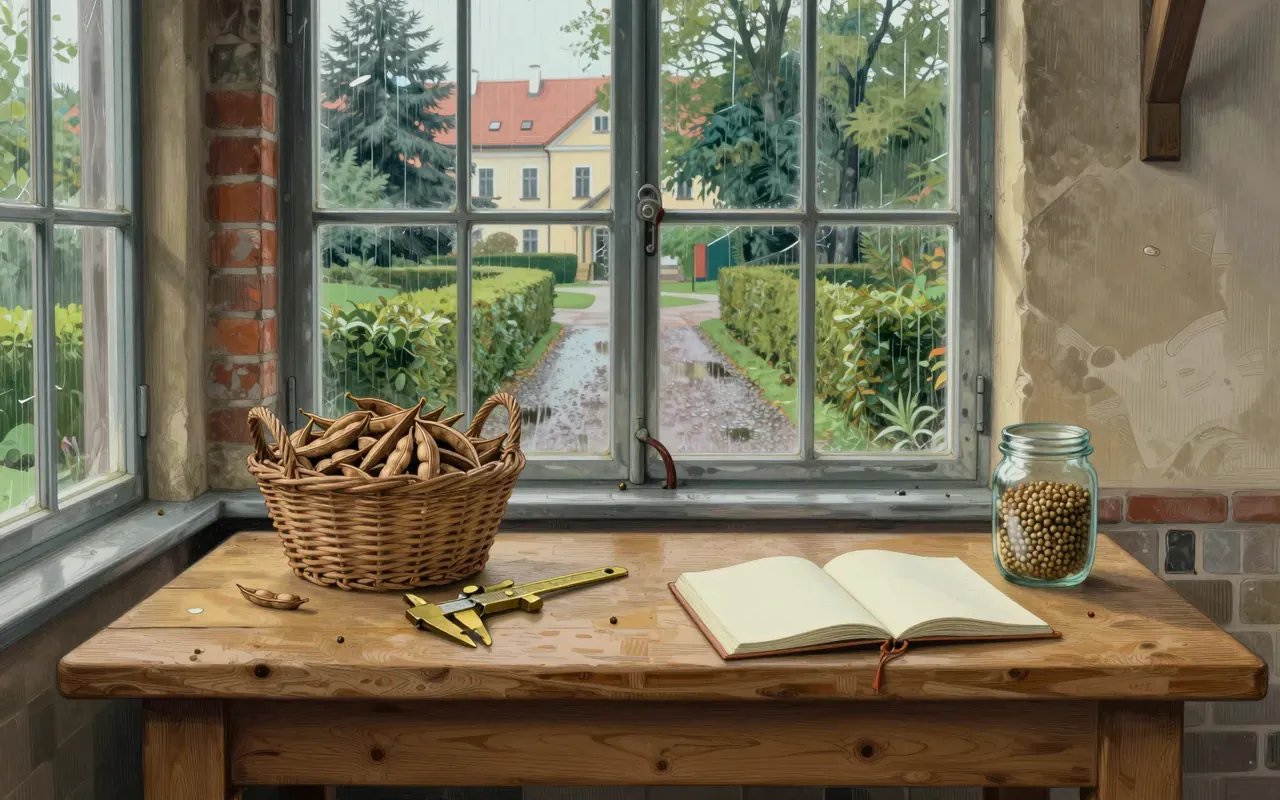
Gregor Mendel

Mendel didn’t discover genes — he discovered that inheritance isn’t blended, but counted.
8:55

Norman Borlaug

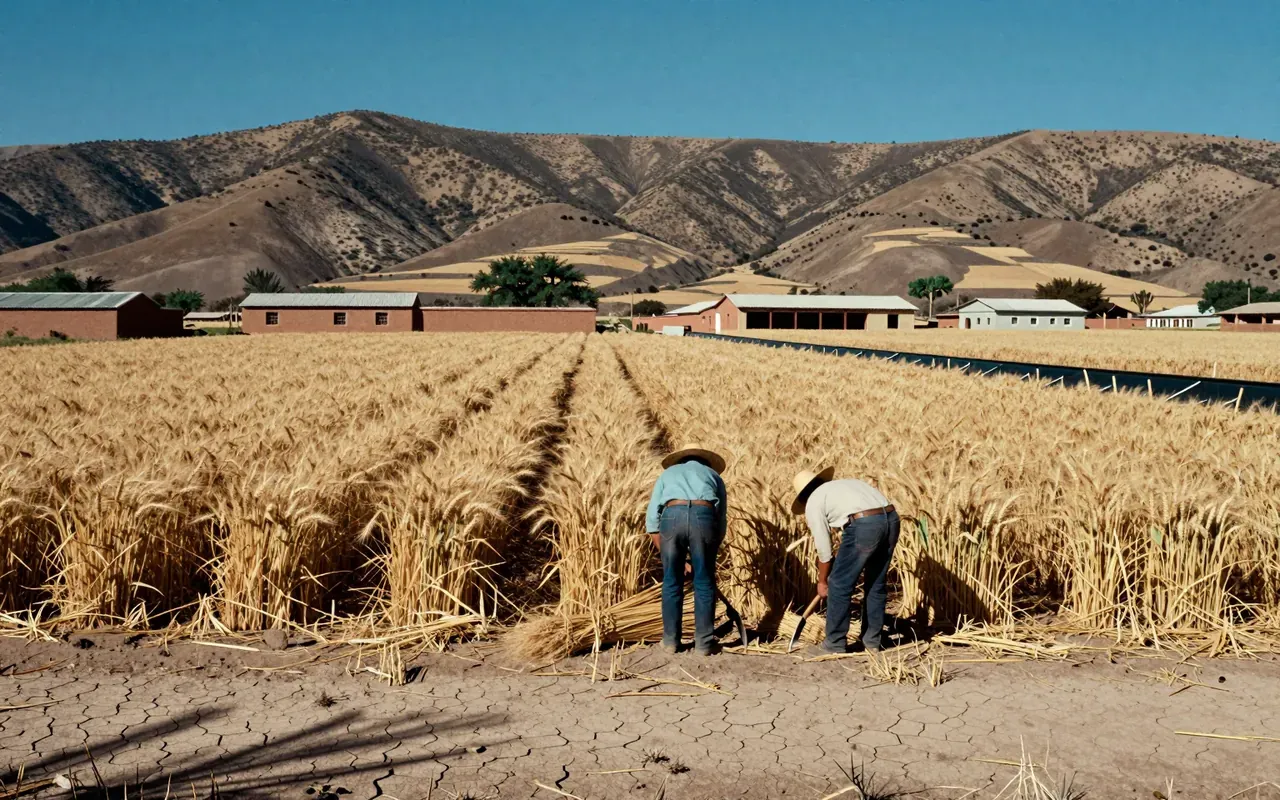
Borlaug didn’t end world hunger — he doubled wheat yields in three countries in five years by breeding shorter, sturdier plants.
13:00

Palynology

Lennart von Post built the first modern pollen diagram in 1916 but published mostly in Swedish, and it took a colleague's German-language paper to spread the method, which this brief follows from a Christiania lecture to modern forensic and honey testing.
13:00

Plant hormone

Plants have no glands and no circulatory system, yet every cell can make its own hormones, and this brief follows how at least nine separate signal classes coordinate growth without either of those animal-style tools.
9:30

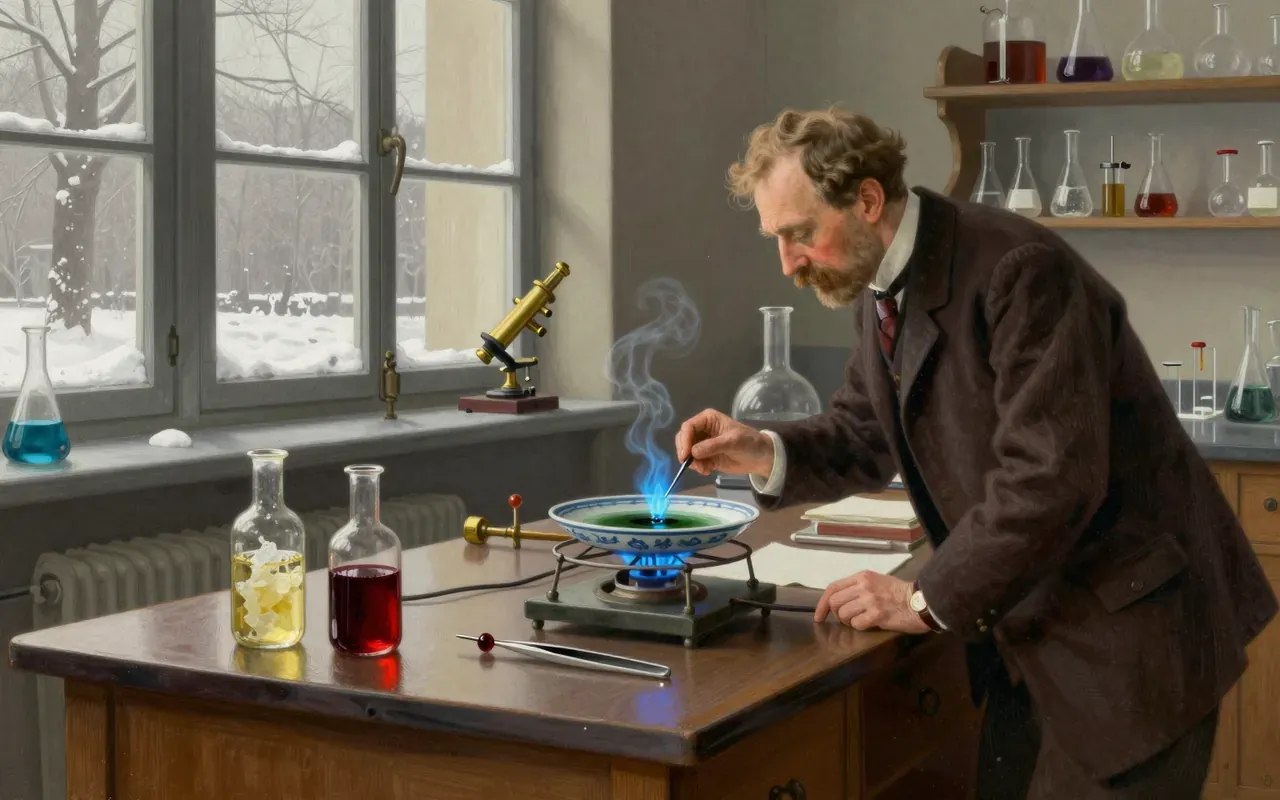
Calvin cycle

Calvin

The Calvin cycle is the first experimentally mapped biochemical pathway for carbon fixation. It established the sequence of carbon-containing intermediates using carbon-14 labelling in algae. It did not characterise enzymes, kinetics, or regulation. Its power lies in its direct, empirical tracing — not theoretical elegance.

10:16

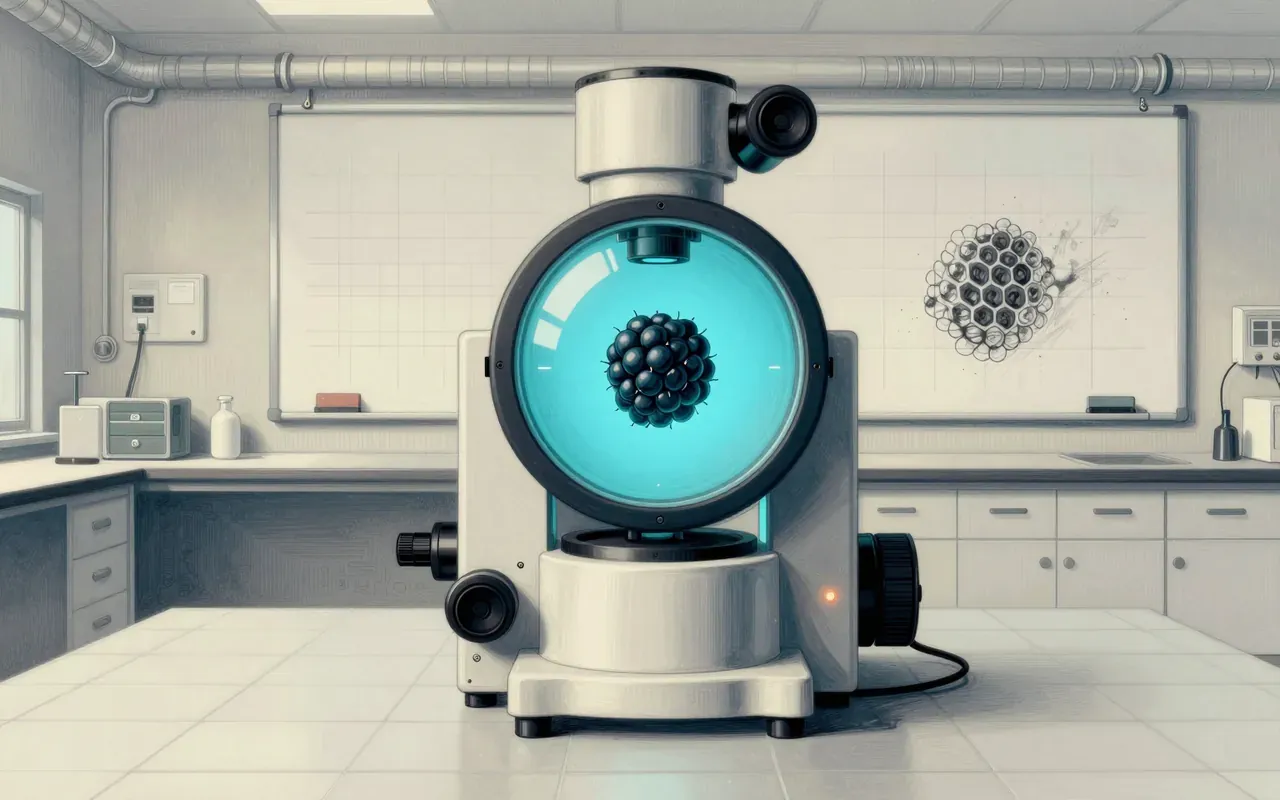
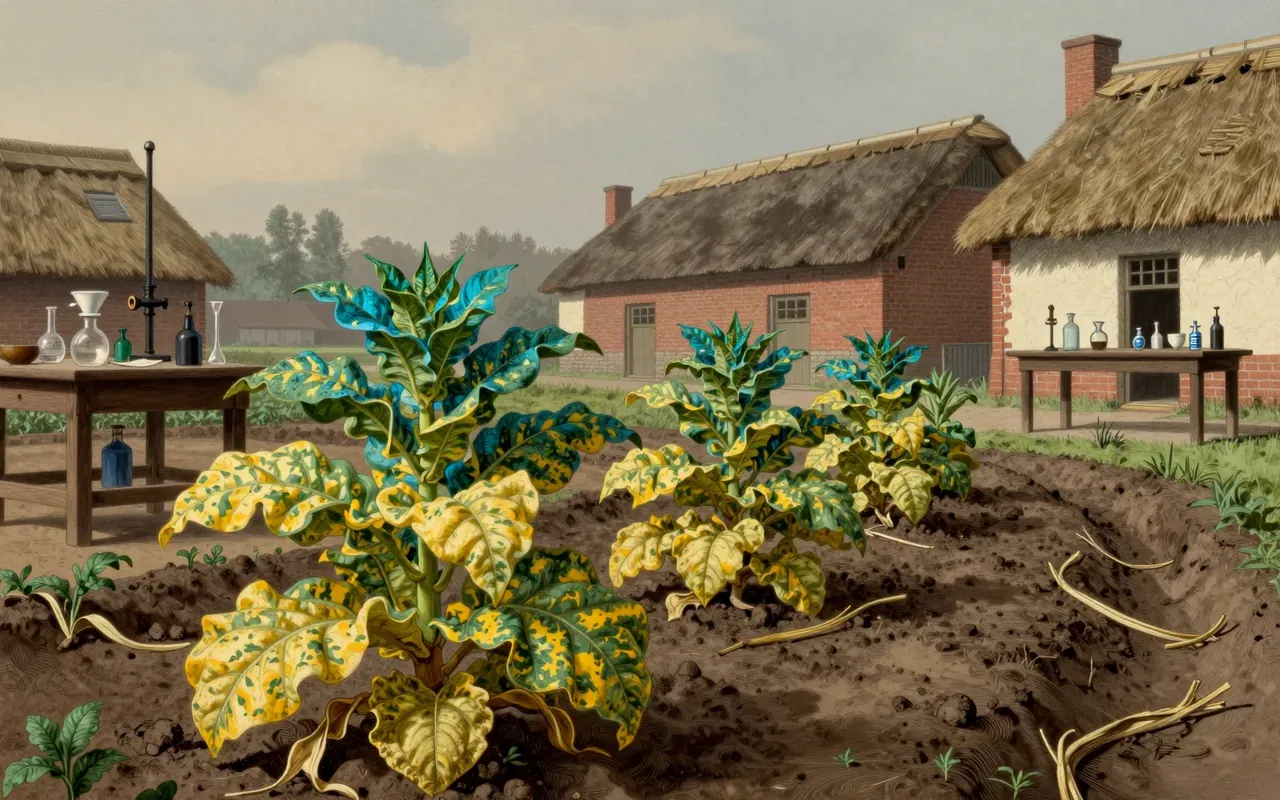
Tobacco mosaic virus

Ivanovsky and Beijerinck

The discovery of the tobacco mosaic virus established the existence of infectious agents smaller than bacteria and dependent on living hosts for replication. Ivanovsky (1892) demonstrated filterability; Beijerinck (1898) added host-dependent multiplication and coined 'virus'. Neither observed the virus itself. Their work founded virology — but also embedded a flawed 'fluid' model that delayed recognition of viruses as particulate, genetic entities.