sciencebriefs
Field

Natural sciences

Matter, energy, the planet and the sky: what the measurement actually showed, and how far the result can be pushed.

316
briefs
11:28
average
3625 min
in total
122
researchers
Fields under Natural sciences4
All briefs316
10:34

Baconian method

Francis Bacon

Bacon’s method is not a working protocol but a declaration of epistemic discipline: knowledge must be built stepwise from particulars, anchored in observation, and guarded against the Idols of the mind. Its power lies in its framing—not its execution.

11:20

Ibn al-Haytham

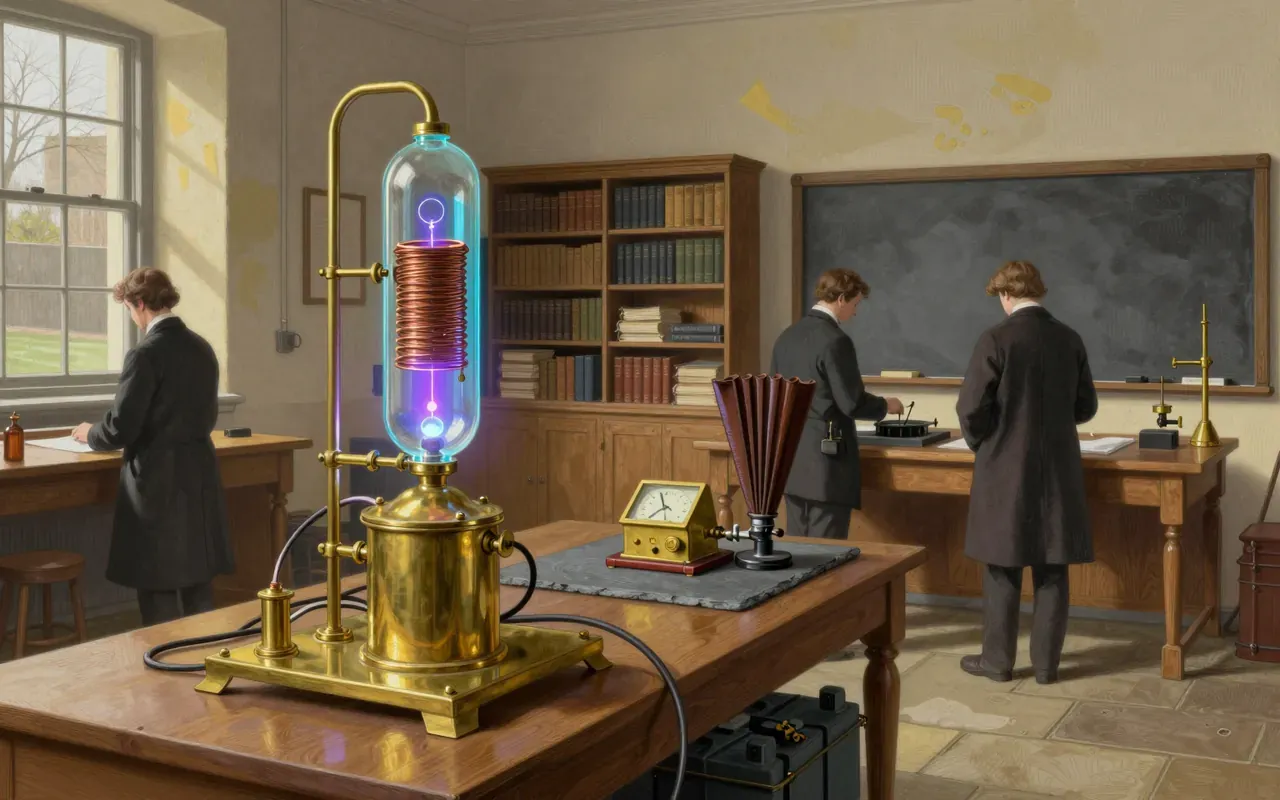
He didn’t just study light—he invented the scientific method for perception.
11:02

Nuclear fusion

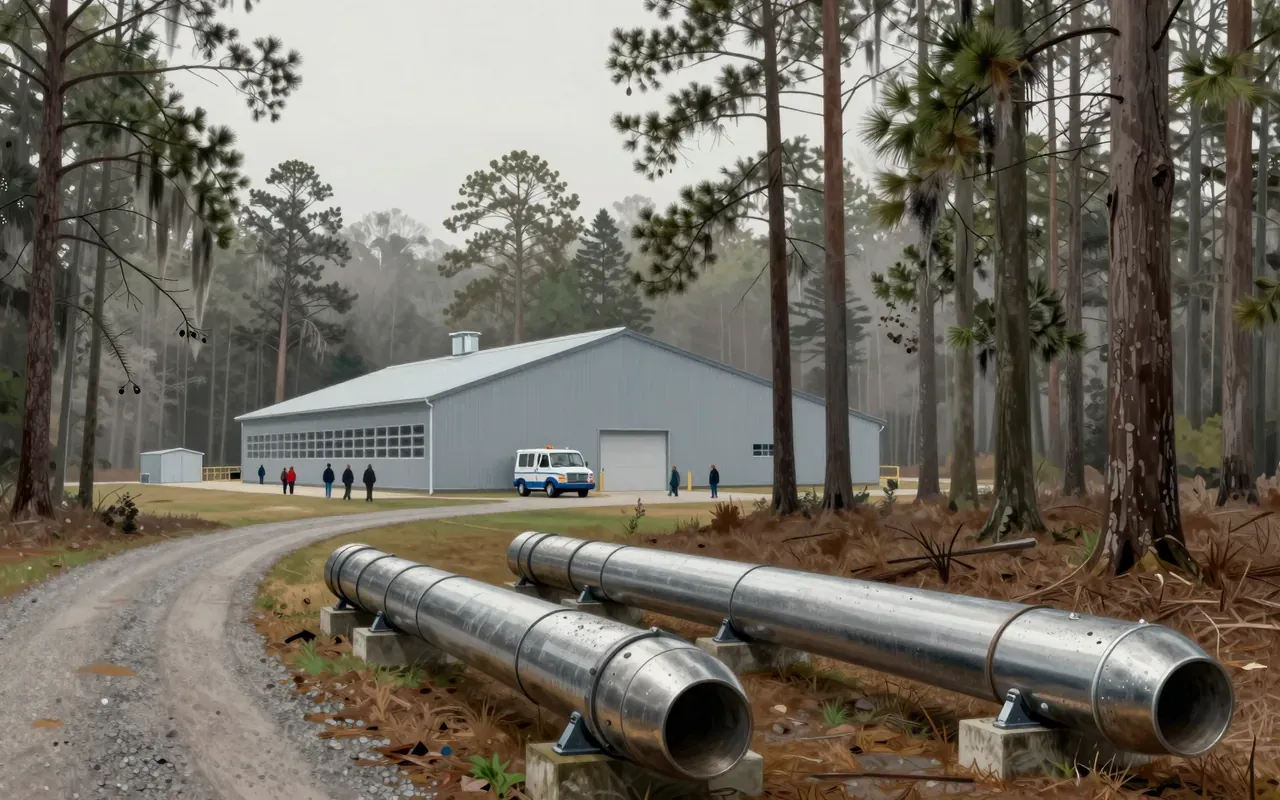
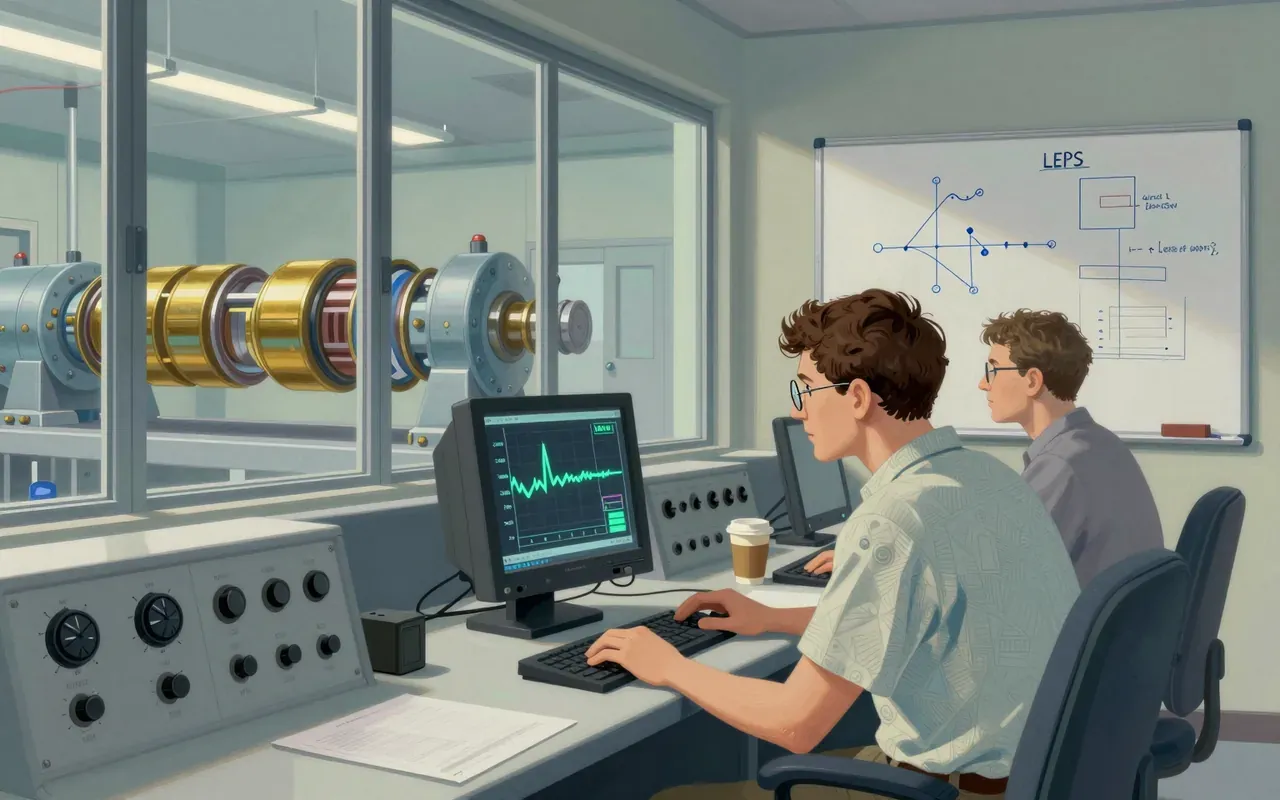
Fusion was solved for stars in 1939—not for power plants, and not by engineers.
10:02

Avicenna

Avicenna invented conceptual scaffolding for science—not data, but the grammar of causality, certainty, and self-evidence.
9:52

Klaus von Klitzing

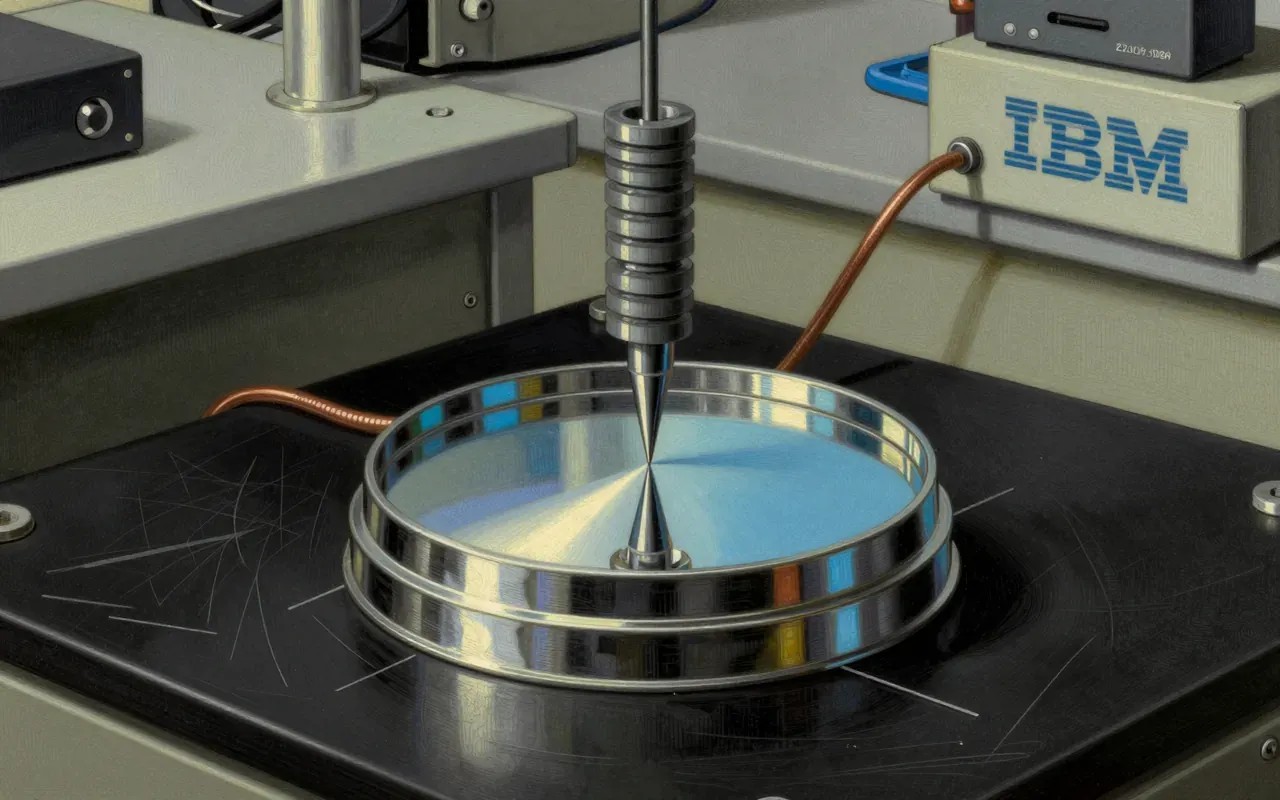
A single number, RK, turned resistance into a quantum ruler — but it measures only one kind of perfection.
10:19

Per Bak

Self-organized criticality is not a law of nature—it’s a sandbox with one working toy.
9:36

Space

Space is not empty. It bends, ripples, expands—and you’re standing inside a four-dimensional object you can’t see.
9:11

Lord Kelvin

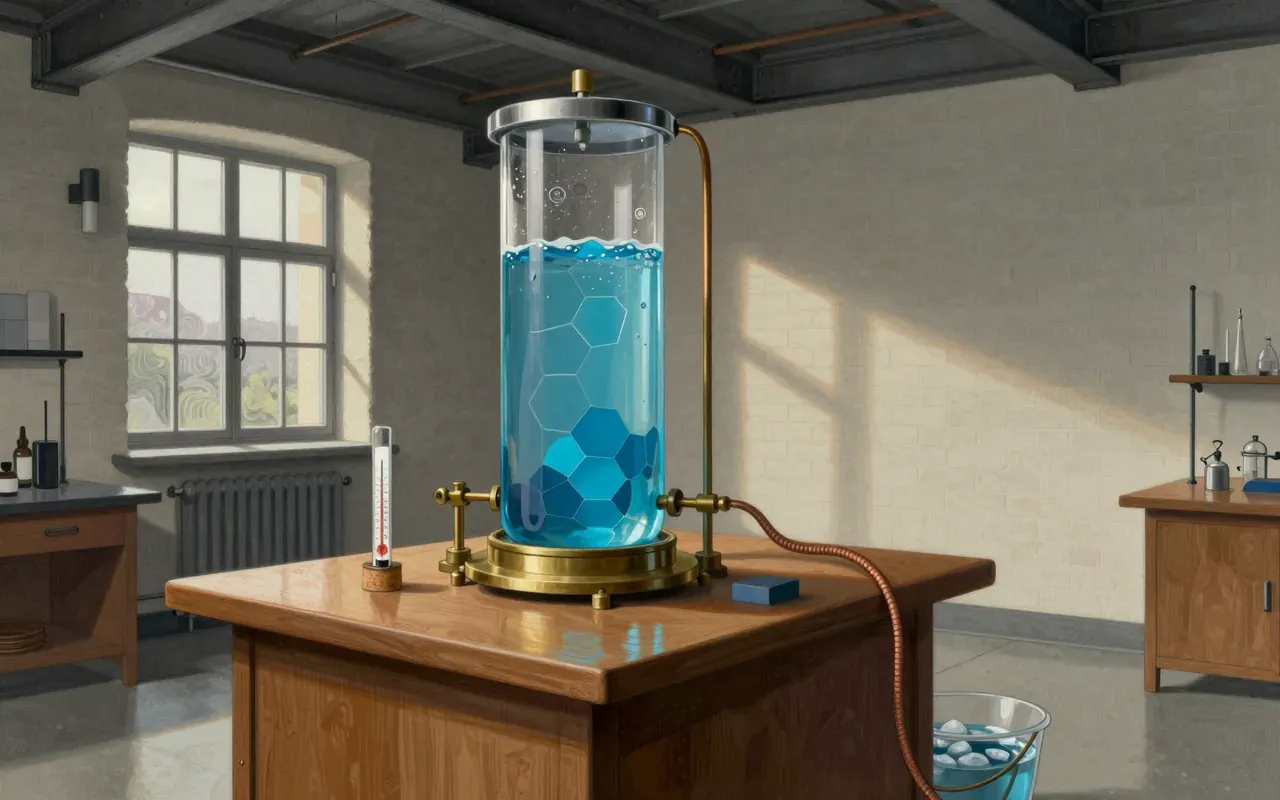
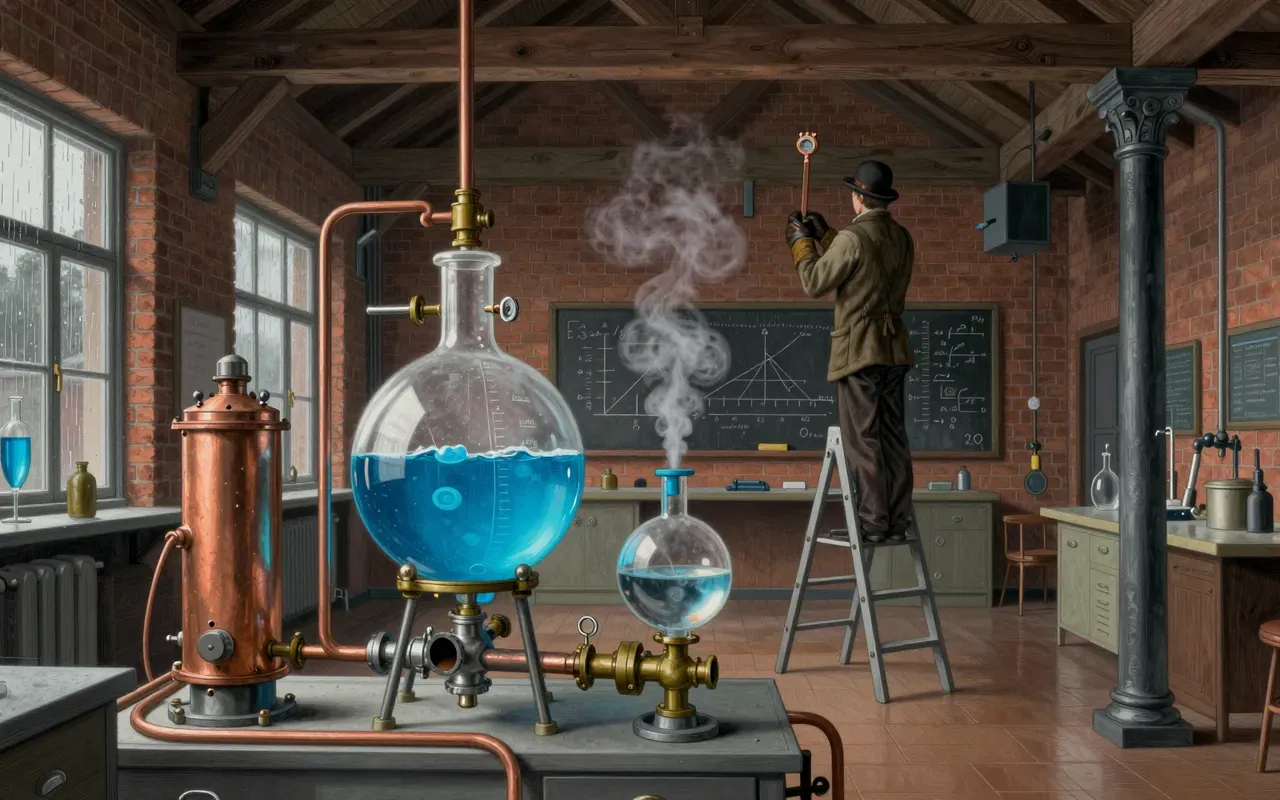
He didn’t discover cold — he made temperature itself objective.
10:55

Viking lander biological experiments

Gil Levin

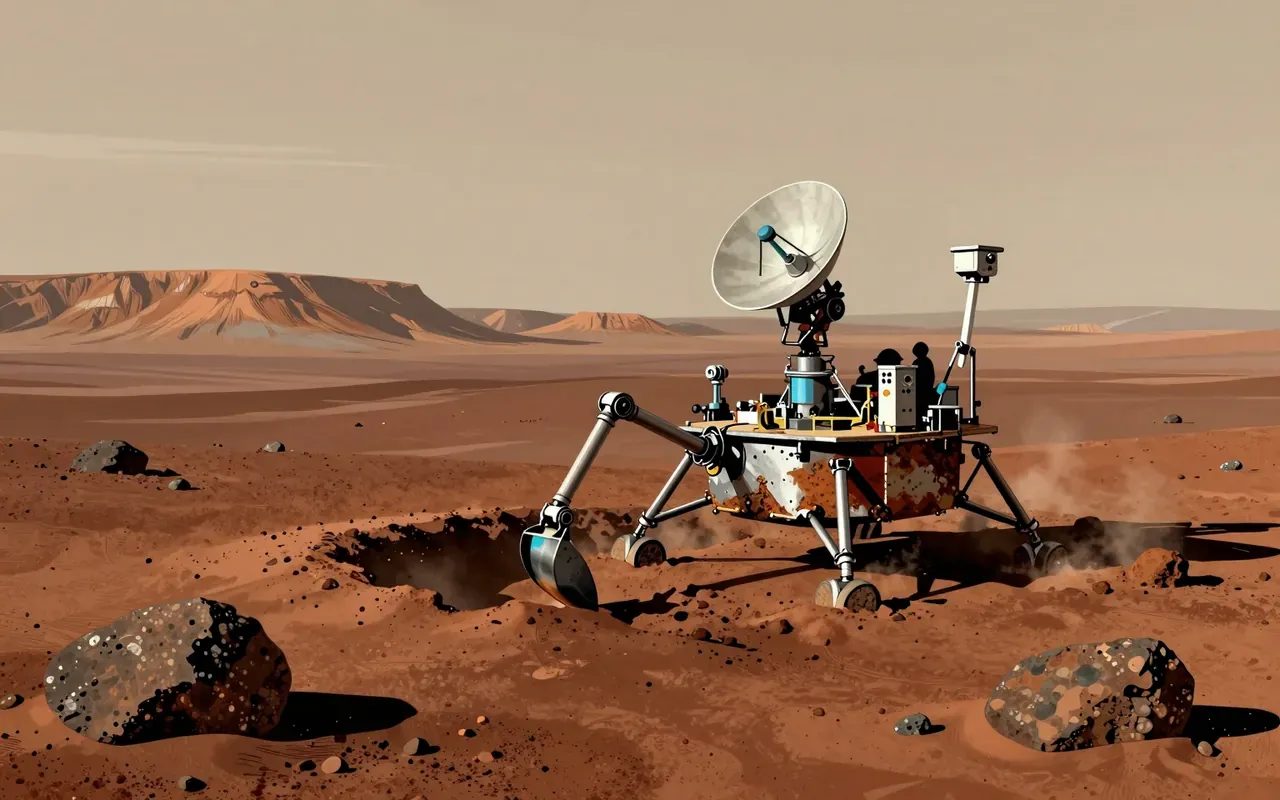
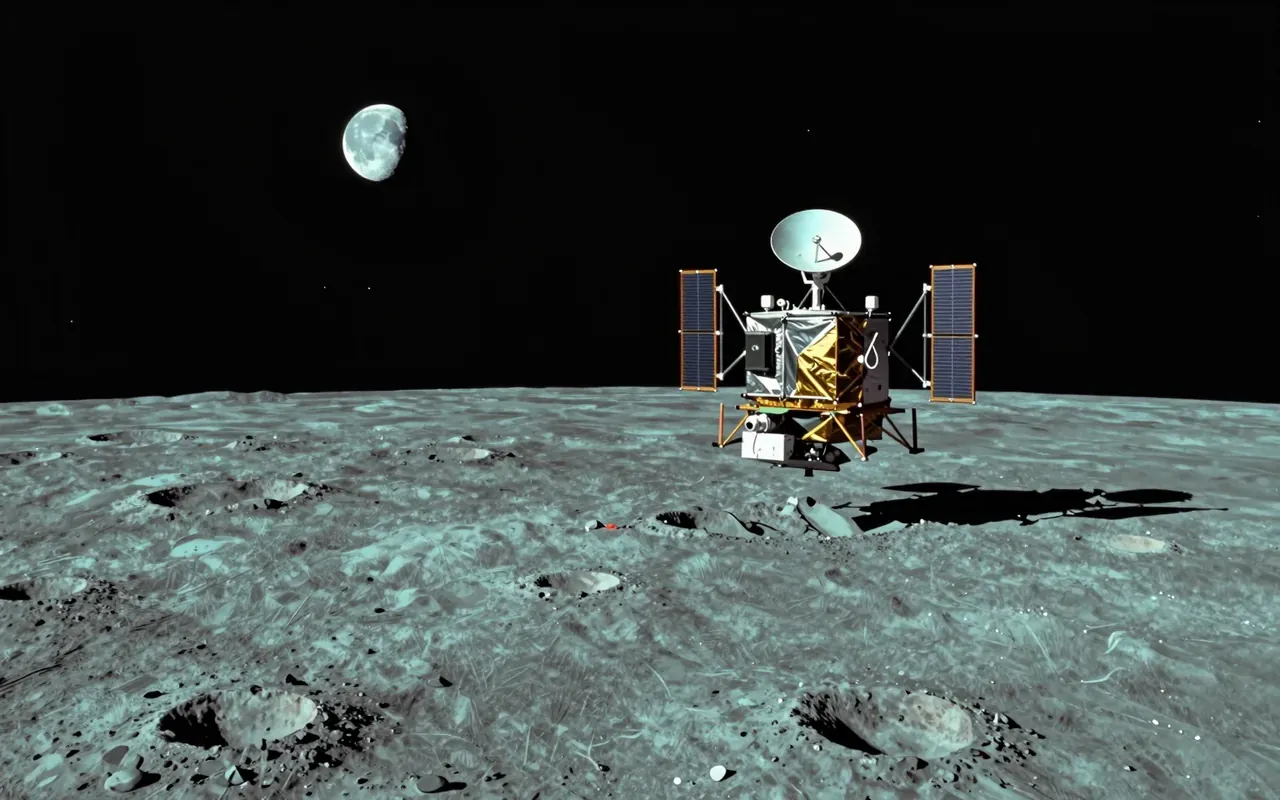
The Viking lander biological experiments were a suite of four in situ tests conducted in 1976 by the Viking 1 and Viking 2 landers to detect microbial life on Mars. The experiments—Gas Chromatograph–Mass Spectrometer (GCMS), Gas Exchange (GEX), Labeled Release (LR), and Pyrolytic Release (PR)—used soil samples collected by robotic arm and analyzed them under controlled conditions. While GCMS found no significant organic molecules, LR yielded positive, reproducible signals of radioactive gas release upon nutrient addition—signals that diminished or disappeared after heat sterilization or cold storage—prompting ongoing debate over whether the results indicate biological metabolism or abiotic oxidative chemistry, especially in light of later discoveries like perchlorate.

10:10

Renewable energy

Renewables aren’t a discovery — they’re a scaling target with a definition, not a breakthrough.
9:19

Water cycle

A correct theory of the water cycle existed for 230 years before science accepted it.
10:41

Hypatia

Hypatia didn’t invent new mathematics—she rebuilt the foundations others relied on.
13:00

Biosignature

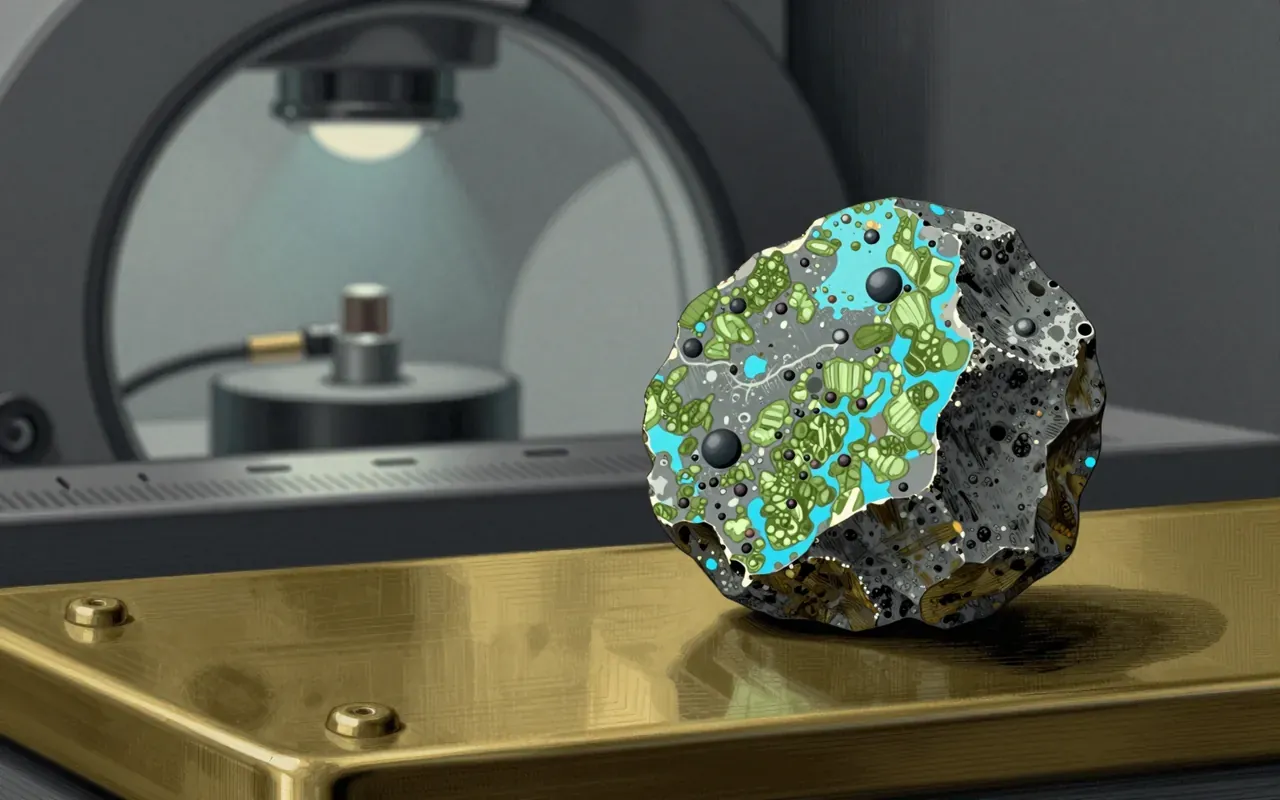
A meteorite once thought to hold fossilised Martian bacteria turned out to show structures too small to be cells, and that failure is the reason biosignature science now demands several independent lines of evidence, which this brief follows from oil-industry chemistry to Mars.
13:00

Boltzmann's entropy formula

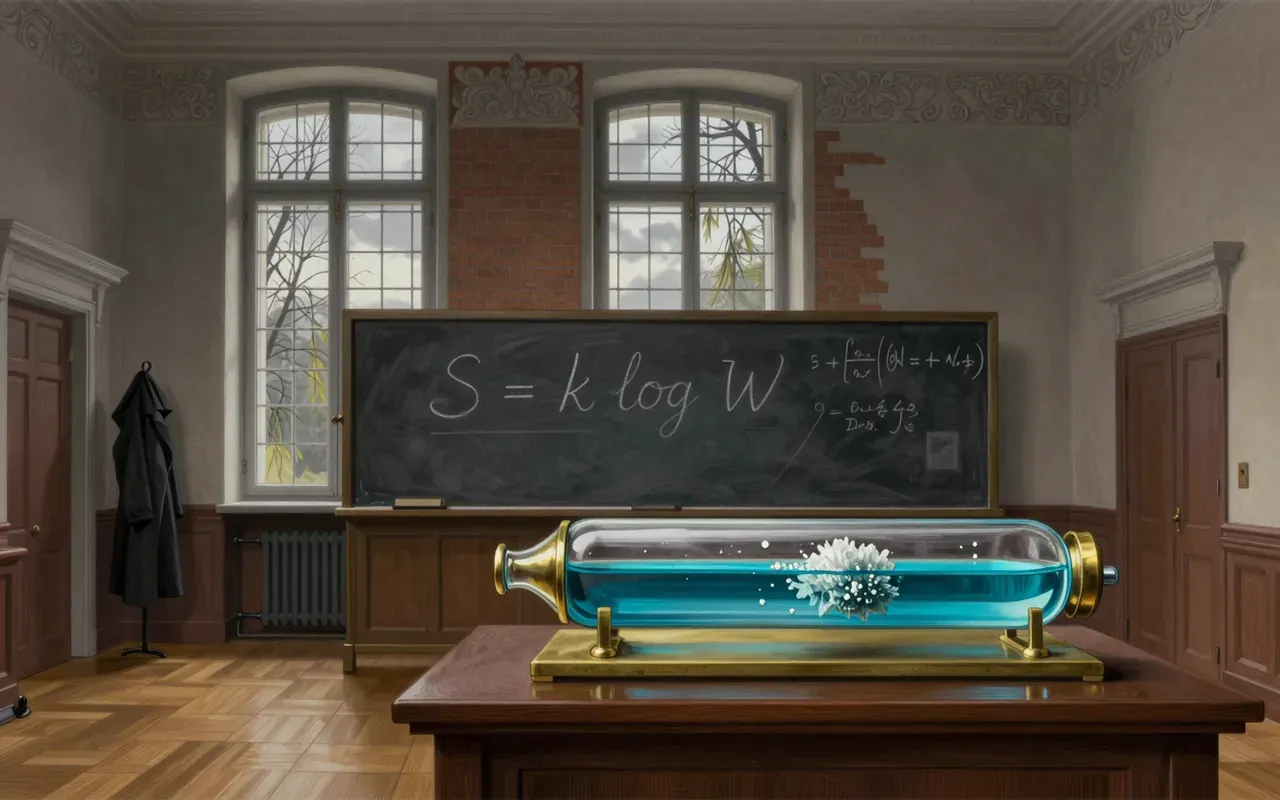
Boltzmann's formula reduced entropy to a count of possible atomic arrangements, but the atomic theory it depended on was not confirmed until 1908, two years after his death by suicide amid professional resistance.
13:00

Dendrochronology

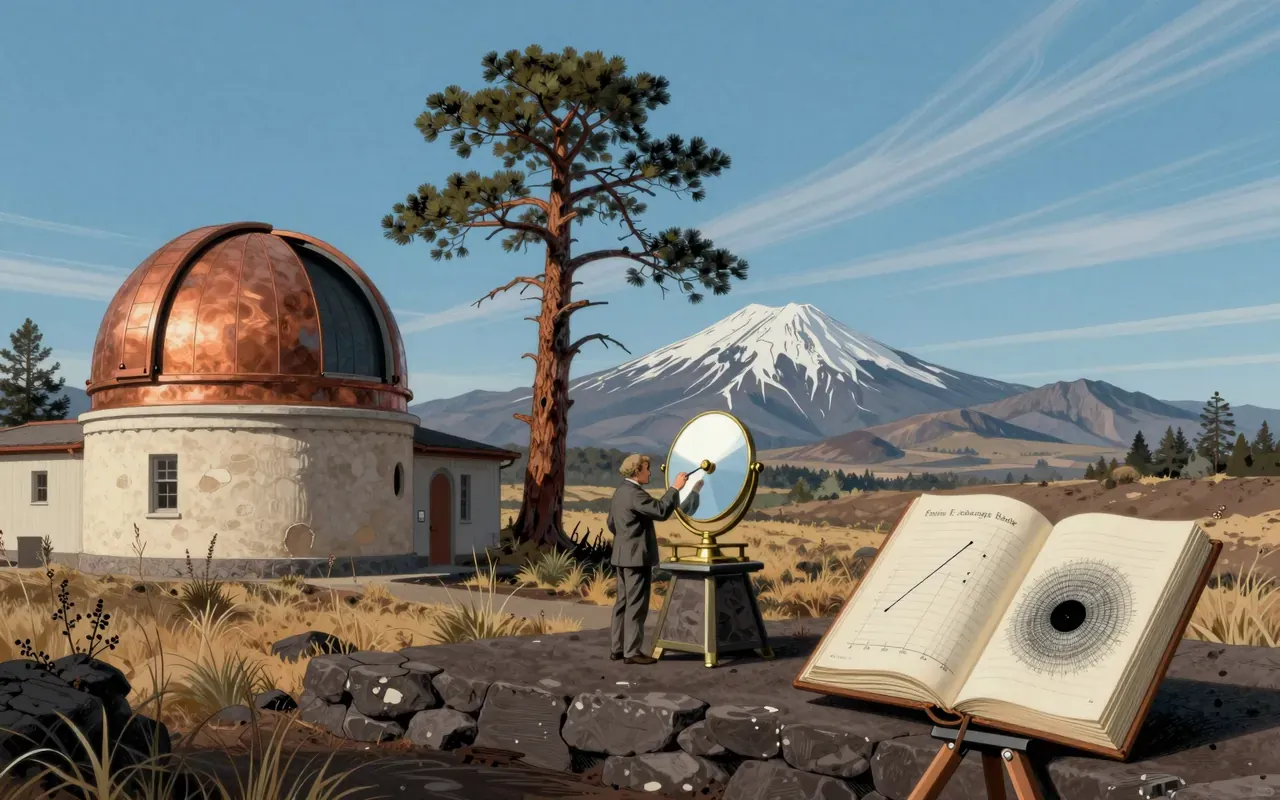
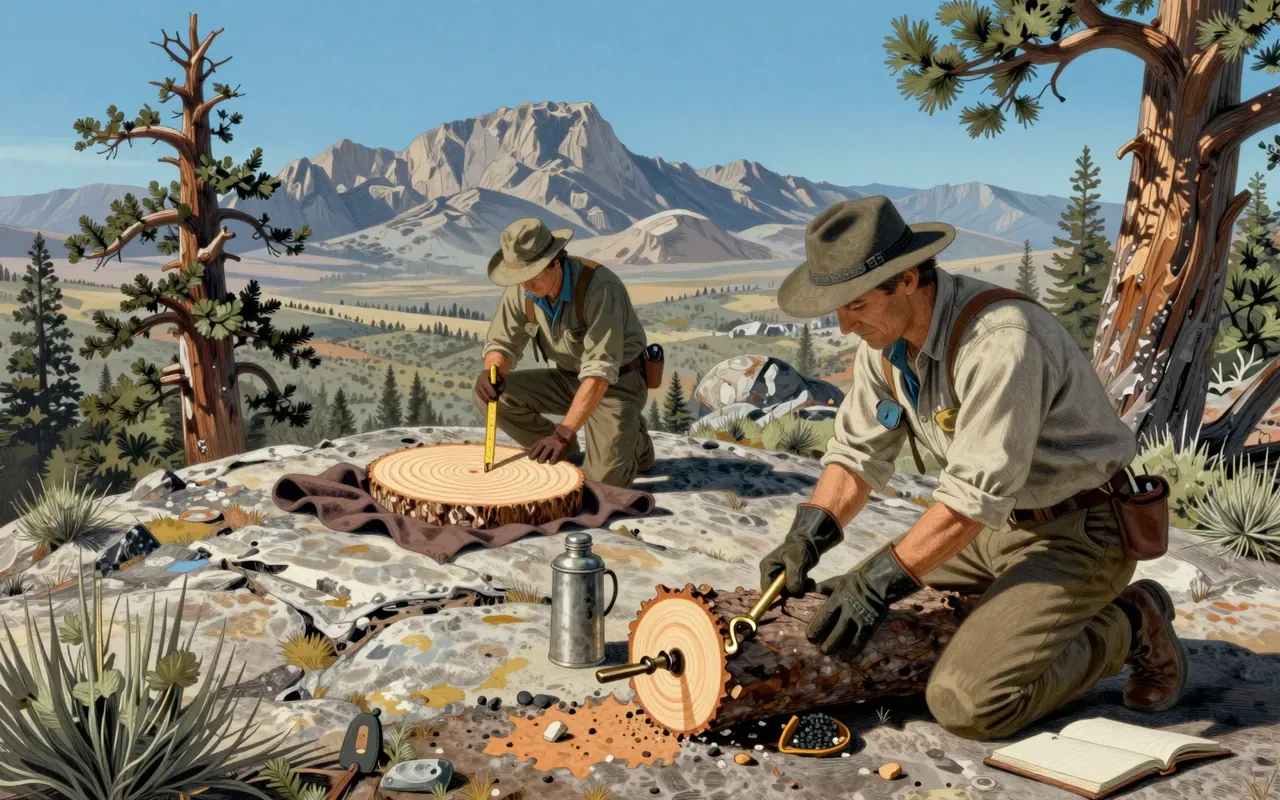
A single wooden beam found in Arizona in 1929 closed a gap between two separate tree-ring records and gave archaeologists a continuous calendar reaching back to the year 700, which this brief follows from an astronomer's sunspot obsession to modern art forgery detection.
9:17

Donald Johanson

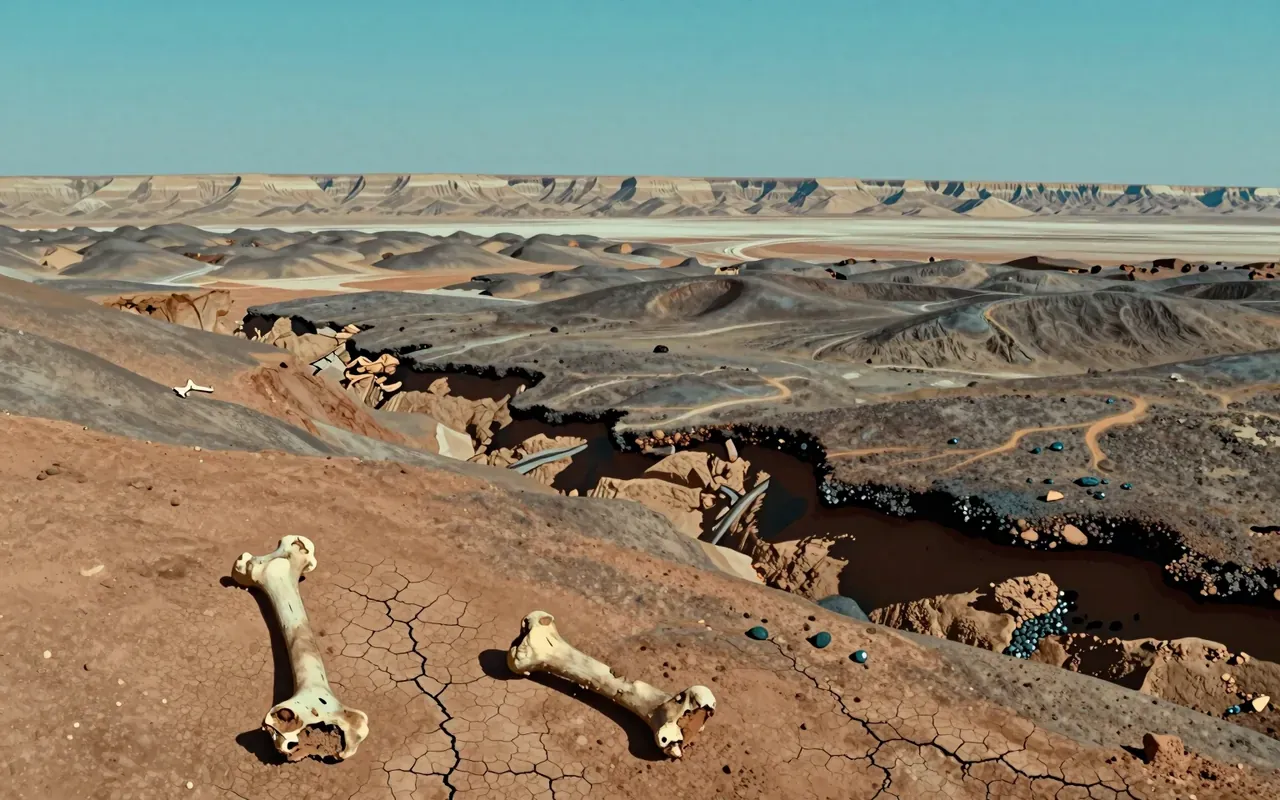
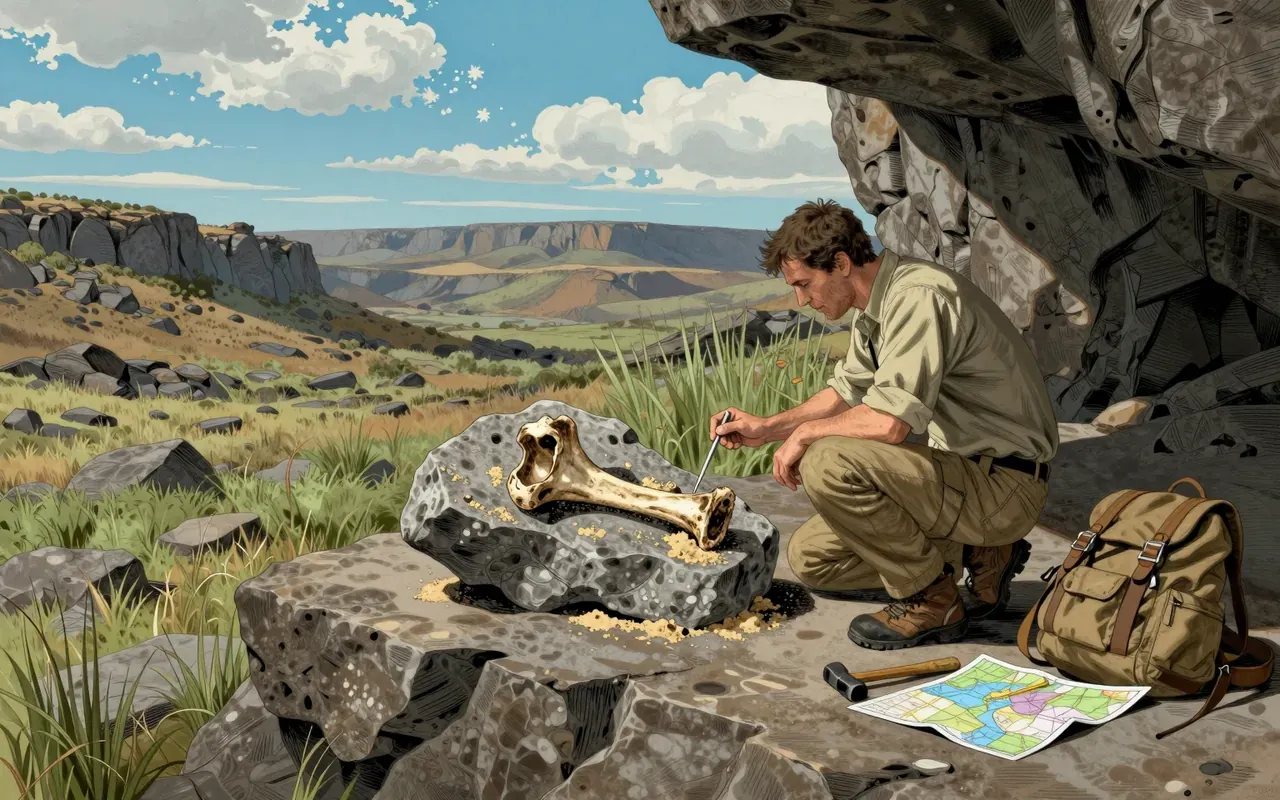
One glance at a bone changed human evolution—by forcing palaeontology to redraw the family tree around a single, incomplete skeleton.
10:41

Edward Drinker Cope

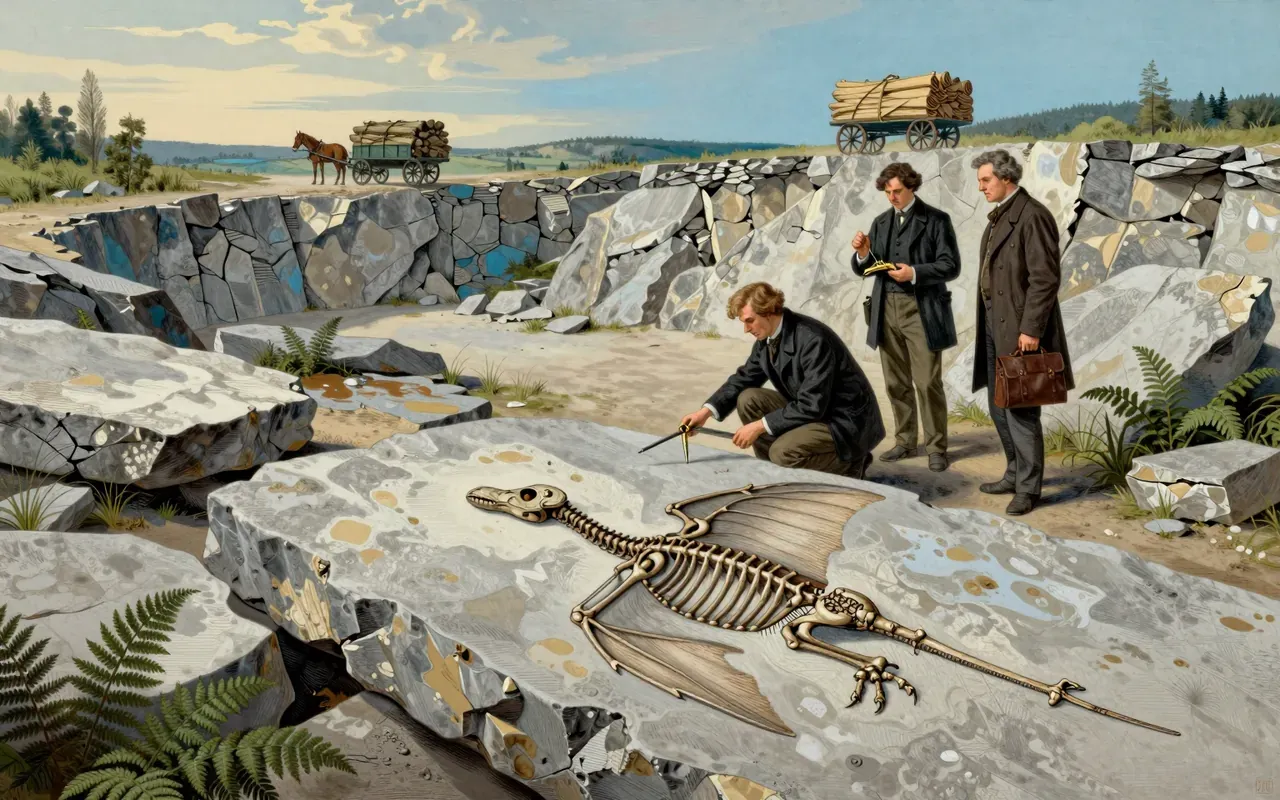
Cope didn’t found American palaeontology—he flooded it with names, many of which still stand only because no one has cleared the backlog.
13:00

Homo floresiensis

A metre-tall skeleton found in an Indonesian cave in 2003 was either a new dwarfed human species or a sick modern human, a dispute settled largely by CT scans of its brain case rather than by its strikingly small size alone.
8:46

Howard Carter

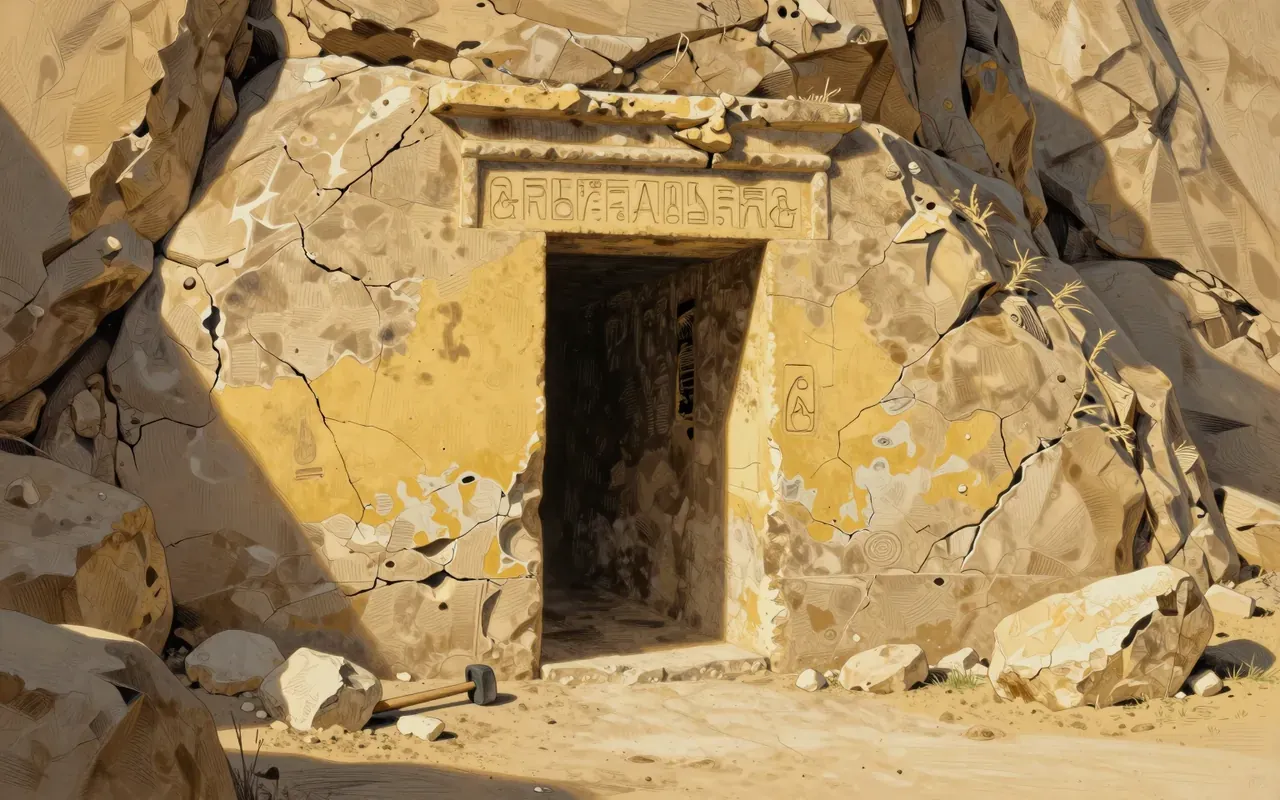
One tomb. One cartouche. Five thousand objects. Not proof — but proof enough to reset Egyptology.
13:00

Ice core

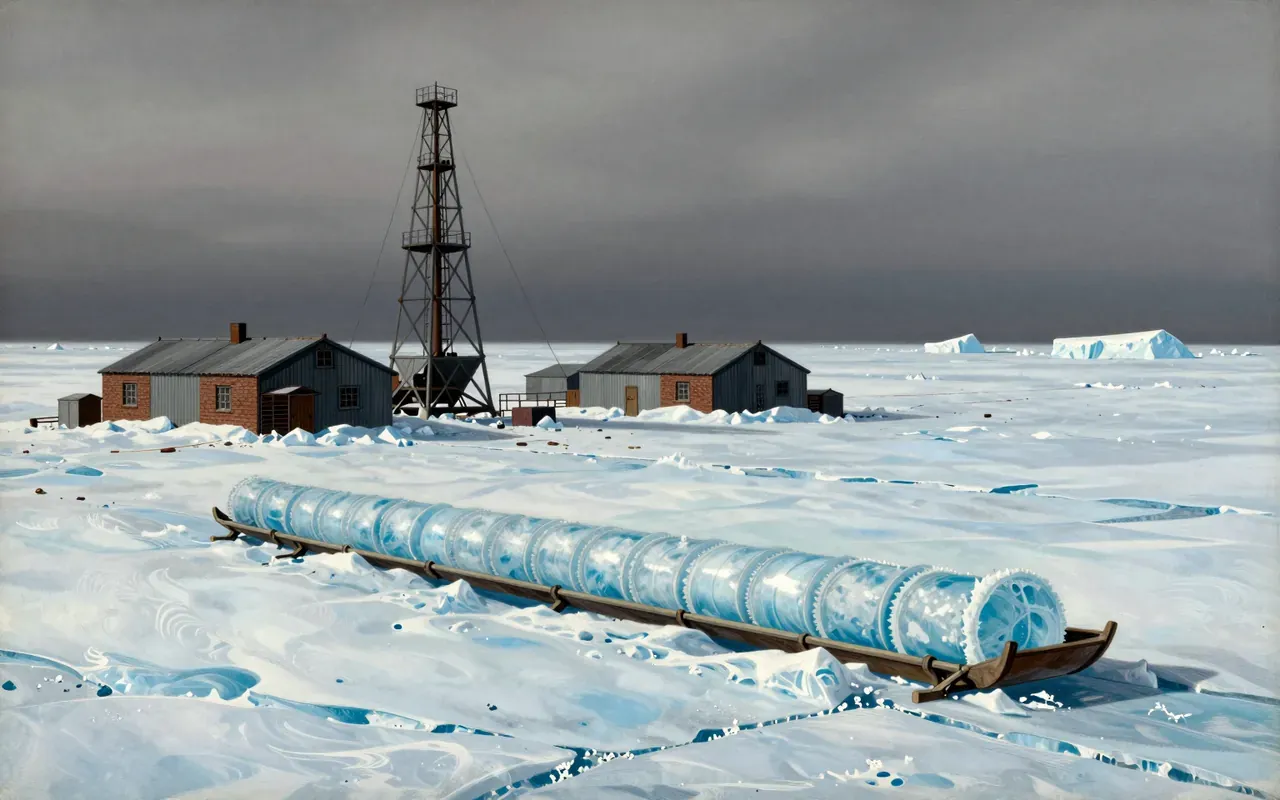
Ice drilled from Antarctica now reaches back 2.7 million years, and the air bubbles trapped inside it are treated as a direct sample of ancient atmosphere, which this brief follows alongside the other proxies paleoclimatology relies on where ice cannot reach.
13:00

Lucy (hominid)

Lucy's pelvis, knee and spine show she walked upright 3.2 million years ago with a small, ape-like skull, evidence that bipedalism came well before big brains, though her proportionally long arms still divide researchers over how much time she spent in trees.
13:00

Insular biogeography

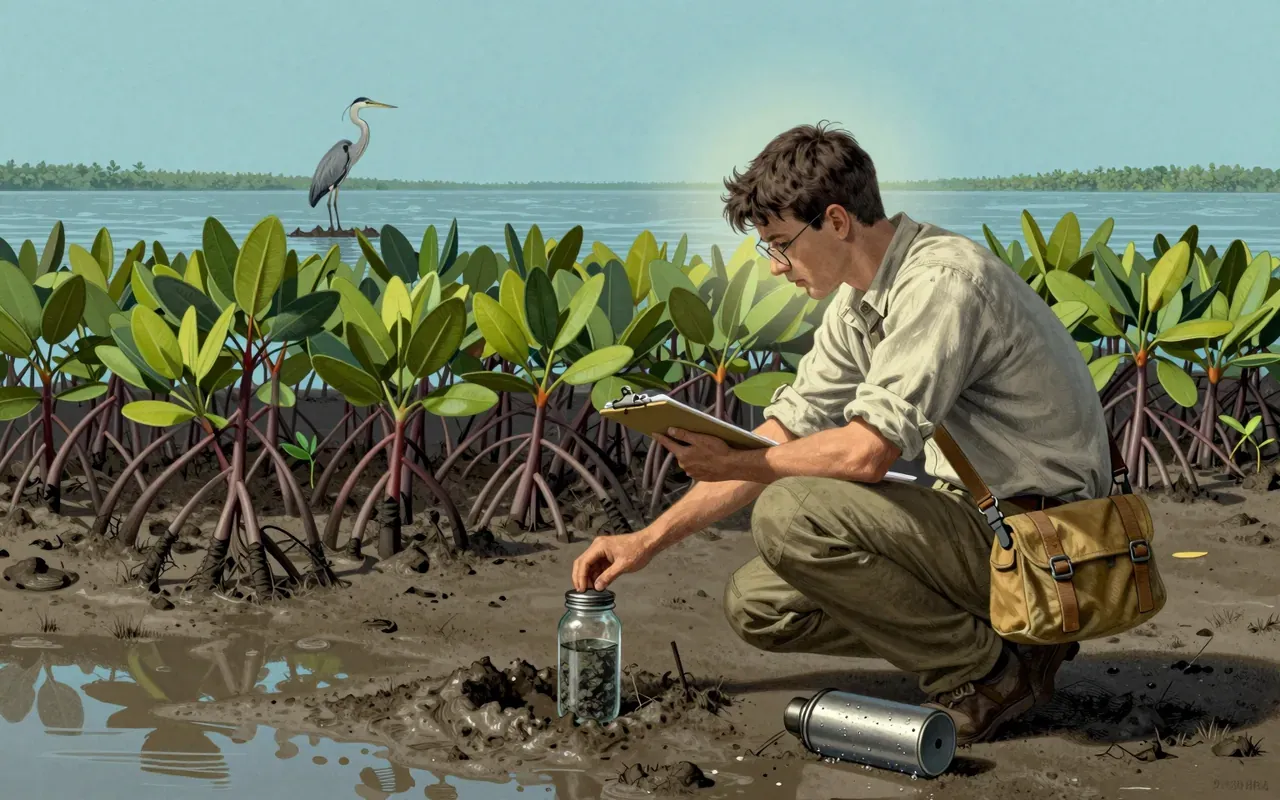
MacArthur and Wilson's 1967 theory that island species counts balance immigration against extinction was confirmed by deliberately wiping out mangrove islands, then sparked an unresolved fight over reserve design.
13:00

Magnetostratigraphy

Rock cooling or settling locks in a record of which way Earth's magnetic field pointed at that moment, and stacking those records into black-and-white bands helped confirm seafloor spreading, which this brief follows into the reversals themselves.
13:00

Palynology

Lennart von Post built the first modern pollen diagram in 1916 but published mostly in Swedish, and it took a colleague's German-language paper to spread the method, which this brief follows from a Christiania lecture to modern forensic and honey testing.
13:00

Piltdown Man

A human skull and an orangutan jaw, filed and stained to look ancient, passed as the missing link for forty-one years because they told British science exactly the evolutionary story it expected to hear.
13:00

Plant hormone

Plants have no glands and no circulatory system, yet every cell can make its own hormones, and this brief follows how at least nine separate signal classes coordinate growth without either of those animal-style tools.
13:00

Radiocarbon dating

Willard Libby built radiocarbon dating around a half-life value later found off by three percent, an error still baked into how raw dates get reported, and this brief follows that wrinkle and everything else that must be corrected first.
11:04

Richard Leakey

Leakey didn’t find 'human origins' — he found five fossils that pinned Homo sapiens, erectus, rudolfensis, ergaster, and aethiopicus to East Africa, nothing more.
9:12

Richard Owen

Owen didn’t discover dinosaurs — he invented the category, and got the logic right before the fossils did.
13:00

Ecosystem

Arthur Tansley's 1935 ecosystem concept, coined against a rival view of nature as a superorganism, turned ecology into something measurable, and now finds only four of twenty-four global ecosystem services improving.
13:00

N-ray

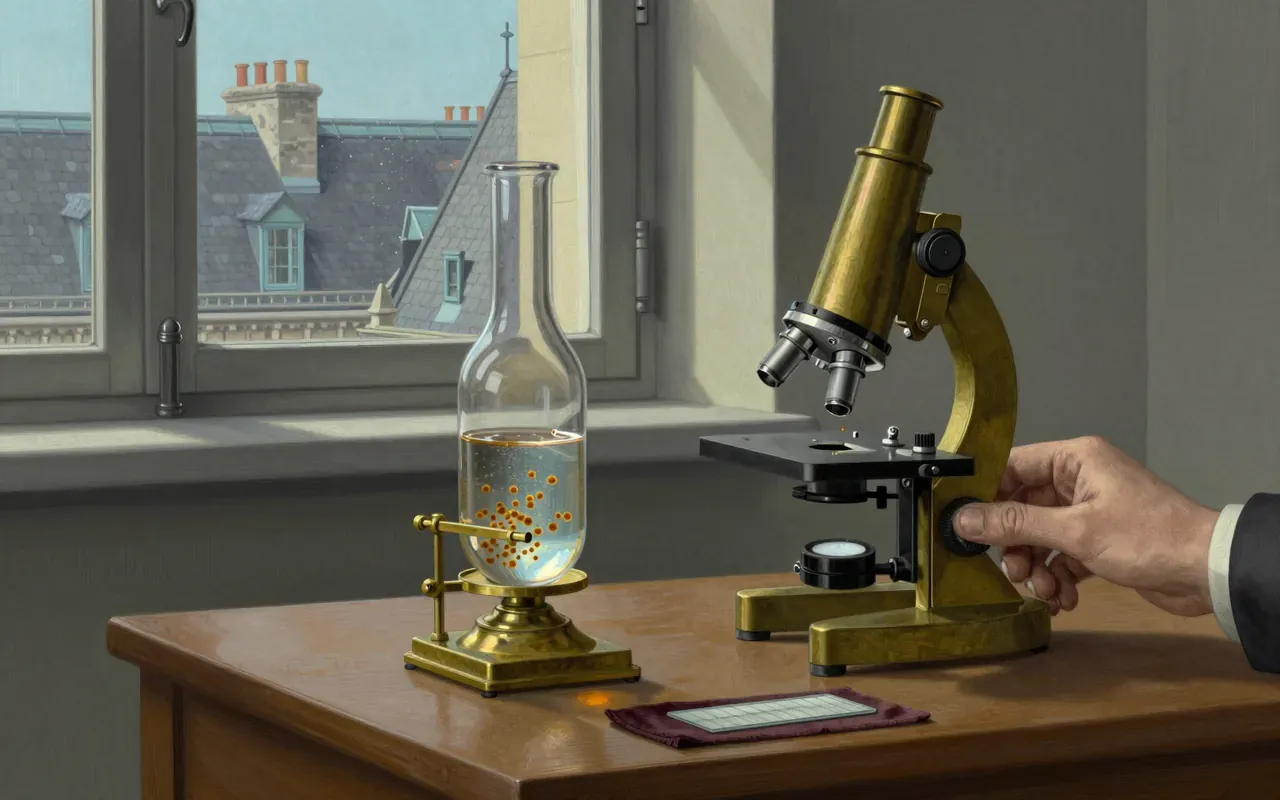
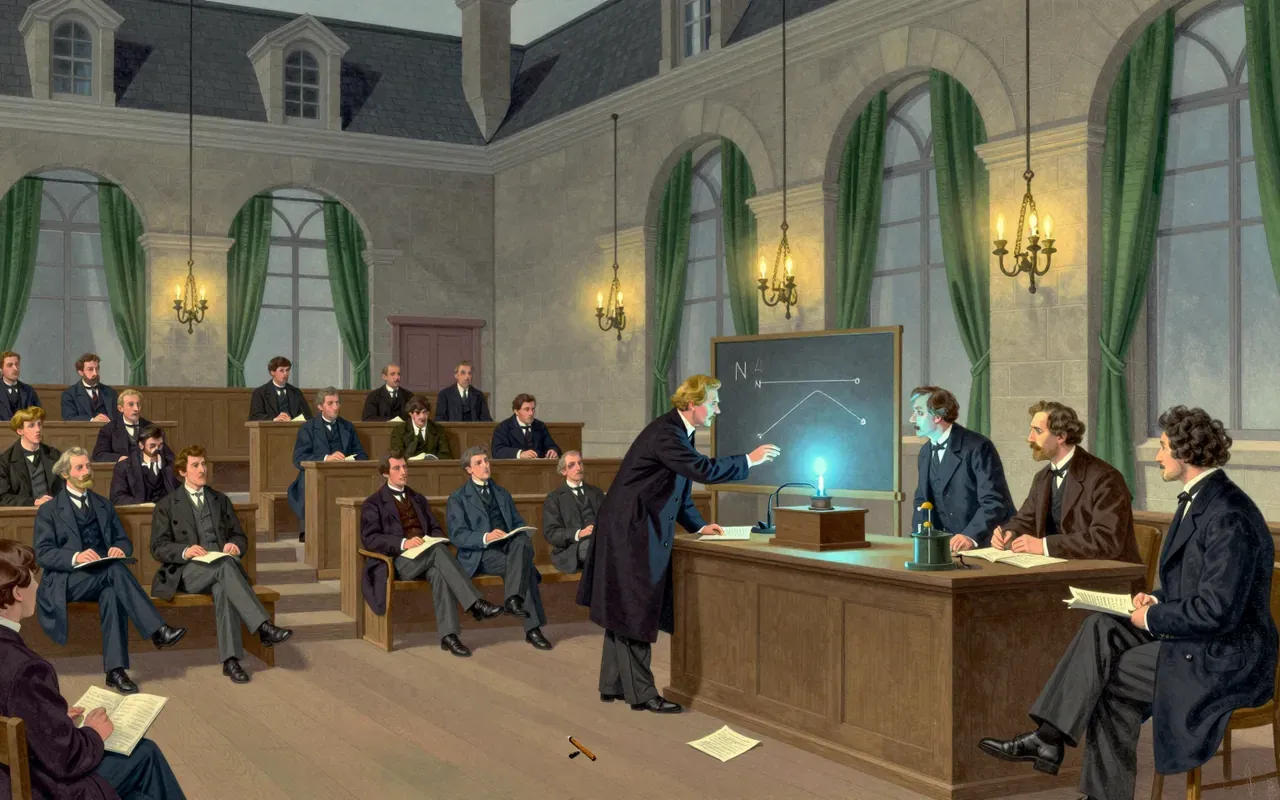
Around 120 scientists published roughly 300 papers confirming a new radiation that did not exist, until Robert Wood quietly pulled the essential prism out of the apparatus and the readings continued anyway.
13:00

Tiktaalik

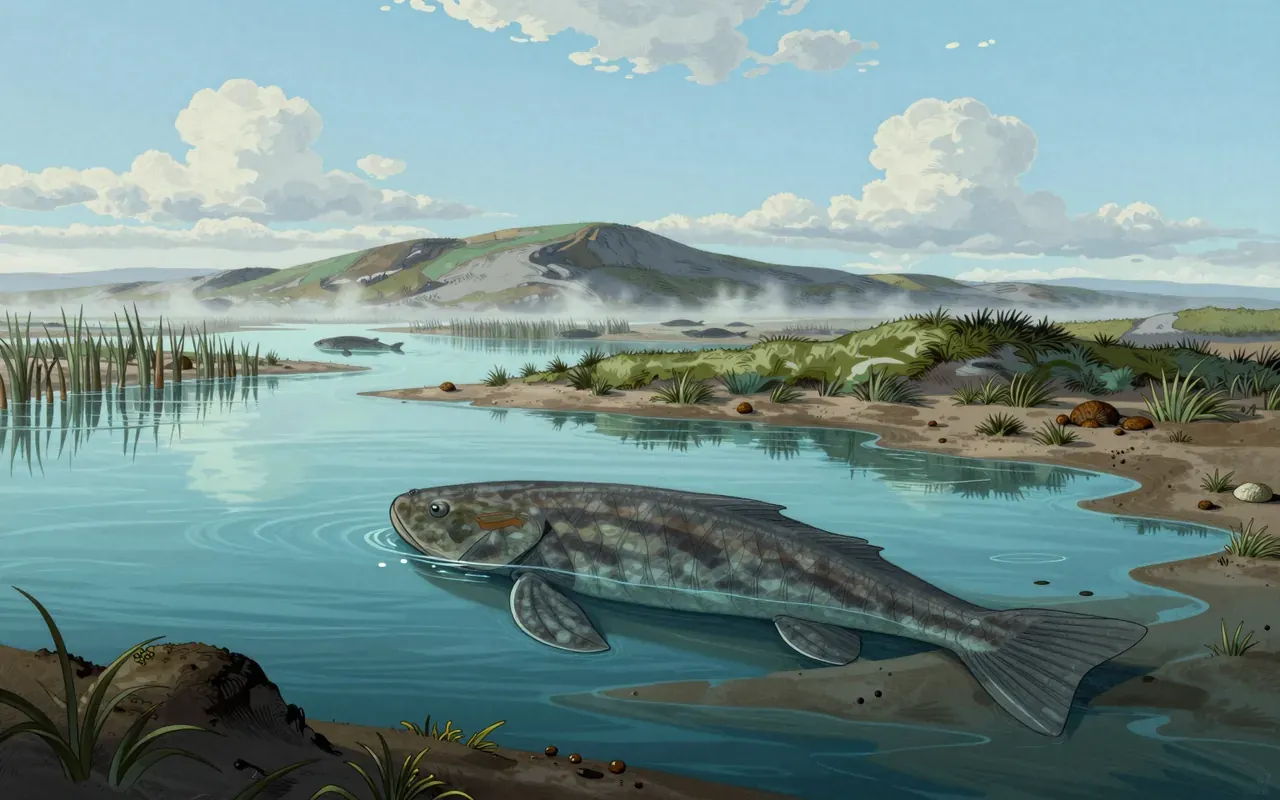
Neil Shubin's team predicted where a fish-to-land transitional fossil should be found, went looking on Arctic Ellesmere Island, and found Tiktaalik, though a 2010 trackway discovery has since complicated the tidy story of what it represents.
13:00

Continental drift

Wegener's 1912 evidence for drifting continents was sound, but geologists rightly rejected it for lacking a mechanism, until seafloor spreading and magnetic striping supplied one roughly fifty years later.
10:32

Zheng He

Zheng He’s voyages were real, massive, and meticulously documented—but they were diplomatic pageants, not proto-colonial campaigns.
11:00

Abdus Salam

Salam didn’t discover a particle — he built the grammar that lets physicists speak about weak and electromagnetic forces as one thing.
9:49

Albert Einstein

Einstein didn’t prove relativity — he rebuilt physics from scratch using pens, paper and postulates.
13:00

Positron

Carl Anderson's 1932 cloud-chamber photograph of a positively charged electron confirmed Paul Dirac's theoretical prediction of antimatter, a discovery that later underpins hospital PET scanners.
9:53

André-Marie Ampère

Ampère didn’t discover electromagnetism — he turned it into a science you can calculate with.
9:36

Arthur Ashkin

He didn’t just trap light — he made light grab matter, one photon at a time.
9:14

Aryabhata

Aryabhata didn’t just anticipate Copernicus — he built a working, quantified geocentric model that outperformed contemporaries for a millennium.
13:00

Bell test

Alain Aspect's early 1980s photon experiments turned Einstein's decades-old discomfort with entanglement into a testable question, and quantum mechanics won, though it took another three decades of closing loopholes before the answer became fully conclusive.
13:00

Bell's theorem

Bell's theorem drew a hard line between quantum mechanics and local hidden variables, and fifty years of Bell tests, from Aspect's photons to the loophole-free experiments of 2015, keep landing on the quantum side.
13:00

Stellar nucleosynthesis

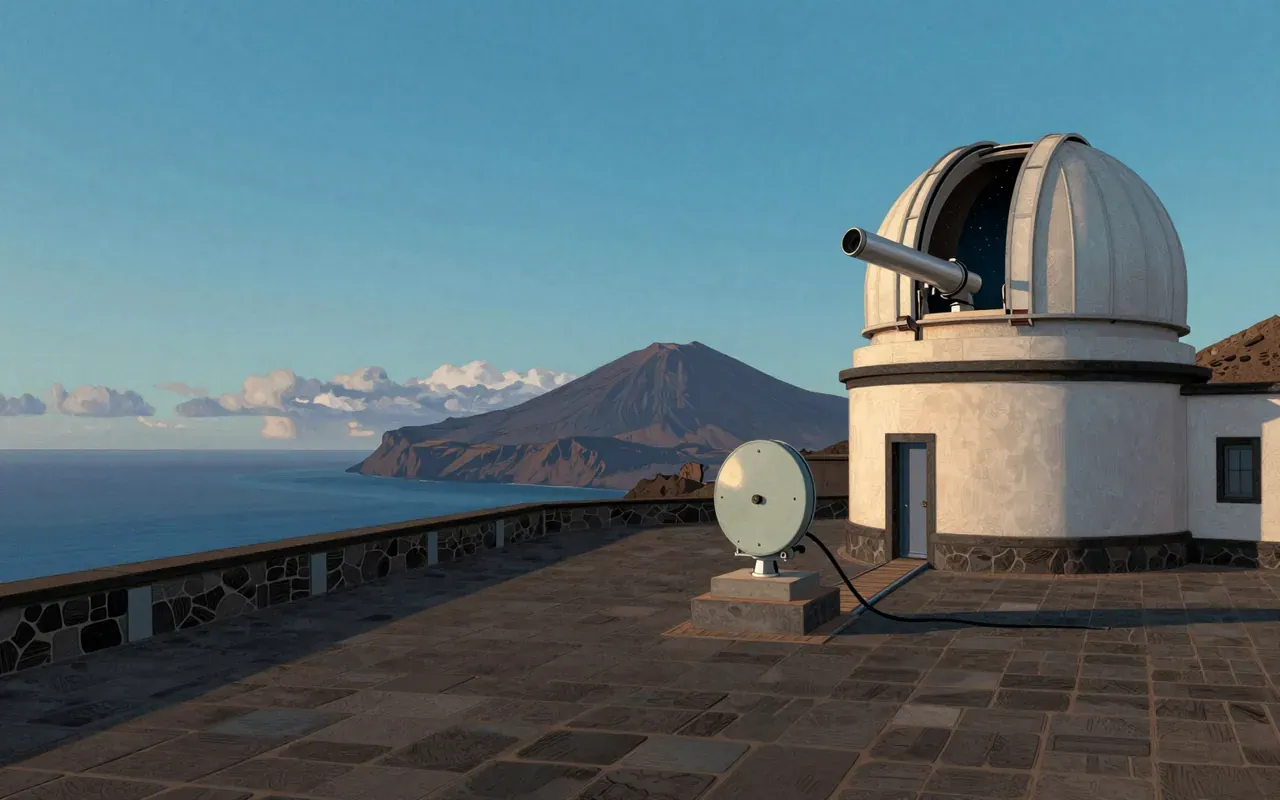
Bethe's 1939 theory of how stars fuse hydrogen waited 81 years for direct confirmation, arriving only in 2020 when a neutrino detector finally caught the CNO cycle operating inside the Sun itself.
11:00

Bhāskara II

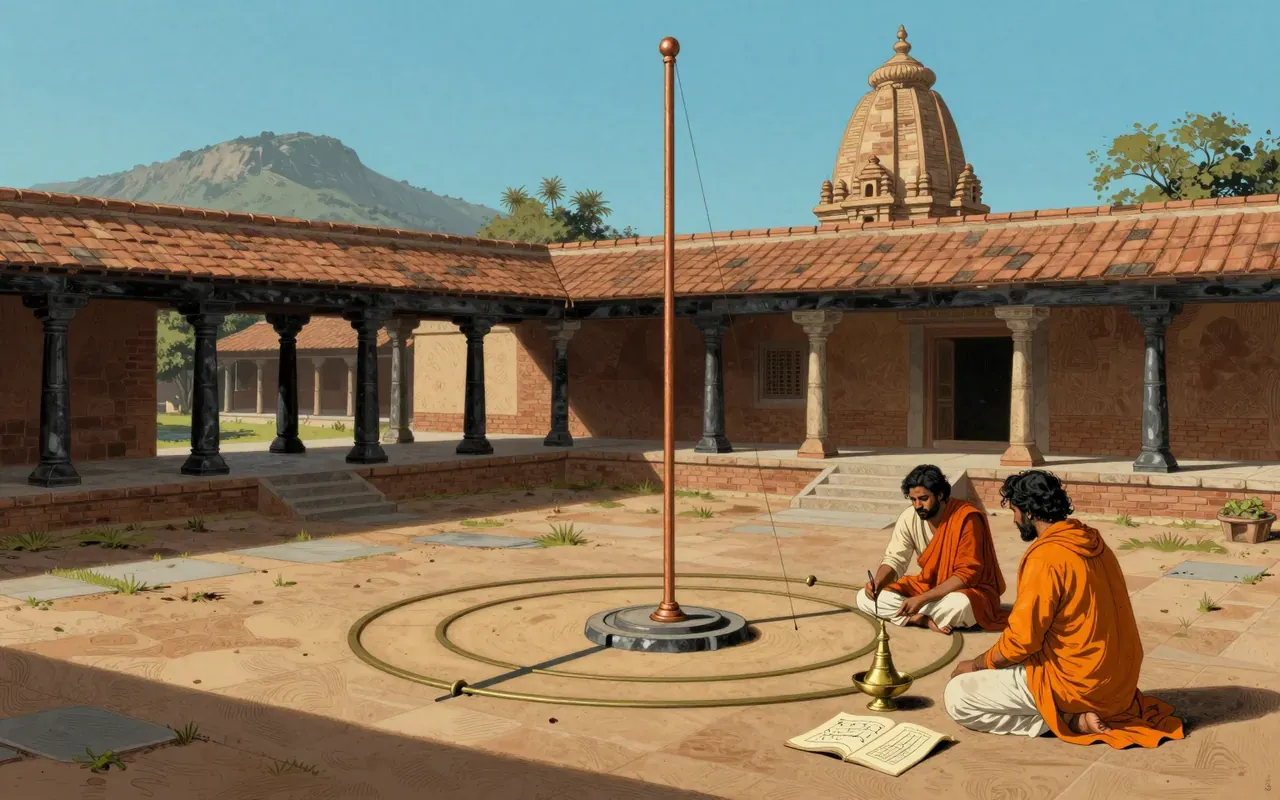
Bhāskara II didn’t invent calculus — but he derived its central insight while calculating planetary motion in Ujjain.
13:00

Brownian motion

Pollen grains jittering under a microscope in 1827 sat unexplained for nearly eighty years until Einstein worked out that invisible molecules were bumping them around, turning a small curiosity into decisive proof that atoms are real.
13:00

Carnot heat engine

Sadi Carnot's 1824 argument that every heat engine has an efficiency ceiling set only by temperature, built on the wrong theory of heat, still turned out right and grew into the second law of thermodynamics.
10:37

Cassini–Huygens

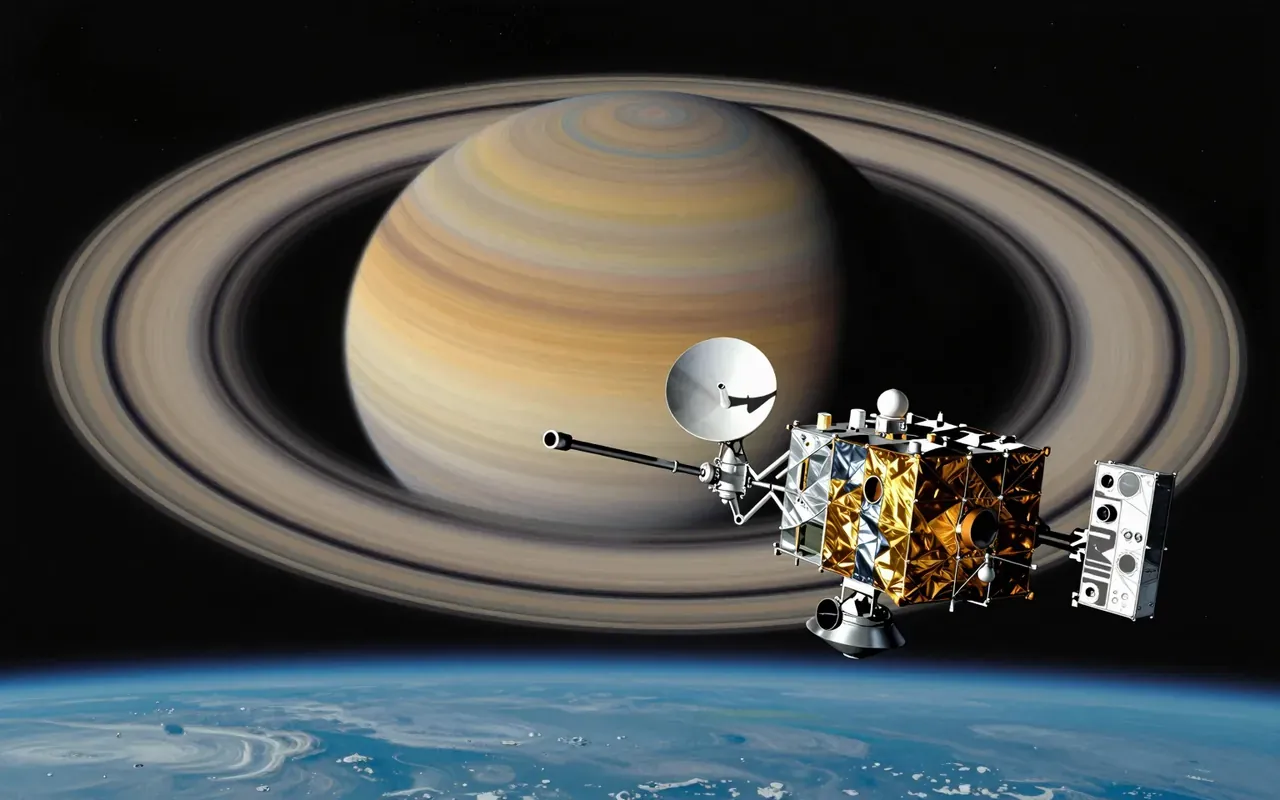
Cassini didn’t just visit Saturn — it proved icy moons can be wet, wild, and chemically alive.
13:00

Cavendish experiment

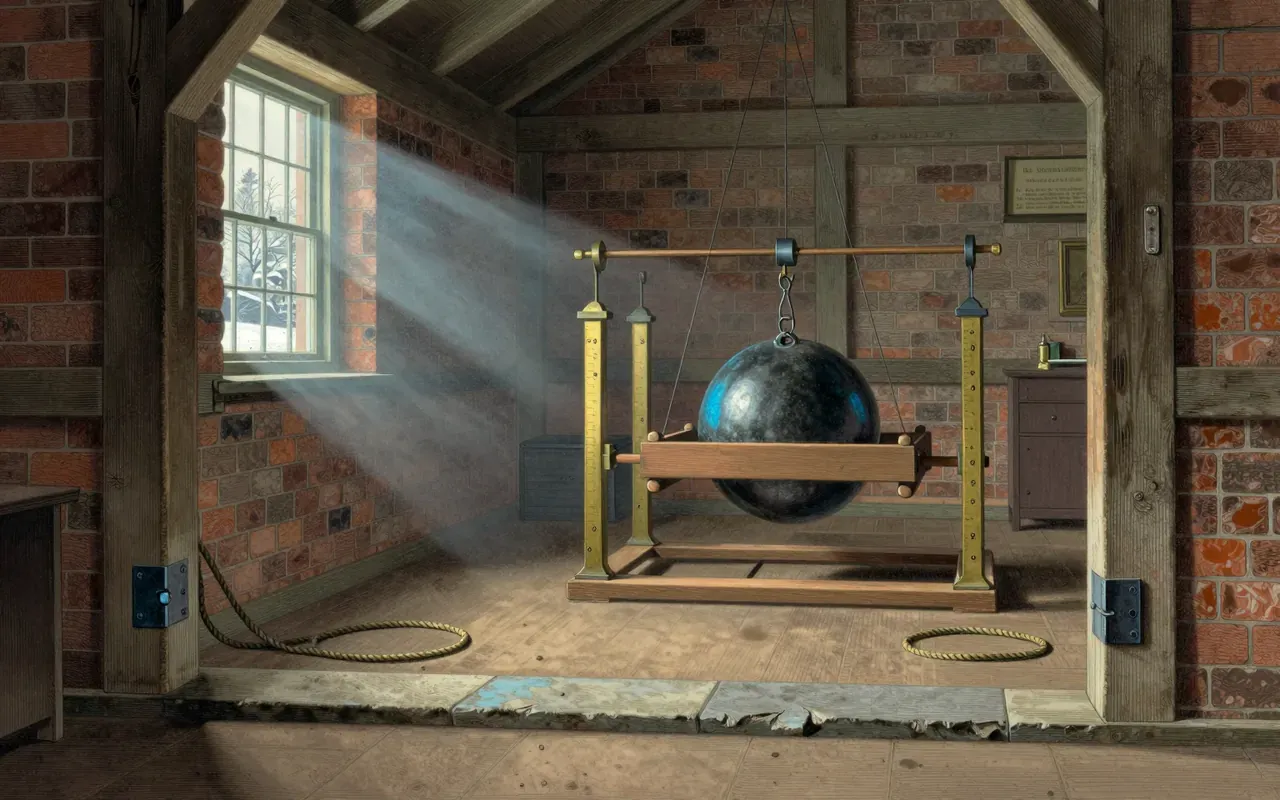
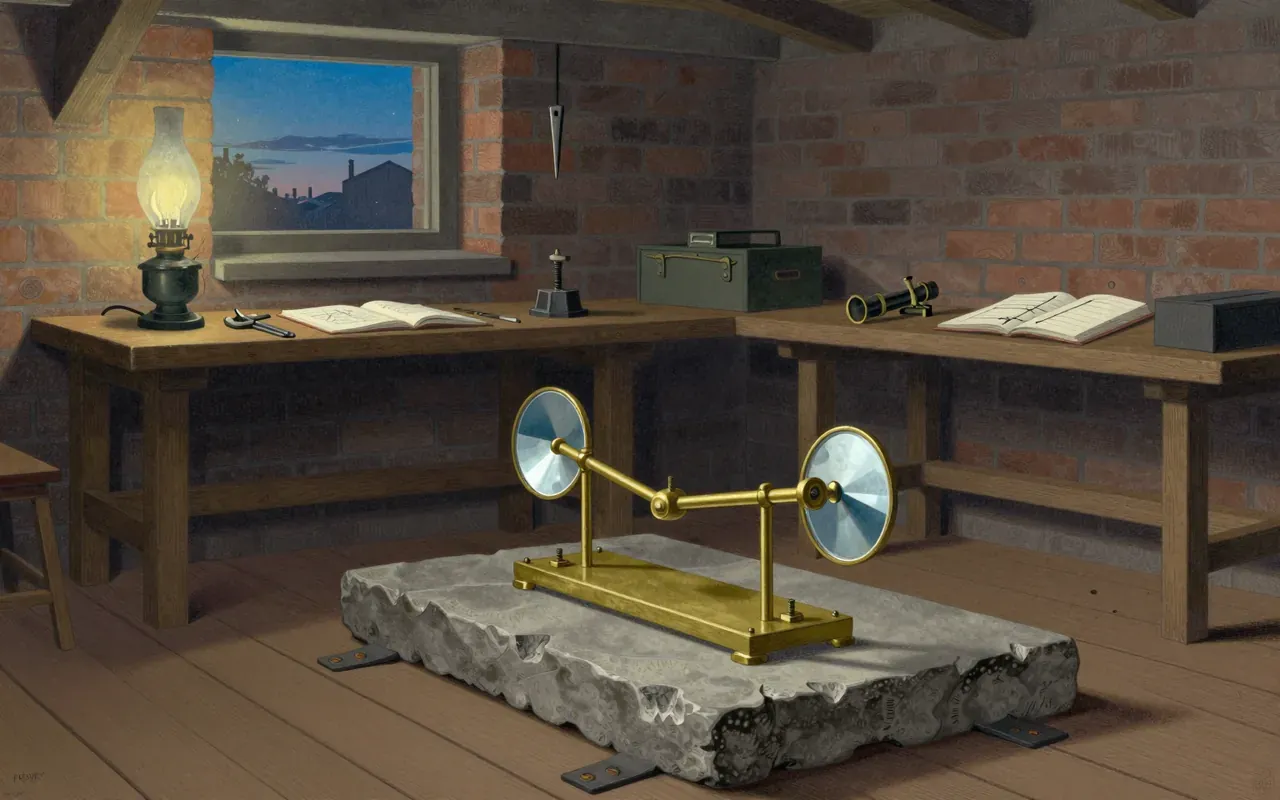
Henry Cavendish measured a gravitational force fifty million times weaker than the weight of the objects producing it, using an apparatus designed by a scientist who died before he could run the experiment himself.
10:18

Chicago Pile-1

Enrico Fermi

Chicago Pile-1 proved a self-sustaining nuclear chain reaction was possible using natural uranium and purified graphite — nothing more, nothing less.

10:10

Christiaan Huygens

Huygens didn’t just see further—he built the tools, derived the maths, and insisted on mechanism: the first true theoretical physicist.
13:00

Compton scattering

In 1922 Arthur Compton found that scattered X-rays came back with a longer wavelength than the ones he sent in, a shift that depended only on angle, and the only explanation that fit was that light was hitting electrons as discrete particles.
13:00

Cosmic inflation

Alan Guth's 1980 fix for three specific puzzles about the early universe made a precise prediction that satellites later confirmed, and it also implies an eternally inflating multiverse that one of the theory's own inventors now argues against.
10:34

David Gross

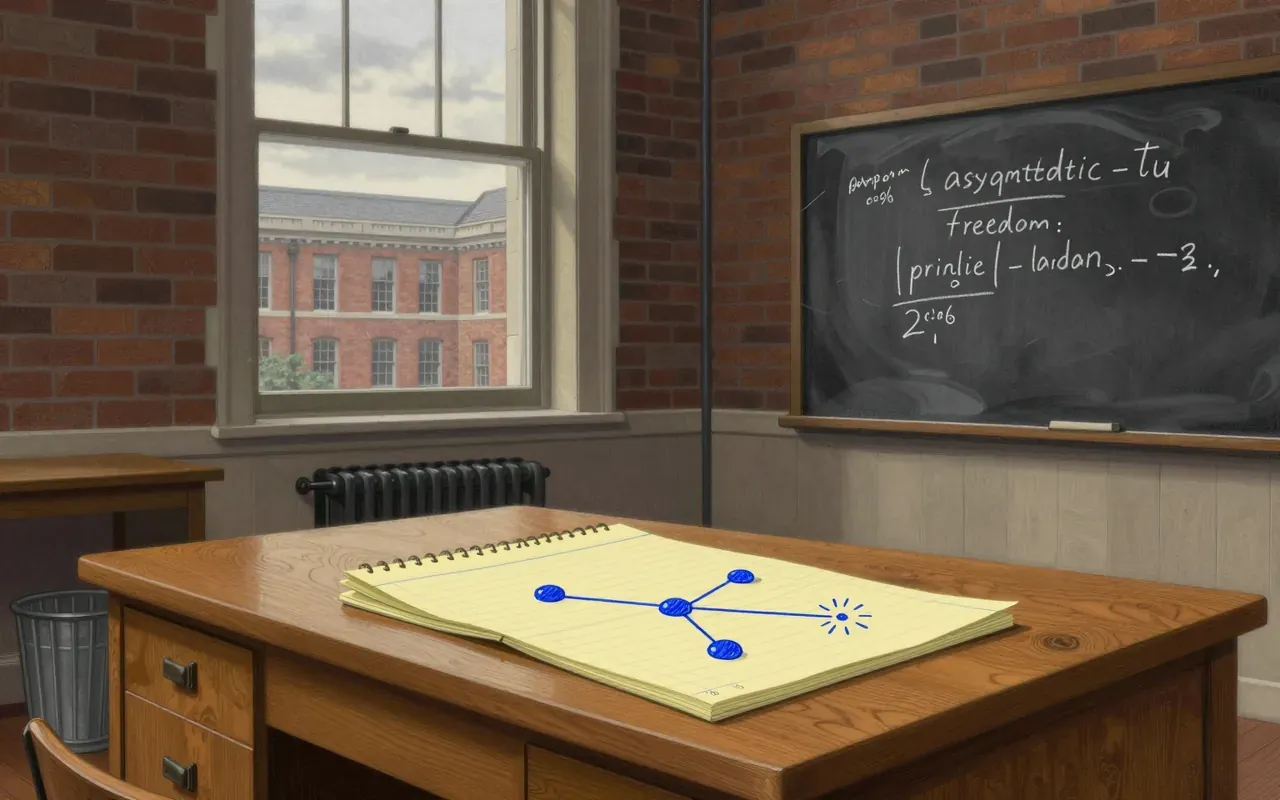
Asymptotic freedom isn’t just clever math — it’s why we can ever see quarks at all.
10:06

David Hilbert

Hilbert didn’t build tools—he built the rules for building tools, and then proved some tools can’t be built at all.
13:00

Matter wave

Louis de Broglie's 1924 claim that matter behaves like a wave, tested first on electrons and later on molecules weighing tens of thousands of daltons, has held at every scale physicists have managed to test it.
9:28

Dirac equation

Paul Dirac

The Dirac equation is the first consistent relativistic quantum wave equation. It predicts antimatter and derives spin — verified by hydrogen fine structure and Anderson’s 1932 positron detection. It does not prove antimatter; it implies it. It does not go beyond first-order fine structure. It remains indispensable in particle physics.

13:00

Eddington experiment

In 1919 two eclipse expeditions checked whether starlight bends around the Sun by Newton's amount or Einstein's larger one, and the tidy textbook story leaves out how much judgment went into choosing which data to trust.
13:00

General relativity

Einstein's 1915 field equations replaced Newton's gravitational force with curved spacetime, a claim confirmed by Mercury's orbit and the 1919 eclipse, but still not reconciled with quantum physics.
13:00

Photoelectric effect

Three stubborn facts about light knocking electrons off a metal surface made no sense as waves, and Einstein's 1905 fix, that light travels in discrete packets, was still too radical for the Nobel committee to fully endorse sixteen years later.
13:00

Special relativity

Einstein's 1905 paper resolved a conflict between mechanics and electromagnetism by making the speed of light constant for every observer, at the cost of absolute time, absolute length, and separate mass and energy.
13:00

Galvanic cell

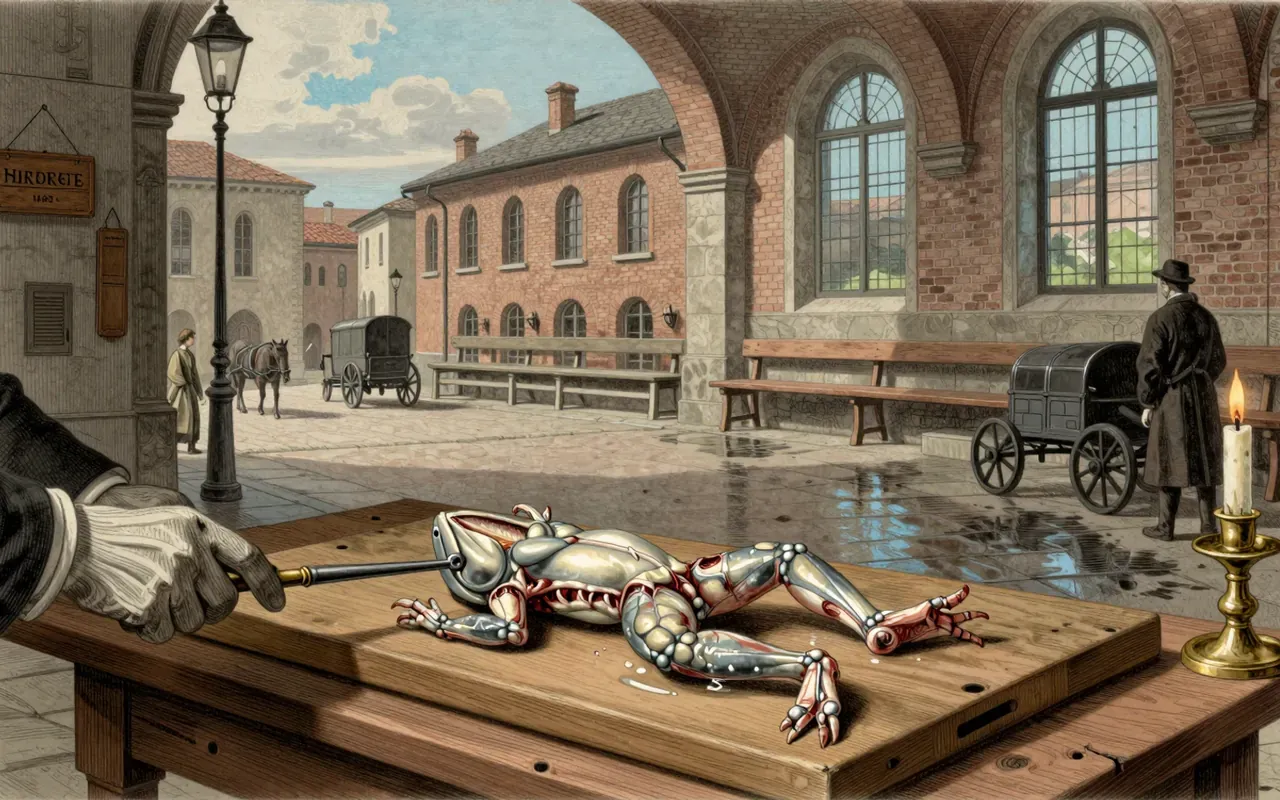
Galvani thought a frog's twitching leg proved animals generate their own electricity. Volta thought the frog was just a wet detector wired between two different metals, and he built a stack of zinc and copper discs to prove it — the first battery, and the end of the argument.
13:00

Photoemission spectroscopy

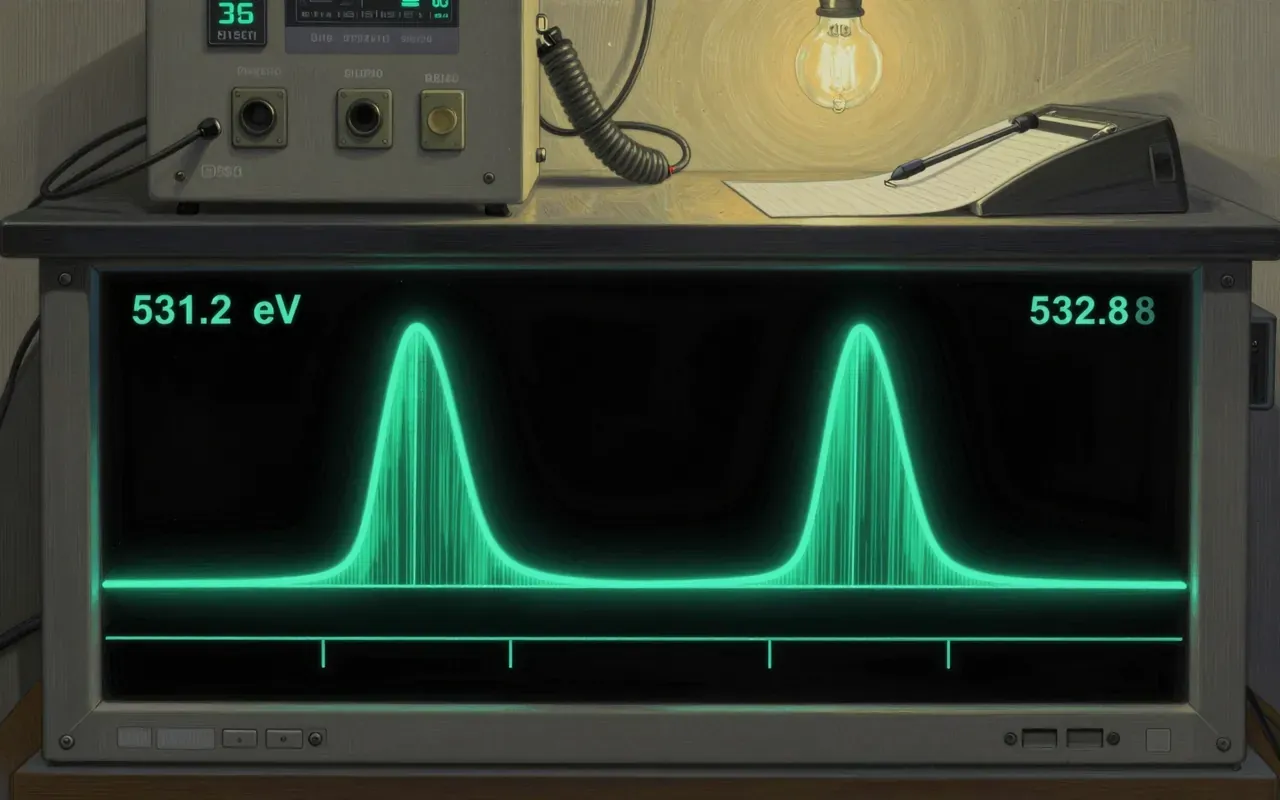
Shine light on a surface and the electrons it knocks loose carry a precise record of the energy levels inside — the method Kai Siegbahn spent decades turning into one of chemistry's sharpest tools.
10:47

Emmy Noether

Noether didn’t just find links between symmetry and conservation—she rebuilt mathematics so those links were inevitable.
10:25

Enrico Fermi

Fermi didn’t discover new elements — he discovered how to split atoms, then misread the evidence.
10:01

Ernst Mach

Mach didn’t discover relativity — he photographed shock waves and mapped how your inner ear keeps you upright.
9:11

Erwin Schrödinger

Schrödinger didn’t just write an equation — he gave quantum theory its working language and named its deepest mystery.
10:14

Eunice Newton Foote

The first person to experimentally prove CO2 heats more than air under sunlight was a woman in 1856 — and her apparatus was simpler than your kitchen thermometer.
10:54

Évariste Galois

Galois didn’t just solve an old problem — he invented the language to say why some problems can’t be solved at all.
10:57

Felix Klein

Klein didn’t discover space—he discovered how to stop arguing about it.
10:14

Fermat's Last Theorem

Andrew Wiles · 1638

Wiles proved Fermat’s Last Theorem by establishing the modularity theorem for semistable elliptic curves — a result that, combined with Ribet’s theorem, ruled out integer solutions to a^n + b^n = c^n for n > 2. His initial 1993 proof contained a flaw in the Selmer group argument; he and Taylor repaired it in 1994 using Galois representations and Iwasawa theory. The complete proof appeared in the Annals of Mathematics in 1995.

13:00

Ferromagnetism

Pierre-Ernest Weiss proposed in 1906 that magnets divide into microscopic regions pointing different ways to save energy, an idea confirmed decades later when Francis Bitter found a way to actually see the boundaries between them.
9:52

Fick's laws of diffusion

Adolf Fick

Fick’s laws quantify diffusion in fluids using direct measurements of salt flux and concentration. They hold for liquids, not solids. Their derivation is experimental, their form exact, and their reach vast — but they are not universal, not theoretical first principles, and not extended beyond their empirical domain.

10:40

Frank Wilczek

Asymptotic freedom didn’t explain quarks — it saved quantum chromodynamics from mathematical collapse.
13:00

Kite experiment

Franklin's 1752 kite experiment showed lightning was electricity and led directly to the lightning rod, but the famous scene itself rests on a secondhand account published fifteen years after the fact.
8:48

Galileo Galilei

Galileo didn’t prove Copernicus right — he proved Ptolemy wrong, using light, shadow, and timing.
9:44

Georg Cantor

Cantor didn’t discover infinity — he broke it into pieces you can count, compare, and order.
10:41

Georg Ohm

Ohm didn’t discover a universal law — he built a working model for a narrow class of circuits, and it stuck.
9:50

Georges Lemaître

Lemaître didn’t discover the Big Bang — he built its first mathematical scaffold, and it still holds.
13:34

Gödel's incompleteness theorems

Kurt Gödel

Gödel’s 1931 incompleteness theorems show that no consistent, effectively axiomatized formal system capable of arithmetic can be both complete and self-consistent. They ended Hilbert’s program. Their method — Gödel numbering and diagonalisation — became foundational for computability theory. They do not apply outside formal systems satisfying strict technical conditions.

13:00

Graphene

Theory said a sheet one atom thick should tear itself apart. Geim and Novoselov peeled it off graphite with sticky tape in 2004, and it just sat there, strong enough that a square metre could hold up a cat while weighing about as much as one of its whiskers.
9:57

Guglielmo Marconi

Marconi didn’t discover radio—he engineered its first working system, one patent and one grounded wire at a time.
9:33

Hans Christian Ørsted

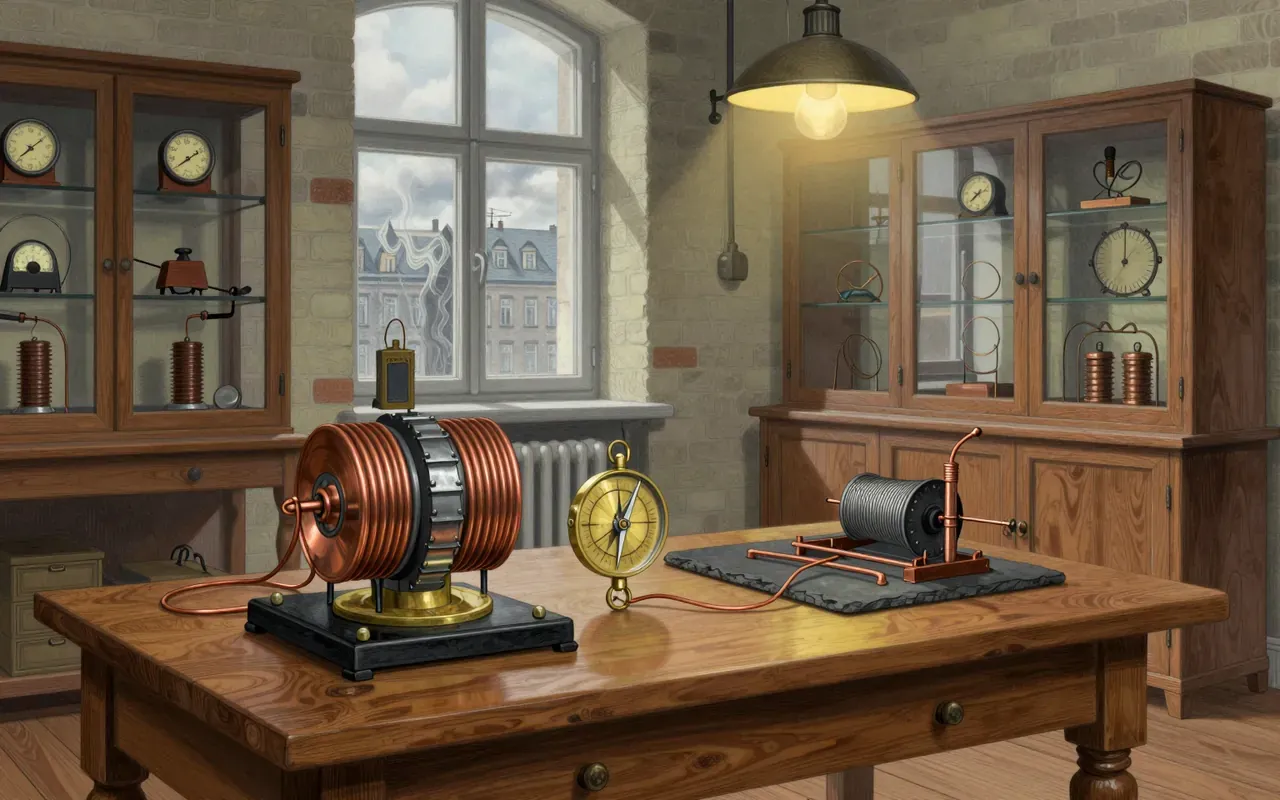
Ørsted didn’t stumble on electromagnetism — he hunted it for two years with a compass, and got the physics half-right.
13:00

Hawking radiation

Stephen Hawking's 1974 calculation showed black holes should slowly radiate and eventually evaporate, a result with no direct astronomical confirmation yet, that also produced a genuine, still unresolved puzzle about where the information inside them goes.
13:00

Uncertainty principle

Werner Heisenberg's 1927 principle is often mistaken for a statement about clumsy measuring instruments, but it describes a limit built into quantum mechanics itself, one later physicists made more precise rather than ever overturned.
11:05

Henri Poincaré

Poincaré didn’t just anticipate relativity — he built its mathematical skeleton before Einstein published.
9:58

Hilbert's problems

David Hilbert

Hilbert’s problems are not a discovery in the empirical sense. They are a curatorial act—23 unsolved questions published in 1900 to define mathematics’ trajectory for the next century. Their influence stems from uptake, not truth. They succeeded because mathematicians treated them as a syllabus—not because they were complete, precise or even consistent.

13:00

Hubble's law

Hubble's 1929 pairing of galaxy distances with their redshifts became the observational basis for cosmic expansion, though his own constant was wrong by nearly a factor of seven and its modern successor is still disputed.
9:46

Ilya Prigogine

Prigogine did not discover life’s origin—he discovered how chemistry stops being passive when you pump energy through it.
11:29

Entropy (information theory)

Claude Shannon

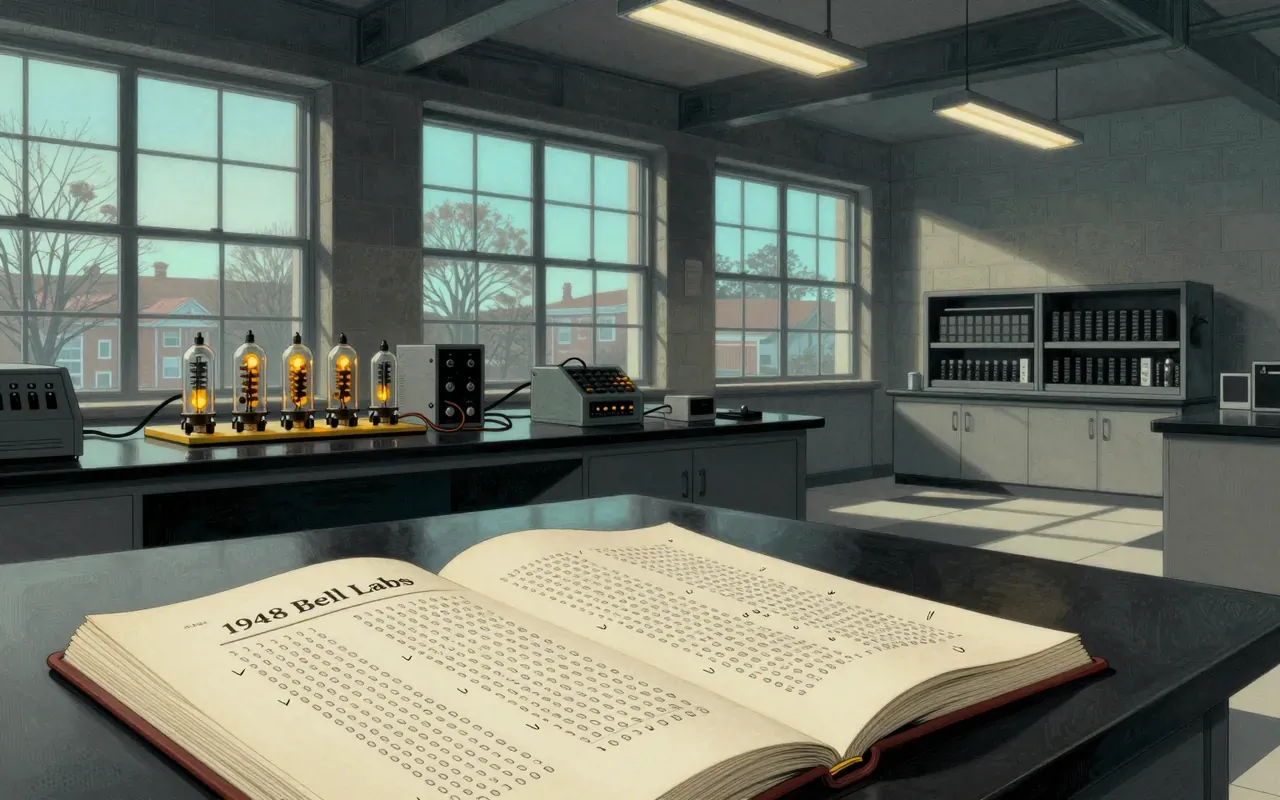
Shannon’s 1948 theory redefined communication as a mathematical problem of uncertainty reduction. He proved entropy is the irreducible cost of lossless encoding — not a metaphor, not a heuristic, but a bound. It applies only where messages are statistically structured, and only to syntactic information — never semantics. Its power lies in its narrowness.

10:50

Isaac Newton

Newton didn’t discover gravity — he discovered that the same mathematics explains an apple and a moon.
13:00

Isotope

Forty radioactive substances had been found between uranium and lead, but the periodic table had room for only eleven. Soddy's 1913 answer was that many were the same element at different weights — and a doctor friend named the idea over conversation.
11:18

James Clerk Maxwell

Maxwell didn’t discover light — he discovered that light is electricity dancing with magnetism.
10:52

Jing Fang

A Han dynasty mathematician calculated musical temperaments to 0.0145-cent precision — and declared the Moon a mirror centuries before Europe.
12:18

Johannes Kepler

Kepler didn’t just map the planets—he invented celestial physics by forcing geometry to obey Tycho’s data.
10:18

John Tyndall

Tyndall didn’t discover climate change — he discovered why the atmosphere holds heat at all.
10:03

John von Neumann

Von Neumann didn’t build computers—he built the logical floor they stand on, and then proved the floor could hold two floors at once.
11:03

Josef Stefan

Stefan didn’t need quantum theory to fix the Sun’s temperature — he just needed better data and a fourth power.
10:32

Joseph Henry

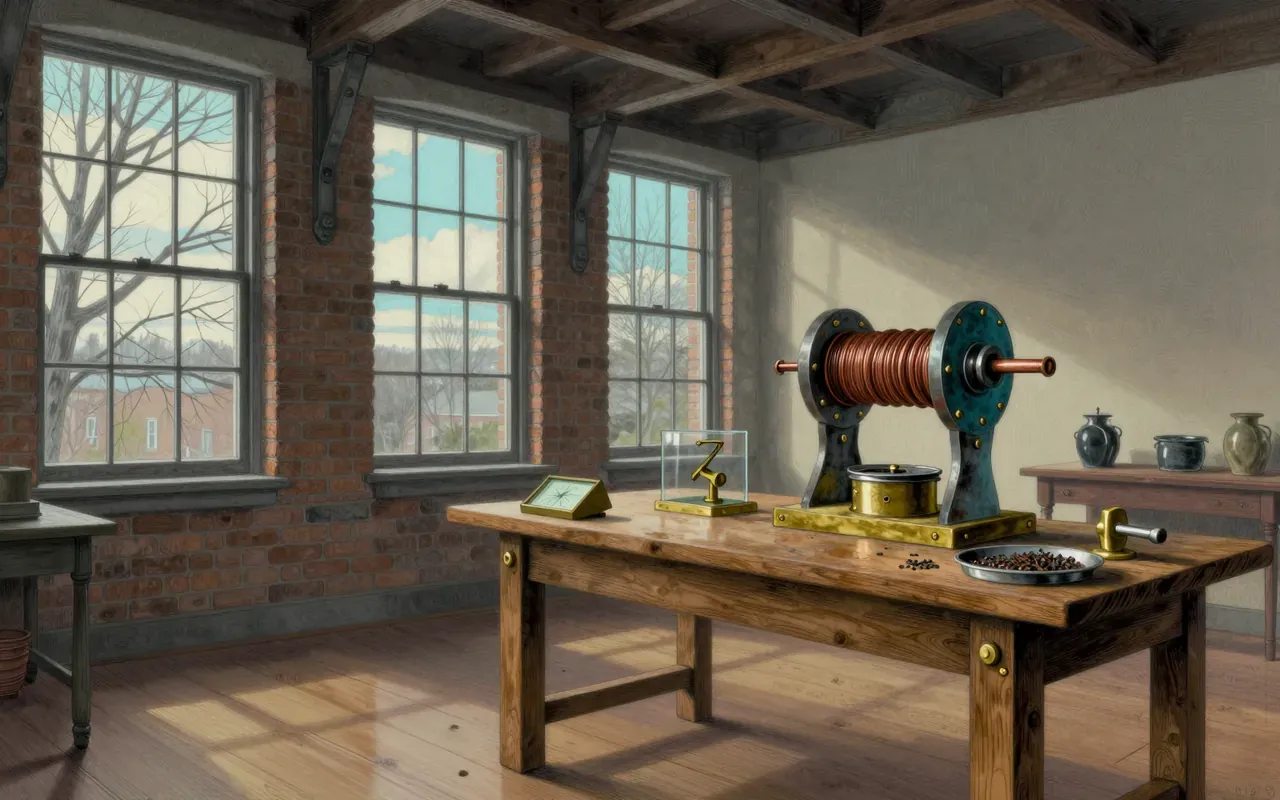
Inductance wasn’t deduced — it was rocked, wound, and wired into existence.
13:00

Kamioka Observatory

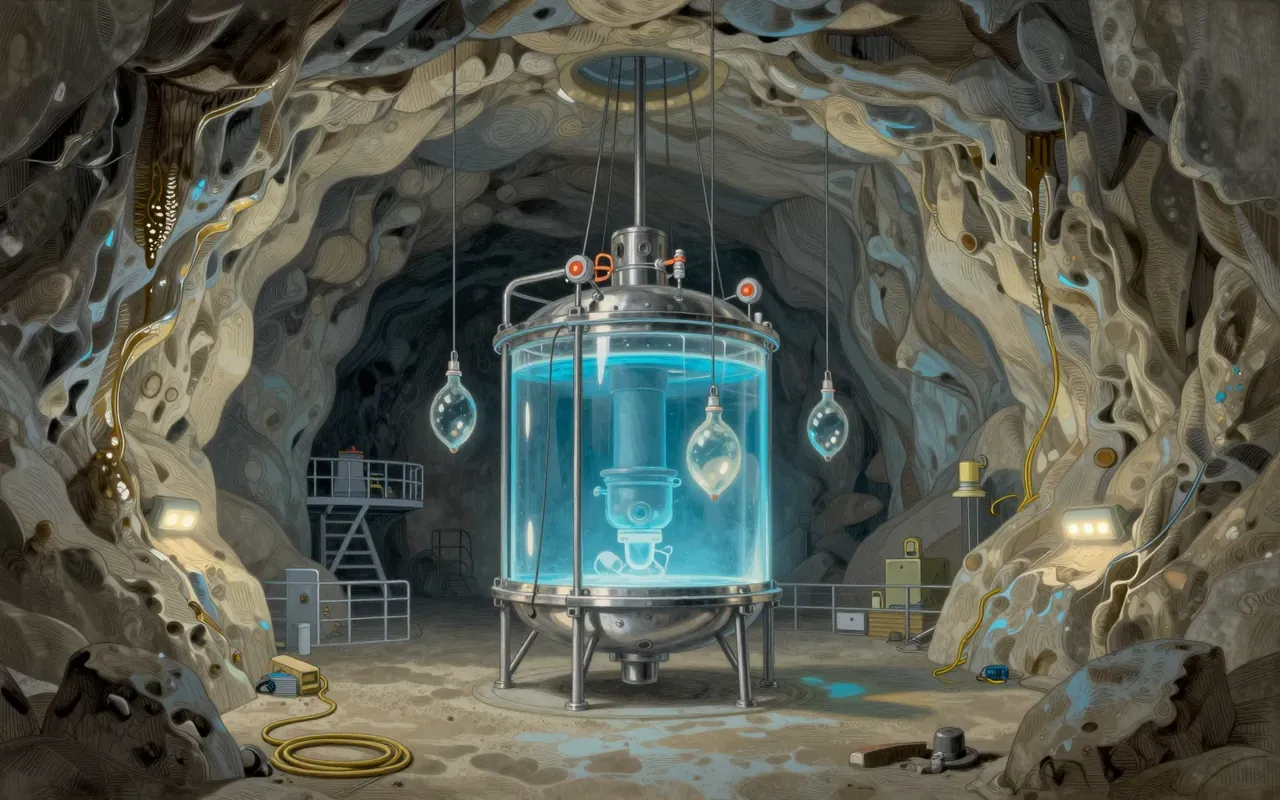
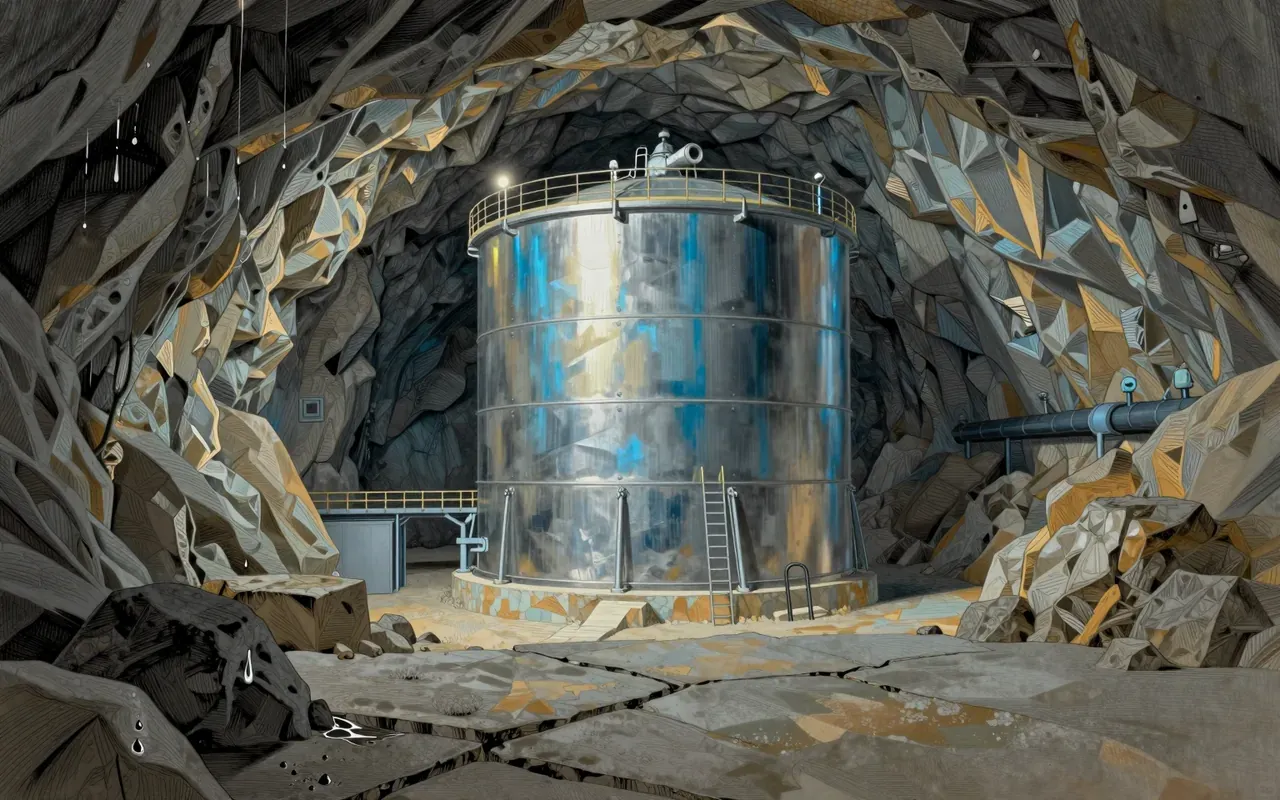
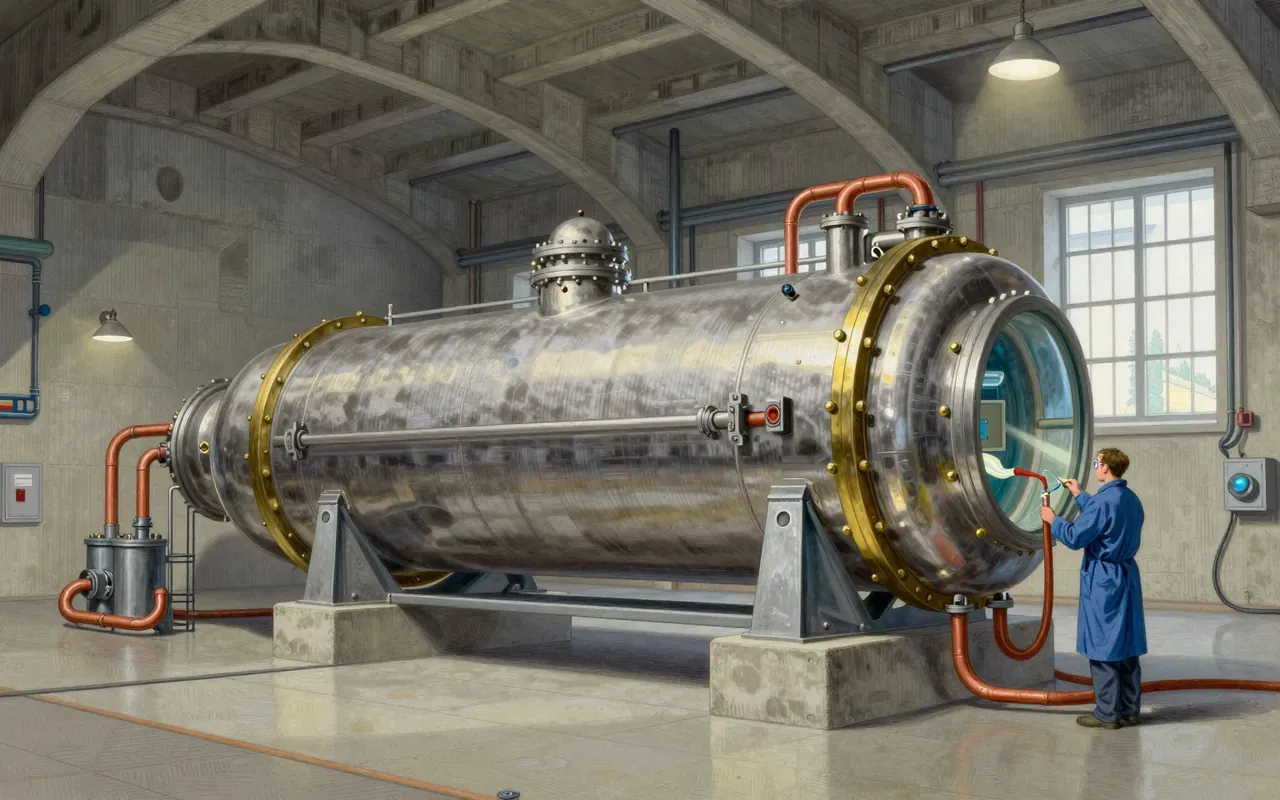
A tank of water buried under a Japanese mountain to escape cosmic ray noise caught eleven particles from an exploding star in 1987, and a decade later caught a pattern showing neutrinos are not massless after all.
10:04

Kinetic theory of gases

Daniel Bernoulli

Bernoulli’s 1738 kinetic theory is the first mechanistic explanation of gas behaviour. It correctly identifies pressure as momentum transfer and temperature as mean kinetic energy. It derives Boyle’s law from molecular motion. It fails to resolve energy conservation or collision elasticity — gaps that stalled acceptance for a century. Its value lies not in immediate utility but in framing matter as particulate and dynamic — a conceptual pivot that enabled thermodynamics and statistical mechanics.

11:38

Kirchhoff's circuit laws

Gustav Kirchhoff

Kirchhoff’s 1845 circuit laws are two experimentally derived equalities — one for current at junctions, one for voltage around loops — valid only under strict physical assumptions of the lumped-element model.

13:00

Knot theory

A wrong theory that atoms were knotted loops of ether pushed nineteenth-century mathematicians to catalogue every possible knot — the classification survived even after the physics it was built to explain was abandoned.
10:04

Kurt Gödel

Gödel didn’t break mathematics — he mapped its borders with surgical precision.
11:09

Lise Meitner

Meitner and Frisch didn’t discover fission — they explained it, named it, and measured its energy in six weeks.
9:24

Liu Hui

Liu Hui didn’t borrow from Greece — he built a parallel mathematics, complete with proof, algorithms, and limits.
10:38

Lorentz transformation

Hendrik Lorentz

Lorentz’s transformations were a technically successful but conceptually constrained response to experimental anomalies in electrodynamics. They preserved the aether while making predictions match observation—by introducing local time, length contraction, and time dilation as mathematical corrections. Their algebraic form survived into special relativity, but their physical meaning did not.

10:19

Ludwig Boltzmann

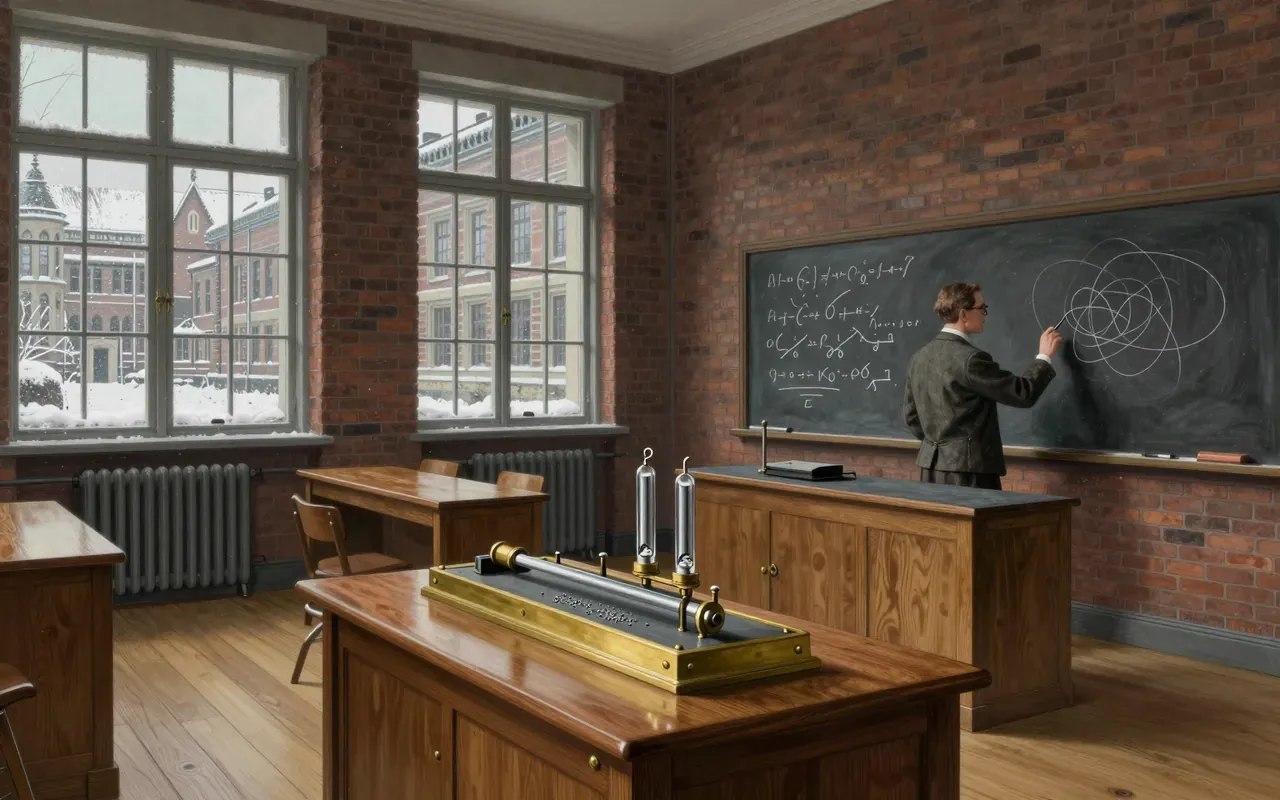
Entropy isn’t fate — it’s odds. Boltzmann proved the second law is a bet, not a command.
13:00

Magnetic resonance imaging

Paul Lauterbur's 1973 idea of adding magnetic field gradients to nuclear magnetic resonance let it produce images instead of single readings — and thirty years later the Nobel committee's choice of who to credit left one rival taking out newspaper adverts.
9:19

Marie Curie

She didn’t find radioactivity—she proved it lived inside the atom.
11:00

Max Planck

Planck didn’t discover quanta — he invented them to save classical physics, then accidentally broke it forever.
13:00

Maxwell's equations

When James Clerk Maxwell added one missing term to the equations linking electricity and magnetism, the mathematics predicted a wave travelling at a speed that matched light almost exactly, revealing light itself as an electromagnetic phenomenon.
13:00

Nuclear fission

Otto Hahn's puzzling 1938 chemistry, barium from bombarded uranium, was explained within weeks by the exiled Lise Meitner and Otto Frisch as nuclear fission, work for which only Hahn received the 1944 Nobel Prize.
13:00

Metamaterial

A material Victor Veselago predicted mathematically in 1967 and nobody believed worth building sat ignored for three decades until copper rings on circuit board made light bend the wrong way in 2000.
13:00

Solar neutrino problem

Ray Davis's underground tank of cleaning fluid counted only about a third of the solar neutrinos theory predicted for three decades, a gap eventually traced not to a flawed experiment but to neutrinos changing type on the way to Earth.
9:25

Niels Bohr

Bohr didn’t fix the atom—he broke classical physics wide open.
10:20

Noether's theorem

Emmy Noether

Noether's theorem is the rigorous, general proof that continuous symmetries of the action imply conservation laws. It was published in 1918 in Invariante Variationsprobleme. It applies only to smooth, differentiable symmetries in conservative systems. It resolved energy conservation in general relativity. It reshaped theoretical physics’ emphasis toward symmetry.

13:00

Ohm's law

Georg Ohm's 1827 relationship between voltage, current and resistance was dismissed by German critics as fanciful speculation, and it took until the 1840s, and a Royal Society medal, for the field to accept what turned out to be one of electrical engineering's basic tools.
10:49

Ole Rømer

Light does not arrive when it happens — Rømer proved it arrives late, and that delay changed how we see the universe.
11:09

Oliver Heaviside

Heaviside didn’t just tidy up Maxwell—he rewrote the rules of signal, space, and time.
9:06

Omar Khayyam

Omar Khayyam didn’t just do maths and astronomy — he built tools that outlived empires.
9:53

Paul Dirac

Dirac didn’t just predict antimatter — he built the grammar in which all particle physics is written.
13:00

Pentaquark

A wave of pentaquark sightings in 2003 collapsed entirely by 2008 once other experiments failed to replicate them, and it took the LHCb collaboration's accidental 2015 discovery, confirmed at 15-sigma significance, to establish the particle for real.
13:00

Perpetual motion

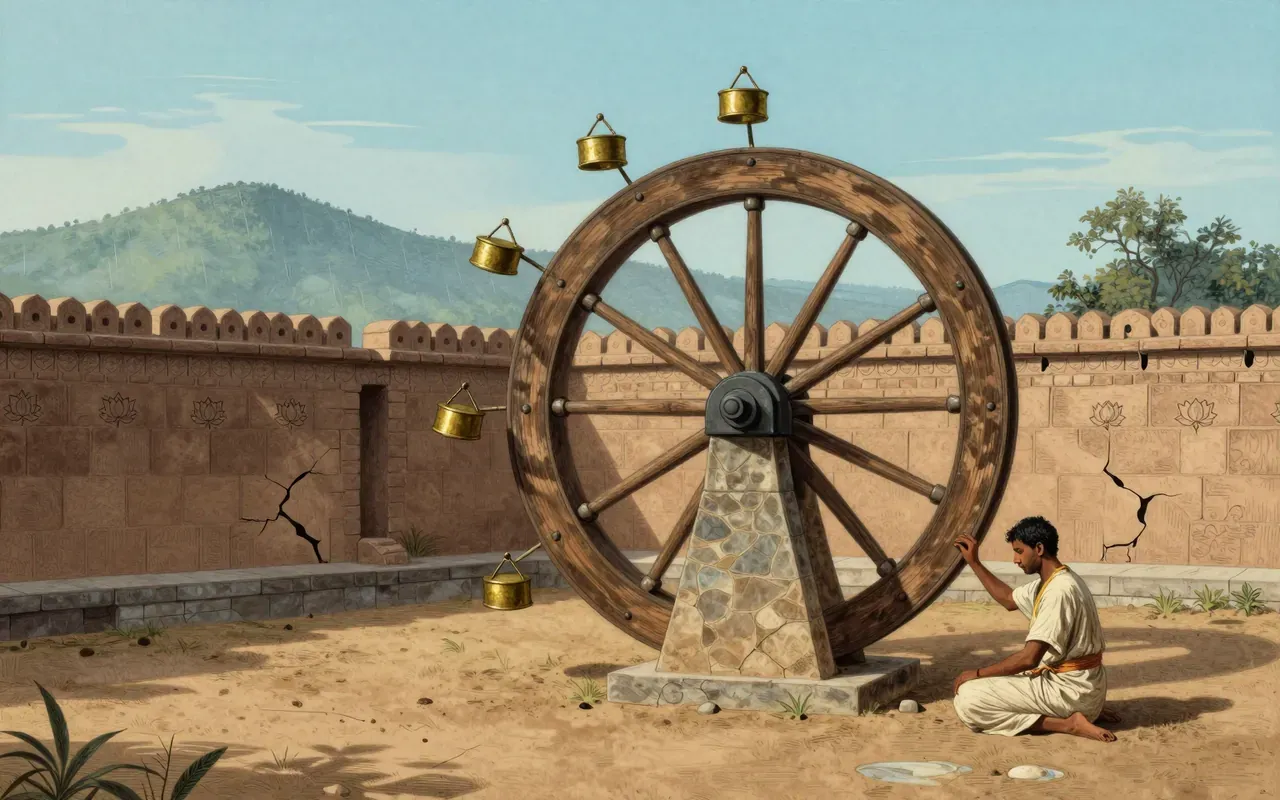
Every self-sustaining machine ever proposed, from a medieval overbalanced wheel to modern magnetic motors, runs into the same two laws of thermodynamics that patent offices now use to reject them without a hearing.
13:00

Piezoelectricity

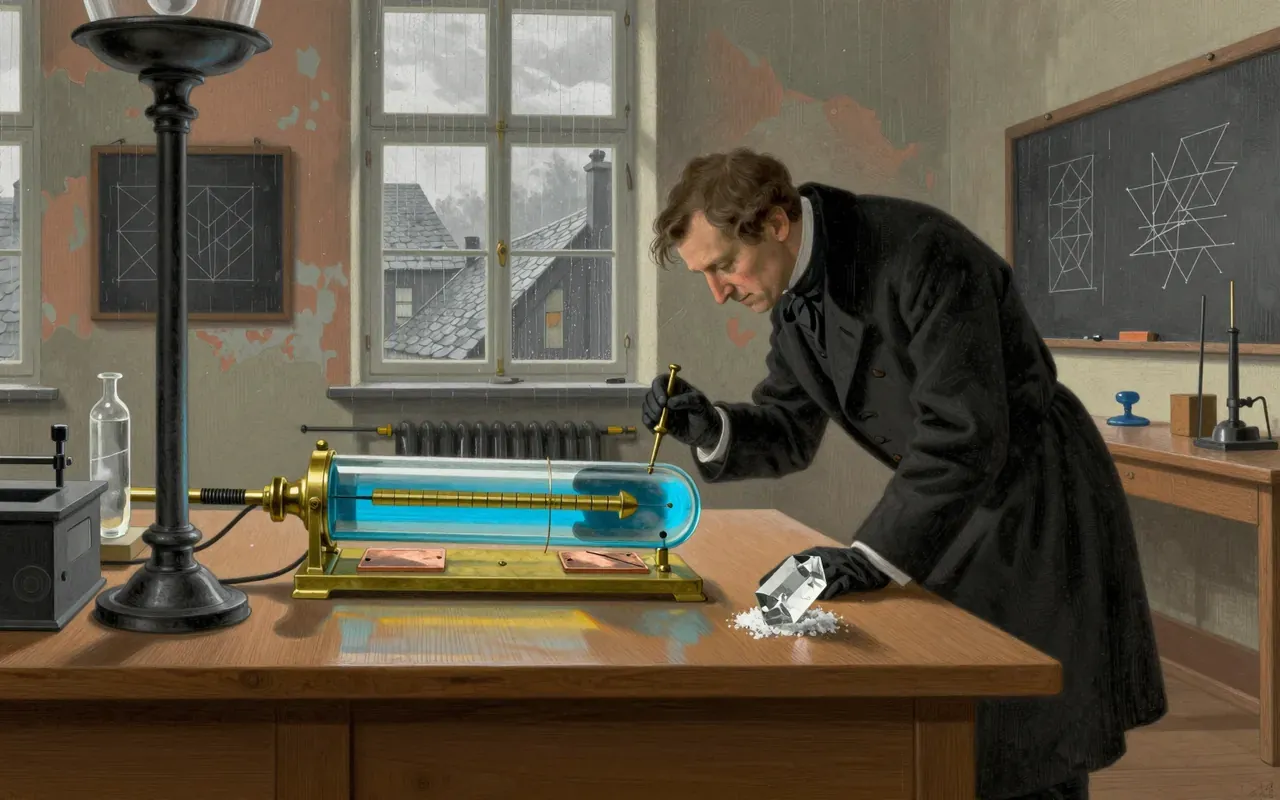
Pierre and Jacques Curie showed in 1880 that squeezing certain crystals generates a voltage, and the reverse effect their colleague predicted the following year now drives everything from sonar to quartz watches to fuel injectors.
13:00

Black-body radiation

Classical physics predicted a heated object should radiate an unlimited amount of energy at high frequencies, measurements showed it does no such thing, and Max Planck's 1900 fix, a trick he did not even believe in at first, opened the door to quantum theory.
13:00

Planck postulate

To make his 1900 blackbody radiation law work, Max Planck assumed energy could only be emitted in fixed units, a device he called a formal assumption and did not believe was physically real.
13:00

Pulsar

A graduate student spotted a stubborn scrap of noise repeating every 1.33 seconds in her own radio telescope data, and the Nobel Prize for what it turned out to be went to her supervisor instead.
10:26

Punctuated equilibrium

Gould and Eldredge

Punctuated equilibrium is a descriptive claim about fossil patterns — not a mechanism, not a refutation, not a universal law. It says what is seen (stasis), what is rare (gradualism), and where change appears (cladogenesis). Its power lies in its restraint.

13:00

Quantum tunnelling

George Gamow's 1928 theory explained why alpha particles with far too little energy to climb a nucleus's confining wall still escape it, by treating the particle as a wave that can pass through a barrier it cannot classically surmount.
13:00

Molecular orbital theory

Ordinary oxygen is attracted to a magnet, a fact the older theory of chemical bonds simply could not explain. Molecular orbital theory got it right by giving up on the idea that a bond belongs to two atoms alone.
13:00

Quantum teleportation

Quantum teleportation moves the description of a quantum state between two locations using entanglement and an ordinary message, not matter or energy, and it cannot go faster than light because that ordinary message still has to arrive.
13:00

2019 revision of the SI

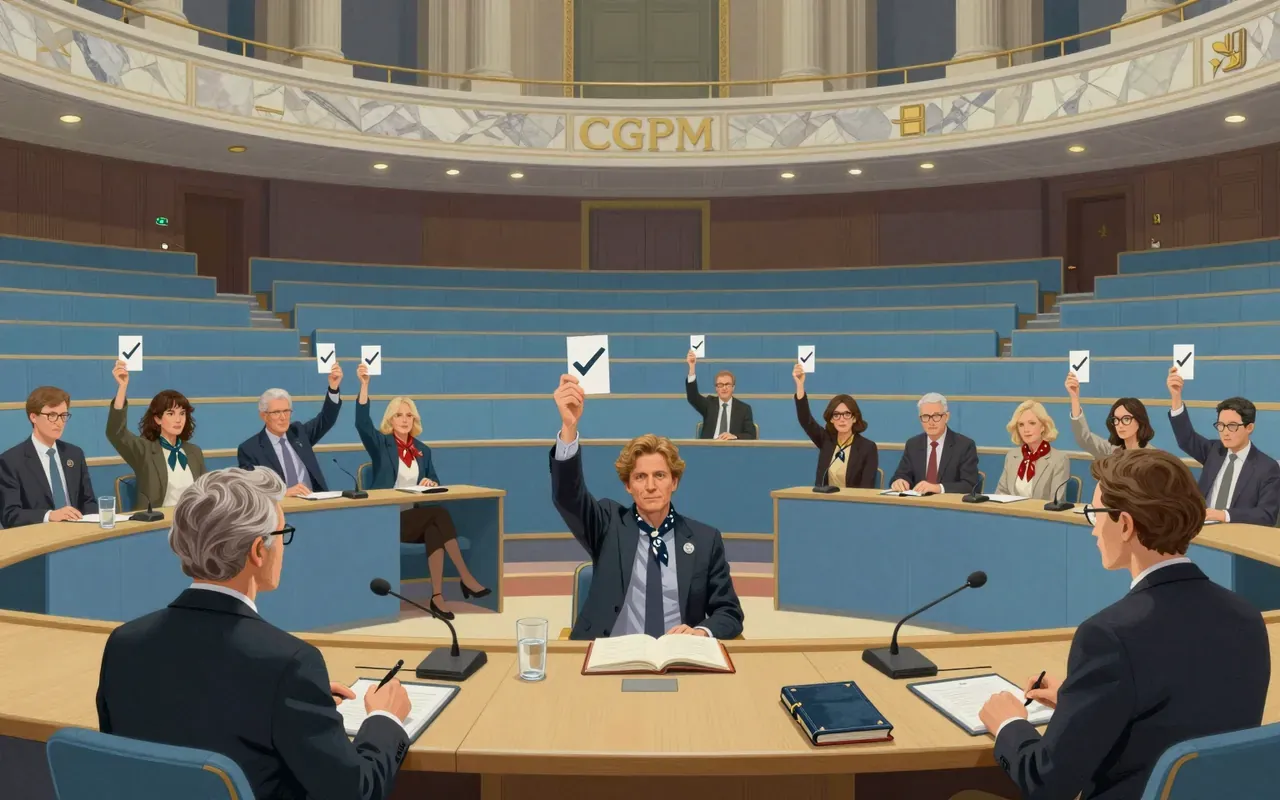
On 20 May 2019 the kilogram stopped being a chunk of metal in France and became a consequence of the Planck constant. The vote took eleven years to arrive and left a few loose mathematical ends behind.
10:30

Richard Feynman

Feynman didn’t explain quantum reality — he built a working language for it.
10:16

Robert Hooke

Hooke didn’t just see further — he built the lenses, drew what he saw, and named what he found.
10:08

J. Robert Oppenheimer

Oppenheimer didn’t build bombs — he built the mathematical scaffolding for quantum chemistry, nuclear physics, and black holes.
10:15

Roger Penrose

Penrose didn’t find black holes—he proved they’re unavoidable if Einstein was right.
13:00

Galaxy rotation curve

Vera Rubin and Kent Ford measured how fast stars orbit at the edges of spiral galaxies and found speeds that refused to fall off with distance, evidence that most of a galaxy's mass is invisible.
13:00

Rutherford scattering experiments

In 1909 a beam of particles fired at gold foil should have passed through with barely a wobble, and the tiny fraction that bounced almost straight back instead forced physicists to accept that atoms are mostly empty space around a dense core.
13:00

Seismic wave

Nobody has ever drilled to the centre of the Earth. What we know of its core comes from timing how earthquake waves bend, vanish and reappear on the far side of the planet — a method Richard Dixon Oldham first made work.
10:16

Sheldon Glashow

Glashow didn’t discover particles — he built the grammar that forced them to exist.
9:44

Shor's algorithm

Shor · 1994

Shor’s algorithm is a quantum algorithm for integer factorisation, developed by Peter Shor in 1994. It runs in polynomial time in log N and places factorisation in BQP. It is asymptotically faster than the general number field sieve.

10:56

Sophie Germain

Germain’s mathematics was right where it counted—and wrong where it mattered most.
9:49

Stephen Hawking

Hawking didn’t prove black holes radiate—he proved they must, if quantum theory and gravity coexist at all.
10:06

Steven Weinberg

Weinberg didn’t unify forces — he made mass a consequence of broken symmetry.
13:00

Superconductivity

Three years after liquefying helium itself, Heike Kamerlingh Onnes watched mercury's electrical resistance vanish outright rather than merely fall, opening a phenomenon still not fully explained for its high-temperature cousins.
13:00

High-temperature superconductivity

A ceramic that theory said should not superconduct at all did so at 35 kelvin in 1986, and the mechanism behind it is still not fully explained nearly four decades later.
13:00

SN 1987A

A burst of 25 neutrinos arrived hours before the light from a 1987 supernova, confirming a theory of how dying stars collapse, and decades of watching the wreckage afterward has tracked the radioactive decay chains that theory says forge heavy elements.
10:38

Barometer

Torricelli didn’t discover air pressure—he killed the idea that nature abhors a vacuum.
13:00

Caesium standard

Since 1967 the second has been defined by a fixed count of caesium-133 oscillations, a standard that still runs GPS and global timekeeping even though optical clocks have already surpassed it in precision.
13:00

Cold fusion

Two respected electrochemists announced room-temperature fusion at a press conference before publication, and within six weeks most of the physics community had rejected the claim outright.
13:00

Copernican heliocentrism

Copernicus's 1543 heliocentric model was neither more accurate nor simpler than the system it challenged, and it took Kepler's ellipses and Galileo's telescope, decades later, to actually settle the argument.
13:00

Large-scale structure of the universe

Mapping galaxy positions in three dimensions revealed a vast web of filaments and voids, a structure dark-matter simulations had already anticipated, though the largest structures found still test how uniform the universe is supposed to be.
13:00

Higgs boson

The 2012 discovery at CERN's Large Hadron Collider confirmed, at five-sigma significance, the particle that three groups of theorists had predicted in 1964, closing the last open piece of the Standard Model of particle physics.
13:00

Mpemba effect

A thirteen-year-old whose physics teacher called it impossible found that his hot ice cream mix froze faster than his classmates' cold ones, and physicists still cannot agree whether the effect is even real.
13:00

X-ray

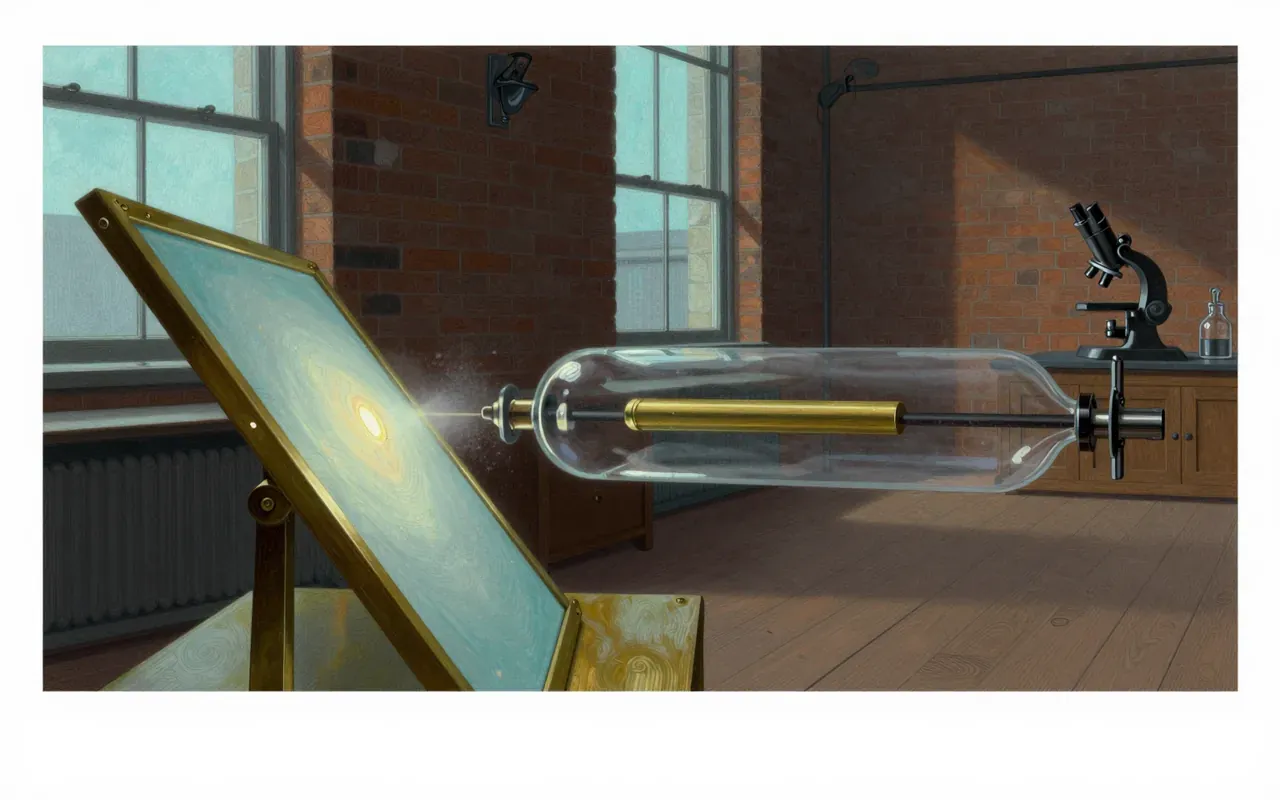
In November 1895 Wilhelm Rontgen noticed a screen glowing near a covered vacuum tube and, within weeks, had produced an X-ray of his wife's hand, a discovery adopted by medicine so fast that its radiation dangers were only understood after the damage had been done.
13:00

Electrocardiography

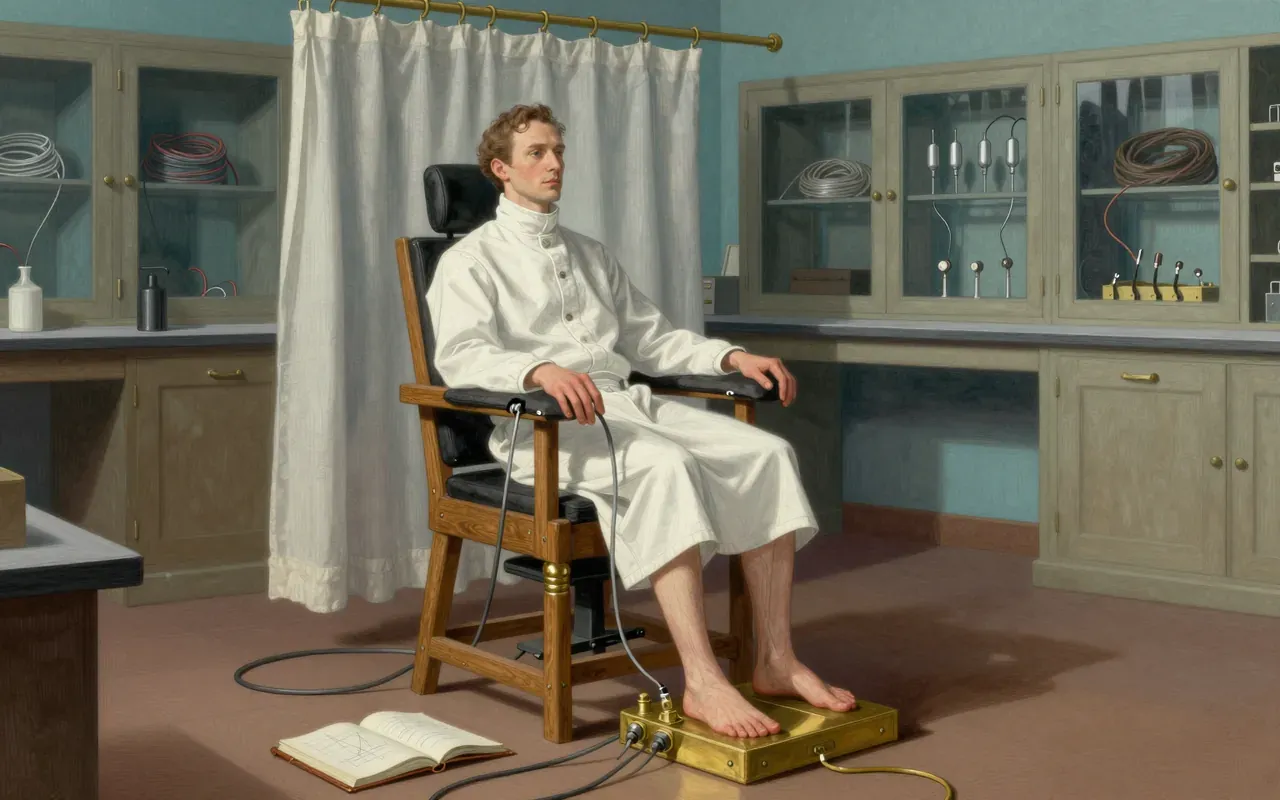
Willem Einthoven's 1903 string galvanometer, a device that needed five operators and weighed 270 kilograms, turned the heart's faint electrical signal into a readable trace and gave cardiology the electrocardiogram.
9:08

Electron microscope

Ernst Ruska · 1931

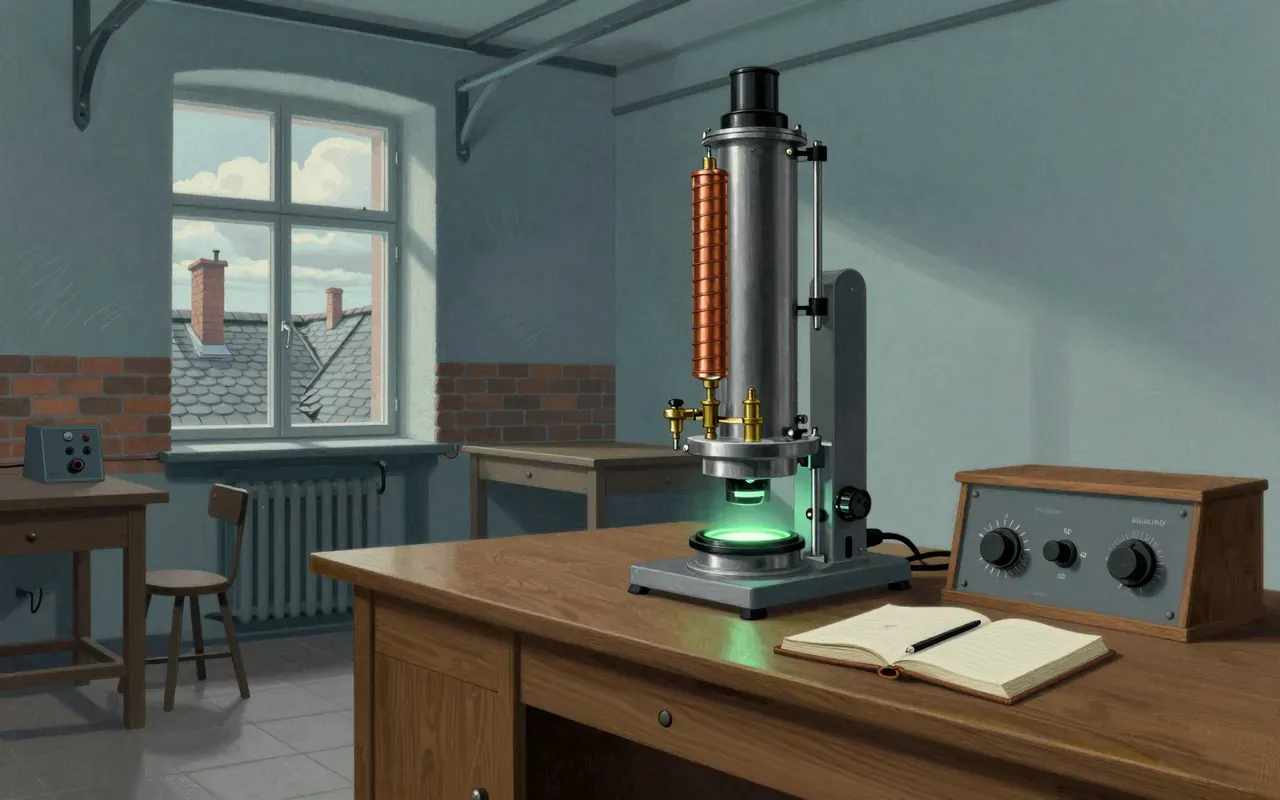
The electron microscope began not with biology, but with physics: a test of magnetic lensing on engineered grids. Its first success was mechanical and conceptual — not observational.

12:03

1883 eruption of Krakatoa

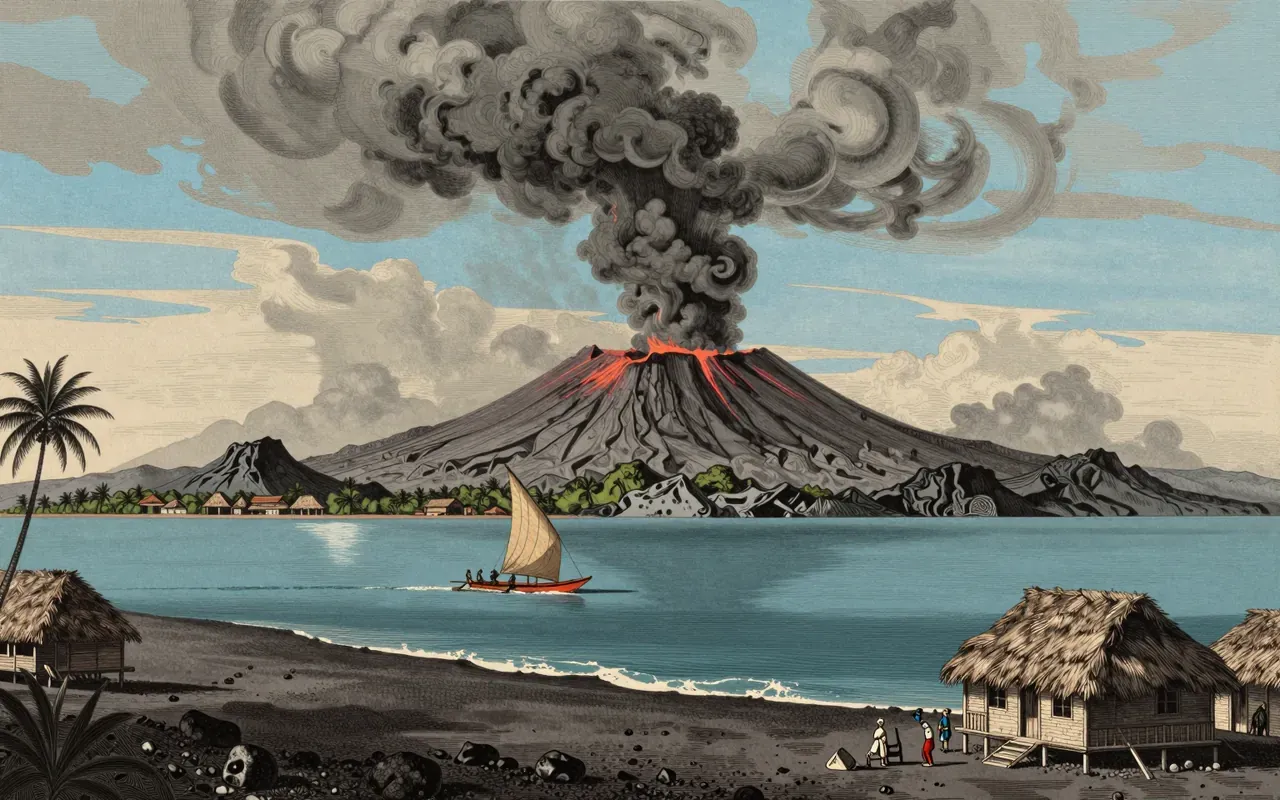
Krakatoa didn’t just boom — it turned the atmosphere into a resonant chamber and a reflective shield, with numbers we still use to test climate physics.
13:00

Event Horizon Telescope

In 2019 the Event Horizon Telescope turned eight radio observatories into one Earth-sized instrument and released a picture of the shadow cast by the black hole at the centre of the galaxy M87.
11:12

Galvanometer

The galvanometer did not discover electromagnetism — it weaponised Ørsted’s accident into a ruler for the invisible.
13:00

Holographic principle

A puzzle about black hole entropy scaling with surface area, not volume, led to the idea that a region of space might be fully described by information on its boundary, and Juan Maldacena's 1997 conjecture gave that idea its clearest, still unproven, form.
11:40

Hubble Deep Field

The Hubble Deep Field didn’t reveal the early universe — it revealed how little we knew about galaxy assembly before we counted them properly.
11:07

Mandelbrot set

Benoit Mandelbrot

Mandelbrot visualised a known mathematical object with unprecedented clarity — making topology legible through computation.

13:00

National Ignition Facility

The National Ignition Facility's December 2022 shot produced more fusion energy than its laser delivered to the fuel, a real milestone at the target that is roughly a hundredfold short of net energy for the facility itself.
8:56

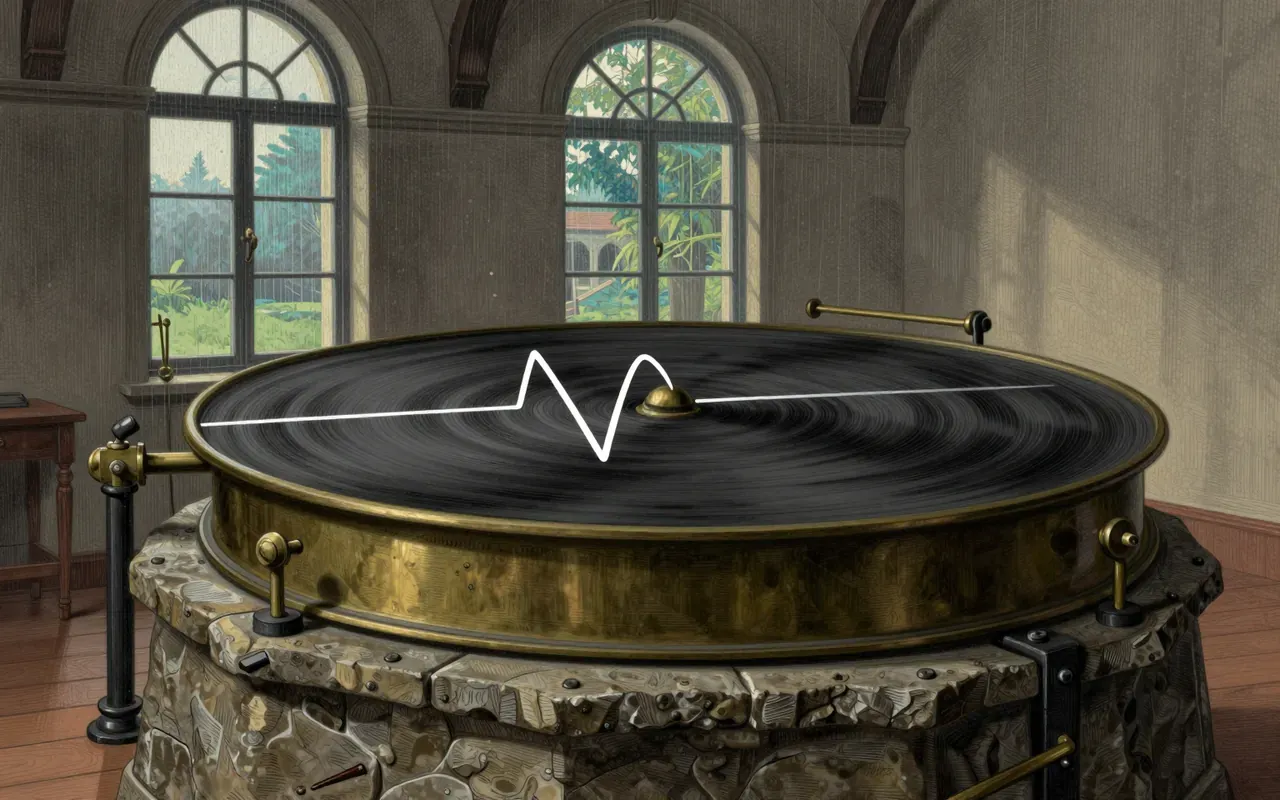
Oscilloscope

The oscilloscope wasn’t invented — it was incrementally engineered from a clattering mechanical recorder into a portable CRT.
11:08

Pauli exclusion principle

Wolfgang Pauli

The Pauli exclusion principle is not a force or interaction. It is a constraint on how quantum states may be occupied. It arose from spectral anomalies, not theory-first deduction. Its power lies in its austerity: four numbers, one electron, and a sign flip upon exchange. It remains indispensable — and unexplained at root.

11:14

Riemann hypothesis

Bernhard Riemann

Riemann’s 1859 hypothesis is a precise, unproven claim about zeta zeros — central to prime distribution, yet untouched by proof for 165 years.

13:00

Scanning tunneling microscope

Quantum tunnelling had been known physics for decades before Gerd Binnig and Heinrich Rohrer built an instrument steady enough to hold a metal tip a few atomic widths above a surface and turn that old effect into a working microscope.
13:00

International System of Units

The metre, the kilogram and five other units used to rest on physical objects kept in a French vault. Now every one of them is fixed to a constant of nature, and the change is quieter than it sounds.
13:00

Optical spectrometer

In 1815 a German physicist counted six hundred dark gaps in the spectrum of sunlight, and within a few decades that oddity had become a method for reading the chemical makeup of a flame in a laboratory or a star many light years away.
13:00

Standard Model

Built up piece by piece from the 1960s to the 2012 discovery of the Higgs boson, the Standard Model correctly predicts particle physics down to its component quarks and forces, while leaving gravity and dark matter untouched.
11:30

Wow! signal

A single 72-second blip — thirty times louder than noise, narrower than 10 kHz, never seen again — is not evidence of aliens. It is evidence of how easily curiosity outruns verification.
13:00

First law of thermodynamics

A brewer with no university post announced in 1843 that he had measured how much mechanical work turns into a fixed amount of heat. He was met with silence. Four years later Helmholtz's own declaration of energy conservation credited him by name.
13:00

Topological insulator

Charles Kane and Eugene Mele predicted in 2005 that a material could conduct only along its edges while remaining insulating throughout its interior, and a mercury telluride sandwich confirmed it two years later.
12:07

Van der Waals equation

Johannes van der Waals

Van der Waals’s 1873 equation was the first thermodynamic model to treat fluids as composed of real molecules — with finite size and mutual attraction — and it successfully described both liquid and gas phases, predicted critical-point behaviour, and yielded quantitative estimates of molecular size and attraction strength. It did not prove molecular existence, nor does it hold across all conditions. Its value lies in making molecular assumptions productive — long before they were directly observable.

10:16

Vera Rubin

Rubin didn’t find dark matter — she proved galaxies shouldn’t hold together without it.
9:53

Vladimir K. Zworykin

Zworykin didn’t invent television—he weaponised the cathode-ray tube and made it central to its first electronic incarnation.
9:30

Wendy Freedman

She pinned down how fast the Universe expands — not with theory, but with stars as rulers.
8:58

Werner Heisenberg

Heisenberg didn’t discover uncertainty — he abolished the idea that particles have definite positions and momenta at all.
11:03

William Herschel

Herschel didn’t just find new things — he invented how to measure what light *does*.
11:22

X-ray crystallography

William Henry Bragg and William Lawrence Bragg

The Braggs established X-ray crystallography as a quantitative physical method by linking diffraction geometry to atomic spacing — using simple crystals, mechanical rotation, film detection, and arithmetic. They did not image atoms. They inferred lattice periodicity. Their work is durable, narrow, and strictly instrumental.

11:07

Zu Chongzhi

Zu Chongzhi didn’t just approximate π — he built a 24,576-sided polygon and used geometry to outcompute Europe by nine centuries.
9:31

Arieh Warshel

He did not explain enzymes—he built the first working computational microscope for them.
13:00

Carbon nanotube

Sumio Iijima's 1991 paper on tubes of carbon rolled from arc-burned graphite launched a research boom, even though Soviet scientists had photographed similar structures nearly forty years earlier without anyone noticing.
13:00

Carotenoid

Chlorophyll makes plants green precisely because it is bad at absorbing green light, and carotenoids do the opposite job of protecting the plant from the light chlorophyll absorbs too well, which this brief explains alongside a decades-old chlorophyll marketing hoax.
13:00

Catalysis

Berzelius named catalysis in 1835, but Elizabeth Fulhame had already documented the phenomenon decades earlier. What survived from either of them is a substance that speeds a reaction without being used up — now behind roughly ninety percent of manufactured chemical products.
13:00

Chargaff's rules

Erwin Chargaff measured DNA base ratios across dozens of species and found a pairing rule steady enough to become the numerical clue behind Watson and Crick's double helix — credit for which he never received.
13:00

Chirality (chemistry)

Two batches of tartaric acid had identical formulas and reactions, yet one twisted light and the other didn't. Pasteur solved it by hand-sorting crystals into two mirror-image piles under a microscope — early proof that shape alone can change what a molecule does.
13:00

History of atomic theory

Dalton built his atomic theory on the neat observation that elements combine in small whole-number ratios. His method for weighing the atoms themselves was flawed from the start, and every one of his five postulates about what atoms actually are has since been revised.
13:00

Dihydrogen monoxide parody

Describing plain water by its formal chemical name and a list of true but alarming facts got a New Zealand MP asking for a ban, proving how easily technically accurate language can mislead.
10:44

Dmitri Mendeleev

Mendeleev didn’t discover elements — he discovered how to think like nature thinks.
13:00

Periodic table

Mendeleev left blank spaces in his 1869 table and named what should fill them before anyone had found the elements. Gallium and germanium turned up within his lifetime and matched almost exactly — the part of the story that made the table more than a filing system.
13:00

Lithium cobalt oxide

In 1980 John Goodenough found a layered cobalt compound that could double a battery's capacity, Oxford chose not to patent it, and nearly forty years later he collected the Nobel Prize for it at ninety-seven, the oldest laureate in the prize's history.
10:31

James Lovelock

A gas detector built for Mars revealed Earth’s pollution — and mistook it for safety.
13:00

Conservation of mass

Lavoisier weighed everything, sealed his reactions in glass so nothing could escape unnoticed, and found the numbers always balanced. That habit of weighing rather than guessing did more to end phlogiston theory than any argument could have.
10:33

Mario Molina

A postdoc and a chemist proved your fridge coolant was eating the sky — and changed how the world governs chemistry.
13:00

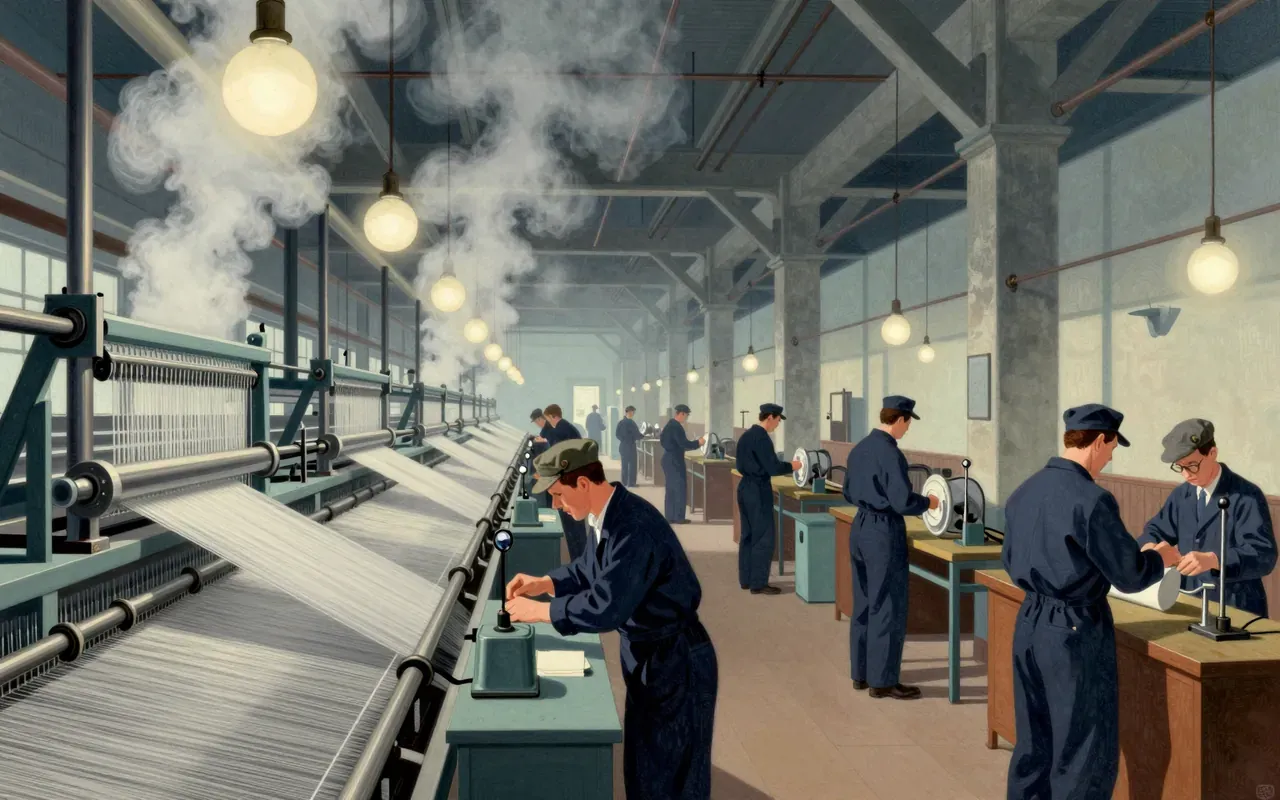
Nylon

Carothers's lab made the first fully synthetic fibre strong enough to replace silk in 1935. He died by suicide sixteen months before DuPont told the world, and never saw the 64 million pairs of stockings that sold in the first year alone.
13:00

Ocean acidification

Roughly a third of the carbon dioxide humans have put into the air over 270 years has dissolved into the ocean, and surface seawater pH has already dropped further than at any point in at least 26,000 years.
13:00

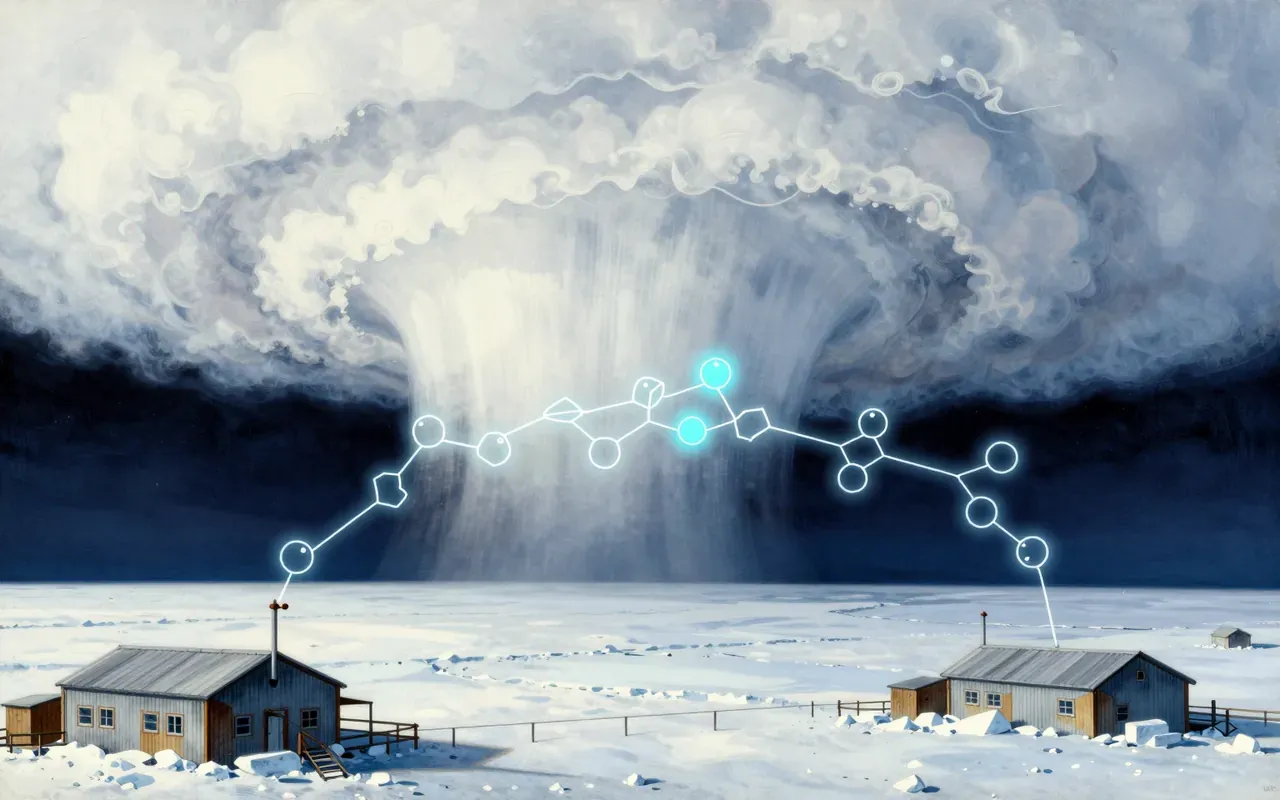
Ozone depletion

A single chlorine atom released from a refrigerant molecule can wreck roughly one hundred thousand ozone molecules before it is finally removed from the cycle, and this brief follows that chemistry from a 1985 Antarctic discovery to a treaty now credited with actual recovery.
13:00

Polymerization

Hermann Staudinger's macromolecule hypothesis, once dismissed by his own field, is the reason polymerisation is understood as chains of covalently linked units rather than clusters of small molecules stuck together.
10:58

Rachel Carson

Carson didn’t need a lab to prove pesticides were biocides — she used lawsuits, sick farmers, and library stacks.
13:00

Ribozyme

In the early 1980s Thomas Cech and Sidney Altman independently found RNA molecules that catalyse chemical reactions on their own, overturning the assumption that only proteins act as biological catalysts.
10:57

Rosalind Franklin

Franklin didn’t discover the double helix — she discovered that DNA’s shape changes with humidity, and that its backbone faces outward. Everything else was interpretation.
9:30

Calvin cycle

Calvin

The Calvin cycle is the first experimentally mapped biochemical pathway for carbon fixation. It established the sequence of carbon-containing intermediates using carbon-14 labelling in algae. It did not characterise enzymes, kinetics, or regulation. Its power lies in its direct, empirical tracing — not theoretical elegance.

13:00

Covalent bond

Lewis drew two dots between atomic symbols in 1916 and called it a bond. Pauling spent the next two decades giving that drawing a quantum-mechanical foundation, then later applied the same confident certainty to a vitamin C cancer claim a 1982 re-evaluation could not support.
13:00

Benzene

Kekulé's 1865 ring solved a real structural puzzle using real isomer counts. The story that a dream of a snake biting its tail handed him the answer came twenty-five years later, and historians now think he may have invented the anecdote rather than remembered it.
13:00

Chlorine

Scheele made a yellow-green gas in 1774 that bleached litmus paper and stripped the colour from flowers. He decided it was a compound of muriatic acid missing its phlogiston. It took Humphry Davy another thirty-six years to tell him, posthumously, that he'd isolated an element.
13:00

Fullerene

Kroto was chasing carbon chains from outer space, not a new form of carbon on Earth. Vaporising graphite with a laser to mimic a dying star's atmosphere produced a molecule shaped like a football instead — sixty carbon atoms folded into a closed cage.
13:00

Hydrogen

Henry Cavendish isolated the gas in 1766 and showed in 1781 that burning it makes water. He explained both facts through phlogiston theory, a framework chemistry would later discard entirely — the credit for what hydrogen actually is went to Lavoisier, who named it.
13:00

Haber process

The reaction that fixes nitrogen out of thin air now feeds close to half the people on Earth. The chemist who invented it also personally directed the first large chlorine gas attack of the First World War, days before his wife took her own life with his service revolver.
13:00

Inert-pair effect

Thallium would rather give up one electron than the three its position on the periodic table suggests it should. Sidgwick named the pattern in 1927; nobody has ever reduced it to a single cause.
13:00

Noble gas

Ramsay and Travers found an entire missing column of the periodic table by carefully distilling liquid air. The gases they pulled out were named for being lazy, hidden, new and strange — and chemistry believed they never reacted with anything until 1962 proved otherwise.
13:00

Synthetic diamond

Hall's press squeezed carbon to roughly 100,000 atmospheres and 1,600 degrees Celsius in 1954, and thirty-eight minutes later found actual diamond crystals on a tantalum disk. GE's reward for the invention that built an industry was a ten-dollar savings bond.
13:00

Ion channel

Roderick MacKinnon's 1998 crystal structure of a bacterial potassium channel showed the shape that lets potassium pass freely while turning away the smaller sodium ion — a puzzle that had stood since Hodgkin and Huxley's electrical studies of the 1950s.
13:00

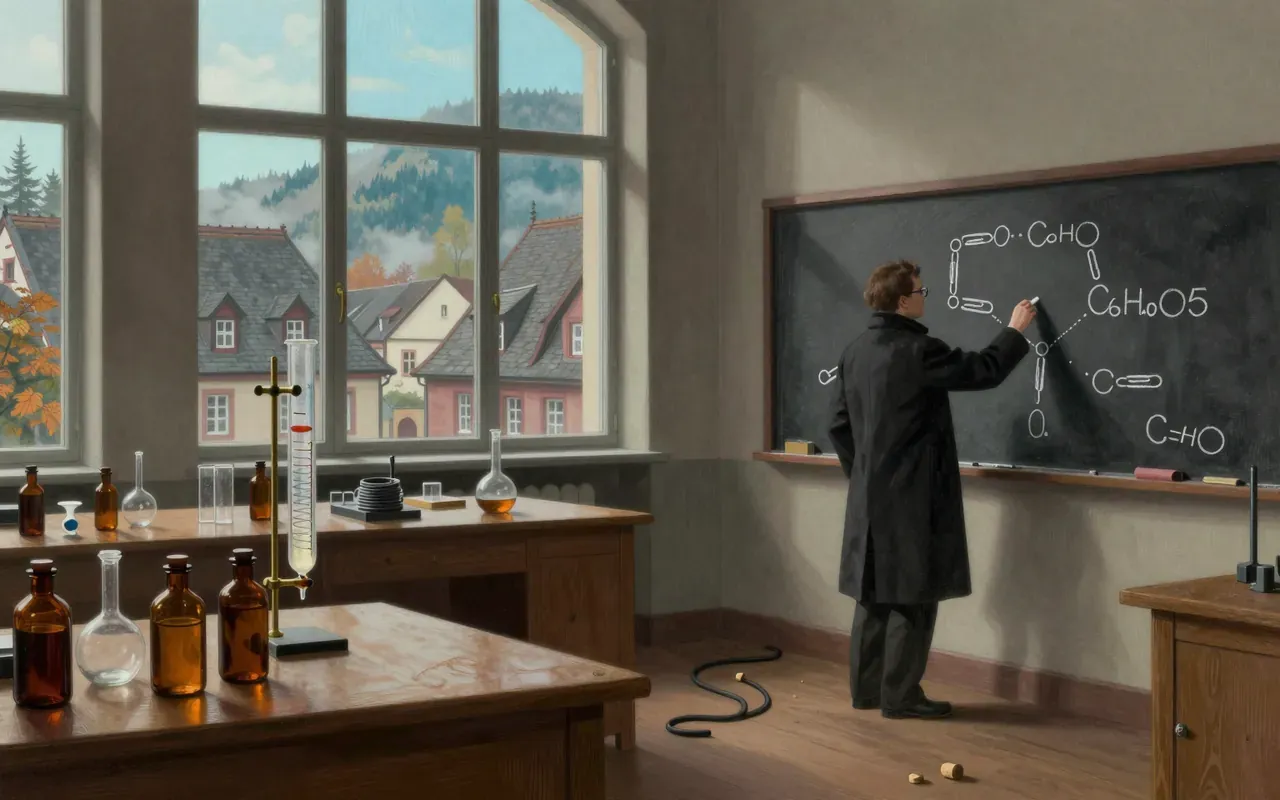
Wöhler synthesis

Wöhler heated ammonium cyanate in 1828 and got urea. Textbooks still call this the moment vitalism died on the spot. A 2000 survey found nine in ten chemistry textbooks repeat that version, and the actual history took another seventeen years to catch up.
9:44

Ultracentrifuge

It didn’t reveal life’s blueprint — it gave biologists the first tool to hold molecules still enough to weigh them.
10:49

Al-Khwarizmi

He didn’t invent algebra—he founded it as a discipline with rules, not rhetoric.
9:18

Arecibo Observatory

A 305-m dish carved into a Puerto Rican sinkhole didn’t just listen to space — it bent the rules of what a telescope could be.
10:47

Carl Sagan

Sagan didn’t predict Venus’s heat — he measured it with radio waves, and proved the greenhouse effect wasn’t just earthly.
9:52

Caroline Herschel

She didn’t wait for permission — she swept the sky, found what others missed, and rewrote the official star catalogue.
11:03

Edwin Hubble

Hubble didn’t prove the universe is expanding — he proved galaxies are islands, and that they flee each other in proportion to distance.
13:00

Earth's circumference

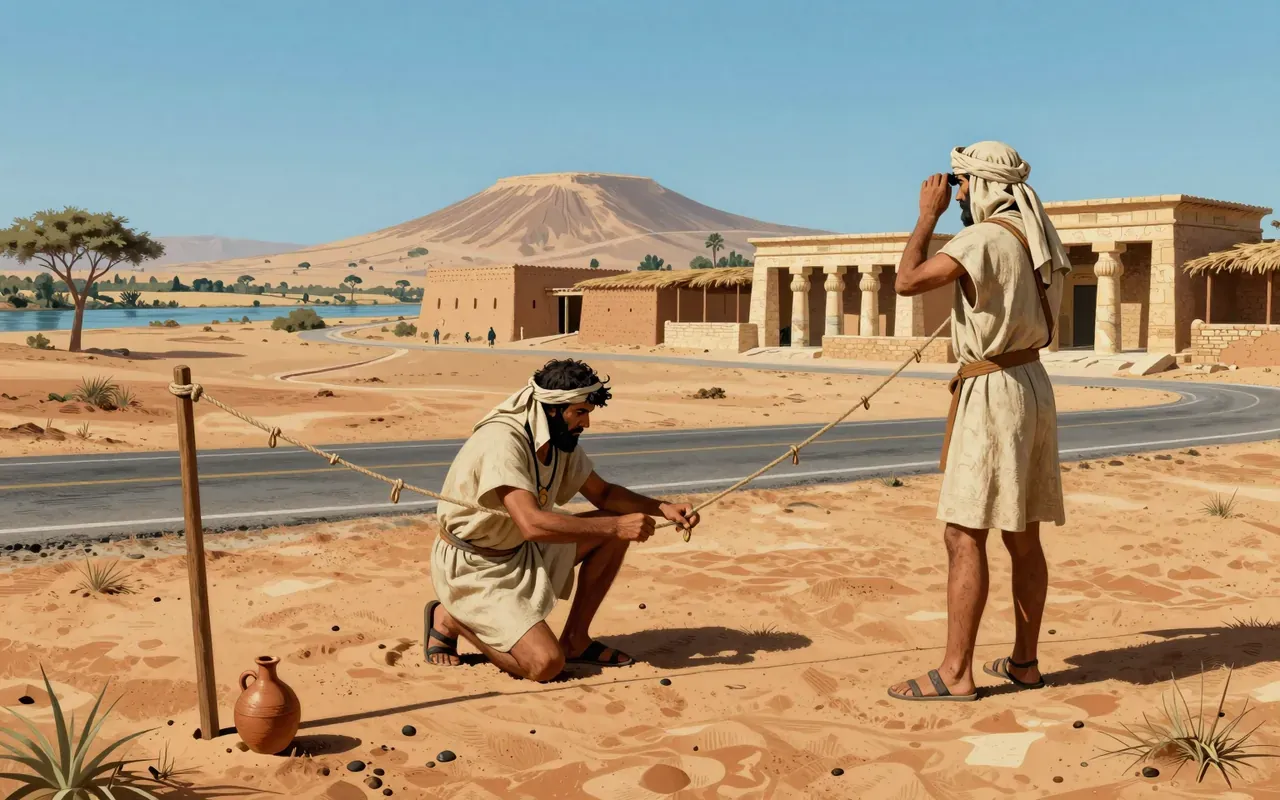
Around 240 BC a librarian in Alexandria compared a shadowless well in one city to a measurable shadow in another and worked out the size of the whole planet, though nobody today can say exactly how close he got, because his unit of measurement no longer has one agreed length.
13:00

Extraterrestrial atmosphere

David Charbonneau used starlight filtered through a planet's air during a transit to detect sodium around a distant world in 2002, opening a method that has since found water, carbon dioxide, and a puzzling absence of methane.
13:00

PSR B1919+21

In 1967 a Cambridge graduate student noticed an oddly regular signal on a chart recorder, ruled out interference and little green men, and found the first pulsar, a discovery that won a Nobel Prize for the men above her.
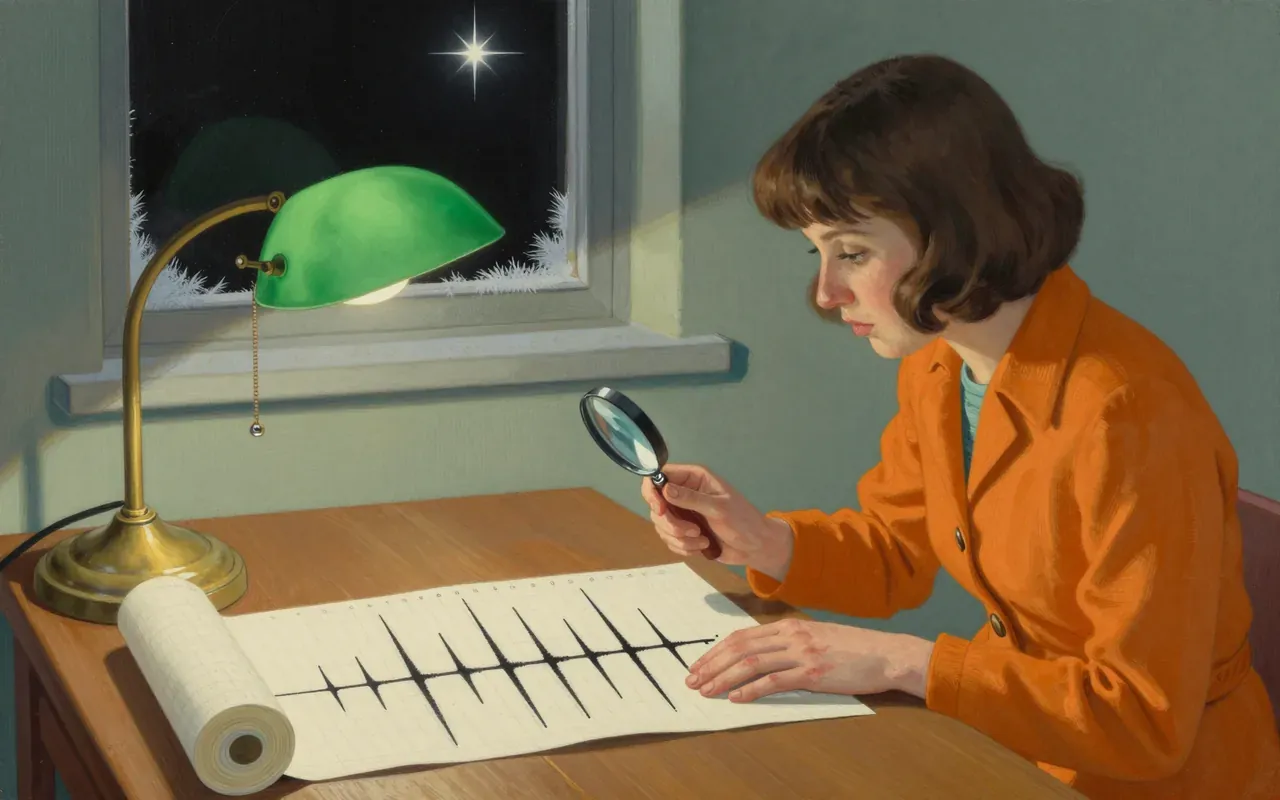
9:47

Katherine Johnson

Human calculation didn’t just support early spaceflight—it certified the machines that replaced it.
8:32

Antikythera mechanism

The Antikythera mechanism proves ancient Greeks built analogue computers — not myth, not reconstruction, but physical evidence.
13:00

Space Shuttle Columbia disaster

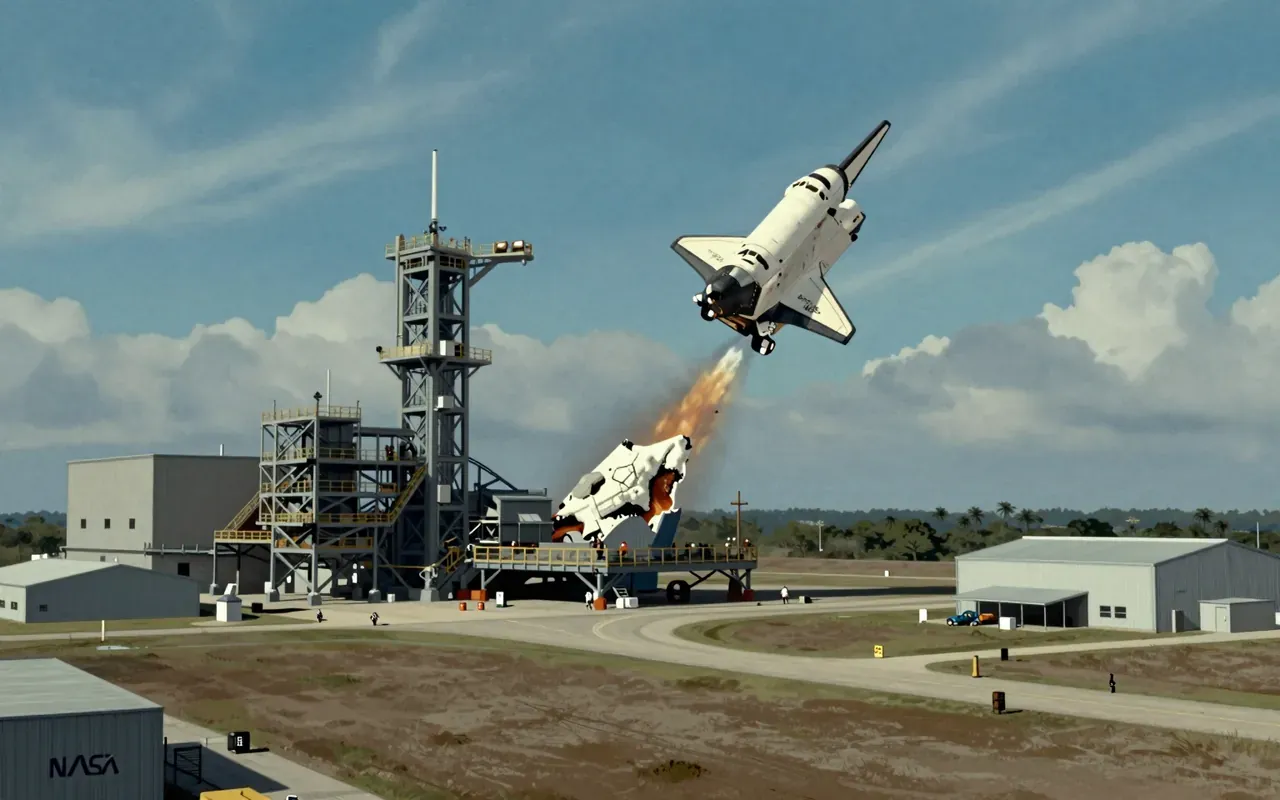
A briefcase-sized piece of foam had fallen off shuttle tanks six times before without incident, so when it struck Columbia's wing on launch, NASA managers treated the seventh strike as routine rather than as a threat.
13:00

51 Pegasi b

In 1995 two Geneva astronomers measured a small, regular wobble in a distant star's light and found a giant planet closer to its star than any theory expected, opening the search for exoplanets and forcing a rethink of how planets form.
13:00

Lunar water

A spectrometer aboard an Indian orbiter found hydroxyl and water signatures spread across the whole lunar surface in 2009, after more than a century of assuming the Moon was simply dry.
9:53

Galilean moons

Galileo did not prove Copernicus right — he proved Ptolemy wrong, one night at a time.
13:00

Enceladus

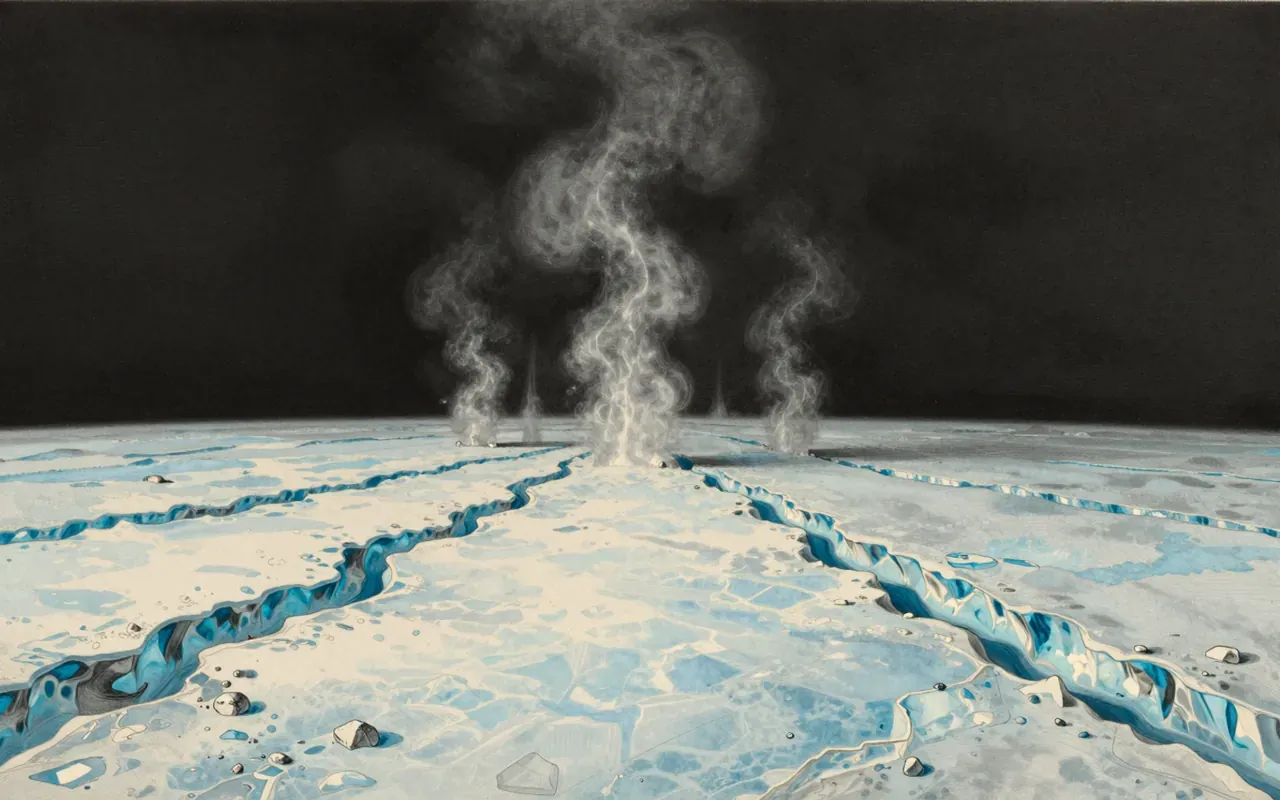
Cassini flew through jets of water vapour erupting from a small icy moon's south pole and found salts, organics, and eventually phosphates, evidence of a hidden alkaline ocean rather than a dead ball of ice.
13:00

Great Debate (astronomy)

In 1920 two astronomers each gave a forty-minute talk on whether the Milky Way was the whole universe or one galaxy among many, and neither had quite enough evidence to win outright, until a third astronomer settled it a few years later.
13:00

Space Shuttle Challenger disaster

Engineers warned the night before that rubber seals had never been tested that cold, management overruled them, and Challenger broke apart 73 seconds after launch on 28 January 1986.
13:00

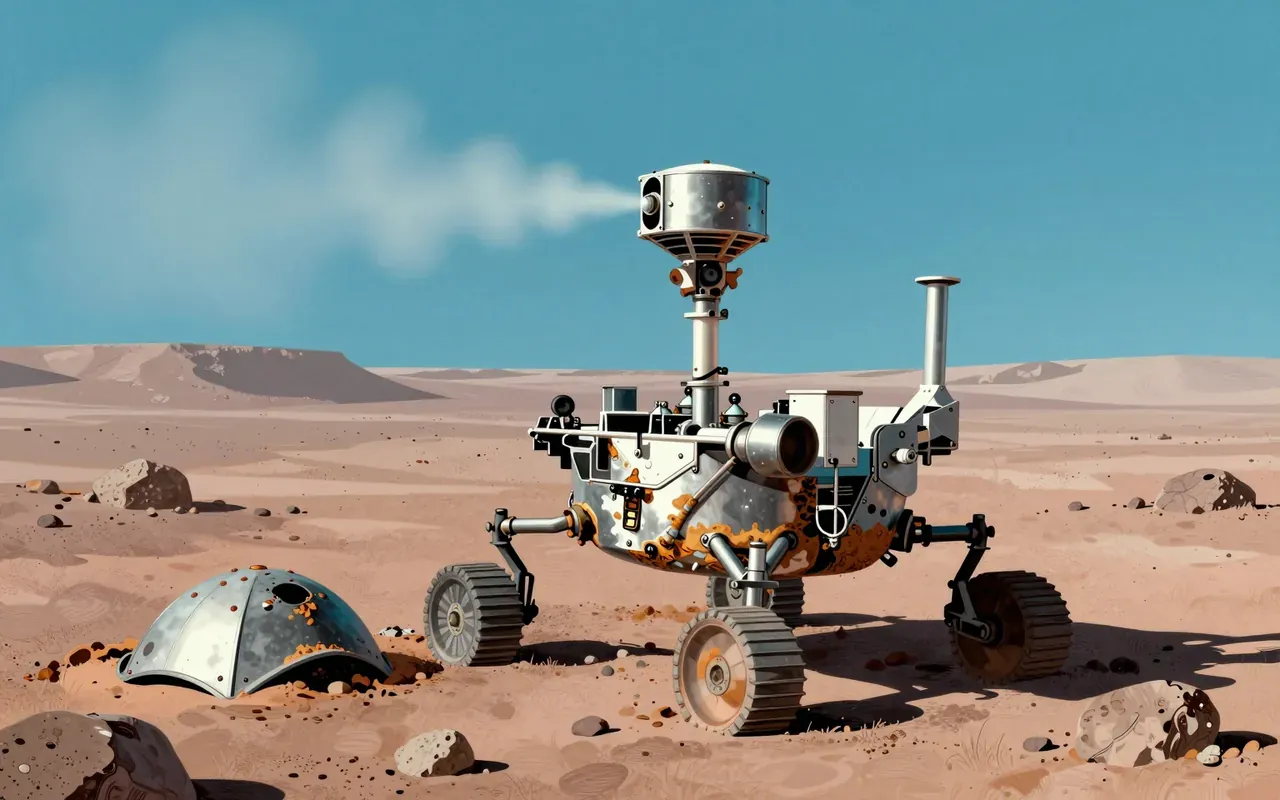
Perseverance (rover)

Perseverance's 2021 landing and its instruments have delivered exactly what was engineered, precise navigation, a surprise helicopter programme, oxygen from thin air, but the sample-return mission that would confirm any life finding is stalled.
9:28

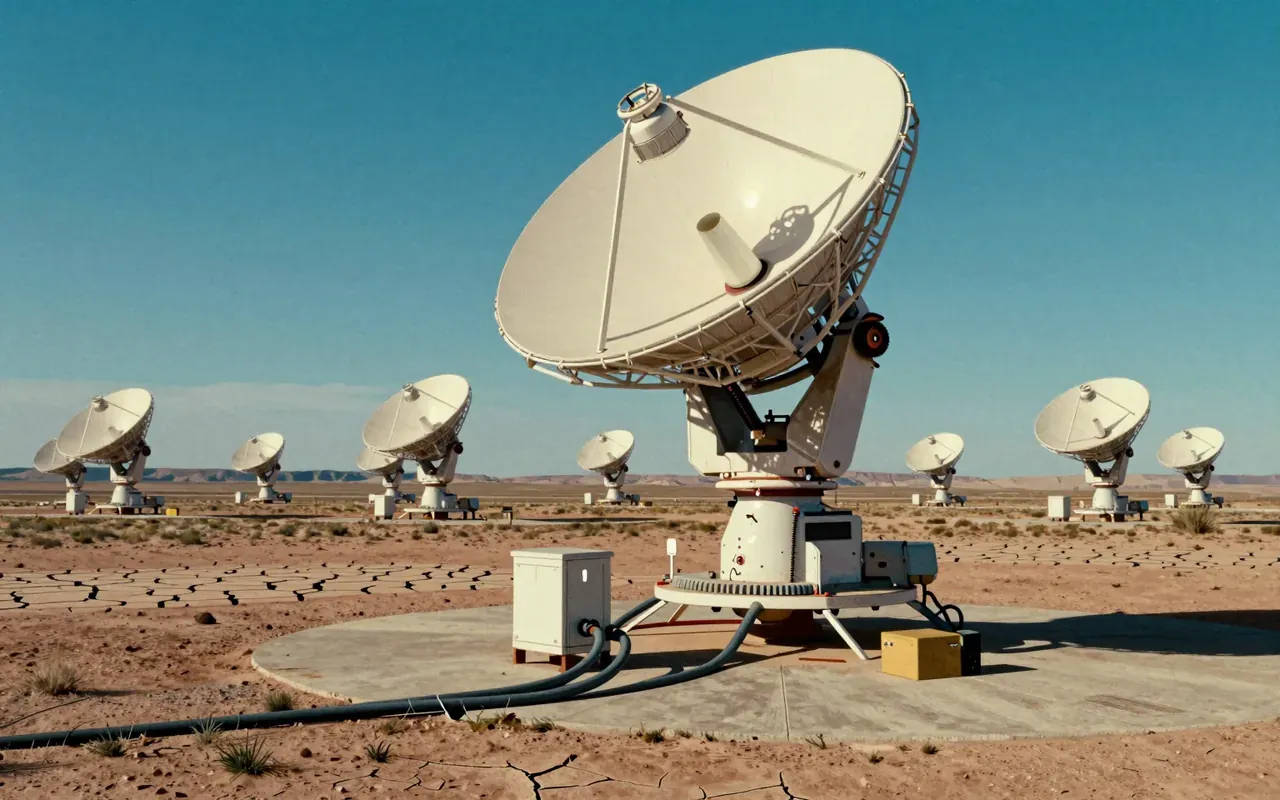
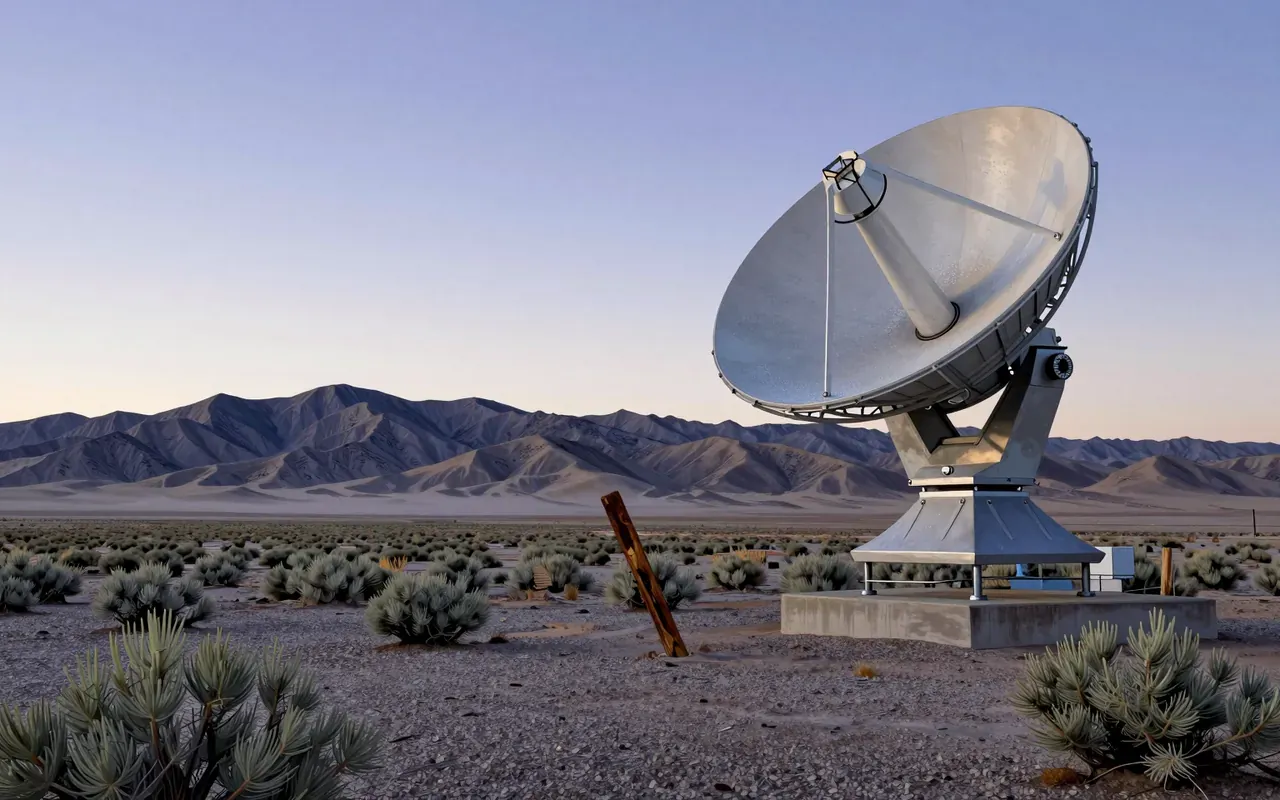
Very Large Array

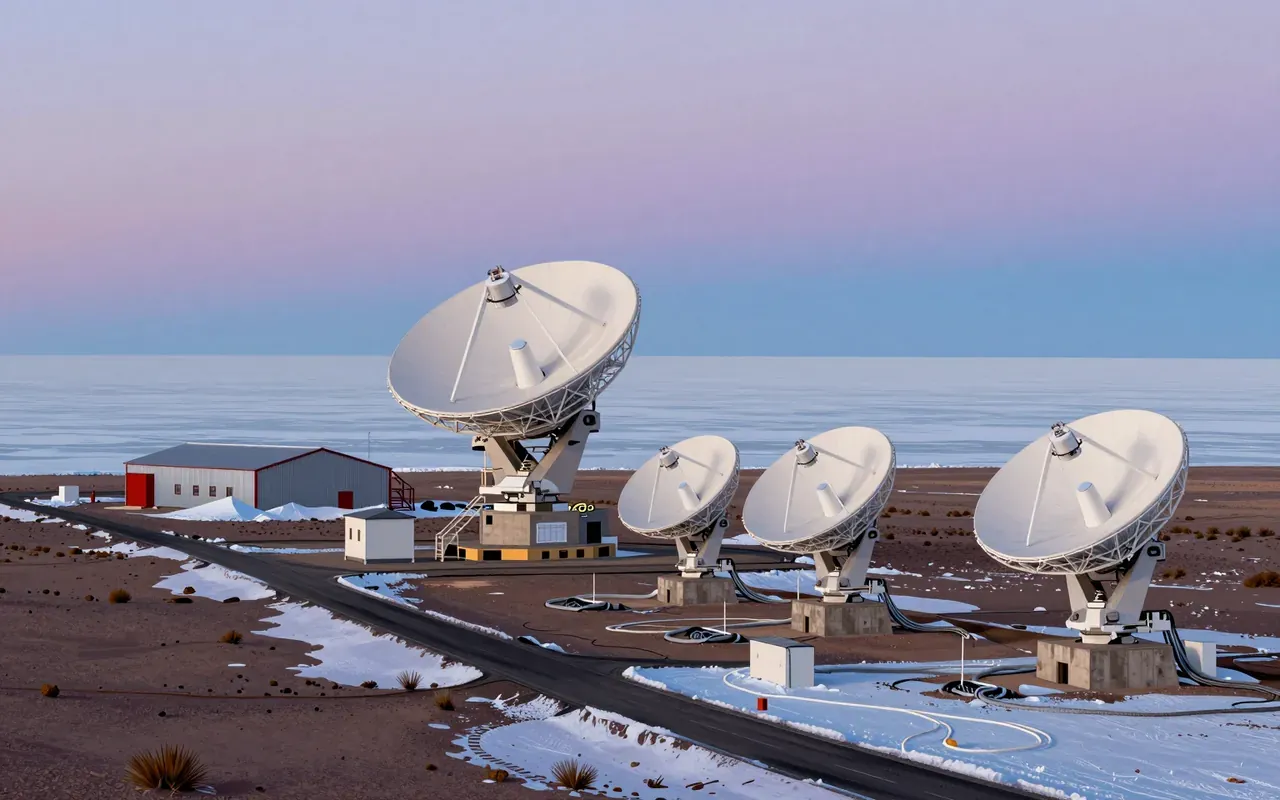
The VLA did not invent radio interferometry — it weaponised reconfigurability.
9:42

Tycho Brahe

A naked-eye parallax measurement ended celestial immutability — not with a theory, but with a ruler held against the stars.
13:00

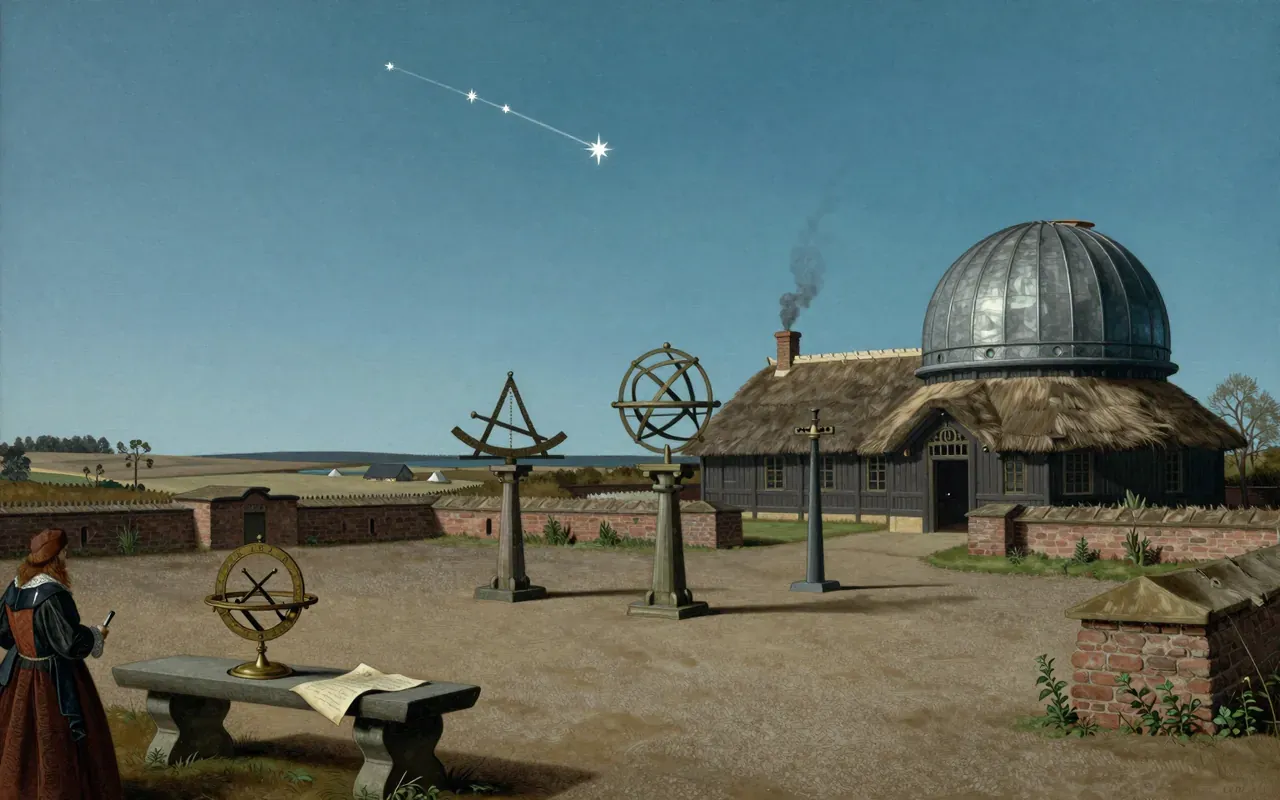
SN 1572

In 1572 a new star appeared in Cassiopeia and refused to shift position the way anything closer than the Moon should, and Tycho Brahe's careful measurement of that non-movement helped crack the idea that the heavens never change.
9:56

Alfred Wegener

Wegener didn’t prove continental drift—he proved it was the only explanation that fit the map, the rocks, and the fossils.
13:00

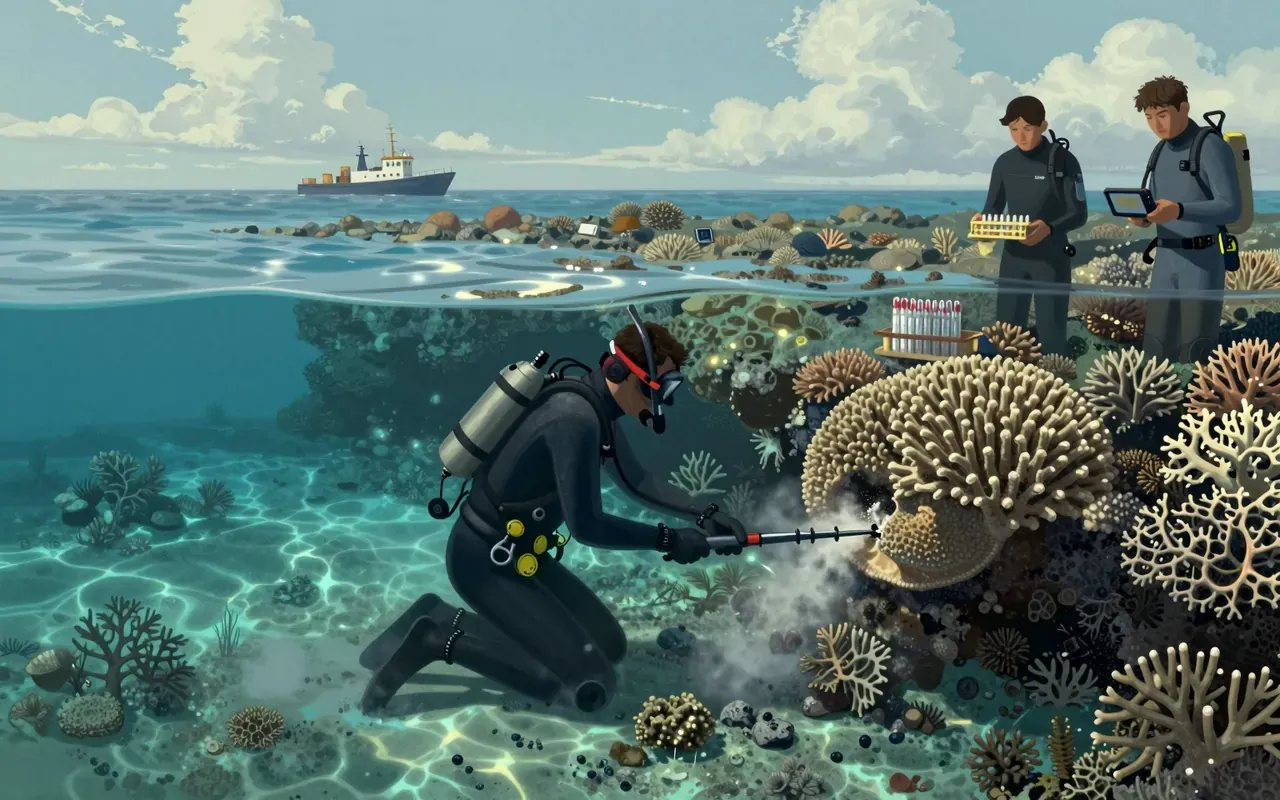
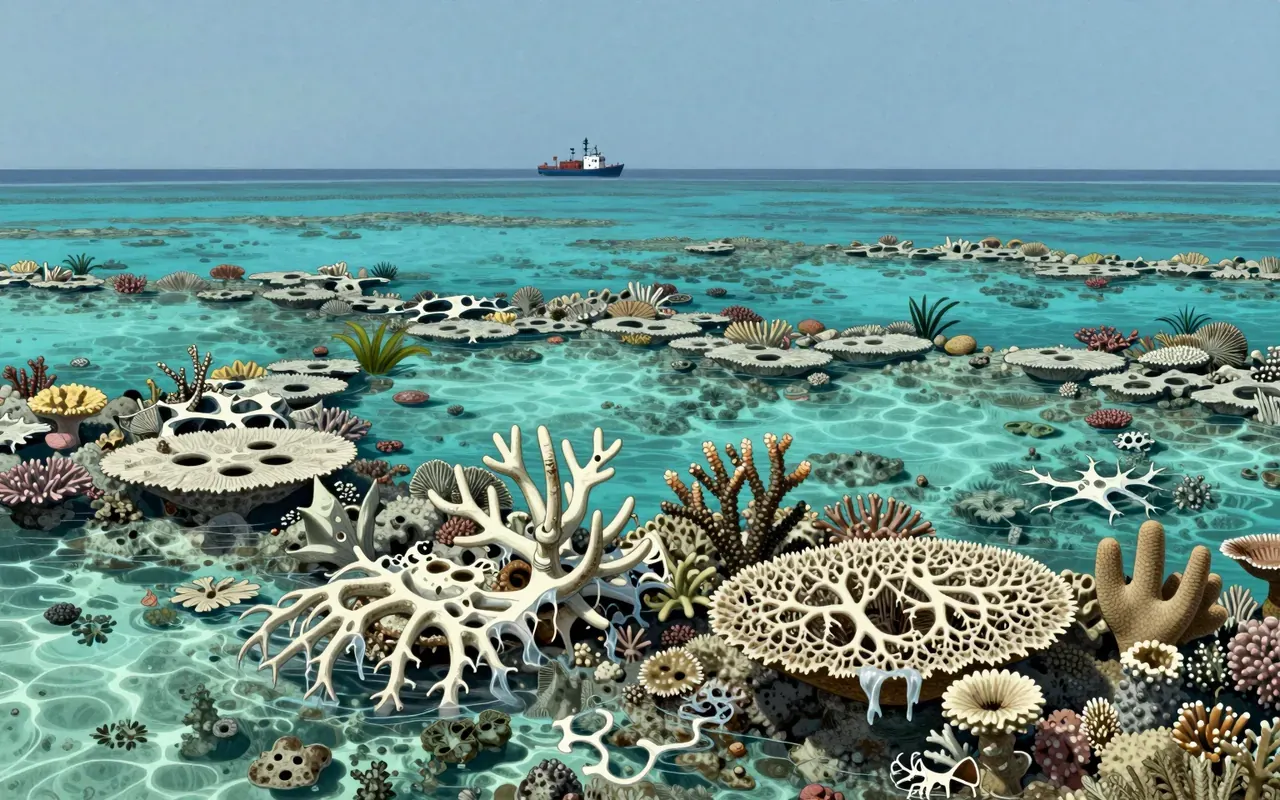
Coral bleaching

Ove Hoegh-Guldberg predicted in 1999 that most corals would not survive this century, a forecast many dismissed at the time and that recent Great Barrier Reef surveys now appear to be confirming.
13:00

Atoll

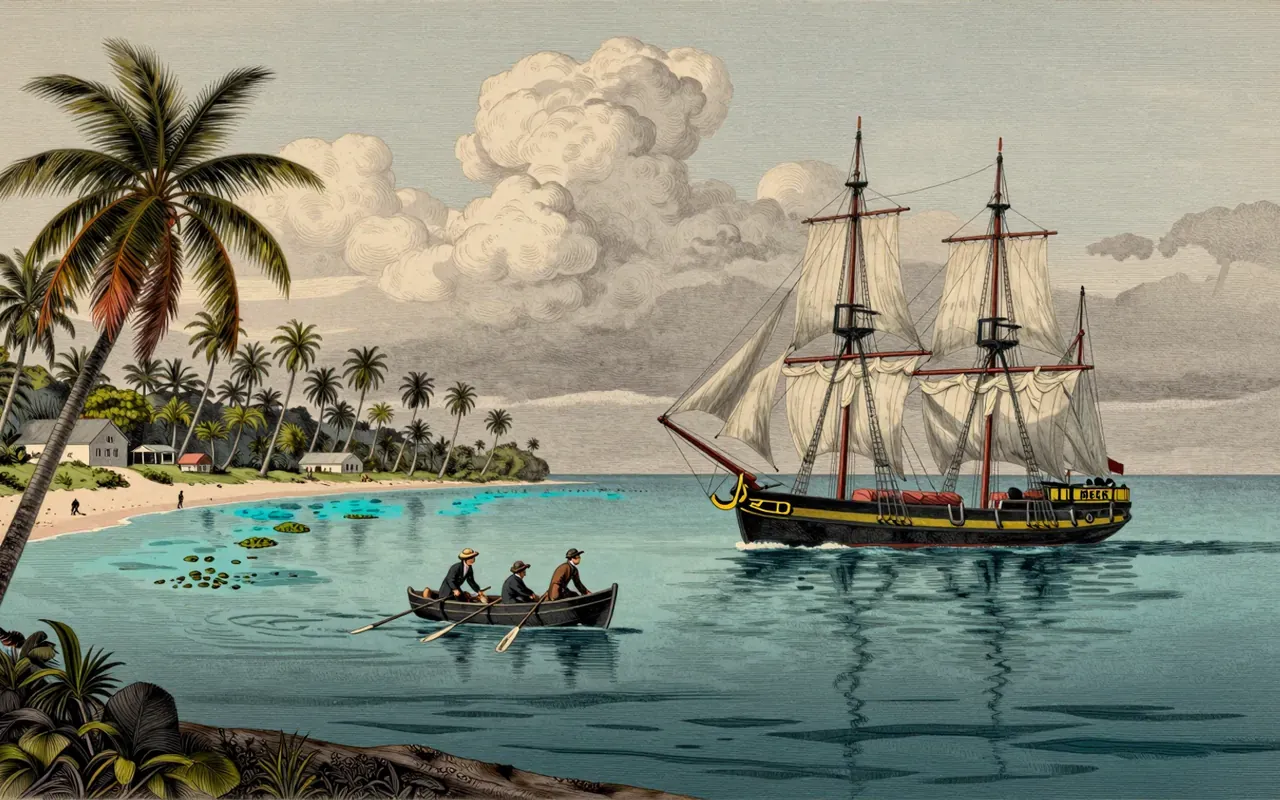
Darwin's 1842 theory that atolls form as volcanic islands slowly sink beneath growing coral reefs was tested by drilling into Funafuti in the 1890s, but recent research suggests it explains only part of how atolls form.
9:01

David M. Raup

Extinction isn’t random — but the 26-million-year pulse Raup found is not a law of nature.
13:00

Hydrothermal vent

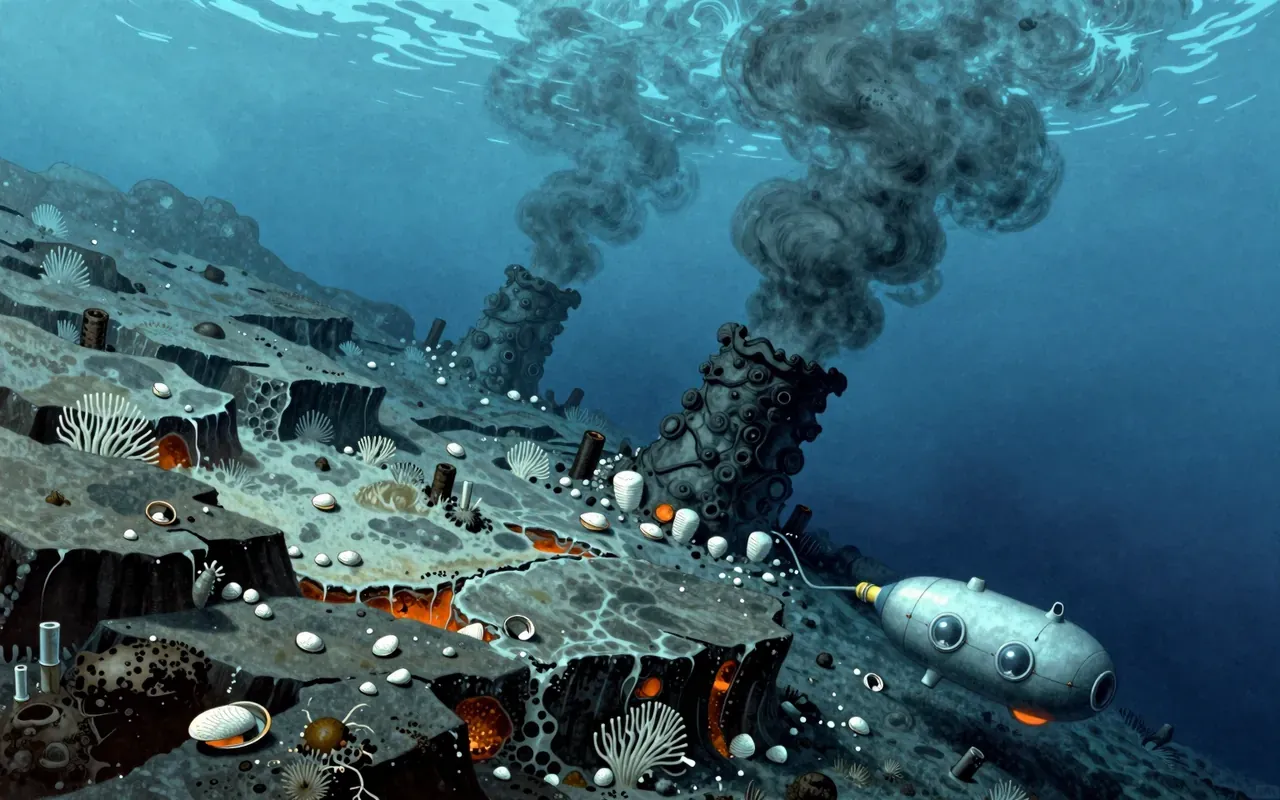
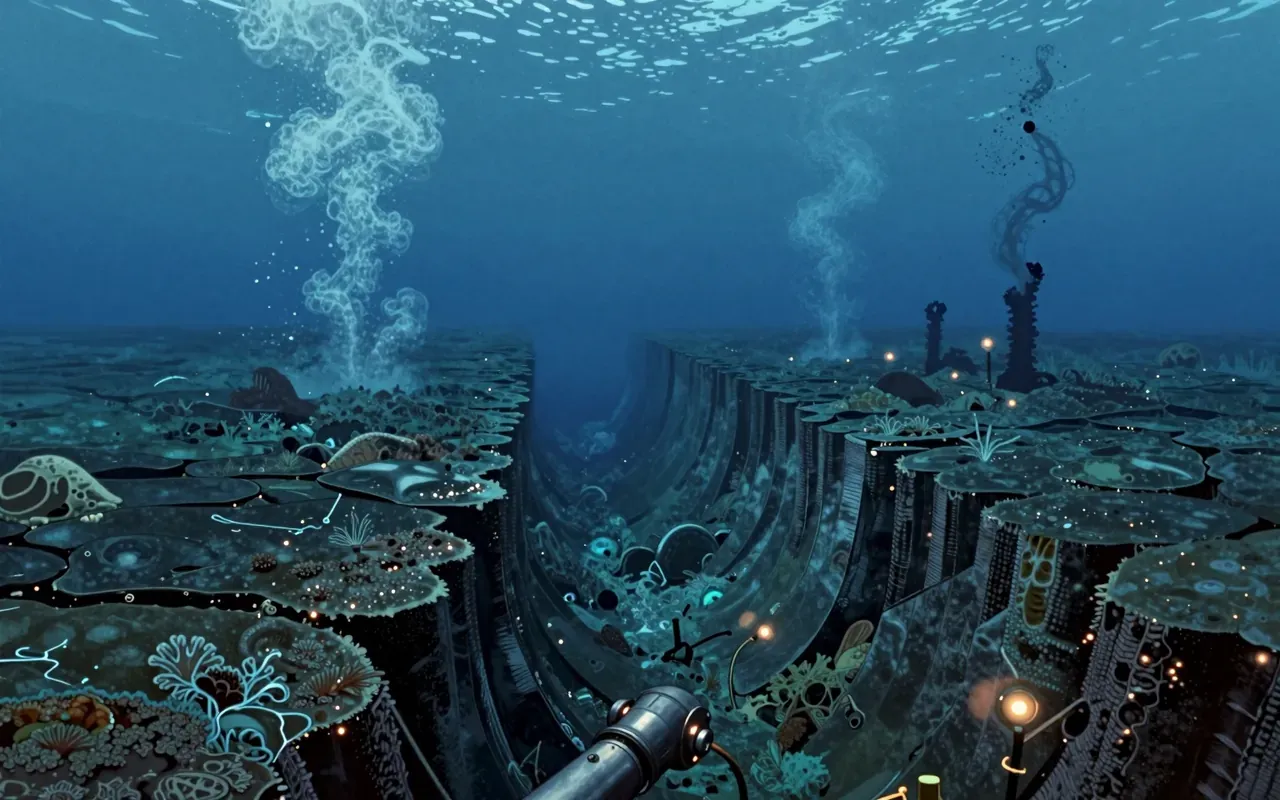
A 1977 dive to the Galapagos Rift found an ecosystem running entirely without sunlight, and a graduate student's follow-up work explained why, which this brief traces from that dive through the chemistry that still feeds tube worms without mouths.
13:00

Focal mechanism

A single earthquake can be read as a diagram that looks like a beach ball. Which quadrants come out shaded tells you whether a fault pulled apart, pushed together or slid sideways — and that reading once settled a live argument about seafloor spreading.
9:58

Georges Cuvier

Cuvier didn’t just name extinct beasts — he proved life could vanish, and made Earth’s history a story of catastrophe, not continuity.
13:00

Milankovitch cycles

Milutin Milanković worked out how slow wobbles and stretches in Earth's orbit change sunlight at high latitudes, and ice cores confirm the pattern, but the dominant cycle length still does not match his prediction.
13:00

Manganese nodule

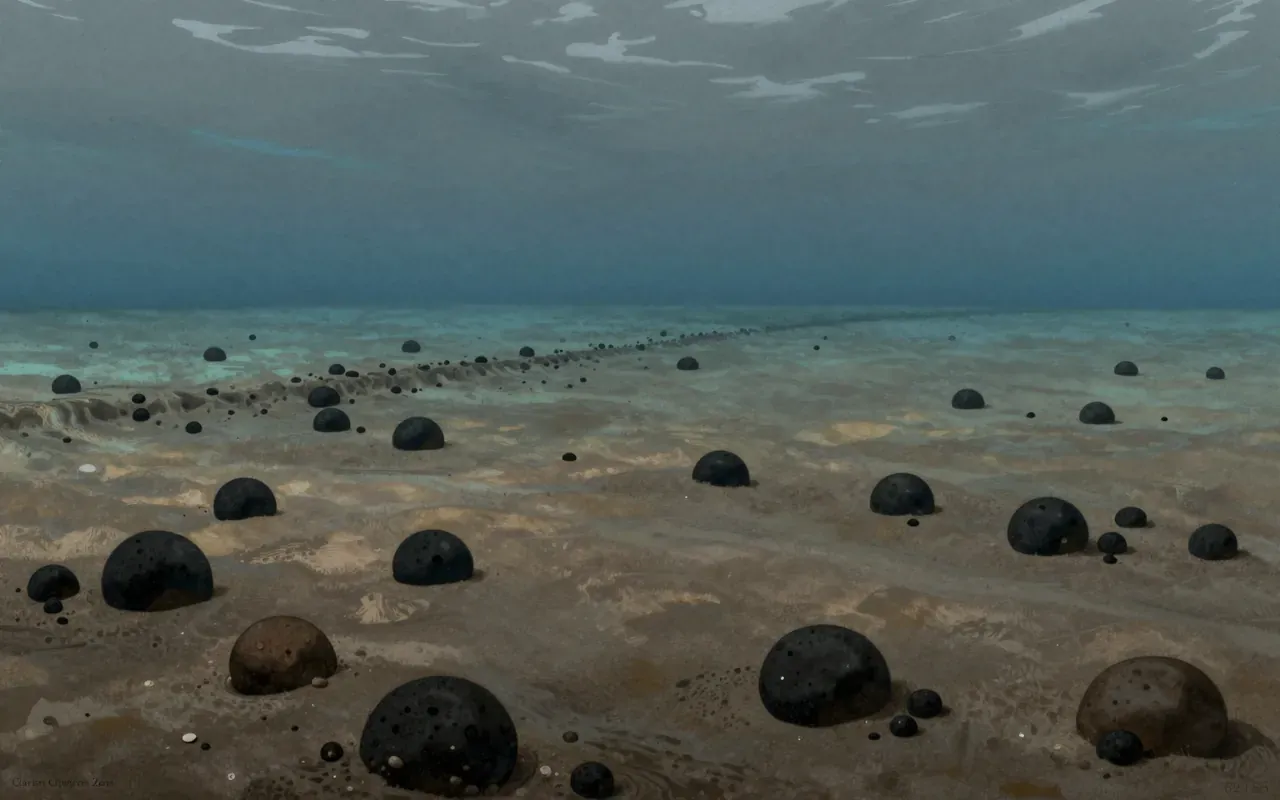
Potato-sized rocks that took millions of years to grow a few millimetres now sit at the centre of a mining industry racing ahead of ecosystem studies that find recovery incomplete even after 26 years.
9:21

Mary Anning

She didn’t theorise deep time — she dug it up, dissected it, and named its waste.
13:00

Thermohaline circulation

Sinking cold, salty water near Iceland and Antarctica drives a global circulation that keeps Europe warmer than its latitude suggests, and the IPCC now says it is very likely to weaken further this century.
13:00

Seafloor spreading

A Canadian geologist worked out the same explanation as two Cambridge researchers in 1963, but his paper was rejected twice, and the idea now carries only their names in its title.
13:00

Soil microbiology

A gram of soil around a plant's roots can hold up to ten billion bacteria, and this brief follows what they do for nitrogen, the nutrient plants run short of most, alongside the industrial process that now supplies nearly a third of it artificially.
13:00

Anthropocene

Geologists spent fifteen years deciding whether human impact deserves its own named epoch, and in 2024 formally said no, even as the biodiversity losses the term describes continue to be measured and debated.
13:00

Alvarez hypothesis

The Alvarez team's 1980 iridium anomaly predicted a hidden asteroid crater, confirmed a decade later at Chicxulub, turning the dinosaurs' extinction from vague speculation into a dated, physically evidenced event.
9:13

Burgess Shale

The Burgess Shale doesn’t prove an ‘explosion’ — it’s the only place where we can see what exploded.
13:00

Challenger Deep

The Trieste's 1960 dive to the Challenger Deep proved crewed vessels could survive Earth's deepest ocean point, though its famous fish sighting there is no longer considered valid by later authorities.
13:00

Numerical weather prediction

Richardson's 1922 hand-calculated weather forecast was correct in method but wildly wrong in result, and it took until a 1950 computer at ENIAC to finally calculate weather faster than the weather itself changed.
9:46

Fujita scale

Fujita

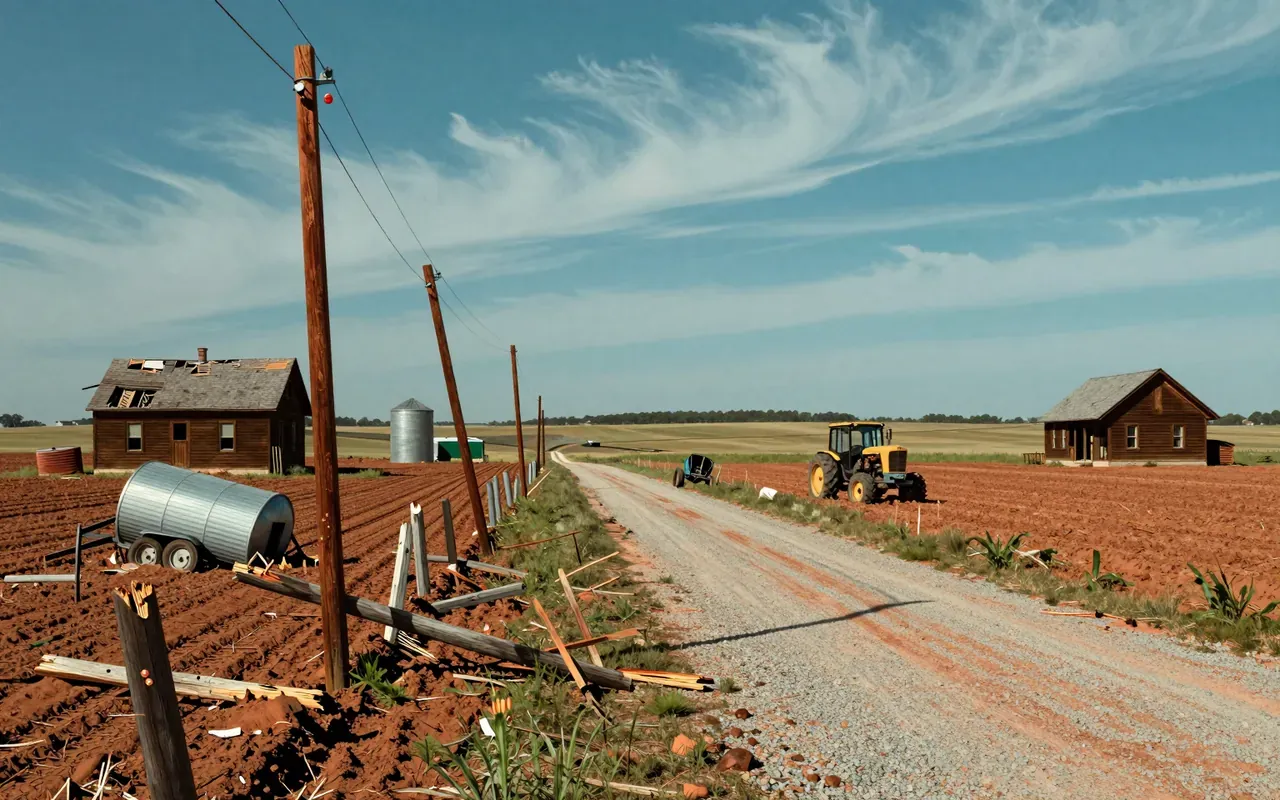
The Fujita scale is a damage-based tornado classification system introduced in 1971. It is not a wind-speed measurement tool. Its F0–F5 categories remain operationally useful. Its theoretical F6–F12 levels were never used. Its wind-speed estimates were unverified and later shown to be inflated.

9:30

Great Pacific Garbage Patch

Charles Moore · 1980

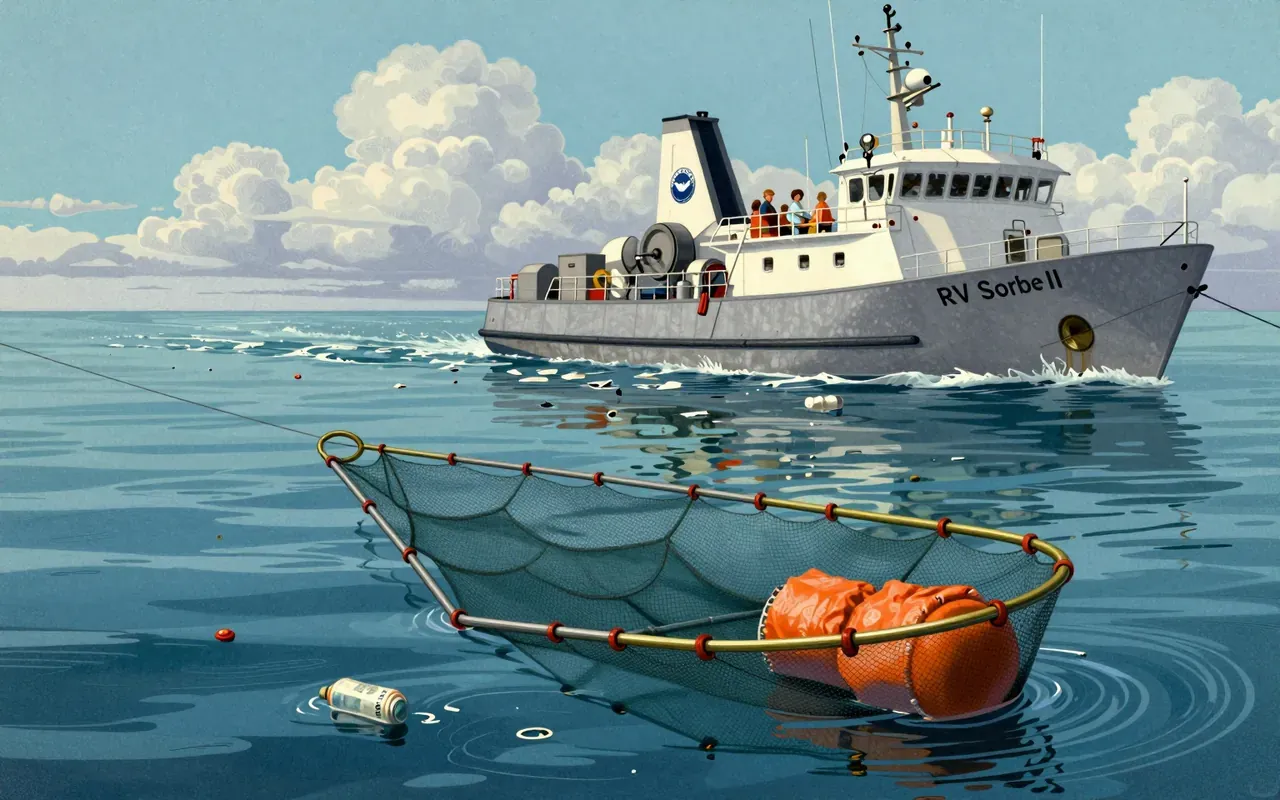
Moore’s 1997 observation was vivid and consequential — but not novel in evidence. The 1988 NOAA paper delivered the first empirical basis. The gap between public attribution and scientific priority is the real story.

11:43

Keeling Curve

Charles Keeling

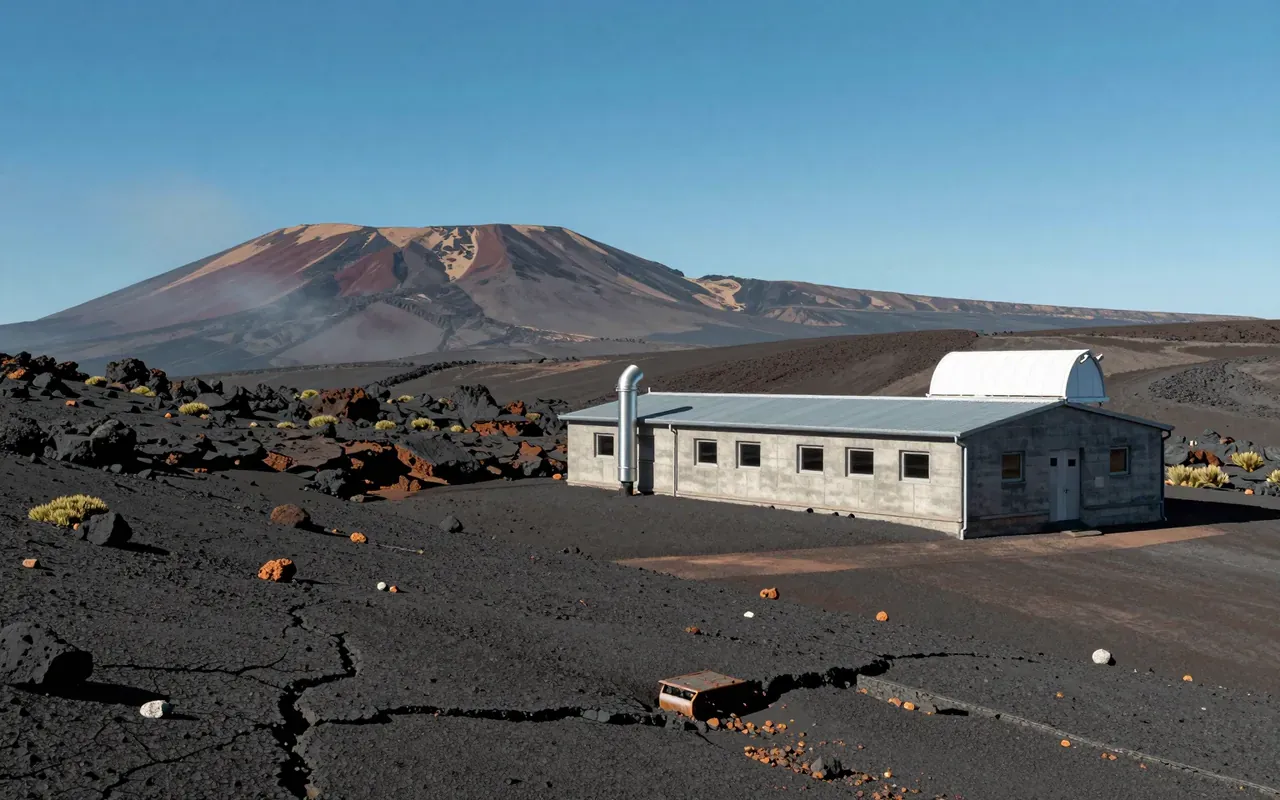
The Keeling Curve is the first continuous, calibrated record of atmospheric CO₂. It shows a seasonal cycle and a monotonic rise — from 313 ppm in 1958 to 406 ppm in 2018. Its strength lies in methodological rigour: remote site selection, contamination control, and instrumental precision. It does not prove causation, but establishes an unambiguous trend correlated with fossil fuel use. It remains the gold standard for atmospheric CO₂ monitoring.

13:00

Mid-ocean ridge

Marie Tharp saw a valley running down the centre of a seafloor mountain range in her own sounding data, and her research partner initially dismissed it as girl talk because it supported a theory the field had already rejected.
10:53

Richter scale

Richter

The Richter scale is a local, instrument-specific amplitude scale — not a universal measure of earthquake size. Its rigour lies in its narrow definition, not its breadth.

13:00

Elastic-rebound theory

After the 1906 San Francisco earthquake, geologist Harry Fielding Reid measured decades of ground bending along the San Andreas Fault and proposed that faults store strain quietly for years before snapping back all at once.
13:00

Seismometer

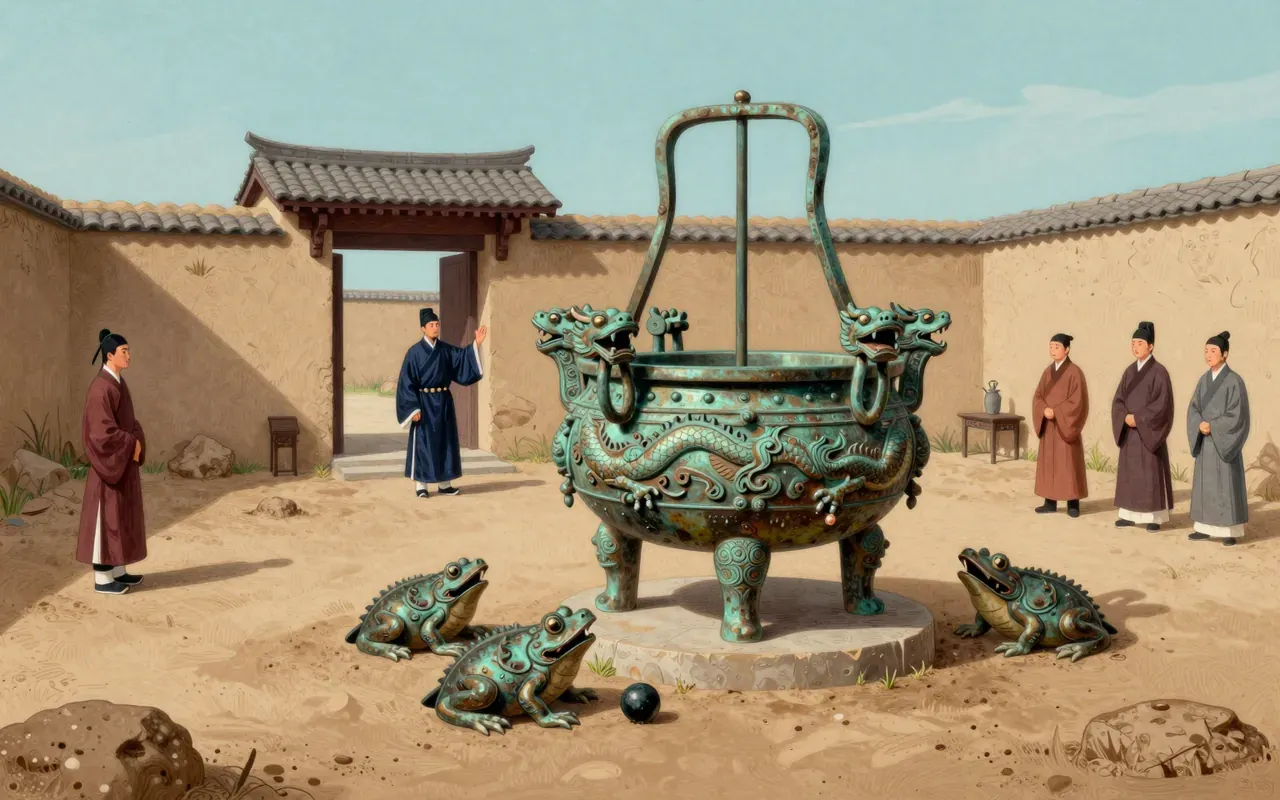
A bronze vessel ringed with dragons detected a Chinese earthquake in AD 143 that nobody nearby had felt, and it took well over a thousand years before any instrument matched what it had already managed to do.
13:00

Younger Dryas

The Younger Dryas plunged the Northern Hemisphere back into cold within decades, and while most researchers link it to a slowdown in Atlantic ocean circulation, a rival comet-impact idea has been examined and largely rejected.
13:00

Tsunami

Tsunamis begin when a megathrust earthquake abruptly lifts or drops a stretch of seafloor, and the resulting wave stays almost invisible in the open ocean before growing dangerous as it reaches shallow water.
13:00

Uniformitarianism

James Hutton and Charles Lyell argued that the slow processes shaping the Earth today have always operated the same way, and reading that logic backward is what first showed the planet had to be far older than tradition allowed.
9:49

Vladimir Vernadsky

Life isn’t just on Earth — it *is* Earth’s geology, and minds are its next stratum.
13:00

Volcanic winter

Sulphate haze from Tambora's 1815 eruption cooled the world enough to freeze crops in New England, and that one well-documented winter anchors the theory of how big eruptions chill the planet.
10:35

William Buckland

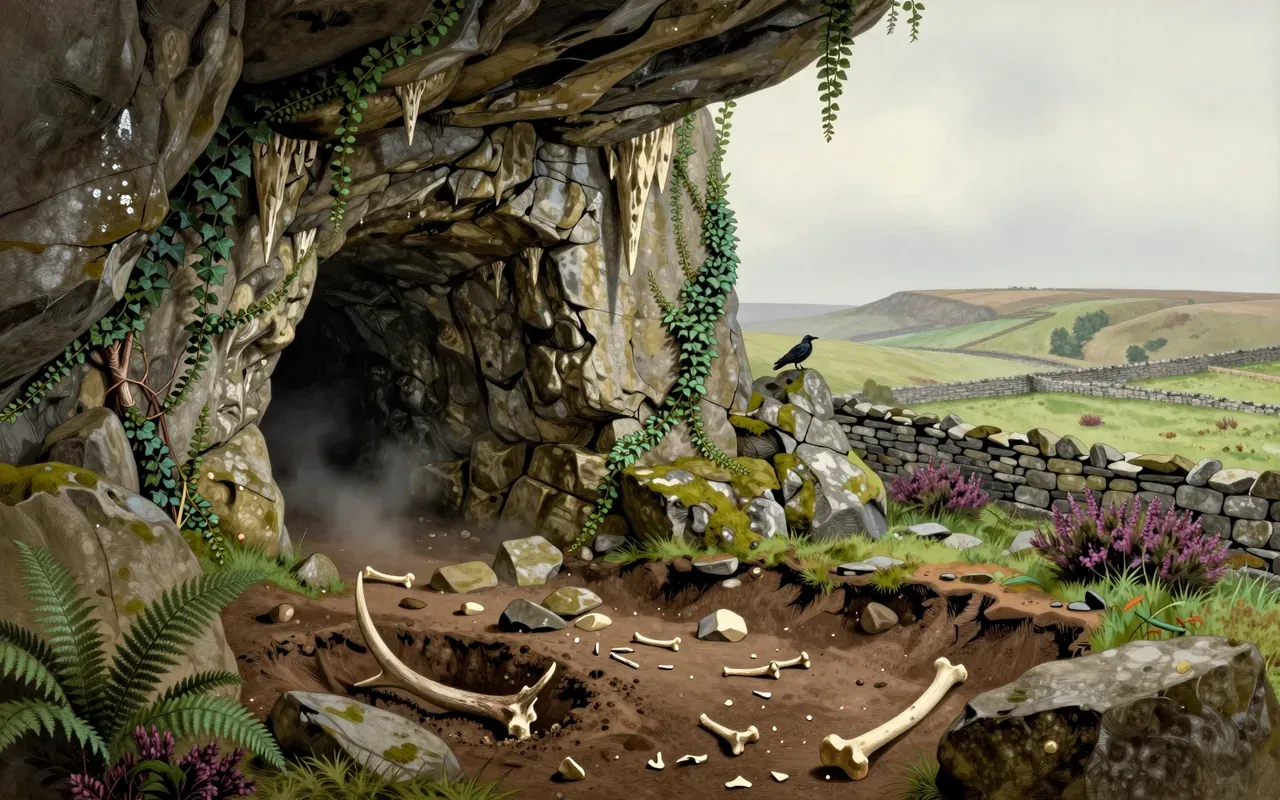
He proved hyaenas once ruled Yorkshire caves—but still buried them under Noah’s flood.
8:27

Mass–energy equivalence

Albert Einstein · 1905

Einstein’s 1905 derivation unified mass and energy conceptually — not empirically. It replaced two conservation laws with one. It did not predict applications. It did not contain E = mc² as written. Its power lies in logical necessity, not experimental novelty.

9:11

Schrödinger's cat

Erwin Schrödinger

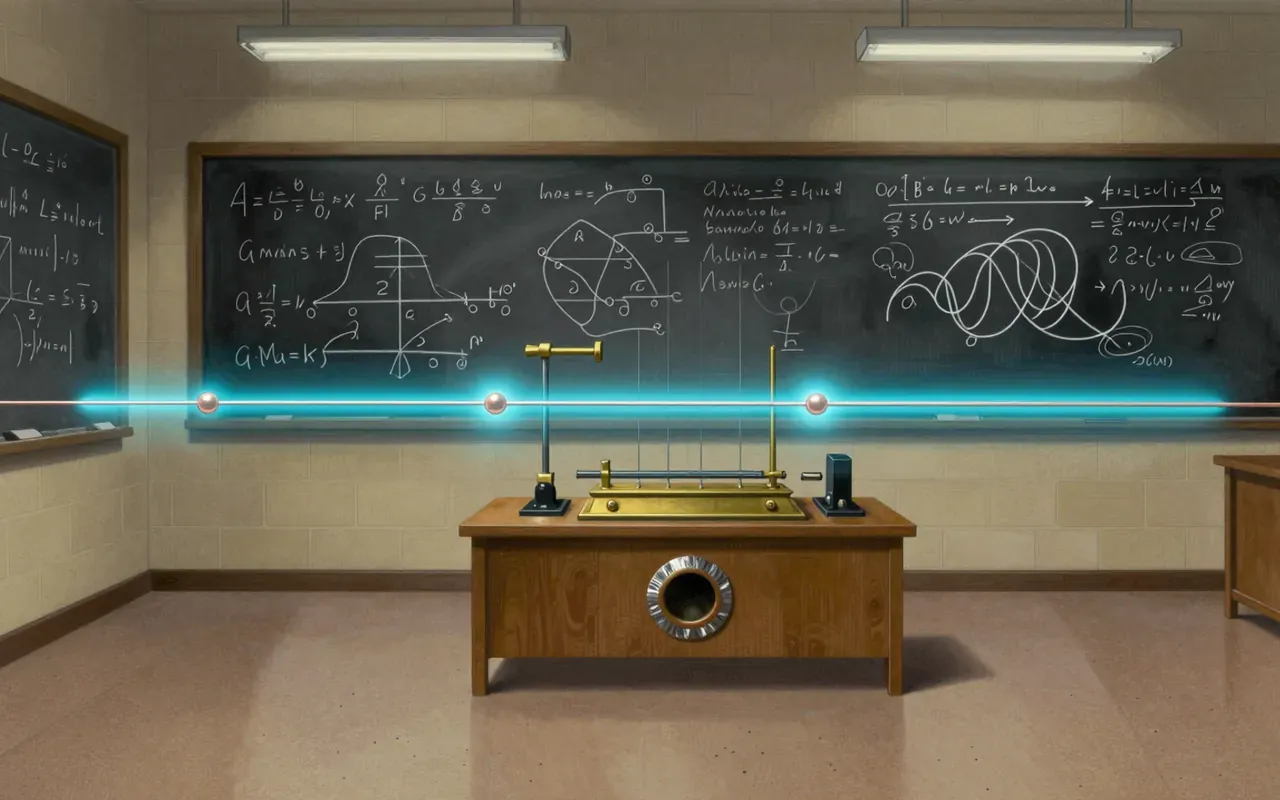
Schrödinger's cat is a 1935 thought experiment designed by Erwin Schrödinger in correspondence with Einstein to critique the Copenhagen interpretation of quantum mechanics. It uses a sealed chamber containing a cat, radioactive source, Geiger counter, relay, hammer, and flask of hydrocyanic acid. The setup links a single quantum event — atomic decay — to a macroscopic outcome. Mathematically, the wave function describes a superposition of 'alive' and 'dead', yet observation always reveals one definite state. Schrödinger intended this as reductio ad absurdum, not as a proposal. No experiment was conducted. The work establishes a tension between formalism and observation — nothing more.
8:03

String theory

String theory is not a theory of nature—it’s a laboratory for quantum gravity ideas that have no experimental anchor.
7:40

Accelerating expansion of the universe

Perlmutter, Riess and Schmidt · 1990

The 1998 supernova measurements established cosmic acceleration via distance–redshift mismatch — not theory, not analogy, but empirical inference from standard candles. It overturned the assumption of gravitational deceleration. It did not identify dark energy. It did not prove Λ. It remains the strongest direct evidence for accelerated expansion — and the clearest signal of our ignorance about 70% of reality.

8:28

Discovery of cosmic microwave background radiation

Penzias and Wilson

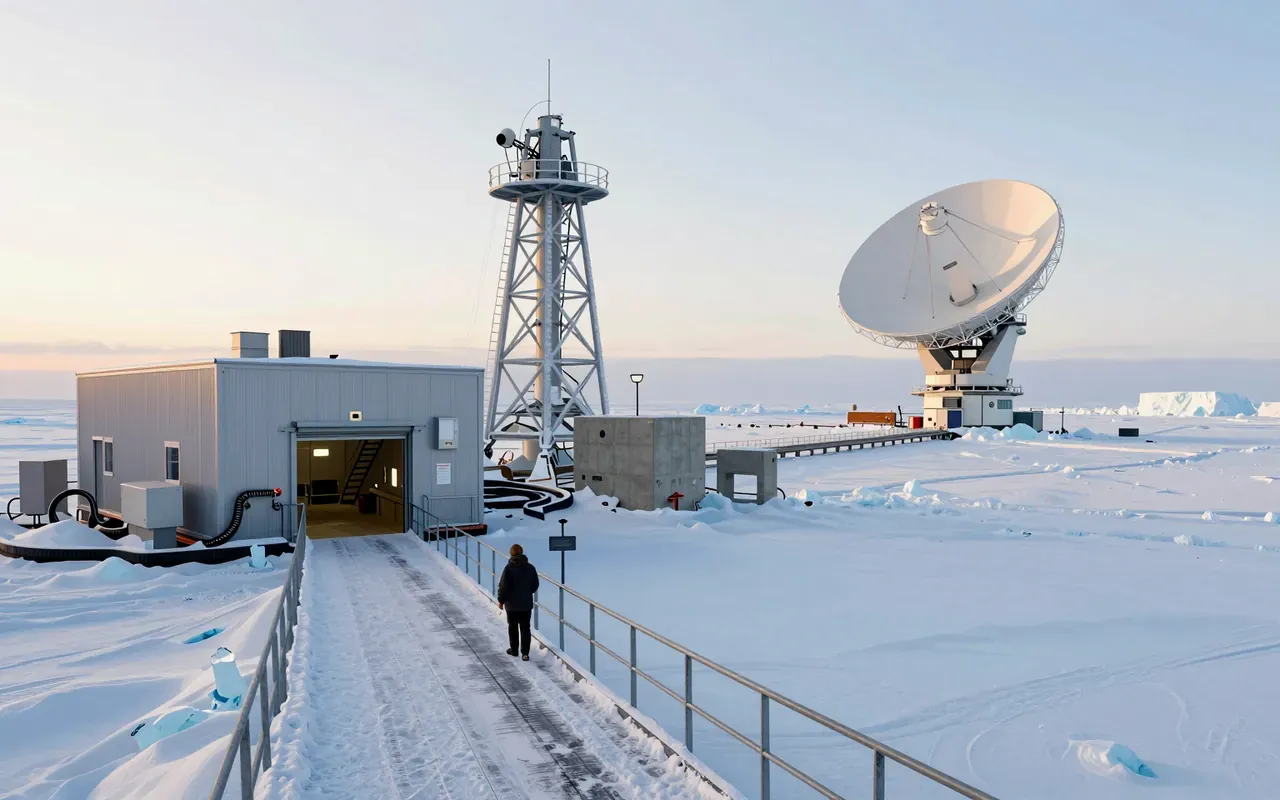
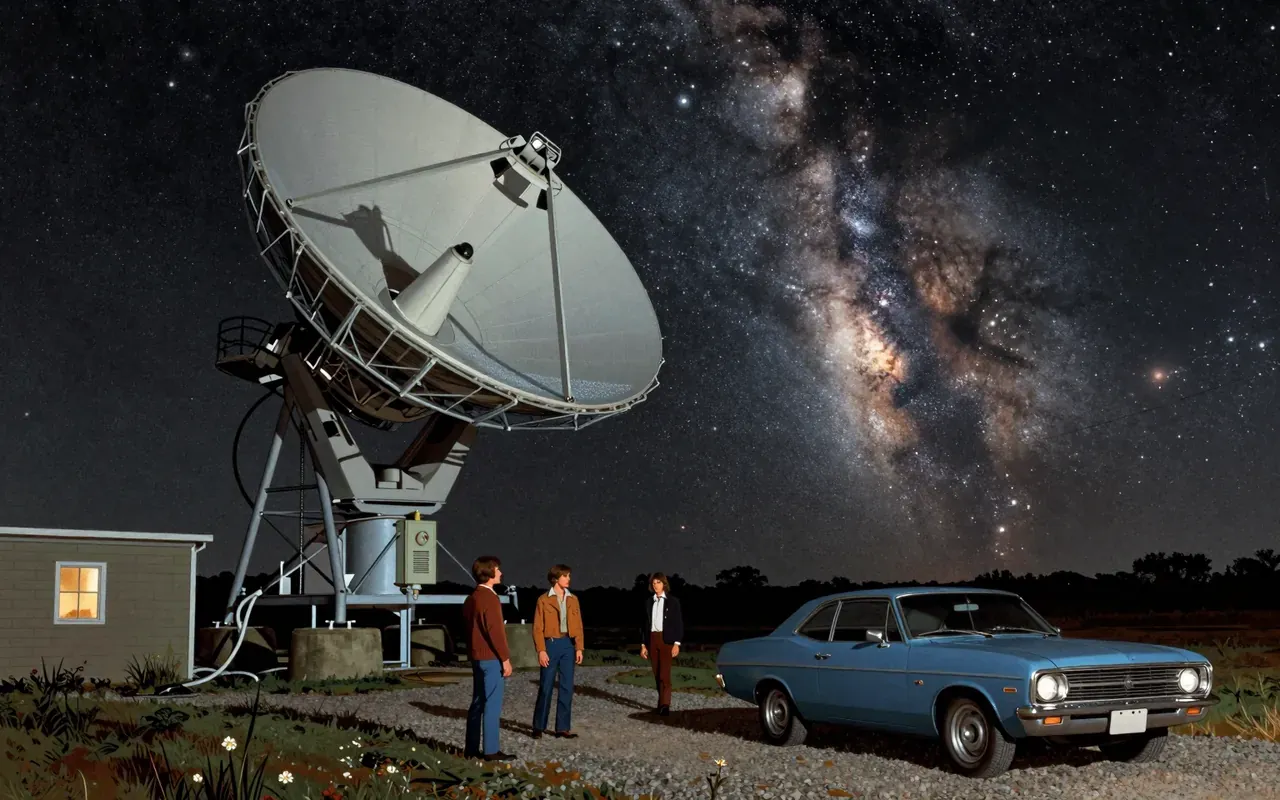
Penzias and Wilson discovered a 3.5 K isotropic microwave background in 1964 using the Holmdel Horn Antenna at Bell Labs. They eliminated local interference — including pigeon droppings — and confirmed the signal originated outside the Milky Way. Its match to Dicke’s prediction prompted interpretation as the Big Bang’s remnant. But the work itself claimed only a persistent, unexplained antenna temperature — not cosmology.

7:51

Double-slit experiment

Young · 1801

Young’s 1801 double-slit experiment established wave behaviour for visible light. Later versions with electrons (1927) extended it to matter. The interference pattern is real. The disappearance of that pattern upon path detection is real. But Young did not observe particles, nor did he claim duality — he argued for waves only. Duality emerged from later experiments combining his method with quantum detection.