What the work claims
Radioimmunoassay measures tiny quantities of biological substances in human blood and other aqueous fluids — enabling clinical applications previously impossible.
How it was done
Yalow and Berson developed radioimmunoassay at the Bronx VA Hospital. It is a radioisotope tracing technique.
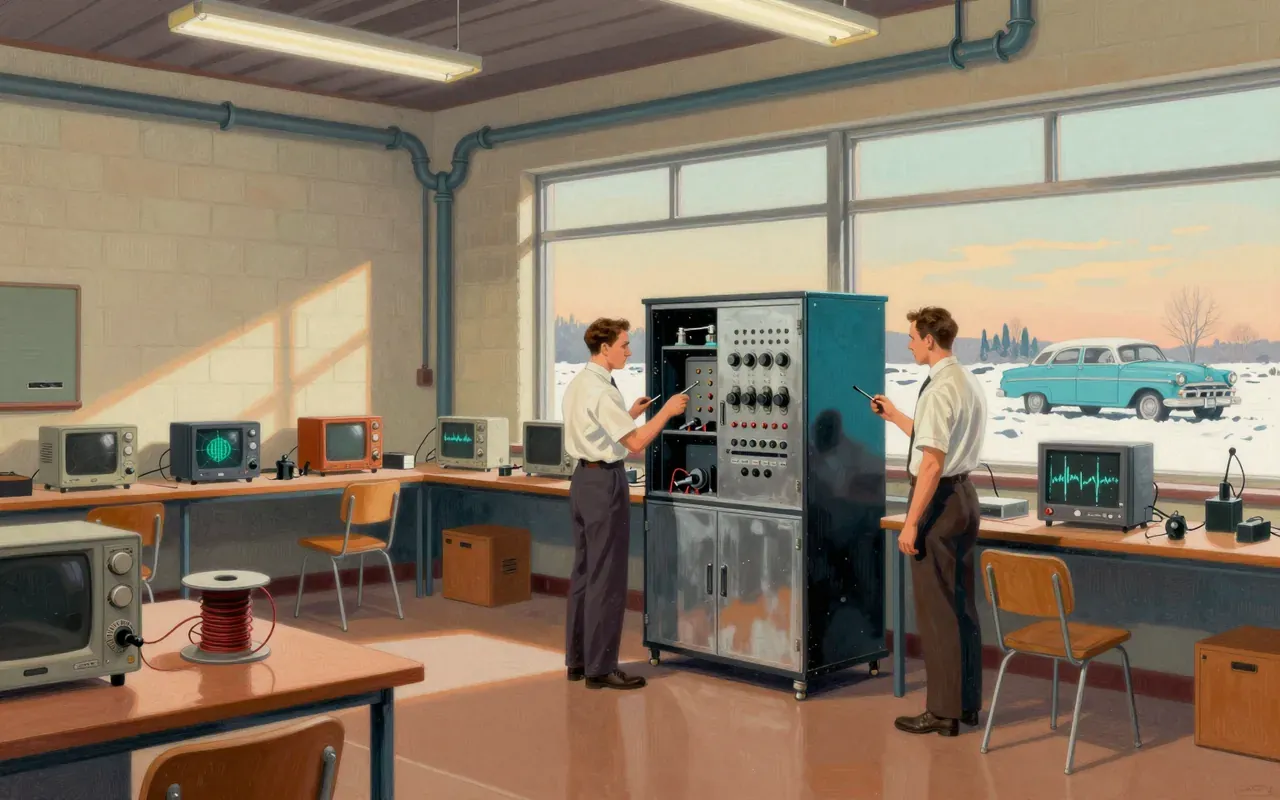
Yalow had trained as a physicist, earning her PhD at the University of Illinois in 1945. By 1947 she was a consultant to the Bronx Veterans Administration Hospital, which wanted research programmes on medical uses of radioactive substances, and by 1950 she had equipped a radioisotope laboratory there and left teaching for full-time research. Her collaborator was Solomon Berson. The technique was first used to study insulin levels in diabetes mellitus.
What holds up
Radioimmunoassay enabled detection of insulin, hormones, viruses, drugs and antibiotics in human blood and other fluids. It allowed diagnosis of type 1 diabetes, hepatitis screening in blood donors, identification of hormone-related health problems, and assessment of drug and antibiotic dosing efficacy.
The technique has since been applied to hundreds of other substances, including hormones, vitamins and enzymes, all previously present in quantities too small to detect. Radioimmunoassay can also be used to detect in the blood many foreign substances, including some cancers. Yalow and Berson refused to patent the method, despite its commercial potential. One of her students, John Eng, used the technique in 1992 to find a substance in Gila monster venom that he called exendin-4. Exenatide, a drug based on a synthetic version of it, was approved by the US Food and Drug Administration in 2005.
What does not
The sources do not establish that radioimmunoassay proved disease mechanisms, replaced other assays universally, or applied beyond aqueous biological fluids.
Why it matters beyond the lab
It transformed endocrine diagnostics, blood safety, and therapeutic monitoring — turning invisible molecular concentrations into actionable clinical data.
Yalow won the Albert Lasker Award for Basic Medical Research in 1976. In 1977 she shared the Nobel Prize in Physiology or Medicine with Roger Guillemin and Andrew Schally, who were honoured for research in another field. Berson, who died in 1972, was not among the laureates.
Is it worth your time
Yes. It enabled precise measurement of substances previously too small to detect — a foundational tool for clinical diagnostics and pharmacology.