A cracked window, four hours down
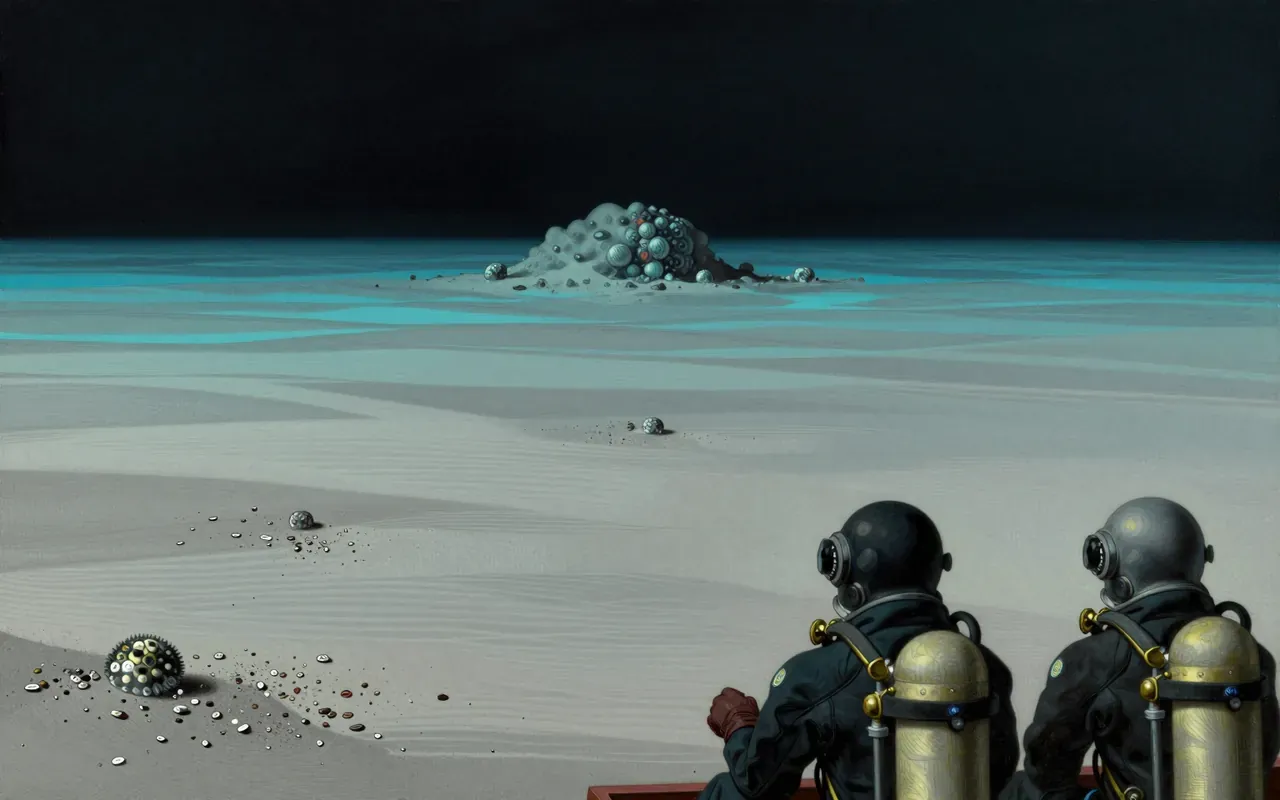
On 23 January 1960, the bathyscaphe Trieste, carrying Swiss oceanographer Jacques Piccard and US Navy Lieutenant Don Walsh, became the first crewed vessel to reach the Challenger Deep, the lowest known point of Earth’s seafloor, located in the western Pacific at the southern end of the Mariana Trench. The descent took four hours and forty-seven minutes at a steady rate of just under one metre per second, and the pair recorded a depth of roughly 10,916 metres, close to the figure modern, more precise surveys have since converged around. Passing 9,000 metres on the way down, one of the vessel’s outer Plexiglas window panes cracked audibly enough to shake the whole craft, a moment that could plausibly have ended the mission but did not, and Piccard and Walsh continued to the bottom, where they spent twenty minutes before beginning a three-hour-and-fifteen-minute ascent back to the surface.
Nearly a century of survey work first
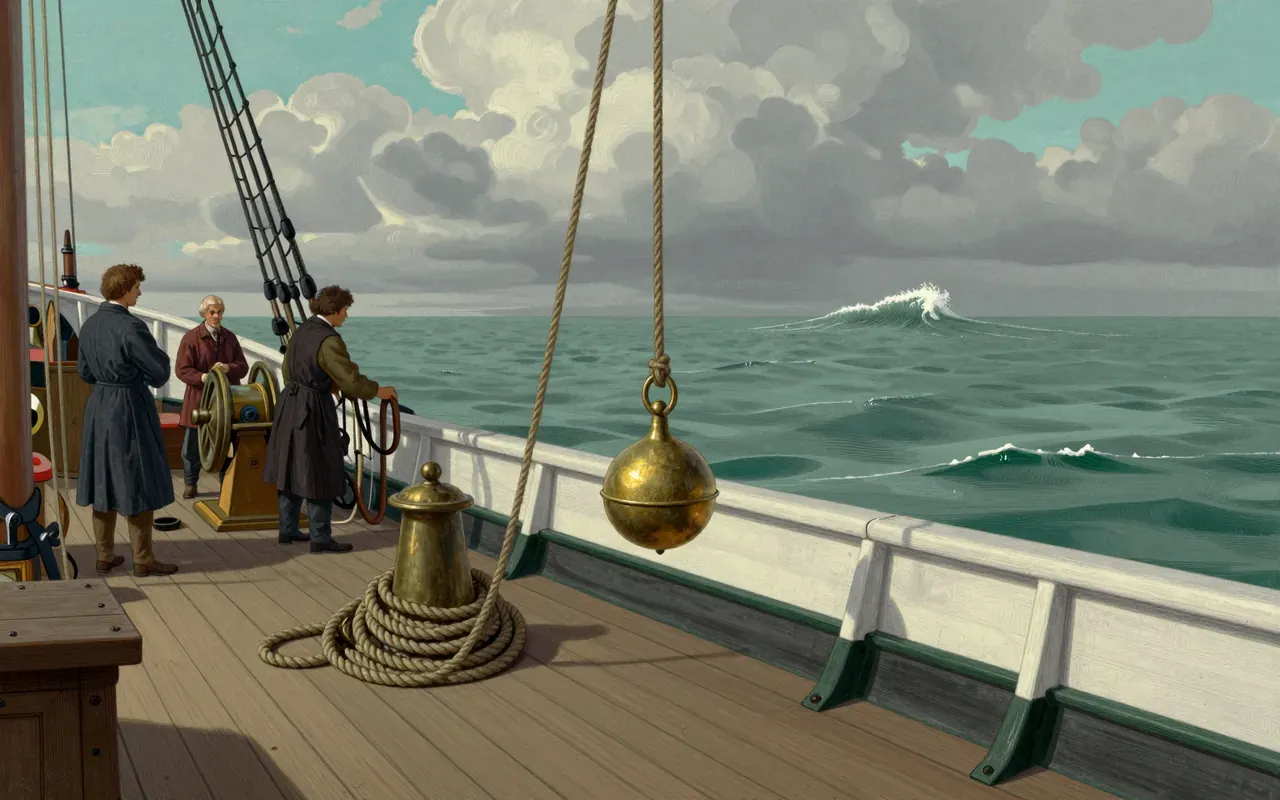
The Trieste itself worked on a design, developed by Auguste Piccard, using a heavy pressure sphere suspended beneath a much larger hull filled with gasoline for buoyancy, with iron shot ballast that could be released to control depth and ascent. The crew sphere that made the 1960 dive was a reinforced steel replacement, fitted in December 1958, thicker-walled than the original Italian-built sphere specifically to withstand pressures at extreme depth, since the water pressure at the Challenger Deep’s floor exceeds a thousand kilograms per square centimetre. Locating the Challenger Deep in the first place had taken nearly a century of incremental survey work before Piccard and Walsh’s dive: HMS Challenger first detected unusually deep water there in 1875 using a weighted sounding line, and HMS Challenger II confirmed a depth of nearly 10,863 metres in 1951 using improved echo-sounding equipment, giving the feature its name and establishing it as a target worth reaching directly.
Unmatched for fifty years, then extended
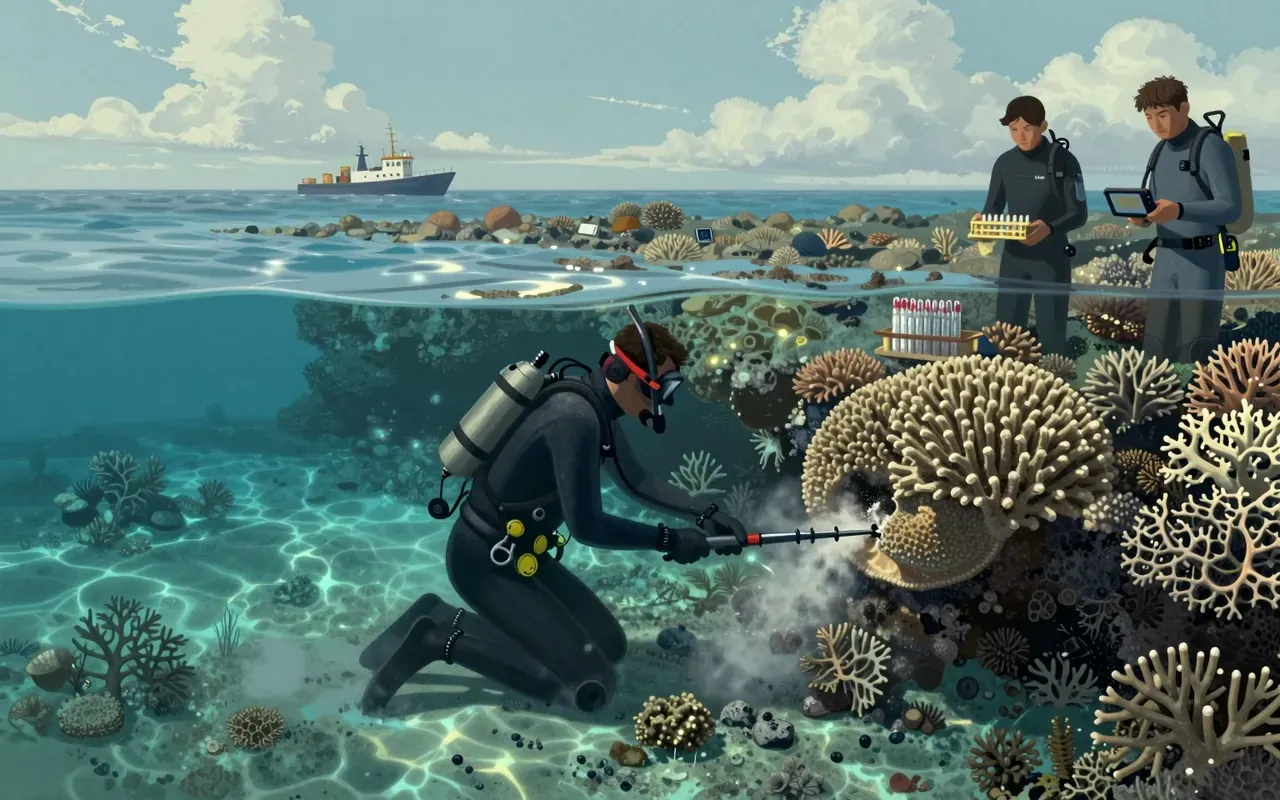
The basic achievement, reaching the deepest known point of the ocean and returning safely, has held up as a permanent milestone that no subsequent expedition has needed to repeat to validate; it simply stood unmatched by any other crewed descent for over fifty years. Depth measurements themselves have been refined considerably since 1960 through better sonar, multibeam echosounders and calibrated conductivity-temperature-depth instruments, converging on figures generally between roughly 10,920 and 10,994 metres depending on survey method and exact location within the trench’s three distinct basins, each running six to ten kilometres long. Later expeditions extended rather than overturned the achievement: James Cameron’s solo 2012 descent in the Deepsea Challenger collected samples and filmed the seafloor directly, and Victor Vescovo’s 2019 dive in the Limiting Factor, part of an expedition to reach the deepest point in every ocean, was followed by further crewed visits through 2022 that documented biological and geological detail well beyond what Trieste’s brief, twenty-minute stop could capture.
A sighting later authorities reject
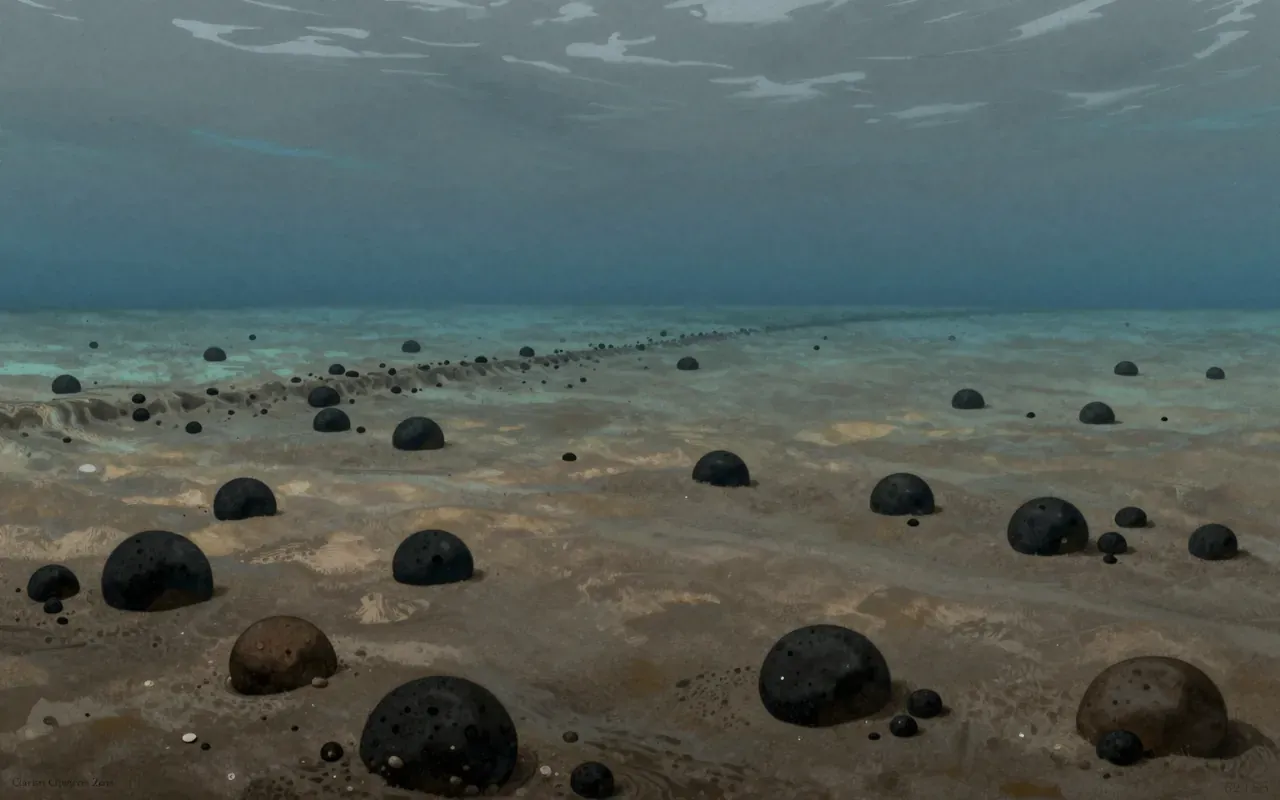
One specific claim from the original 1960 dive has not held up: Piccard and Walsh reported seeing what they took to be flatfish, sole or flounder, resting on the seafloor, an observation later authorities do not consider valid, since the physiological limits on fish survival under such extreme pressure, generally put at around 8,000 to 8,500 metres due to constraints on how cells manage water balance, make true bony fish at the Challenger Deep’s depth implausible. What has since been confirmed instead is a genuinely specialised, if sparser, ecosystem: large scavenging amphipods dominate the visible macrofauna, a previously unknown snailfish species was identified in 2017 on the trench’s shallower northern slope at 7,581 metres, and sediment and water samples have revealed bacterial and fungal communities adapted to near-freezing temperatures and crushing pressure, a genuine ecosystem rather than the barren void some earlier assumptions might have suggested.
A real, if sparse, ecosystem
The Trieste’s descent mattered practically because it proved crewed vehicles could be engineered to survive the single most extreme pressure environment accessible anywhere on Earth’s surface, a capability with direct relevance to deep-sea research, submarine engineering and, more speculatively, to designing vessels for other hostile environments where extreme external pressure is the primary engineering constraint. The site’s continued scientific interest, well beyond a one-time depth record, now centres on exactly the kind of biology the original dive could not properly investigate: how life persists and adapts at pressures exceeding a thousand atmospheres, what that adaptation implies for the limits of habitability elsewhere, and how geological processes at the bottom of a subduction trench shape the seafloor’s structure over time, questions that have kept drawing well-funded expeditions back more than sixty years after Piccard and Walsh first proved the descent was survivable.
One dive in a longer project
This is worth the time both as an engineering story and as a reminder that even a landmark first descent can carry a specific factual error alongside its genuine achievement. The cracked window pane at 9,000 metres is a small, vivid detail worth sitting with, since it captures how close the mission came to a very different outcome without derailing it. Readers should hold the disputed fish sighting and the confirmed depth record as two separate claims from the same expedition, one now considered mistaken and one that remains the foundational achievement of deep-ocean exploration. The century of survey work preceding the dive, and the decades of more precise measurement and biological discovery following it, are both necessary context; the 1960 descent was a single, brave data point in a much longer, still ongoing project of actually understanding what lies at the bottom of the ocean.