9:19in productionCh. 1 · The Claim/ 9:19 · ceiling 15 min
Earth & climate · Dating & chronology
Water cycle
A correct theory of the water cycle existed for 230 years before science accepted it.
The water cycle was not discovered in a moment. It was claimed in 1580, tested in 1674, and accepted only in the early 1800s. That gap is the discovery.
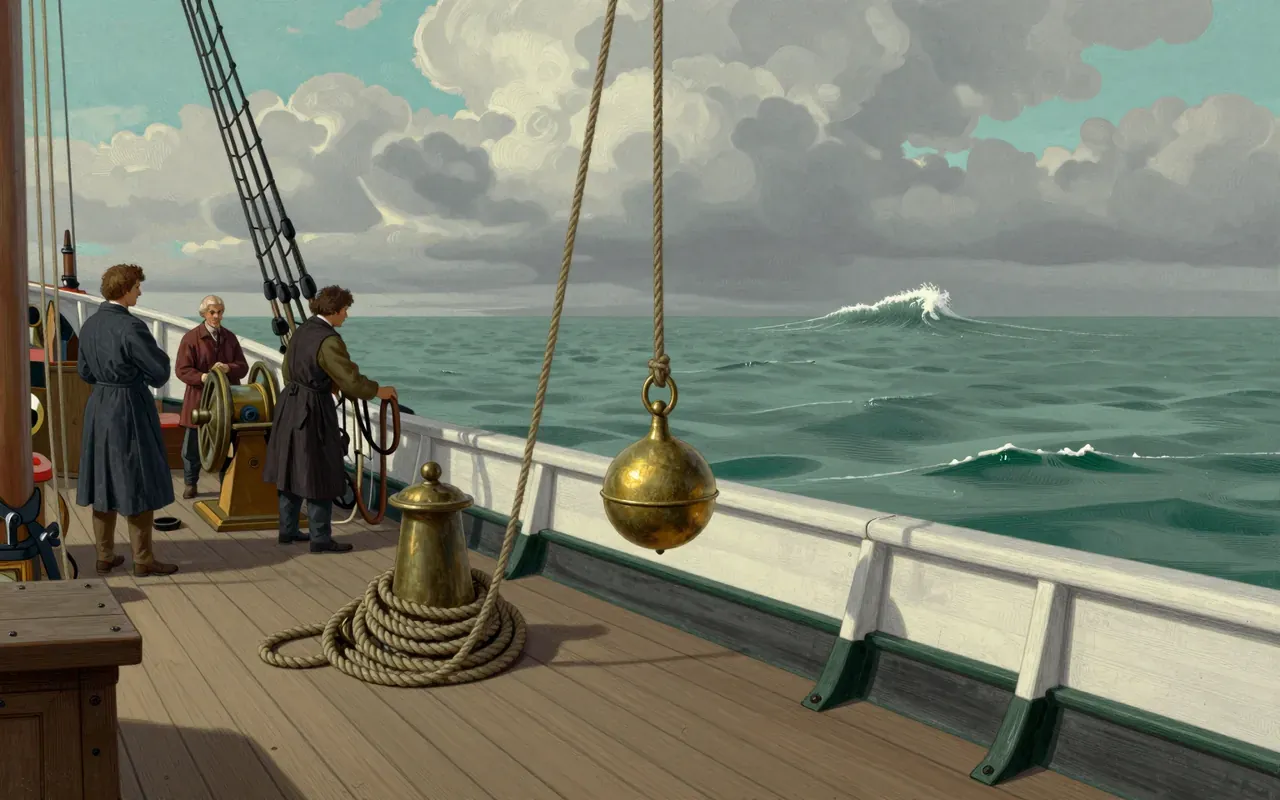
Bernard Palissy first published the correct theory of the water cycle in 1580 CE.
2:32
The Test
Pierre Perrault conducted the first scientific test of the theory in 1674.
4:16
The Delay
Mainstream scientific acceptance came only in the early nineteenth century.
6:08
Three Events, Not One Discovery
Assertion, testing, and acceptance were three separate historical events—decades to centuries apart.
Worth your time?
Yes. Study the whole thing.
4.5/ 5
What works
shows how evidence, authority, and time interact in science
exposes the myth of linear scientific progress
gives concrete anchor points for teaching the scientific method
What does not
proof
consensus
replication
mechanism
Study it if
historians-of-science
climate-educators
teachers-of-scientific-method
Skip it if
hydrologists
climate-modelers
The written brief1 min read
What the work claims
That rivers are sustained solely by rainfall—a complete hydrological circuit—was first correctly claimed by Bernard Palissy in 1580 CE.
How it was done
Bernard Palissy asserted in 1580 CE that rainfall alone sustains rivers. Pierre Perrault tested that assertion scientifically in 1674.
What holds up
Palissy’s 1580 claim that rainfall alone sustains rivers is verified as the first published statement of that principle. Perrault’s 1674 study is verified as the first scientific test of it. Mainstream acceptance did not occur until the early nineteenth century.
What does not
The document does not say Palissy’s theory was experimentally derived, nor that Perrault’s 1674 study confirmed it. It only states the theory was first scientifically tested then.
Why it matters beyond the lab
It reveals a 230-year gap between correct conceptualisation, first scientific testing, and broad scientific acceptance—exposing how method, authority, and consensus operate independently.
Is it worth your time
Yes. It shows how long a correct idea can wait for empirical validation—and how acceptance lags behind both assertion and testing.