What the work claims
Edison claimed a commercially viable, large-scale electric illumination system could displace gas and oil lighting. He claimed the tasimeter could detect minute heat changes. He claimed a durable, high-resistance filament enabled practical distribution.
How it was done
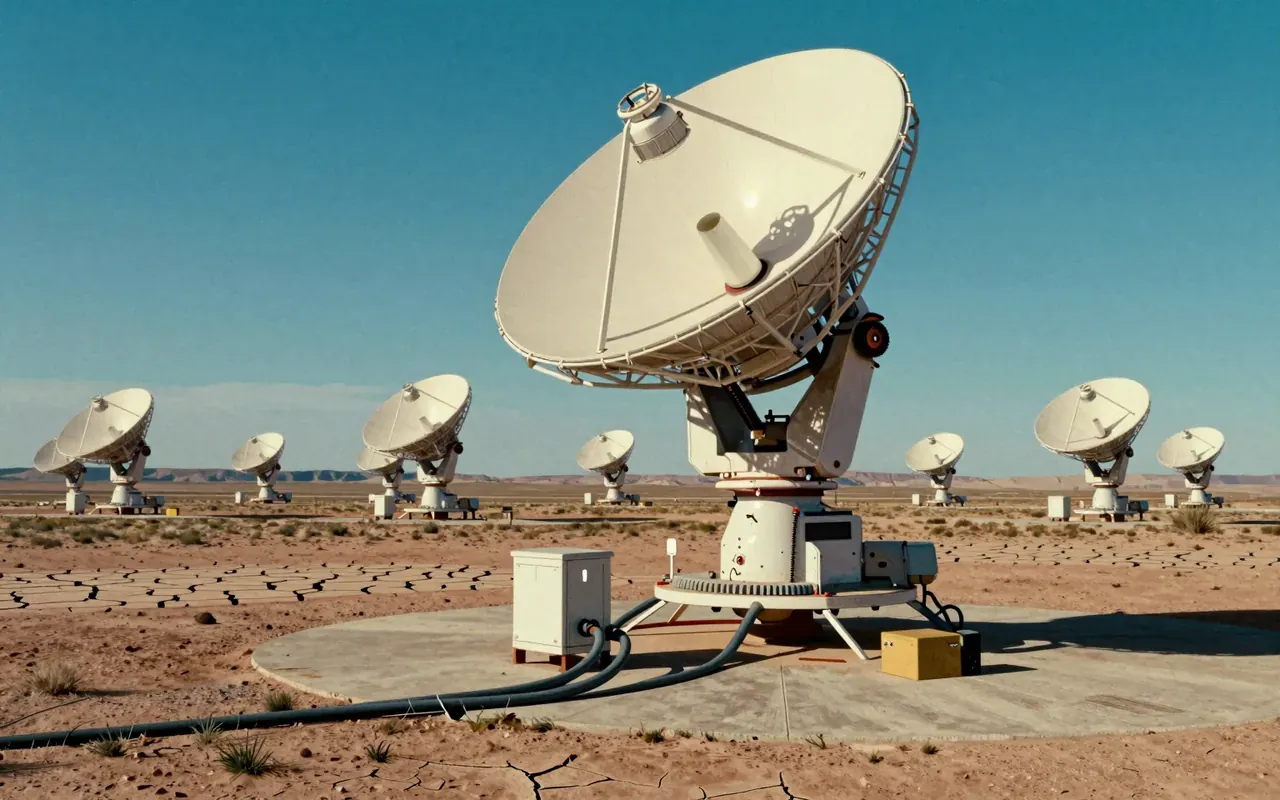
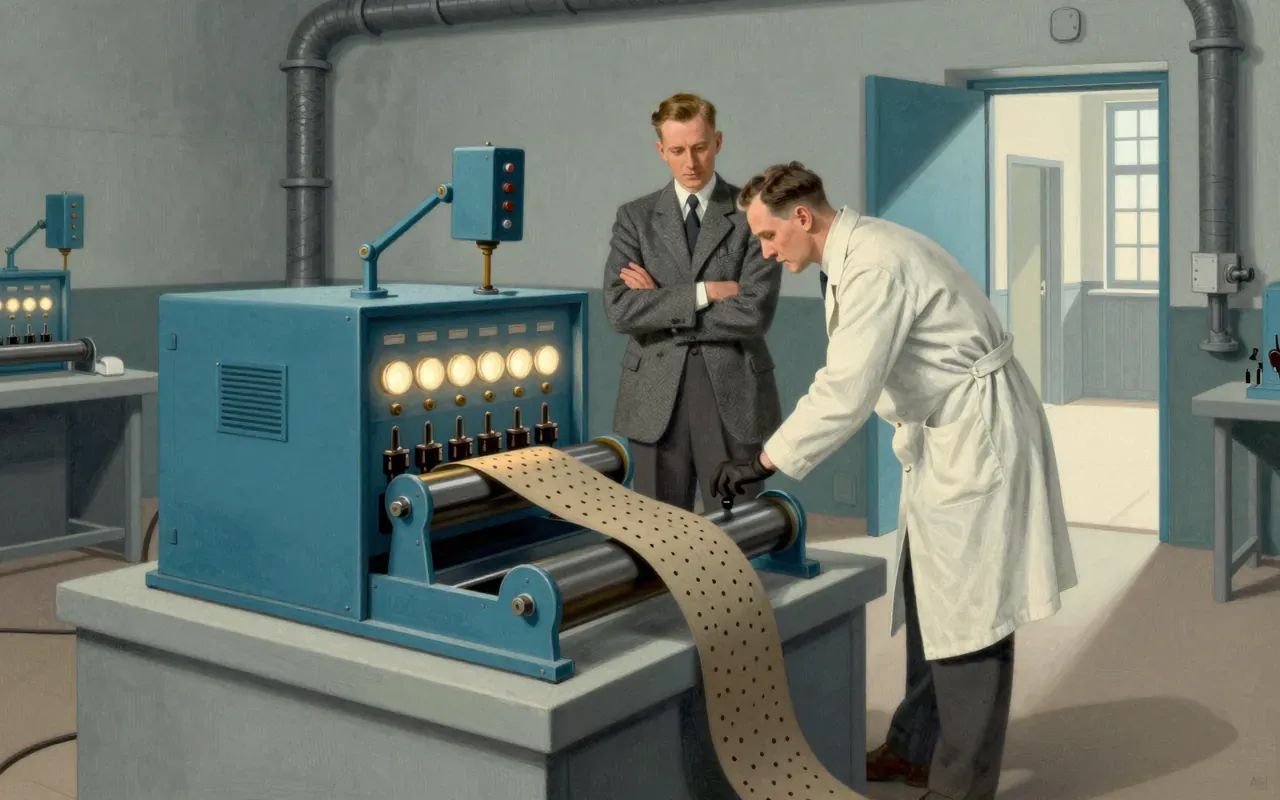
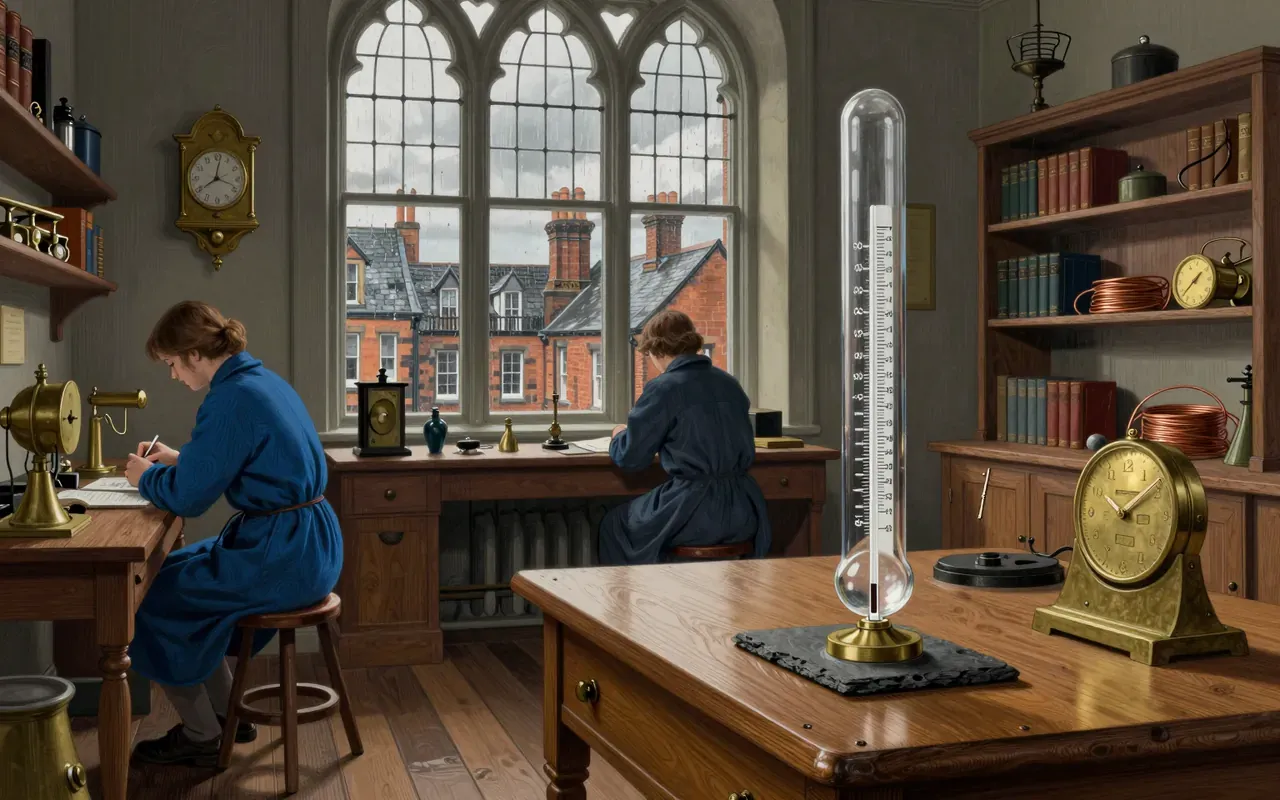
Edison invented the tasimeter in 1878 to measure infrared radiation from the solar corona during the July 29, 1878, total solar eclipse. He began systematic work on electric illumination that year at Menlo Park. He tested cardboard, hemp, palmetto, and other grasses and canes before selecting bamboo. He carbonized the bamboo filament and sealed it in a vacuum to prevent gas reactions.
What holds up
The tasimeter was built for infrared measurement during the 1878 eclipse. Cardboard filaments failed quickly. Bamboo filaments lasted over 1,200 hours. Vacuum sealing extended bulb life. The high-resistance bamboo filament informed the 110V standard.
What does not
The sources do not establish that Edison invented the light bulb, nor that he discovered electricity, nor that his system was first, nor that it was universally adopted on technical merit alone. They do not report efficiency comparisons, lifetime variability across batches, or independent verification of the 1,200-hour figure.
Why it matters beyond the lab
The 110V standard persists across US residential wiring. The Menlo Park lab model became the template for industrial R&D. The bamboo filament’s success validated material screening as a core engineering method—not just theory or intuition.
Is it worth your time
Yes. It shows how iterative empirical testing—not theoretical insight—drove early electrical engineering. The bamboo filament’s longevity and the resulting 110V standard shaped US infrastructure for over a century.