sciencebriefs
Topic

Invention

The moment credited to one person and owed to many.

29
in science
11:24
average
331 min
in total
329
across the network
Invention across the network →
All briefs29
9:54

3D printing

Chuck Hull

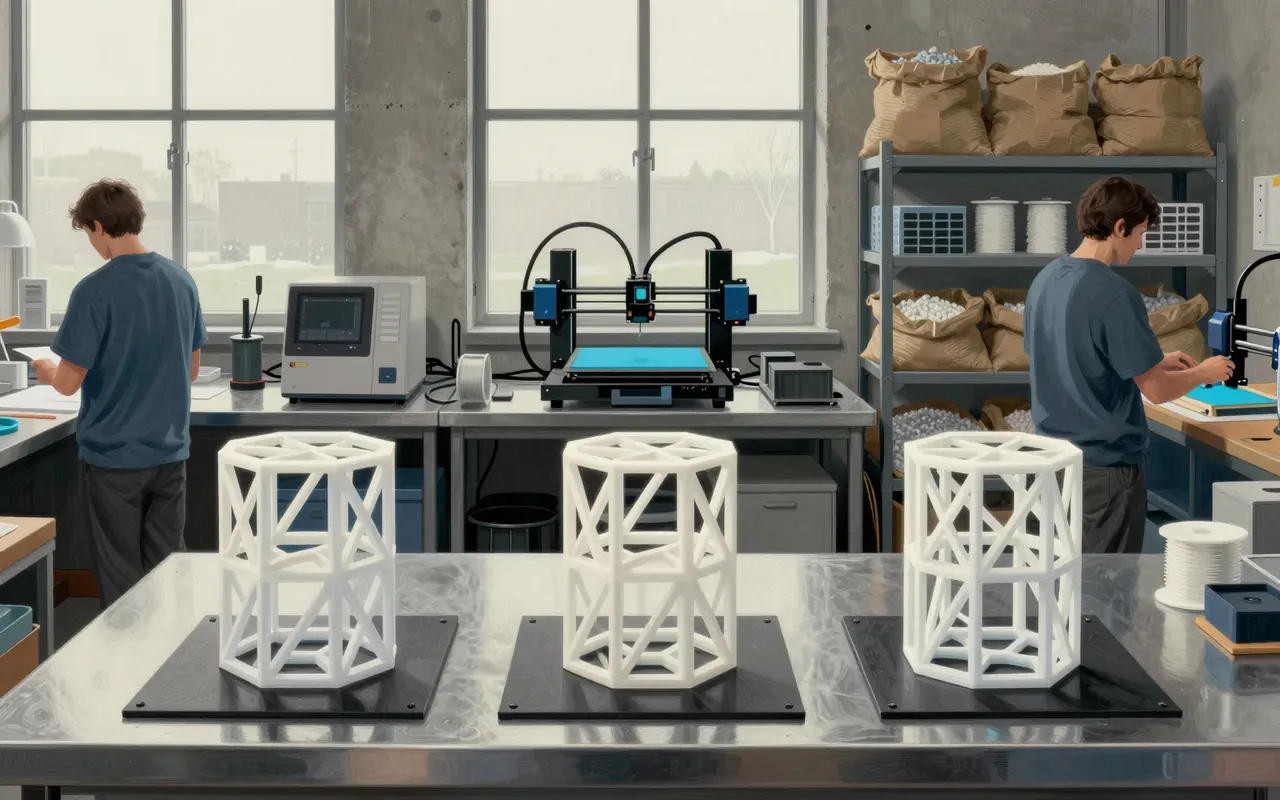
3D printing is a layer-by-layer fabrication method rooted in Chuck Hull’s 1984 stereolithography patent. It evolved from rapid prototyping in the 1980s into an industrial production option by 2019. Its real advantage is enabling previously impossible geometries—like hollow or truss-structured parts—that cut weight and waste. Fused deposition modeling (FDM) was the most common process as of 2020. It does not replace conventional manufacturing at scale. It does not solve material consistency, certification, or throughput problems. Its impact is precise, not pervasive.
9:39

Thomas Edison

Edison didn’t invent the light bulb—he invented the process that made it matter.
9:36

Arthur Ashkin

He didn’t just trap light — he made light grab matter, one photon at a time.
10:10

Christiaan Huygens

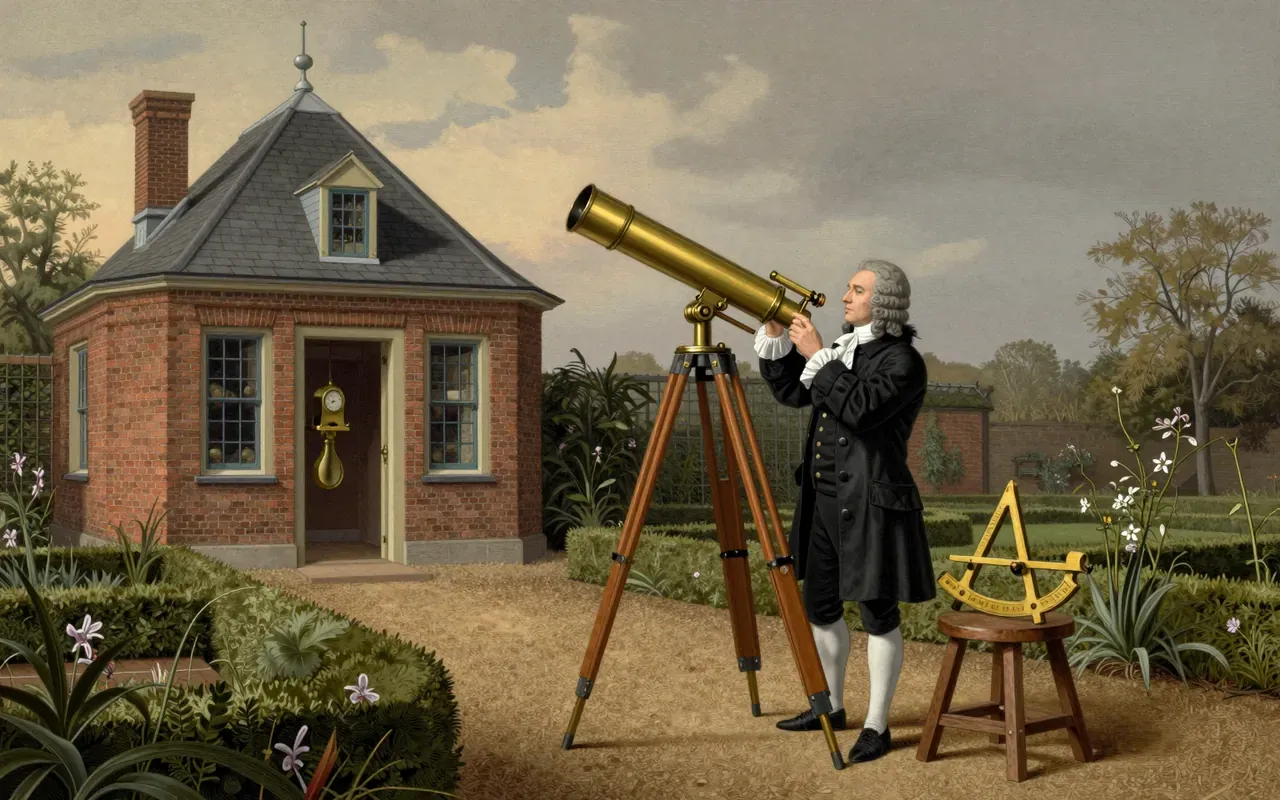
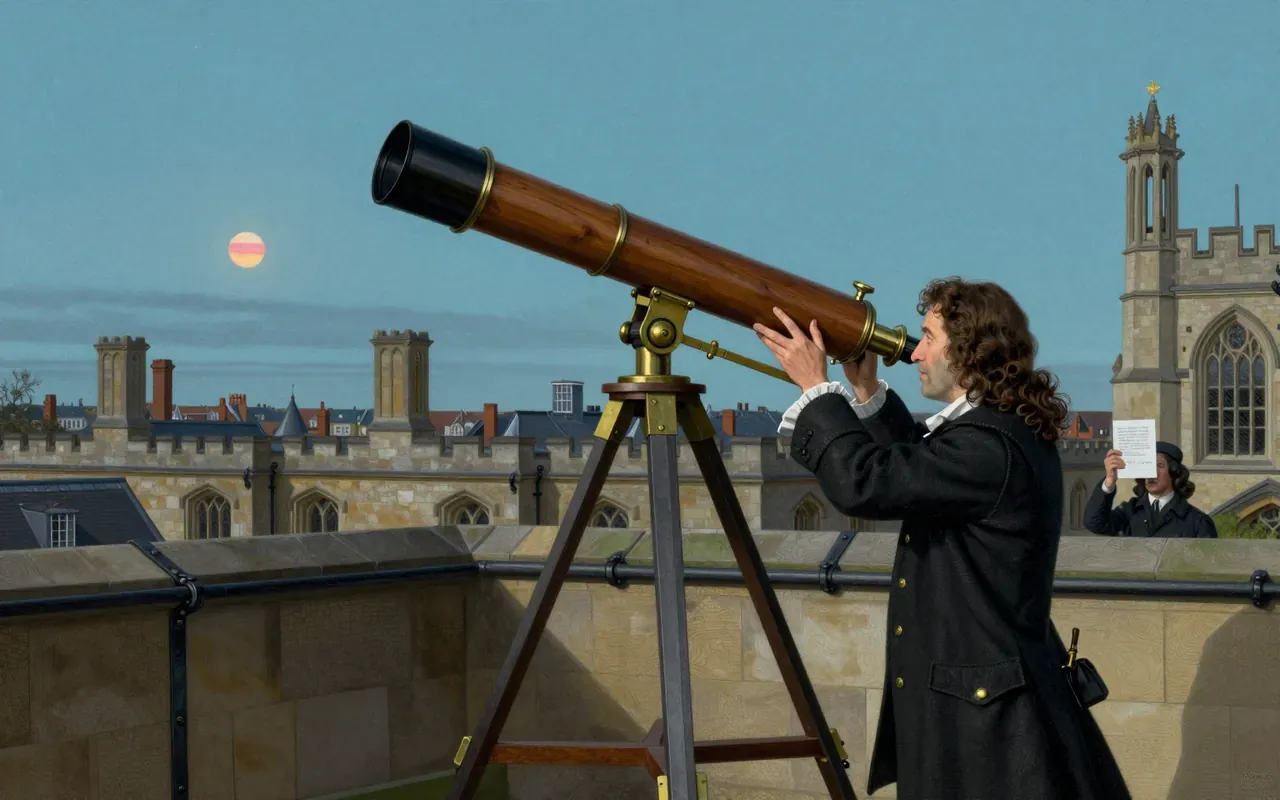
Huygens didn’t just see further—he built the tools, derived the maths, and insisted on mechanism: the first true theoretical physicist.
9:57

Guglielmo Marconi

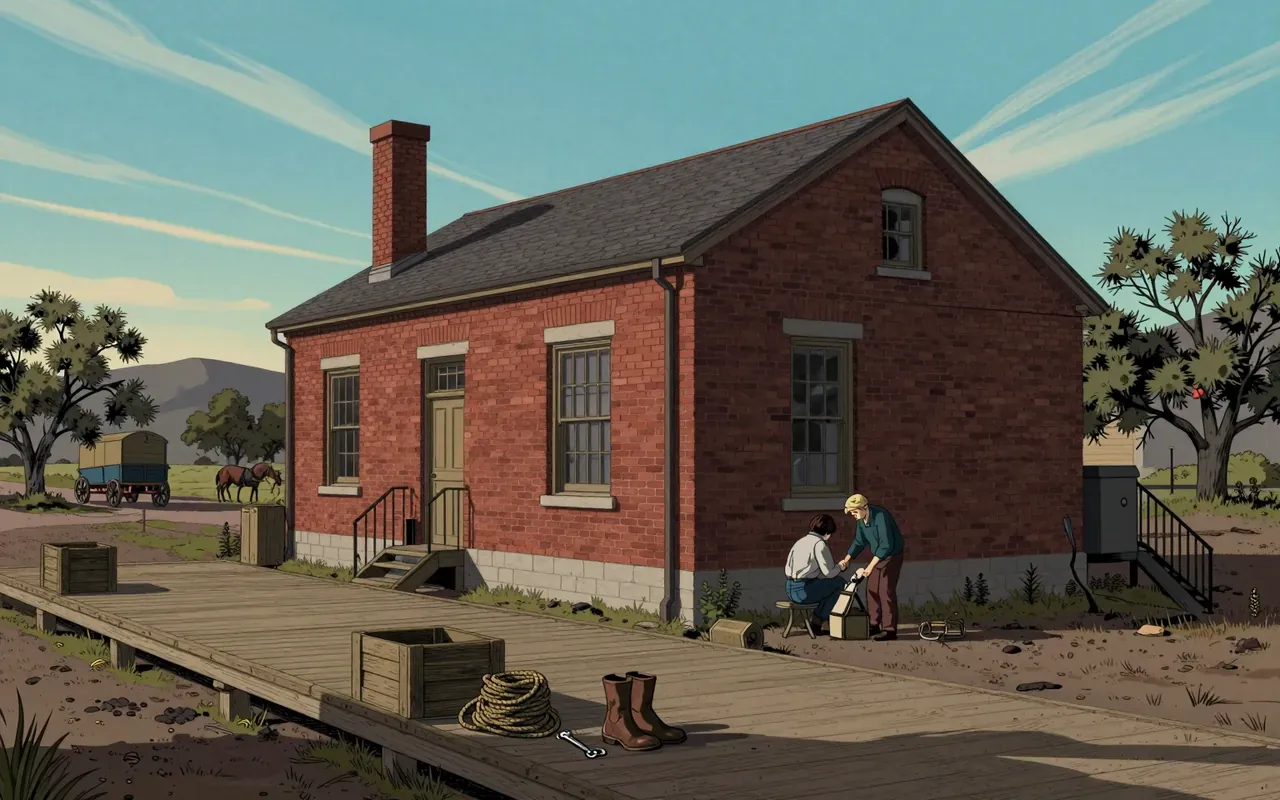
Marconi didn’t discover radio—he engineered its first working system, one patent and one grounded wire at a time.
9:33

Hans Christian Ørsted

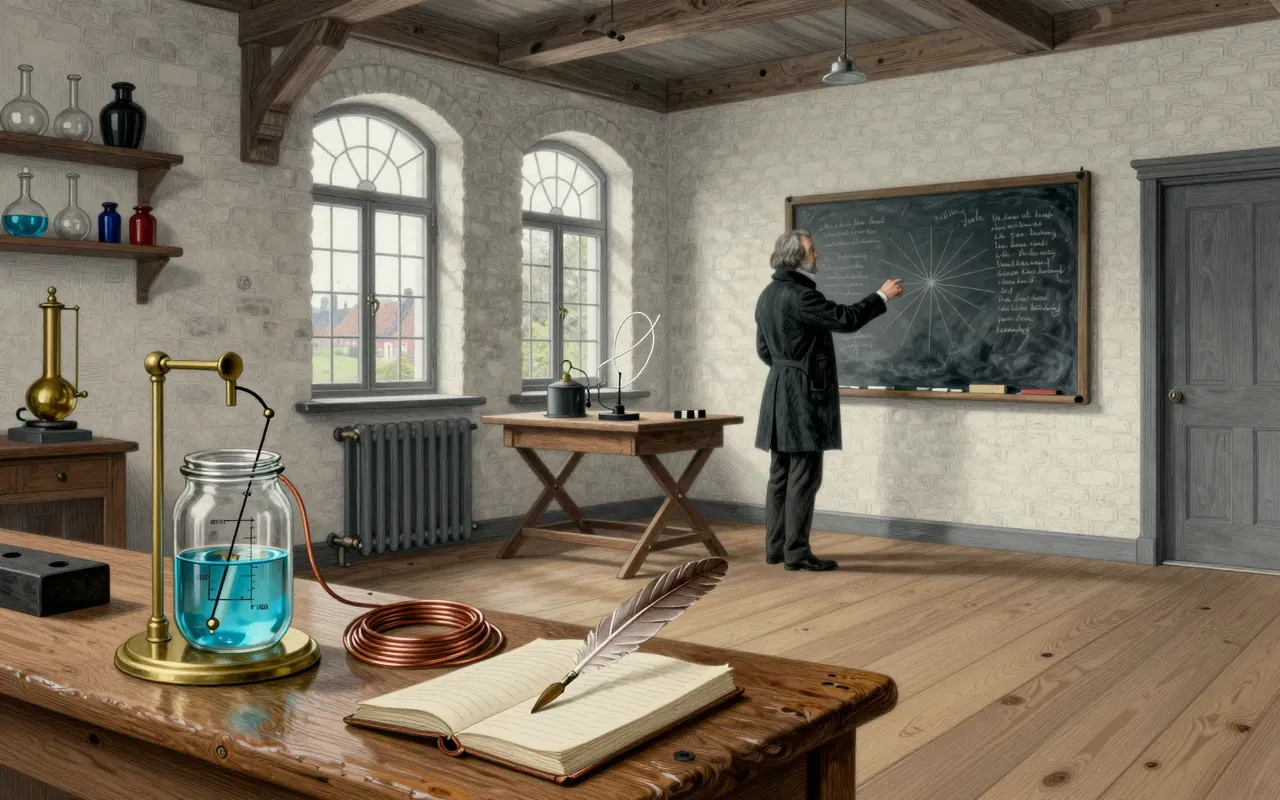
Ørsted didn’t stumble on electromagnetism — he hunted it for two years with a compass, and got the physics half-right.
10:26

Hedy Lamarr

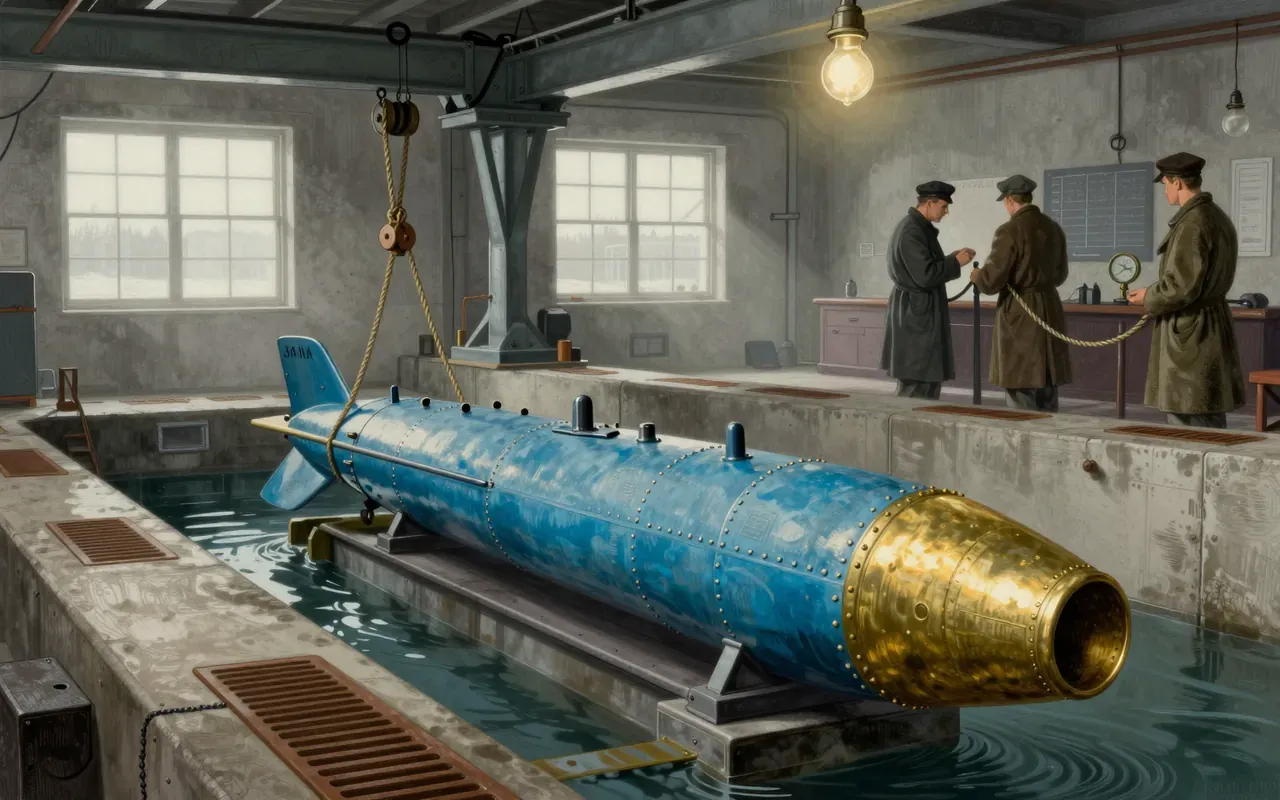
A Hollywood actress co-patented a jam-proof torpedo system — but never saw it built, tested, or used.
10:32

Joseph Henry

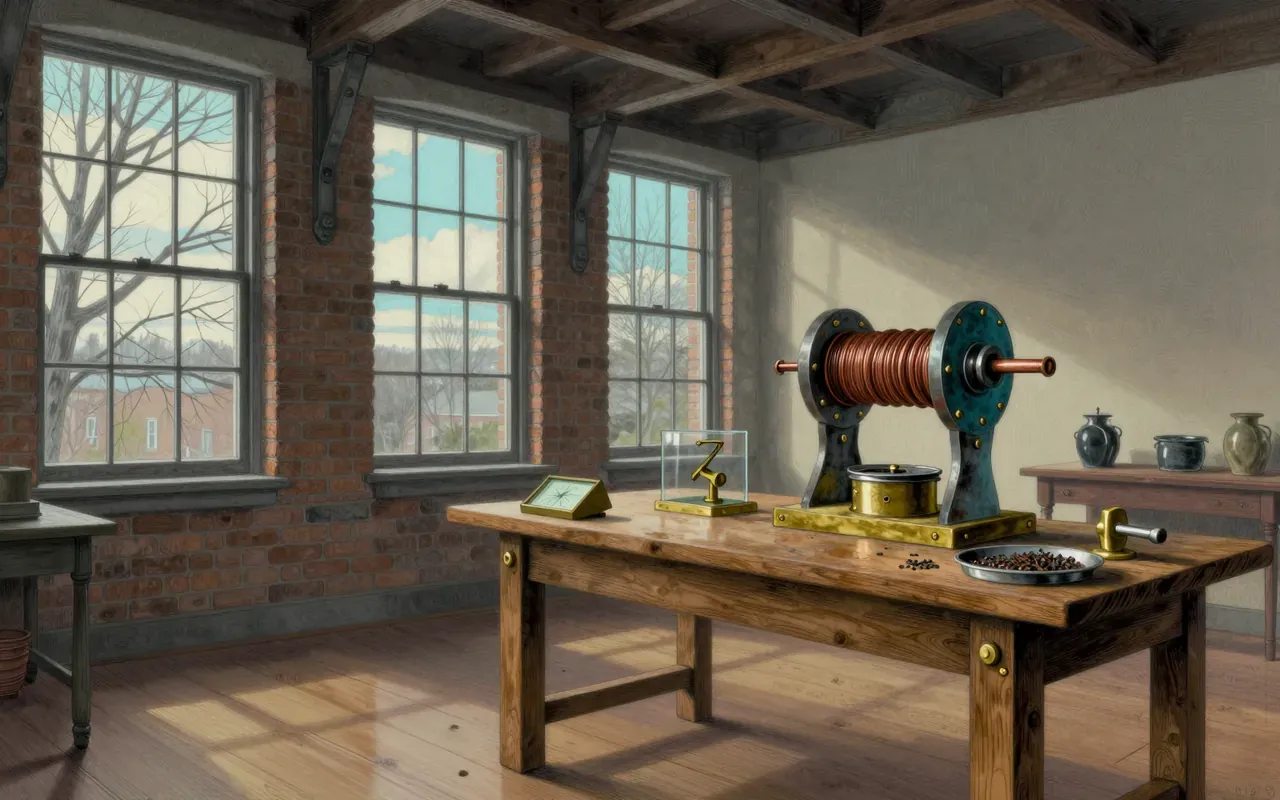
Inductance wasn’t deduced — it was rocked, wound, and wired into existence.
13:00

Polymerization

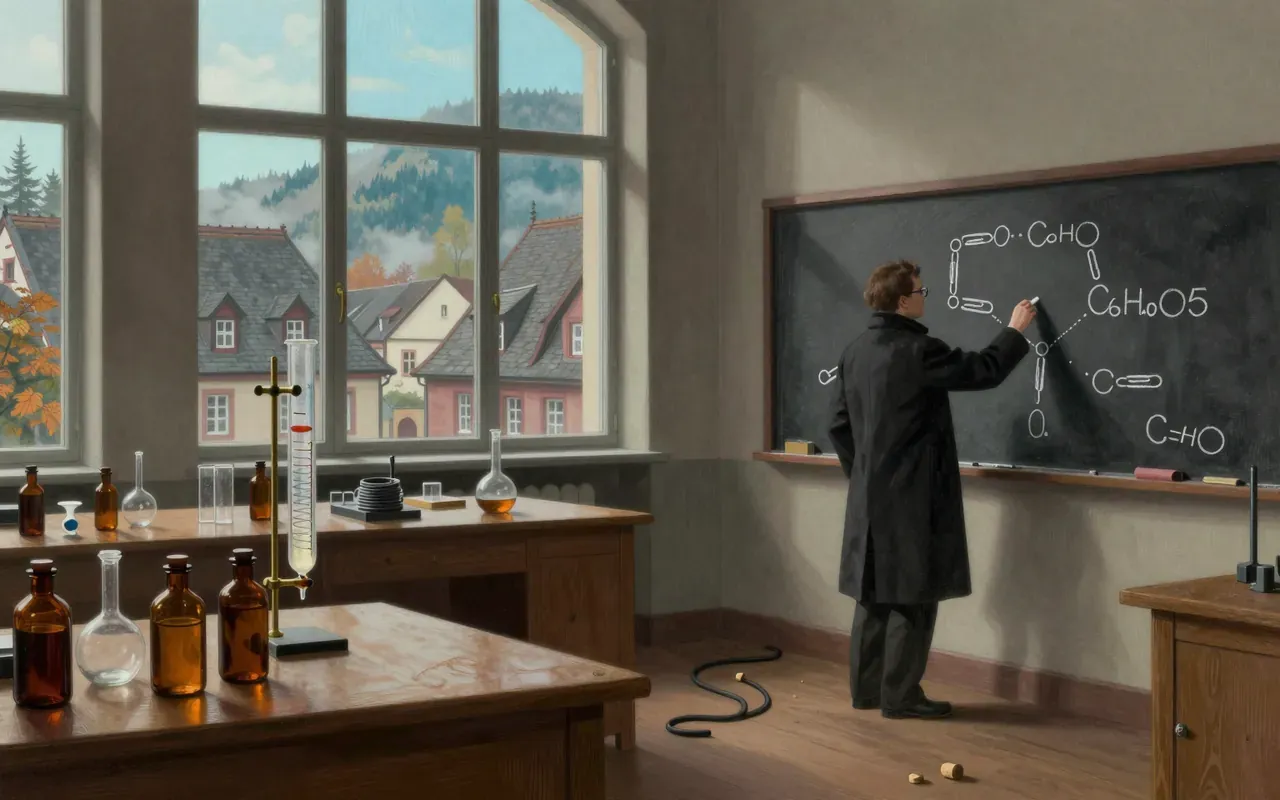
Hermann Staudinger's macromolecule hypothesis, once dismissed by his own field, is the reason polymerisation is understood as chains of covalently linked units rather than clusters of small molecules stuck together.
13:00

Positron emission tomography

PET scanning images metabolic activity rather than anatomy, by catching the paired gamma rays a positron tracer produces on annihilation — a physical trick that took decades, and Michel Ter-Pogossian's team, to turn into a working scanner.
10:16

Robert Hooke

Hooke didn’t just see further — he built the lenses, drew what he saw, and named what he found.
13:00

Solar cell

In 1954 Bell Labs built a silicon cell that converted sunlight to electricity roughly six times better than anything before it, and then spent the next two decades discovering that solving efficiency was the easy half of the problem.
13:00

Confocal microscopy

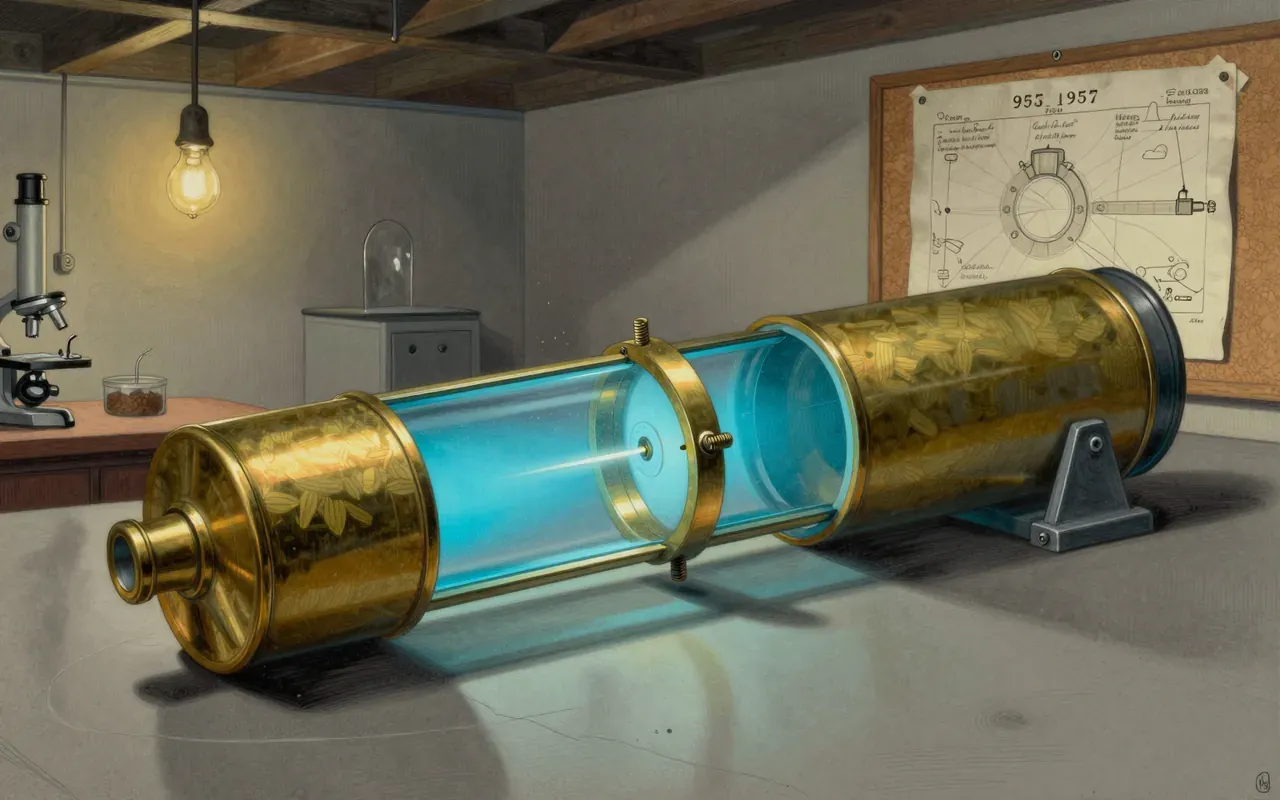
Marvin Minsky patented a microscope in 1957 that could see one thin layer of a sample sharply by blocking out all the light from everywhere else, and then the idea sat almost unused for thirty years because no light source was strong enough to make it work.
13:00

CT scan

Godfrey Hounsfield built a scanner from an idea on a country walk; Allan Cormack had already worked out the mathematics years earlier without knowing anyone intended to build the machine.
9:08

Electron microscope

Ernst Ruska · 1931

The electron microscope began not with biology, but with physics: a test of magnetic lensing on engineered grids. Its first success was mechanical and conceptual — not observational.

13:00

Gel electrophoresis

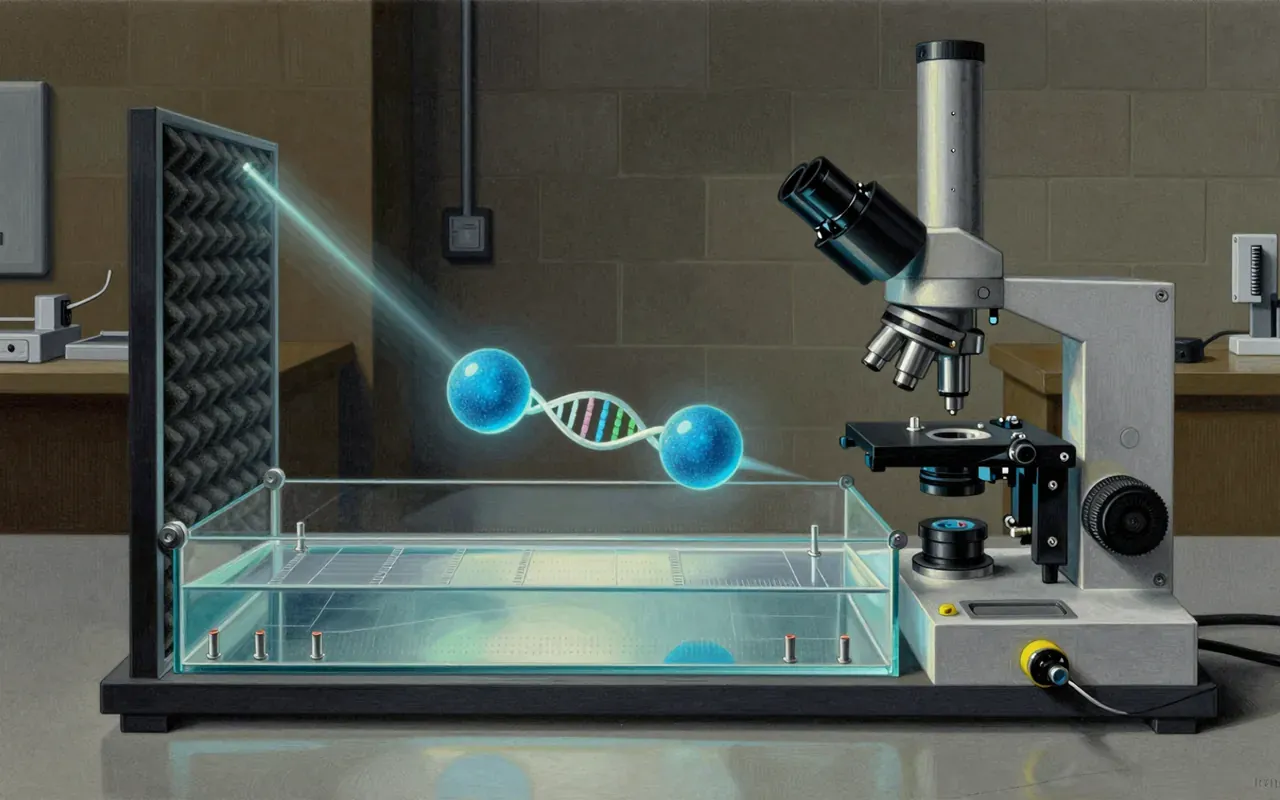
A phenomenon first noticed in 1801, that an electric field drags charged particles through a fluid, took more than a century of small, separate refinements before it became the gel-based technique that now sorts DNA and proteins by size in nearly every biology lab.
13:00

ENIAC

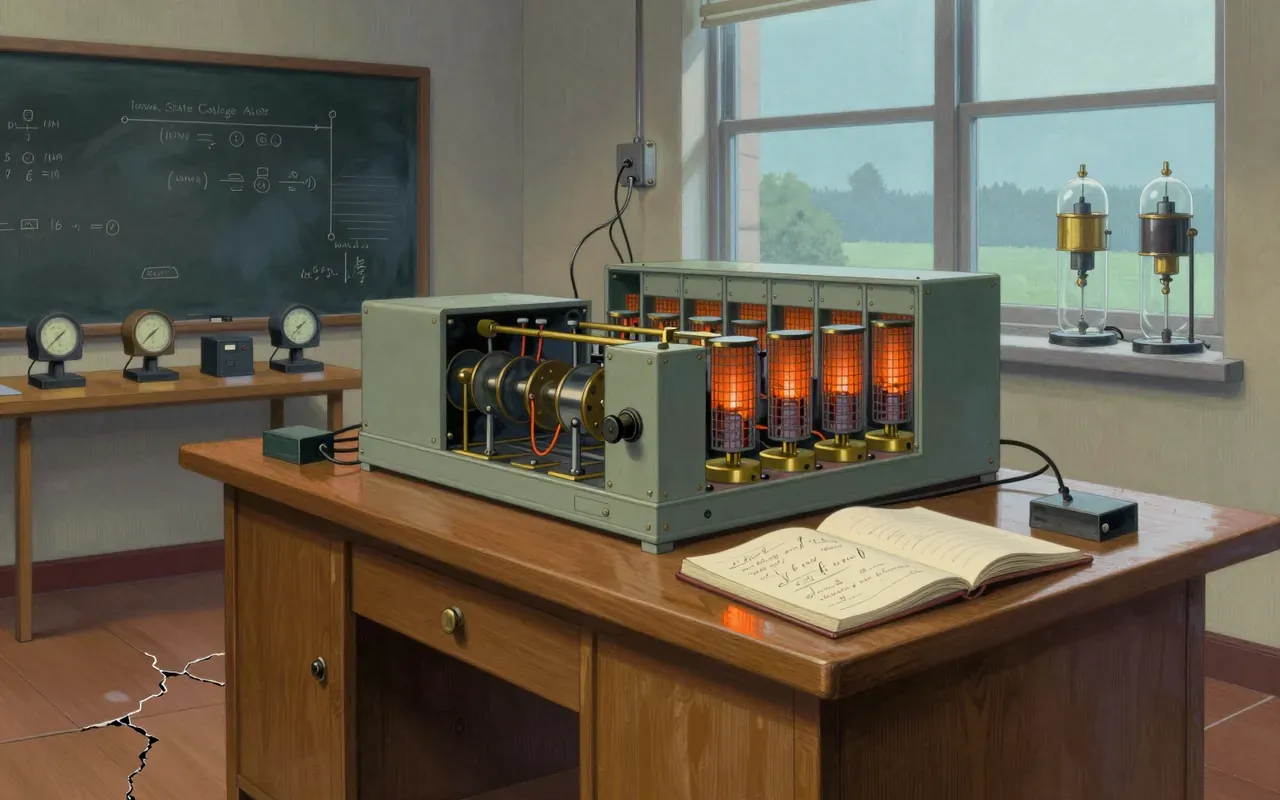
ENIAC filled a room, ate 150 kilowatts, needed weeks to reprogram by rewiring plugboards, and was legally stripped of its patent in 1973 when a court ruled its core idea had come from a machine most people had never heard of.
13:00

Flow cytometry

An instrument that now sorts thousands of individual cells a second by their exact chemistry began as two borrowed industrial tricks, an electrical particle counter and an ink-jet printer, combined into a single machine decades apart.
11:12

Galvanometer

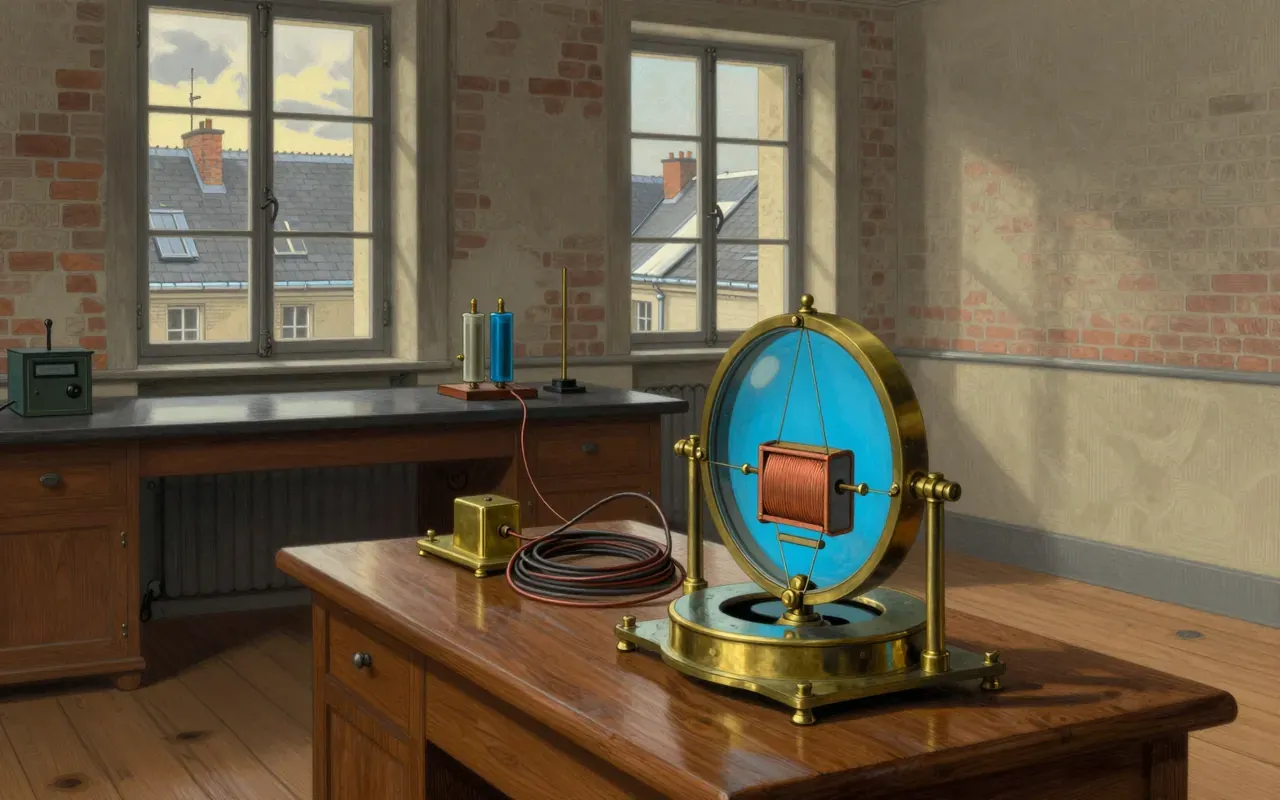
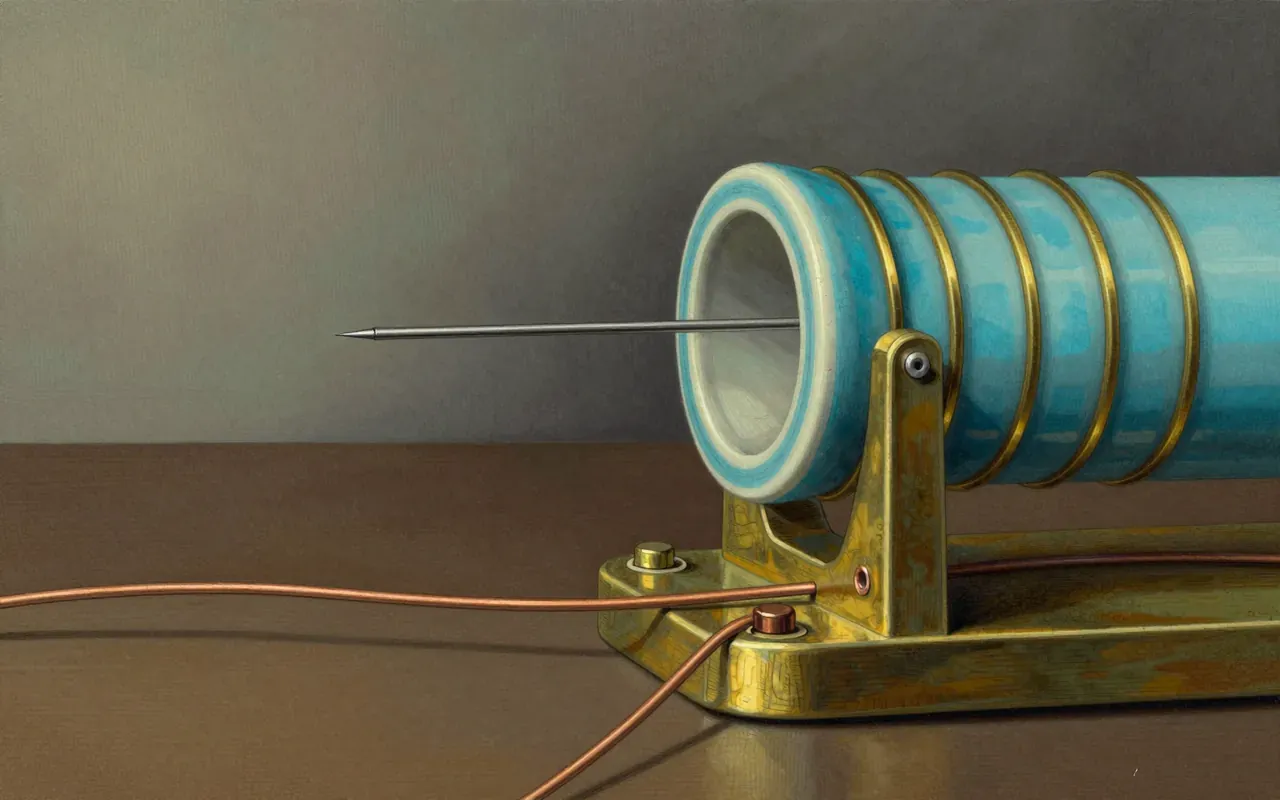
The galvanometer did not discover electromagnetism — it weaponised Ørsted’s accident into a ruler for the invisible.
13:00

Integrated circuit

Two engineers solved the same wiring problem months apart in 1958 and 1959, and it was the less-famous first version, not the one modern chips descend from, that reached the Nobel committee.
8:56

Oscilloscope

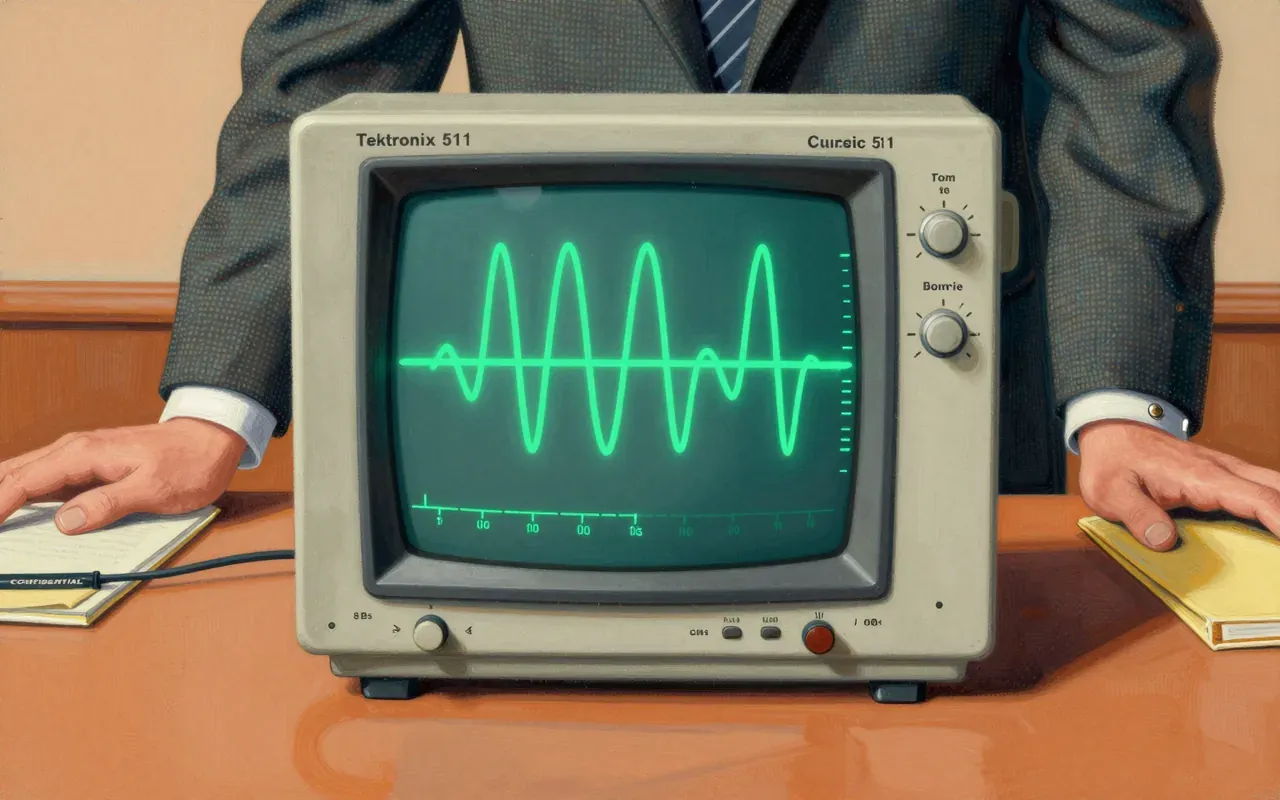
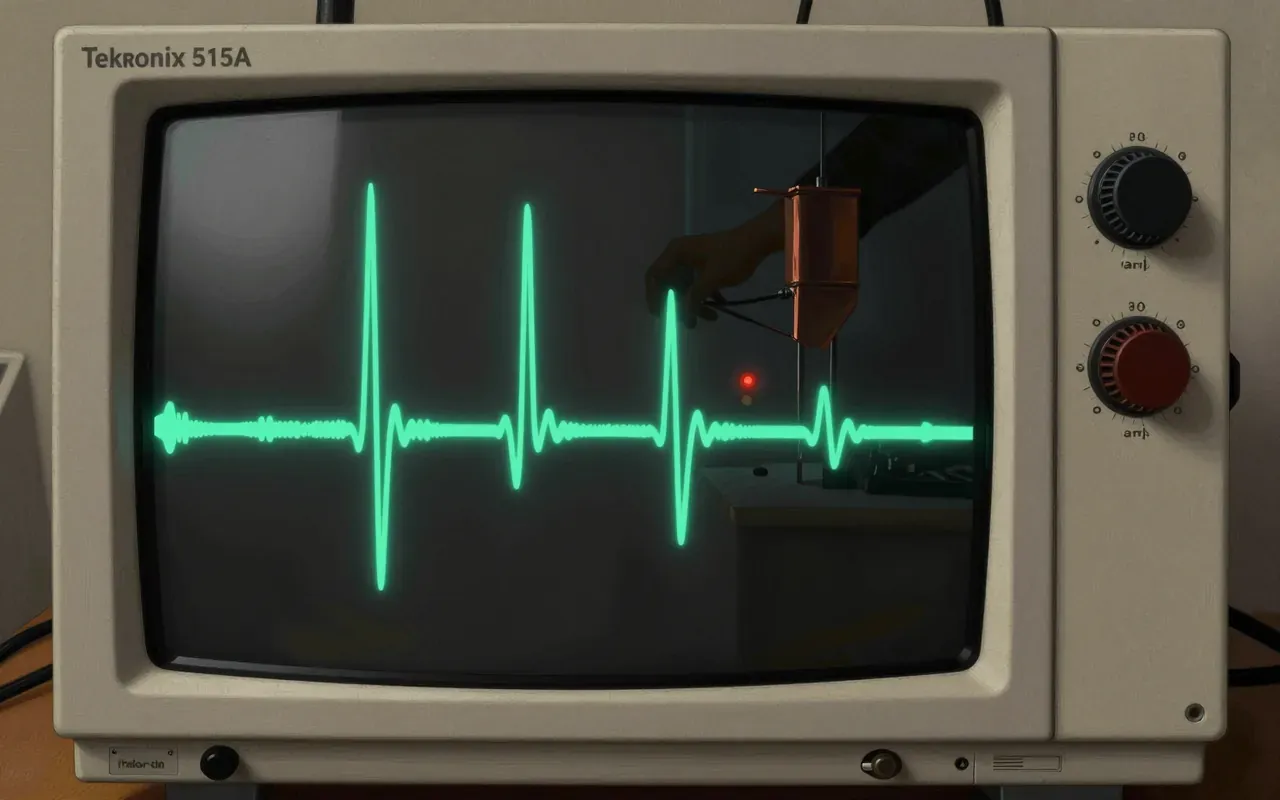
The oscilloscope wasn’t invented — it was incrementally engineered from a clattering mechanical recorder into a portable CRT.
13:00

Patch clamp

Sealing a glass pipette tightly enough against a cell membrane cut background electrical noise so far down that Erwin Neher and Bert Sakmann could finally watch a single ion channel molecule opening and closing, something no earlier technique could isolate at all.
13:00

Thermal cycler

An enzyme borrowed from a bacterium that lives in hot springs let a single sealed machine copy a chosen stretch of DNA over and over, doubling it with every cycle, and turned an idea worked out on a car journey into the standard tool of molecular biology.
13:00

Scanning tunneling microscope

Quantum tunnelling had been known physics for decades before Gerd Binnig and Heinrich Rohrer built an instrument steady enough to hold a metal tip a few atomic widths above a surface and turn that old effect into a working microscope.
13:00

Seismometer

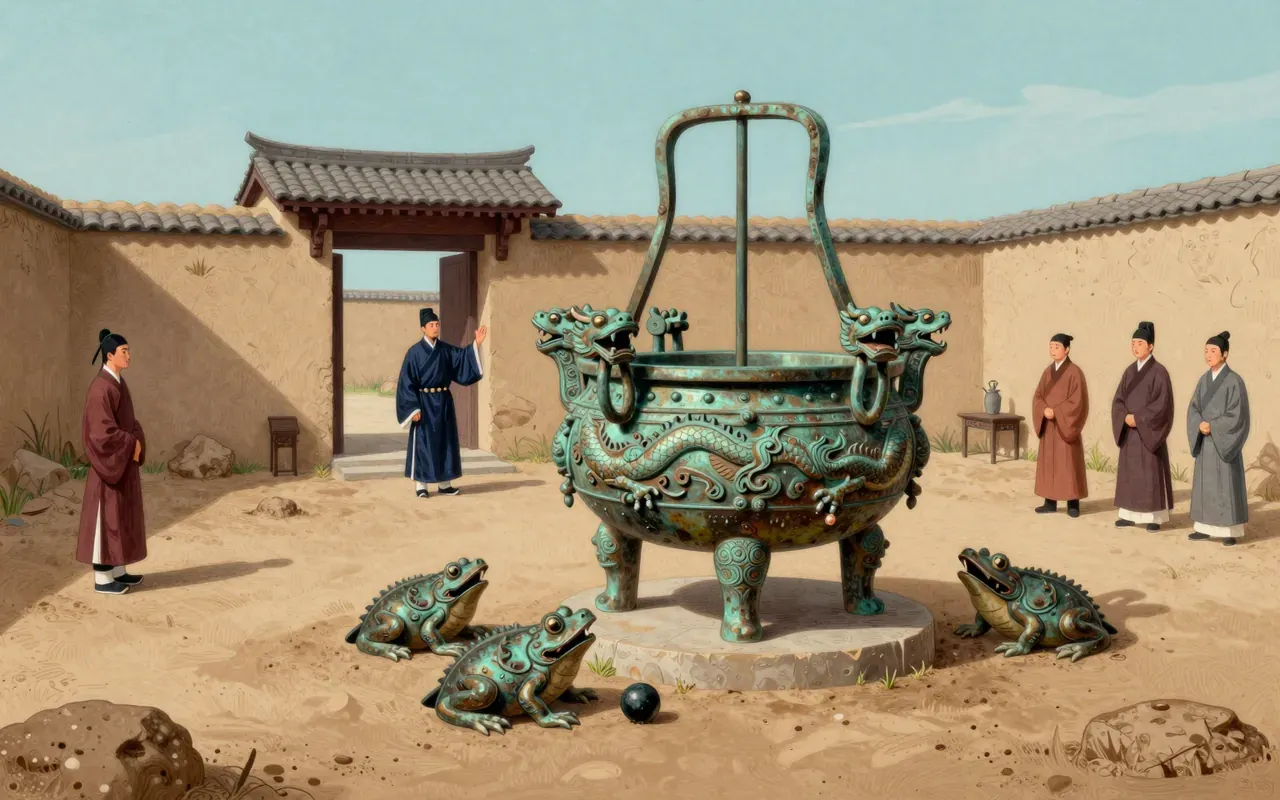
A bronze vessel ringed with dragons detected a Chinese earthquake in AD 143 that nobody nearby had felt, and it took well over a thousand years before any instrument matched what it had already managed to do.
13:00

Transistor

Three Bell Labs physicists built a working solid-state amplifier in December 1947, and the falling-out that followed shaped how the transistor reached the market as much as the physics did.
9:44

Ultracentrifuge

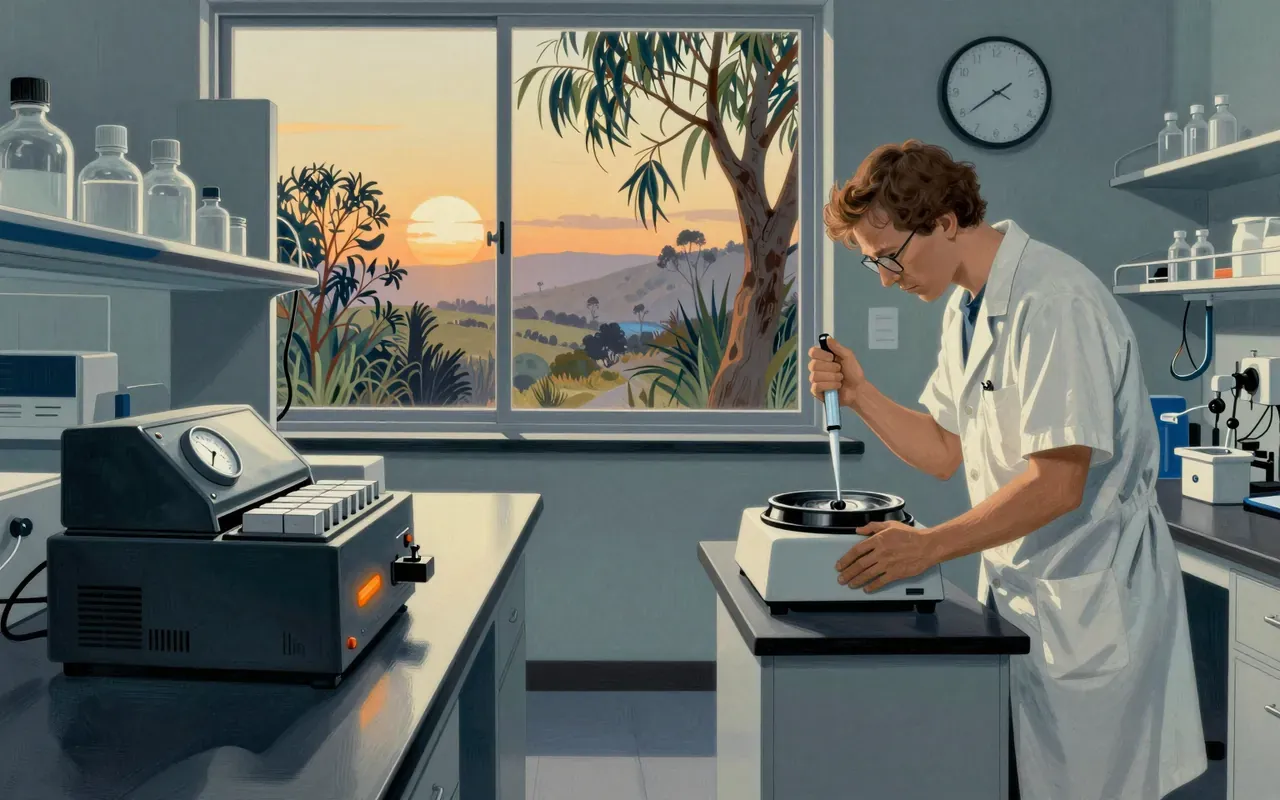
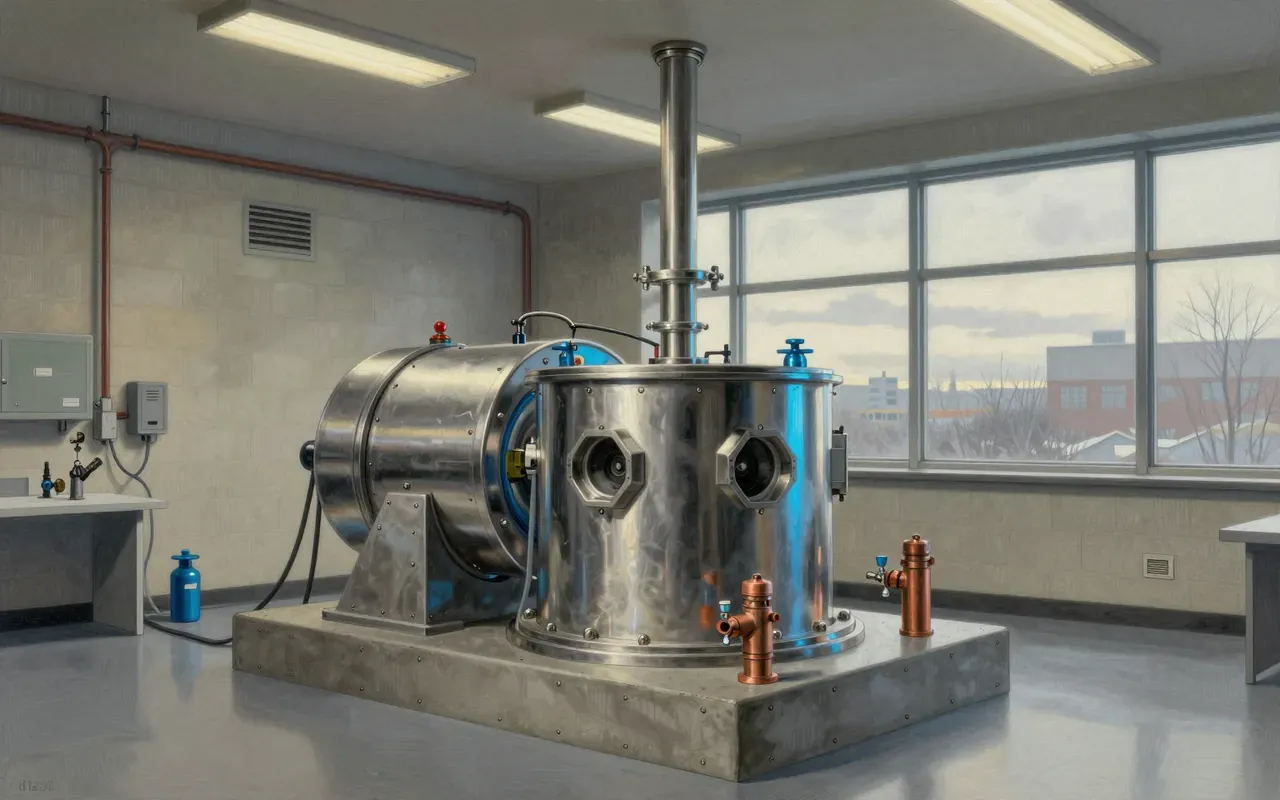
It didn’t reveal life’s blueprint — it gave biologists the first tool to hold molecules still enough to weigh them.
9:53

Vladimir K. Zworykin

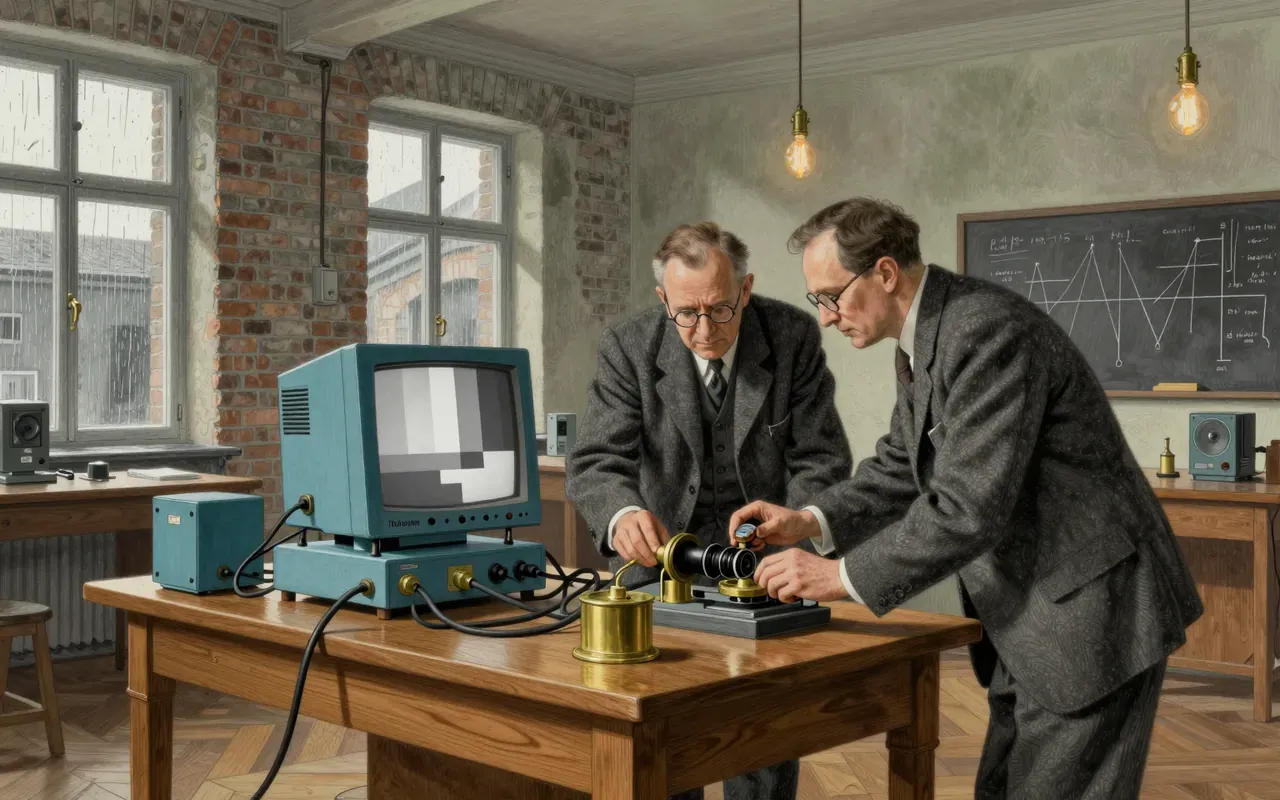
Zworykin didn’t invent television—he weaponised the cathode-ray tube and made it central to its first electronic incarnation.