What the work claims
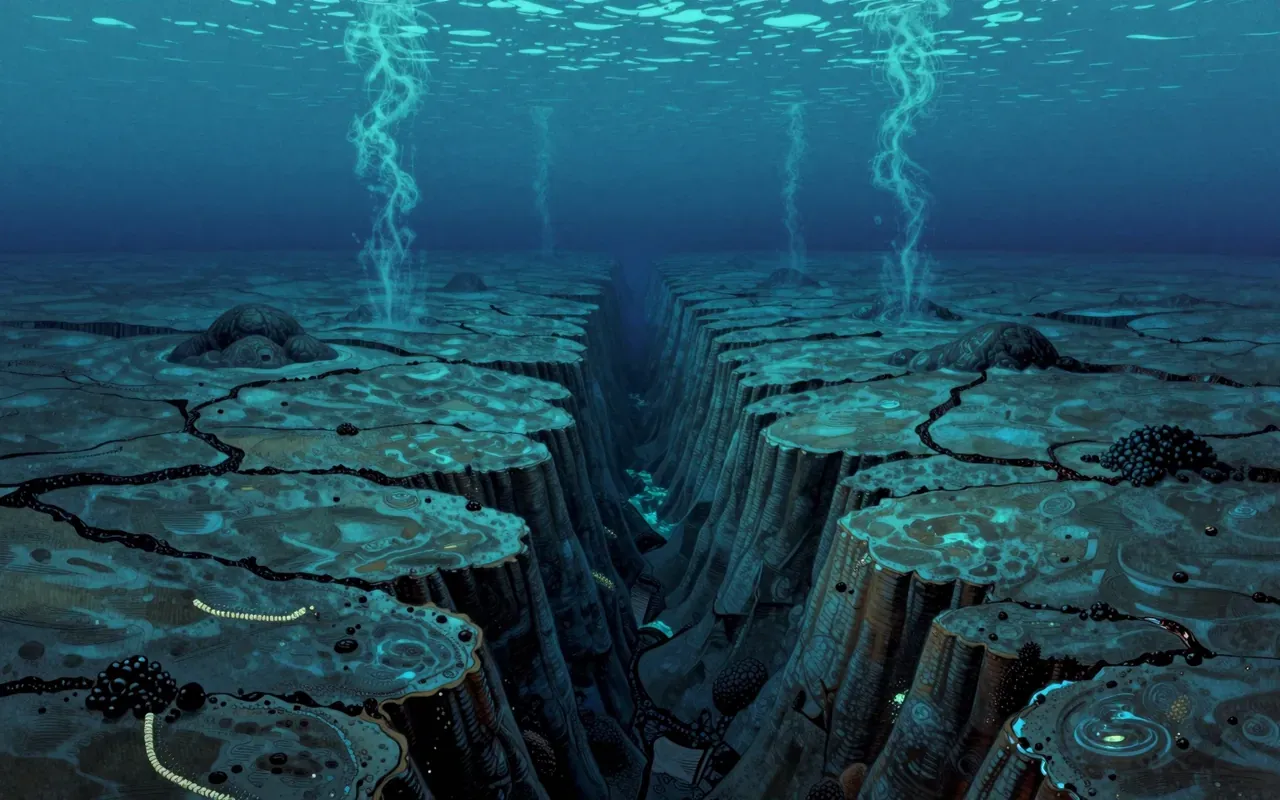
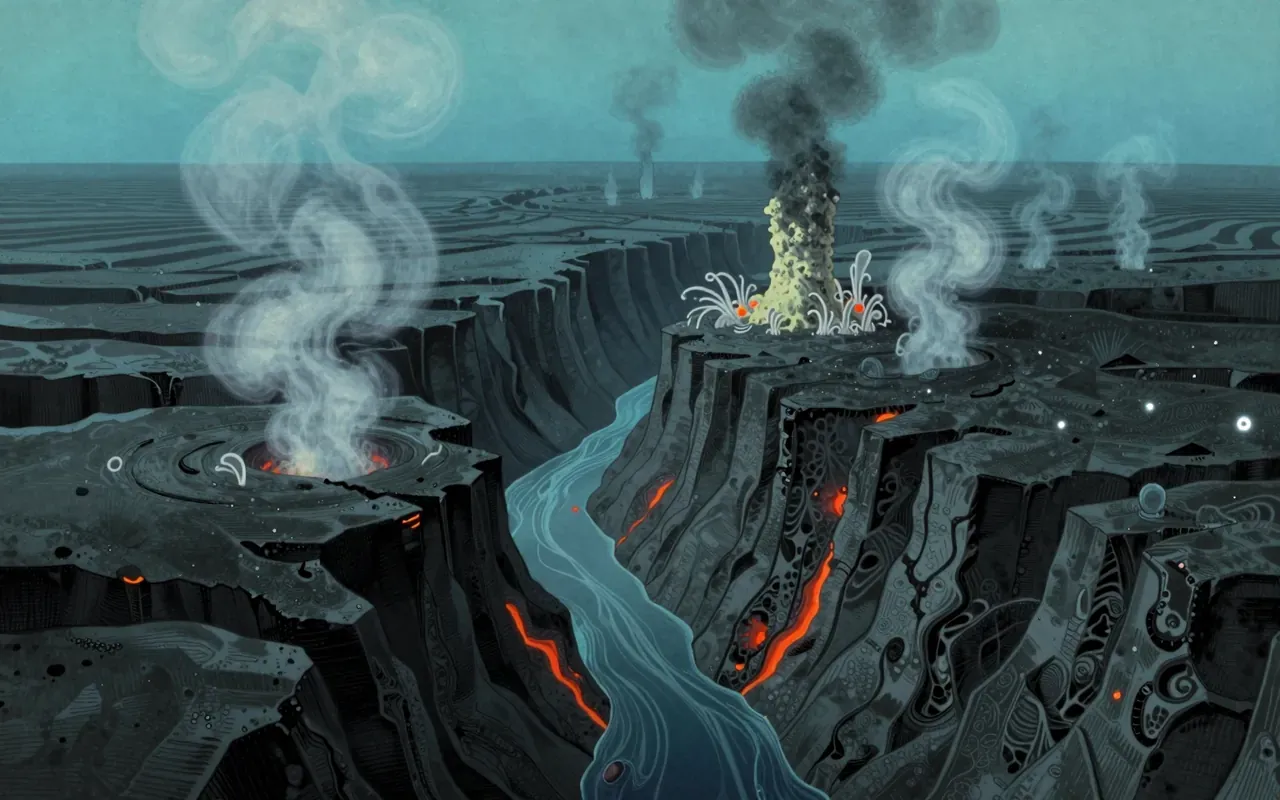
Vernadsky claimed Earth evolves through three stages — geosphere, biosphere, then noosphere — and that life reshapes the planet as decisively as tectonics or erosion. He first popularized the concept of the noosphere and deepened the idea of the biosphere.
The word “biosphere” came from Eduard Suess, in 1875, and Vernadsky inadvertently popularised it through The Biosphere. In his scheme the noosphere follows the geosphere (inanimate matter) and the biosphere (biological life): just as the emergence of life transformed the geosphere, the emergence of human cognition will transform the biosphere.
How it was done
Vernadsky developed his ideas through theoretical synthesis in the 1920s, culminating in the 1926 book The Biosphere.
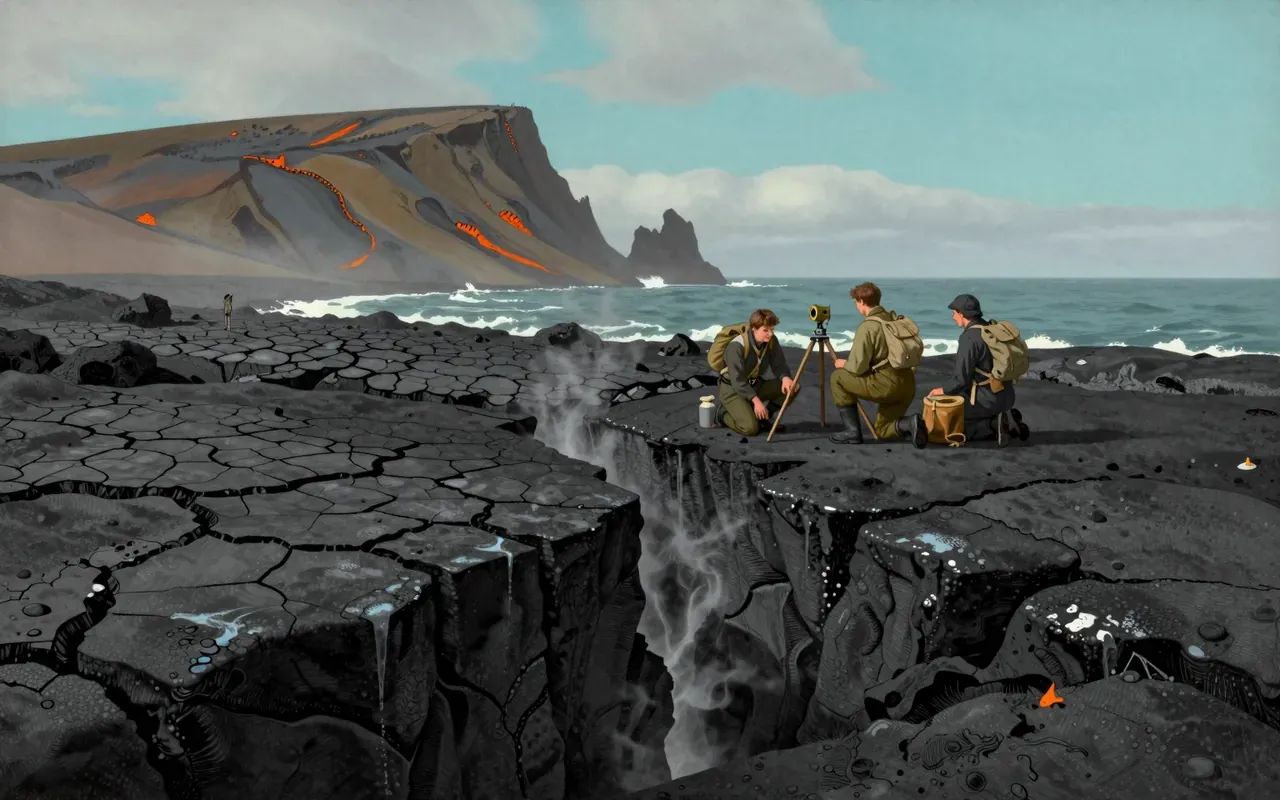
Vernadsky trained as a mineralogist, graduating from Saint Petersburg State University in 1885 with a thesis on isomorphous mixtures in minerals. From 1898 he taught at Moscow University, where he led 65 field excursions with students to Siberia, the Urals, the Caucasus and Crimea. His book Geochemistry appeared in Russian in 1924, two years before The Biosphere.
What holds up
Vernadsky’s claim that life is a geological force holds up: it is consistent with evidence of biologically driven atmospheric oxygenation, carbonate deposition, and soil formation.
He was one of the first scientists to recognise that the oxygen, nitrogen and carbon dioxide in the atmosphere result from biological processes. His pronouncements were not widely accepted in the West.
What does not
The theory does not establish causal mechanisms, quantitative thresholds, or empirical verification for biosphere–noosphere transitions. It makes no predictions testable with 1920s or modern instrumentation.
Why it matters beyond the lab
It matters because it seeded the systems-thinking foundation for climate science, planetary boundaries research, and anthropocene discourse — though Vernadsky himself never used or defined ‘anthropocene’.
He is counted among the founders of geochemistry, biogeochemistry and radiogeology. In the late 1930s and early 1940s he played an early advisory role in the Soviet atomic bomb project, arguing for the exploitation of nuclear power, a survey of Soviet uranium sources, and fission research at his Radium Institute. He died before a full project was pursued.
Is it worth your time
Yes — Vernadsky’s framing remains foundational to Earth system science and environmental policy, but only as a conceptual scaffold, not an empirically testable model.