9:36in productionCh. 1 · The birth of optical tweezers/ 9:36 · ceiling 15 min
Physics · Engineering
Arthur Ashkin
He didn’t just trap light — he made light grab matter, one photon at a time.
Arthur Ashkin’s optical tweezers use radiation pressure — split into gradient and scattering forces — to trap and manipulate microparticles, atoms, molecules and biological cells. Invented in 1986 after work beginning in the late 1960s, the technique earned him the Nobel Prize in Physics in 2018. It is a proven, widely adopted method — but the sources do not specify limits, error margins, or applications beyond controlled laboratory use.
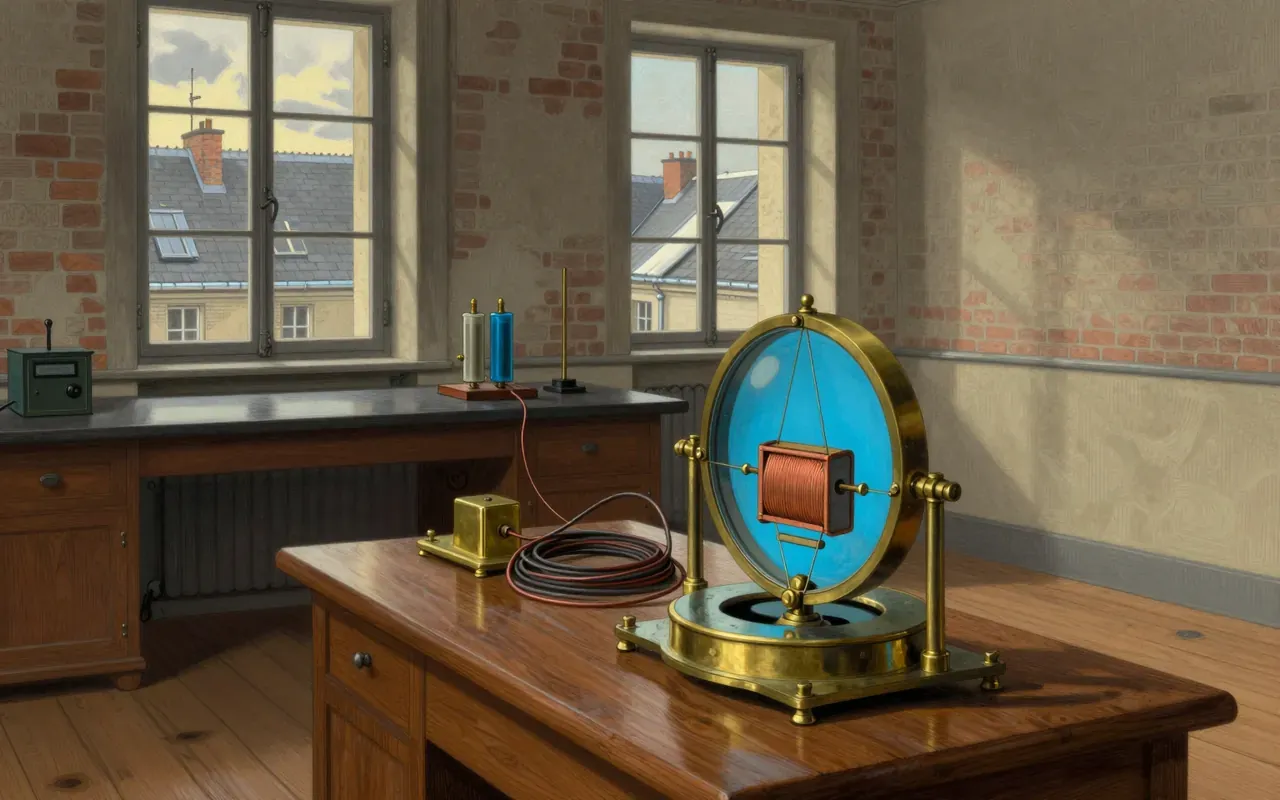
Optical tweezers were invented in 1986 after decades of work on laser manipulation of microparticles.
2:15
How light pushes and pulls
Radiation pressure is not uniform — it splits into gradient and scattering forces, and only the gradient force enables stable trapping.
3:57
From beads to biomolecules
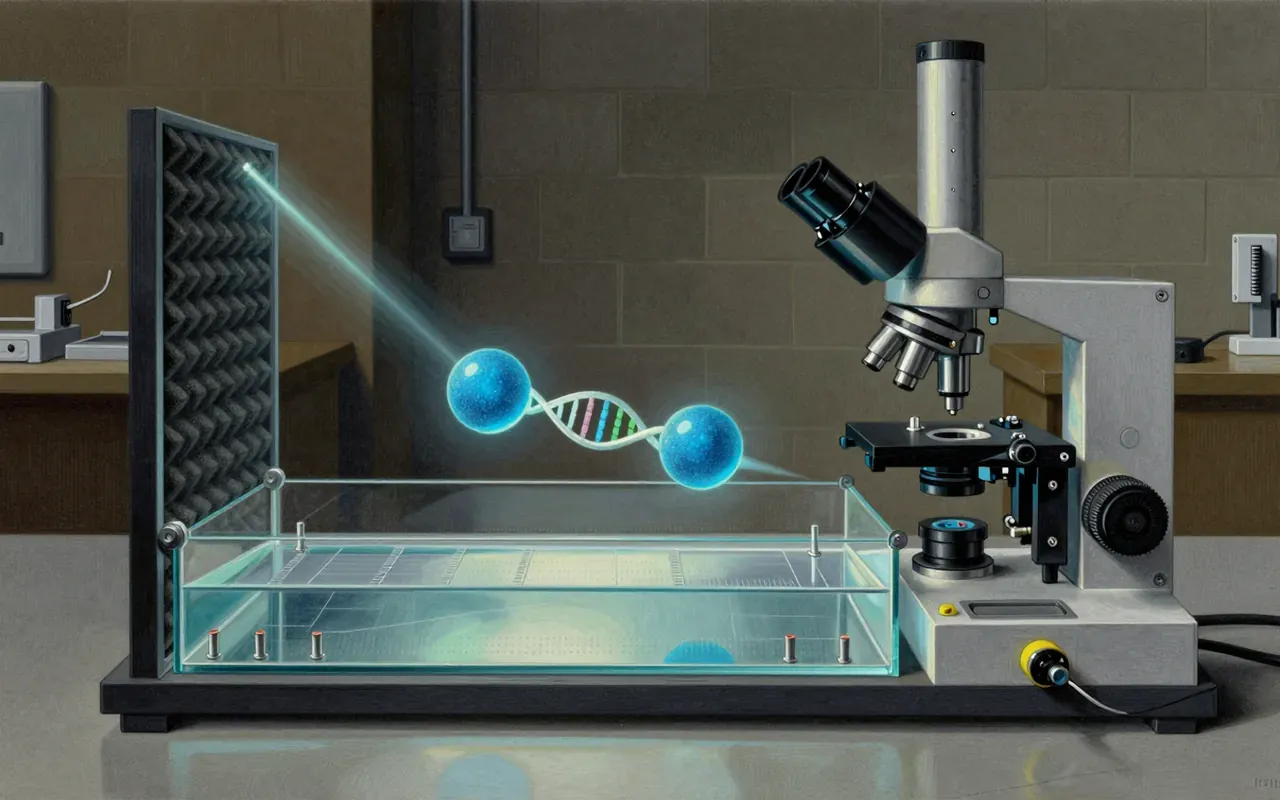
The same principle that trapped microparticles also trapped atoms, molecules and biological cells — no redesign required.
5:59
Nobel validation
The Nobel Prize in Physics 2018 recognised optical trapping as a completed, transformative contribution — not a proposal or prototype.
Worth your time?
Yes. Study the whole thing.
4.5/ 5
What works
trapping microparticles
trapping atoms
trapping molecules
trapping biological cells
What does not
clinical application
quantitative force calibration
in vivo cell manipulation
real-time molecular dynamics
Study it if
biophysicists
optical engineers
graduate students in soft-matter physics
Skip it if
clinicians
AI researchers
climate modellers
The written brief1 min read
What the work claims
That radiation pressure can be harnessed via gradient and scattering forces to trap and manipulate microscopic objects — including neutral atoms, biomolecules and cells — using only laser light.
How it was done
Ashkin manipulated microparticles with laser light, starting in the late 1960s. He dissected radiation pressure into optical gradient and scattering forces. This led to the invention of optical tweezers in 1986.
What holds up
Optical trapping using laser radiation pressure was invented by Ashkin. The technique was applied to microparticles, atoms, molecules and biological cells. It was awarded the Nobel Prize in Physics in 2018.
What does not
The sources do not establish that Ashkin manipulated living cells in vivo, nor that optical tweezers enabled real-time measurement of molecular forces, nor that they were used in clinical settings. No error bars, sample sizes, or quantitative limits on particle size, temperature, or medium are given.
Why it matters beyond the lab
Optical tweezers became a standard instrument in biophysics and soft-matter labs. They allow contactless, non-invasive handling of single cells and macromolecules — a capability no mechanical tool provides.
Is it worth your time
Yes — it established a foundational tool for precision manipulation at microscopic scales. Its use in atoms, molecules and biological cells followed directly from the method, not speculation.