9:42in productionCh. 1 · The sealed flask/ 9:42 · ceiling 15 min
Life sciences · Medicine
Louis Pasteur
Pasteur didn’t discover germs—he proved dust carries them, and nothing grows without them.
Pasteur’s flask experiments disproved spontaneous generation by showing microbial growth required dust-borne contamination—not air or broth. His methods were rigorous, replicable, and decisive for their time. They established that microscopic life originates only from pre-existing germs—but said nothing about disease transmission, immunity, or biochemistry. This is not the birth of microbiology, but the death of spontaneous generation—and the first clean separation of contamination from causation.
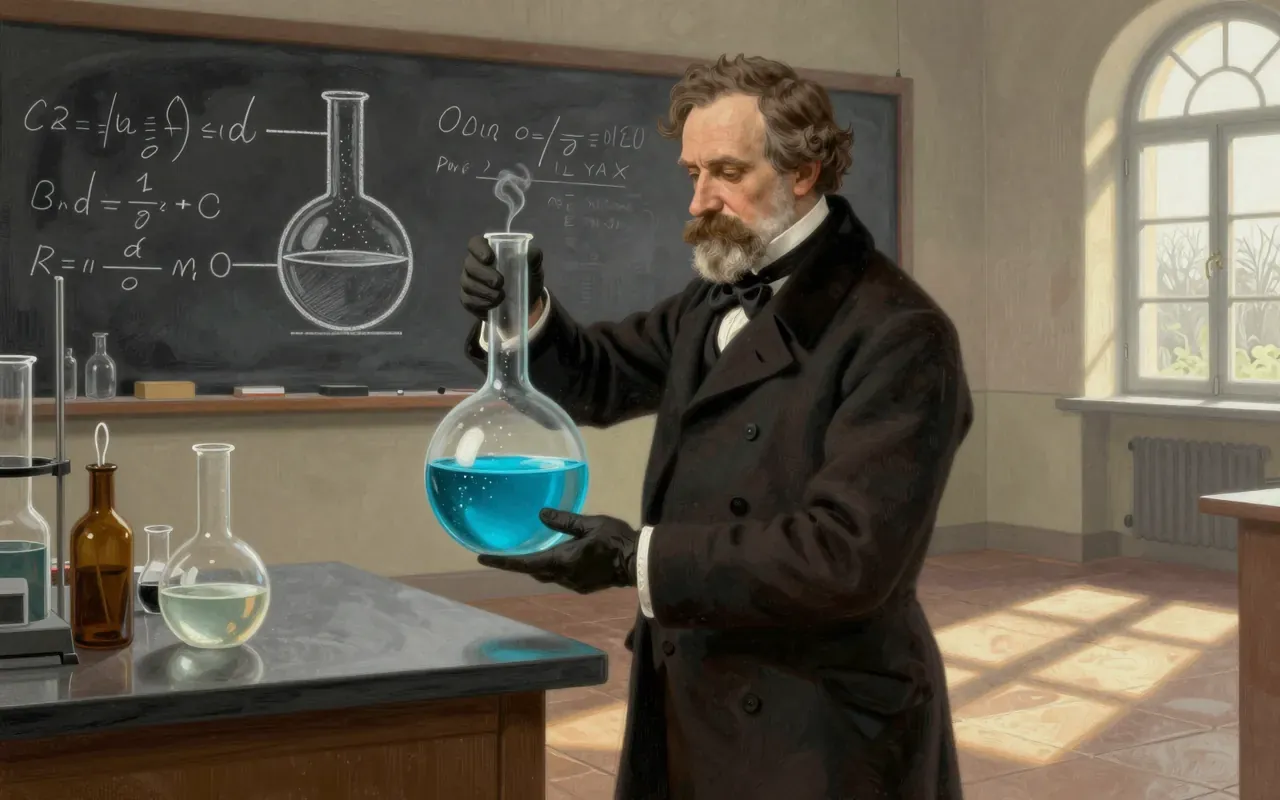
Sealed flasks stayed sterile. Open ones grew microbes. Spontaneous generation failed the simplest control.
2:20
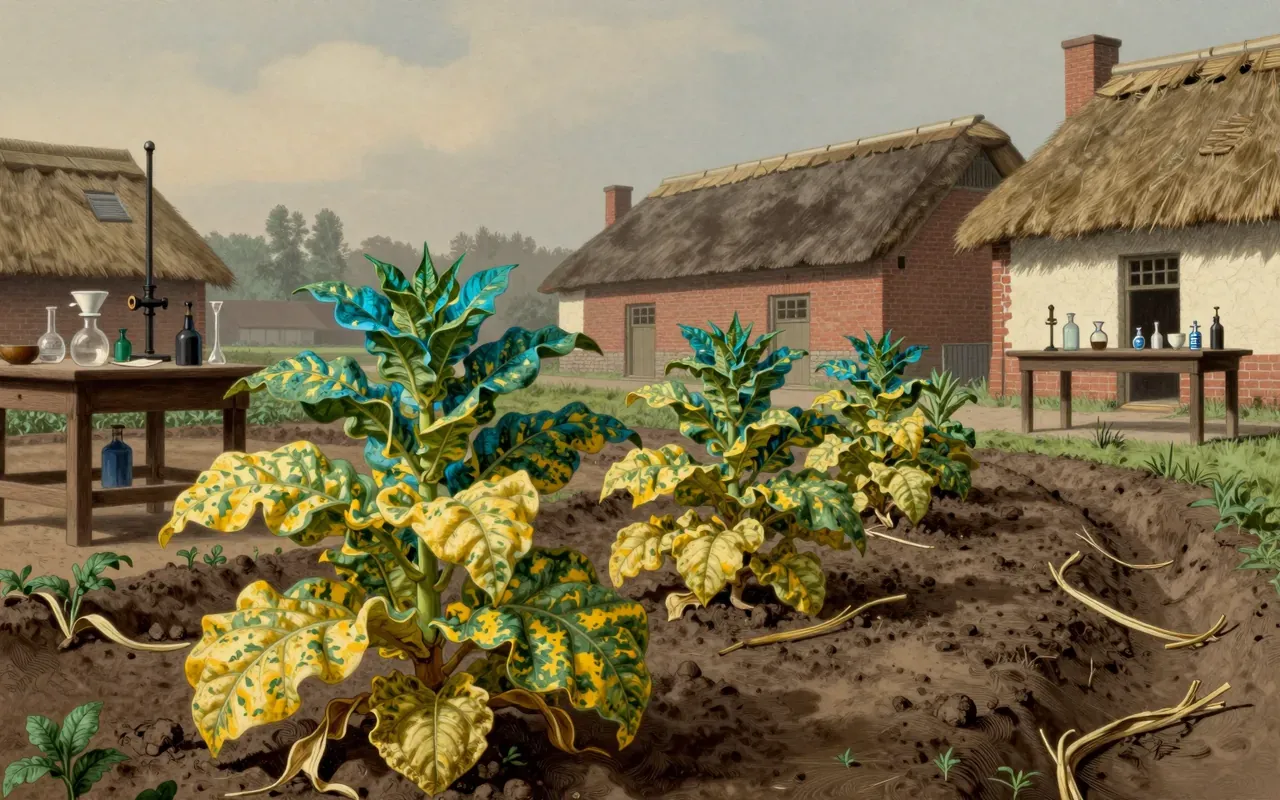
The dust test
Dust—not air—was the source. When dust entered, organisms grew. When it was blocked, they did not.
3:21
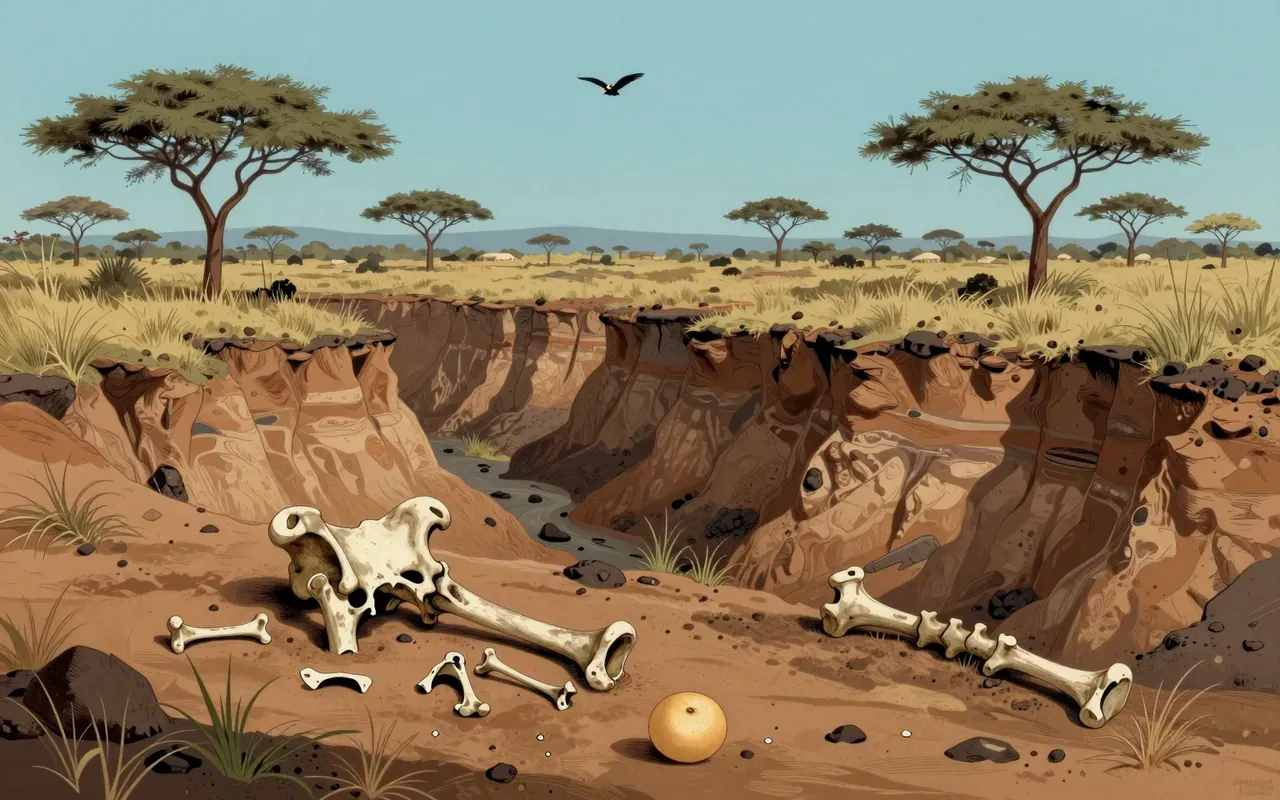
The mountain test
Fewer flasks grew organisms at higher altitudes—proof that airborne particles, not air itself, carried the cause.
4:47
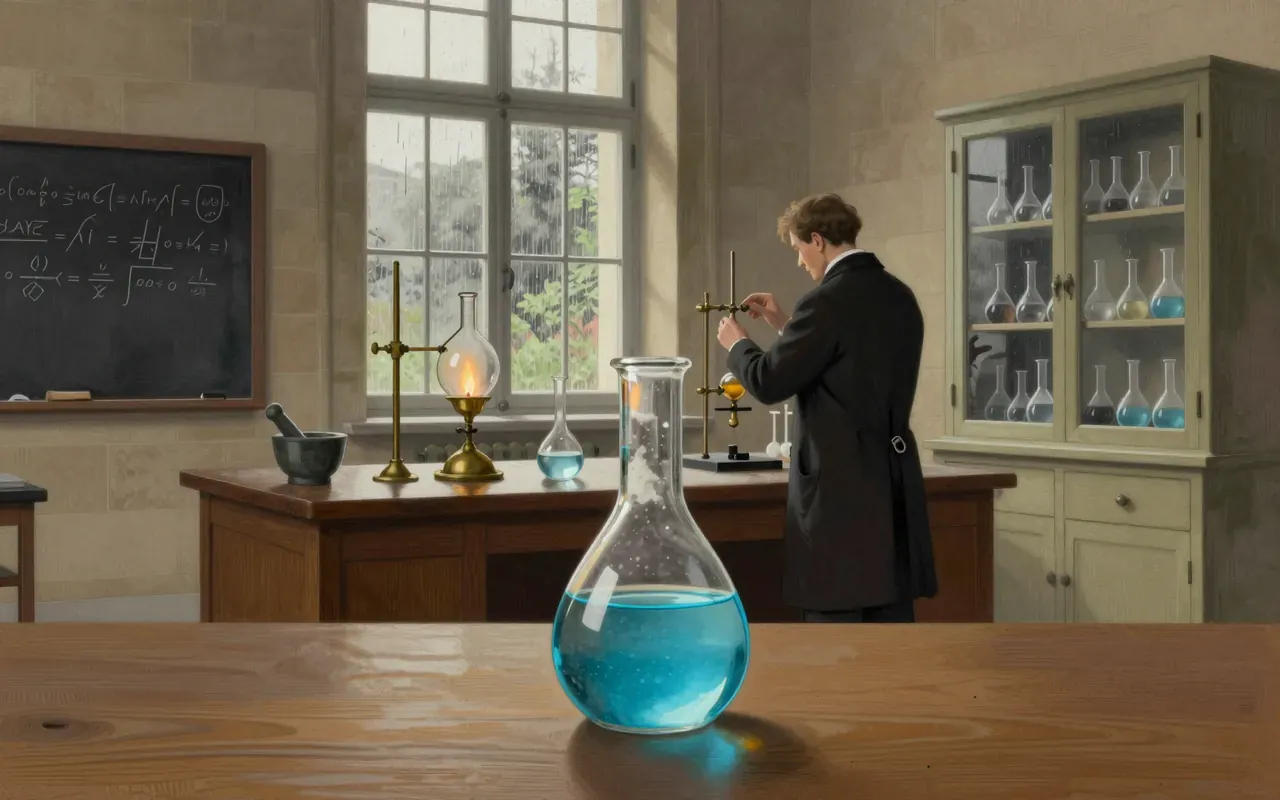
The curved neck
Swan-neck flasks let air in but trapped dust—broth stayed sterile until tilted, proving contact matters more than exposure.
6:06
The mortal blow
Pasteur declared spontaneous generation dead—not as speculation, but as a doctrine falsified by repeatable experiment.
Worth your time?
Yes. Study the whole thing.
4.5/ 5
What works
germ-theory-foundation
experimental-control-model
contamination-is-physical
What does not
vaccines
sterilisation
pathogens
infection
Study it if
historians-of-science
lab-technicians
epidemiology-students
Skip it if
clinicians
biochemists
public-health-officials
The written brief1 min read
What the work claims
That microscopic life always arises from pre-existing germs carried on dust—not from sterile air, broth, or spontaneous generation.
How it was done
Pasteur used sealed, open, and swan-necked flasks containing boiled liquid. He varied exposure to air and dust: sealing prevented growth; opening allowed dust in and caused growth; swan-neck flasks permitted air but trapped dust—no growth unless tilted to contact broth with contaminated neck walls.
What holds up
The conclusion holds: microbial growth in sterile broths required external particulate contamination—not spontaneous emergence from air or broth. The altitude experiment confirmed dust density correlated with growth frequency. The swan-neck design isolated air from dust contact as the decisive variable.
What does not
The work does not show that all disease is caused by germs. It does not identify any specific microorganism. It does not test or mention fermentation’s biochemical mechanism, nor does it address viruses, sterilisation standards, or medical application.
Why it matters beyond the lab
It established germ theory’s foundational premise: contamination is physical, external, and preventable. This shifted hygiene, surgery, food preservation, and later vaccine development from superstition and empiricism toward controlled intervention.
Is it worth your time
Yes. It is the clearest experimental refutation of spontaneous generation in the historical record—and the first to isolate airborne dust as the vector for microbial contamination.