sciencebriefs
Topic

Mars

The planet every generation decides it is about to reach.

2
in science
11:58
average
24 min
in total
6
across the network
Mars across the network →
All briefs2
10:55

Viking lander biological experiments

Gil Levin

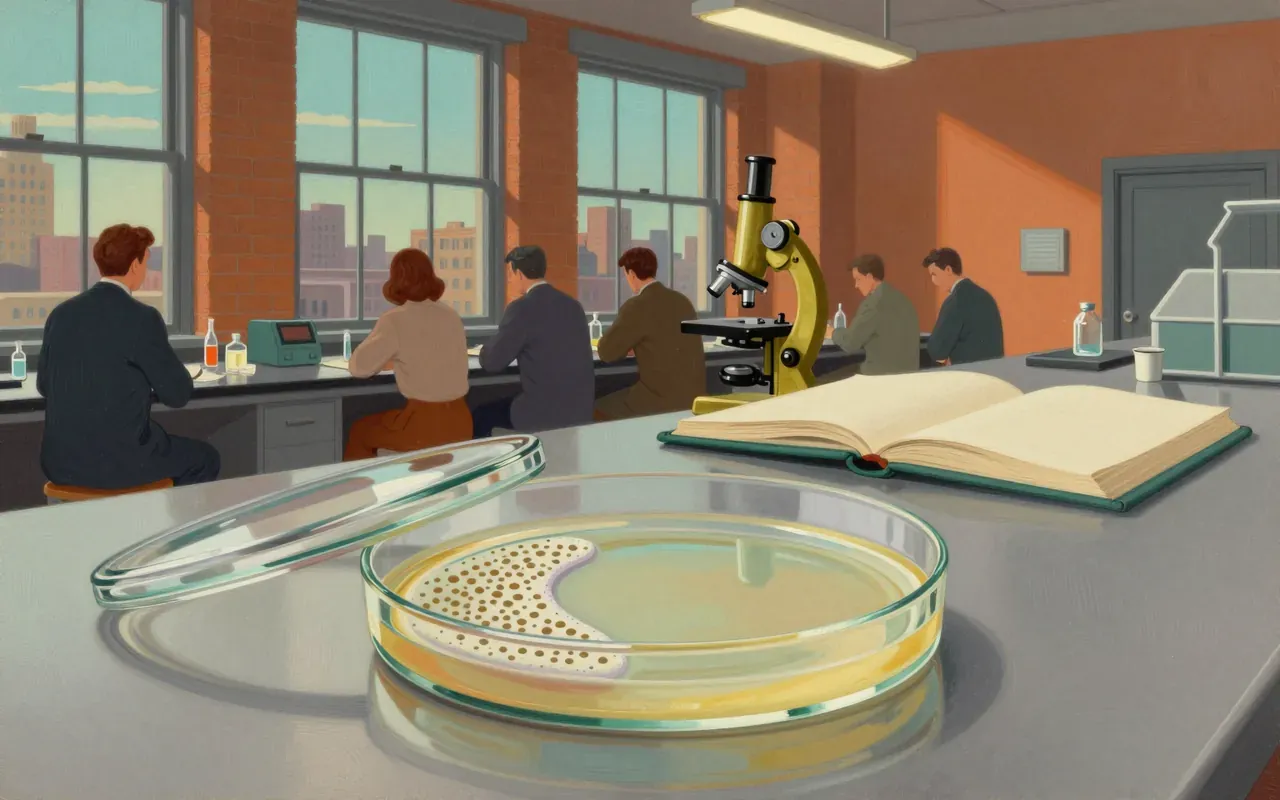
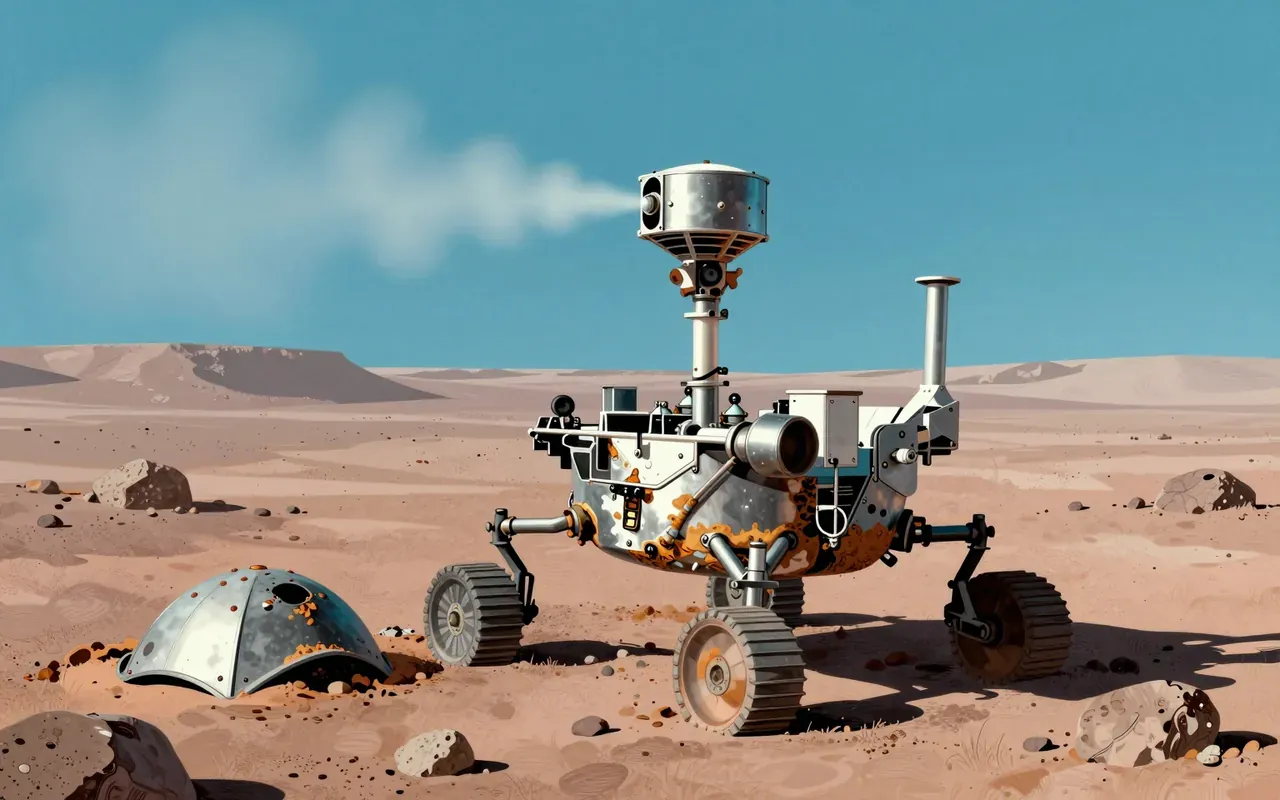
The Viking lander biological experiments were a suite of four in situ tests conducted in 1976 by the Viking 1 and Viking 2 landers to detect microbial life on Mars. The experiments—Gas Chromatograph–Mass Spectrometer (GCMS), Gas Exchange (GEX), Labeled Release (LR), and Pyrolytic Release (PR)—used soil samples collected by robotic arm and analyzed them under controlled conditions. While GCMS found no significant organic molecules, LR yielded positive, reproducible signals of radioactive gas release upon nutrient addition—signals that diminished or disappeared after heat sterilization or cold storage—prompting ongoing debate over whether the results indicate biological metabolism or abiotic oxidative chemistry, especially in light of later discoveries like perchlorate.
13:00

Perseverance (rover)

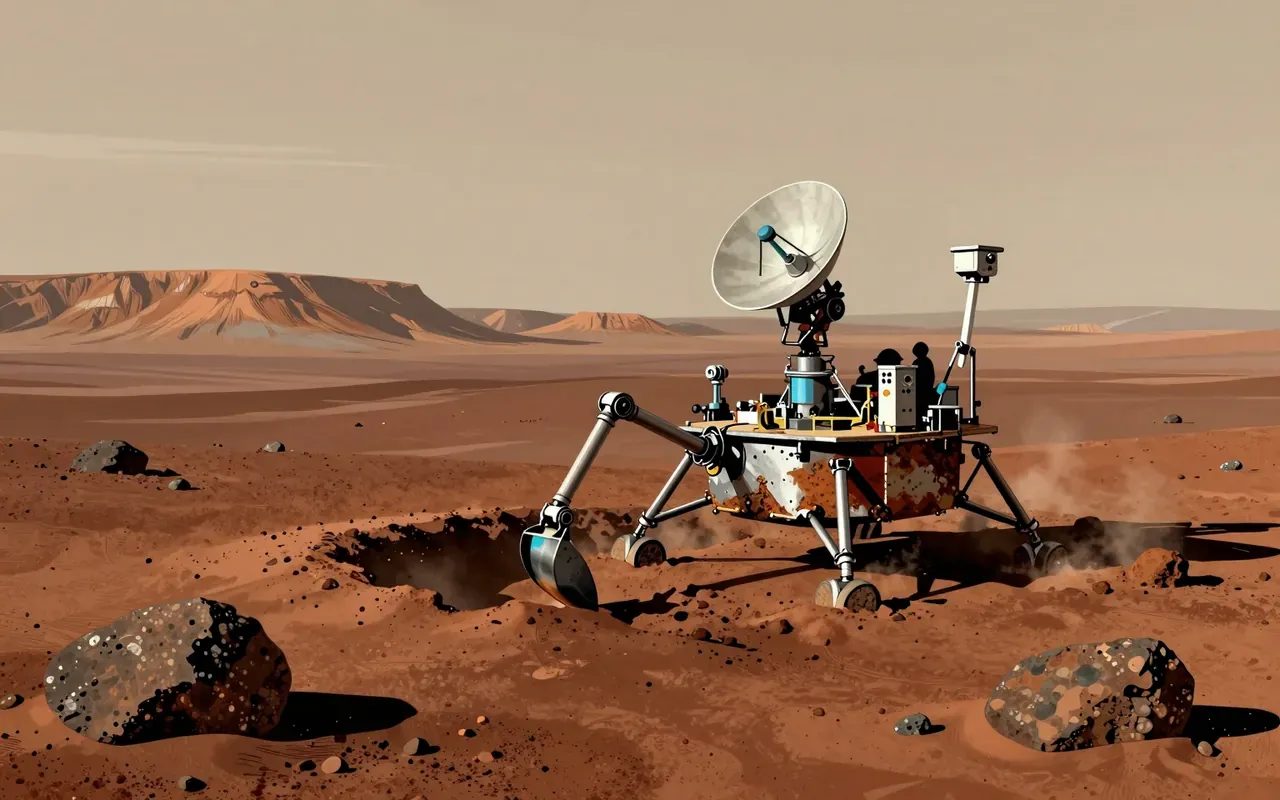
Perseverance's 2021 landing and its instruments have delivered exactly what was engineered, precise navigation, a surprise helicopter programme, oxygen from thin air, but the sample-return mission that would confirm any life finding is stalled.

More from science

All briefs →
8:07

Henry Gee

Henry Gee is a British palaeontologist and evolutionary biologist, a senior editor at Nature, and the author of books on deep time, the origin of vertebrates and human evolution.
10:09

Horizontal gene transfer

Zinder and Lederberg · 1951

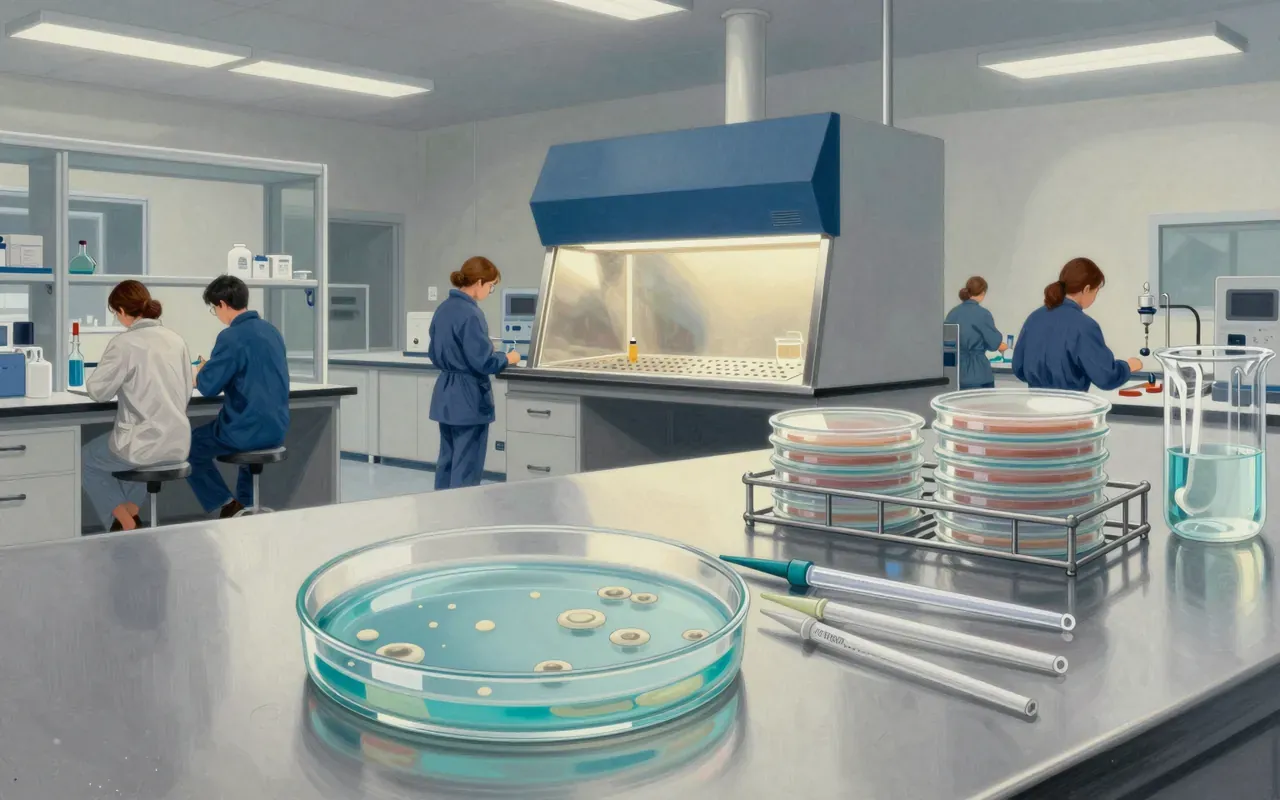
Bacteria can pick up genes from other cells by transformation, transduction or conjugation, not only by inheriting them. Lederberg and Zinder showed in 1951 that a virus could carry genes from one strain of Salmonella to another, and Lederberg's earlier work with Edward Tatum showed that E. coli can exchange genes by conjugation. The material treats the process as the main route by which antibiotic resistance spreads among bacteria.

10:16

Jennifer Doudna

Jennifer Doudna and Emmanuelle Charpentier

Doudna and Charpentier’s 2012 work established CRISPR-Cas9 as the first programmable, RNA-guided DNA cleavage system. It relies on Cas9 protein and a synthetic guide RNA chimera. It works in vitro. It does not demonstrate editing in living organisms or repair outcomes. It is the origin of all subsequent CRISPR applications — not a refinement, but the first functional design.

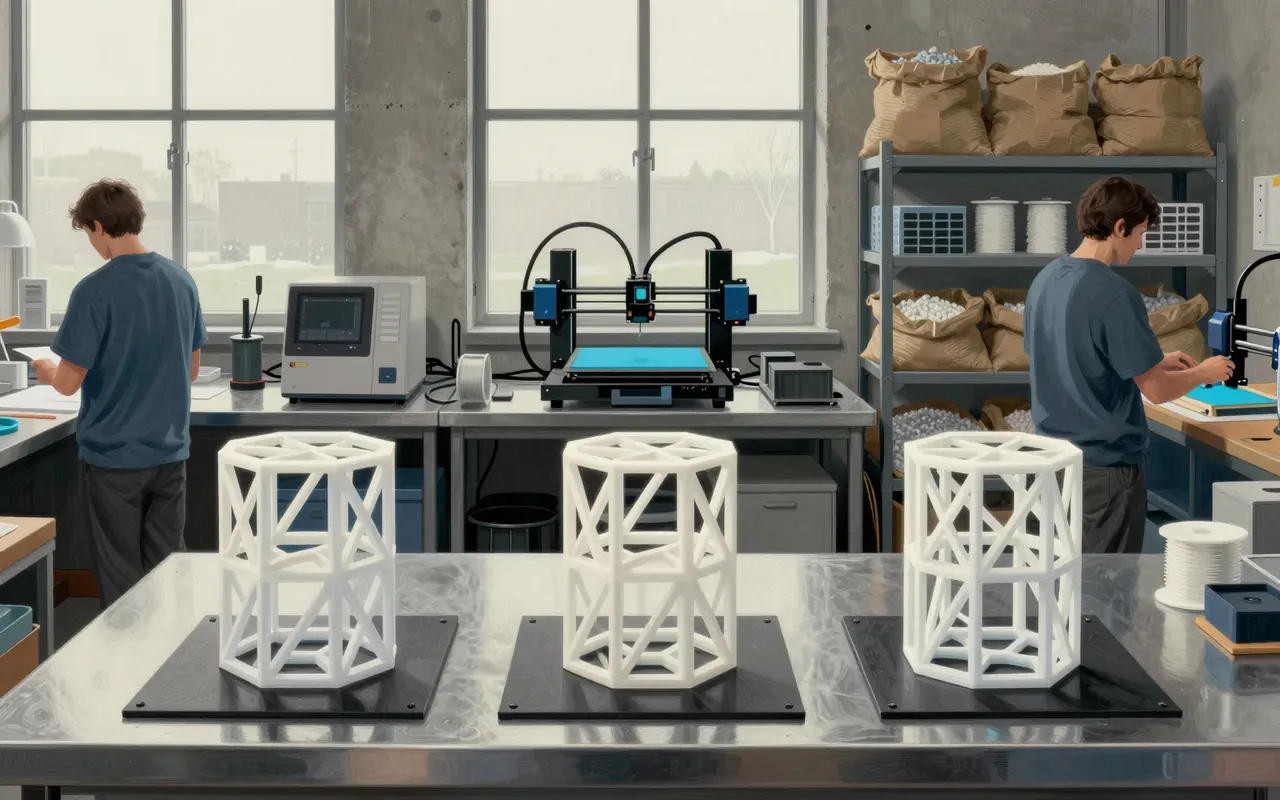
9:54

3D printing

Chuck Hull

3D printing is a layer-by-layer fabrication method rooted in Chuck Hull’s 1984 stereolithography patent. It evolved from rapid prototyping in the 1980s into an industrial production option by 2019. Its real advantage is enabling previously impossible geometries—like hollow or truss-structured parts—that cut weight and waste. Fused deposition modeling (FDM) was the most common process as of 2020. It does not replace conventional manufacturing at scale. It does not solve material consistency, certification, or throughput problems. Its impact is precise, not pervasive.