sciencebriefs
Newest

All briefs

561 briefs · 6515 min · 481–561 on page 6 of 6
8:56

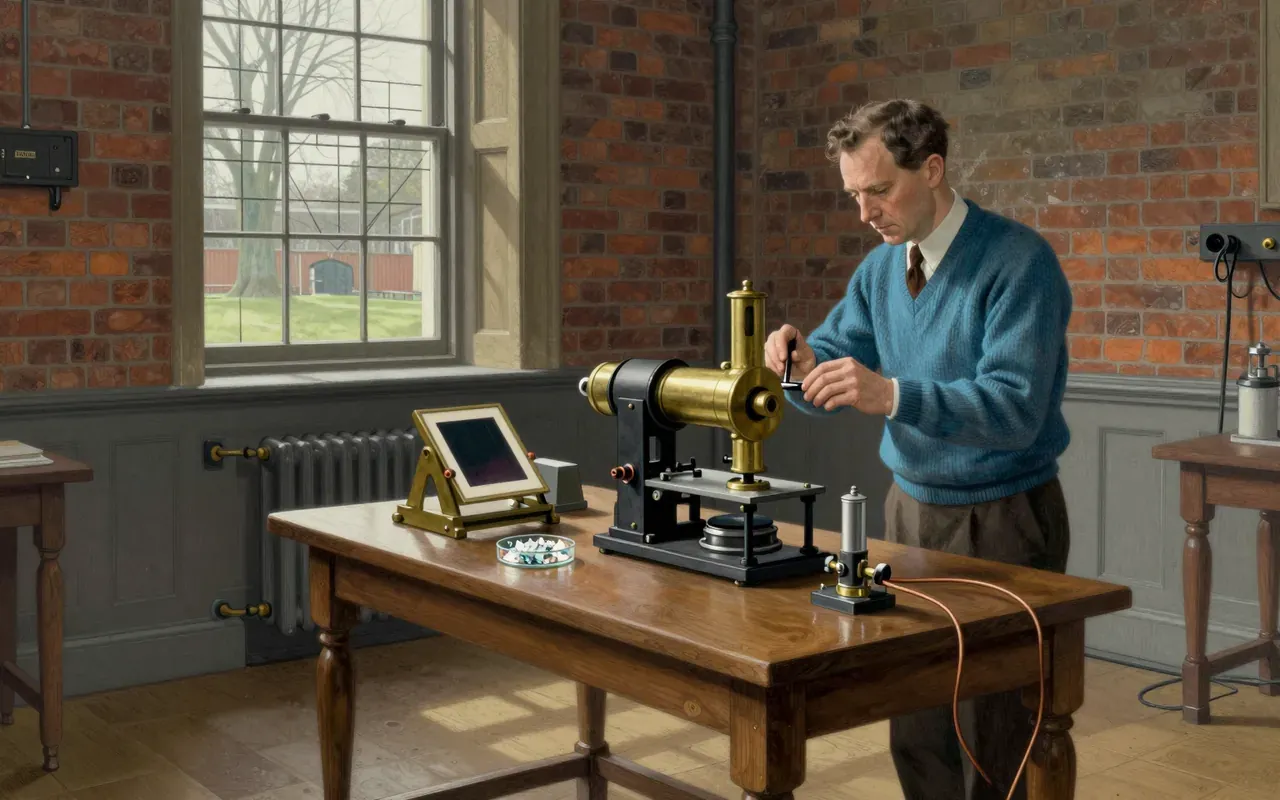
Oscilloscope

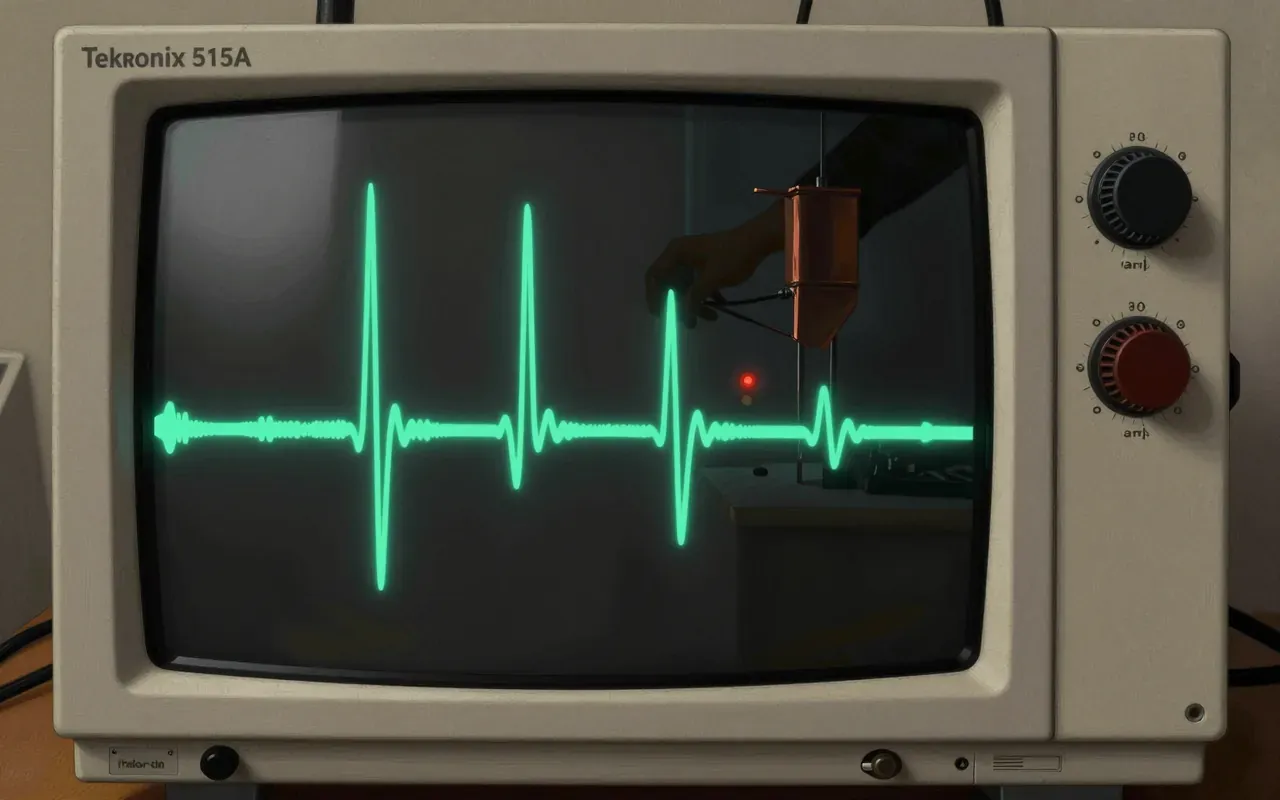
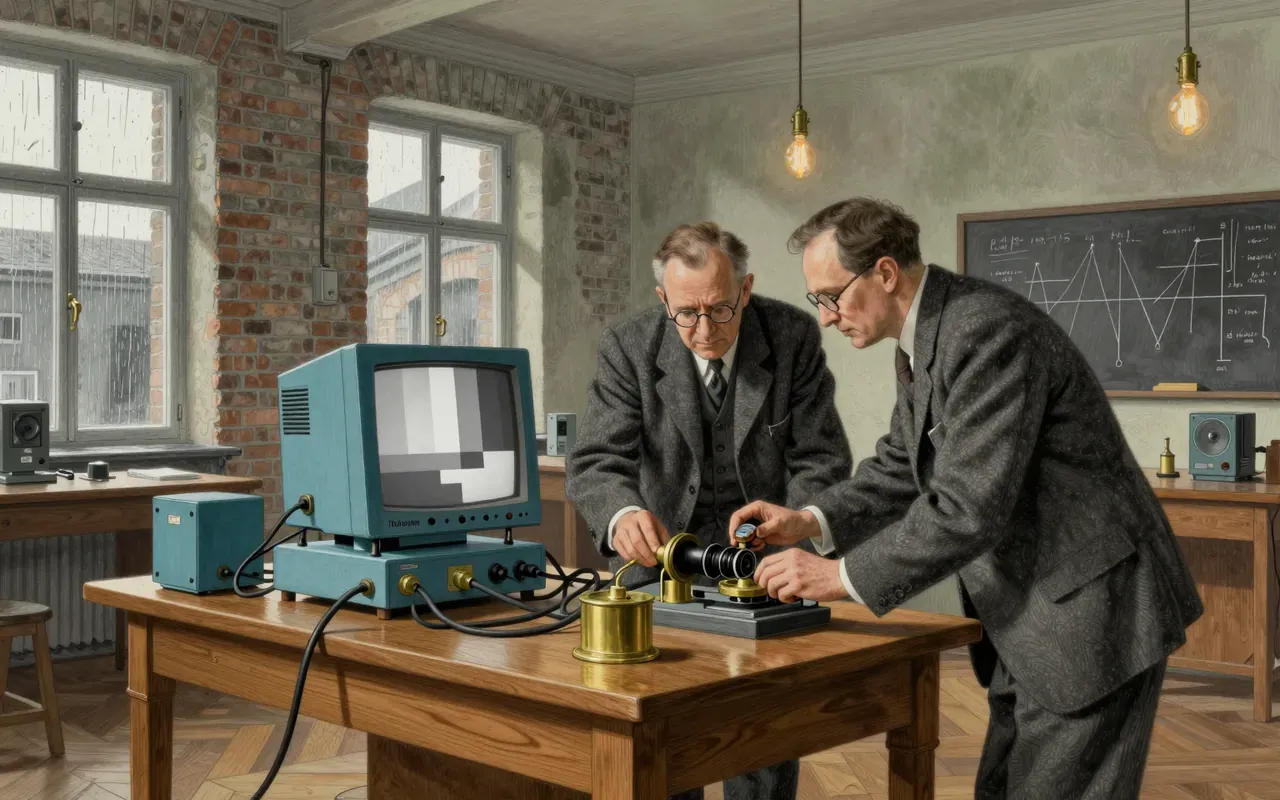
The oscilloscope wasn’t invented — it was incrementally engineered from a clattering mechanical recorder into a portable CRT.
13:00

Recent African origin of modern humans

Mitochondrial DNA studies traced every non-African lineage back to a single African branch, settling a long dispute over whether modern humans arose in one place or evolved in parallel across continents, though later genetics complicated the tidy version of the story.
13:00

P versus NP problem

Stephen Cook's 1971 paper didn't solve P versus NP — it proved one problem could stand for all of them, which is why the question cryptography rests on is still open.
13:00

Patch clamp

Sealing a glass pipette tightly enough against a cell membrane cut background electrical noise so far down that Erwin Neher and Bert Sakmann could finally watch a single ion channel molecule opening and closing, something no earlier technique could isolate at all.
11:08

Pauli exclusion principle

Wolfgang Pauli

The Pauli exclusion principle is not a force or interaction. It is a constraint on how quantum states may be occupied. It arose from spectral anomalies, not theory-first deduction. Its power lies in its austerity: four numbers, one electron, and a sign flip upon exchange. It remains indispensable — and unexplained at root.
13:00

Thermal cycler

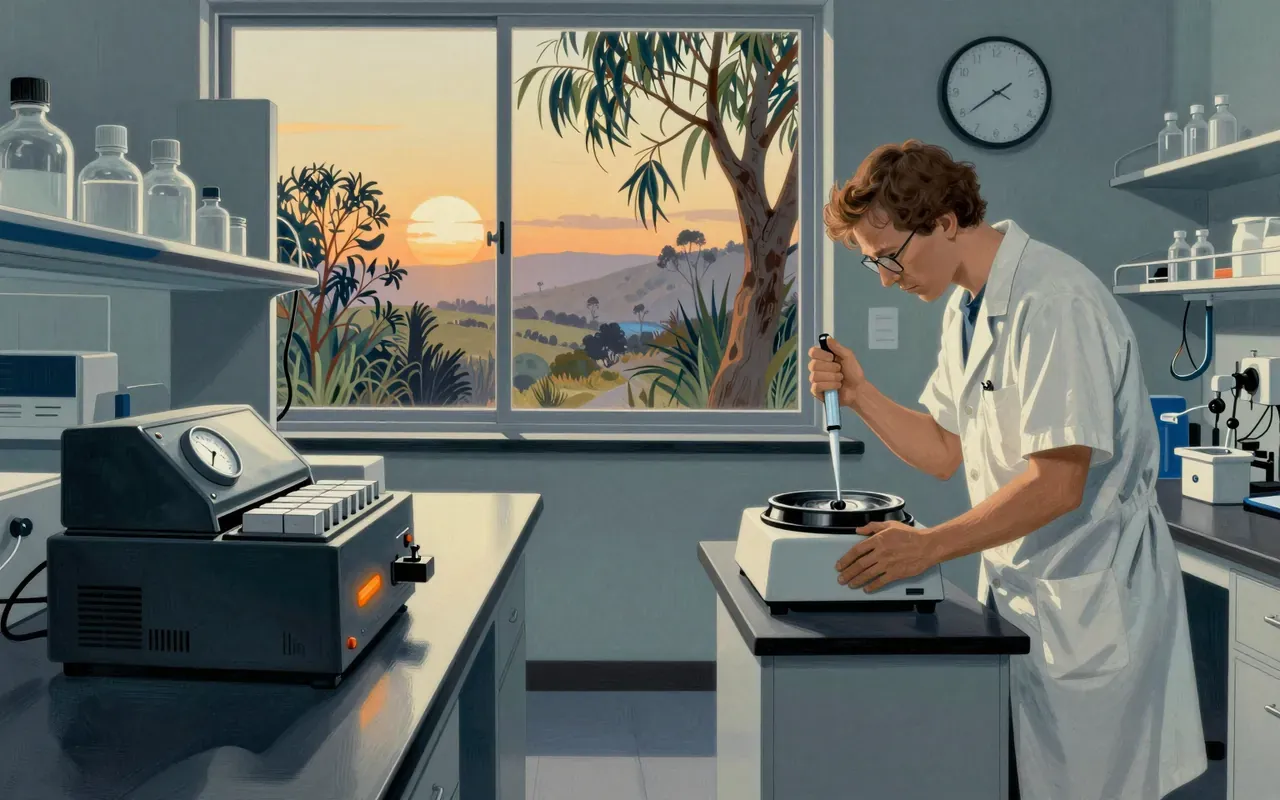
An enzyme borrowed from a bacterium that lives in hot springs let a single sealed machine copy a chosen stretch of DNA over and over, doubling it with every cycle, and turned an idea worked out on a car journey into the standard tool of molecular biology.
13:00

Perseverance (rover)

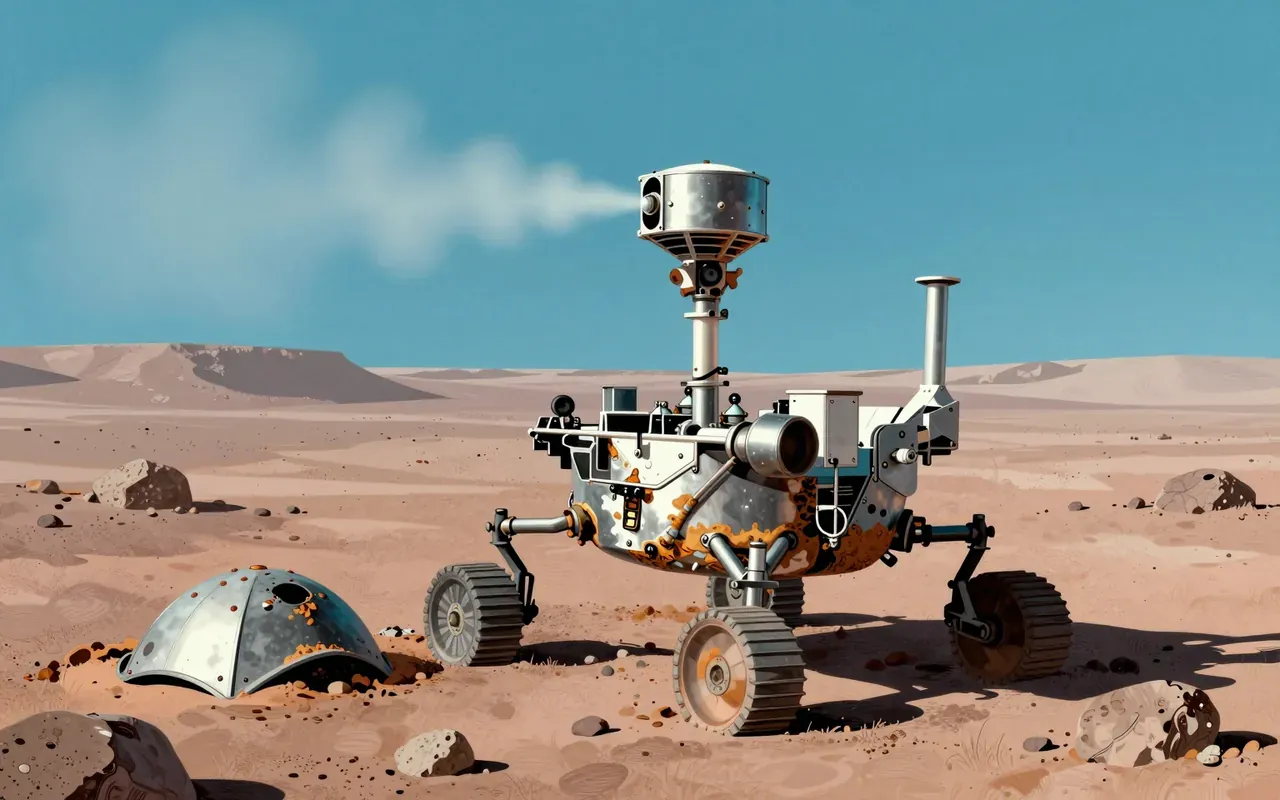
Perseverance's 2021 landing and its instruments have delivered exactly what was engineered, precise navigation, a surprise helicopter programme, oxygen from thin air, but the sample-return mission that would confirm any life finding is stalled.
13:00

Synthetic diamond

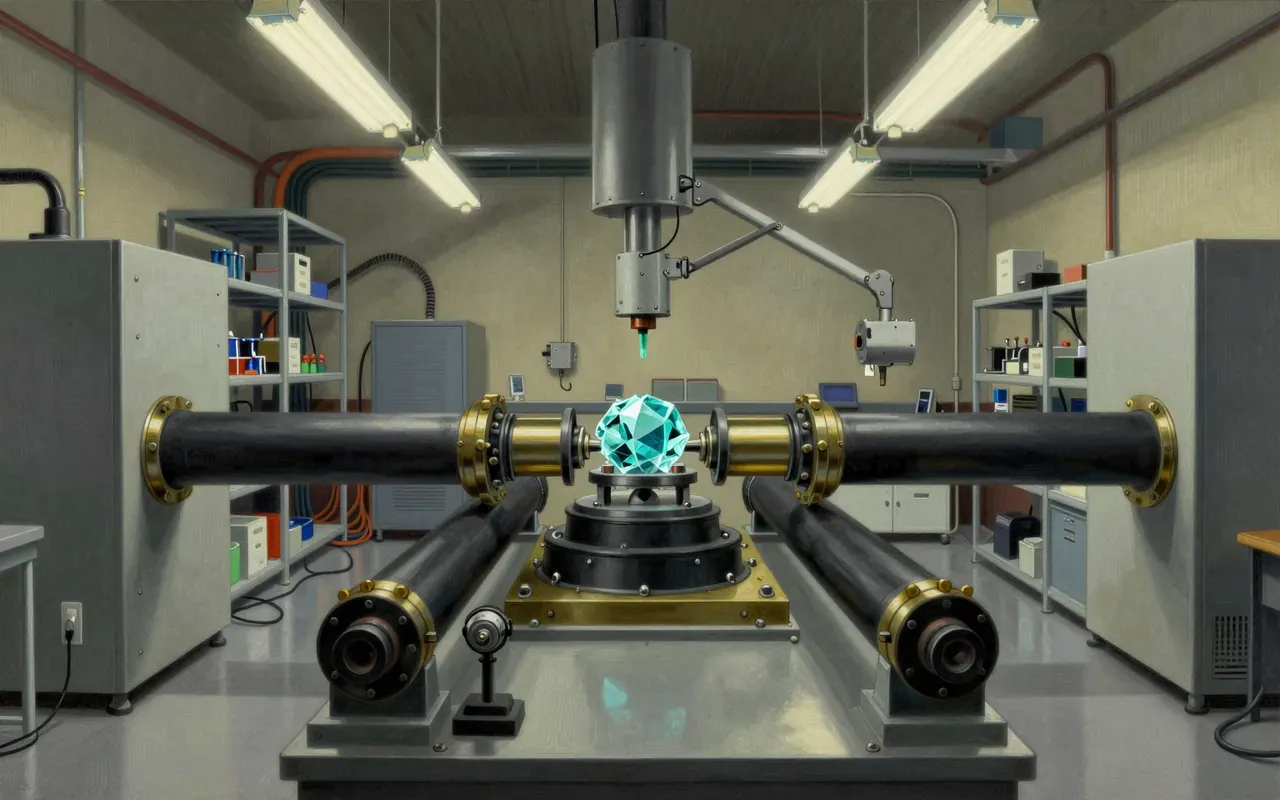
Hall's press squeezed carbon to roughly 100,000 atmospheres and 1,600 degrees Celsius in 1954, and thirty-eight minutes later found actual diamond crystals on a tantalum disk. GE's reward for the invention that built an industry was a ten-dollar savings bond.
13:00

RECOVERY Trial

A single UK trial tested ten COVID-19 treatments in one adaptive framework, found a cheap steroid cut ventilator deaths by roughly a third, and just as firmly ruled out several drugs that had drawn far more public attention.
13:00

Replication crisis

In 2015 a coordinated effort to redo 100 published psychology experiments found only 36 per cent reproduced the original significant result, effect sizes roughly halved on average — a number that turned scattered doubts into a named crisis.
13:00

Ribosome

The ribosome is a machine made mostly of RNA that reads genetic messages and builds proteins one amino acid at a time, and this brief traces how that was worked out and what still counts as settled.
10:53

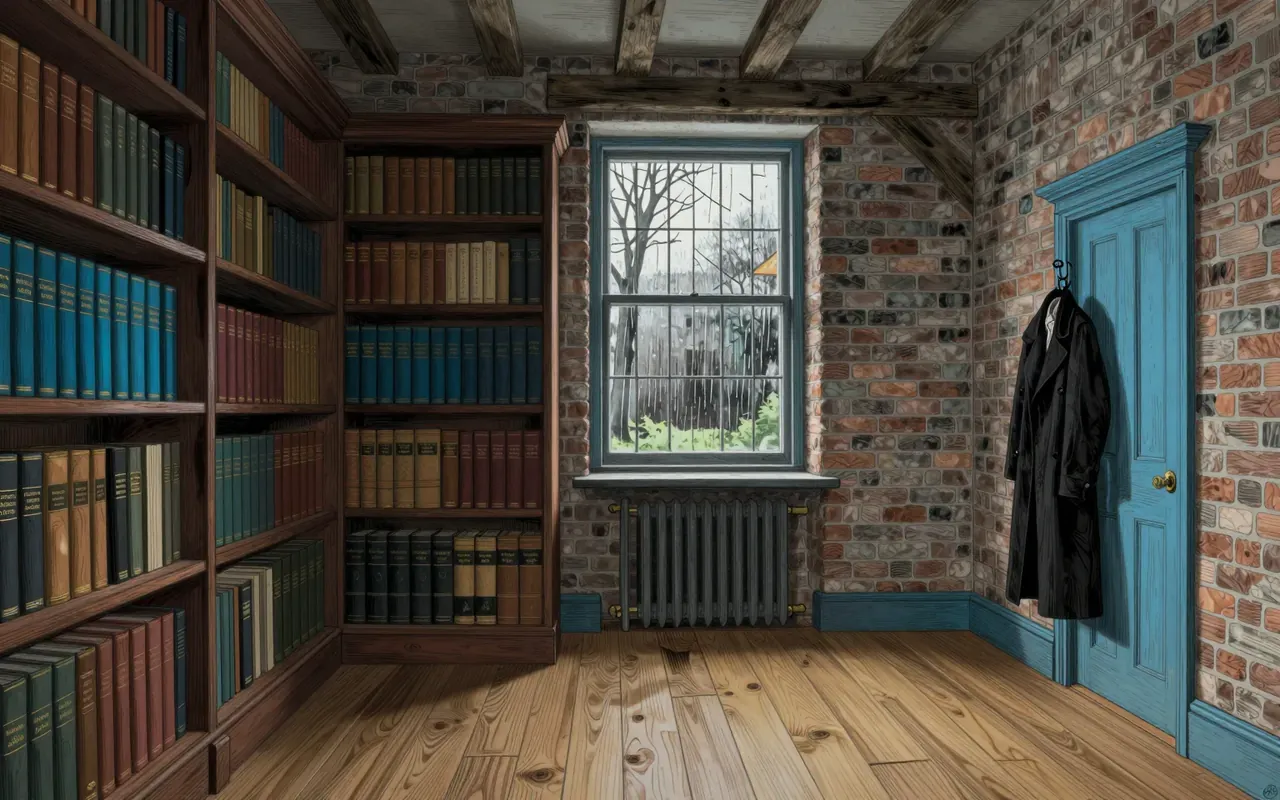
Richter scale

Richter

The Richter scale is a local, instrument-specific amplitude scale — not a universal measure of earthquake size. Its rigour lies in its narrow definition, not its breadth.
11:14

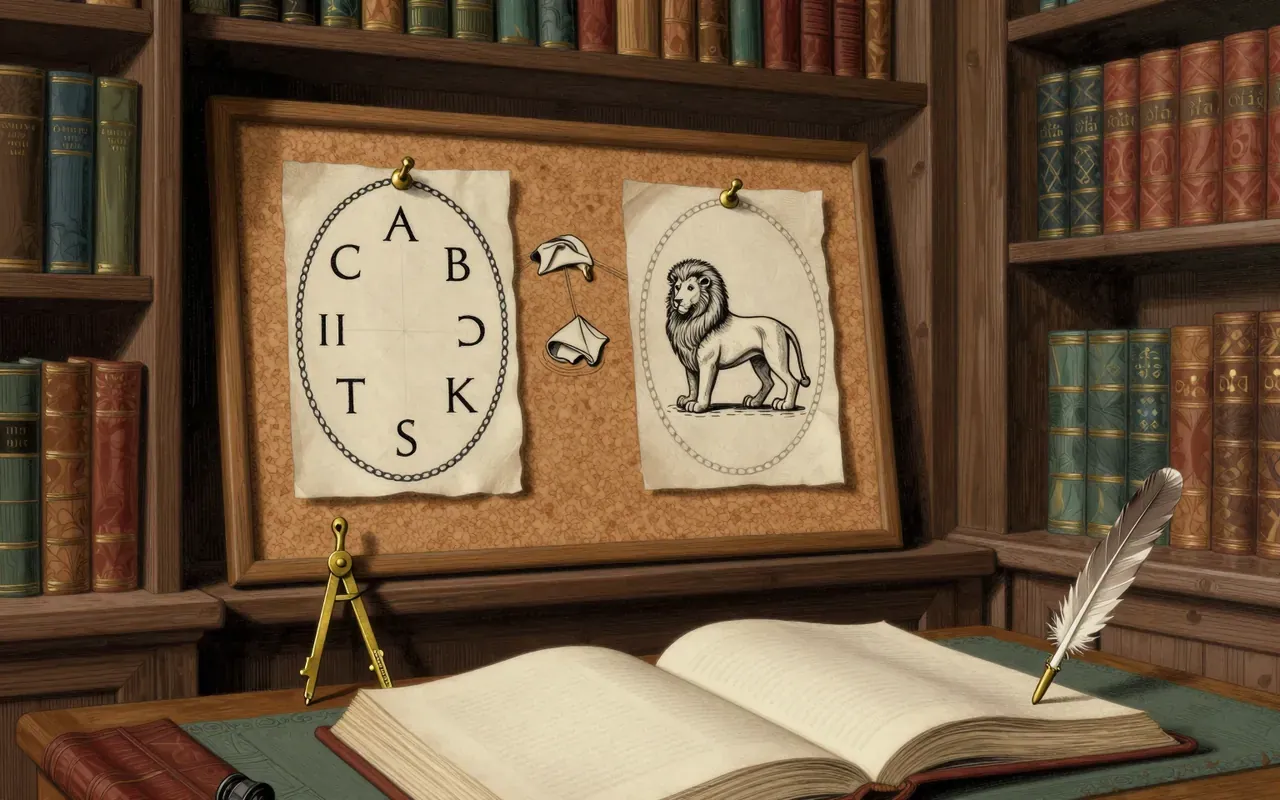
Riemann hypothesis

Bernhard Riemann

Riemann’s 1859 hypothesis is a precise, unproven claim about zeta zeros — central to prime distribution, yet untouched by proof for 165 years.
13:00

Decipherment of ancient Egyptian scripts

Thomas Young worked out that Egyptian cartouches spelled foreign kings' names phonetically; Jean-François Champollion needed one more comparison, in September 1822, to see that the same was true of native Egyptian rulers all along.
13:00

Elastic-rebound theory

After the 1906 San Francisco earthquake, geologist Harry Fielding Reid measured decades of ground bending along the San Andreas Fault and proposed that faults store strain quietly for years before snapping back all at once.
13:00

Scanning tunneling microscope

Quantum tunnelling had been known physics for decades before Gerd Binnig and Heinrich Rohrer built an instrument steady enough to hold a metal tip a few atomic widths above a surface and turn that old effect into a working microscope.
13:00

Seismometer

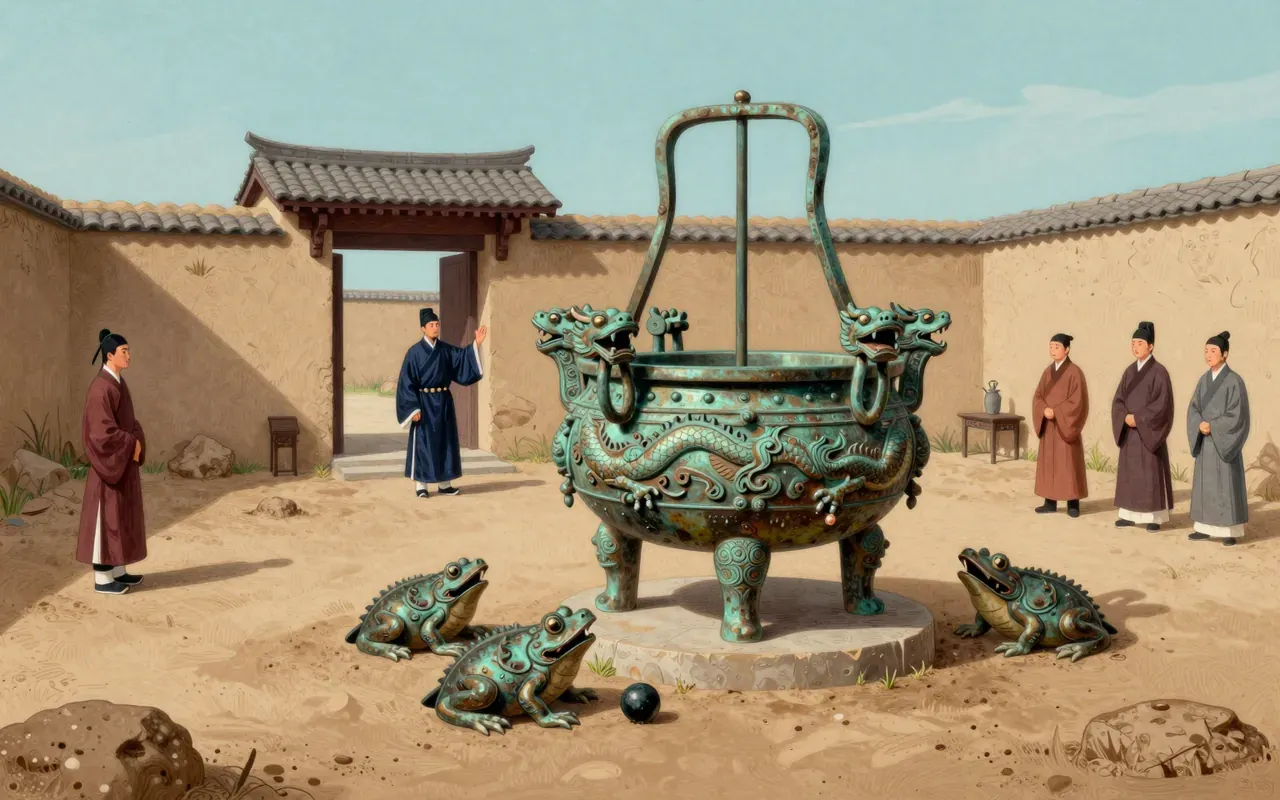
A bronze vessel ringed with dragons detected a Chinese earthquake in AD 143 that nobody nearby had felt, and it took well over a thousand years before any instrument matched what it had already managed to do.
13:00

Gene-centered view of evolution

Richard Dawkins's 1976 book argued natural selection is best understood from the gene's perspective, not the organism's, a framing Stephen Jay Gould called book-keeping mistaken for causality, and one Dawkins himself later regretted titling so misleadingly.
13:00

International System of Units

The metre, the kilogram and five other units used to rest on physical objects kept in a French vault. Now every one of them is fixed to a constant of nature, and the change is quieter than it sounds.
13:00

Optical spectrometer

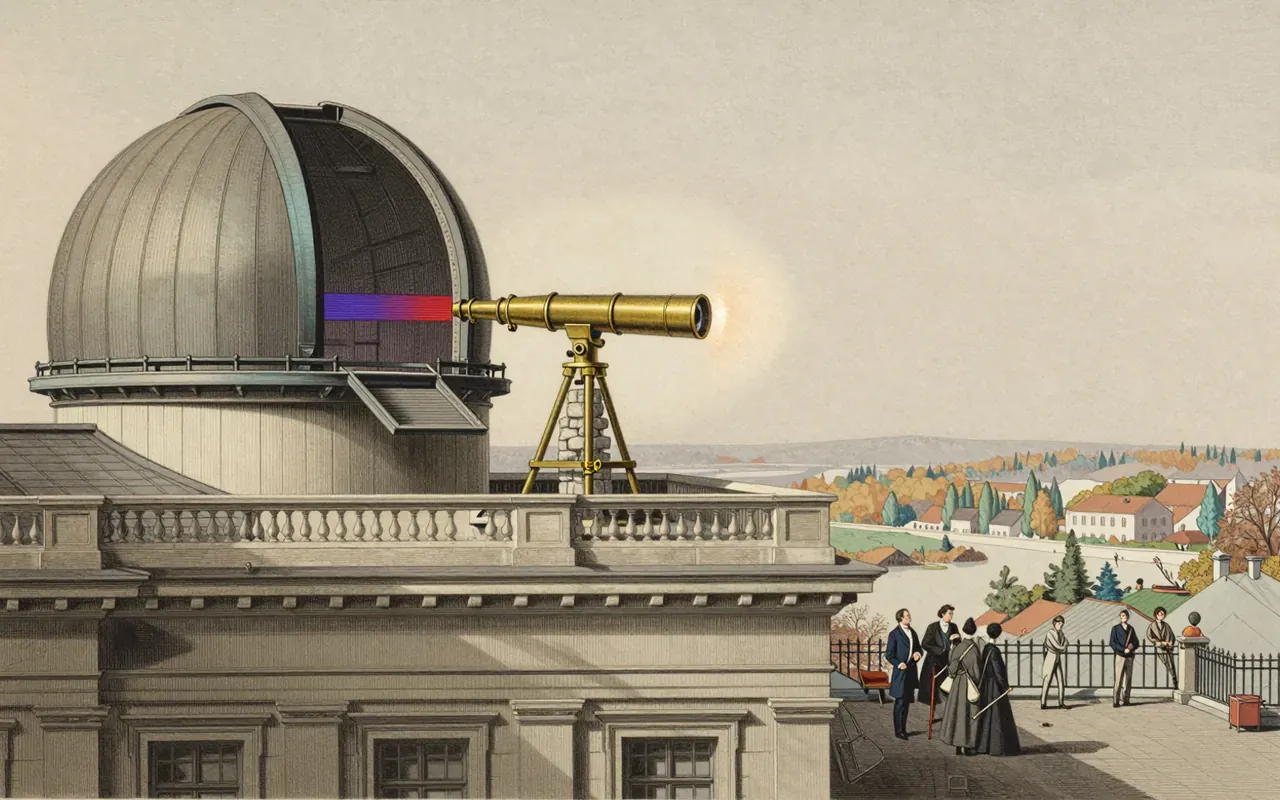
In 1815 a German physicist counted six hundred dark gaps in the spectrum of sunlight, and within a few decades that oddity had become a method for reading the chemical makeup of a flame in a laboratory or a star many light years away.
13:00

Split-brain

Sperry and Gazzaniga's split-brain experiments showed real hemisphere specialisation and a left-brain 'interpreter' that invents confident reasons for actions it didn't cause, but not the tidy left-brain, right-brain myth it spawned.
13:00

Standard Model

Built up piece by piece from the 1960s to the 2012 discovery of the Higgs boson, the Standard Model correctly predicts particle physics down to its component quarks and forces, while leaving gravity and dark matter untouched.
13:00

Stethoscope

In 1816 Rene Laennec rolled a sheet of paper into a tube rather than press his ear to a female patient's chest, and the instrument he built from that improvisation let him match chest sounds to disease for the first time.
13:00

Ion channel

Roderick MacKinnon's 1998 crystal structure of a bacterial potassium channel showed the shape that lets potassium pass freely while turning away the smaller sodium ion — a puzzle that had stood since Hodgkin and Huxley's electrical studies of the 1950s.
13:00

Wöhler synthesis

Wöhler heated ammonium cyanate in 1828 and got urea. Textbooks still call this the moment vitalism died on the spot. A 2000 survey found nine in ten chemistry textbooks repeat that version, and the actual history took another seventeen years to catch up.
13:00

Theory of mind

Wimmer and Perner's 1983 false-belief task, staged as the Sally-Anne test with two dolls and a moved marble, showed children under about four cannot yet grasp that someone else can believe something the child knows to be false — a milestone since disputed on what it measures.
13:00

Tiktaalik

Neil Shubin's team predicted where a fish-to-land transitional fossil should be found, went looking on Arctic Ellesmere Island, and found Tiktaalik, though a 2010 trackway discovery has since complicated the tidy story of what it represents.
13:00

Transistor

Three Bell Labs physicists built a working solid-state amplifier in December 1947, and the falling-out that followed shaped how the transistor reached the market as much as the physics did.
13:00

BCG vaccine

Albert Calmette and Camille Guerin spent thirteen years weakening a tuberculosis strain into the BCG vaccine, first given to a child in 1921, whose protection has since proved real but strikingly inconsistent from one country to the next.
9:04

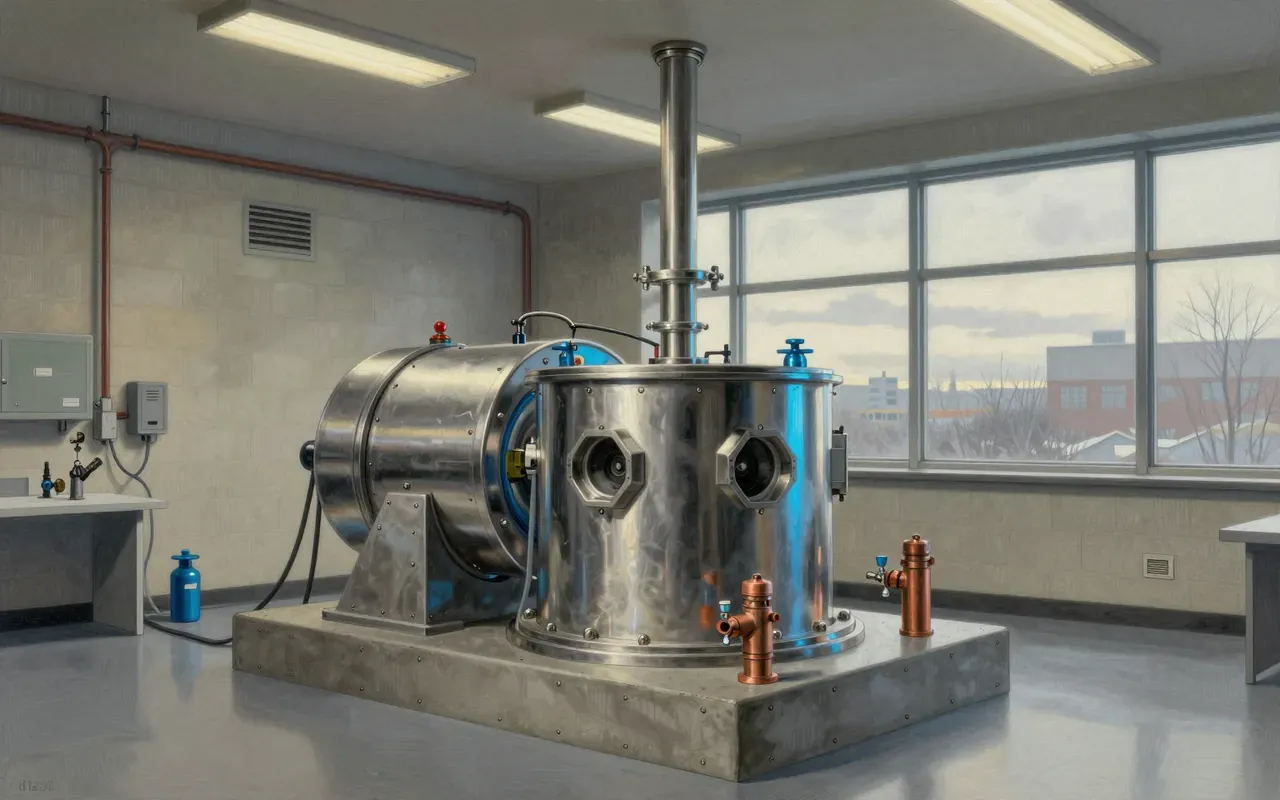
Turing test

Alan Turing

The Turing test is a precise, behaviour-first redefinition of intelligence—not proof of thought, but a standard for functional equivalence in dialogue. It endures because it is simple, testable, and ruthlessly limited.
9:44

Ultracentrifuge

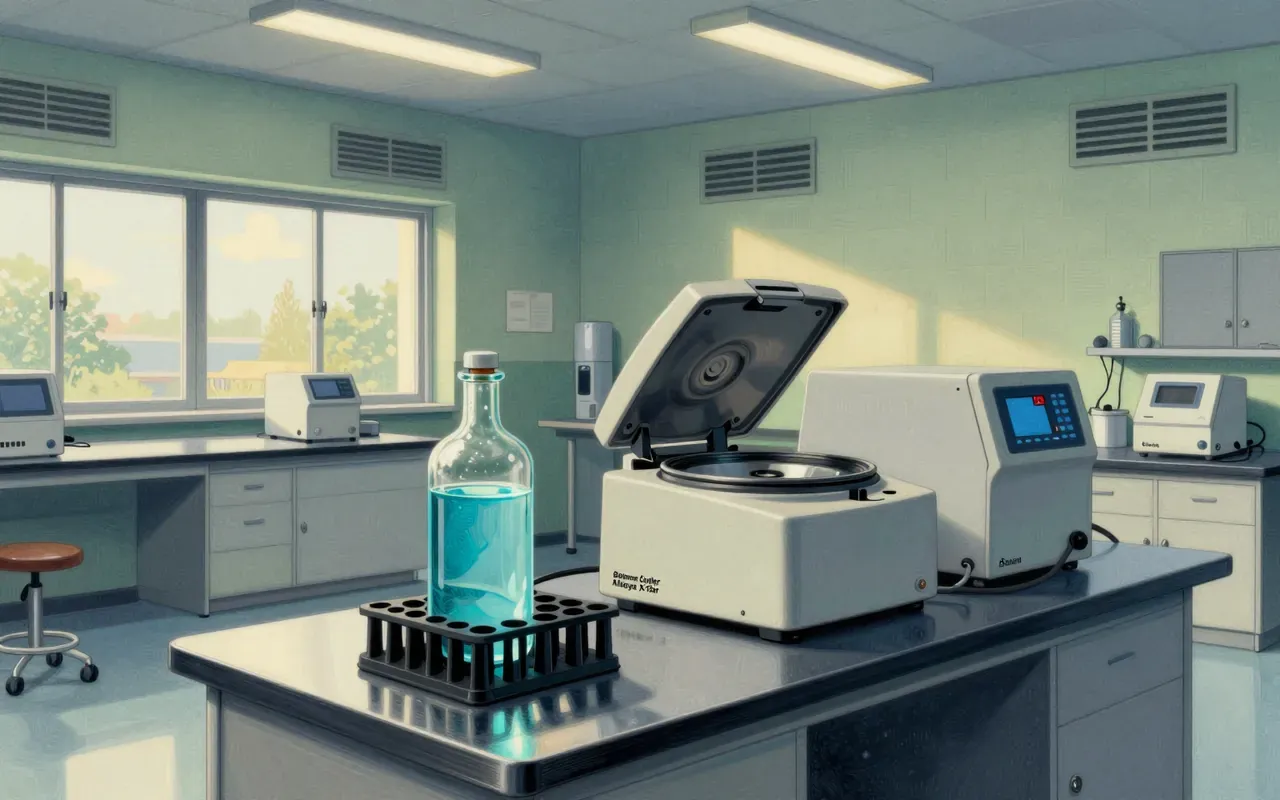
It didn’t reveal life’s blueprint — it gave biologists the first tool to hold molecules still enough to weigh them.
9:28

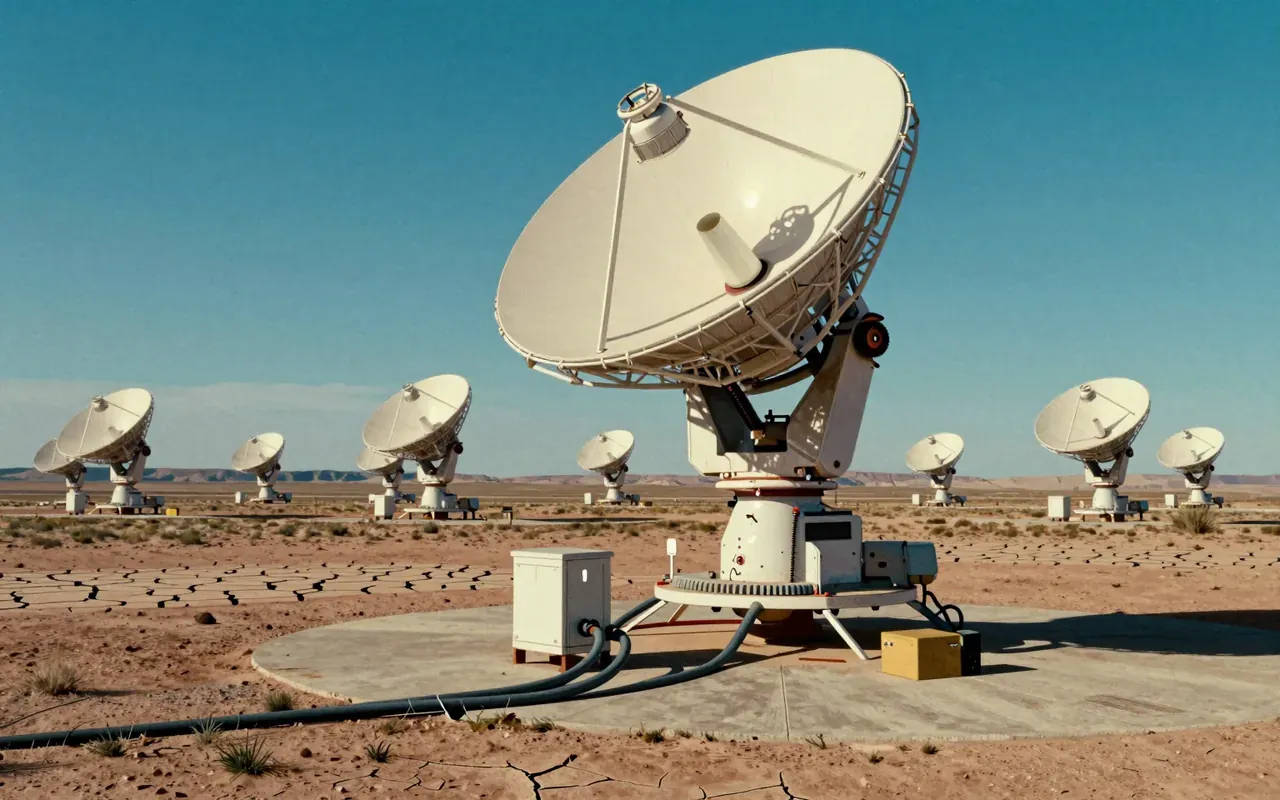
Very Large Array

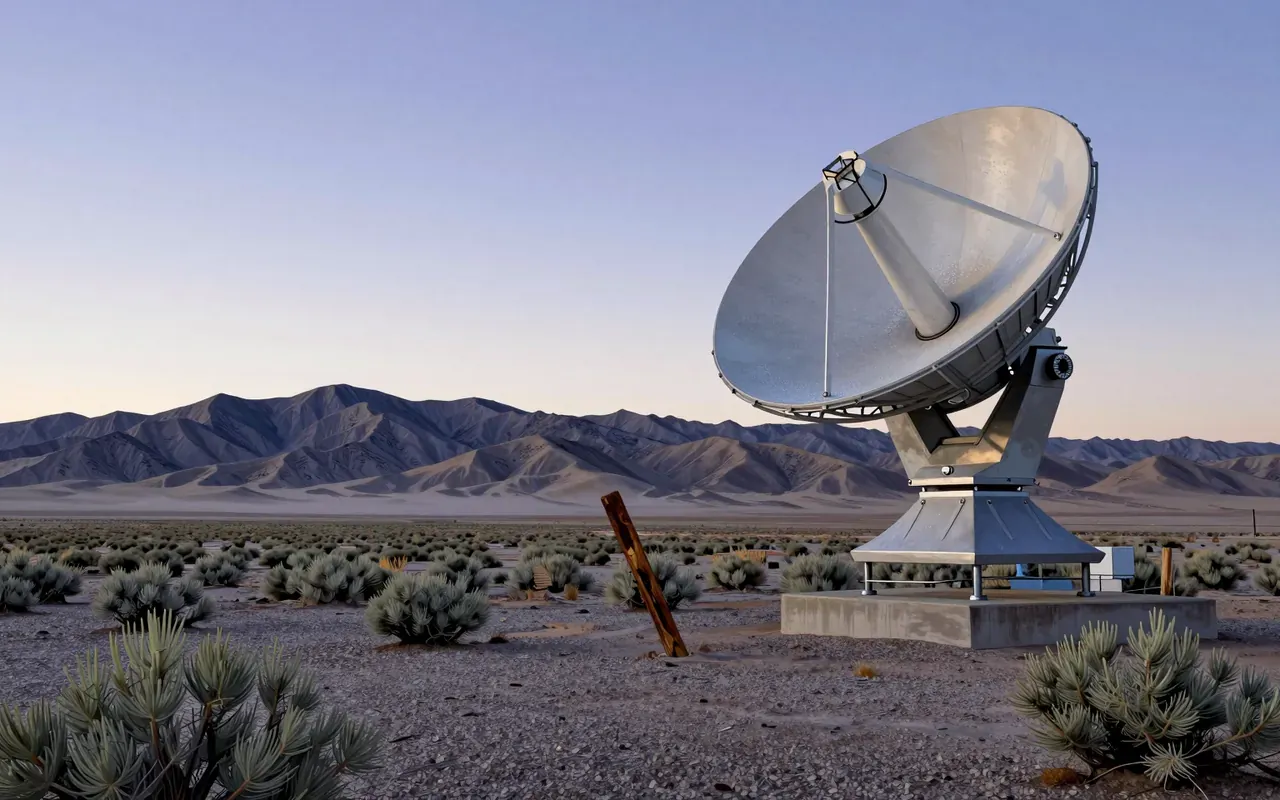
The VLA did not invent radio interferometry — it weaponised reconfigurability.
13:00

MMR vaccine and autism

A 1998 study of twelve children claiming a link between MMR vaccine and autism took thirteen years to be formally called fraud, and vaccination rates and measles cases moved in step the whole time.
11:30

Wow! signal

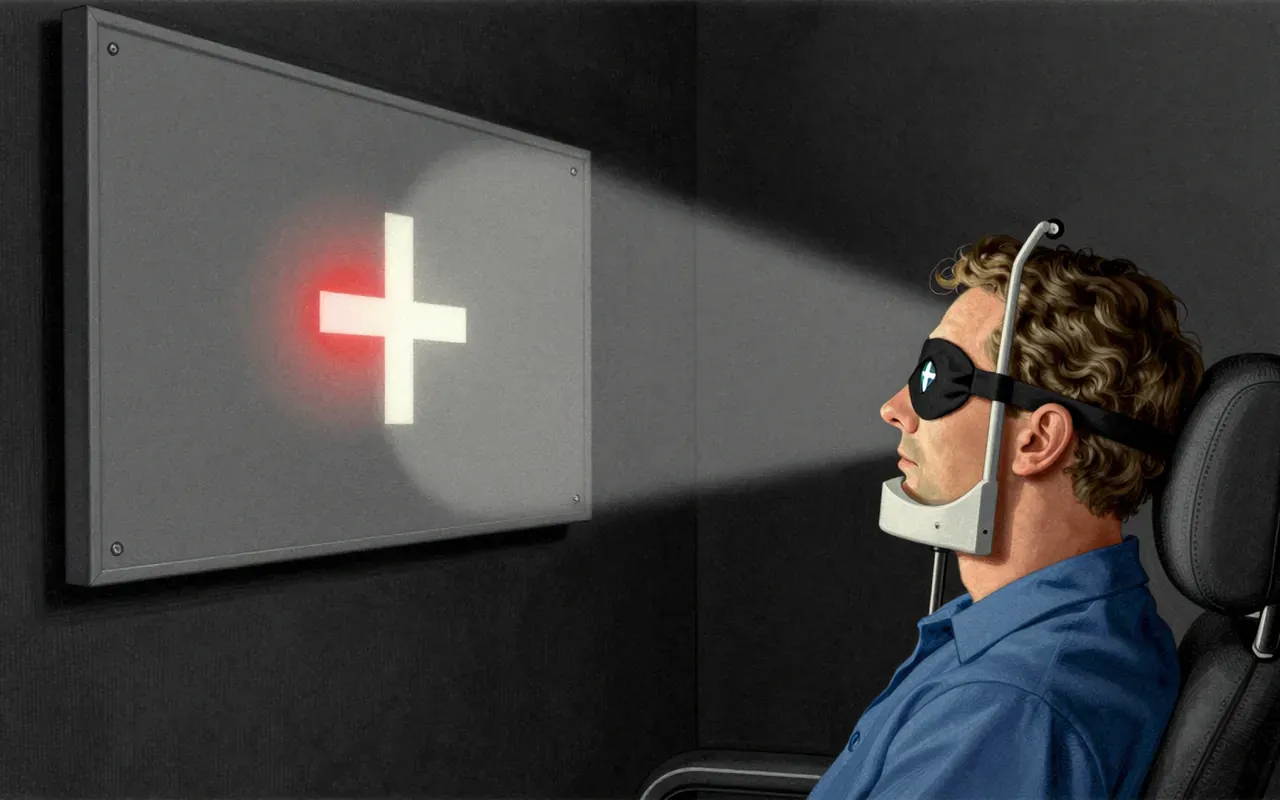
A single 72-second blip — thirty times louder than noise, narrower than 10 kHz, never seen again — is not evidence of aliens. It is evidence of how easily curiosity outruns verification.
13:00

Younger Dryas

The Younger Dryas plunged the Northern Hemisphere back into cold within decades, and while most researchers link it to a slowdown in Atlantic ocean circulation, a rival comet-impact idea has been examined and largely rejected.
13:00

First law of thermodynamics

A brewer with no university post announced in 1843 that he had measured how much mechanical work turns into a fixed amount of heat. He was met with silence. Four years later Helmholtz's own declaration of energy conservation credited him by name.
9:39

Thomas Henry Huxley

Huxley didn’t just defend evolution — he rebuilt animal classification from the inside out, using scalpels, not sermons.
10:28

Thomas Hunt Morgan

Morgan didn’t discover the gene — he pinned it to a chromosome, and proved inheritance was mechanical, not mystical.
11:01

Tim D. White

Two fossils—one 4.4 million, one 2.5 million years old—don’t prove human ancestry, but they do break the timeline into testable chunks.
13:00

Topological insulator

Charles Kane and Eugene Mele predicted in 2005 that a material could conduct only along its edges while remaining insulating throughout its interior, and a mercury telluride sandwich confirmed it two years later.
13:00

Transformer (deep learning)

A 2017 Google paper argued attention alone, without the recurrent processing every prior language model relied on, could handle sequences better and in parallel, and that architectural bet underlies essentially every large language model built since.
13:00

Transposable element

Barbara McClintock's 1940s maize experiments revealed that genes can change position within a genome, a finding dismissed for decades until molecular biology confirmed it and belatedly earned her an unshared Nobel Prize.
13:00

Tsunami

Tsunamis begin when a megathrust earthquake abruptly lifts or drops a stretch of seafloor, and the resulting wave stays almost invisible in the open ocean before growing dangerous as it reaches shallow water.
13:00

Turing machine

Alan Turing's 1936 paper described a machine that never got built, made of an infinite tape and a table of rules, to answer a narrow question about mathematical logic — and in doing so proved some problems can never be solved by any computer at all.
9:42

Tycho Brahe

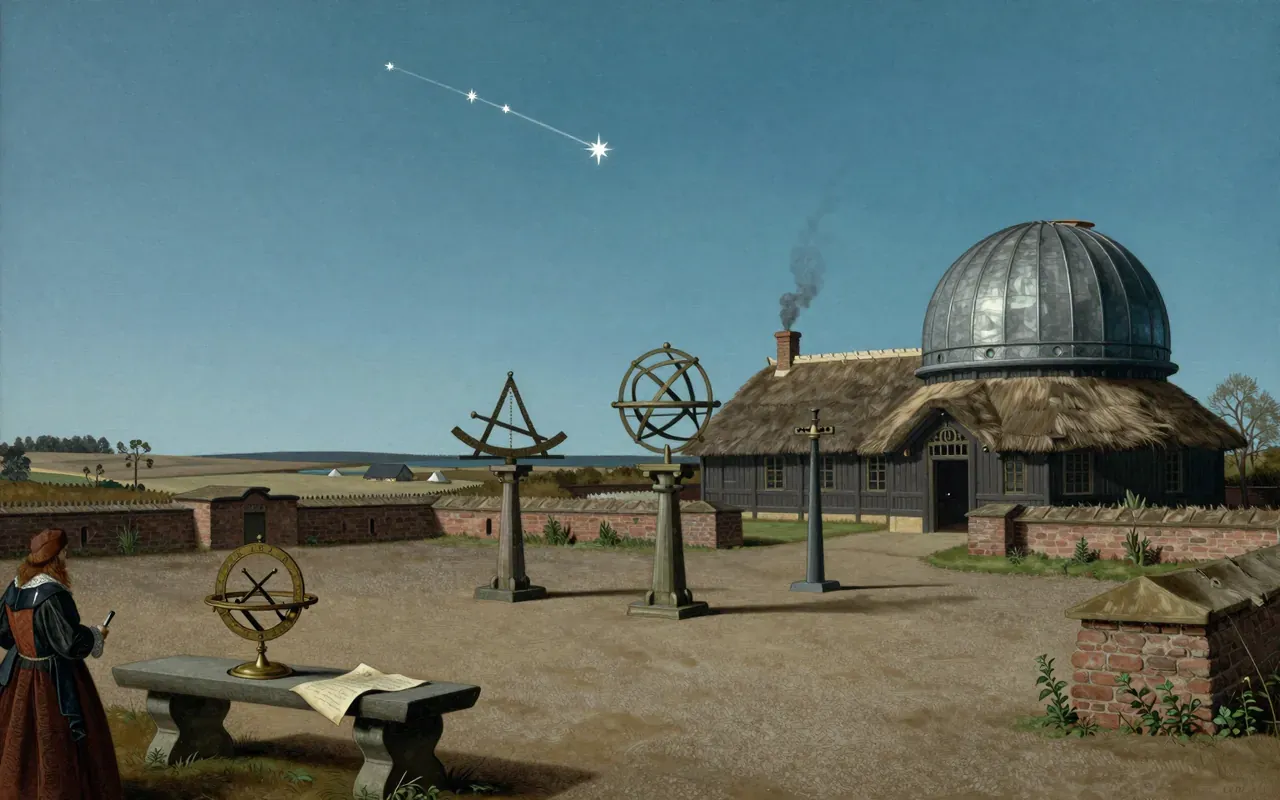
A naked-eye parallax measurement ended celestial immutability — not with a theory, but with a ruler held against the stars.
13:00

SN 1572

In 1572 a new star appeared in Cassiopeia and refused to shift position the way anything closer than the Moon should, and Tycho Brahe's careful measurement of that non-movement helped crack the idea that the heavens never change.
13:00

Uniformitarianism

James Hutton and Charles Lyell argued that the slow processes shaping the Earth today have always operated the same way, and reading that logic backward is what first showed the planet had to be far older than tradition allowed.
13:00

Rabies vaccine

In July 1885 Louis Pasteur gave an unlicensed, ethically fraught treatment to a bitten nine-year-old, having claimed far more animal testing than his own lab notebooks later showed he had actually done.
12:07

Van der Waals equation

Johannes van der Waals

Van der Waals’s 1873 equation was the first thermodynamic model to treat fluids as composed of real molecules — with finite size and mutual attraction — and it successfully described both liquid and gas phases, predicted critical-point behaviour, and yielded quantitative estimates of molecular size and attraction strength. It did not prove molecular existence, nor does it hold across all conditions. Its value lies in making molecular assumptions productive — long before they were directly observable.

10:16

Vera Rubin

Rubin didn’t find dark matter — she proved galaxies shouldn’t hold together without it.
9:05

Viktor Frankl

Meaning is not discovered — it is assigned, argued for, and clinically deployed.
13:00

Vitamin C

James Lind showed citrus cured scurvy in 1747 and the advice was ignored for decades; Albert Szent-Györgyi isolated the actual compound in 1927 and still needed another scientist's proof to confirm what he had found.
13:00

Vitamin D

Cod liver oil and sunlight looked like unrelated folk remedies for rickets until researchers proved both worked through the same molecule, vitamin D — a discovery that eliminated a disfiguring childhood disease at national scale.
9:49

Vladimir Vernadsky

Life isn’t just on Earth — it *is* Earth’s geology, and minds are its next stratum.
9:53

Vladimir K. Zworykin

Zworykin didn’t invent television—he weaponised the cathode-ray tube and made it central to its first electronic incarnation.
13:00

Volcanic winter

Sulphate haze from Tambora's 1815 eruption cooled the world enough to freeze crops in New England, and that one well-documented winter anchors the theory of how big eruptions chill the planet.
13:00

Continental drift

Wegener's 1912 evidence for drifting continents was sound, but geologists rightly rejected it for lacking a mechanism, until seafloor spreading and magnetic striping supplied one roughly fifty years later.
9:30

Wendy Freedman

She pinned down how fast the Universe expands — not with theory, but with stars as rulers.
8:58

Werner Heisenberg

Heisenberg didn’t discover uncertainty — he abolished the idea that particles have definite positions and momenta at all.
10:35

William Buckland

He proved hyaenas once ruled Yorkshire caves—but still buried them under Noah’s flood.
11:03

William Herschel

Herschel didn’t just find new things — he invented how to measure what light *does*.
10:00

Baddeley's model of working memory

Alan Baddeley and Graham Hitch · 1974

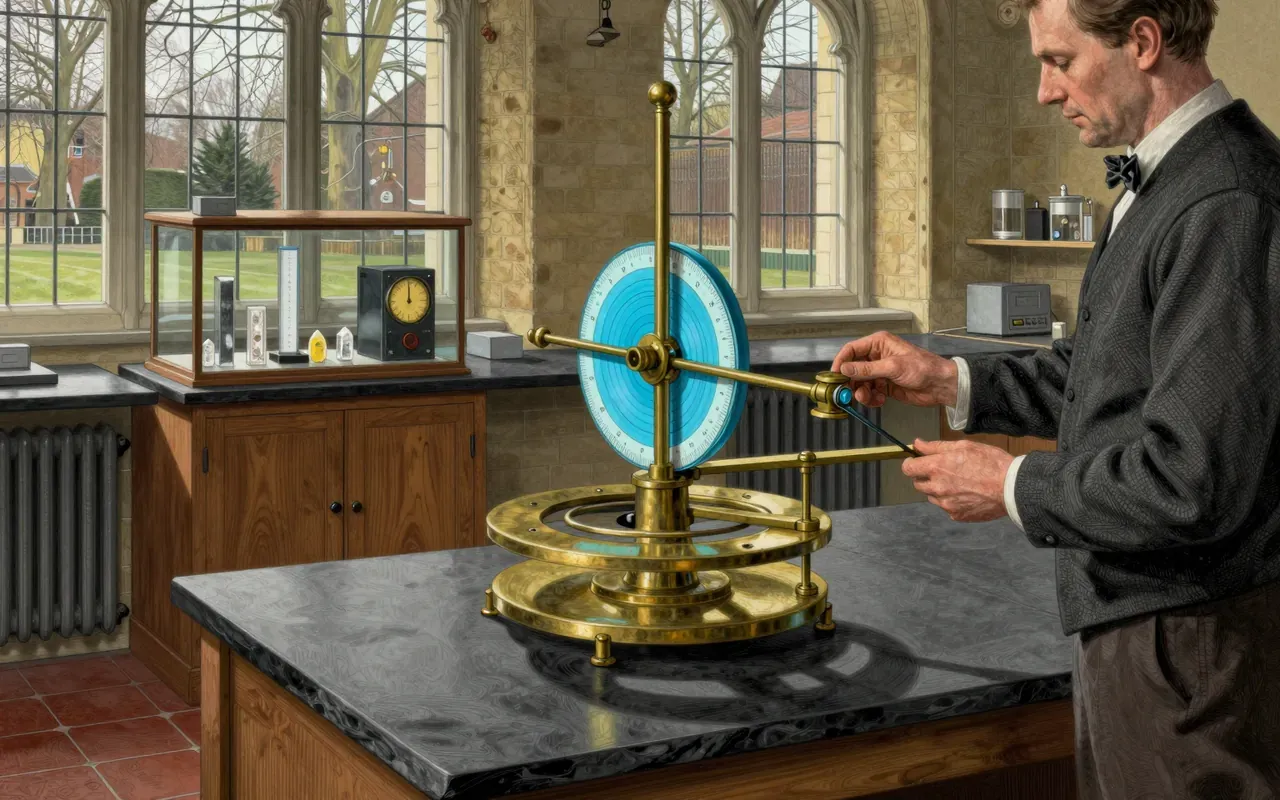
Baddeley and Hitch’s 1974 model reframed working memory as a set of interacting, domain-specific components — not a single bottleneck. Dual-task interference, the word length effect, and amnesic patient profiles provide direct empirical support. Later additions (episodic buffer in 2000, renamed awareness buffer in 2026) extend but do not overturn the core claim of fractionation. It remains indispensable — not because it is complete, but because it is falsifiable, componential, and repeatedly predictive.
11:22

X-ray crystallography

William Henry Bragg and William Lawrence Bragg

The Braggs established X-ray crystallography as a quantitative physical method by linking diffraction geometry to atomic spacing — using simple crystals, mechanical rotation, film detection, and arithmetic. They did not image atoms. They inferred lattice periodicity. Their work is durable, narrow, and strictly instrumental.
13:00

Xerophile

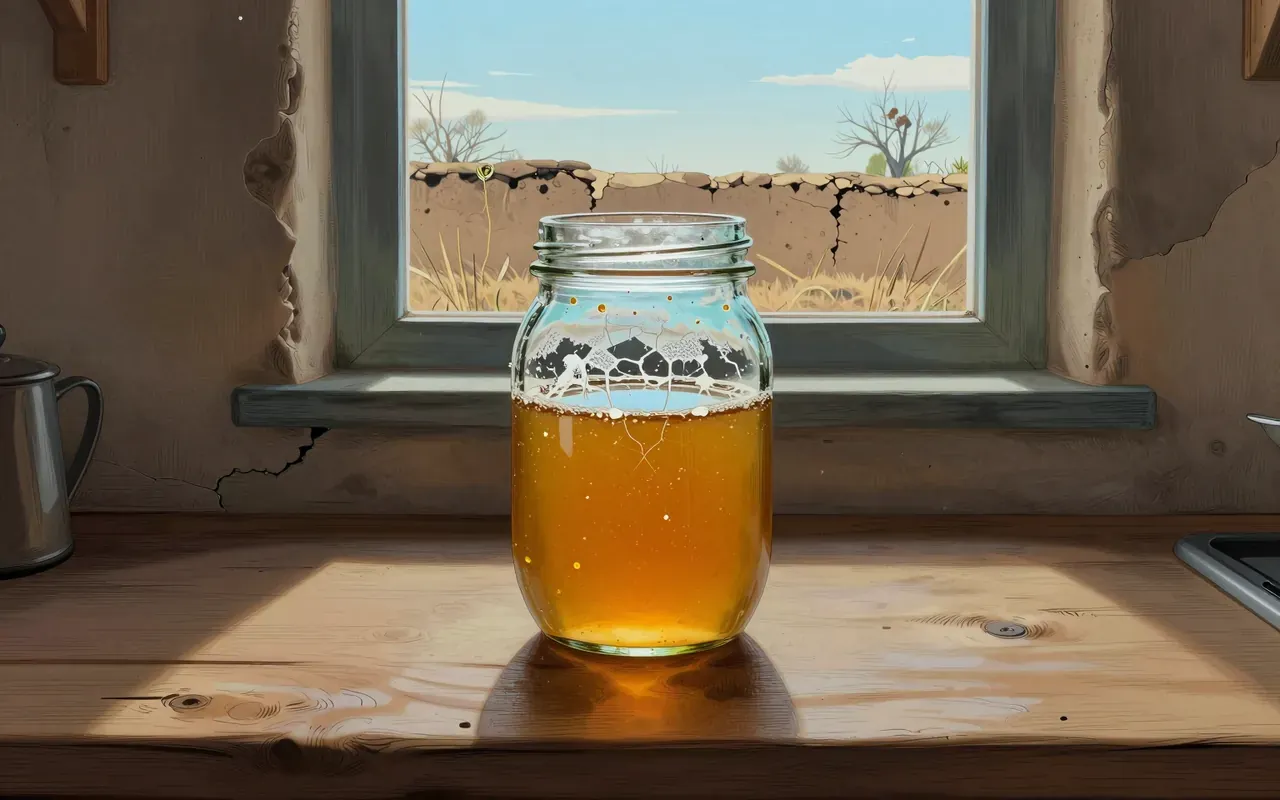
Honey and jam are supposed to be too dry inside for anything to grow, yet certain fungi manage it anyway, and this brief follows the specific chemistry that lets xerophiles colonise exactly the low-water conditions food preservation depends on.
9:37

Induced pluripotent stem cell

Yamanaka

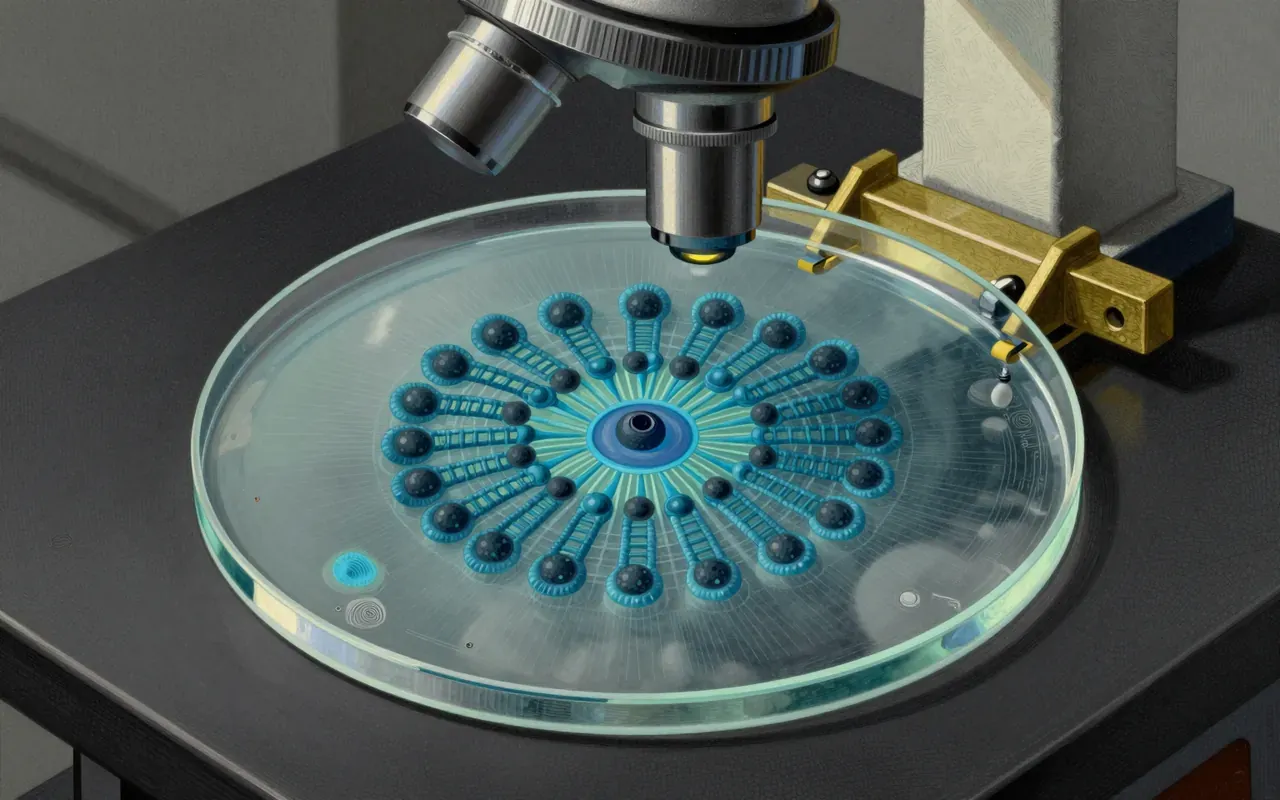
iPSCs are somatic cells reprogrammed to pluripotency using four transcription factors. Demonstrated in 2006 in mouse fibroblasts via retroviral delivery and Fbx15 selection. Established direct reprogramming as possible—but only to the level of Fbx15 reactivation, not full pluripotency validation.
10:32

Zheng He

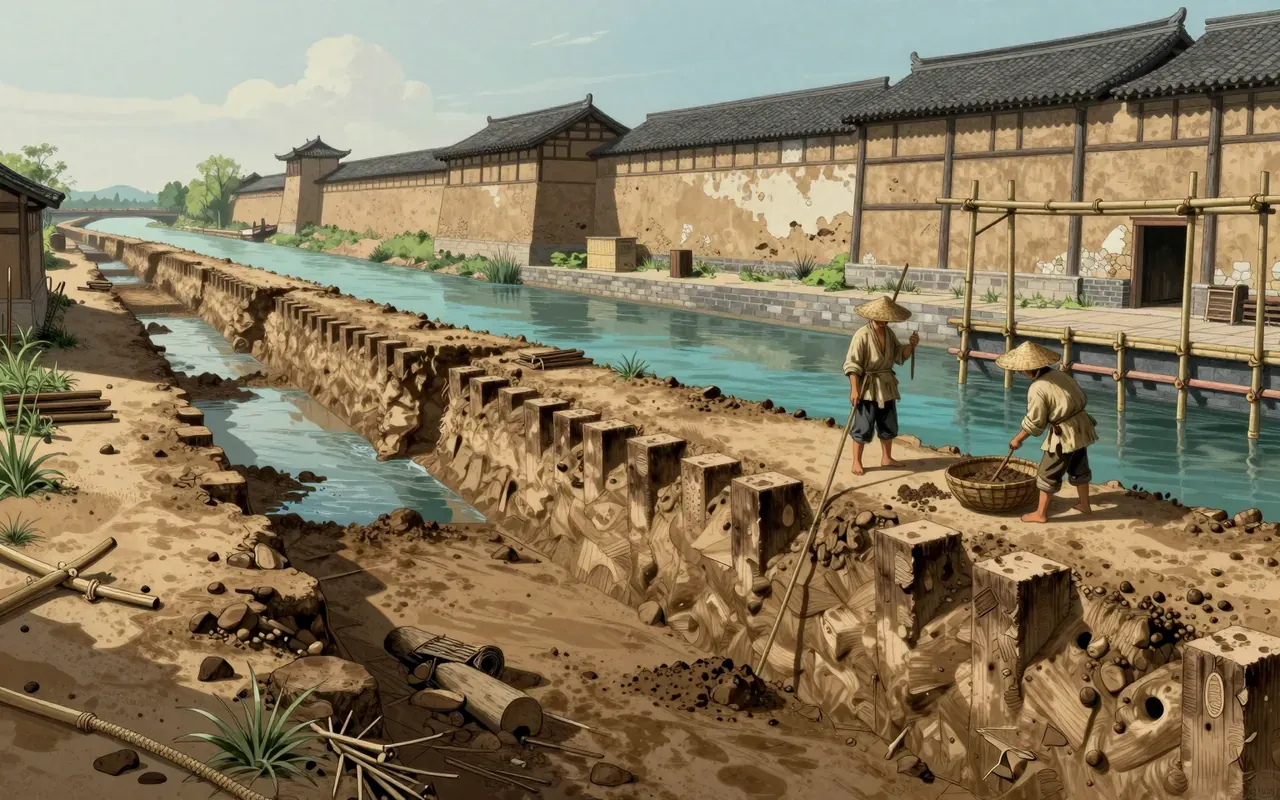
Zheng He’s voyages were real, massive, and meticulously documented—but they were diplomatic pageants, not proto-colonial campaigns.
13:00

Zinc finger

Aaron Klug's laboratory found that a small zinc-stabilised loop of protein, first spotted in a frog transcription factor, recurs across the genome as a modular way for proteins to grip specific DNA sequences.
11:07

Zu Chongzhi

Zu Chongzhi didn’t just approximate π — he built a 24,576-sided polygon and used geometry to outcompute Europe by nine centuries.
8:27

Mass–energy equivalence

Albert Einstein · 1905

Einstein’s 1905 derivation unified mass and energy conceptually — not empirically. It replaced two conservation laws with one. It did not predict applications. It did not contain E = mc² as written. Its power lies in logical necessity, not experimental novelty.
9:33

On the Origin of Species

Charles Darwin

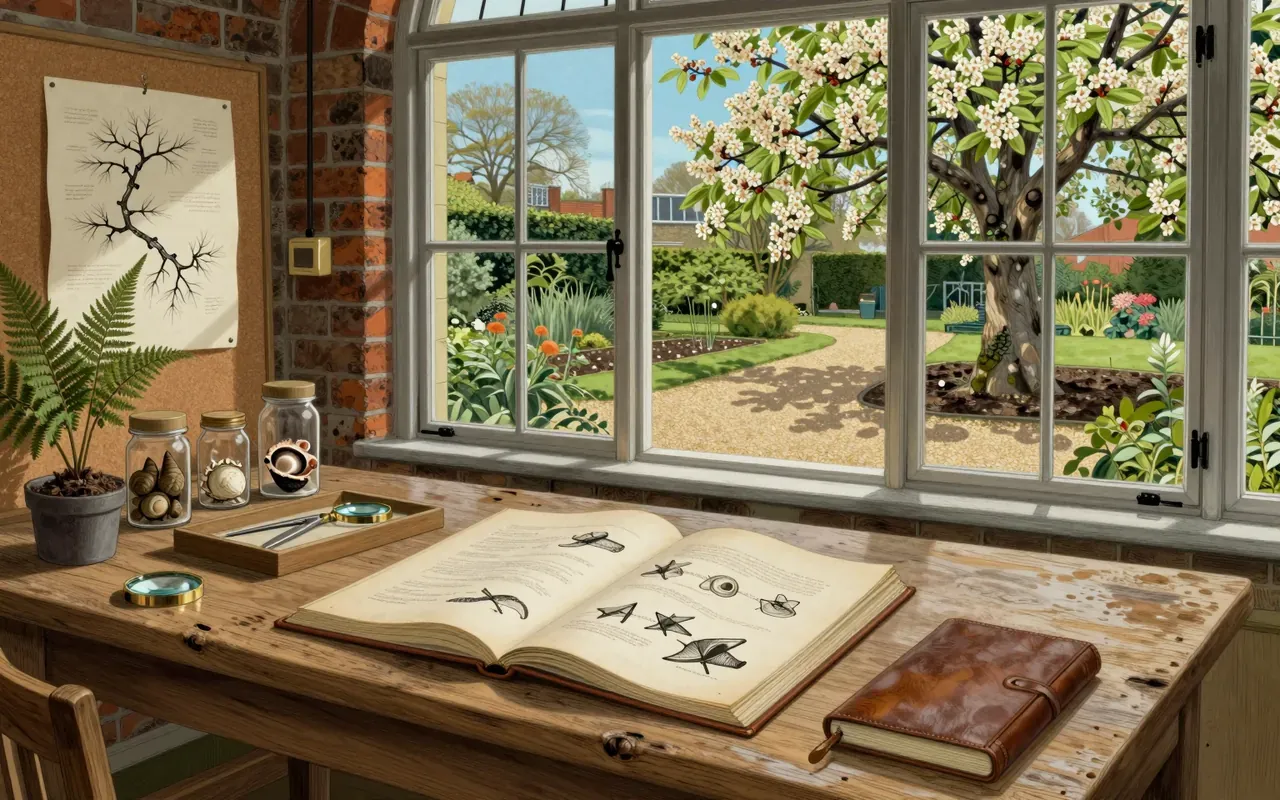
On the Origin of Species (1859) introduced natural selection as the mechanism for evolutionary descent with modification. It presented evidence for common descent via a branching pattern, drawn from Darwin’s Beagle expedition, research, correspondence, and experimentation. It established descent with modification as the dominant scientific explanation of natural diversification. Its proposition of universal common ancestry is now accepted—but that acceptance postdates the book and is not itself what the book established.

9:11

Schrödinger's cat

Erwin Schrödinger

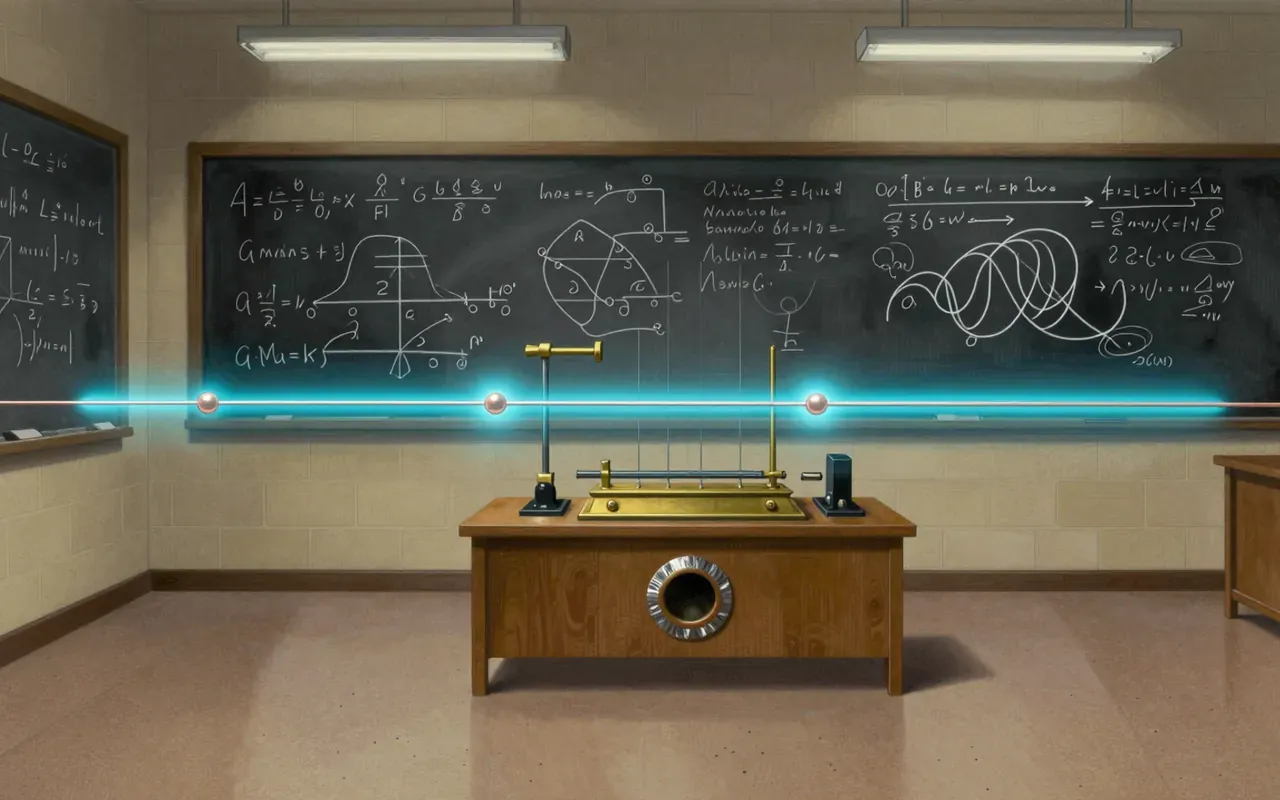
Schrödinger's cat is a 1935 thought experiment designed by Erwin Schrödinger in correspondence with Einstein to critique the Copenhagen interpretation of quantum mechanics. It uses a sealed chamber containing a cat, radioactive source, Geiger counter, relay, hammer, and flask of hydrocyanic acid. The setup links a single quantum event — atomic decay — to a macroscopic outcome. Mathematically, the wave function describes a superposition of 'alive' and 'dead', yet observation always reveals one definite state. Schrödinger intended this as reductio ad absurdum, not as a proposal. No experiment was conducted. The work establishes a tension between formalism and observation — nothing more.
8:03

String theory

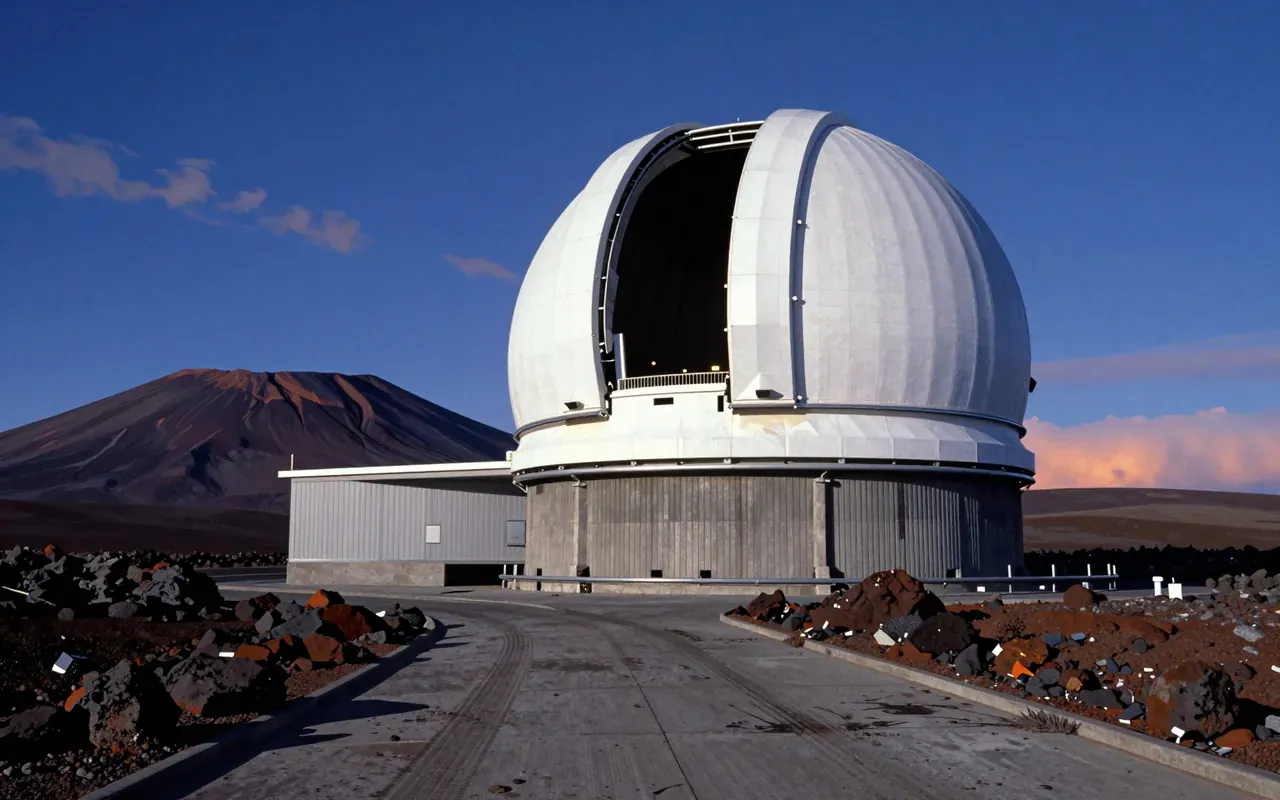
String theory is not a theory of nature—it’s a laboratory for quantum gravity ideas that have no experimental anchor.
7:40

Accelerating expansion of the universe

Perlmutter, Riess and Schmidt · 1990

The 1998 supernova measurements established cosmic acceleration via distance–redshift mismatch — not theory, not analogy, but empirical inference from standard candles. It overturned the assumption of gravitational deceleration. It did not identify dark energy. It did not prove Λ. It remains the strongest direct evidence for accelerated expansion — and the clearest signal of our ignorance about 70% of reality.
8:28

Discovery of cosmic microwave background radiation

Penzias and Wilson

Penzias and Wilson discovered a 3.5 K isotropic microwave background in 1964 using the Holmdel Horn Antenna at Bell Labs. They eliminated local interference — including pigeon droppings — and confirmed the signal originated outside the Milky Way. Its match to Dicke’s prediction prompted interpretation as the Big Bang’s remnant. But the work itself claimed only a persistent, unexplained antenna temperature — not cosmology.
8:52

The Double Helix

Watson, Crick, Franklin and Wilkins

The Double Helix is not the discovery of DNA’s structure — it is Watson’s memoir of it. The real discovery is in the 1953 Nature papers. The book’s value lies in exposing how scientific credit gets assigned, not in explaining how the structure was found.

7:51

Double-slit experiment

Young · 1801

Young’s 1801 double-slit experiment established wave behaviour for visible light. Later versions with electrons (1927) extended it to matter. The interference pattern is real. The disappearance of that pattern upon path detection is real. But Young did not observe particles, nor did he claim duality — he argued for waves only. Duality emerged from later experiments combining his method with quantum detection.
7:37

Human Genome Project

A reference genome is not a human genome — it’s a mosaic scaffold, finished in stages, missing its most complex chromosome until 2023.