sciencebriefs
Newest

All briefs

561 briefs · 6515 min · 385–480 on page 5 of 6
11:03

Church–Turing thesis

Alonzo Church and Alan Turing

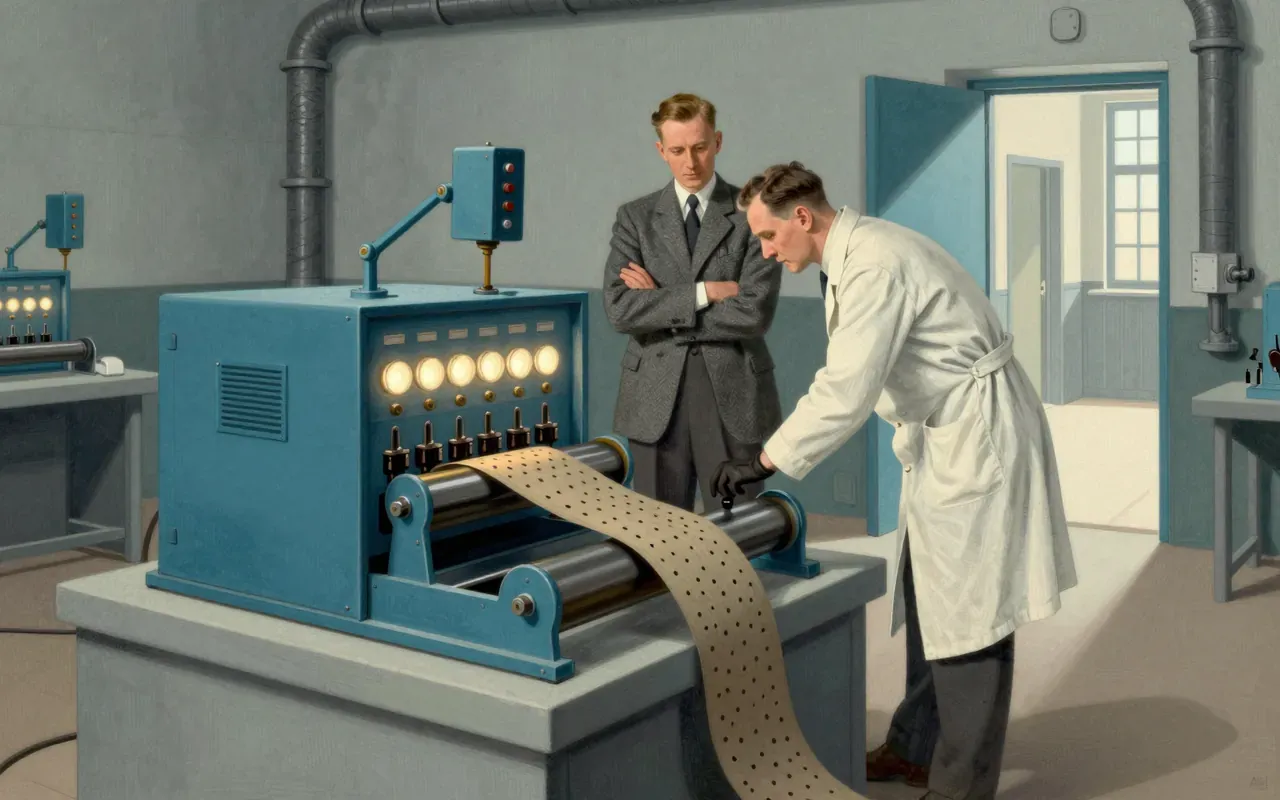
The Church–Turing thesis is not a theorem but a foundational assumption — one that equates human-effective calculation with machine computation. It holds because no counterexample exists, not because it is proven. Its endurance is its strength — and its limitation.
13:00

Cold fusion

Two respected electrochemists announced room-temperature fusion at a press conference before publication, and within six weeks most of the physics community had rejected the claim outright.
13:00

Colossus computer

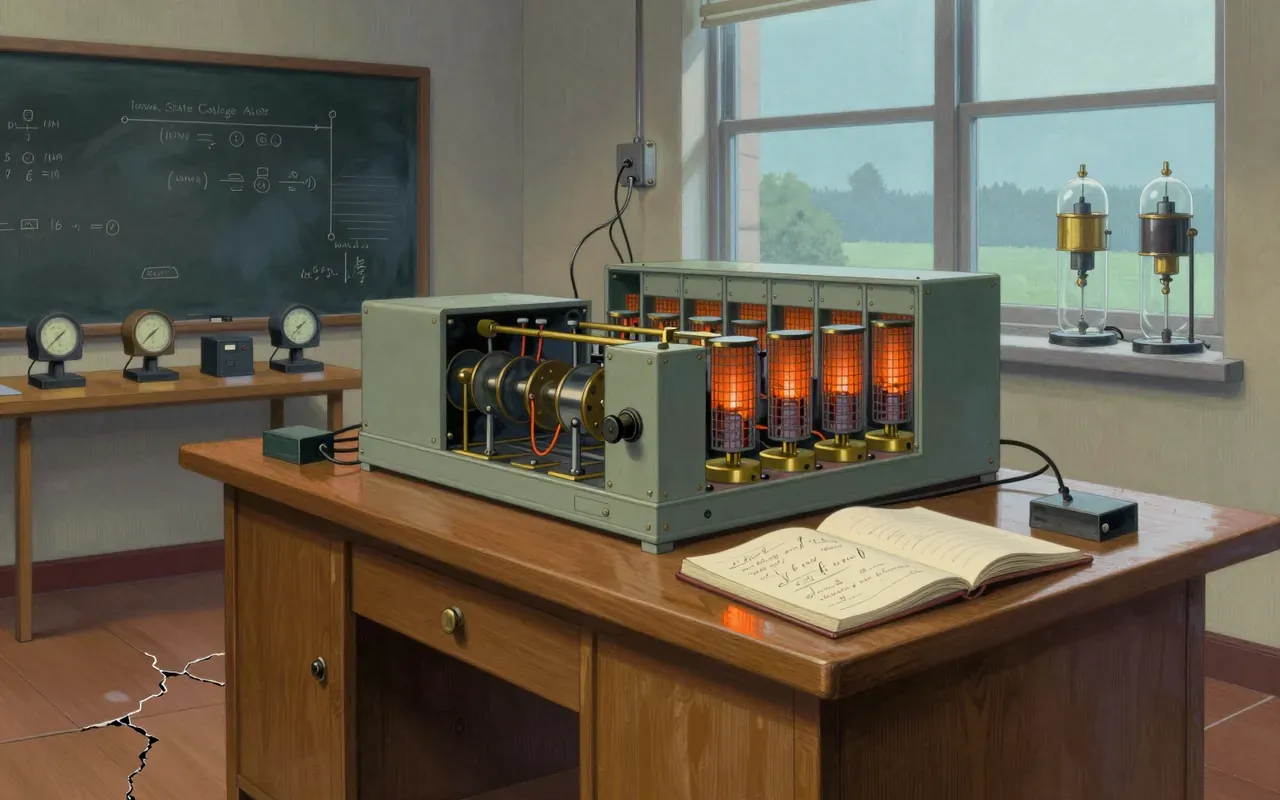
Tommy Flowers built Colossus on a bet that thousands of valves could run reliably where convention said hundreds was the limit. It worked, breaking Lorenz traffic through the war's final years — then vanished into thirty years of secrecy.
13:00

Space Shuttle Columbia disaster

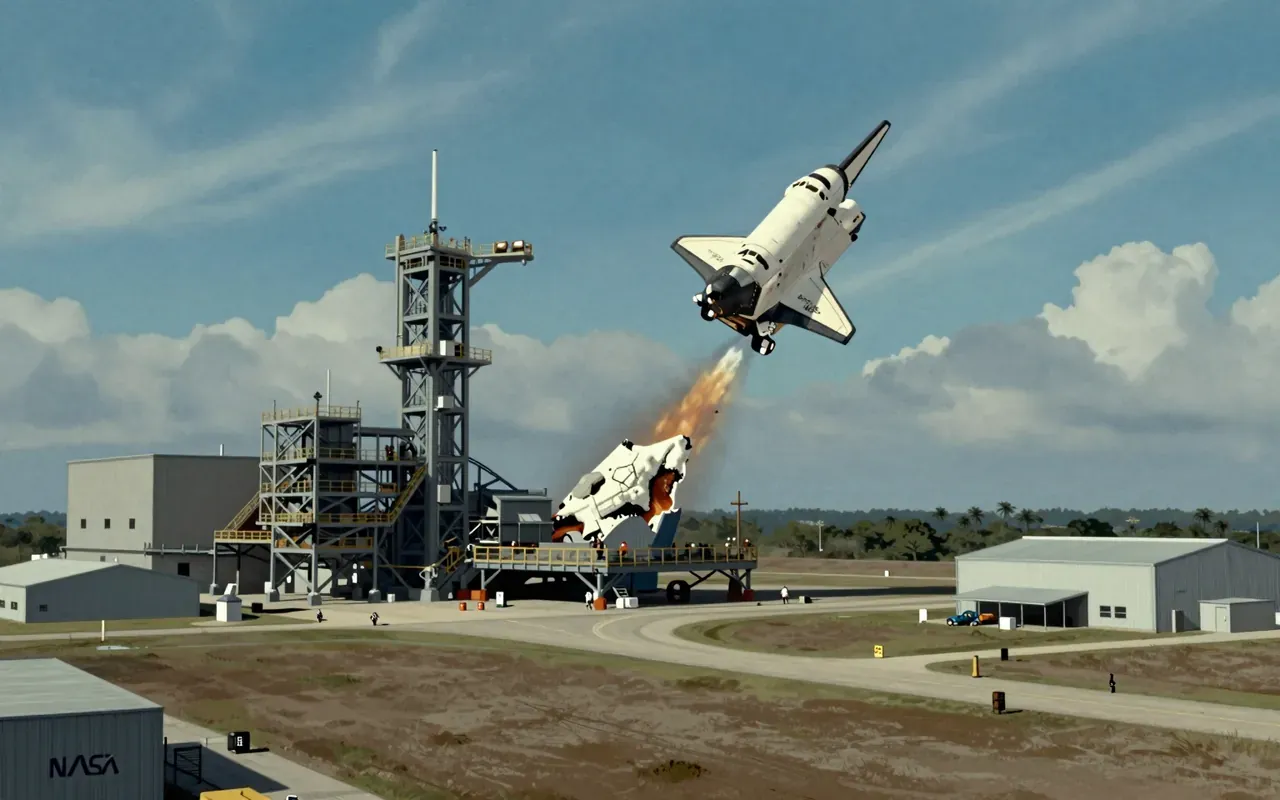
A briefcase-sized piece of foam had fallen off shuttle tanks six times before without incident, so when it struck Columbia's wing on launch, NASA managers treated the seventh strike as routine rather than as a threat.
13:00

Complement system

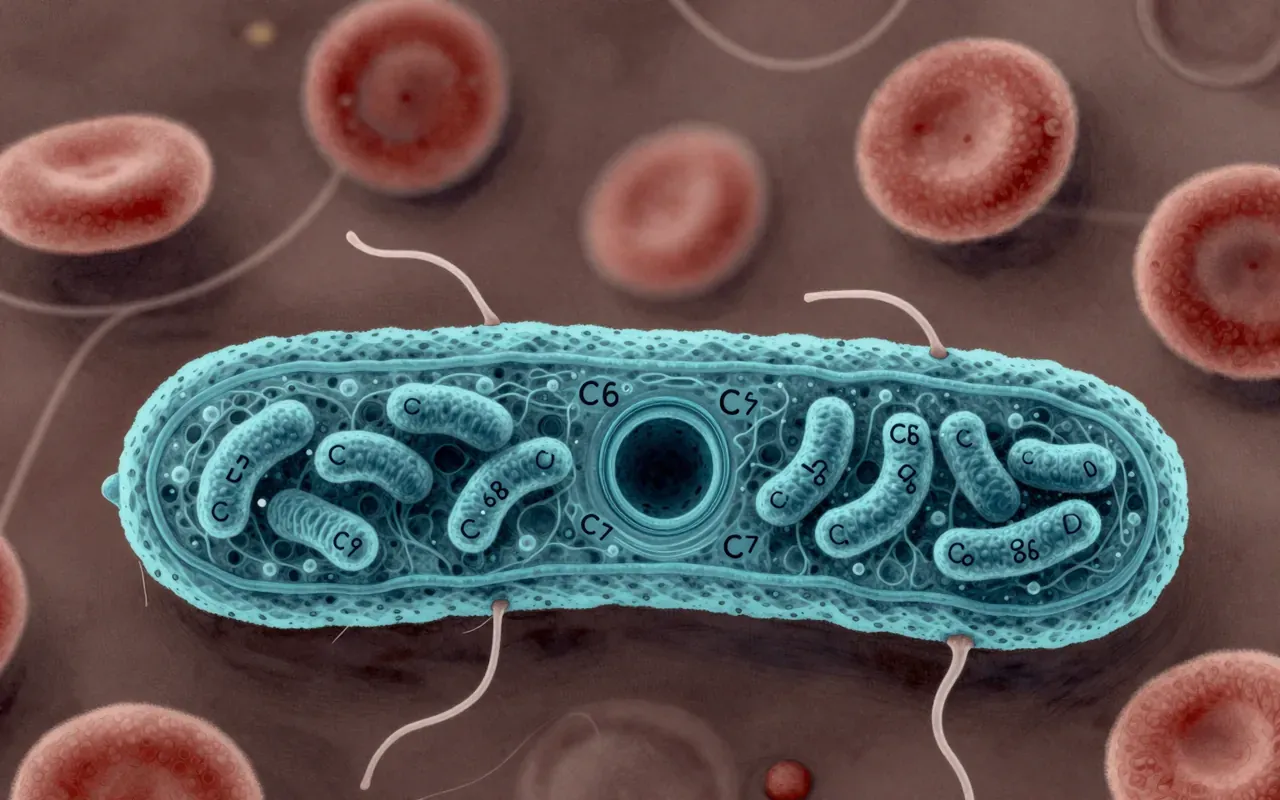
The complement system was named for what it does to other parts of immunity, not for anything it does alone, and this brief follows about fifty blood proteins from an 1888 anthrax experiment to their newly found role trimming synapses in the brain.
13:00

Confocal microscopy

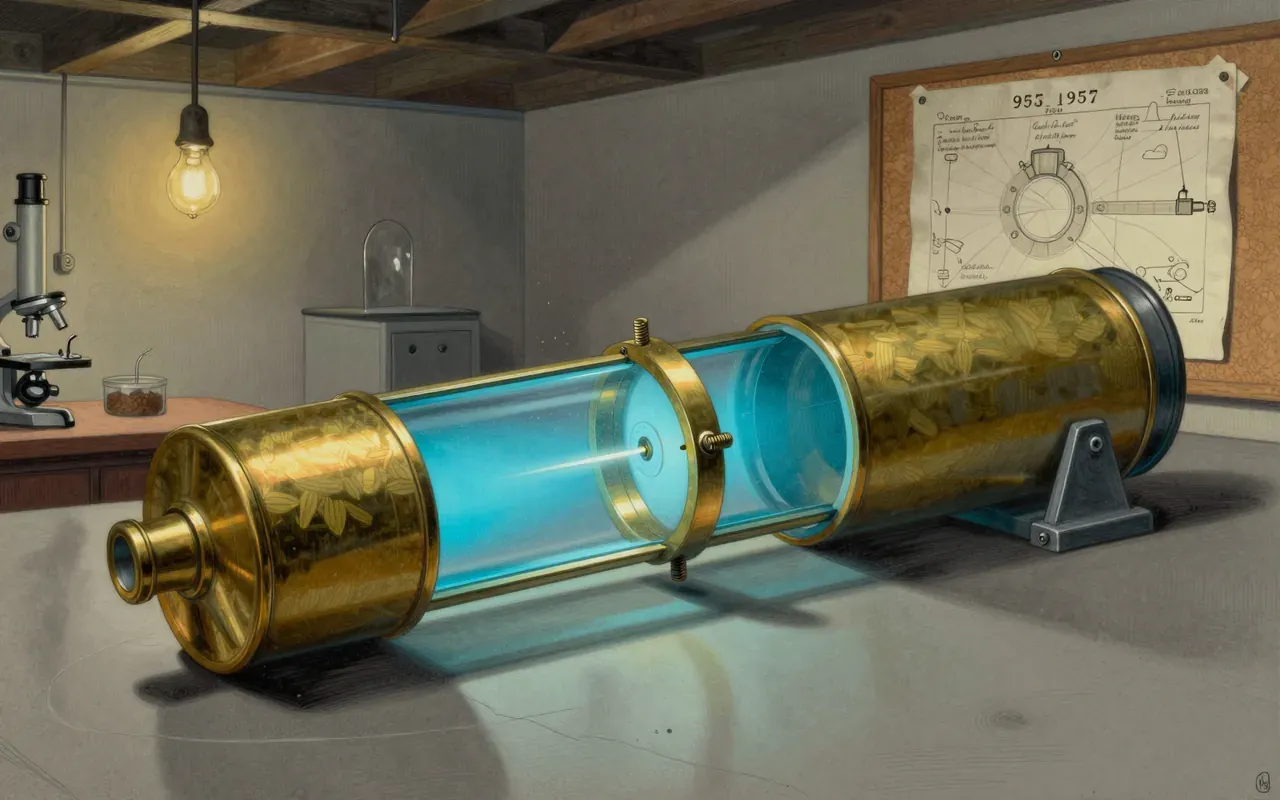
Marvin Minsky patented a microscope in 1957 that could see one thin layer of a sample sharply by blocking out all the light from everywhere else, and then the idea sat almost unused for thirty years because no light source was strong enough to make it work.
13:00

Continuum hypothesis

Georg Cantor believed, and spent years failing to prove, that no set's size sits strictly between the integers and the real numbers — a question later shown by Gödel in 1940 and Cohen in 1963 to be neither provable nor disprovable from mathematics' own standard axioms.
13:00

Copernican heliocentrism

Copernicus's 1543 heliocentric model was neither more accurate nor simpler than the system it challenged, and it took Kepler's ellipses and Galileo's telescope, decades later, to actually settle the argument.
13:00

Large-scale structure of the universe

Mapping galaxy positions in three dimensions revealed a vast web of filaments and voids, a structure dark-matter simulations had already anticipated, though the largest structures found still test how uniform the universe is supposed to be.
13:00

Covalent bond

Lewis drew two dots between atomic symbols in 1916 and called it a bond. Pauling spent the next two decades giving that drawing a quantum-mechanical foundation, then later applied the same confident certainty to a vitamin C cancer claim a 1982 re-evaluation could not support.
13:00

Cryo-electron microscopy

Freezing biological molecules in place fast enough to stop ice crystals forming let electron microscopes see proteins as they actually sit in solution, ending structural biology's dependence on crystallisation.
13:00

CT scan

Godfrey Hounsfield built a scanner from an idea on a country walk; Allan Cormack had already worked out the mathematics years earlier without knowing anyone intended to build the machine.
9:52

Dartmouth workshop

The Dartmouth workshop didn’t build AI — it invented the idea that AI could be built.
13:00

Higgs boson

The 2012 discovery at CERN's Large Hadron Collider confirmed, at five-sigma significance, the particle that three groups of theorists had predicted in 1964, closing the last open piece of the Standard Model of particle physics.
13:00

51 Pegasi b

In 1995 two Geneva astronomers measured a small, regular wobble in a distant star's light and found a giant planet closer to its star than any theory expected, opening the search for exoplanets and forcing a rethink of how planets form.
13:00

Adult neurogenesis

In November 1998 Peter Eriksson and Fred Gage reported that the adult human brain does, after all, grow new neurons, overturning decades of dogma that people are born with a fixed supply — a claim a prominent 2018 study concluded may not hold in adults at all.
13:00

Penicillin

Alexander Fleming's 1928 observation that a stray mould killed his bacterial cultures sat mostly ignored for a decade until Howard Florey and Ernst Chain turned it into the first mass-produced antibiotic.
13:00

Benzene

Kekulé's 1865 ring solved a real structural puzzle using real isomer counts. The story that a dream of a snake biting its tail handed him the answer came twenty-five years later, and historians now think he may have invented the anecdote rather than remembered it.
13:00

Blood type

In 1900 and 1901 Karl Landsteiner mixed blood from his colleagues and found it clumped in a consistent pattern, revealing the ABO blood groups that explained why transfusions had so often killed patients before.
13:00

Chlorine

Scheele made a yellow-green gas in 1774 that bleached litmus paper and stripped the colour from flowers. He decided it was a compound of muriatic acid missing its phlogiston. It took Humphry Davy another thirty-six years to tell him, posthumously, that he'd isolated an element.
13:00

Color constancy

Edwin Land, better known for instant photography, showed in 1959 that projecting light from just two narrow wavebands could still make an audience see a full range of colour — evidence that colour depends on the brain comparing surfaces, not reading wavelength alone.
13:00

CRISPR

A bacterial defence system that remembers past viral infections turned out, once its guide-RNA targeting was simplified in 2012, to be programmable enough to cut DNA anywhere a scientist chose.
13:00

RNA splicing

In 1977 Phillip Sharp and Richard Roberts, examining adenovirus RNA under the electron microscope, found that genes are not continuous stretches of code but are broken up by non-coding introns removed during splicing.
13:00

Fullerene

Kroto was chasing carbon chains from outer space, not a new form of carbon on Earth. Vaporising graphite with a laser to mimic a dying star's atmosphere produced a molecule shaped like a football instead — sixty carbon atoms folded into a closed cage.
13:00

Hydrogen

Henry Cavendish isolated the gas in 1766 and showed in 1781 that burning it makes water. He explained both facts through phlogiston theory, a framework chemistry would later discard entirely — the credit for what hydrogen actually is went to Lavoisier, who named it.
13:00

Long-term potentiation

In 1973 Timothy Bliss and Terje Lømo showed that briefly stimulating a pathway in a rabbit's brain left its synapses firing harder for hours afterward — physical evidence for Donald Hebb's 1949 idea that repeated use is what strengthens a connection between neurons.
13:00

Mirror neuron

In the early 1990s a Parma laboratory found monkey brain cells that fired both when the animal grasped food and when it merely watched someone else grasp it — a finding since stretched into theories of empathy, language and autism that the evidence itself struggles to support.
13:00

Neuroplasticity

Michael Merzenich's monkey experiments in the 1980s showed a hand map in the brain redrawing itself after nerve surgery, overturning the assumption that adult brain wiring was fixed — a finding since used, and sometimes oversold, to build a commercial brain-training industry.
13:00

Prion

Stanley Prusiner proposed that an infectious agent could be a misfolded protein with no genetic material at all — a claim his own field initially rejected as impossible.
13:00

Rapid eye movement sleep

Kleitman and Aserinsky's 1953 discovery gave dream research a measurable brain state, rapid eye movement sleep, but seven decades on, what REM sleep actually evolved to do remains a genuinely open question.
13:00

Smallpox vaccine

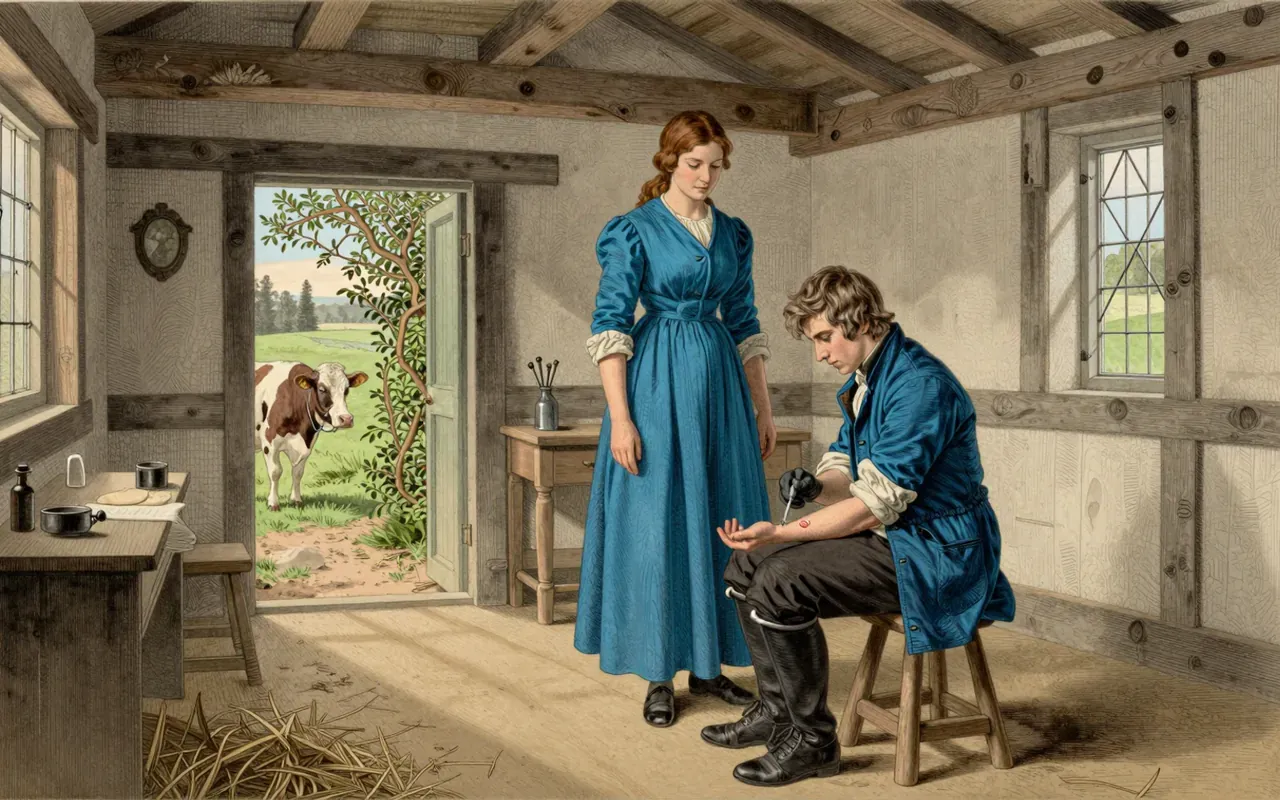
In 1796 Edward Jenner tested whether cowpox could protect against smallpox, and the vaccination method that followed eventually let the World Health Organization declare smallpox eradicated in 1980.
13:00

Synesthesia

A rigorous population study put synesthesia, the blending of senses so letters carry colour or sounds carry taste, at 4.4 per cent of people — far below folklore's one in four, and far above the one-in-tens-of-thousands earlier, self-selected samples had produced.
13:00

Oncogene

Bishop and Varmus's 1976 discovery that a cancer virus's src gene was actually a captured, mutated version of a normal cellular gene reframed cancer as damage to the cell's own machinery, not a foreign invasion.
13:00

Mpemba effect

A thirteen-year-old whose physics teacher called it impossible found that his hot ice cream mix froze faster than his classmates' cold ones, and physicists still cannot agree whether the effect is even real.
10:16

Tobacco mosaic virus

Ivanovsky and Beijerinck

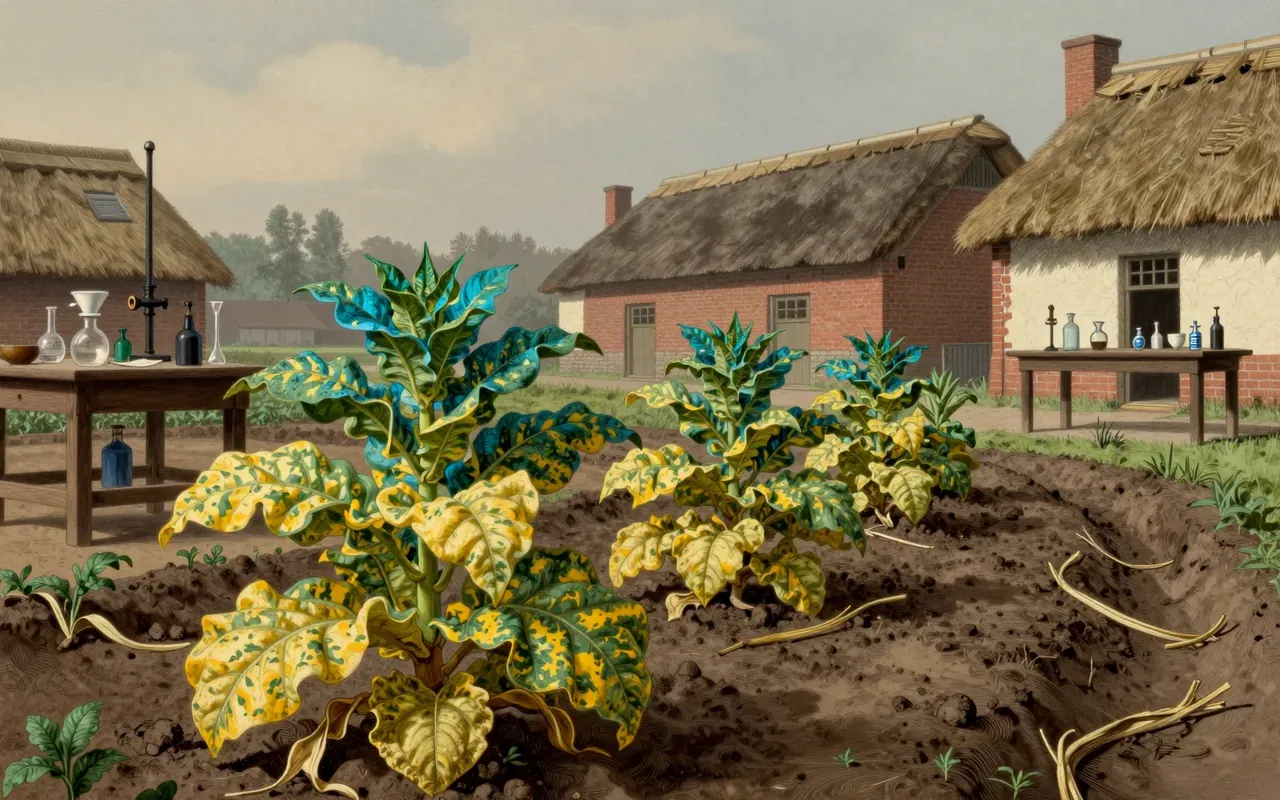
The discovery of the tobacco mosaic virus established the existence of infectious agents smaller than bacteria and dependent on living hosts for replication. Ivanovsky (1892) demonstrated filterability; Beijerinck (1898) added host-dependent multiplication and coined 'virus'. Neither observed the virus itself. Their work founded virology — but also embedded a flawed 'fluid' model that delayed recognition of viruses as particulate, genetic entities.

13:00

Vitamin A

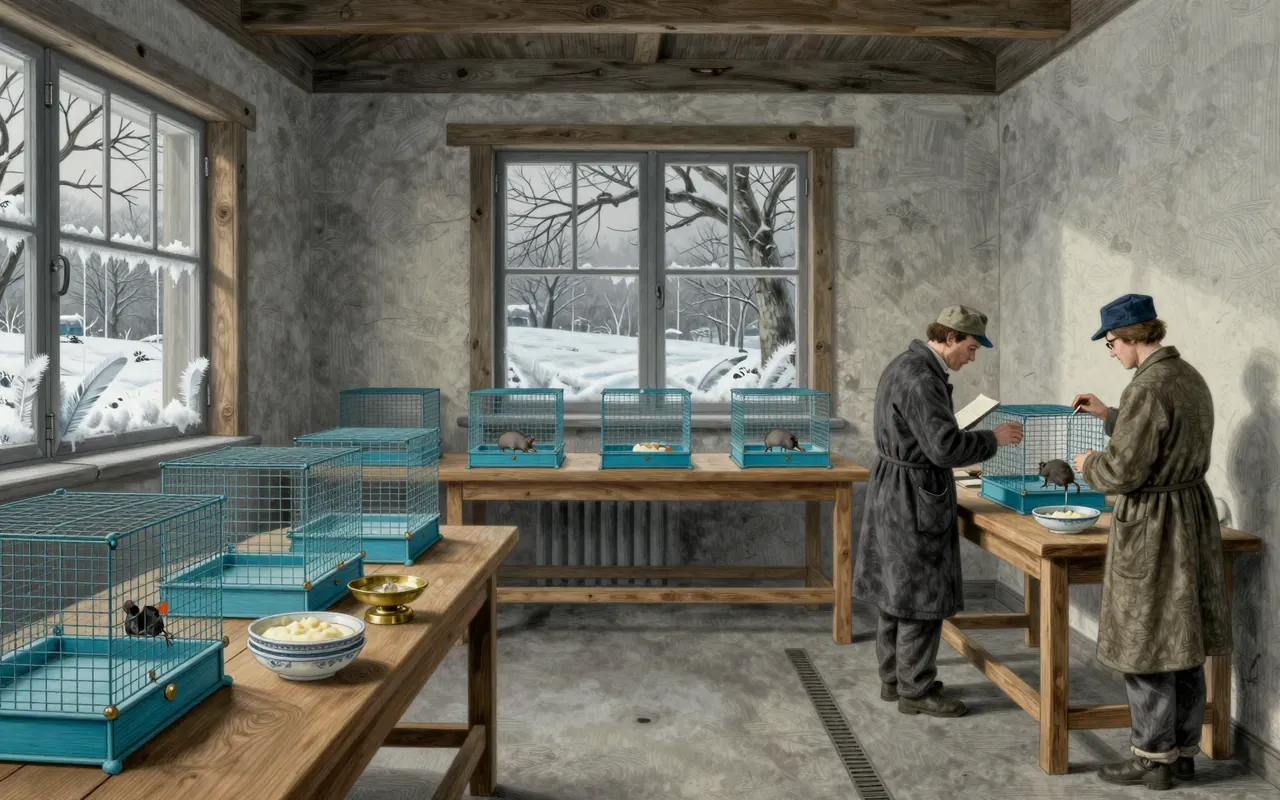
A 1913 feeding experiment on rats at a Wisconsin farm station established that fat could carry an essential nutrient — the discovery that gave nutrition science the category of vitamin, and fixed the name, vitamin A, after a decade of dispute over what to call it.
13:00

Vitamin

Frederick Hopkins didn't discover a vitamin; he proved by feeding trial that food contains something beyond protein, fat and carbohydrate that animals cannot grow without.
13:00

Lunar water

A spectrometer aboard an Indian orbiter found hydroxyl and water signatures spread across the whole lunar surface in 2009, after more than a century of assuming the Moon was simply dry.
13:00

X-ray

In November 1895 Wilhelm Rontgen noticed a screen glowing near a covered vacuum tube and, within weeks, had produced an X-ray of his wife's hand, a discovery adopted by medicine so fast that its radiation dangers were only understood after the damage had been done.
13:00

Dutch famine of 1944–1945

The precisely dated 1944-45 Dutch famine let researchers trace, decades later, how prenatal starvation shaped adult diabetes, heart disease and possibly even grandchildren's health through epigenetic change.
13:00

James J. Gibson

James Gibson argued that we perceive a chair or a staircase directly as something to sit on or climb, not as raw shape our brain then interprets — a claim that gave design and robotics the word affordance, which promptly split into two incompatible meanings.
13:00

Electrocardiography

Willem Einthoven's 1903 string galvanometer, a device that needed five operators and weighed 270 kilograms, turned the heart's faint electrical signal into a readable trace and gave cardiology the electrocardiogram.
9:08

Electron microscope

Ernst Ruska · 1931

The electron microscope began not with biology, but with physics: a test of magnetic lensing on engineered grids. Its first success was mechanical and conceptual — not observational.

13:00

Gel electrophoresis

A phenomenon first noticed in 1801, that an electric field drags charged particles through a fluid, took more than a century of small, separate refinements before it became the gel-based technique that now sorts DNA and proteins by size in nearly every biology lab.
13:00

Enkephalin

In 1975 researchers identified enkephalin, a chain of just five amino acids made in the brain, as a substance the body produces on its own that binds the very receptors morphine does — the first sign of a whole family of the body's own pain and reward chemistry.
9:07

Endoplasmic reticulum

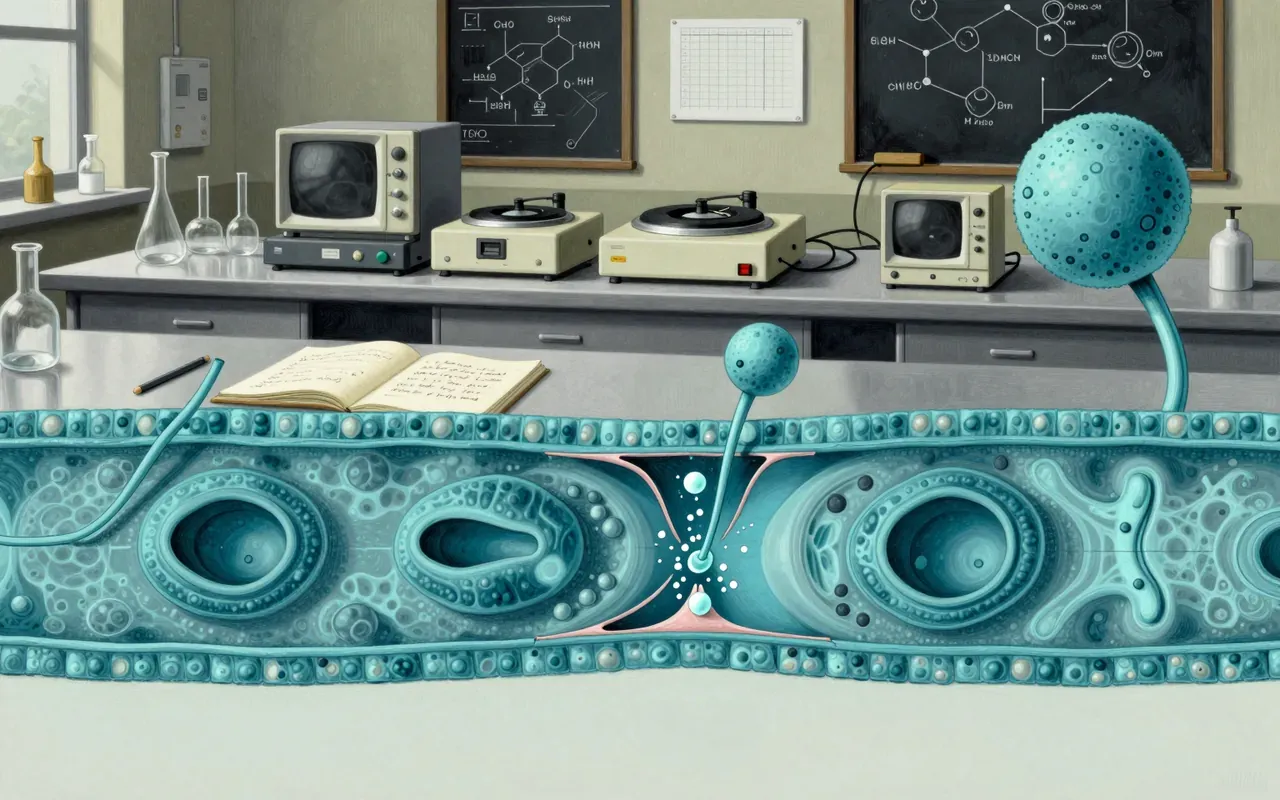
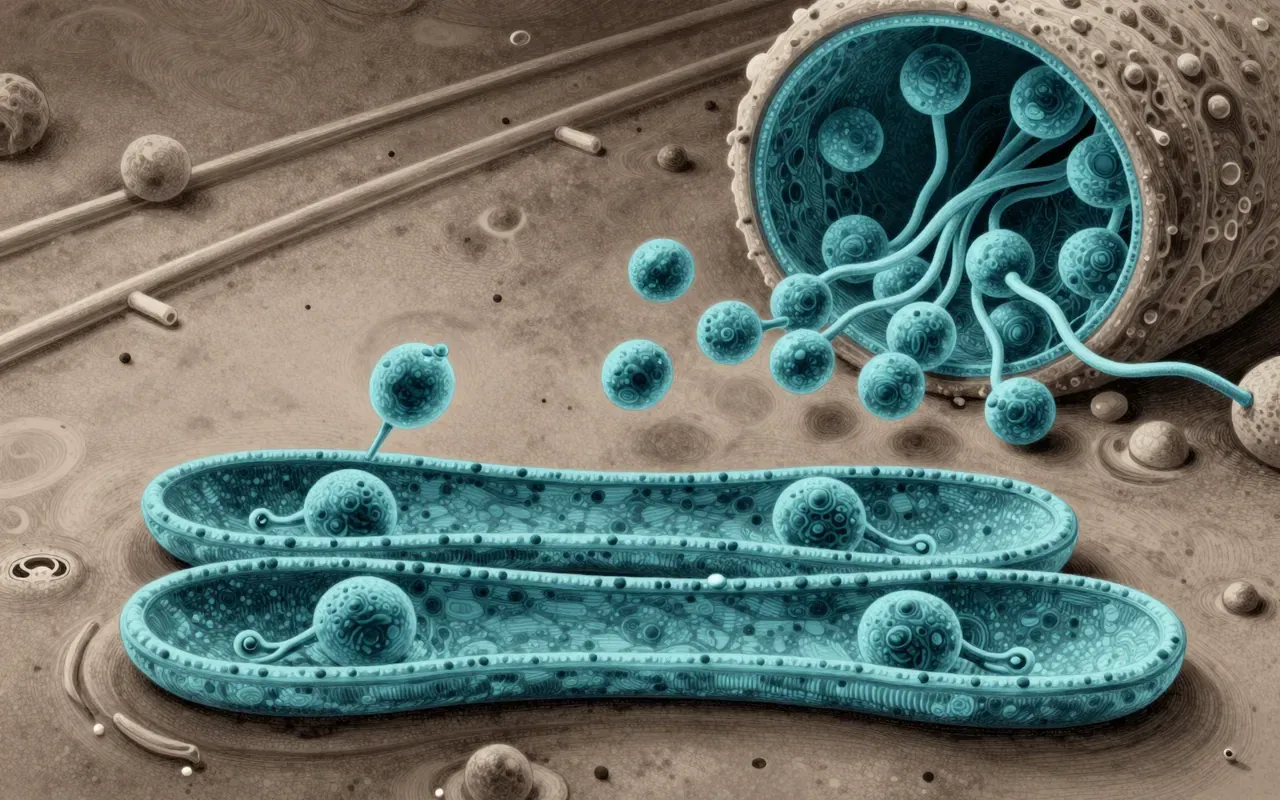
Seeing a structure is not understanding it — and the endoplasmic reticulum took 48 years just to become visible.
13:00

ENIAC

ENIAC filled a room, ate 150 kilowatts, needed weeks to reprogram by rewiring plugboards, and was legally stripped of its patent in 1973 when a court ruled its core idea had come from a machine most people had never heard of.
12:03

1883 eruption of Krakatoa

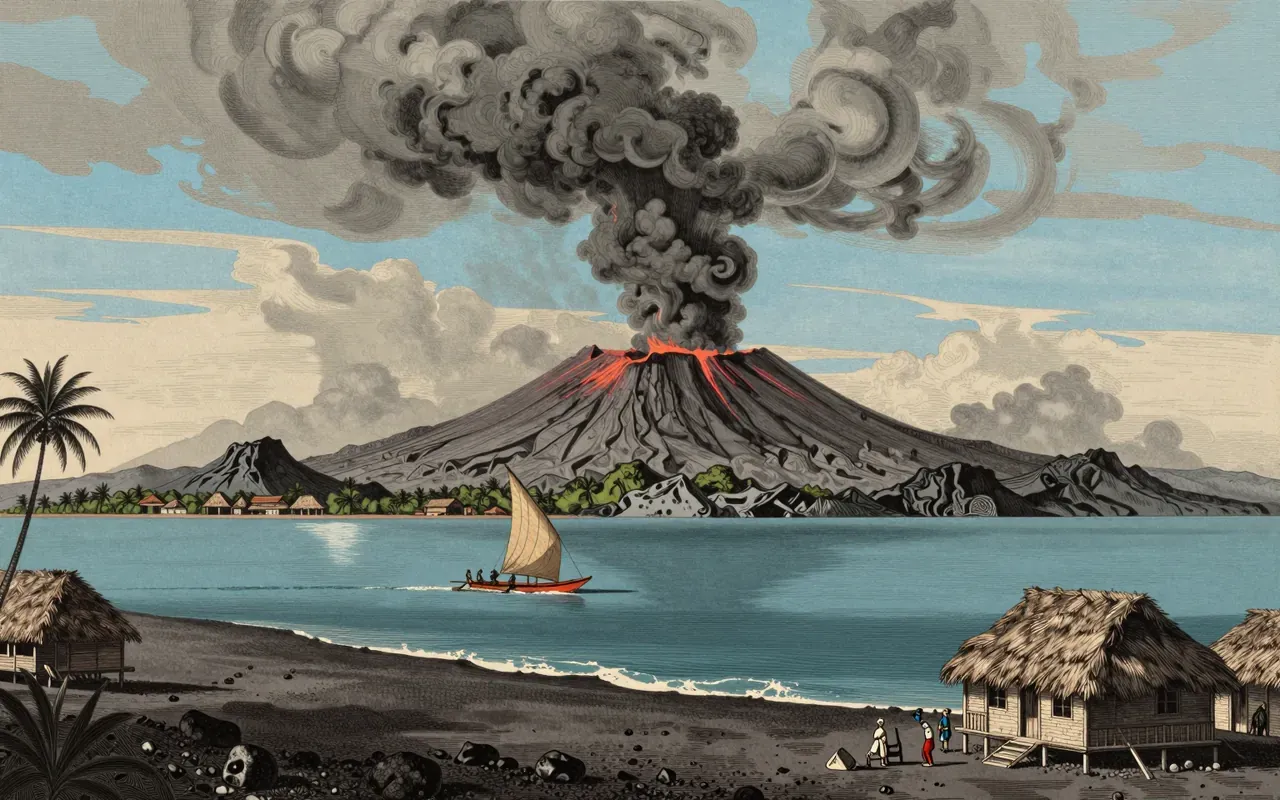
Krakatoa didn’t just boom — it turned the atmosphere into a resonant chamber and a reflective shield, with numbers we still use to test climate physics.
13:00

Event Horizon Telescope

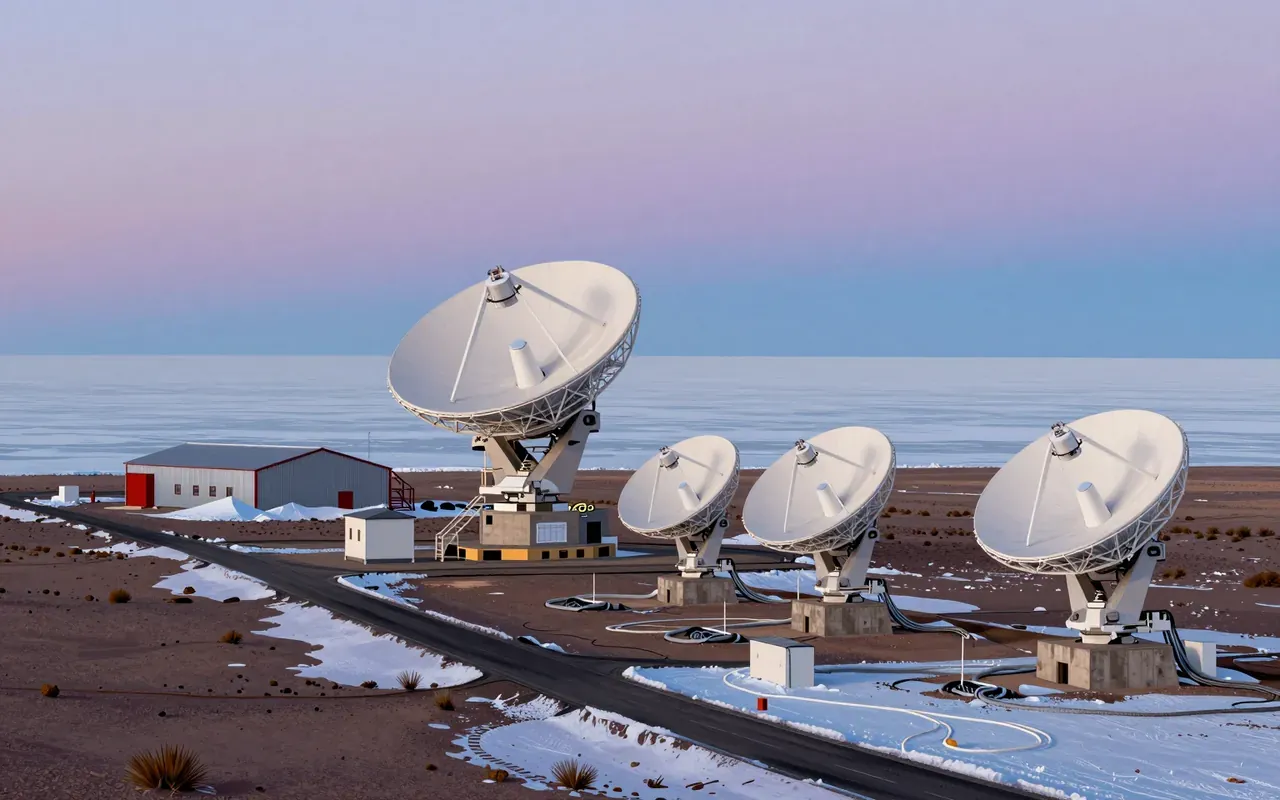
In 2019 the Event Horizon Telescope turned eight radio observatories into one Earth-sized instrument and released a picture of the shadow cast by the black hole at the centre of the galaxy M87.
13:00

Numerical weather prediction

Richardson's 1922 hand-calculated weather forecast was correct in method but wildly wrong in result, and it took until a 1950 computer at ENIAC to finally calculate weather faster than the weather itself changed.
13:00

Recombinant DNA

Stanley Cohen and Herbert Boyer's 1973 splicing of foreign DNA into bacteria became the first licensed recombinant drug within five years, after scientists paused their own field in 1975 to weigh the risks first.
13:00

Kidney transplantation

On 23 December 1954 Joseph Murray transplanted a kidney between identical twins Richard and Ronald Herrick, sidestepping the rejection problem that had defeated every earlier attempt, and the ethical question of operating on a healthy donor to help his brother.
13:00

Mycoplasma laboratorium

Venter's team built a bacterial genome from chemical building blocks and started it running inside a hollowed-out cell in 2010, though the cell's machinery, not the genome alone, did the actual living.
13:00

Flow cytometry

An instrument that now sorts thousands of individual cells a second by their exact chemistry began as two borrowed industrial tricks, an electrical particle counter and an ink-jet printer, combined into a single machine decades apart.
11:48

Flynn effect

IQ scores rose steadily for a century — but that doesn’t mean we got smarter.
13:00

Four color theorem

In 1976 Kenneth Appel and Wolfgang Haken proved that any map can be coloured with just four colours so no two neighbouring regions match, by having a computer check over 1,800 configurations for more than 1,000 hours — the first major theorem no human could verify by hand.
9:46

Fujita scale

Fujita

The Fujita scale is a damage-based tornado classification system introduced in 1971. It is not a wind-speed measurement tool. Its F0–F5 categories remain operationally useful. Its theoretical F6–F12 levels were never used. Its wind-speed estimates were unverified and later shown to be inflated.

13:00

Fundamental theorem of calculus

Newton and Leibniz independently found that finding a curve's area and its rate of change are the same operation reversed, then spent decades accusing each other of theft — a dispute the Royal Society, with Newton as president, judged in his own favour.
9:53

Galilean moons

Galileo did not prove Copernicus right — he proved Ptolemy wrong, one night at a time.
11:12

Galvanometer

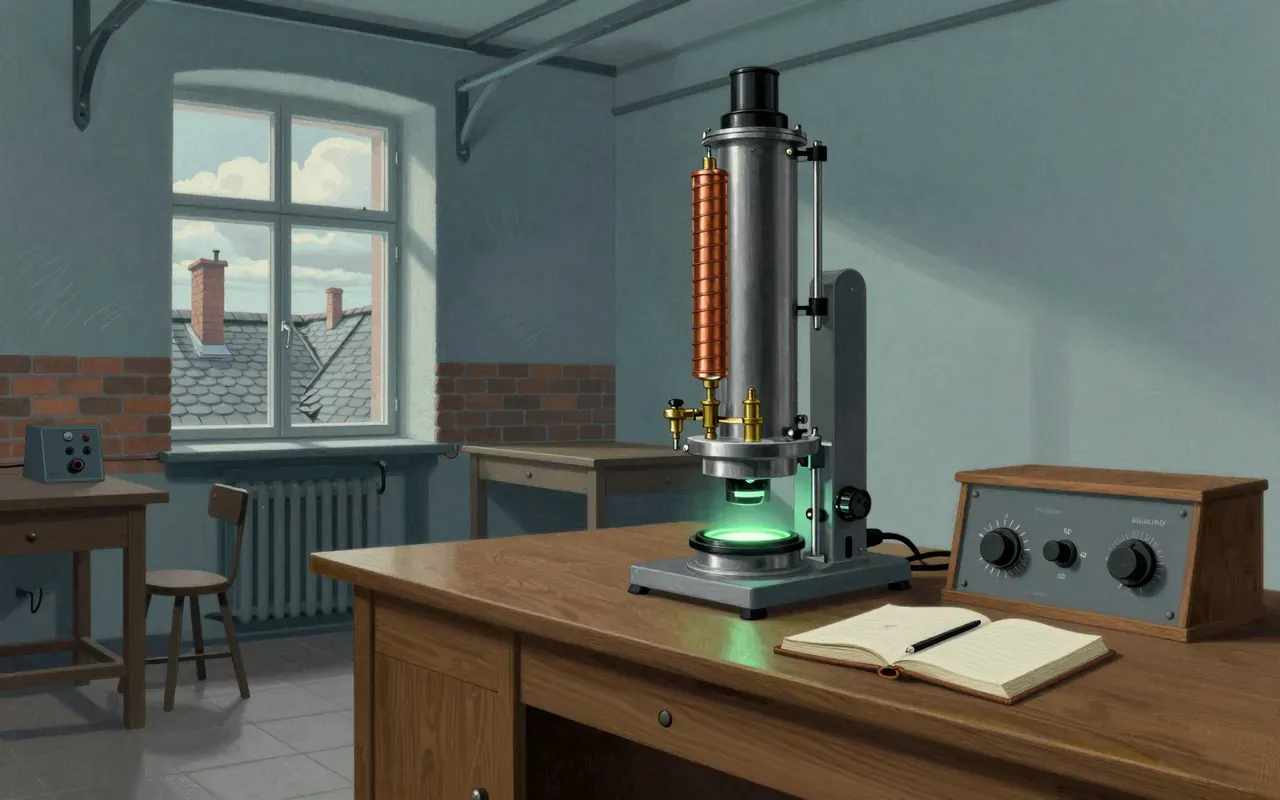
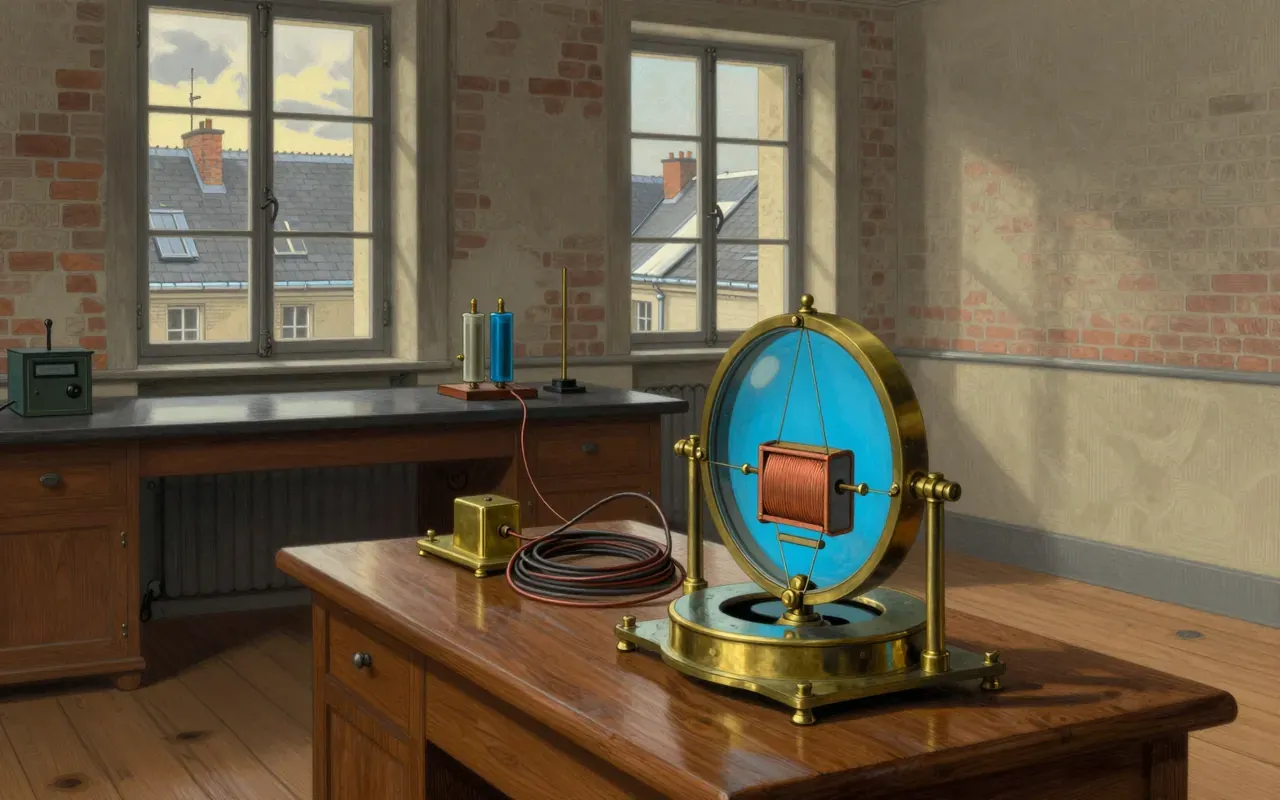
The galvanometer did not discover electromagnetism — it weaponised Ørsted’s accident into a ruler for the invisible.
13:00

Genetic code

A single experiment with a synthetic RNA of nothing but uracil gave Nirenberg and Matthaei the first codon; a decade of follow-up work by Khorana, Holley and others filled in the other sixty-three.
13:00

Enceladus

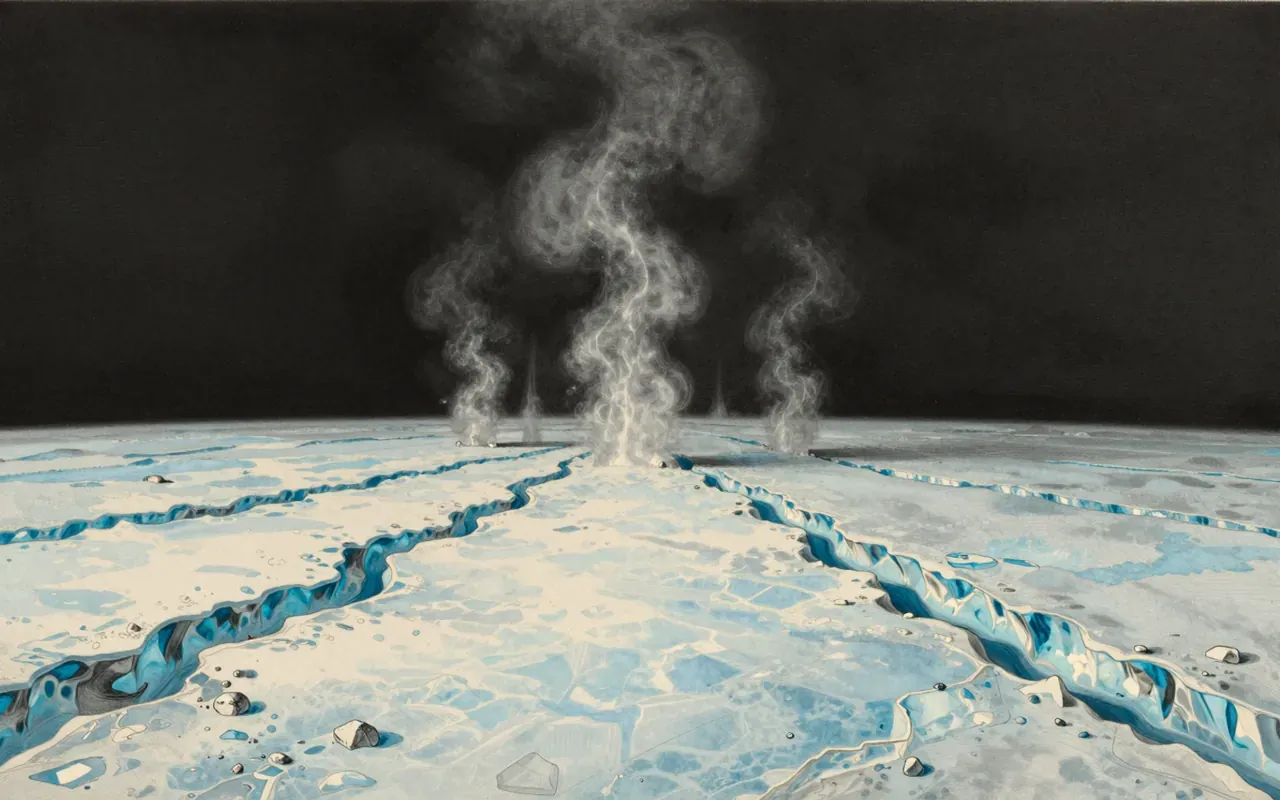
Cassini flew through jets of water vapour erupting from a small icy moon's south pole and found salts, organics, and eventually phosphates, evidence of a hidden alkaline ocean rather than a dead ball of ice.
13:00

Giant squid

It took following sperm whales to a spot 970 kilometres south of Tokyo and a four-hour struggle on a baited line before anyone photographed a living giant squid, and it showed an aggressive hunter, not a passive drifter.
9:19

Golgi apparatus

Camillo Golgi

Camillo Golgi discovered the Golgi apparatus in 1898 using osmium dichromate staining on barn owl Purkinje cells. He named it 'apparato reticolare interno' and asserted it was a real, unique cellular component. Initial scepticism held that it was an optical illusion. The finding was not firmly established until electron microscopy emerged ~50 years later. It revealed a new intracellular structure but gave no insight into its function, mechanism, or universality.

13:00

Great Debate (astronomy)

In 1920 two astronomers each gave a forty-minute talk on whether the Milky Way was the whole universe or one galaxy among many, and neither had quite enough evidence to win outright, until a third astronomer settled it a few years later.
9:30

Great Pacific Garbage Patch

Charles Moore · 1980

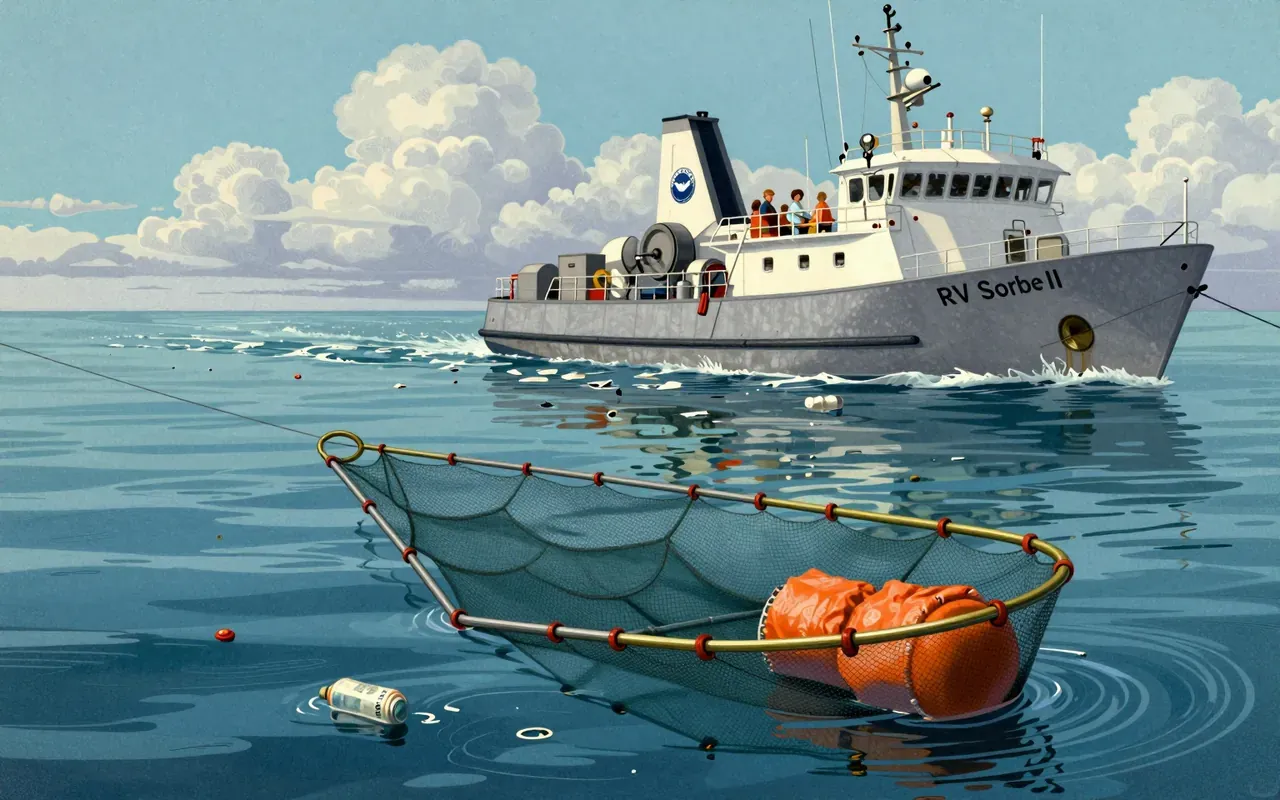
Moore’s 1997 observation was vivid and consequential — but not novel in evidence. The 1988 NOAA paper delivered the first empirical basis. The gap between public attribution and scientific priority is the real story.

13:00

Haber process

The reaction that fixes nitrogen out of thin air now feeds close to half the people on Earth. The chemist who invented it also personally directed the first large chlorine gas attack of the First World War, days before his wife took her own life with his service revolver.
13:00

Halting problem

Turing's 1936 proof that no algorithm can tell, for every program and input, whether that program will ever stop running set a permanent boundary on what computation can decide.
12:05

Hayflick limit

Hayflick

Hayflick’s 1962 work established a finite replication limit for normal human fetal cells — 40–60 divisions — using culture methods and a definitive male-female co-culture experiment. It refuted Carrel’s immortality claim, distinguished mortal normal from immortal cancer cells, and produced WI-38 — the foundational cell strain for vaccine development. It did not identify the counting mechanism, nor prove cellular senescence drives whole-organism aging.

9:06

Hershey–Chase experiment

DNA is genetic material — not because it looks right, but because it’s the only molecule that gets inside and gets copied.
13:00

Holographic principle

A puzzle about black hole entropy scaling with surface area, not volume, led to the idea that a region of space might be fully described by information on its boundary, and Juan Maldacena's 1997 conjecture gave that idea its clearest, still unproven, form.
11:40

Hubble Deep Field

The Hubble Deep Field didn’t reveal the early universe — it revealed how little we knew about galaxy assembly before we counted them properly.
9:26

Human Microbiome Project

It gave us the first map of where microbes live in healthy humans — not why they matter, not how to fix them, just where they are.
13:00

Inert-pair effect

Thallium would rather give up one electron than the three its position on the periodic table suggests it should. Sidgwick named the pattern in 1927; nobody has ever reduced it to a single cause.
13:00

Insulin

In 1921 Frederick Banting, Charles Best, John Macleod and James Collip at the University of Toronto isolated and purified insulin from animal pancreases, turning a previously fatal diagnosis into a manageable condition within months.
13:00

Integrated circuit

Two engineers solved the same wiring problem months apart in 1958 and 1959, and it was the less-famous first version, not the one modern chips descend from, that reached the Nobel committee.
11:43

Keeling Curve

Charles Keeling

The Keeling Curve is the first continuous, calibrated record of atmospheric CO₂. It shows a seasonal cycle and a monotonic rise — from 313 ppm in 1958 to 406 ppm in 2018. Its strength lies in methodological rigour: remote site selection, contamination control, and instrumental precision. It does not prove causation, but establishes an unambiguous trend correlated with fossil fuel use. It remains the gold standard for atmospheric CO₂ monitoring.

13:00

Space Shuttle Challenger disaster

Engineers warned the night before that rubber seals had never been tested that cold, management overruled them, and Challenger broke apart 73 seconds after launch on 28 January 1986.
13:00

Luria–Delbrück experiment

In 1943 two scientists asked whether bacteria become resistant to a virus because the virus causes it or because a random mutation was already there waiting, and settled the question just by counting how unevenly resistant colonies turned up across separate culture tubes.
11:07

Mandelbrot set

Benoit Mandelbrot

Mandelbrot visualised a known mathematical object with unprecedented clarity — making topology legible through computation.

13:00

Meselson–Stahl experiment

A 1958 isotope-labelling experiment on dividing E. coli DNA ruled out two rival theories of how the double helix copies itself and confirmed the semiconservative model that Watson and Crick had only proposed.
13:00

Human microbiome

Trillions of microbes live on and in every human body, and genetic sequencing has replaced old guesses about their numbers and roles — but most links between the microbiome and disease remain correlations, not proven causes.
13:00

RNA interference

In 1998 Andrew Fire and Craig Mello found that double-stranded RNA, not single-stranded RNA, silences genes with striking potency in roundworms, revealing RNA interference as a cellular pathway now used as both a lab tool and a medicine.
13:00

Microscope

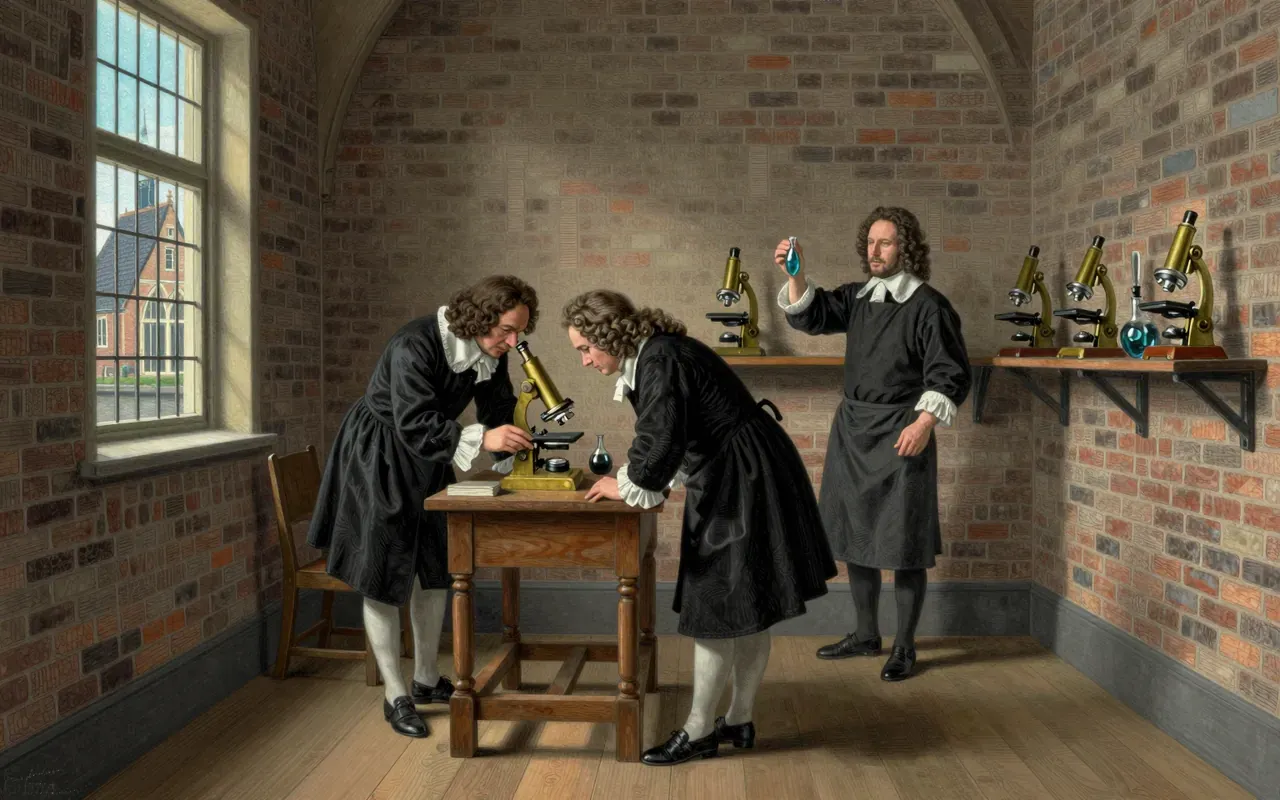
Antonie van Leeuwenhoek, a self-taught draper who ground his own lenses to magnify up to roughly 300 times, reported in 1676 seeing living organisms too small for anyone to have observed before, a claim the Royal Society doubted until it sent people to Delft to check.
13:00

Mid-ocean ridge

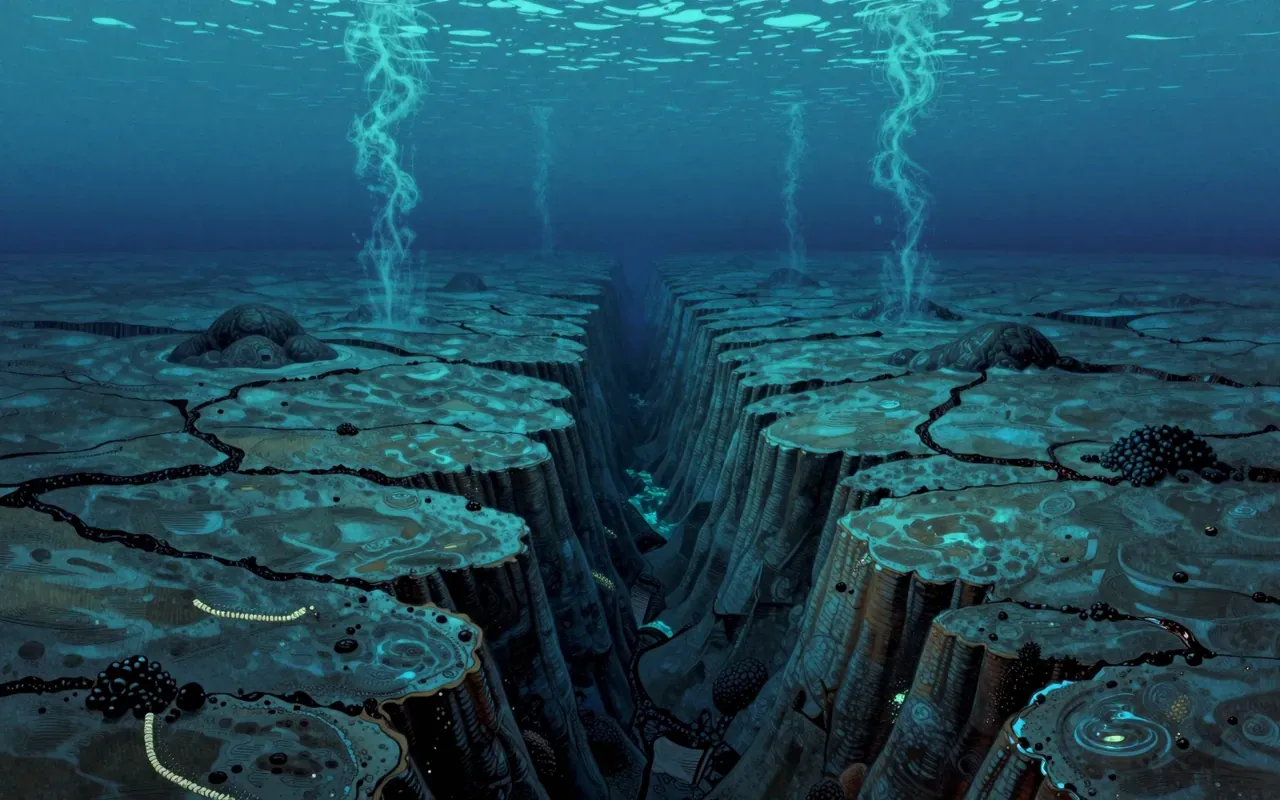
Marie Tharp saw a valley running down the centre of a seafloor mountain range in her own sounding data, and her research partner initially dismissed it as girl talk because it supported a theory the field had already rejected.
13:00

N-ray

Around 120 scientists published roughly 300 papers confirming a new radiation that did not exist, until Robert Wood quietly pulled the essential prism out of the apparatus and the readings continued anyway.
13:00

National Ignition Facility

The National Ignition Facility's December 2022 shot produced more fusion energy than its laser delivered to the fuel, a real milestone at the target that is roughly a hundredfold short of net energy for the facility itself.
13:53

Neanderthal genome project

Svante Paabo · 2006

The Neanderthal genome project did not discover interbreeding as a hypothesis — it confirmed it with genomic data. It replaced speculation with measurement: four billion base pairs, three Croatian specimens, one decisive conclusion. Its legacy is methodological rigour and a rewritten human family tree.
11:10

Neutral theory of molecular evolution

Motoo Kimura

The neutral theory reframed molecular evolution around stochasticity—not adaptation—as the dominant force shaping DNA change. It offered precise, falsifiable predictions about rates and variation, grounded in population genetics. It did not disprove selection; it defined its null model. Its endurance lies not in universality, but in utility: every test for selection begins here.

13:00

Noble gas

Ramsay and Travers found an entire missing column of the periodic table by carefully distilling liquid air. The gases they pulled out were named for being lazy, hidden, new and strange — and chemistry believed they never reacted with anything until 1962 proved otherwise.