sciencebriefs
Highest rated

All briefs

561 briefs · 6515 min · 1–96 on page 1 of 6
10:48

Charles Darwin

Darwin did not discover evolution — he discovered how it works, and why it must be true.
13:00

General relativity

Einstein's 1915 field equations replaced Newton's gravitational force with curved spacetime, a claim confirmed by Mercury's orbit and the 1919 eclipse, but still not reconciled with quantum physics.
13:00

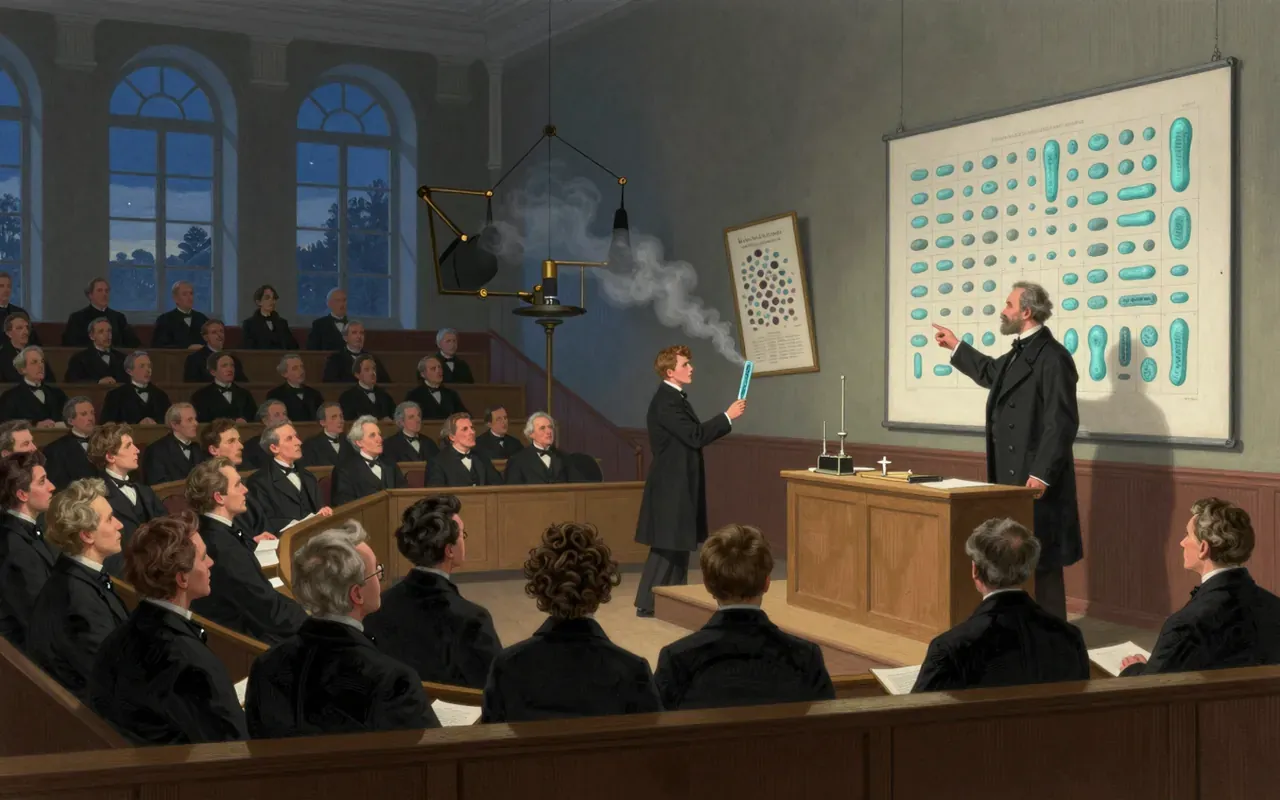
Germ theory of disease

Working separately from the 1860s to the 1880s, Louis Pasteur and Robert Koch replaced the idea that disease arises from bad air with evidence that specific microorganisms cause specific infections, and Koch's postulates gave the field a standard for proving it.
13:00

Group theory

At eighteen, Évariste Galois worked out exactly which polynomial equations can be solved with a formula and which cannot, by studying the symmetries of their roots — then died in a duel at twenty before anyone understood what he had actually found.
13:00

Hox gene

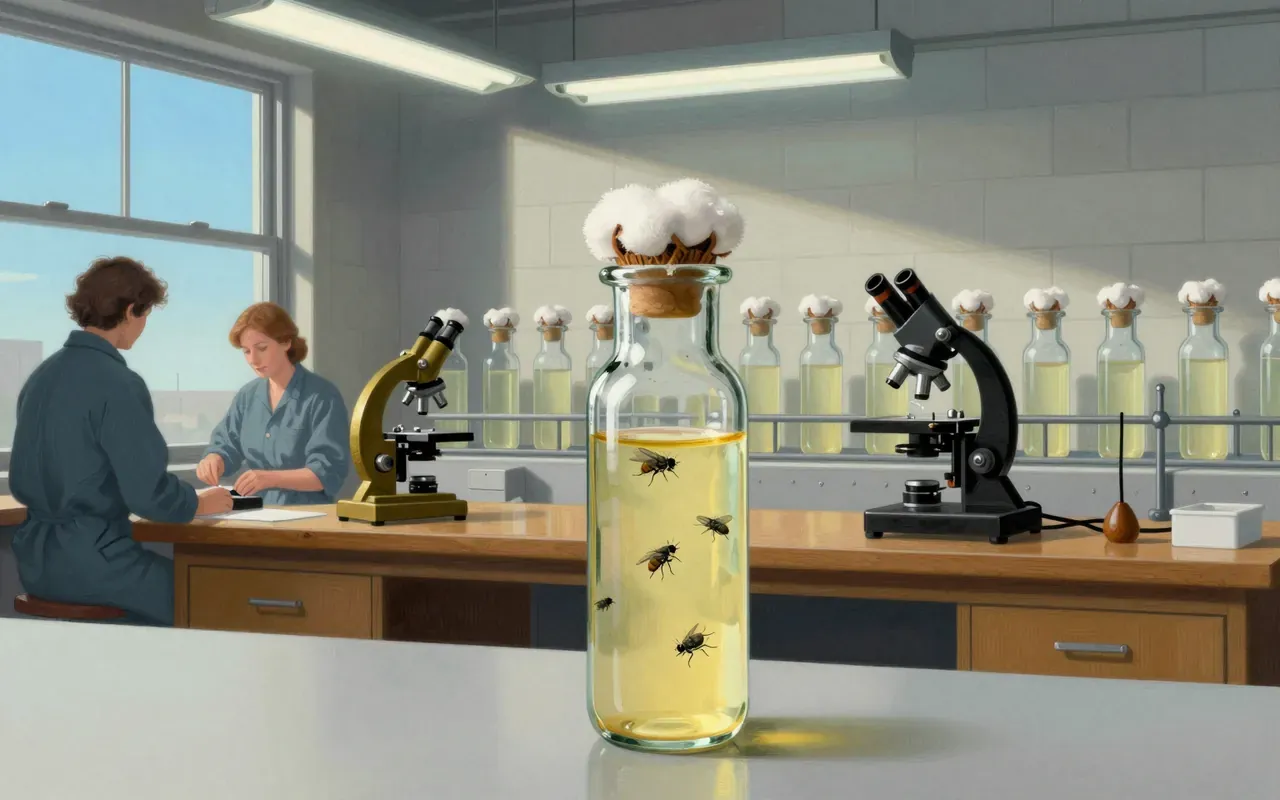
A 1980 large-scale genetic screen by Christiane Nusslein-Volhard and Eric Wieschaus, combined with Edward Lewis's decades of work on homeotic mutants, revealed the Hox genes that assign body-plan identity along an animal's head-to-tail axis.
10:04

Kurt Gödel

Gödel didn’t break mathematics — he mapped its borders with surgical precision.
13:00

Henry Molaison

Henry Molaison's 1953 surgery destroyed his ability to form new memories but left skill learning intact, giving Brenda Milner decades of evidence that declarative and procedural memory are genuinely separate systems.
13:00

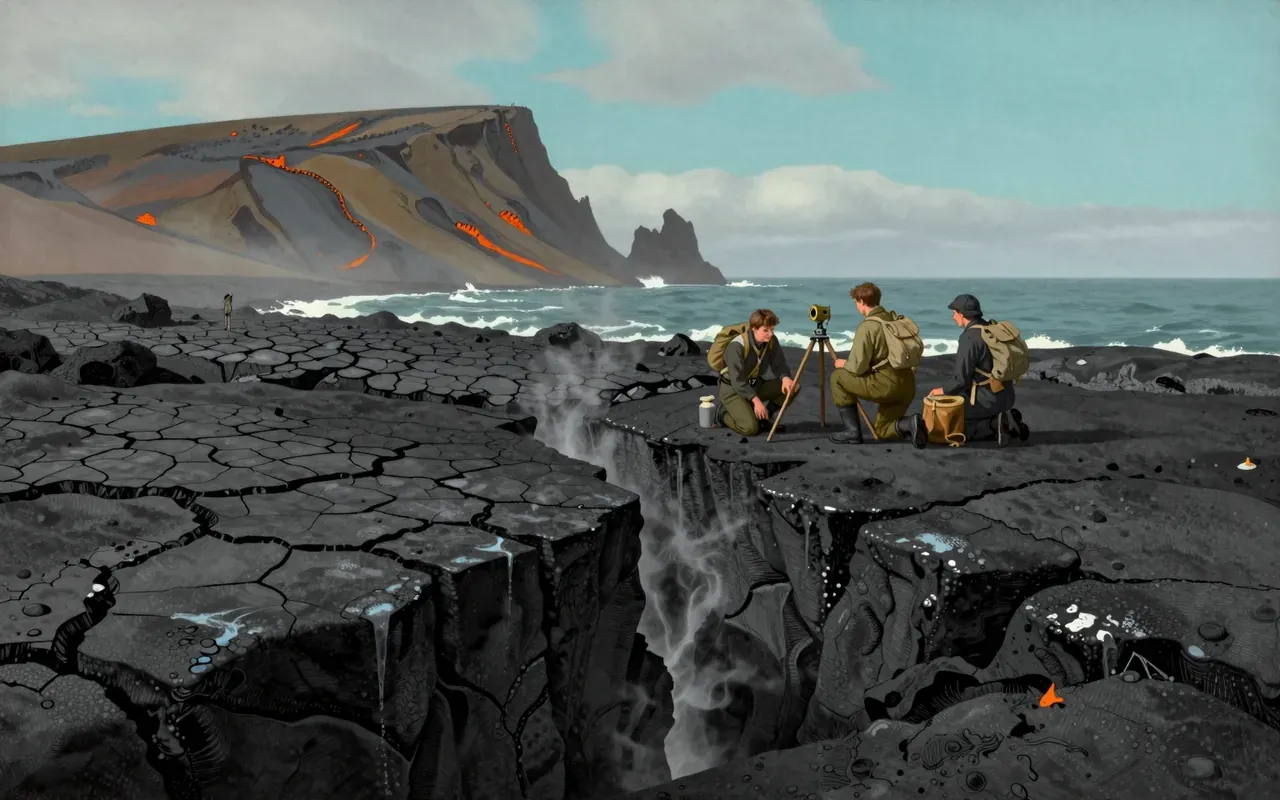
Seafloor spreading

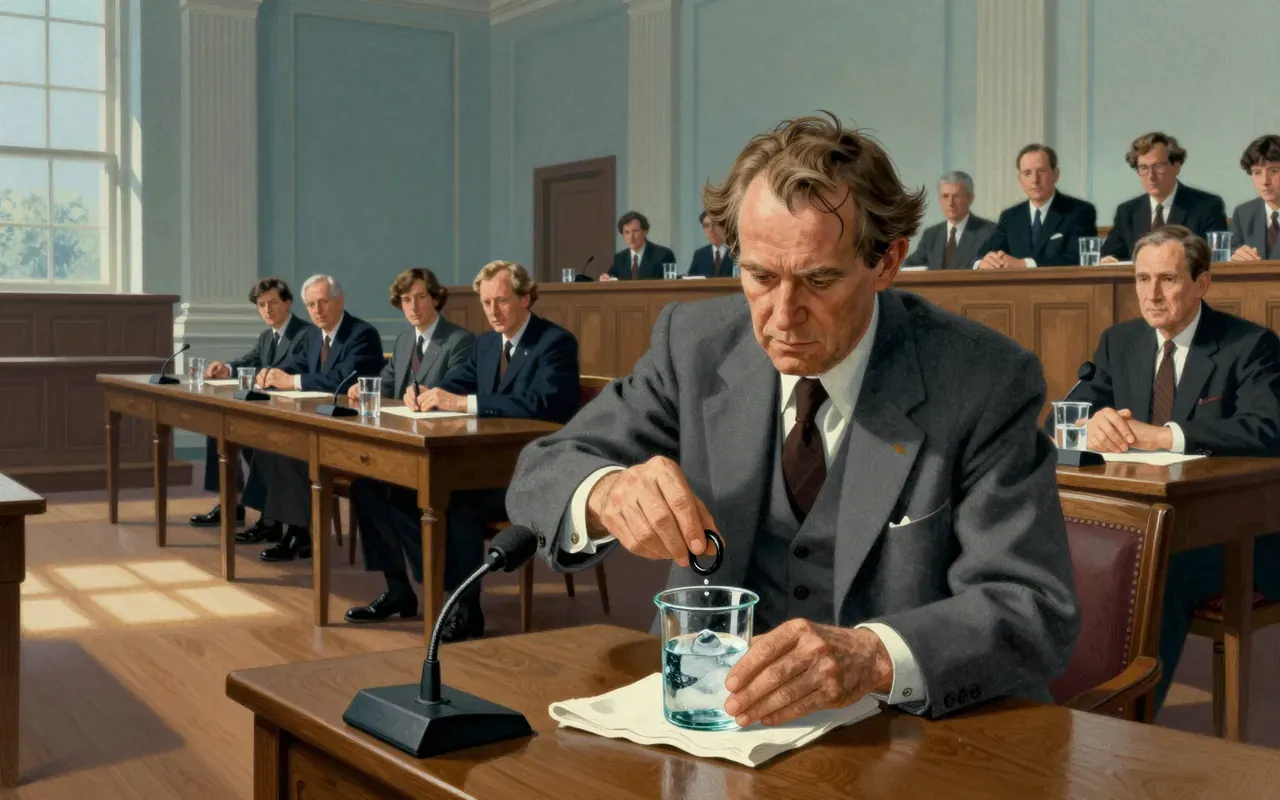
A Canadian geologist worked out the same explanation as two Cambridge researchers in 1963, but his paper was rejected twice, and the idea now carries only their names in its title.
13:00

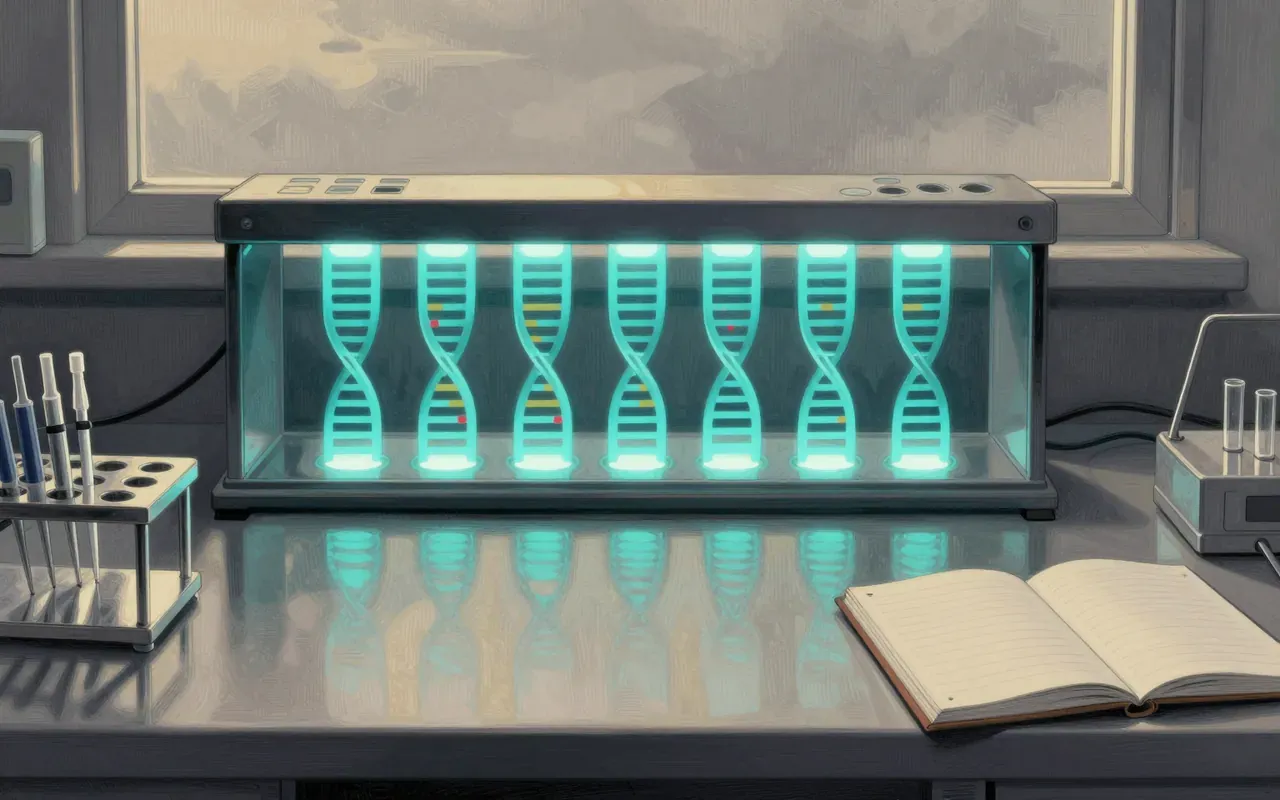
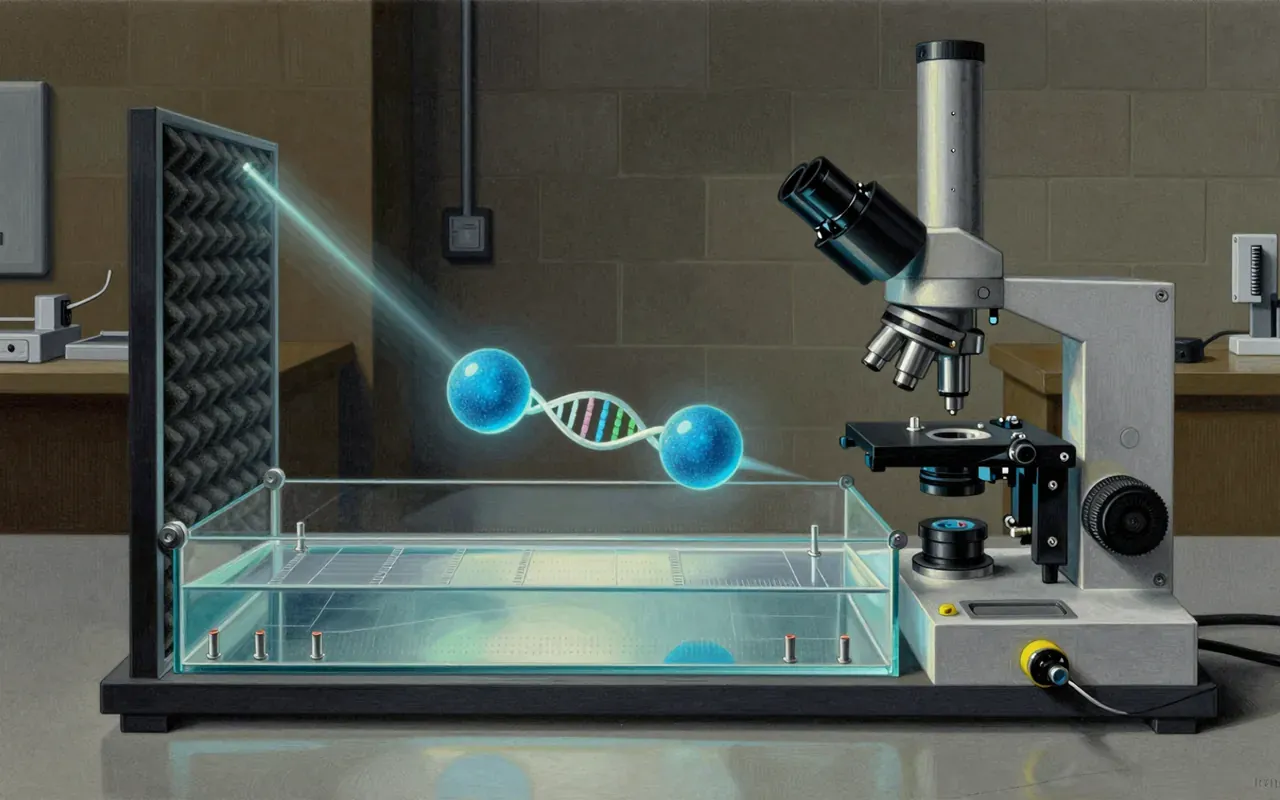
Polymerase chain reaction

Thirty cycles of heating and cooling turn one strand of DNA into roughly a billion copies. The method came from Kary Mullis in 1983 and won a Nobel Prize; his later claims about HIV and AIDS did not come from the same place and should not borrow its authority.
13:00

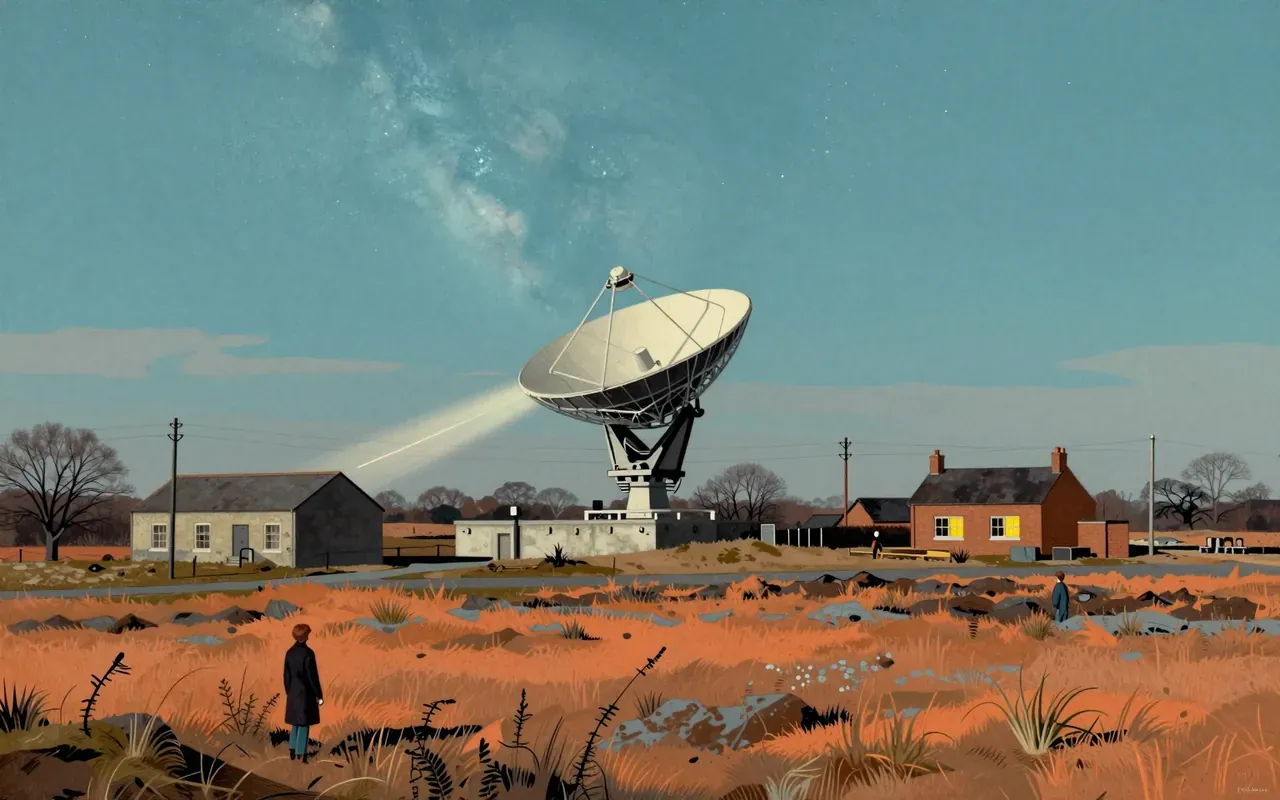
Pulsar

A graduate student spotted a stubborn scrap of noise repeating every 1.33 seconds in her own radio telescope data, and the Nobel Prize for what it turned out to be went to her supervisor instead.
13:00

Space Shuttle Columbia disaster

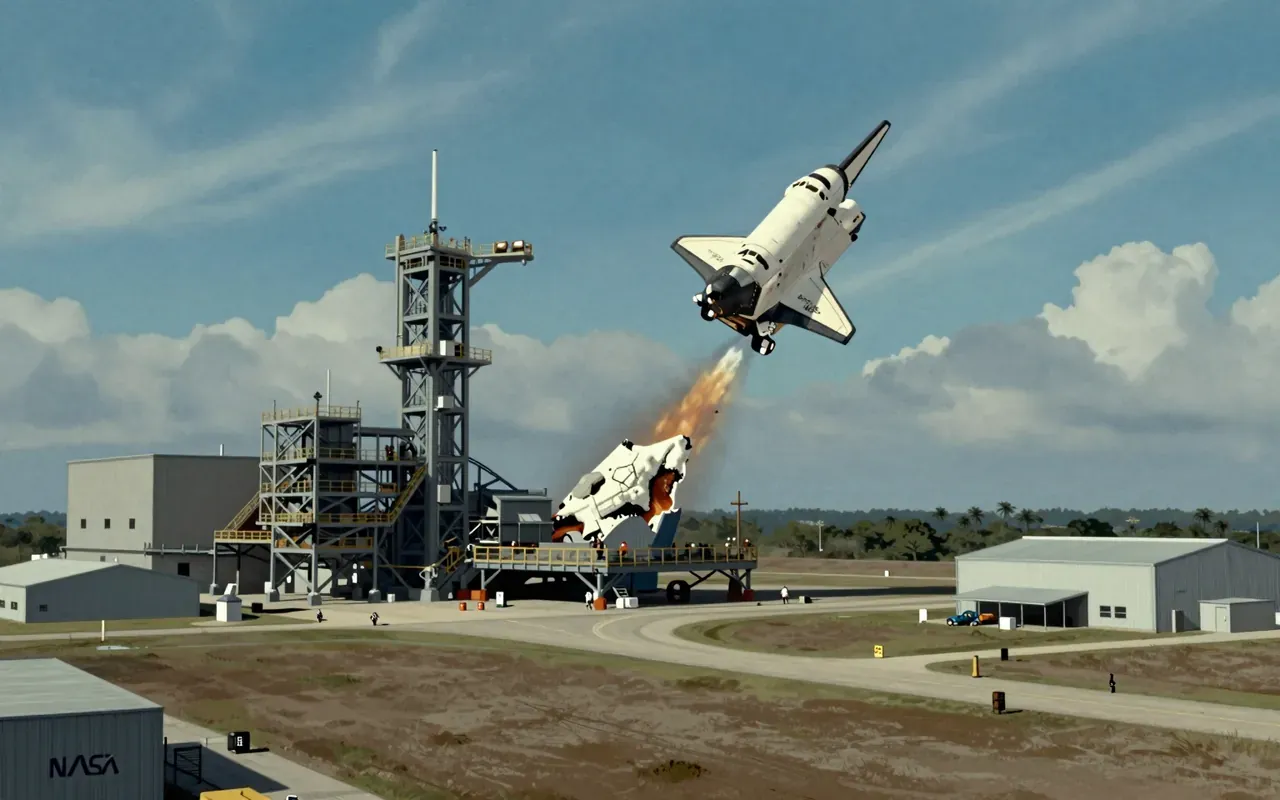
A briefcase-sized piece of foam had fallen off shuttle tanks six times before without incident, so when it struck Columbia's wing on launch, NASA managers treated the seventh strike as routine rather than as a threat.
13:00

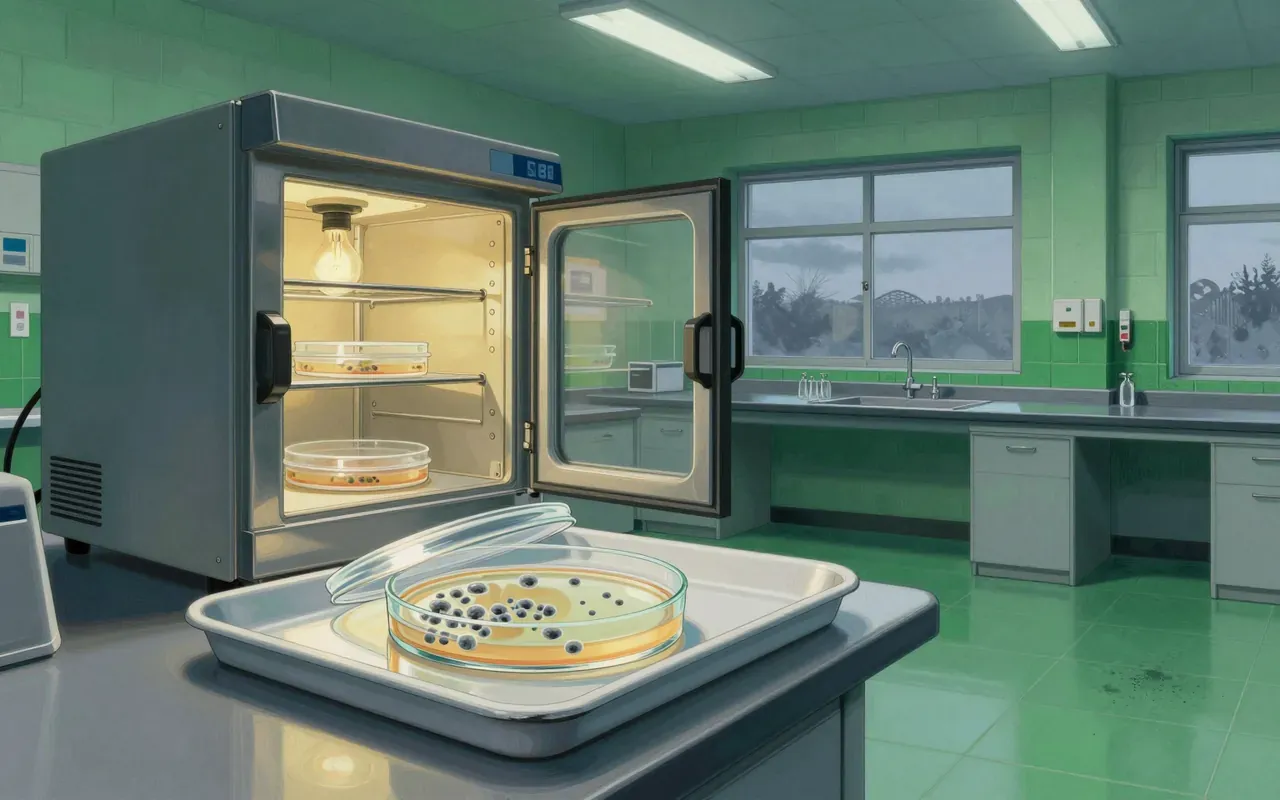
Penicillin

Alexander Fleming's 1928 observation that a stray mould killed his bacterial cultures sat mostly ignored for a decade until Howard Florey and Ernst Chain turned it into the first mass-produced antibiotic.
13:00

Event Horizon Telescope

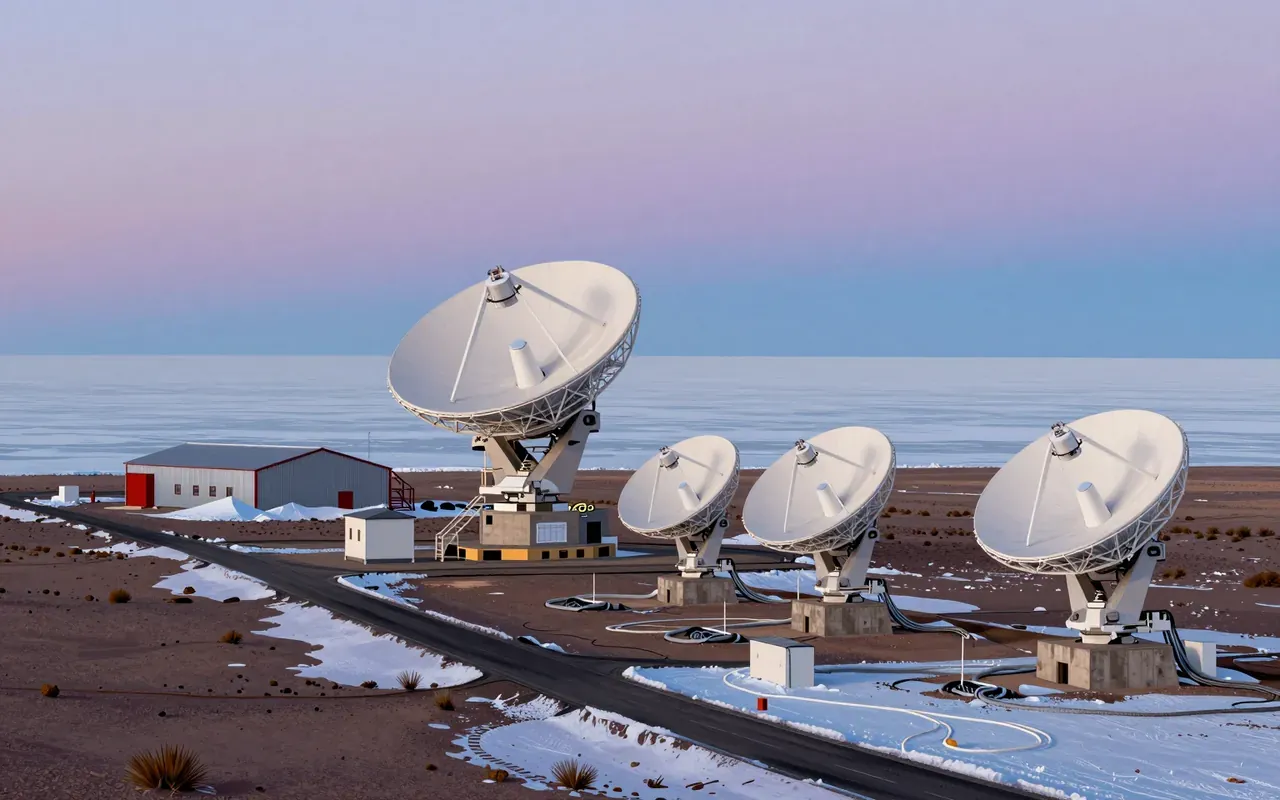
In 2019 the Event Horizon Telescope turned eight radio observatories into one Earth-sized instrument and released a picture of the shadow cast by the black hole at the centre of the galaxy M87.
13:00

Kidney transplantation

On 23 December 1954 Joseph Murray transplanted a kidney between identical twins Richard and Ronald Herrick, sidestepping the rejection problem that had defeated every earlier attempt, and the ethical question of operating on a healthy donor to help his brother.
13:00

Enceladus

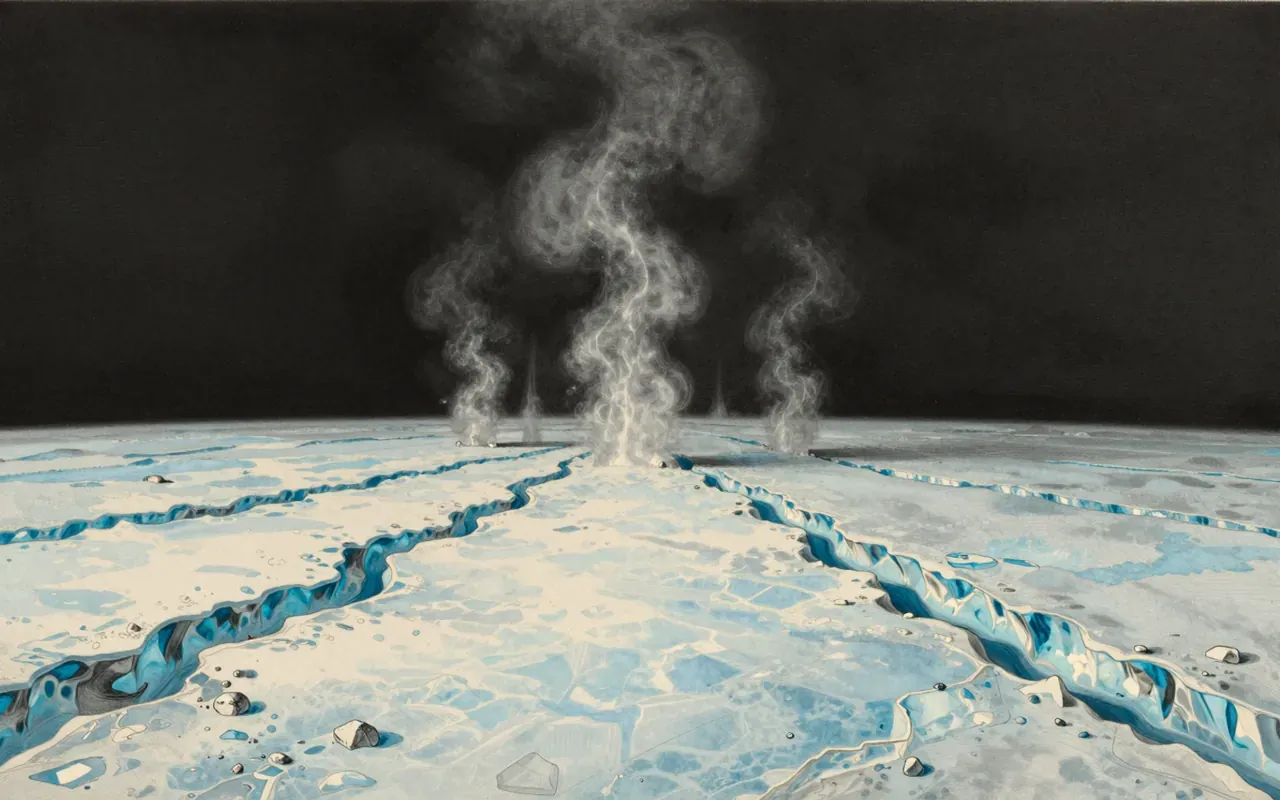
Cassini flew through jets of water vapour erupting from a small icy moon's south pole and found salts, organics, and eventually phosphates, evidence of a hidden alkaline ocean rather than a dead ball of ice.
13:00

Haber process

The reaction that fixes nitrogen out of thin air now feeds close to half the people on Earth. The chemist who invented it also personally directed the first large chlorine gas attack of the First World War, days before his wife took her own life with his service revolver.
13:00

Insulin

In 1921 Frederick Banting, Charles Best, John Macleod and James Collip at the University of Toronto isolated and purified insulin from animal pancreases, turning a previously fatal diagnosis into a manageable condition within months.
13:00

Space Shuttle Challenger disaster

Engineers warned the night before that rubber seals had never been tested that cold, management overruled them, and Challenger broke apart 73 seconds after launch on 28 January 1986.
13:00

Mid-ocean ridge

Marie Tharp saw a valley running down the centre of a seafloor mountain range in her own sounding data, and her research partner initially dismissed it as girl talk because it supported a theory the field had already rejected.
13:00

MMR vaccine and autism

A 1998 study of twelve children claiming a link between MMR vaccine and autism took thirteen years to be formally called fraud, and vaccination rates and measles cases moved in step the whole time.
13:00

Transposable element

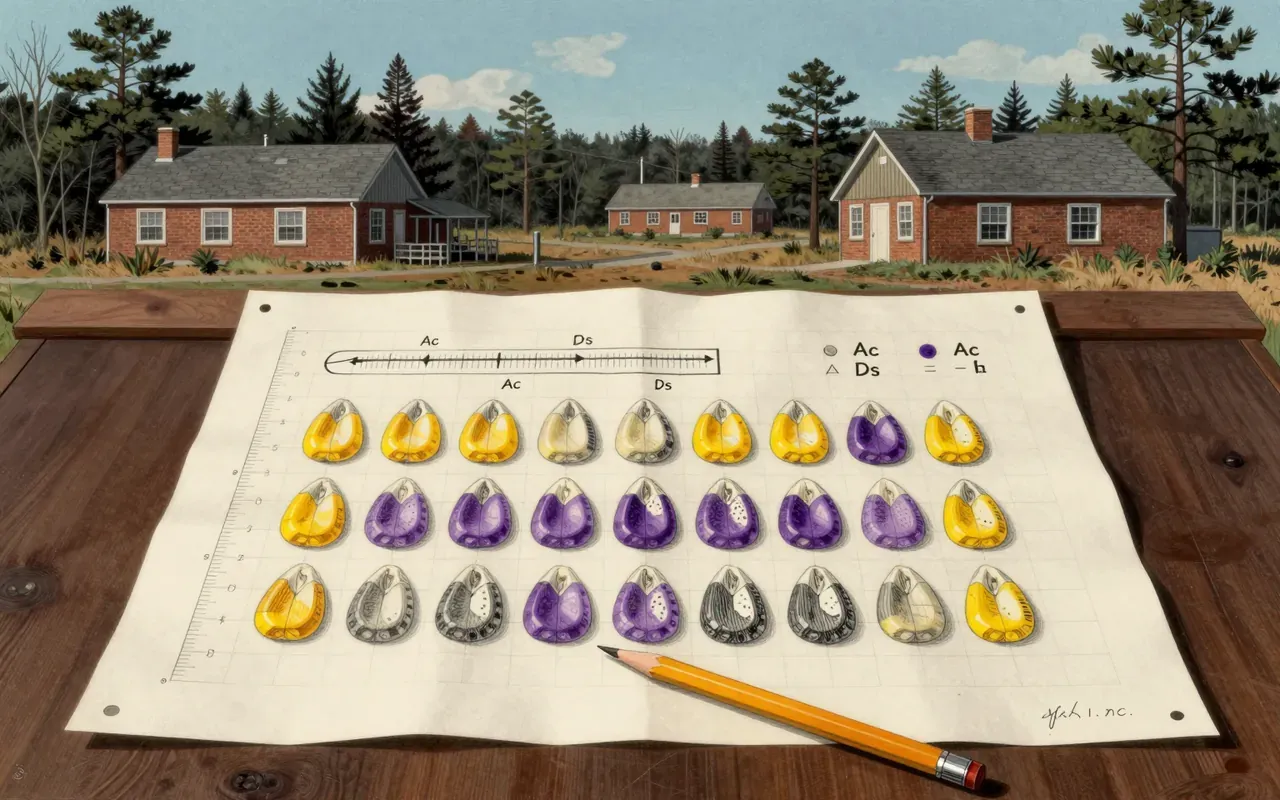
Barbara McClintock's 1940s maize experiments revealed that genes can change position within a genome, a finding dismissed for decades until molecular biology confirmed it and belatedly earned her an unshared Nobel Prize.
13:00

Continental drift

Wegener's 1912 evidence for drifting continents was sound, but geologists rightly rejected it for lacking a mechanism, until seafloor spreading and magnetic striping supplied one roughly fifty years later.
8:58

Werner Heisenberg

Heisenberg didn’t discover uncertainty — he abolished the idea that particles have definite positions and momenta at all.
9:33

On the Origin of Species

Charles Darwin

On the Origin of Species (1859) introduced natural selection as the mechanism for evolutionary descent with modification. It presented evidence for common descent via a branching pattern, drawn from Darwin’s Beagle expedition, research, correspondence, and experimentation. It established descent with modification as the dominant scientific explanation of natural diversification. Its proposition of universal common ancestry is now accepted—but that acceptance postdates the book and is not itself what the book established.
10:16

Jennifer Doudna

Jennifer Doudna and Emmanuelle Charpentier

Doudna and Charpentier’s 2012 work established CRISPR-Cas9 as the first programmable, RNA-guided DNA cleavage system. It relies on Cas9 protein and a synthetic guide RNA chimera. It works in vitro. It does not demonstrate editing in living organisms or repair outcomes. It is the origin of all subsequent CRISPR applications — not a refinement, but the first functional design.
11:20

Ibn al-Haytham

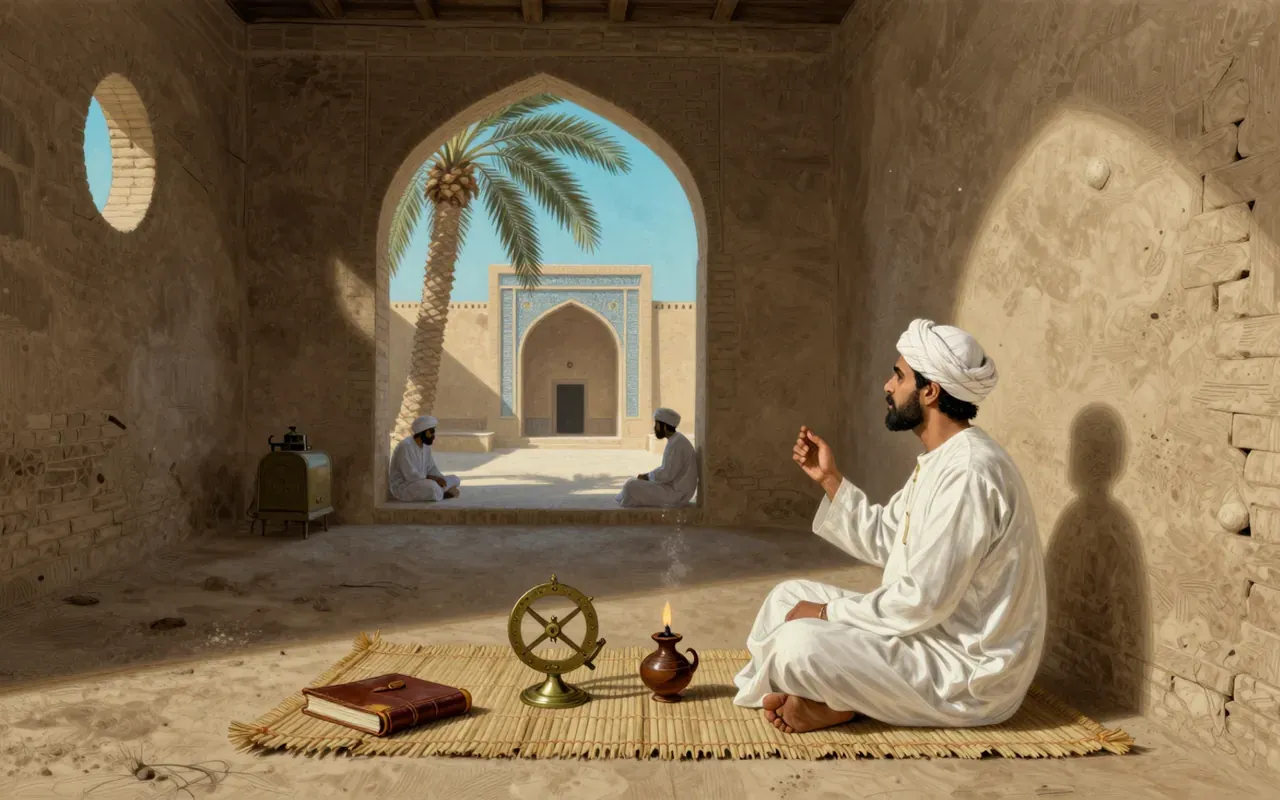
He didn’t just study light—he invented the scientific method for perception.
8:20

Eric F. Wieschaus

He didn’t find genes that build embryos—he found the switches that start the clock.
11:02

Nuclear fusion

Fusion was solved for stars in 1939—not for power plants, and not by engineers.
9:52

Klaus von Klitzing

A single number, RK, turned resistance into a quantum ruler — but it measures only one kind of perfection.
8:42

Monoclonal antibody

Georges Köhler and César Milstein

The 1975 hybridoma technique solved one problem: how to make unlimited quantities of identical antibodies targeting a known antigen. It did not solve delivery, safety, scalability, or therapeutic function. Its value lies in reproducibility — not potency, not novelty of target, not clinical impact.
9:36

Space

Space is not empty. It bends, ripples, expands—and you’re standing inside a four-dimensional object you can’t see.
9:19

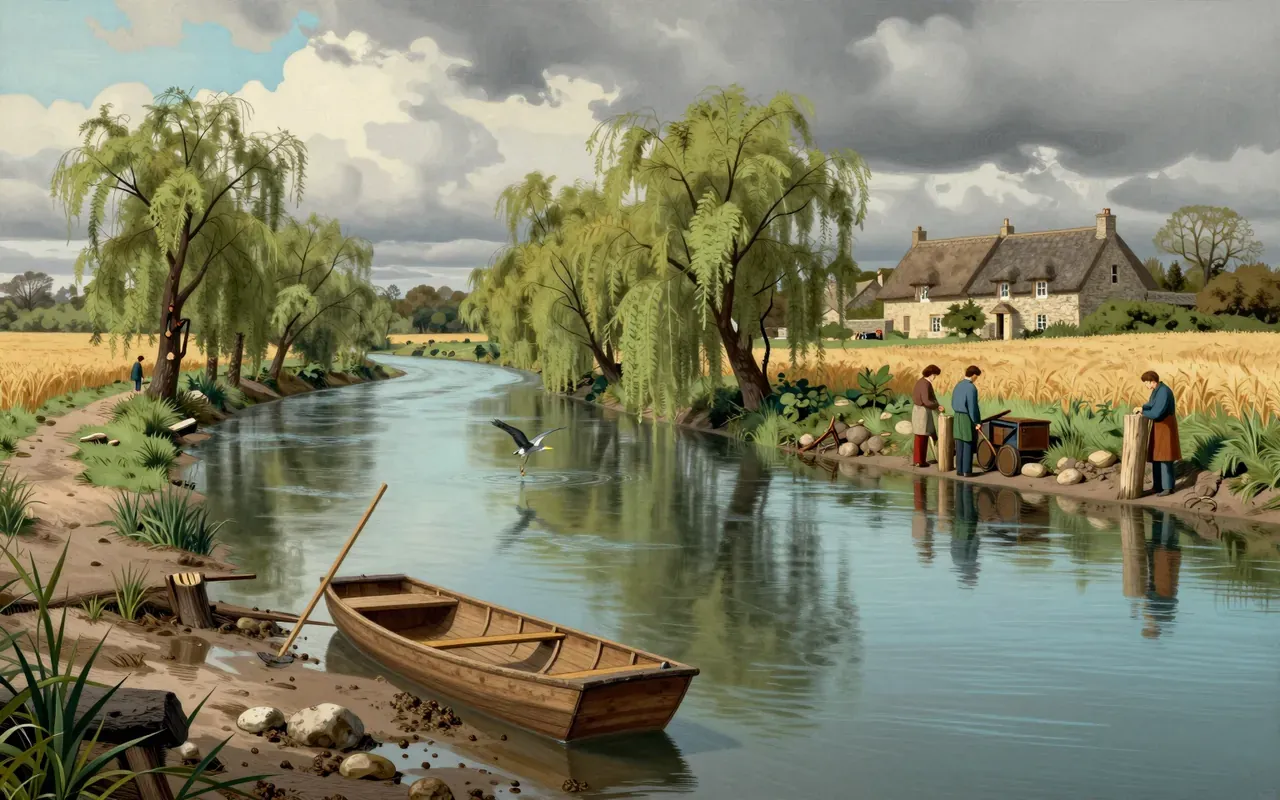
Water cycle

A correct theory of the water cycle existed for 230 years before science accepted it.
9:11

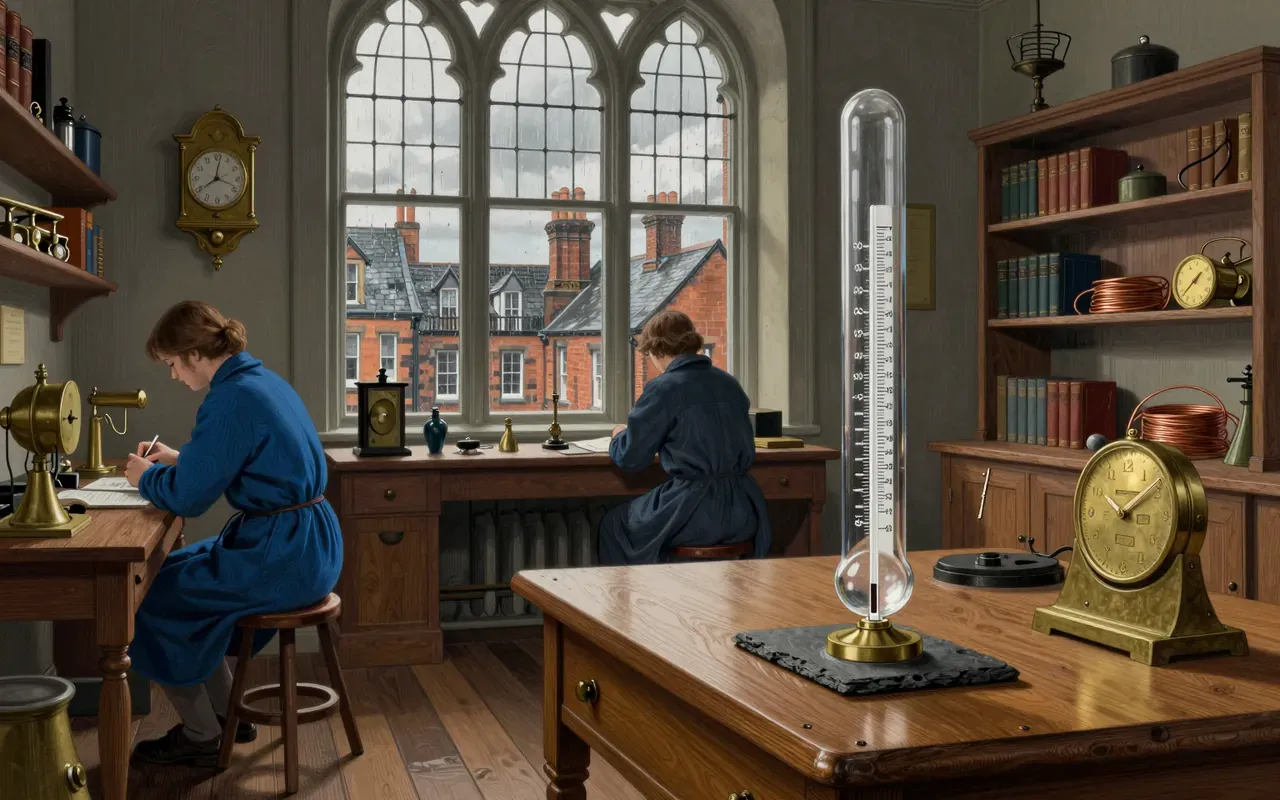
Lord Kelvin

He didn’t discover cold — he made temperature itself objective.
8:32

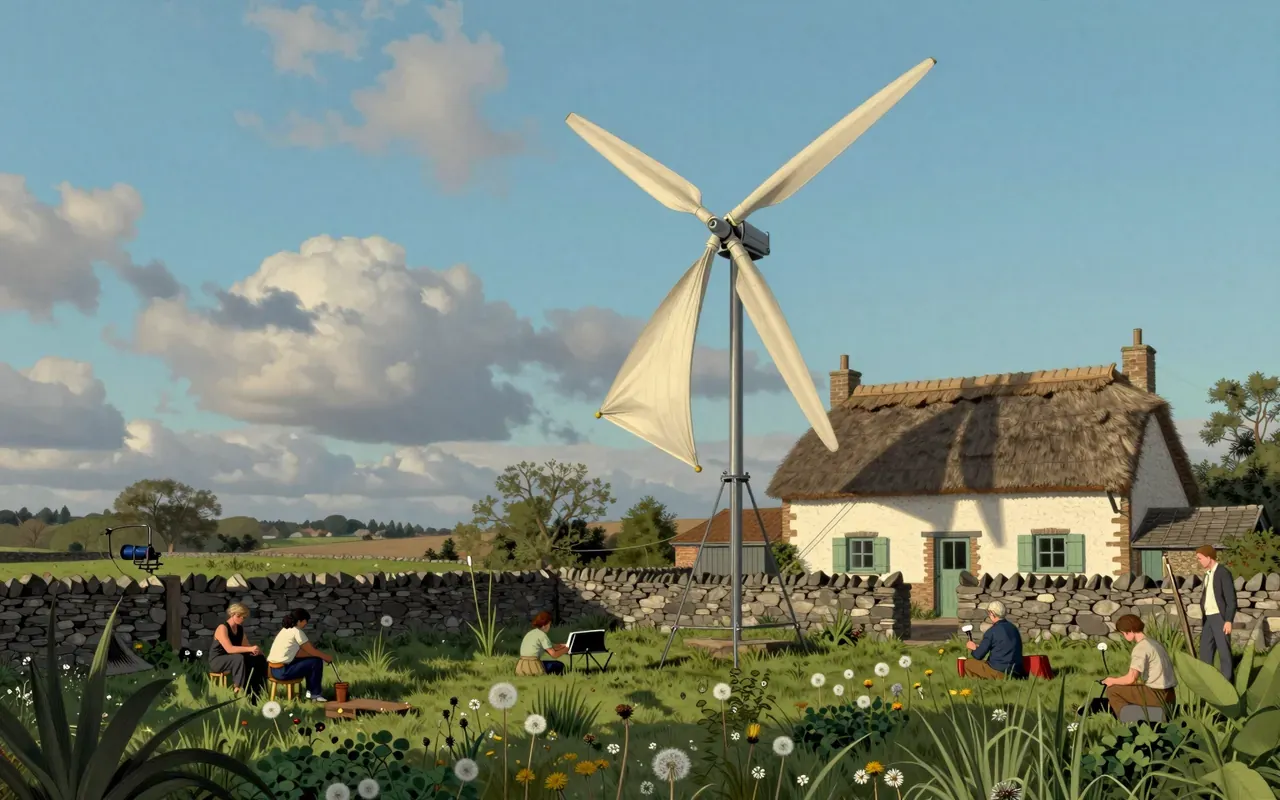
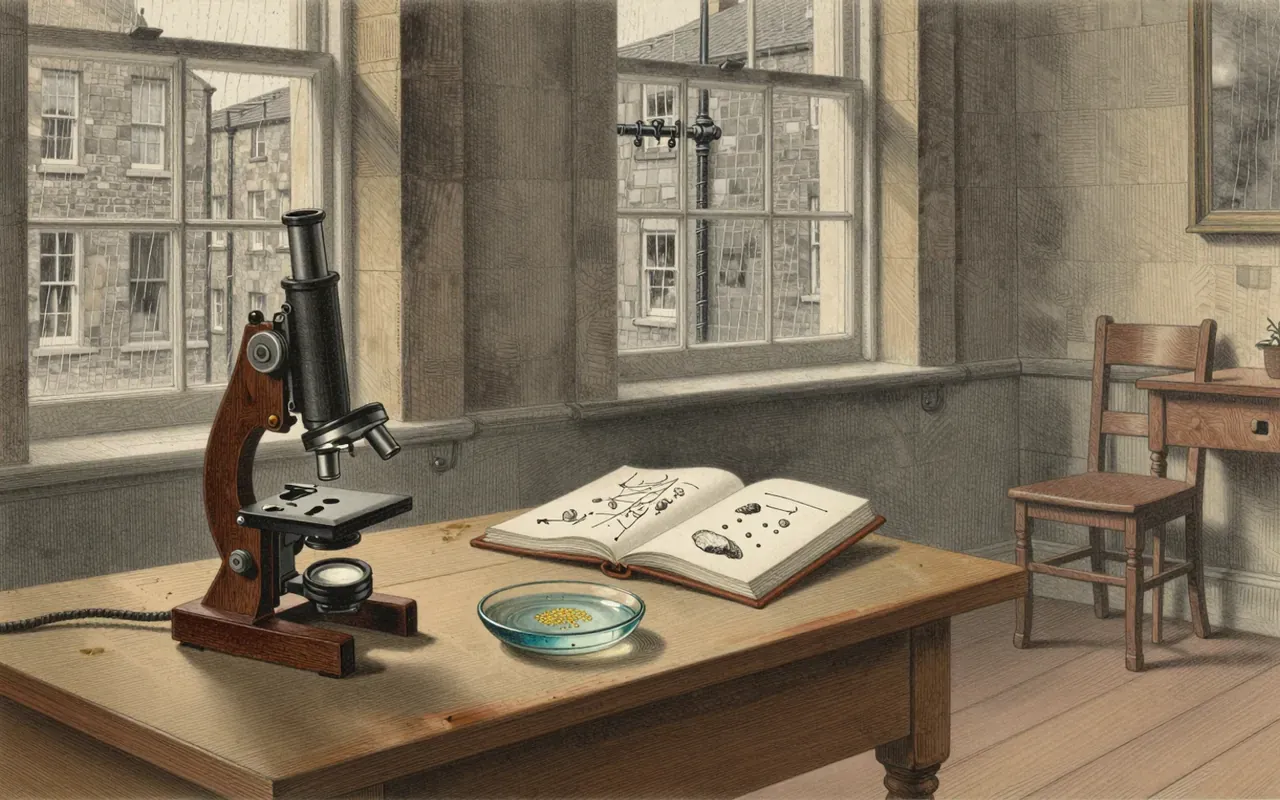
Wind power

Wind power did not begin with climate policy — it began with a Scottish professor lighting his cottage in 1887.
10:17

Nikolaas Tinbergen

Tinbergen proved instinct is not a fog—it’s a cascade of measurable triggers, and we ignore its architecture at our peril.
10:48

Ada Lovelace

Lovelace didn’t write code — she wrote the first argument for what code could mean.
10:49

Al-Khwarizmi

He didn’t invent algebra—he founded it as a discipline with rules, not rhetoric.
10:30

Alan Turing

Turing didn’t invent the computer — he proved what computation *is*, and where it must stop.
9:49

Albert Einstein

Einstein didn’t prove relativity — he rebuilt physics from scratch using pens, paper and postulates.
8:44

Alexander Fleming

Fleming didn’t discover a drug — he discovered a warning system built into microbial ecology.
10:16

AlexNet

Depth won the 2012 ImageNet challenge—not cleverness, not data, not theory, but raw, GPU-fuelled layer count.
10:59

Alfred Russel Wallace

Wallace didn’t just co-discover natural selection—he built biogeography from scratch, in the field, one island at a time.
9:56

Alfred Wegener

Wegener didn’t prove continental drift—he proved it was the only explanation that fit the map, the rocks, and the fossils.
13:00

Kin selection

W.D. Hamilton's 1964 formula for when self-sacrifice pays off in genetic terms explained sterile worker ants better than anything before it, though a 2010 challenge from E.O. Wilson shows the theory is still argued over.
13:00

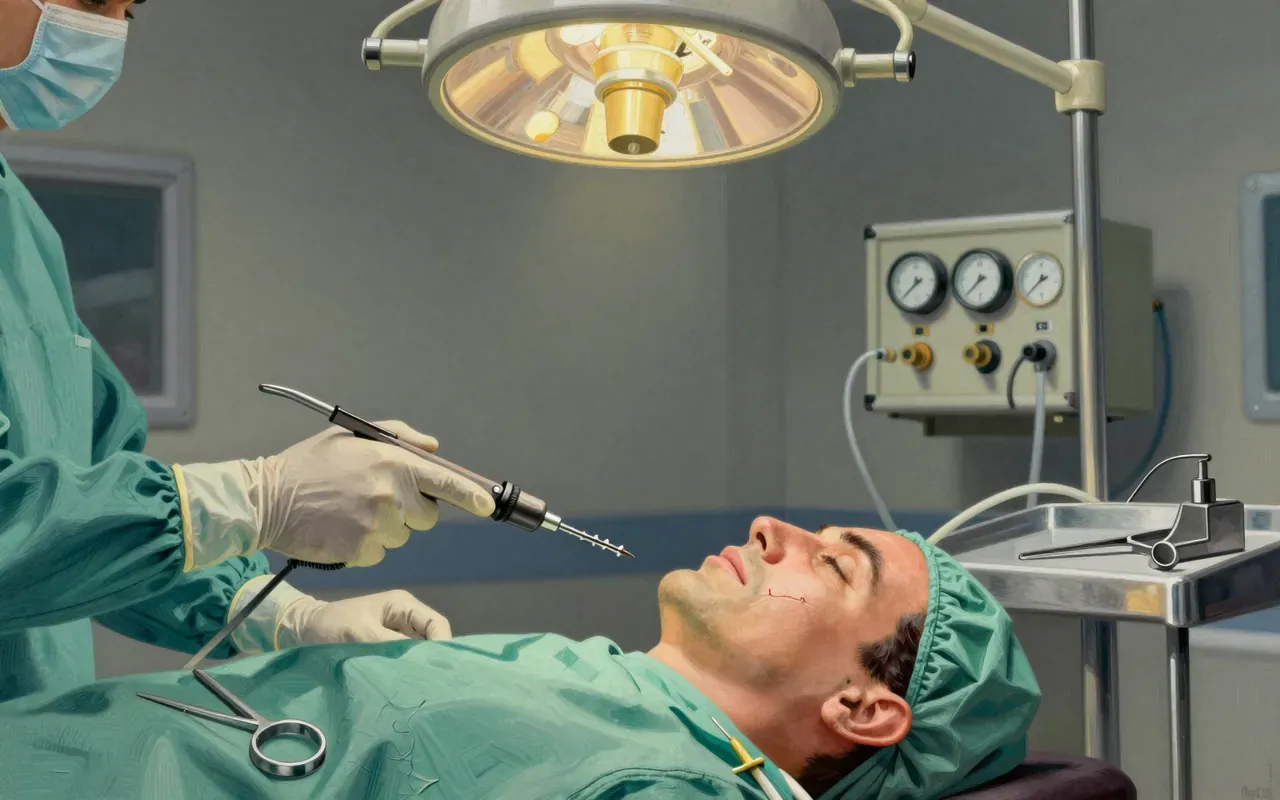
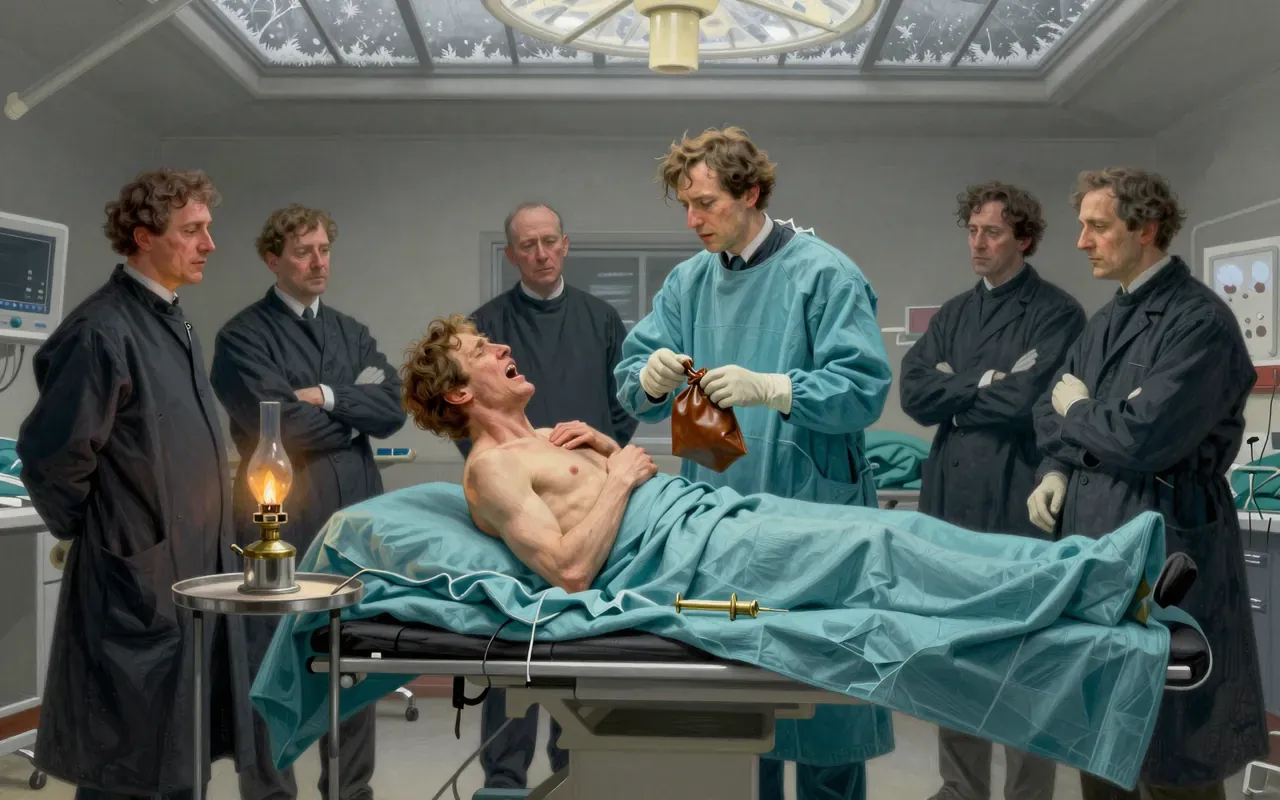
History of general anesthesia

On 16 October 1846 William Morton administered ether so a surgeon could remove a tumour from a patient who felt no pain, a public proof of surgical anaesthesia that overshadowed an earlier, unpublished use of the same gas four years before.
13:00

Ancient DNA

Svante Pääbo spent decades building the methods to pull authentic genetic sequences out of fossils riddled with damage and contamination, work that let him sequence the Neanderthal genome and identify a new human relative from a single finger bone.
13:00

Positron

Carl Anderson's 1932 cloud-chamber photograph of a positively charged electron confirmed Paul Dirac's theoretical prediction of antimatter, a discovery that later underpins hospital PET scanners.
9:53

André-Marie Ampère

Ampère didn’t discover electromagnetism — he turned it into a science you can calculate with.
13:00

Joseph Lister

From 1865 Joseph Lister applied Louis Pasteur's germ theory to the operating theatre, using carbolic acid to kill microbes on wounds, instruments and hands, and met years of resistance before antiseptic surgery became standard practice.
9:18

Arecibo Observatory

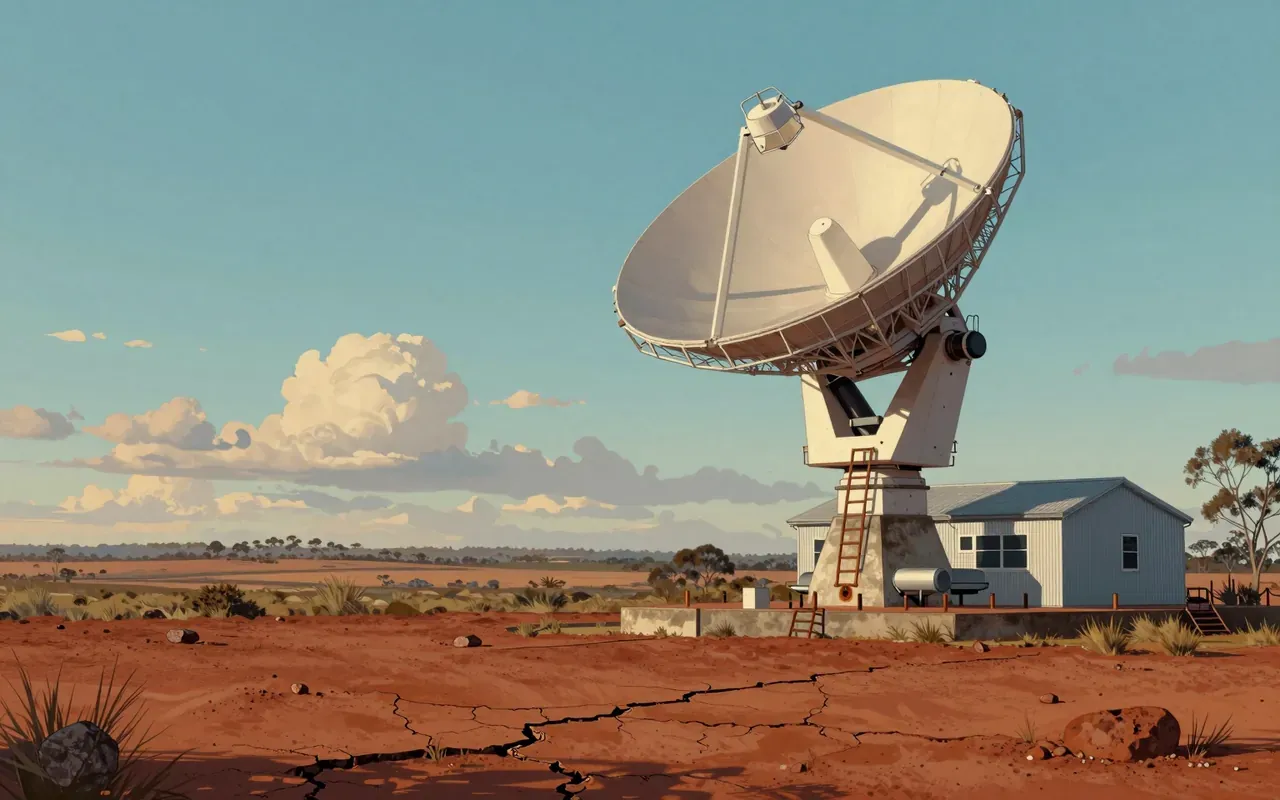
A 305-m dish carved into a Puerto Rican sinkhole didn’t just listen to space — it bent the rules of what a telescope could be.
9:31

Arieh Warshel

He did not explain enzymes—he built the first working computational microscope for them.
9:36

Arthur Ashkin

He didn’t just trap light — he made light grab matter, one photon at a time.
9:14

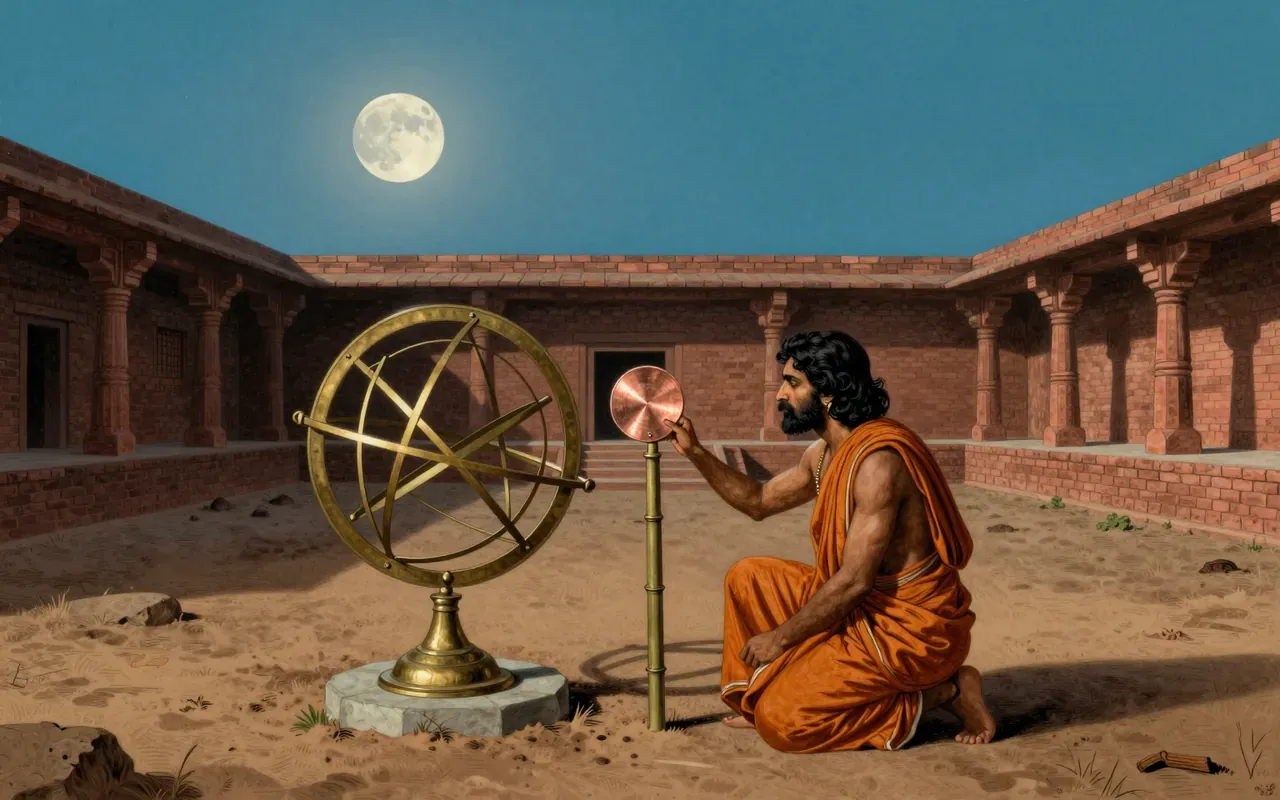
Aryabhata

Aryabhata didn’t just anticipate Copernicus — he built a working, quantified geocentric model that outperformed contemporaries for a millennium.
9:55

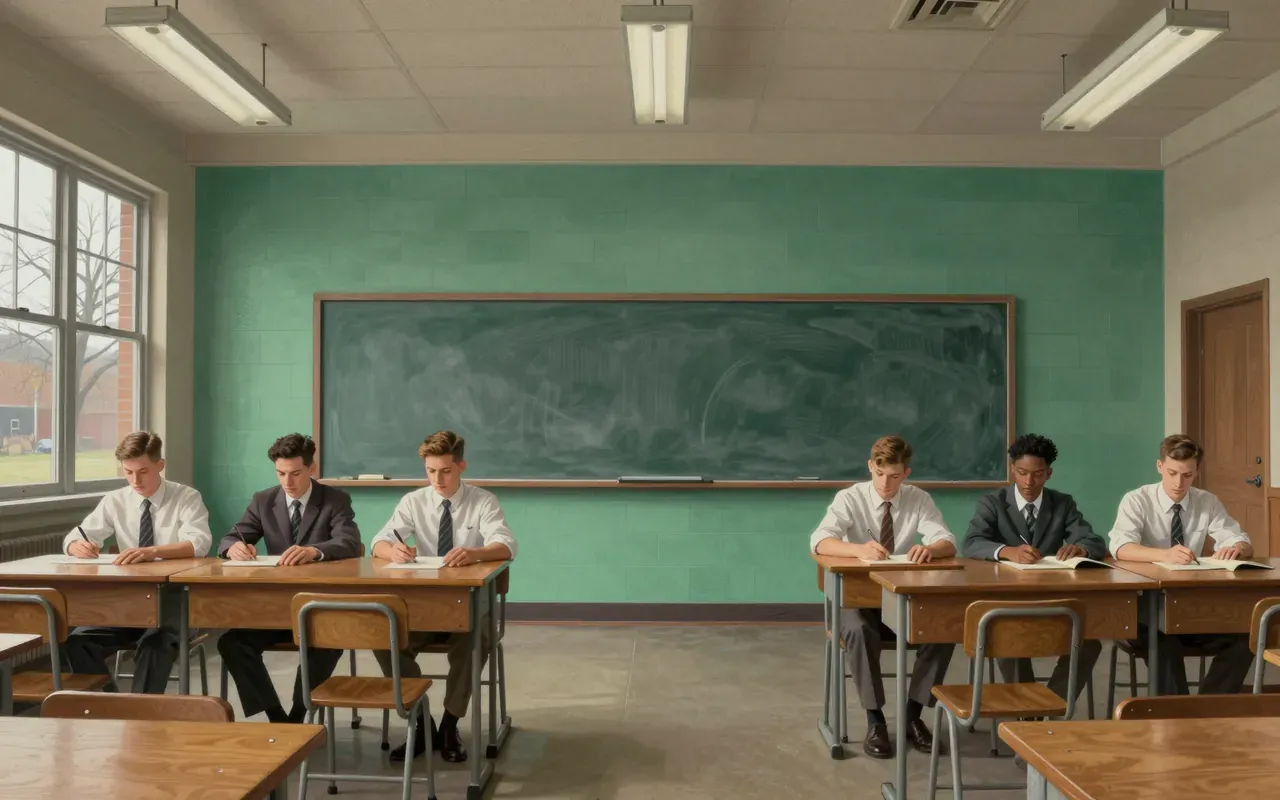
Asch conformity experiments

Solomon Asch

The Asch experiments show that unanimous group pressure causes public conformity on simple perceptual judgments — not because people misperceive, but because they yield in speech. The effect is real, quantified, and limited: it depends on unanimity, not large numbers; it was tested only on white male undergraduates; and it measures response, not belief or vision.
13:00

Bell test

Alain Aspect's early 1980s photon experiments turned Einstein's decades-old discomfort with entanglement into a testable question, and quantum mechanics won, though it took another three decades of closing loopholes before the answer became fully conclusive.
9:05

Barbara McClintock

Genes don’t just code—they jump, break, and switch traits on and off depending on where they land.
9:55

Barry Marshall

A man drank bacteria and proved ulcers were infectious—not psychological.
10:37

Bayes' theorem

Thomas Bayes · 1763

Bayes's 1763 essay solves a narrow inverse probability problem using conditional probability. It computes limits on a binomial parameter—not a general theory of belief updating. Its power lies in precision, not generality.
13:00

Stellar nucleosynthesis

Bethe's 1939 theory of how stars fuse hydrogen waited 81 years for direct confirmation, arriving only in 2020 when a neutrino detector finally caught the CNO cycle operating inside the Sun itself.
9:58

B. F. Skinner

Skinner didn’t explain minds — he replaced them with measurable behaviour and its consequences.
11:00

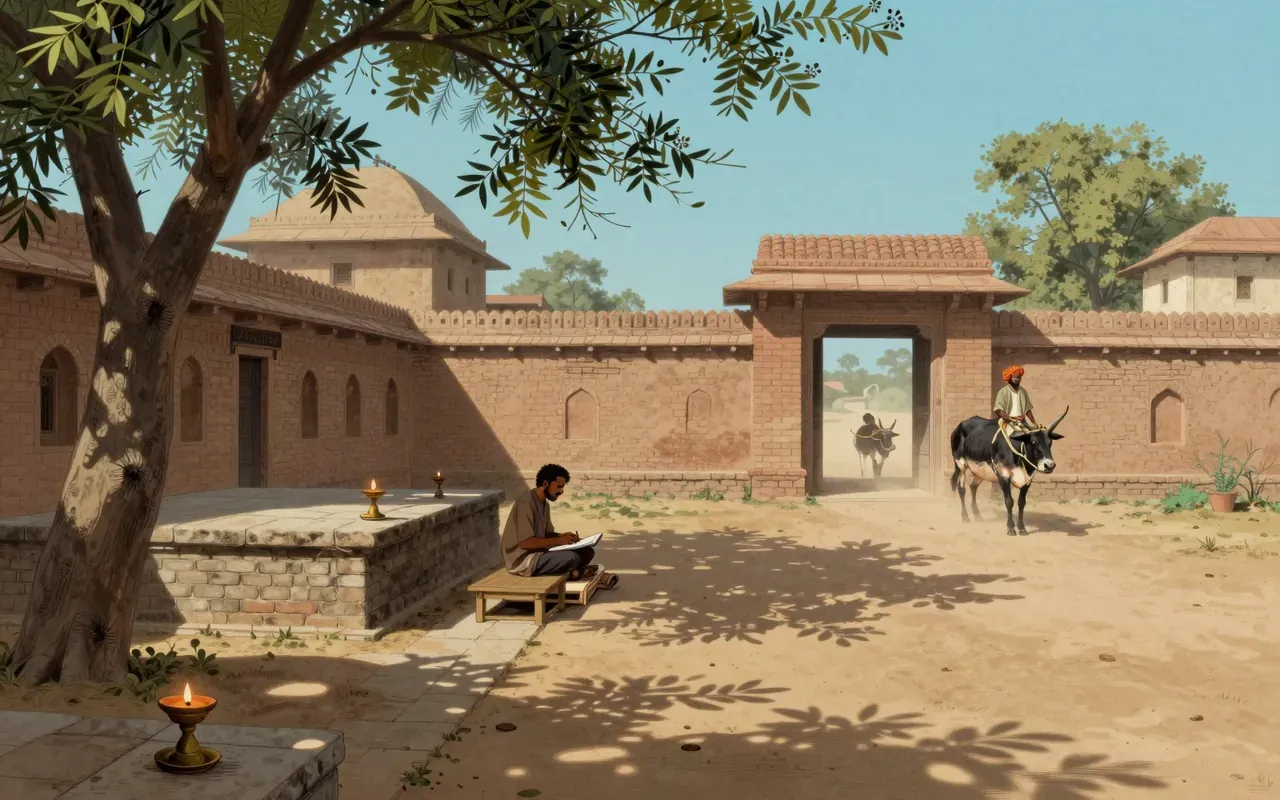
Bhāskara II

Bhāskara II didn’t invent calculus — but he derived its central insight while calculating planetary motion in Ujjain.
13:00

Biosignature

A meteorite once thought to hold fossilised Martian bacteria turned out to show structures too small to be cells, and that failure is the reason biosignature science now demands several independent lines of evidence, which this brief follows from oil-industry chemistry to Mars.
11:05

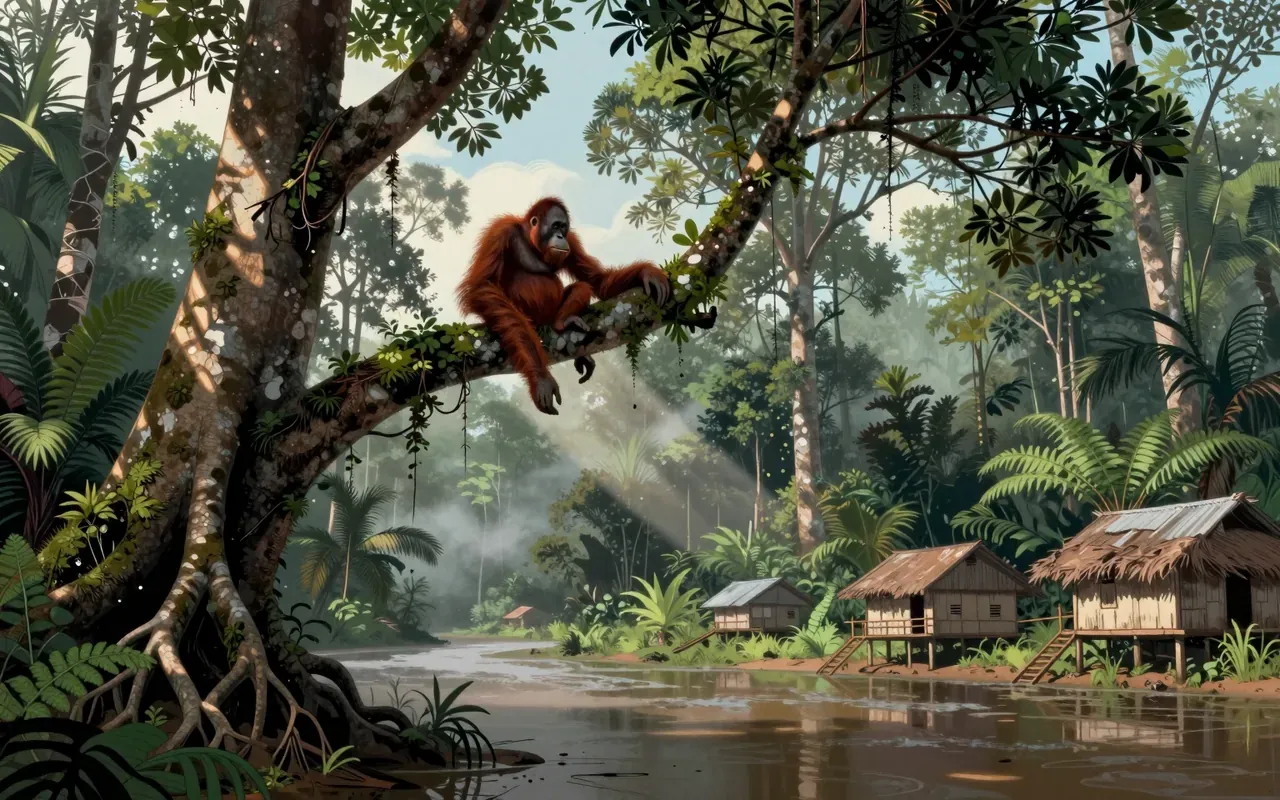
Biruté Galdikas

Fieldwork isn’t quaint — it’s the only way to document what no camera trap or genome ever will.
13:00

Boltzmann's entropy formula

Boltzmann's formula reduced entropy to a count of possible atomic arrangements, but the atomic theory it depended on was not confirmed until 1908, two years after his death by suicide amid professional resistance.
13:00

Brownian motion

Pollen grains jittering under a microscope in 1827 sat unexplained for nearly eighty years until Einstein worked out that invisible molecules were bumping them around, turning a small curiosity into decisive proof that atoms are real.
10:47

Carl Sagan

Sagan didn’t predict Venus’s heat — he measured it with radio waves, and proved the greenhouse effect wasn’t just earthly.
9:52

Caroline Herschel

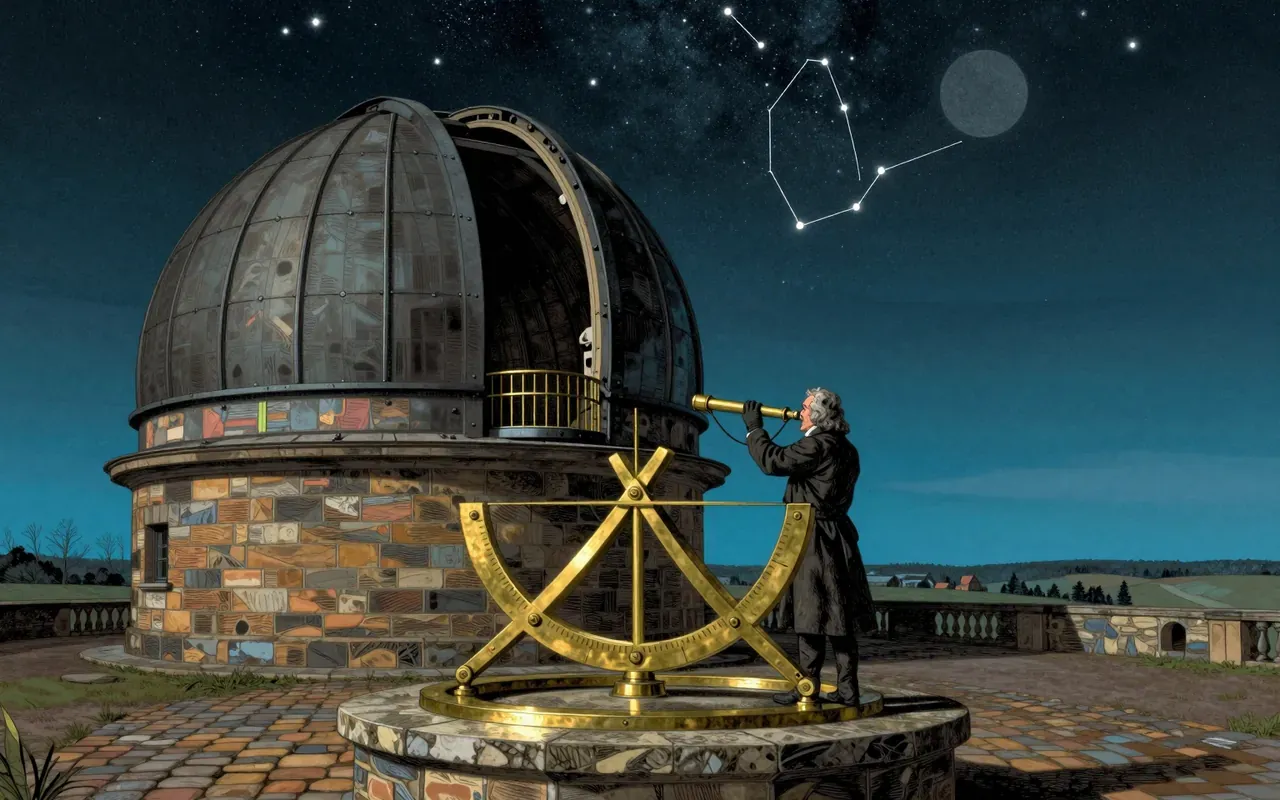
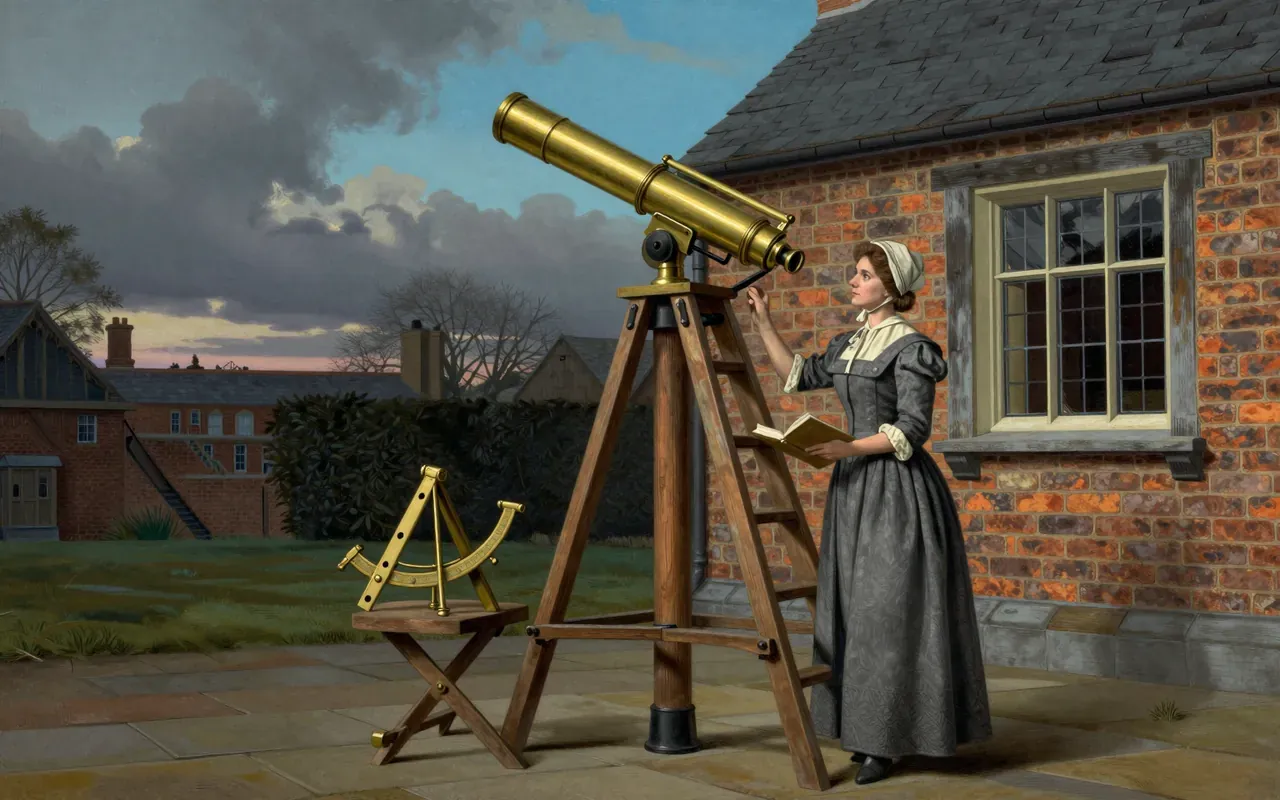
She didn’t wait for permission — she swept the sky, found what others missed, and rewrote the official star catalogue.
10:37

Cassini–Huygens

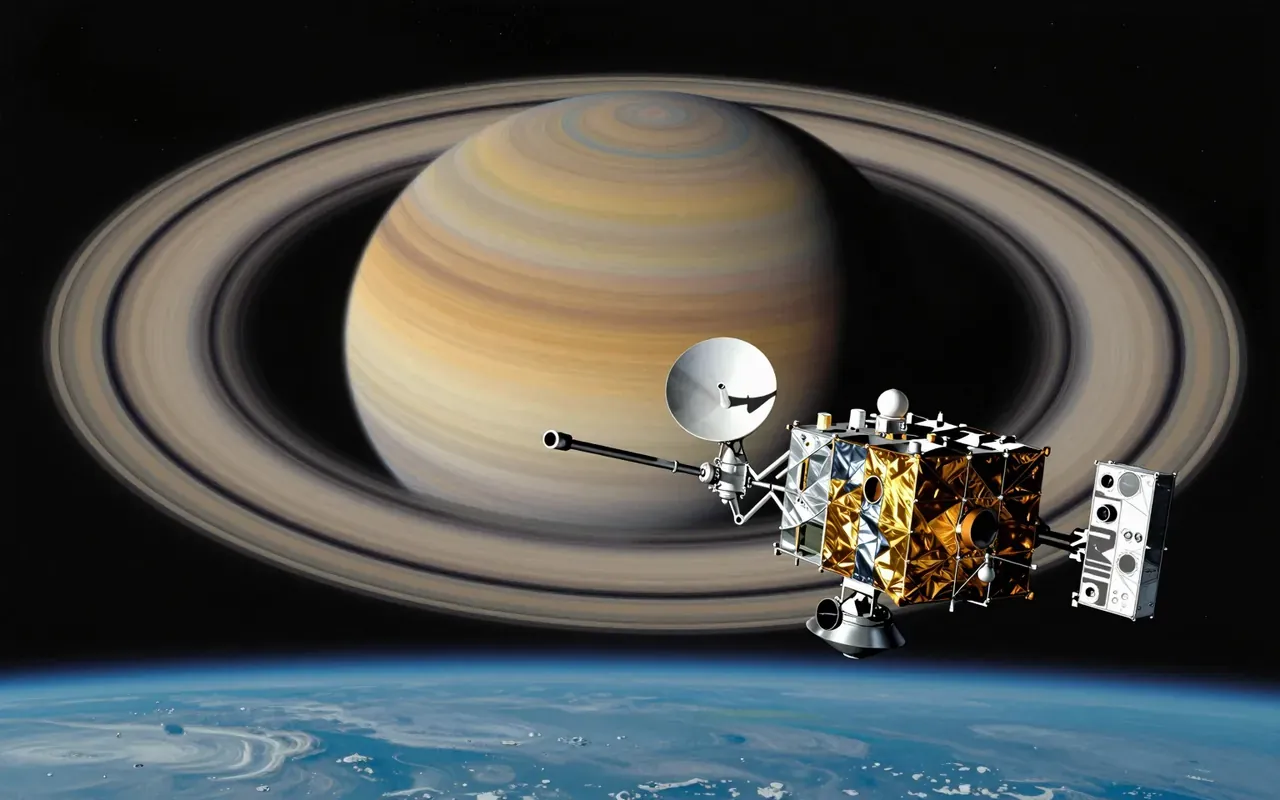
Cassini didn’t just visit Saturn — it proved icy moons can be wet, wild, and chemically alive.
13:00

Cavendish experiment

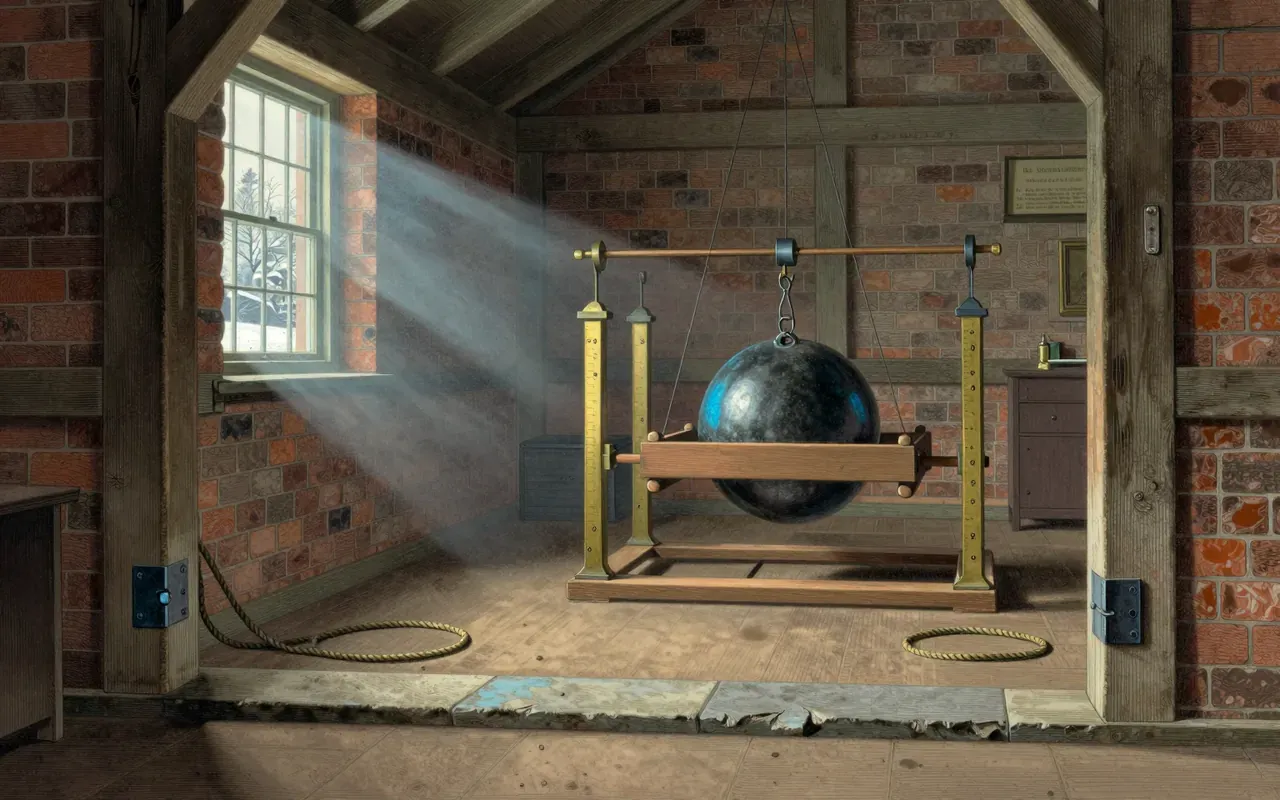
Henry Cavendish measured a gravitational force fifty million times weaker than the weight of the objects producing it, using an apparatus designed by a scientist who died before he could run the experiment himself.
10:18

Chicago Pile-1

Enrico Fermi

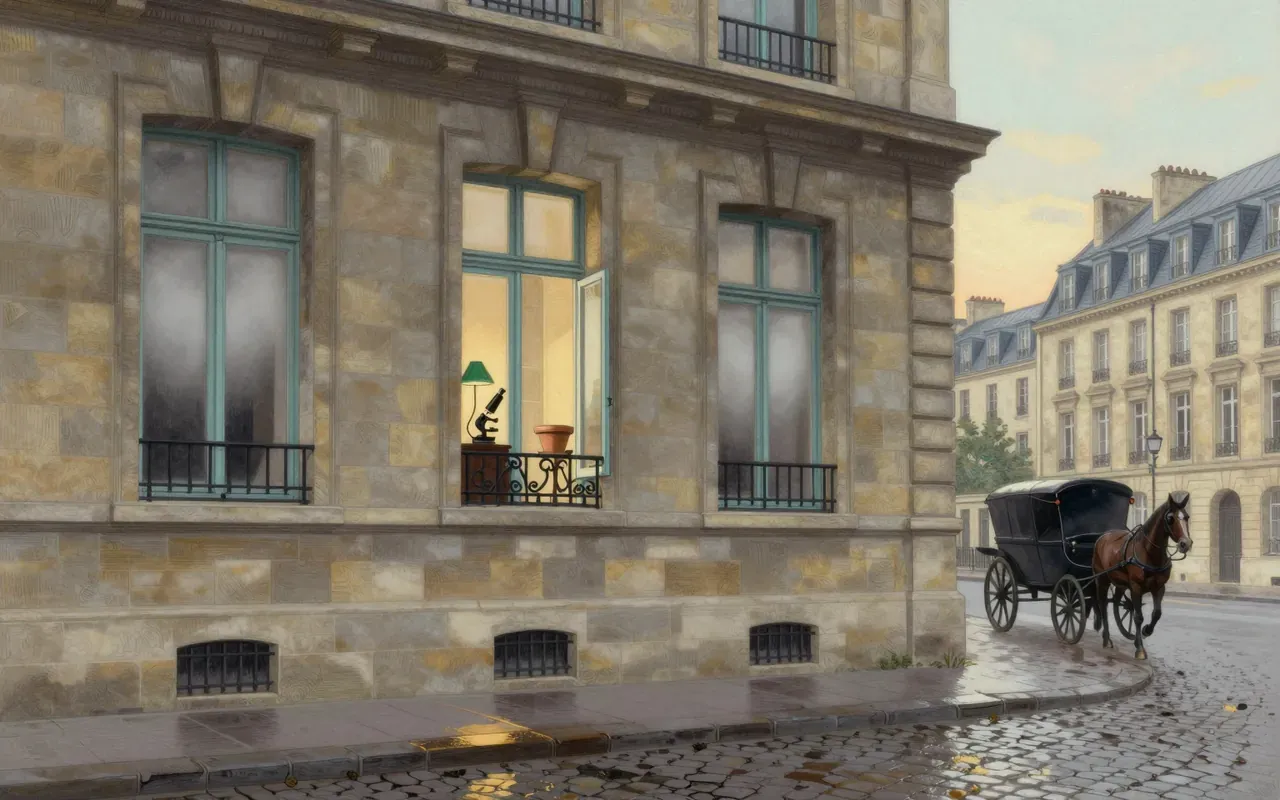
Chicago Pile-1 proved a self-sustaining nuclear chain reaction was possible using natural uranium and purified graphite — nothing more, nothing less.
13:00

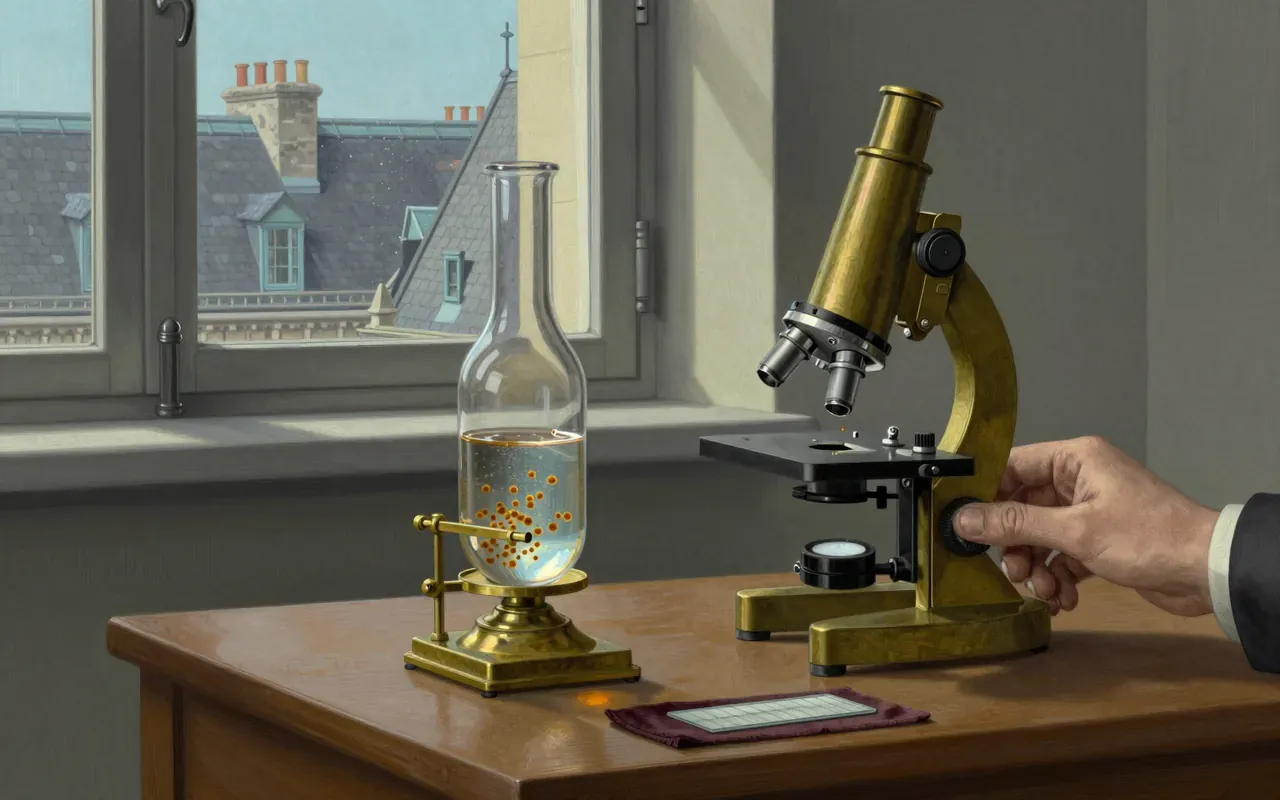
Chirality (chemistry)

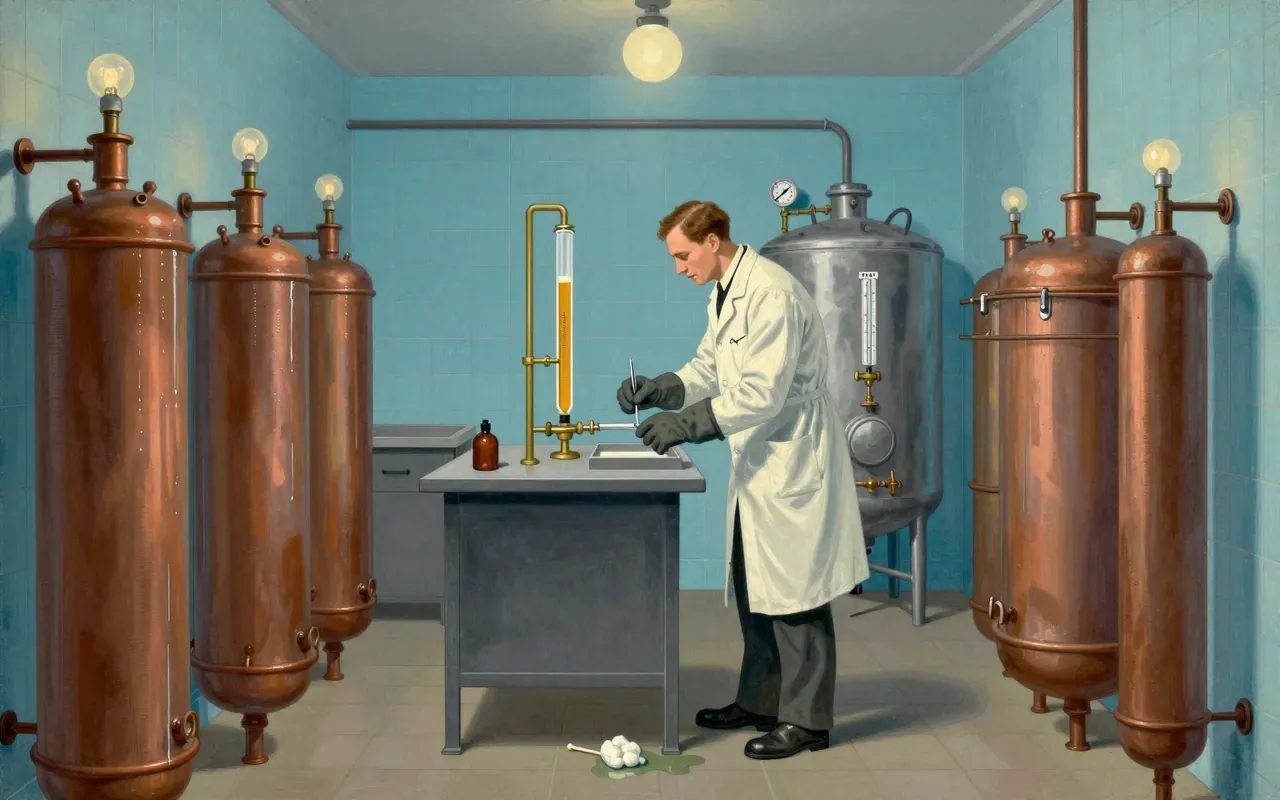
Two batches of tartaric acid had identical formulas and reactions, yet one twisted light and the other didn't. Pasteur solved it by hand-sorting crystals into two mirror-image piles under a microscope — early proof that shape alone can change what a molecule does.
10:10

Christiaan Huygens

Huygens didn’t just see further—he built the tools, derived the maths, and insisted on mechanism: the first true theoretical physicist.
9:03

Claude Shannon

Shannon didn’t invent the computer — he proved electricity could think.
13:00

Cognitive bias

Amos Tversky and Daniel Kahneman's 1970s experiments found people rate a detailed, statistically impossible scenario as more probable than a plain one — evidence that judgment runs on shortcuts, not pure logic, a claim that reshaped economics and drew its own rationality war.
13:00

Coral bleaching

Ove Hoegh-Guldberg predicted in 1999 that most corals would not survive this century, a forecast many dismissed at the time and that recent Great Barrier Reef surveys now appear to be confirming.
13:00

CRISPR gene editing

CRISPR-Cas9, built from a bacterial virus-defence system decades in the discovering, turned gene editing into a routine laboratory tool now behind approved sickle-cell therapy and an unresolved fight over editing embryos.
10:34

David Gross

Asymptotic freedom isn’t just clever math — it’s why we can ever see quarks at all.
10:06

David Hilbert

Hilbert didn’t build tools—he built the rules for building tools, and then proved some tools can’t be built at all.
13:00

Hydrothermal vent

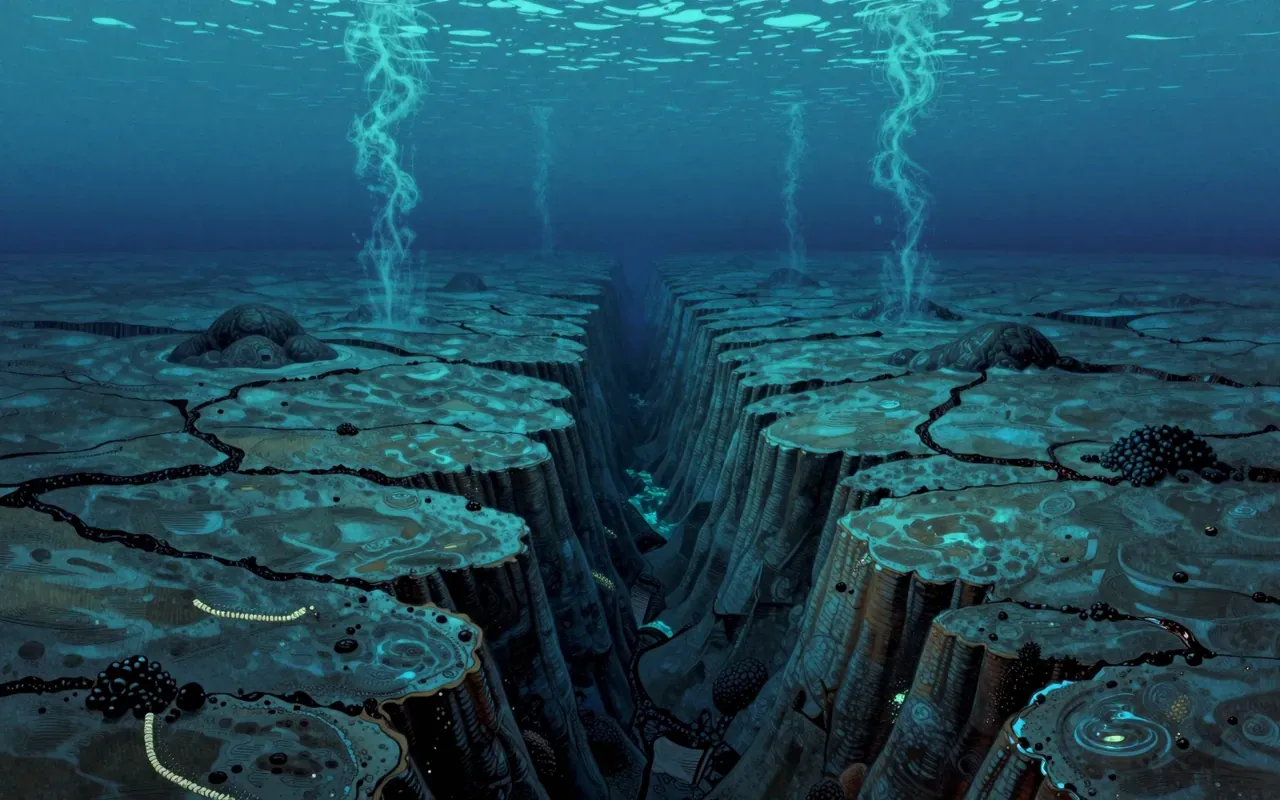
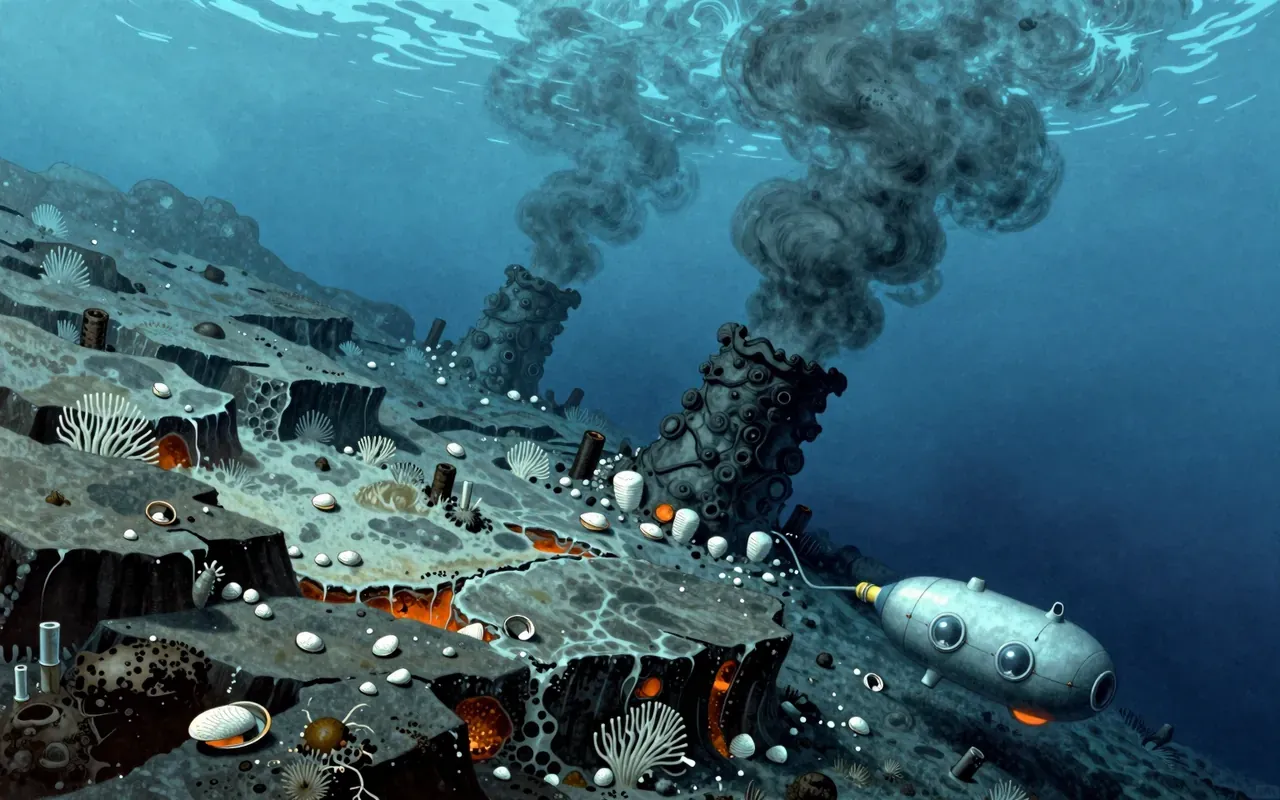
A 1977 dive to the Galapagos Rift found an ecosystem running entirely without sunlight, and a graduate student's follow-up work explained why, which this brief traces from that dive through the chemistry that still feeds tube worms without mouths.
13:00

Dendrochronology

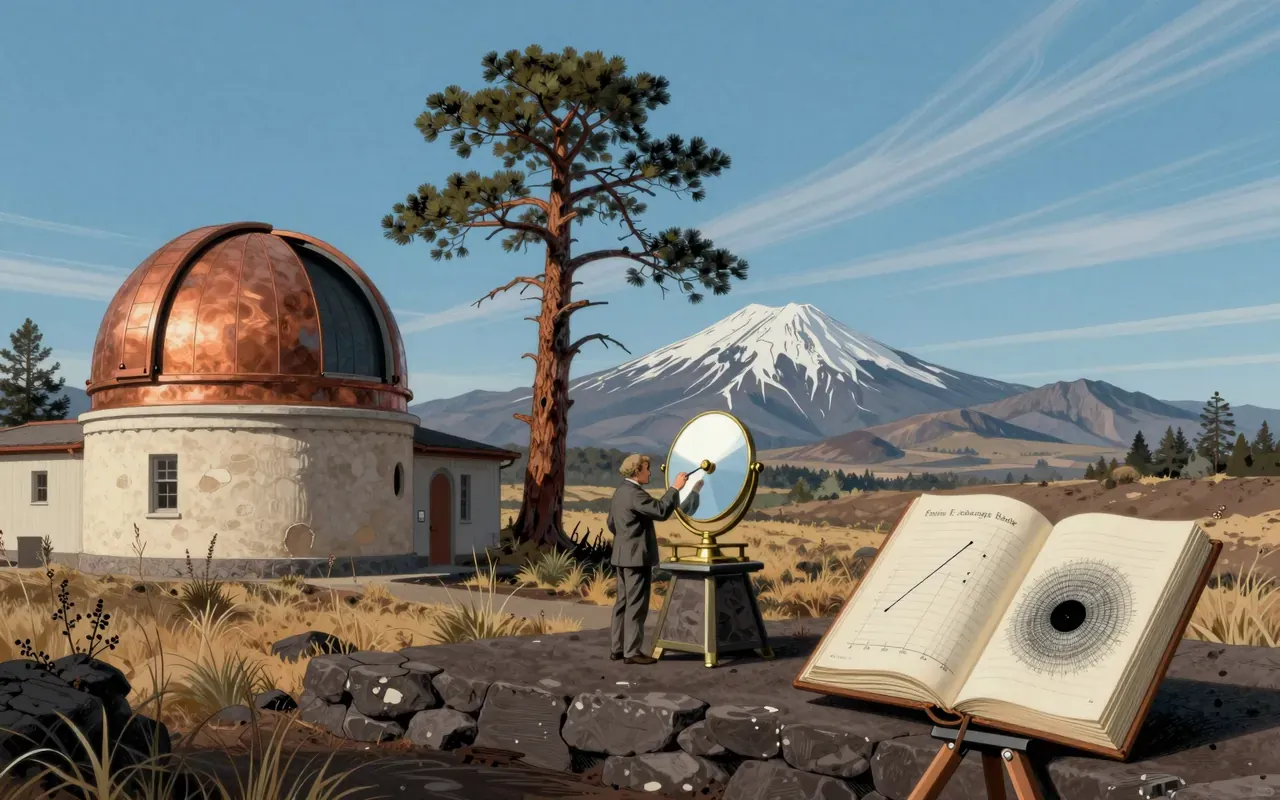
A single wooden beam found in Arizona in 1929 closed a gap between two separate tree-ring records and gave archaeologists a continuous calendar reaching back to the year 700, which this brief follows from an astronomer's sunspot obsession to modern art forgery detection.
13:00

Denisovan

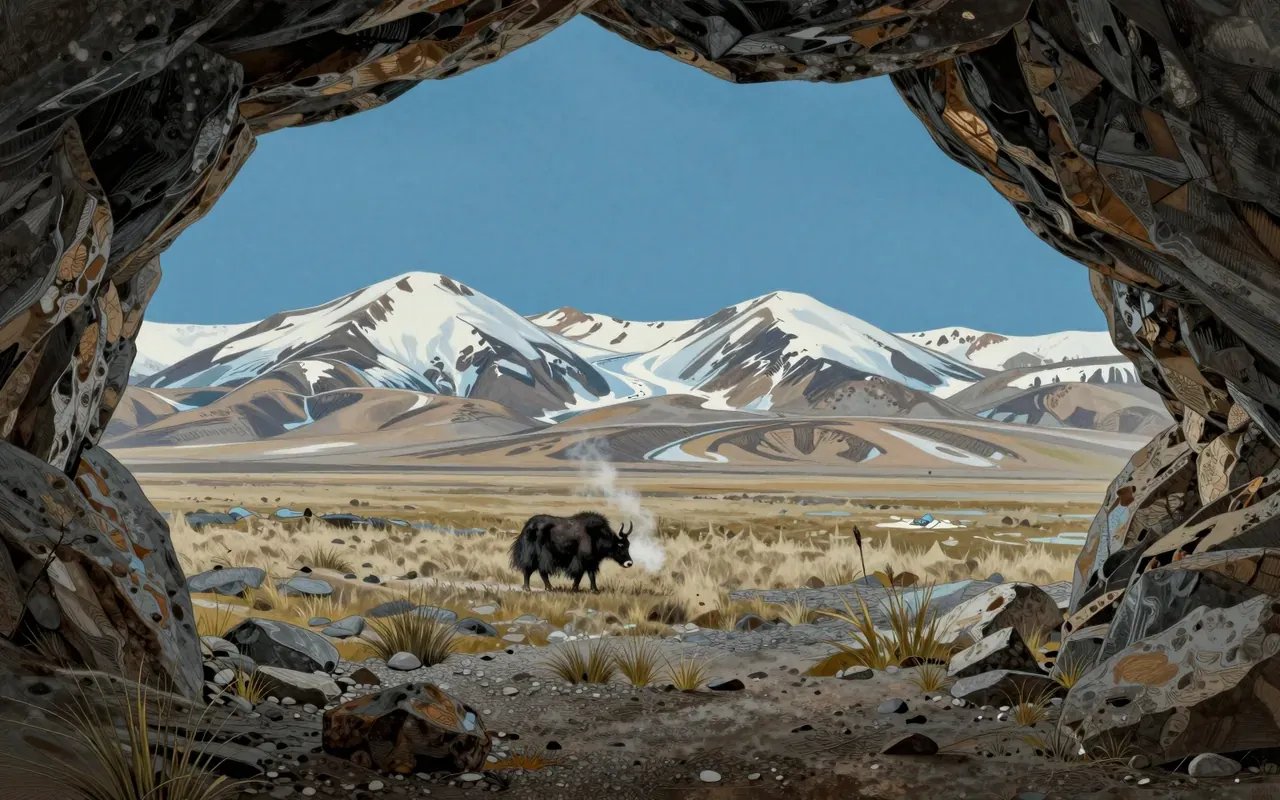
A single finger bone found in a Siberian cave in 2008 was enough to identify an entirely new group of ancient humans through DNA alone, years before any skull could be confidently linked to them.
9:28

Dirac equation

Paul Dirac

The Dirac equation is the first consistent relativistic quantum wave equation. It predicts antimatter and derives spin — verified by hydrogen fine structure and Anderson’s 1932 positron detection. It does not prove antimatter; it implies it. It does not go beyond first-order fine structure. It remains indispensable in particle physics.

10:44

Dmitri Mendeleev

Mendeleev didn’t discover elements — he discovered how to think like nature thinks.
13:00

Periodic table

Mendeleev left blank spaces in his 1869 table and named what should fill them before anyone had found the elements. Gallium and germanium turned up within his lifetime and matched almost exactly — the part of the story that made the table more than a filing system.
13:00

Sanger sequencing

A molecule engineered to stop DNA copying dead read out the first complete genome, a virus of 5,386 letters, then the whole human mitochondrial genome. Its successors are faster, but it is still the one labs trust to get a short stretch exactly right.
13:00

Eddington experiment

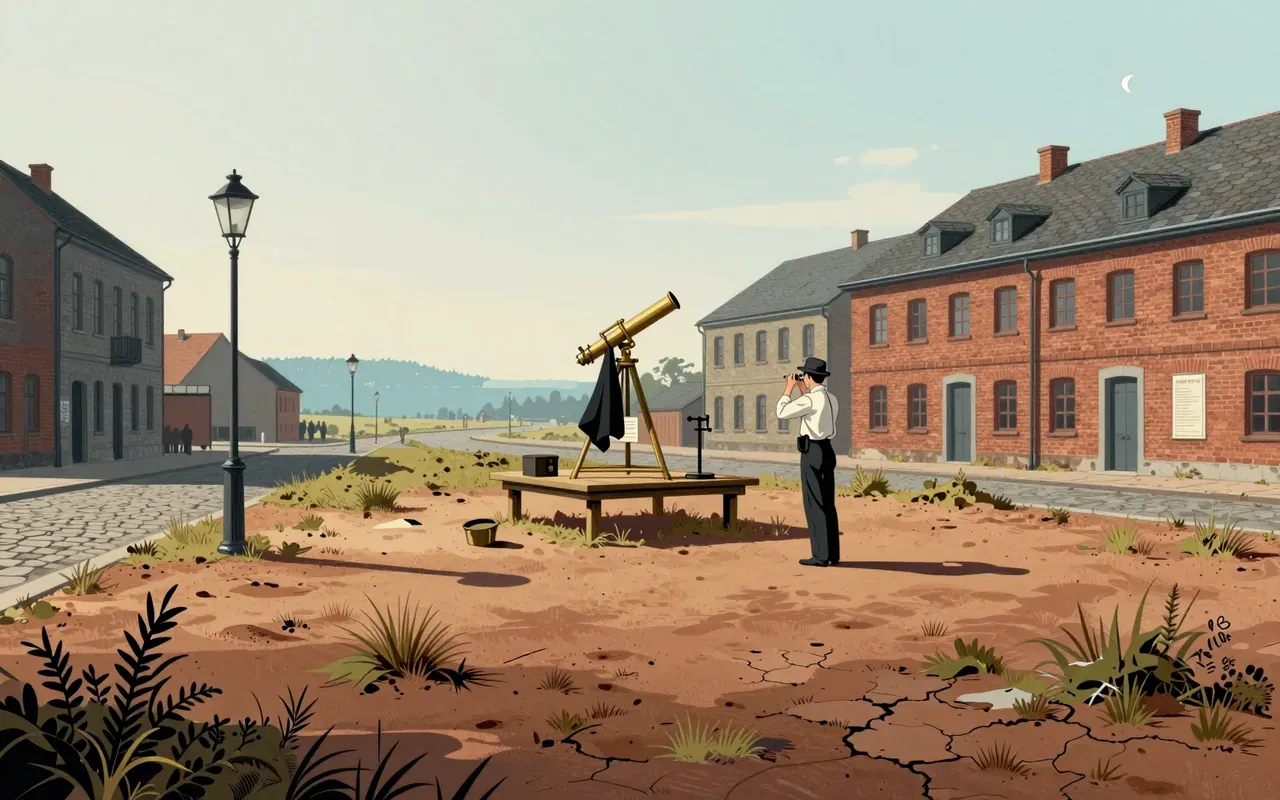
In 1919 two eclipse expeditions checked whether starlight bends around the Sun by Newton's amount or Einstein's larger one, and the tidy textbook story leaves out how much judgment went into choosing which data to trust.