Erwin Schrödinger
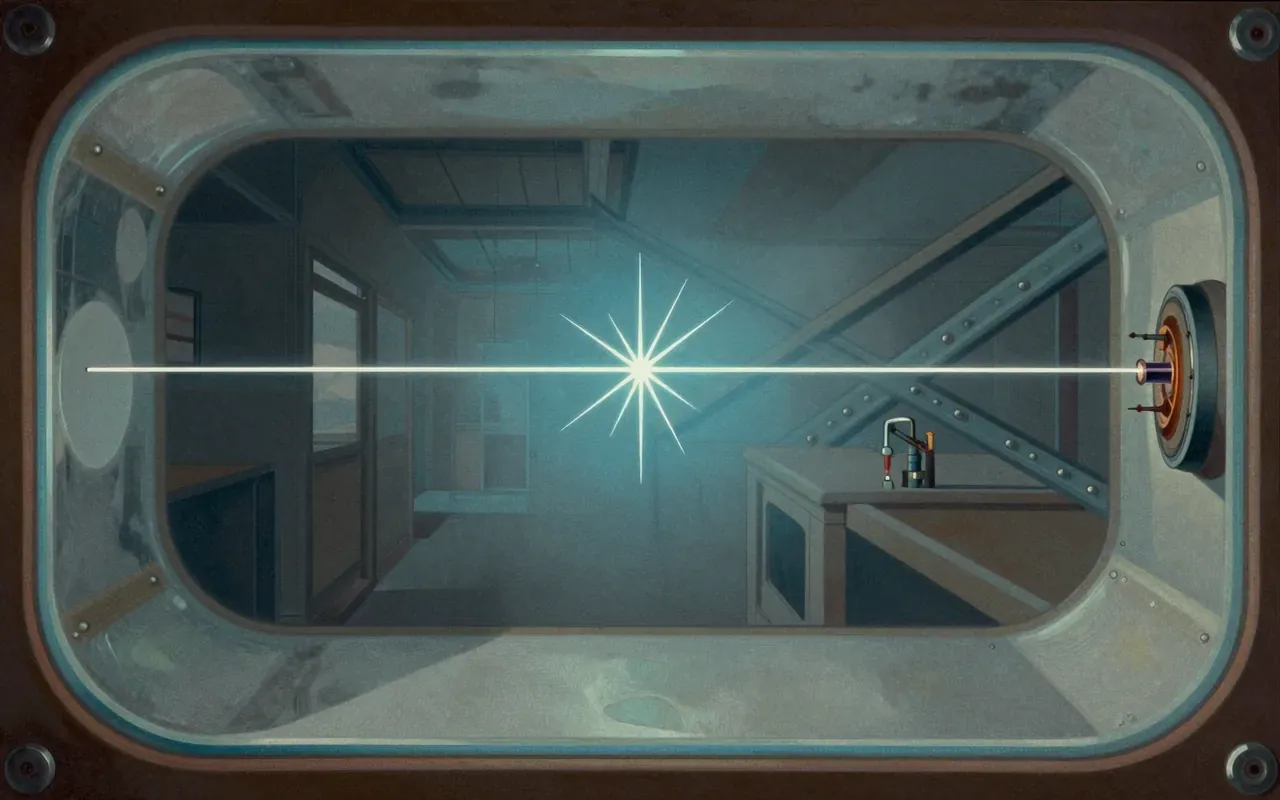
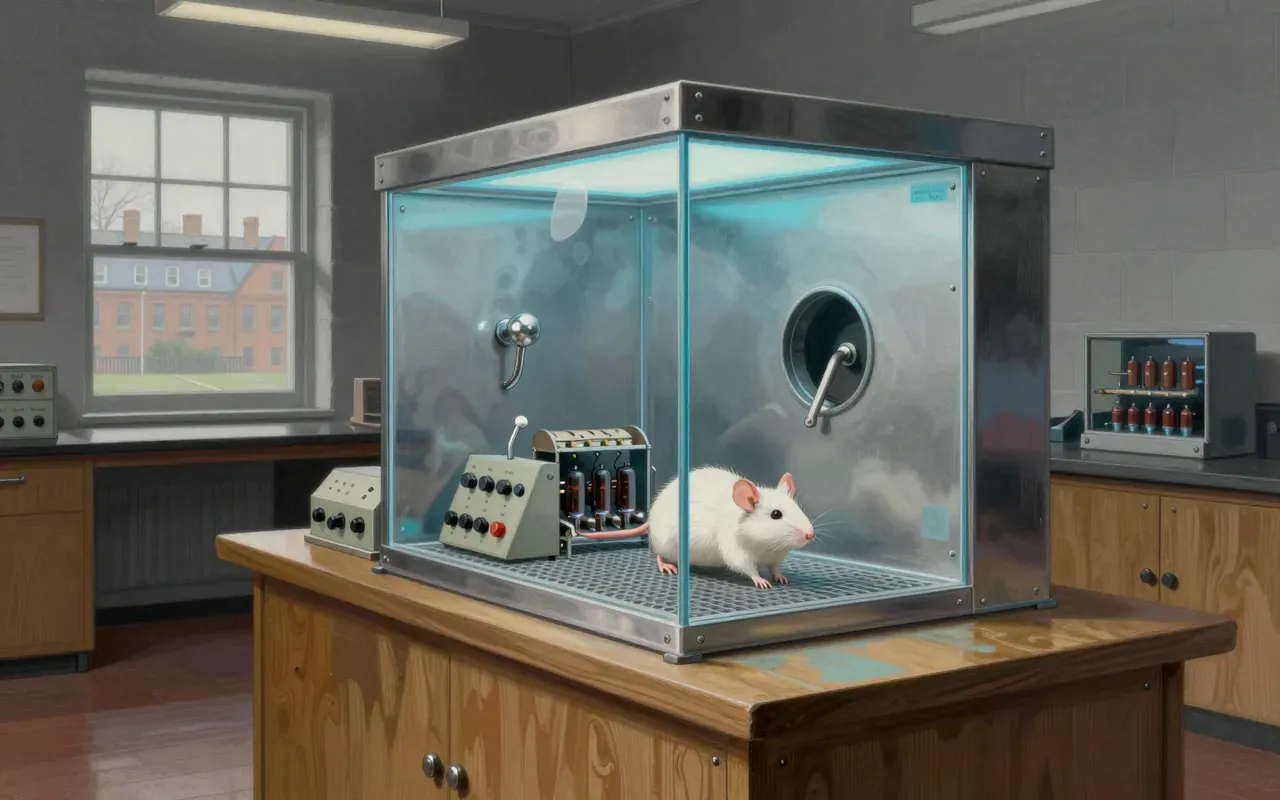
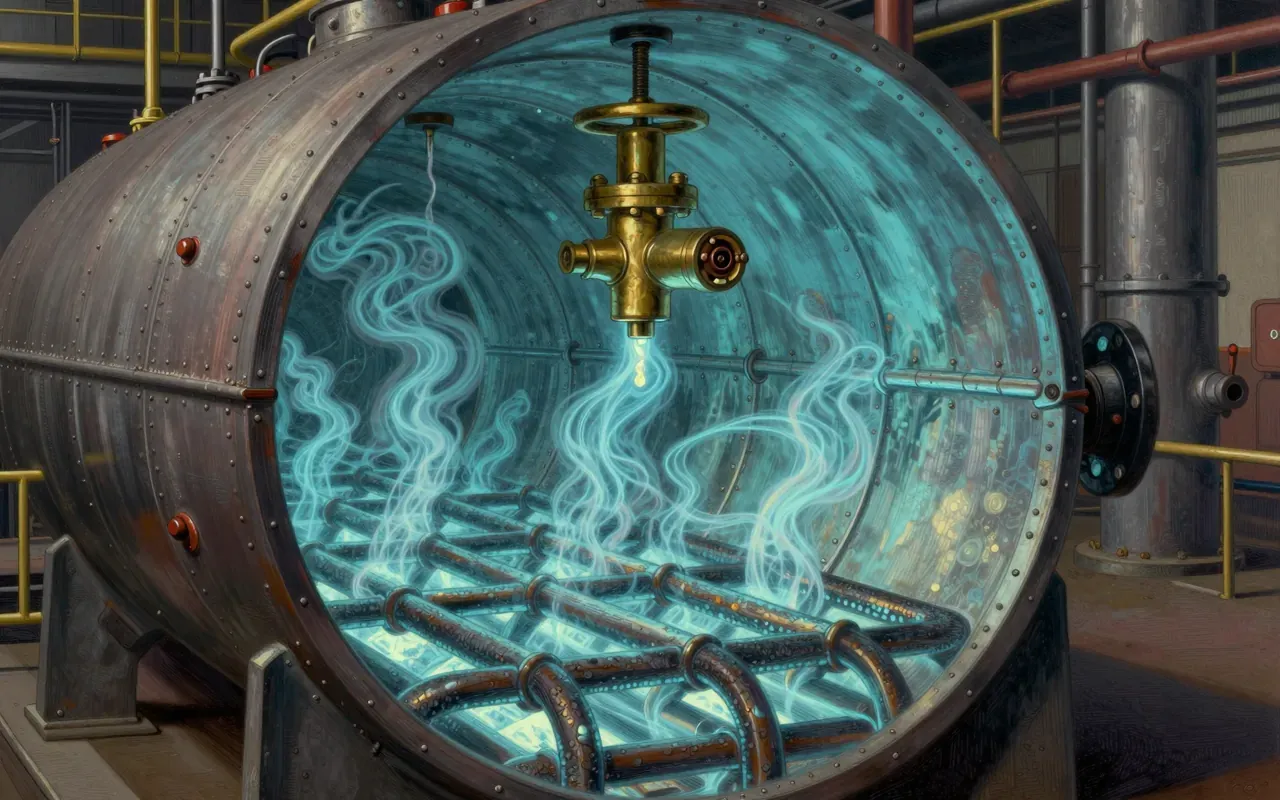
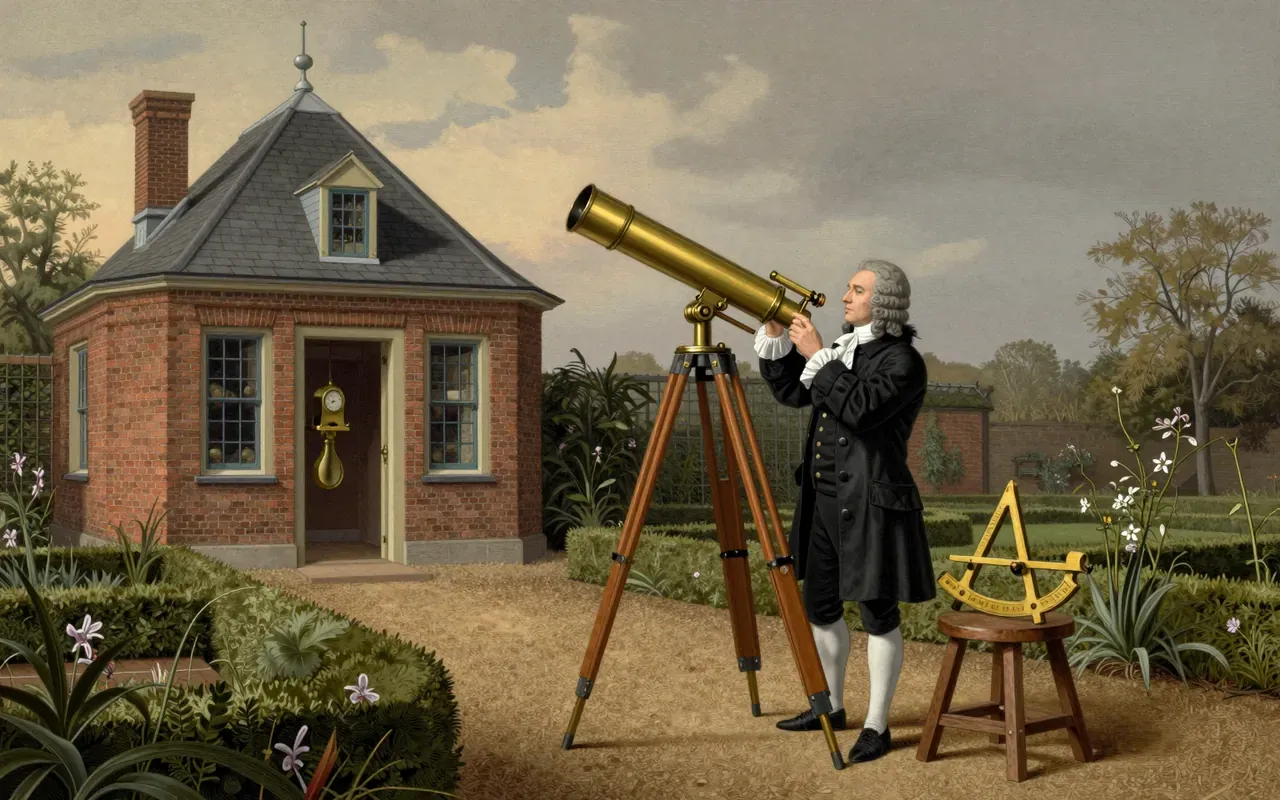
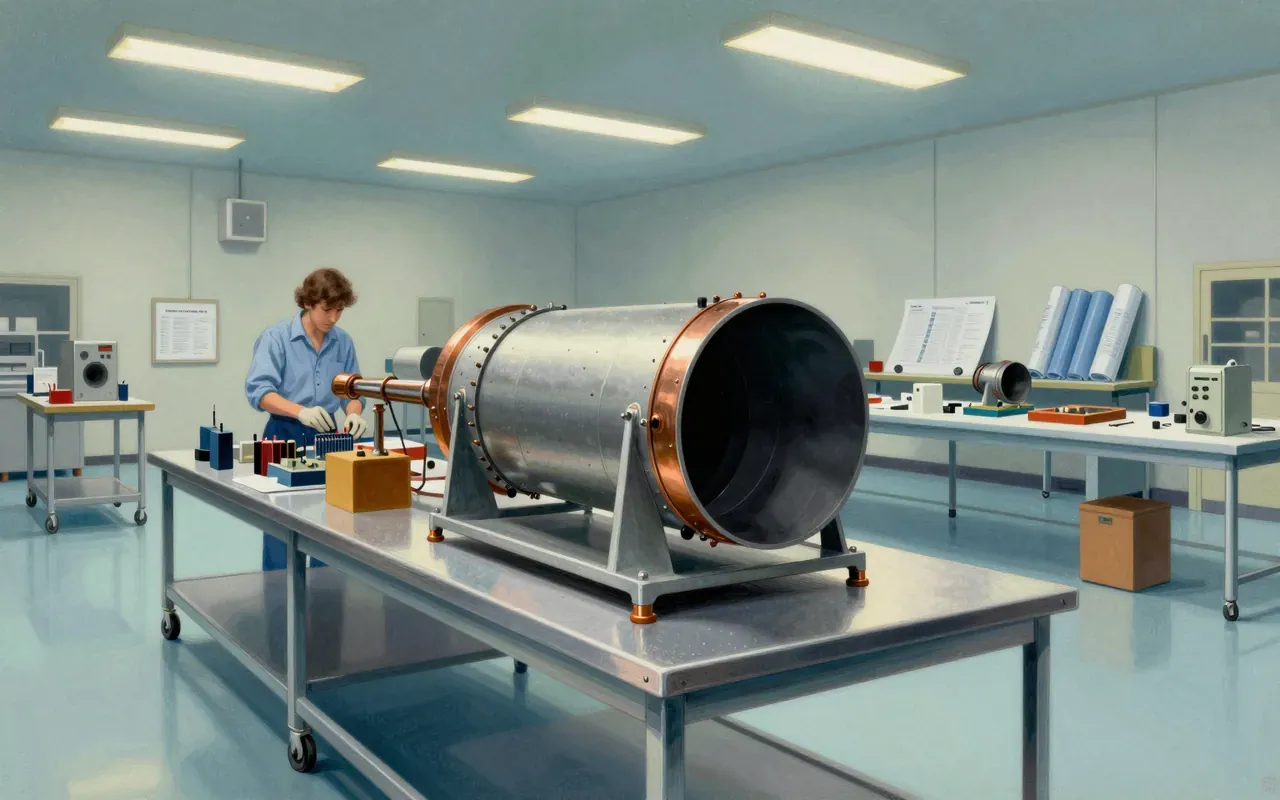
Schrödinger's cat is a 1935 thought experiment designed by Erwin Schrödinger in correspondence with Einstein to critique the Copenhagen interpretation of quantum mechanics. It uses a sealed chamber containing a cat, radioactive source, Geiger counter, relay, hammer, and flask of hydrocyanic acid. The setup links a single quantum event — atomic decay — to a macroscopic outcome. Mathematically, the wave function describes a superposition of 'alive' and 'dead', yet observation always reveals one definite state. Schrödinger intended this as reductio ad absurdum, not as a proposal. No experiment was conducted. The work establishes a tension between formalism and observation — nothing more.