sciencebriefs
Newest

All briefs

561 briefs · 6515 min · 1–96 on page 1 of 6
8:07

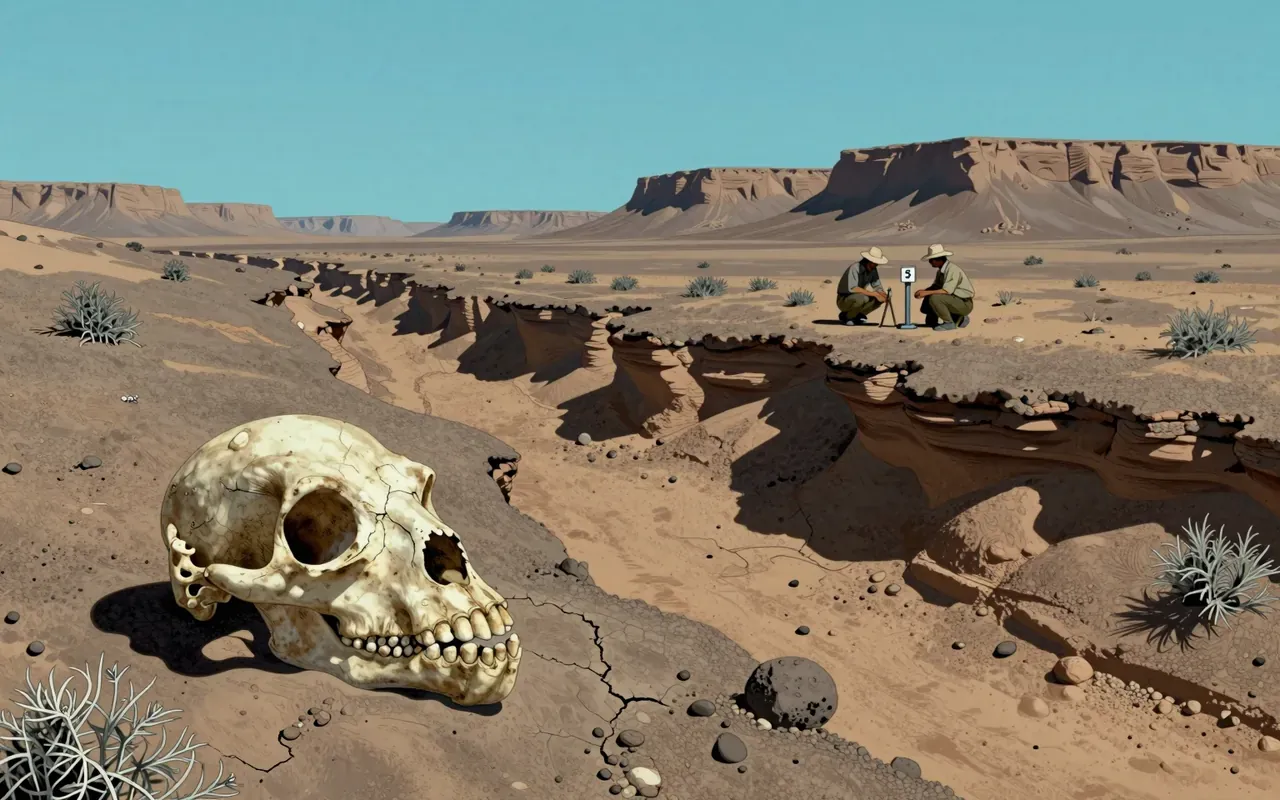
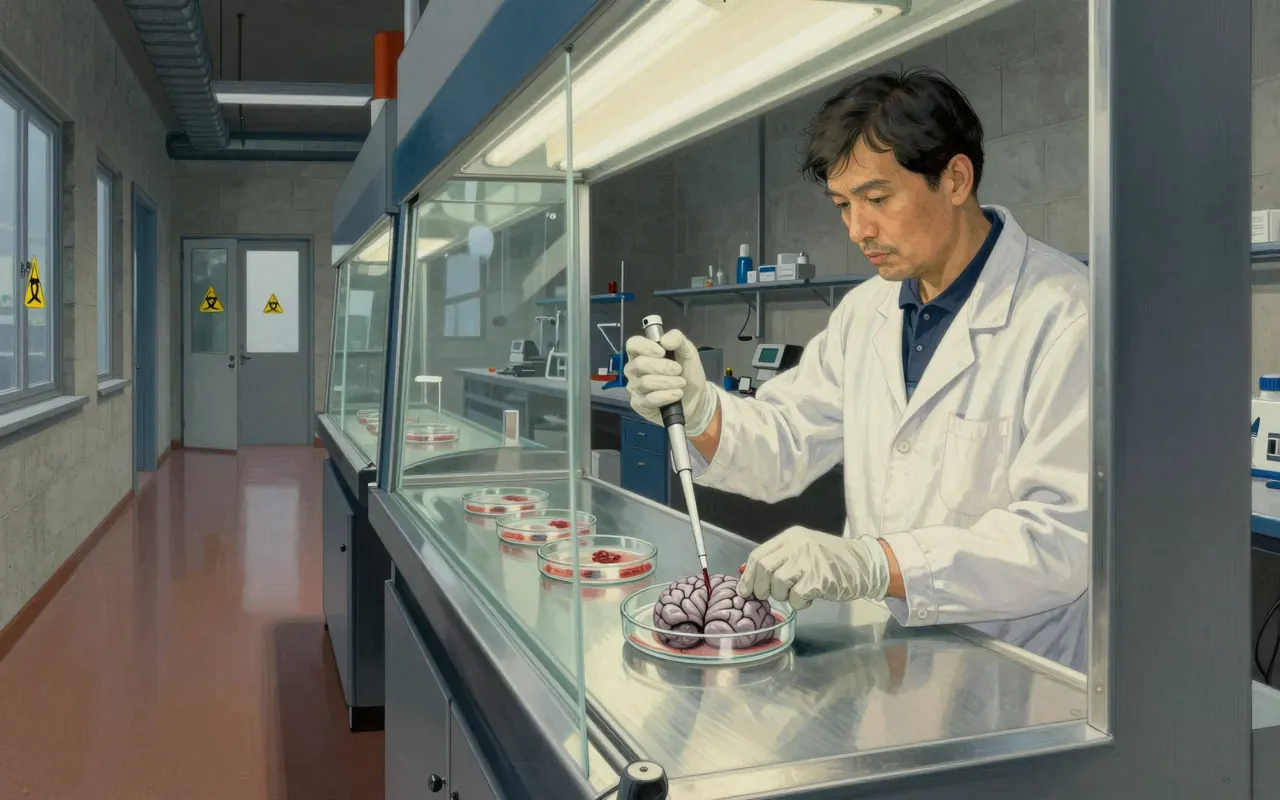
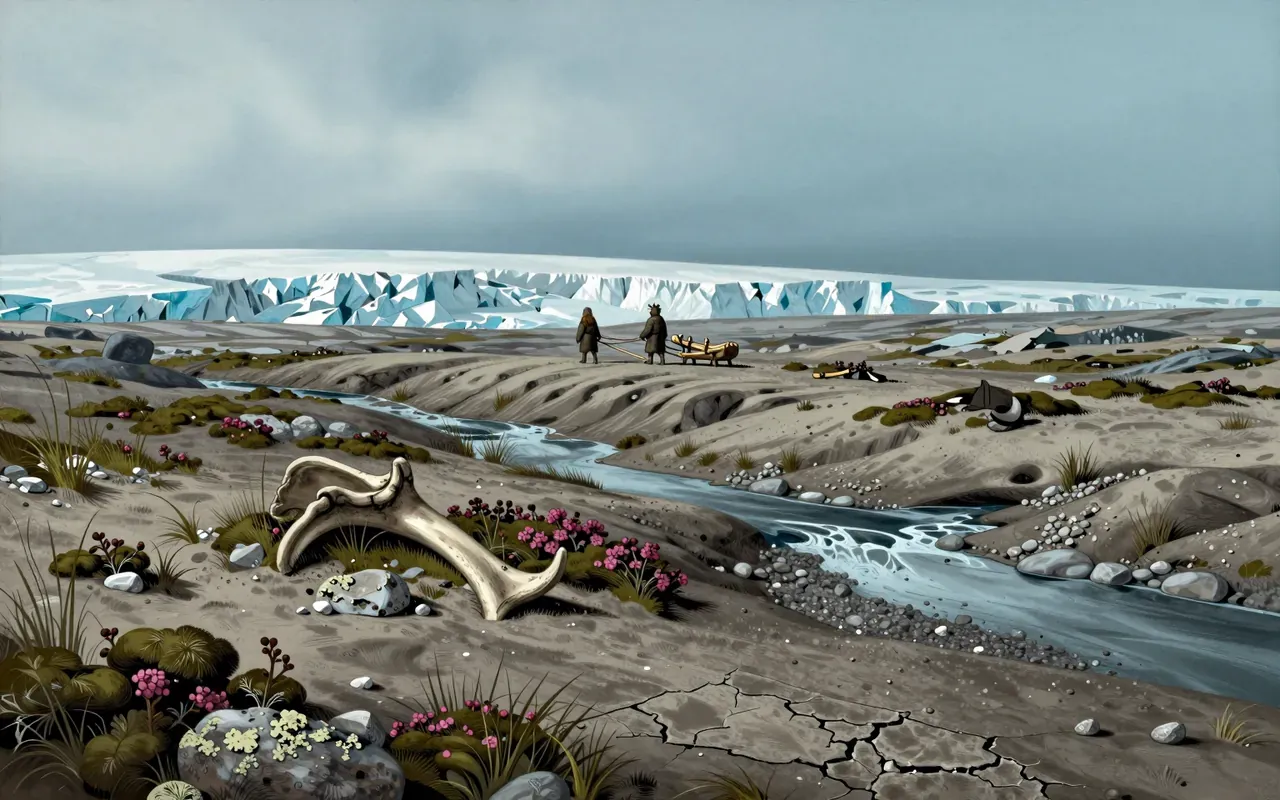
Henry Gee

Henry Gee is a British palaeontologist and evolutionary biologist, a senior editor at Nature, and the author of books on deep time, the origin of vertebrates and human evolution.
10:09

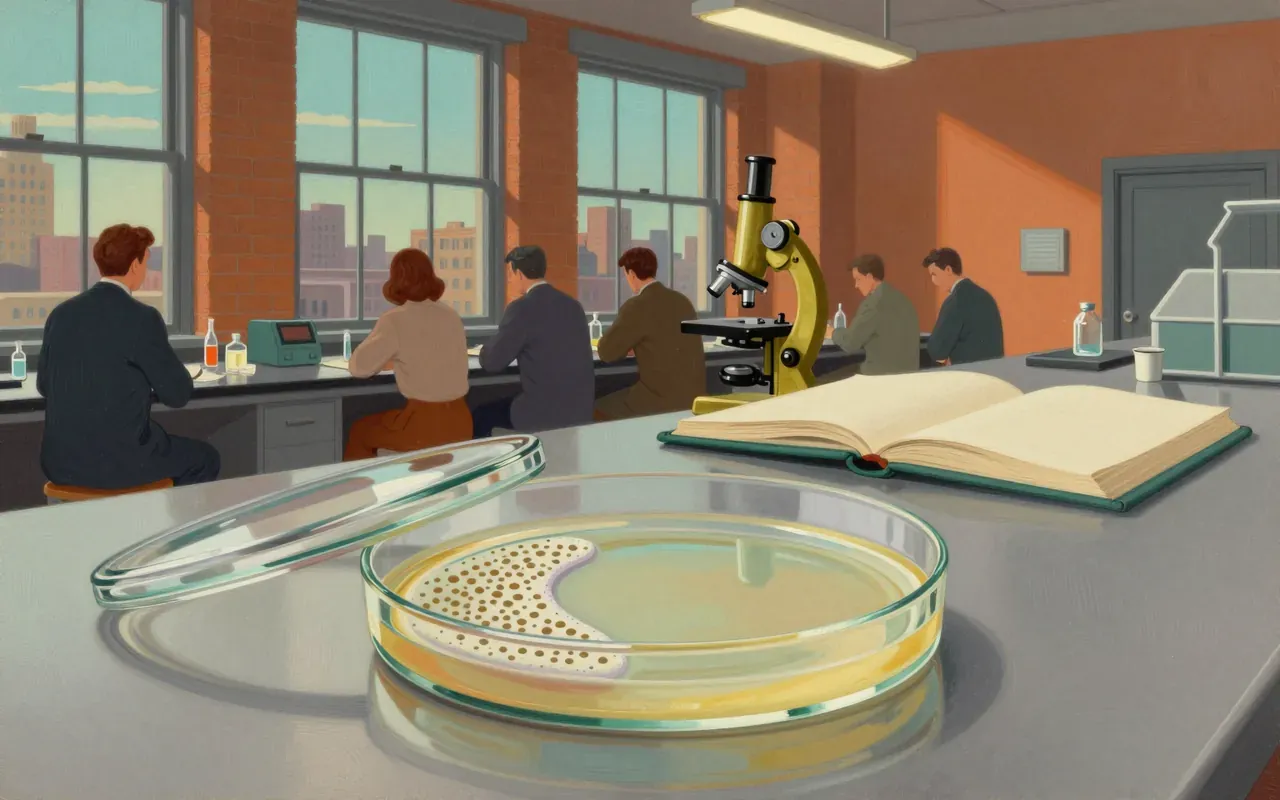
Horizontal gene transfer

Zinder and Lederberg · 1951

Bacteria can pick up genes from other cells by transformation, transduction or conjugation, not only by inheriting them. Lederberg and Zinder showed in 1951 that a virus could carry genes from one strain of Salmonella to another, and Lederberg's earlier work with Edward Tatum showed that E. coli can exchange genes by conjugation. The material treats the process as the main route by which antibiotic resistance spreads among bacteria.
10:16

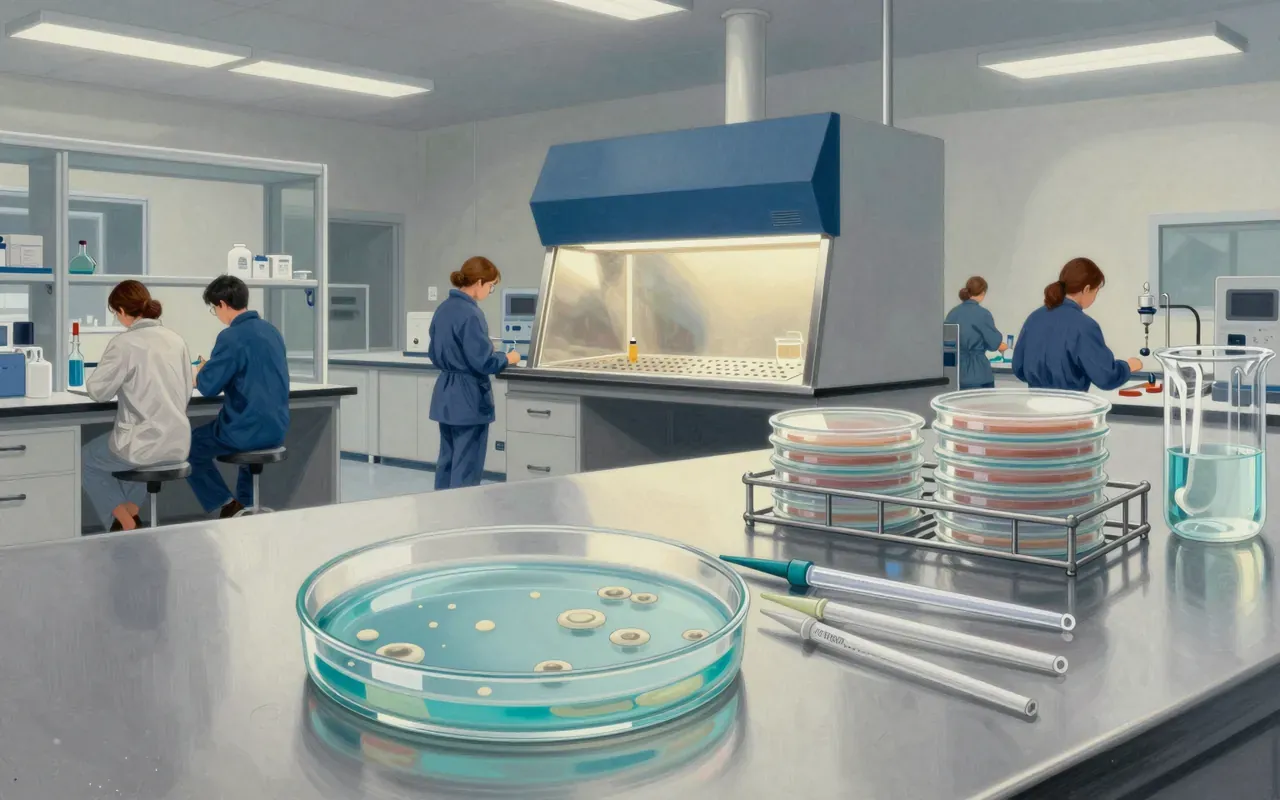
Jennifer Doudna

Jennifer Doudna and Emmanuelle Charpentier

Doudna and Charpentier’s 2012 work established CRISPR-Cas9 as the first programmable, RNA-guided DNA cleavage system. It relies on Cas9 protein and a synthetic guide RNA chimera. It works in vitro. It does not demonstrate editing in living organisms or repair outcomes. It is the origin of all subsequent CRISPR applications — not a refinement, but the first functional design.
9:54

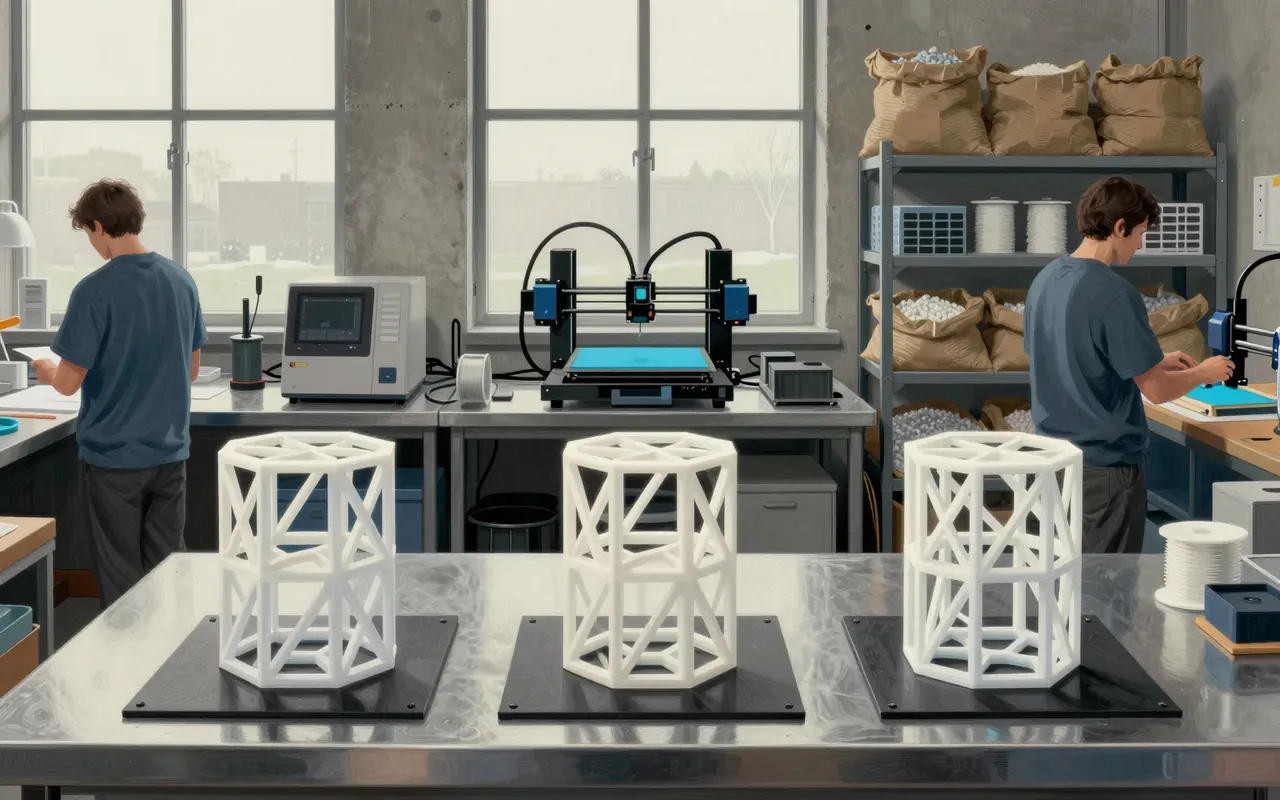
3D printing

Chuck Hull

3D printing is a layer-by-layer fabrication method rooted in Chuck Hull’s 1984 stereolithography patent. It evolved from rapid prototyping in the 1980s into an industrial production option by 2019. Its real advantage is enabling previously impossible geometries—like hollow or truss-structured parts—that cut weight and waste. Fused deposition modeling (FDM) was the most common process as of 2020. It does not replace conventional manufacturing at scale. It does not solve material consistency, certification, or throughput problems. Its impact is precise, not pervasive.
11:20

Ibn al-Haytham

He didn’t just study light—he invented the scientific method for perception.
8:20

Eric F. Wieschaus

He didn’t find genes that build embryos—he found the switches that start the clock.
11:02

Nuclear fusion

Fusion was solved for stars in 1939—not for power plants, and not by engineers.
11:16

Geoffrey West

Cities scale like organisms—but the 15% salary bump isn’t a law, it’s a rough correlation with no mechanism, margin of error, or boundary conditions.
10:02

Avicenna

Avicenna invented conceptual scaffolding for science—not data, but the grammar of causality, certainty, and self-evidence.
9:52

Klaus von Klitzing

A single number, RK, turned resistance into a quantum ruler — but it measures only one kind of perfection.
8:42

Monoclonal antibody

Georges Köhler and César Milstein

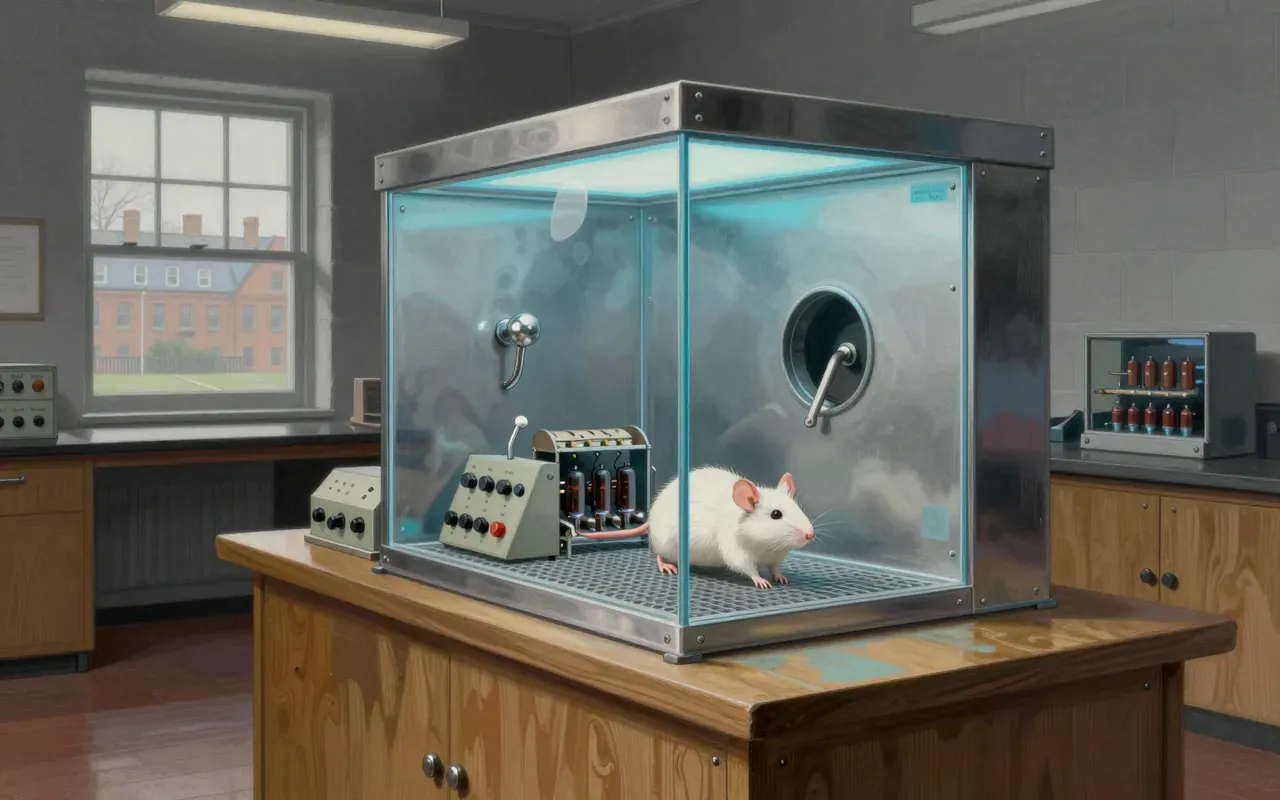
The 1975 hybridoma technique solved one problem: how to make unlimited quantities of identical antibodies targeting a known antigen. It did not solve delivery, safety, scalability, or therapeutic function. Its value lies in reproducibility — not potency, not novelty of target, not clinical impact.
10:19

Per Bak

Self-organized criticality is not a law of nature—it’s a sandbox with one working toy.
10:10

Renewable energy

Renewables aren’t a discovery — they’re a scaling target with a definition, not a breakthrough.
10:34

Baconian method

Francis Bacon

Bacon’s method is not a working protocol but a declaration of epistemic discipline: knowledge must be built stepwise from particulars, anchored in observation, and guarded against the Idols of the mind. Its power lies in its framing—not its execution.

9:36

Space

Space is not empty. It bends, ripples, expands—and you’re standing inside a four-dimensional object you can’t see.
10:55

Viking lander biological experiments

Gil Levin

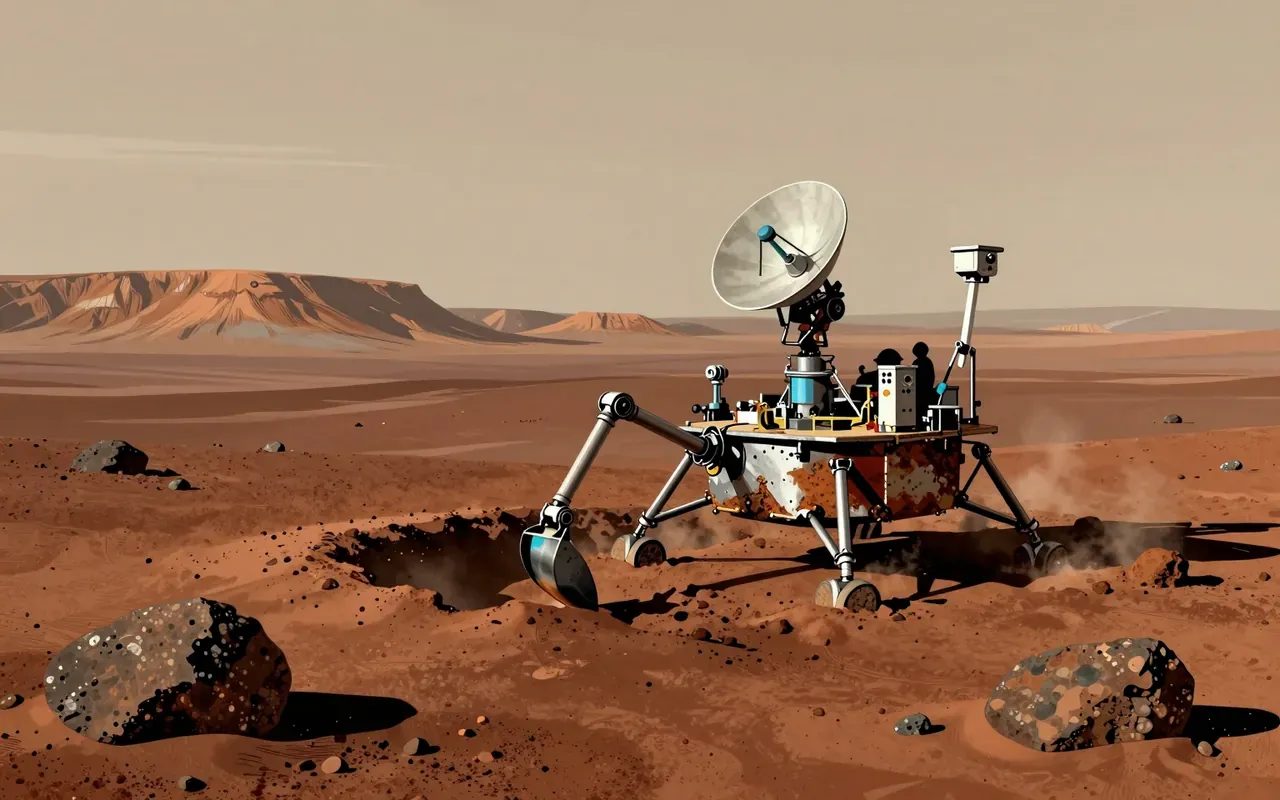
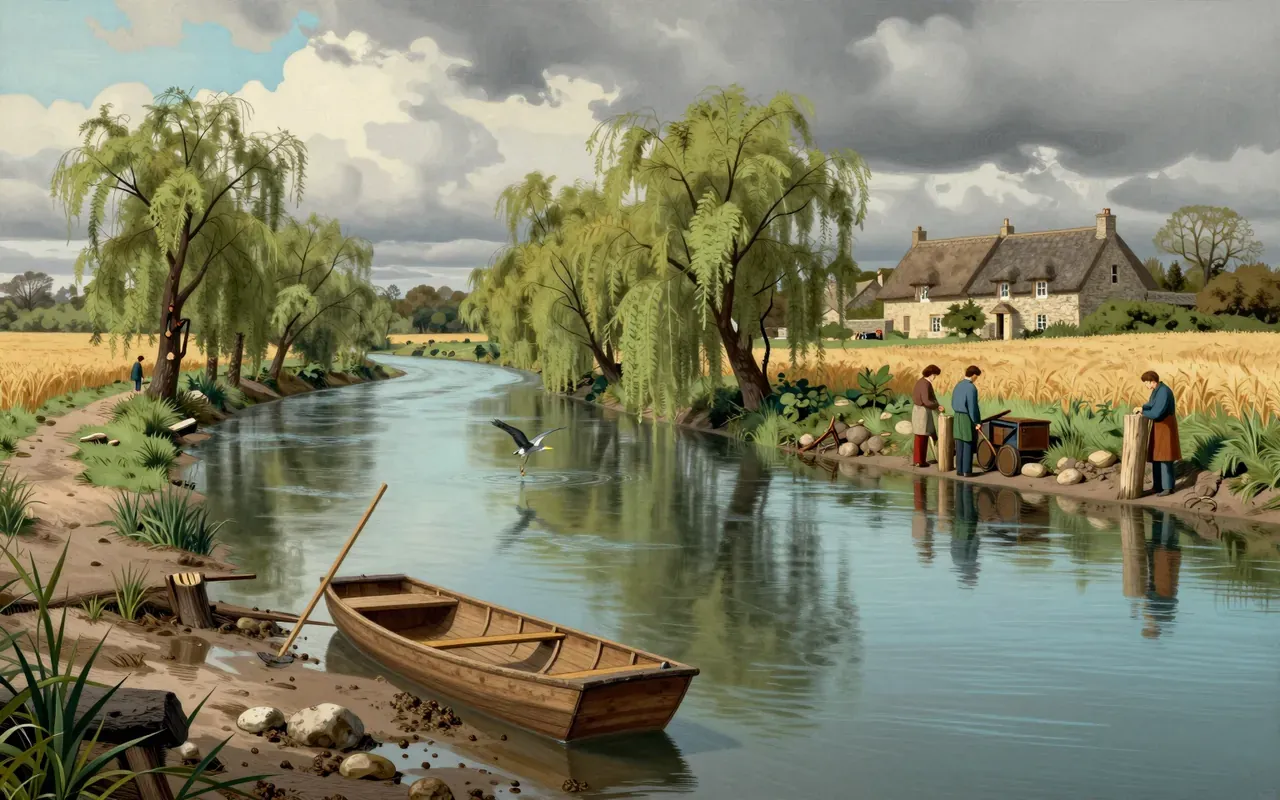
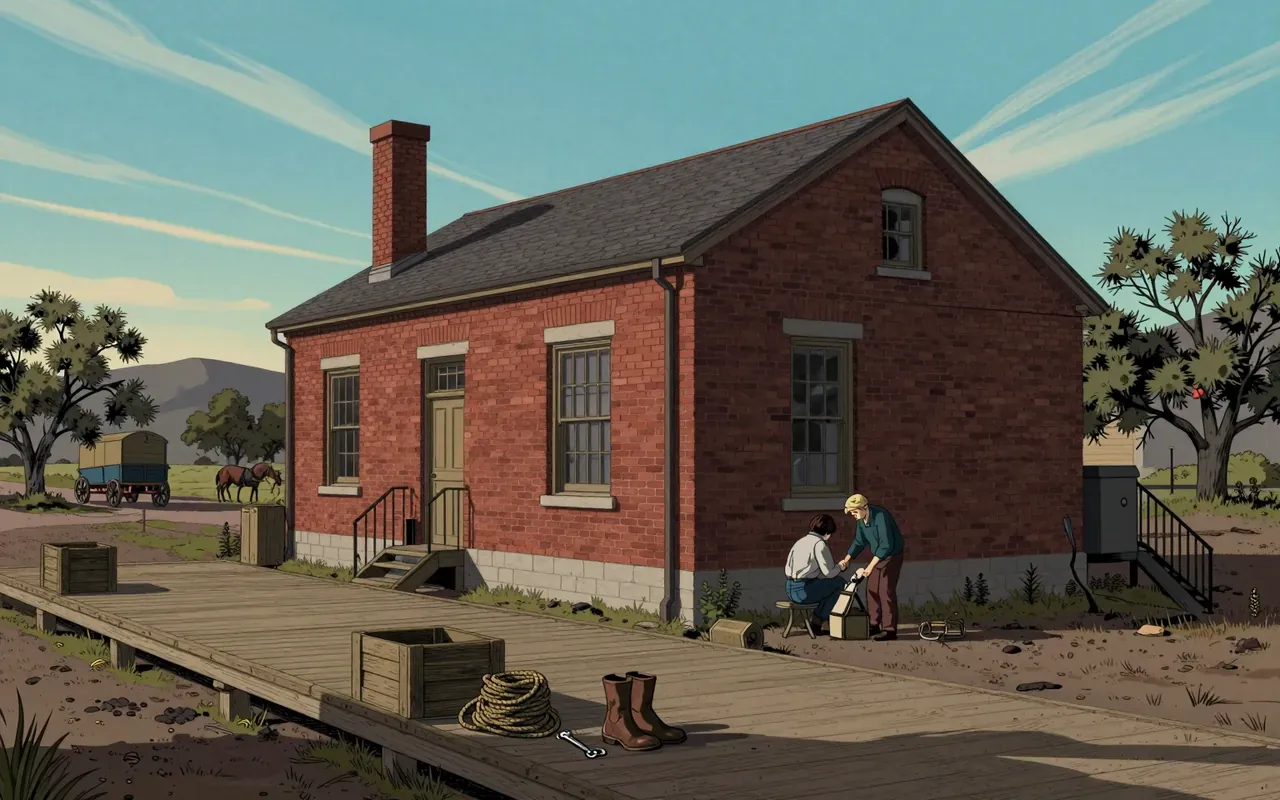
The Viking lander biological experiments were a suite of four in situ tests conducted in 1976 by the Viking 1 and Viking 2 landers to detect microbial life on Mars. The experiments—Gas Chromatograph–Mass Spectrometer (GCMS), Gas Exchange (GEX), Labeled Release (LR), and Pyrolytic Release (PR)—used soil samples collected by robotic arm and analyzed them under controlled conditions. While GCMS found no significant organic molecules, LR yielded positive, reproducible signals of radioactive gas release upon nutrient addition—signals that diminished or disappeared after heat sterilization or cold storage—prompting ongoing debate over whether the results indicate biological metabolism or abiotic oxidative chemistry, especially in light of later discoveries like perchlorate.
9:19

Water cycle

A correct theory of the water cycle existed for 230 years before science accepted it.
9:39

Thomas Edison

Edison didn’t invent the light bulb—he invented the process that made it matter.
9:11

Lord Kelvin

He didn’t discover cold — he made temperature itself objective.
8:32

Wind power

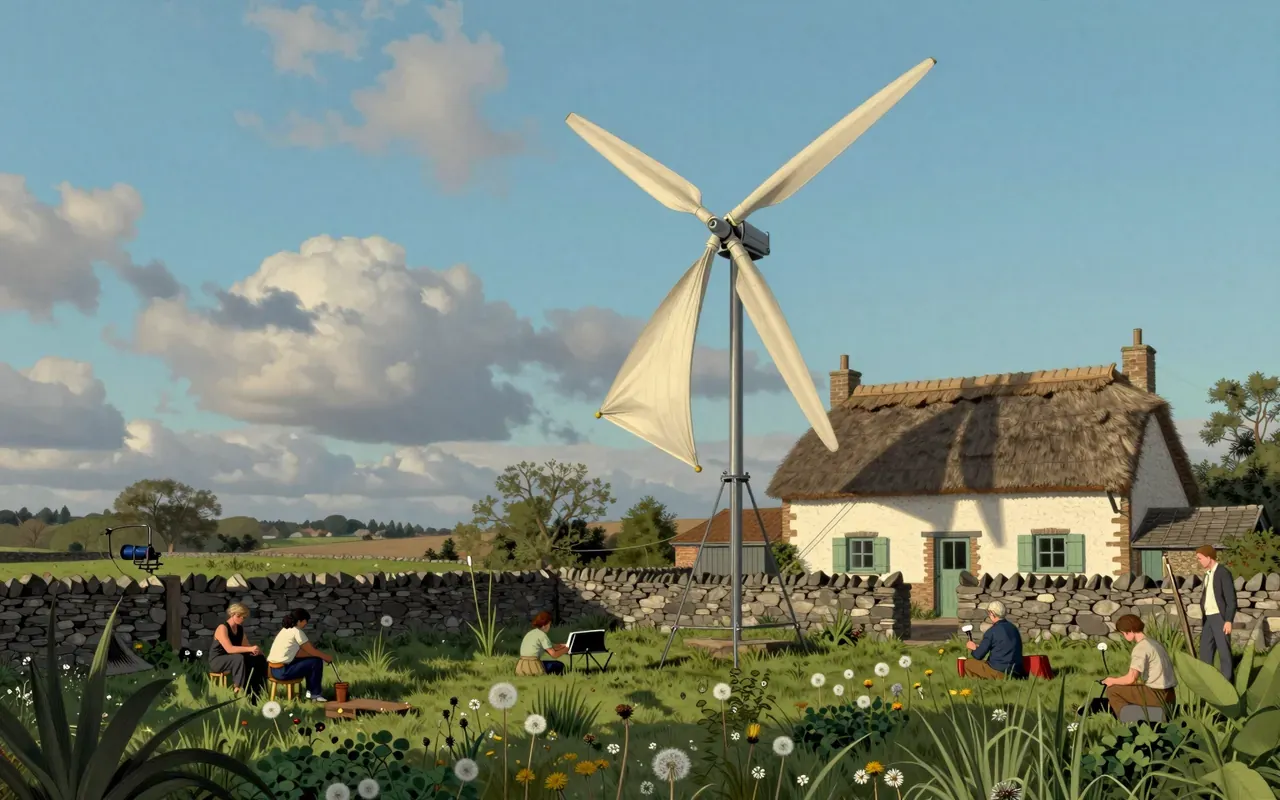
Wind power did not begin with climate policy — it began with a Scottish professor lighting his cottage in 1887.
10:41

Hypatia

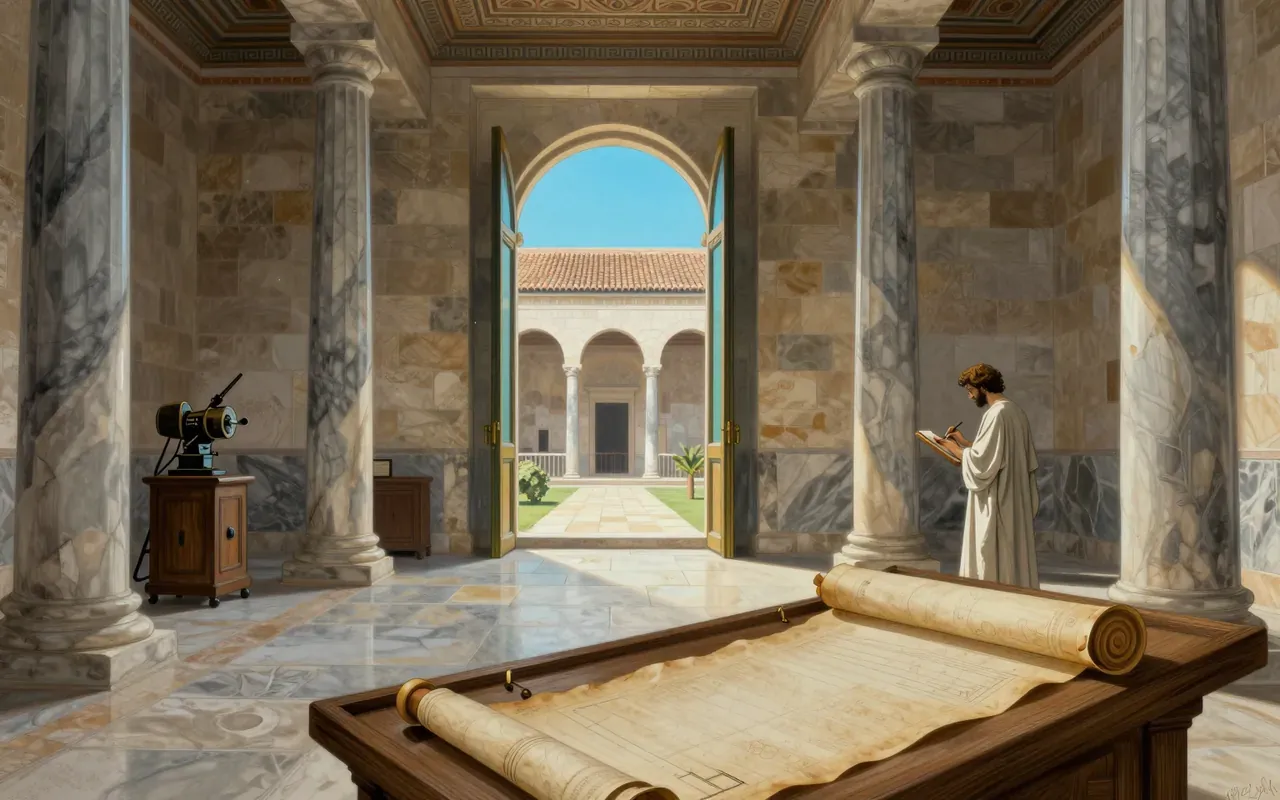
Hypatia didn’t invent new mathematics—she rebuilt the foundations others relied on.
10:17

Nikolaas Tinbergen

Tinbergen proved instinct is not a fog—it’s a cascade of measurable triggers, and we ignore its architecture at our peril.
11:00

Abdus Salam

Salam didn’t discover a particle — he built the grammar that lets physicists speak about weak and electromagnetic forces as one thing.
9:14

Abraham Maslow

Maslow didn’t measure self-actualisation—he curated it from heroes he admired.
10:48

Ada Lovelace

Lovelace didn’t write code — she wrote the first argument for what code could mean.
10:49

Al-Khwarizmi

He didn’t invent algebra—he founded it as a discipline with rules, not rhetoric.
10:30

Alan Turing

Turing didn’t invent the computer — he proved what computation *is*, and where it must stop.
9:49

Albert Einstein

Einstein didn’t prove relativity — he rebuilt physics from scratch using pens, paper and postulates.
8:44

Alexander Fleming

Fleming didn’t discover a drug — he discovered a warning system built into microbial ecology.
10:16

AlexNet

Depth won the 2012 ImageNet challenge—not cleverness, not data, not theory, but raw, GPU-fuelled layer count.
10:59

Alfred Russel Wallace

Wallace didn’t just co-discover natural selection—he built biogeography from scratch, in the field, one island at a time.
9:56

Alfred Wegener

Wegener didn’t prove continental drift—he proved it was the only explanation that fit the map, the rocks, and the fossils.
13:00

Kin selection

W.D. Hamilton's 1964 formula for when self-sacrifice pays off in genetic terms explained sterile worker ants better than anything before it, though a 2010 challenge from E.O. Wilson shows the theory is still argued over.
13:00

History of general anesthesia

On 16 October 1846 William Morton administered ether so a surgeon could remove a tumour from a patient who felt no pain, a public proof of surgical anaesthesia that overshadowed an earlier, unpublished use of the same gas four years before.
13:00

Ancient DNA

Svante Pääbo spent decades building the methods to pull authentic genetic sequences out of fossils riddled with damage and contamination, work that let him sequence the Neanderthal genome and identify a new human relative from a single finger bone.
13:00

Positron

Carl Anderson's 1932 cloud-chamber photograph of a positively charged electron confirmed Paul Dirac's theoretical prediction of antimatter, a discovery that later underpins hospital PET scanners.
9:53

André-Marie Ampère

Ampère didn’t discover electromagnetism — he turned it into a science you can calculate with.
13:00

Management of HIV/AIDS

David Ho's mid-1990s viral dynamics research showed HIV replicates and mutates too fast for any single drug to outlast it, an insight that became the case for combination therapy and turned a fatal diagnosis into a manageable one.
13:00

Asepsis

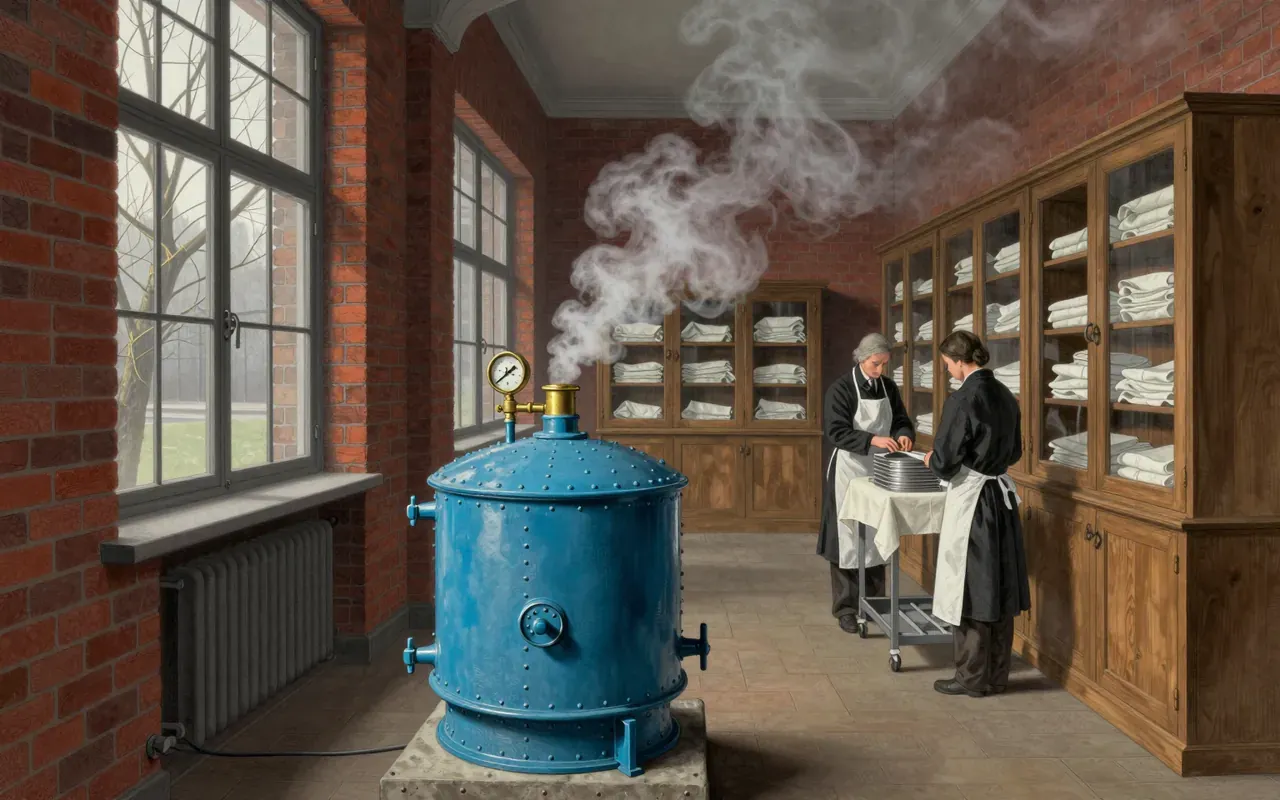
Where Joseph Lister's antiseptic method killed germs already in a wound with carbolic acid, Ernst von Bergmann's 1891 introduction of steam sterilization aimed to keep them out of the operating theatre altogether, a shift called asepsis.
13:00

Joseph Lister

From 1865 Joseph Lister applied Louis Pasteur's germ theory to the operating theatre, using carbolic acid to kill microbes on wounds, instruments and hands, and met years of resistance before antiseptic surgery became standard practice.
9:18

Arecibo Observatory

A 305-m dish carved into a Puerto Rican sinkhole didn’t just listen to space — it bent the rules of what a telescope could be.
9:31

Arieh Warshel

He did not explain enzymes—he built the first working computational microscope for them.
9:36

Arthur Ashkin

He didn’t just trap light — he made light grab matter, one photon at a time.
9:14

Aryabhata

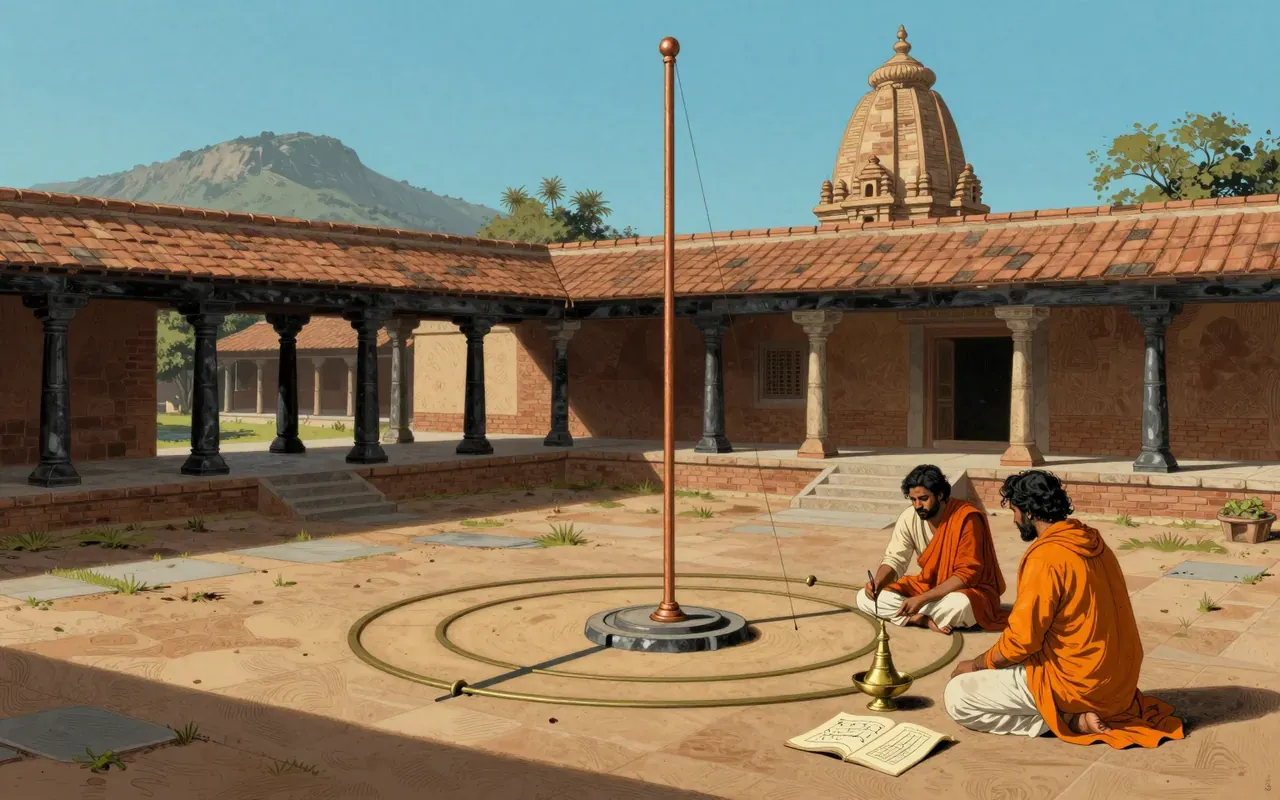
Aryabhata didn’t just anticipate Copernicus — he built a working, quantified geocentric model that outperformed contemporaries for a millennium.
9:55

Asch conformity experiments

Solomon Asch

The Asch experiments show that unanimous group pressure causes public conformity on simple perceptual judgments — not because people misperceive, but because they yield in speech. The effect is real, quantified, and limited: it depends on unanimity, not large numbers; it was tested only on white male undergraduates; and it measures response, not belief or vision.
13:00

Bell test

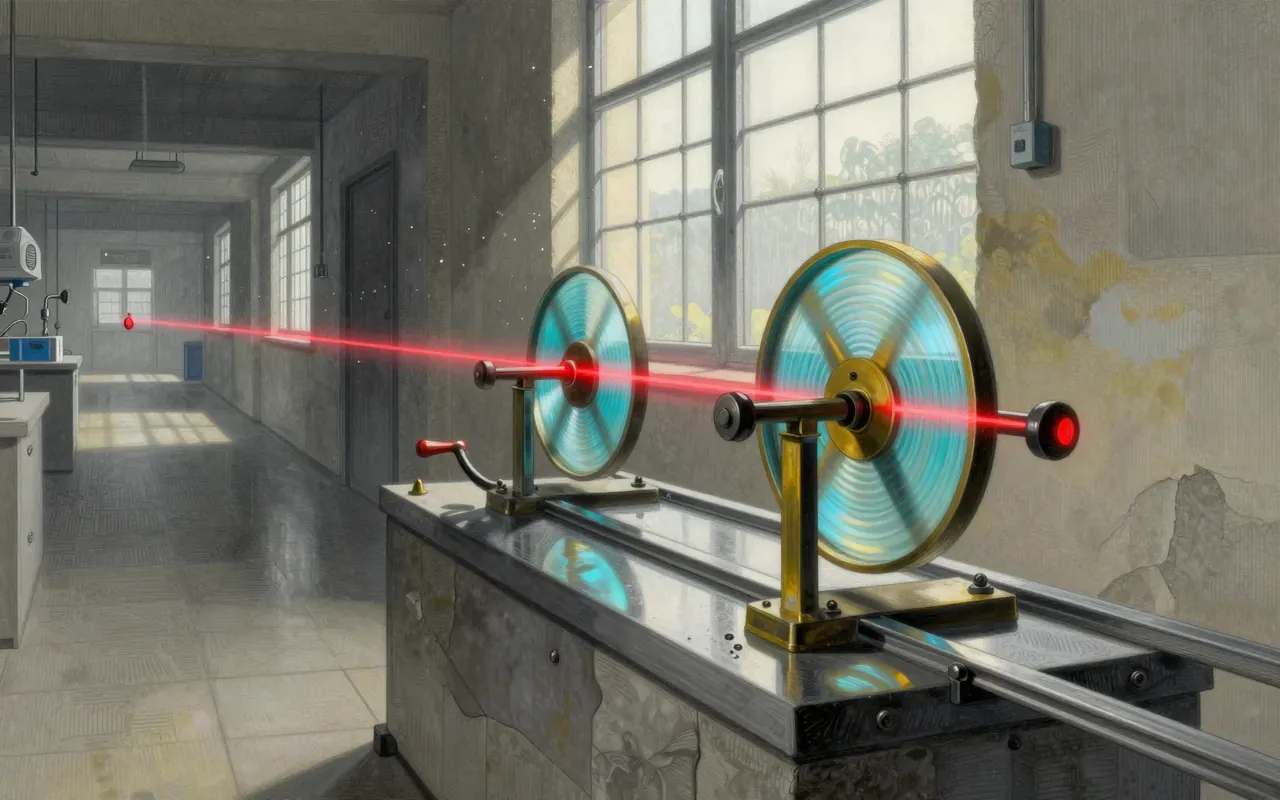
Alain Aspect's early 1980s photon experiments turned Einstein's decades-old discomfort with entanglement into a testable question, and quantum mechanics won, though it took another three decades of closing loopholes before the answer became fully conclusive.
13:00

Atomic force microscopy

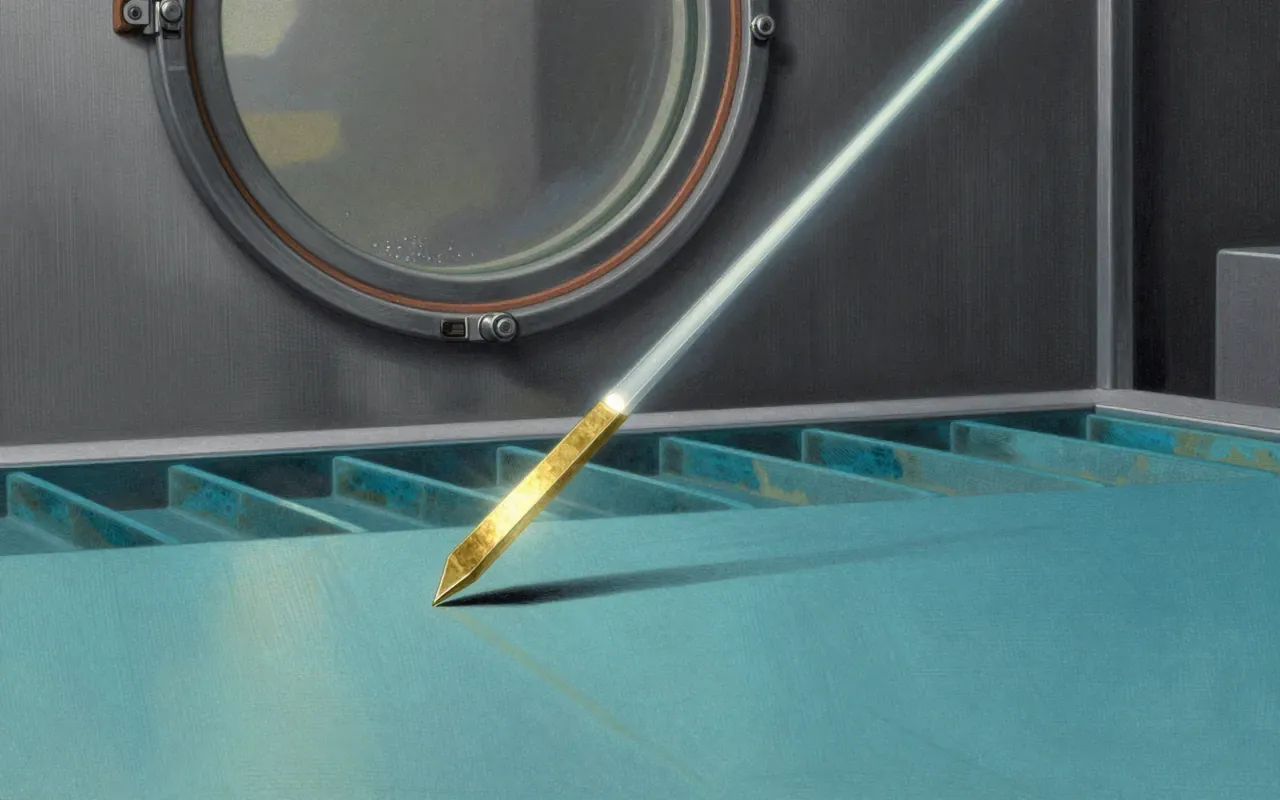
A sharp tip on a bending cantilever, tracked by a laser, let researchers feel the shape of a surface at nanometre scale, including surfaces that do not conduct electricity at all.
13:00

Cocktail party effect

Colin Cherry named the cocktail party problem in 1953 after studying how people follow one conversation among many, and found listeners still noticed their own name in speech they were supposedly ignoring — a small detail that broke the theory built to explain it.
11:02

Aubrey de Grey

A gerontologist broke a 60-year-old maths stalemate—and used graveyard soil to test an anti-ageing idea no one else would touch.
13:00

B cell

B cells build antibodies by shuffling gene segments almost at random, then let competition inside lymph tissue sharpen the best ones, and this brief follows that process from a chicken organ in 1956 to today's engineered antibody drugs.
9:05

Barbara McClintock

Genes don’t just code—they jump, break, and switch traits on and off depending on where they land.
9:55

Barry Marshall

A man drank bacteria and proved ulcers were infectious—not psychological.
10:37

Bayes' theorem

Thomas Bayes · 1763

Bayes's 1763 essay solves a narrow inverse probability problem using conditional probability. It computes limits on a binomial parameter—not a general theory of belief updating. Its power lies in precision, not generality.
13:00

Bell's theorem

Bell's theorem drew a hard line between quantum mechanics and local hidden variables, and fifty years of Bell tests, from Aspect's photons to the loophole-free experiments of 2015, keep landing on the quantum side.
13:00

Stellar nucleosynthesis

Bethe's 1939 theory of how stars fuse hydrogen waited 81 years for direct confirmation, arriving only in 2020 when a neutrino detector finally caught the CNO cycle operating inside the Sun itself.
9:58

B. F. Skinner

Skinner didn’t explain minds — he replaced them with measurable behaviour and its consequences.
11:00

Bhāskara II

Bhāskara II didn’t invent calculus — but he derived its central insight while calculating planetary motion in Ujjain.
13:00

Biodiversity hotspot

Norman Myers set a strict numerical bar for calling a region a biodiversity hotspot, and the resulting list of places, covering a small slice of land but a huge share of species, has since directed hundreds of millions of dollars in conservation funding.
13:00

Biosignature

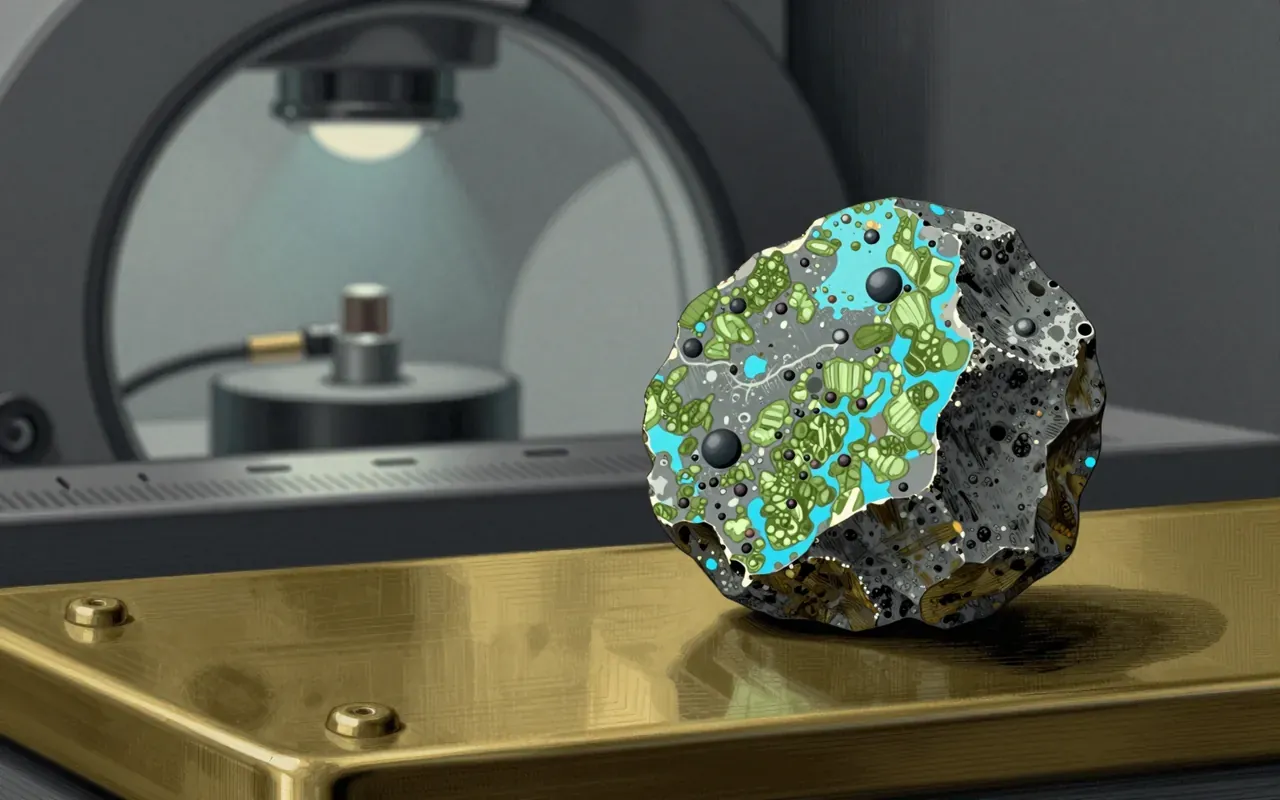
A meteorite once thought to hold fossilised Martian bacteria turned out to show structures too small to be cells, and that failure is the reason biosignature science now demands several independent lines of evidence, which this brief follows from oil-industry chemistry to Mars.
11:05

Biruté Galdikas

Fieldwork isn’t quaint — it’s the only way to document what no camera trap or genome ever will.
13:00

Boltzmann's entropy formula

Boltzmann's formula reduced entropy to a count of possible atomic arrangements, but the atomic theory it depended on was not confirmed until 1908, two years after his death by suicide amid professional resistance.
13:00

Boolean algebra

George Boole wrote down an algebra for pure logic in 1854 with no interest in machinery; Claude Shannon's 1937 thesis is why every digital computer runs on it anyway.
13:00

Brownian motion

Pollen grains jittering under a microscope in 1827 sat unexplained for nearly eighty years until Einstein worked out that invisible molecules were bumping them around, turning a small curiosity into decisive proof that atoms are real.
13:00

Carbon nanotube

Sumio Iijima's 1991 paper on tubes of carbon rolled from arc-burned graphite launched a research boom, even though Soviet scientists had photographed similar structures nearly forty years earlier without anyone noticing.
9:35

Carl Rogers

Therapy isn’t about what you say — it’s about how you hold space, and in 1941 they proved it with tape recorders.
10:47

Carl Sagan

Sagan didn’t predict Venus’s heat — he measured it with radio waves, and proved the greenhouse effect wasn’t just earthly.
13:00

Carnot heat engine

Sadi Carnot's 1824 argument that every heat engine has an efficiency ceiling set only by temperature, built on the wrong theory of heat, still turned out right and grew into the second law of thermodynamics.
9:09

Carol Dweck

Praising intelligence isn’t kind—it’s a trap that makes people avoid hard work.
9:52

Caroline Herschel

She didn’t wait for permission — she swept the sky, found what others missed, and rewrote the official star catalogue.
13:00

Carotenoid

Chlorophyll makes plants green precisely because it is bad at absorbing green light, and carotenoids do the opposite job of protecting the plant from the light chlorophyll absorbs too well, which this brief explains alongside a decades-old chlorophyll marketing hoax.
10:37

Cassini–Huygens

Cassini didn’t just visit Saturn — it proved icy moons can be wet, wild, and chemically alive.
13:00

Catalysis

Berzelius named catalysis in 1835, but Elizabeth Fulhame had already documented the phenomenon decades earlier. What survived from either of them is a substance that speeds a reaction without being used up — now behind roughly ninety percent of manufactured chemical products.
13:00

Catastrophe theory

René Thom classified every possible way a stable system can suddenly break into seven geometric templates. The mathematics is settled; its 1970s use to explain animal and human behaviour was not, and a public critique said so.
13:00

Cavendish experiment

Henry Cavendish measured a gravitational force fifty million times weaker than the weight of the objects producing it, using an apparatus designed by a scientist who died before he could run the experiment himself.
13:00

Cellular automaton

Von Neumann built a grid of simple cells following fixed local rules to answer a question about machines copying themselves, and the idea outgrew its original purpose entirely.
13:00

Chargaff's rules

Erwin Chargaff measured DNA base ratios across dozens of species and found a pairing rule steady enough to become the numerical clue behind Watson and Crick's double helix — credit for which he never received.
10:48

Charles Darwin

Darwin did not discover evolution — he discovered how it works, and why it must be true.
10:18

Chicago Pile-1

Enrico Fermi

Chicago Pile-1 proved a self-sustaining nuclear chain reaction was possible using natural uranium and purified graphite — nothing more, nothing less.
13:00

Chirality (chemistry)

Two batches of tartaric acid had identical formulas and reactions, yet one twisted light and the other didn't. Pasteur solved it by hand-sorting crystals into two mirror-image piles under a microscope — early proof that shape alone can change what a molecule does.
13:00

Universal grammar

Chomsky's claim that children are born with an innate grammatical template has narrowed over sixty years to a single computational operation, and remains genuinely contested rather than settled either way.
10:10

Christiaan Huygens

Huygens didn’t just see further—he built the tools, derived the maths, and insisted on mechanism: the first true theoretical physicist.
9:03

Claude Shannon

Shannon didn’t invent the computer — he proved electricity could think.