sciencebriefs
Longest first

All briefs

561 briefs · 6515 min · 289–384 on page 4 of 6
12:07

Van der Waals equation

Johannes van der Waals

Van der Waals’s 1873 equation was the first thermodynamic model to treat fluids as composed of real molecules — with finite size and mutual attraction — and it successfully described both liquid and gas phases, predicted critical-point behaviour, and yielded quantitative estimates of molecular size and attraction strength. It did not prove molecular existence, nor does it hold across all conditions. Its value lies in making molecular assumptions productive — long before they were directly observable.
12:05

Hayflick limit

Hayflick

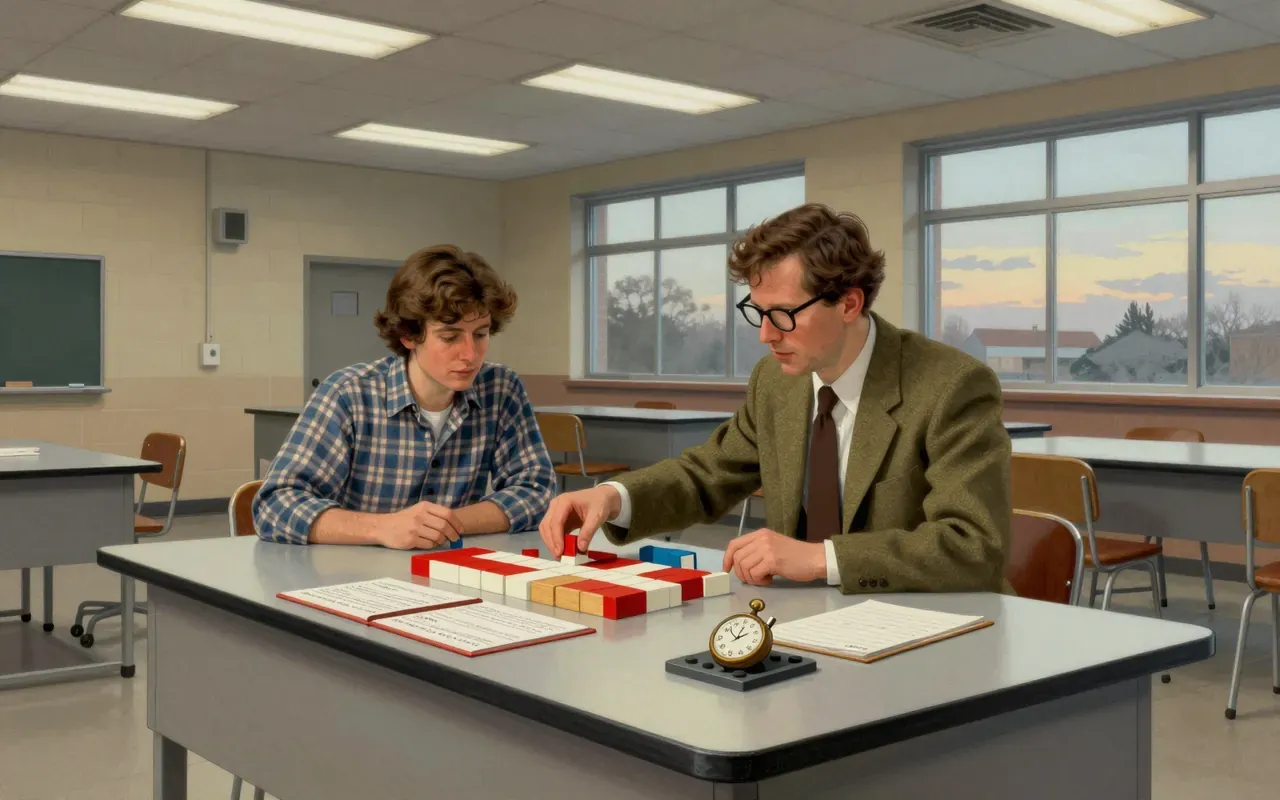
Hayflick’s 1962 work established a finite replication limit for normal human fetal cells — 40–60 divisions — using culture methods and a definitive male-female co-culture experiment. It refuted Carrel’s immortality claim, distinguished mortal normal from immortal cancer cells, and produced WI-38 — the foundational cell strain for vaccine development. It did not identify the counting mechanism, nor prove cellular senescence drives whole-organism aging.
12:03

1883 eruption of Krakatoa

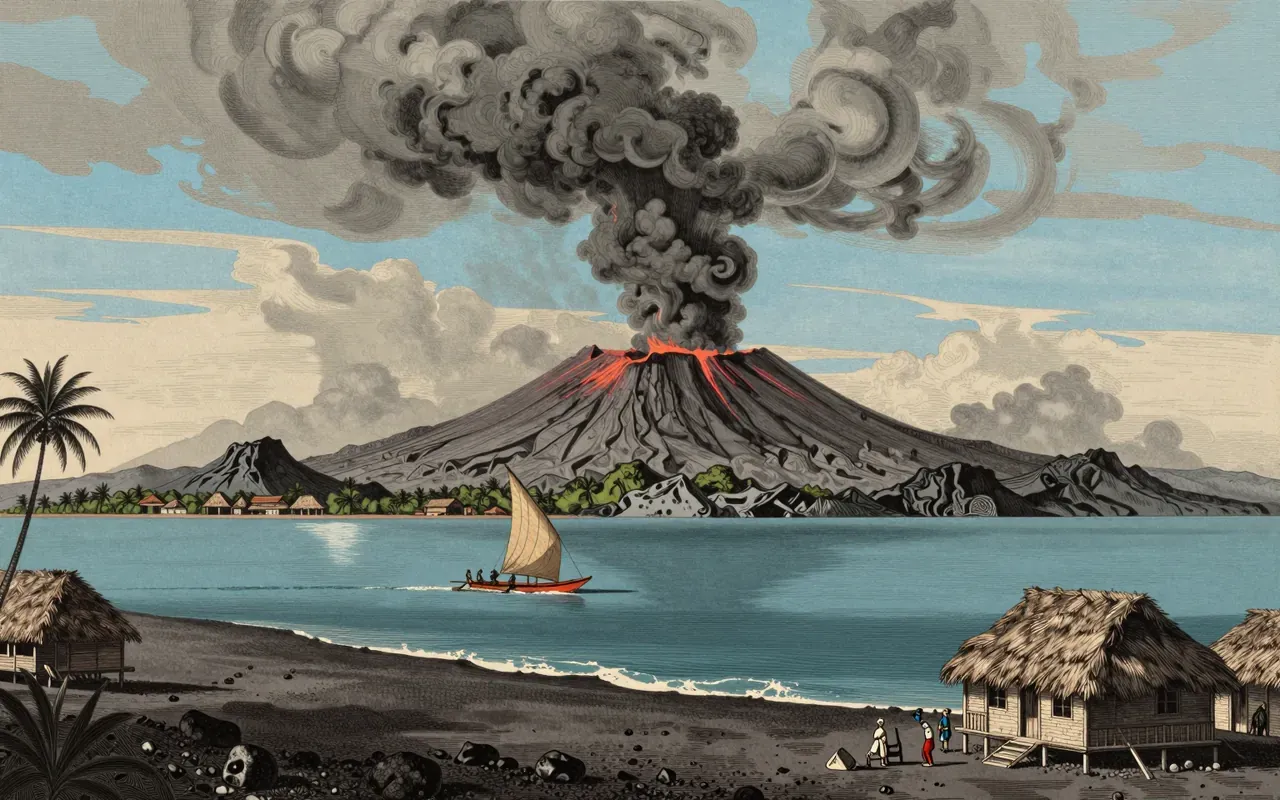
Krakatoa didn’t just boom — it turned the atmosphere into a resonant chamber and a reflective shield, with numbers we still use to test climate physics.
11:54

Ignaz Semmelweis

Semmelweis didn’t discover germs — he discovered that doctors were killing mothers, and proved it with monthly death counts.
11:54

Marvin Harris

Marvin Harris didn’t prove materialism — he weaponised it as an organising principle for anthropology.
11:48

Flynn effect

IQ scores rose steadily for a century — but that doesn’t mean we got smarter.
11:43

Keeling Curve

Charles Keeling

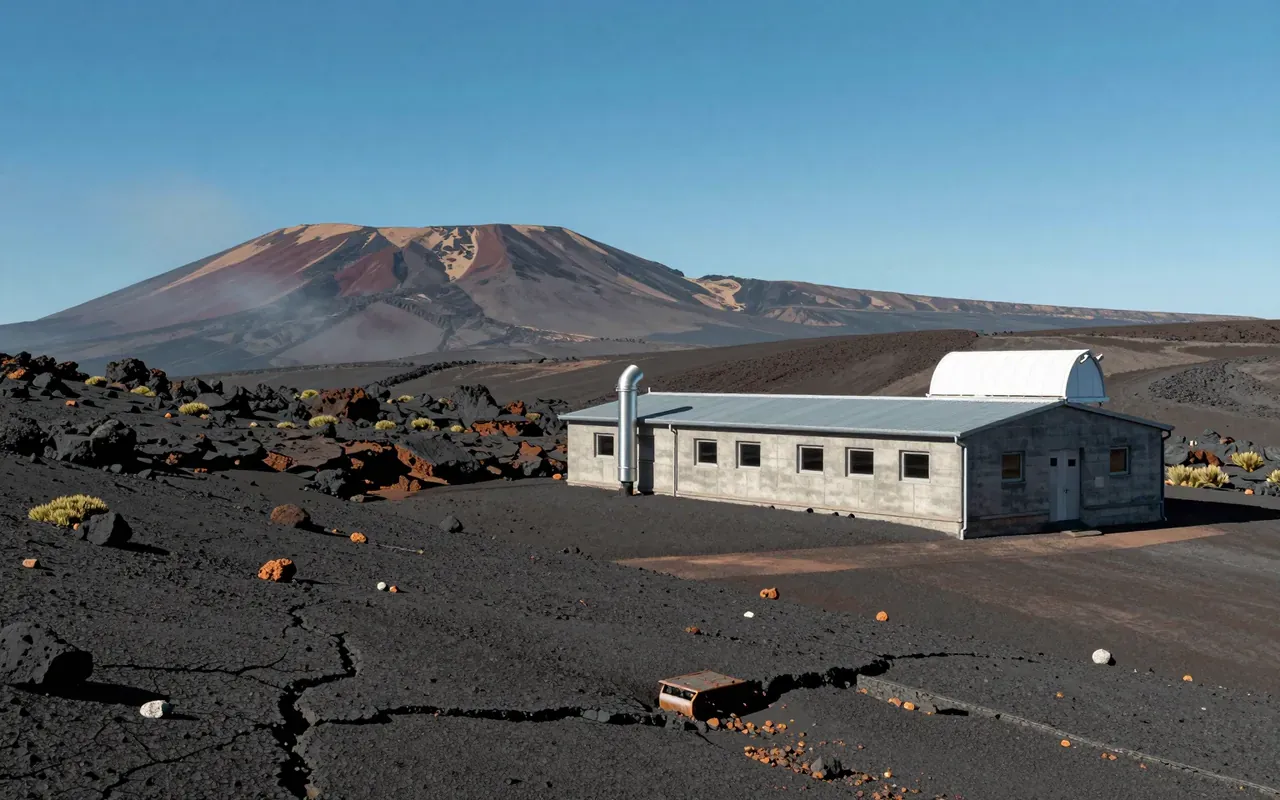
The Keeling Curve is the first continuous, calibrated record of atmospheric CO₂. It shows a seasonal cycle and a monotonic rise — from 313 ppm in 1958 to 406 ppm in 2018. Its strength lies in methodological rigour: remote site selection, contamination control, and instrumental precision. It does not prove causation, but establishes an unambiguous trend correlated with fossil fuel use. It remains the gold standard for atmospheric CO₂ monitoring.

11:40

Hubble Deep Field

The Hubble Deep Field didn’t reveal the early universe — it revealed how little we knew about galaxy assembly before we counted them properly.
11:38

Kirchhoff's circuit laws

Gustav Kirchhoff

Kirchhoff’s 1845 circuit laws are two experimentally derived equalities — one for current at junctions, one for voltage around loops — valid only under strict physical assumptions of the lumped-element model.
11:30

Wow! signal

A single 72-second blip — thirty times louder than noise, narrower than 10 kHz, never seen again — is not evidence of aliens. It is evidence of how easily curiosity outruns verification.
11:29

Entropy (information theory)

Claude Shannon

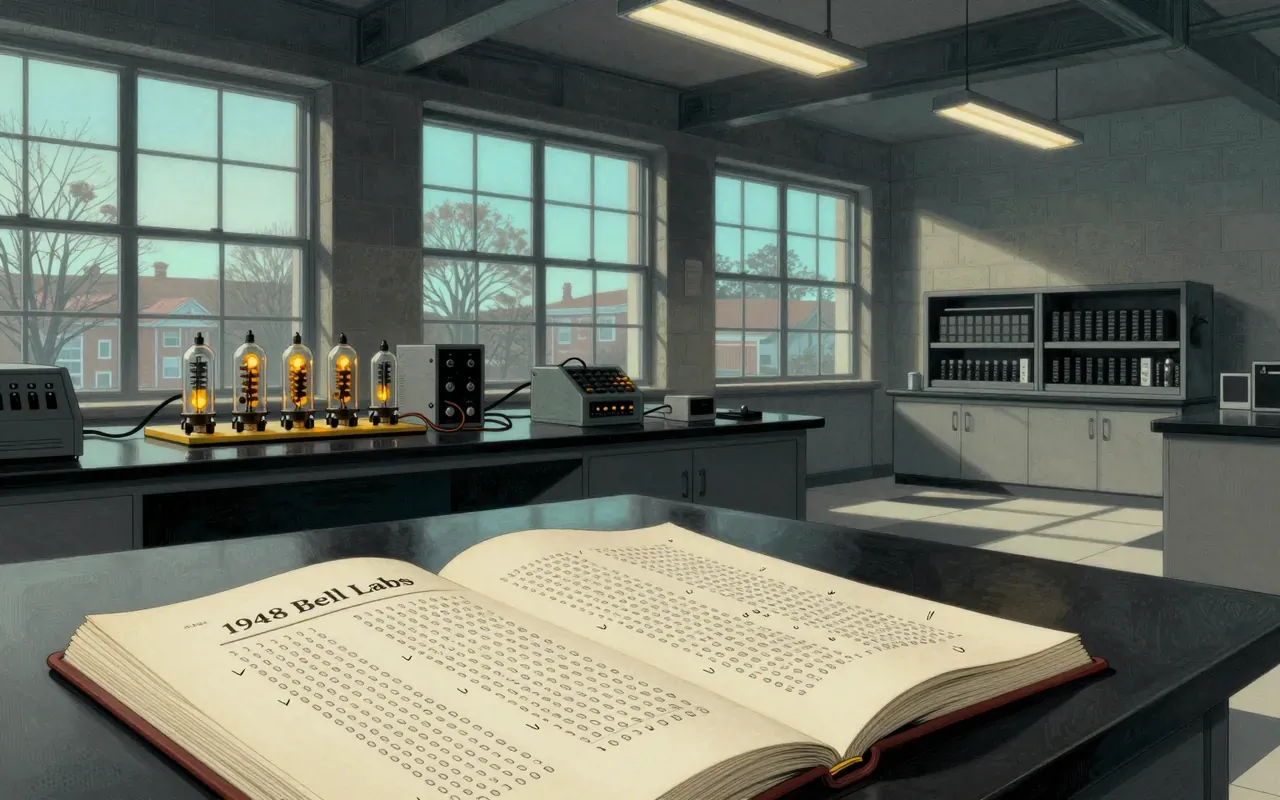
Shannon’s 1948 theory redefined communication as a mathematical problem of uncertainty reduction. He proved entropy is the irreducible cost of lossless encoding — not a metaphor, not a heuristic, but a bound. It applies only where messages are statistically structured, and only to syntactic information — never semantics. Its power lies in its narrowness.

11:29

Louis Leakey

Leakey didn’t discover human origins — he relocated them to Africa. And then mislaid them again in California.
11:26

Konrad Lorenz

Imprinting isn’t love—it’s a hardwired species-recognition switch flipped in the first hours after hatching.
11:22

X-ray crystallography

William Henry Bragg and William Lawrence Bragg

The Braggs established X-ray crystallography as a quantitative physical method by linking diffraction geometry to atomic spacing — using simple crystals, mechanical rotation, film detection, and arithmetic. They did not image atoms. They inferred lattice periodicity. Their work is durable, narrow, and strictly instrumental.

11:20

Ibn al-Haytham

He didn’t just study light—he invented the scientific method for perception.
11:18

James Clerk Maxwell

Maxwell didn’t discover light — he discovered that light is electricity dancing with magnetism.
11:16

Geoffrey West

Cities scale like organisms—but the 15% salary bump isn’t a law, it’s a rough correlation with no mechanism, margin of error, or boundary conditions.
11:14

Gerty Cori

Enzyme defects cause genetic disease — and this was proven, not hypothesised.
11:14

Henrietta Lacks

HeLa didn’t just change science — it revealed that medical immortality has a name, a race, and no consent.
11:14

Riemann hypothesis

Bernhard Riemann

Riemann’s 1859 hypothesis is a precise, unproven claim about zeta zeros — central to prime distribution, yet untouched by proof for 165 years.

11:12

Galvanometer

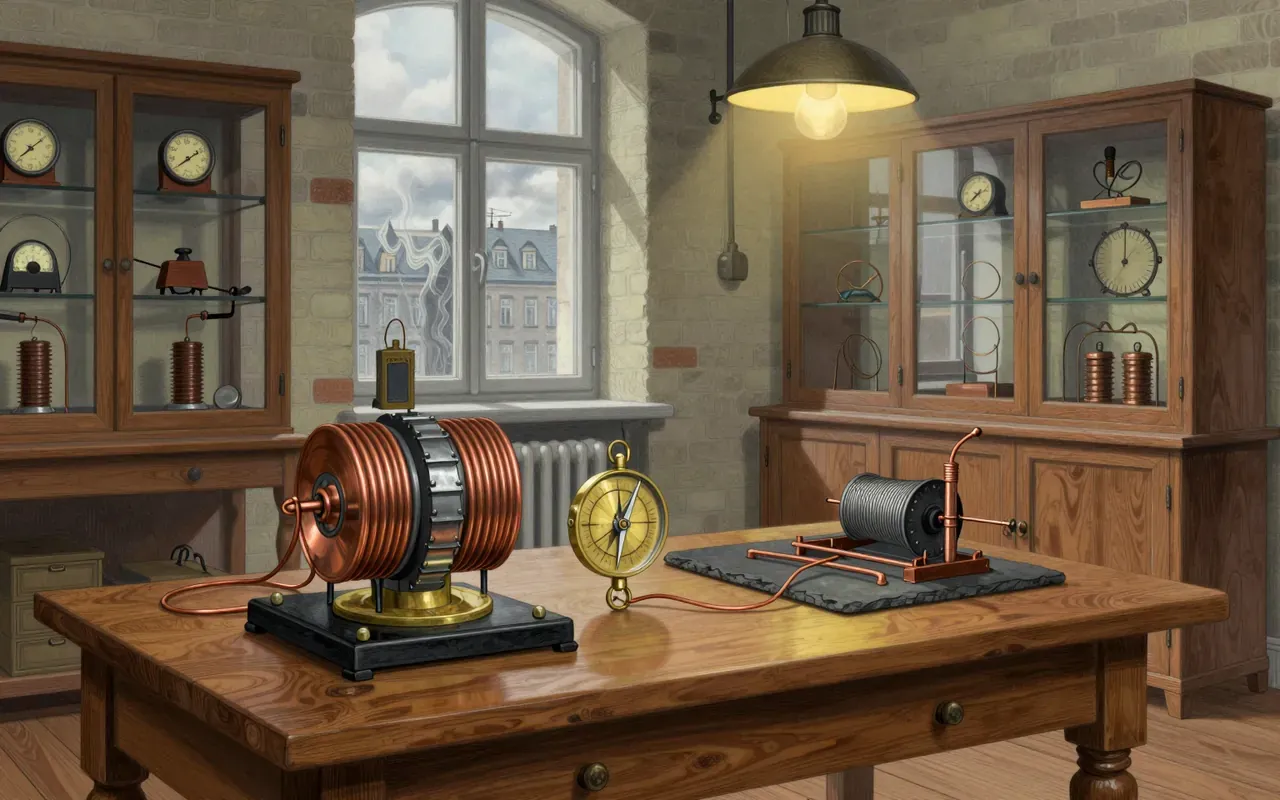
The galvanometer did not discover electromagnetism — it weaponised Ørsted’s accident into a ruler for the invisible.
11:10

Neutral theory of molecular evolution

Motoo Kimura

The neutral theory reframed molecular evolution around stochasticity—not adaptation—as the dominant force shaping DNA change. It offered precise, falsifiable predictions about rates and variation, grounded in population genetics. It did not disprove selection; it defined its null model. Its endurance lies not in universality, but in utility: every test for selection begins here.

11:09

Lise Meitner

Meitner and Frisch didn’t discover fission — they explained it, named it, and measured its energy in six weeks.
11:09

Oliver Heaviside

Heaviside didn’t just tidy up Maxwell—he rewrote the rules of signal, space, and time.
11:08

Pauli exclusion principle

Wolfgang Pauli

The Pauli exclusion principle is not a force or interaction. It is a constraint on how quantum states may be occupied. It arose from spectral anomalies, not theory-first deduction. Its power lies in its austerity: four numbers, one electron, and a sign flip upon exchange. It remains indispensable — and unexplained at root.
11:07

Mandelbrot set

Benoit Mandelbrot

Mandelbrot visualised a known mathematical object with unprecedented clarity — making topology legible through computation.

11:07

Zu Chongzhi

Zu Chongzhi didn’t just approximate π — he built a 24,576-sided polygon and used geometry to outcompute Europe by nine centuries.
11:05

Biruté Galdikas

Fieldwork isn’t quaint — it’s the only way to document what no camera trap or genome ever will.
11:05

Henri Poincaré

Poincaré didn’t just anticipate relativity — he built its mathematical skeleton before Einstein published.
11:05

Central dogma of molecular biology

Francis Crick

Crick’s central dogma is a precise, unidirectional constraint on sequential information transfer — not a summary of known pathways. It was proposed theoretically, refined formally in 1970, and immediately misrepresented. Its endurance lies not in experimental confirmation but in its utility as a boundary condition: what molecular biology *cannot* do.

11:04

Richard Leakey

Leakey didn’t find 'human origins' — he found five fossils that pinned Homo sapiens, erectus, rudolfensis, ergaster, and aethiopicus to East Africa, nothing more.
11:03

Edwin Hubble

Hubble didn’t prove the universe is expanding — he proved galaxies are islands, and that they flee each other in proportion to distance.
11:03

Josef Stefan

Stefan didn’t need quantum theory to fix the Sun’s temperature — he just needed better data and a fourth power.
11:03

British Doctors Study

A single mail-out to British doctors in 1951 settled the smoking debate — but only for men, and only for death.
11:03

Church–Turing thesis

Alonzo Church and Alan Turing

The Church–Turing thesis is not a theorem but a foundational assumption — one that equates human-effective calculation with machine computation. It holds because no counterexample exists, not because it is proven. Its endurance is its strength — and its limitation.

11:03

William Herschel

Herschel didn’t just find new things — he invented how to measure what light *does*.
11:02

Nuclear fusion

Fusion was solved for stars in 1939—not for power plants, and not by engineers.
11:02

Aubrey de Grey

A gerontologist broke a 60-year-old maths stalemate—and used graveyard soil to test an anti-ageing idea no one else would touch.
11:02

Edward B. Lewis

Lewis didn’t just find new genes — he broke the gene open, then used the pieces to rebuild how we think about risk, development, and inheritance.
11:01

Tim D. White

Two fossils—one 4.4 million, one 2.5 million years old—don’t prove human ancestry, but they do break the timeline into testable chunks.
11:00

Abdus Salam

Salam didn’t discover a particle — he built the grammar that lets physicists speak about weak and electromagnetic forces as one thing.
11:00

Bhāskara II

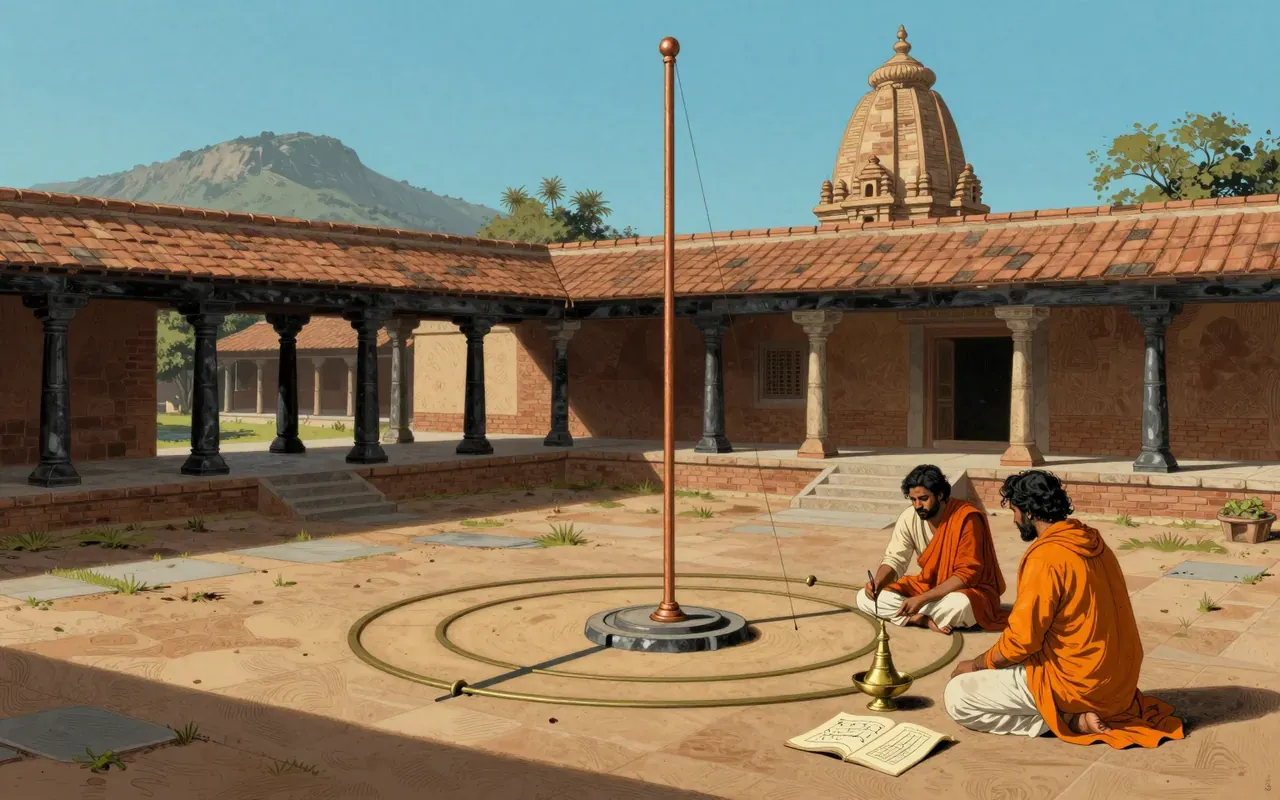
Bhāskara II didn’t invent calculus — but he derived its central insight while calculating planetary motion in Ujjain.
11:00

Max Planck

Planck didn’t discover quanta — he invented them to save classical physics, then accidentally broke it forever.
10:59

Alfred Russel Wallace

Wallace didn’t just co-discover natural selection—he built biogeography from scratch, in the field, one island at a time.
10:58

Rachel Carson

Carson didn’t need a lab to prove pesticides were biocides — she used lawsuits, sick farmers, and library stacks.
10:57

Felix Klein

Klein didn’t discover space—he discovered how to stop arguing about it.
10:57

Rosalind Franklin

Franklin didn’t discover the double helix — she discovered that DNA’s shape changes with humidity, and that its backbone faces outward. Everything else was interpretation.
10:56

Sophie Germain

Germain’s mathematics was right where it counted—and wrong where it mattered most.
10:55

Viking lander biological experiments

Gil Levin

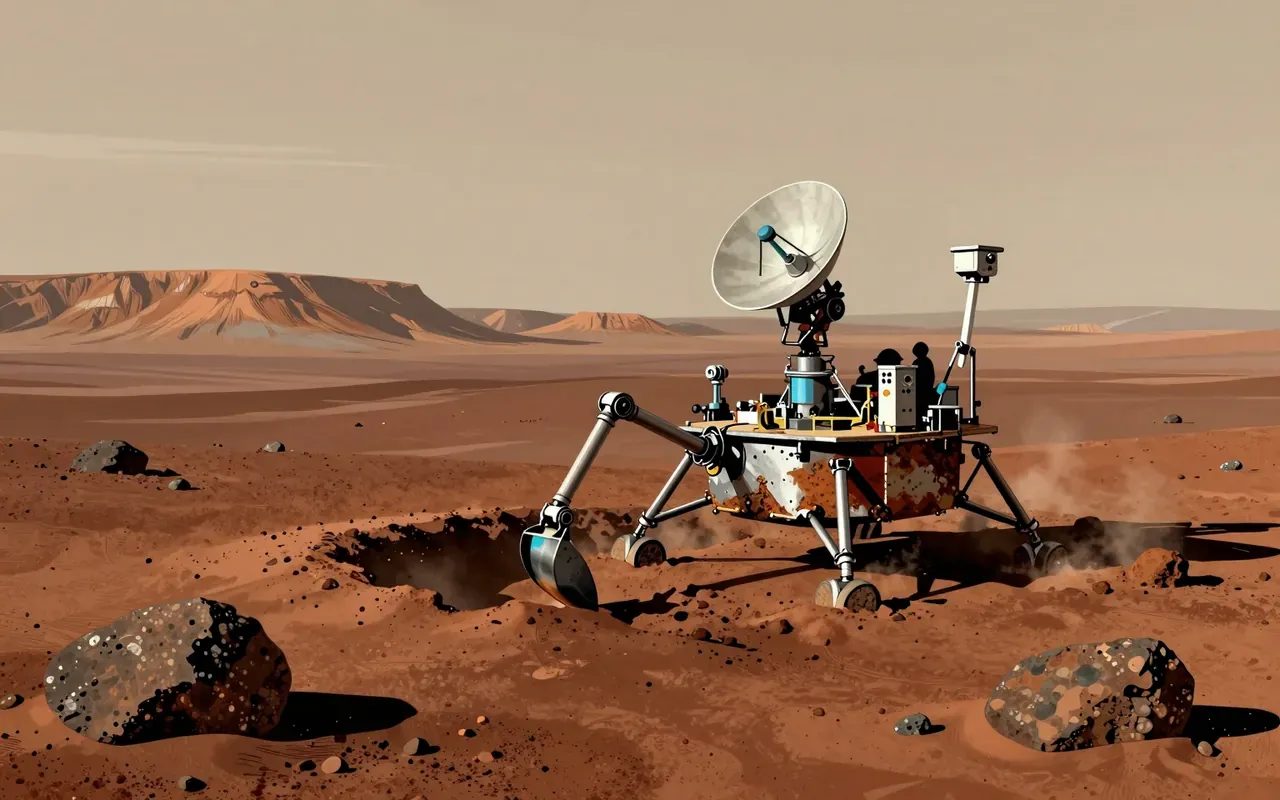
The Viking lander biological experiments were a suite of four in situ tests conducted in 1976 by the Viking 1 and Viking 2 landers to detect microbial life on Mars. The experiments—Gas Chromatograph–Mass Spectrometer (GCMS), Gas Exchange (GEX), Labeled Release (LR), and Pyrolytic Release (PR)—used soil samples collected by robotic arm and analyzed them under controlled conditions. While GCMS found no significant organic molecules, LR yielded positive, reproducible signals of radioactive gas release upon nutrient addition—signals that diminished or disappeared after heat sterilization or cold storage—prompting ongoing debate over whether the results indicate biological metabolism or abiotic oxidative chemistry, especially in light of later discoveries like perchlorate.

10:54

Évariste Galois

Galois didn’t just solve an old problem — he invented the language to say why some problems can’t be solved at all.
10:53

Richter scale

Richter

The Richter scale is a local, instrument-specific amplitude scale — not a universal measure of earthquake size. Its rigour lies in its narrow definition, not its breadth.
10:52

Jing Fang

A Han dynasty mathematician calculated musical temperaments to 0.0145-cent precision — and declared the Moon a mirror centuries before Europe.
10:50

Isaac Newton

Newton didn’t discover gravity — he discovered that the same mathematics explains an apple and a moon.
10:49

Al-Khwarizmi

He didn’t invent algebra—he founded it as a discipline with rules, not rhetoric.
10:49

Ole Rømer

Light does not arrive when it happens — Rømer proved it arrives late, and that delay changed how we see the universe.
10:48

Ada Lovelace

Lovelace didn’t write code — she wrote the first argument for what code could mean.
10:48

Charles Darwin

Darwin did not discover evolution — he discovered how it works, and why it must be true.
10:47

Carl Sagan

Sagan didn’t predict Venus’s heat — he measured it with radio waves, and proved the greenhouse effect wasn’t just earthly.
10:47

Emmy Noether

Noether didn’t just find links between symmetry and conservation—she rebuilt mathematics so those links were inevitable.
10:44

Dmitri Mendeleev

Mendeleev didn’t discover elements — he discovered how to think like nature thinks.
10:41

Hypatia

Hypatia didn’t invent new mathematics—she rebuilt the foundations others relied on.
10:41

Edward Drinker Cope

Cope didn’t found American palaeontology—he flooded it with names, many of which still stand only because no one has cleared the backlog.
10:41

Georg Ohm

Ohm didn’t discover a universal law — he built a working model for a narrow class of circuits, and it stuck.
10:40

Frank Wilczek

Asymptotic freedom didn’t explain quarks — it saved quantum chromodynamics from mathematical collapse.
10:39

Sydney Brenner

Brenner didn’t decode life — he built the syntax that made decoding possible.
10:38

Lorentz transformation

Hendrik Lorentz

Lorentz’s transformations were a technically successful but conceptually constrained response to experimental anomalies in electrodynamics. They preserved the aether while making predictions match observation—by introducing local time, length contraction, and time dilation as mathematical corrections. Their algebraic form survived into special relativity, but their physical meaning did not.
10:38

Barometer

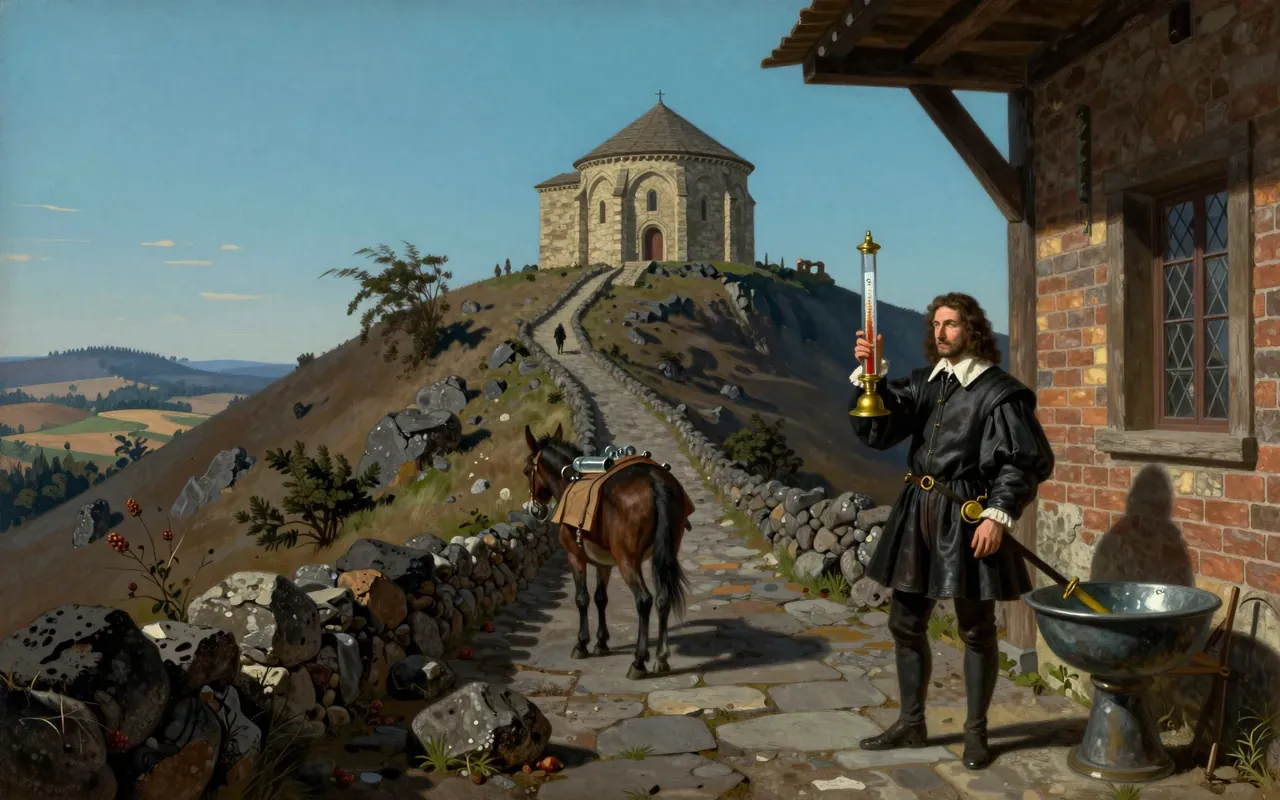
Torricelli didn’t discover air pressure—he killed the idea that nature abhors a vacuum.
10:37

Bayes' theorem

Thomas Bayes · 1763

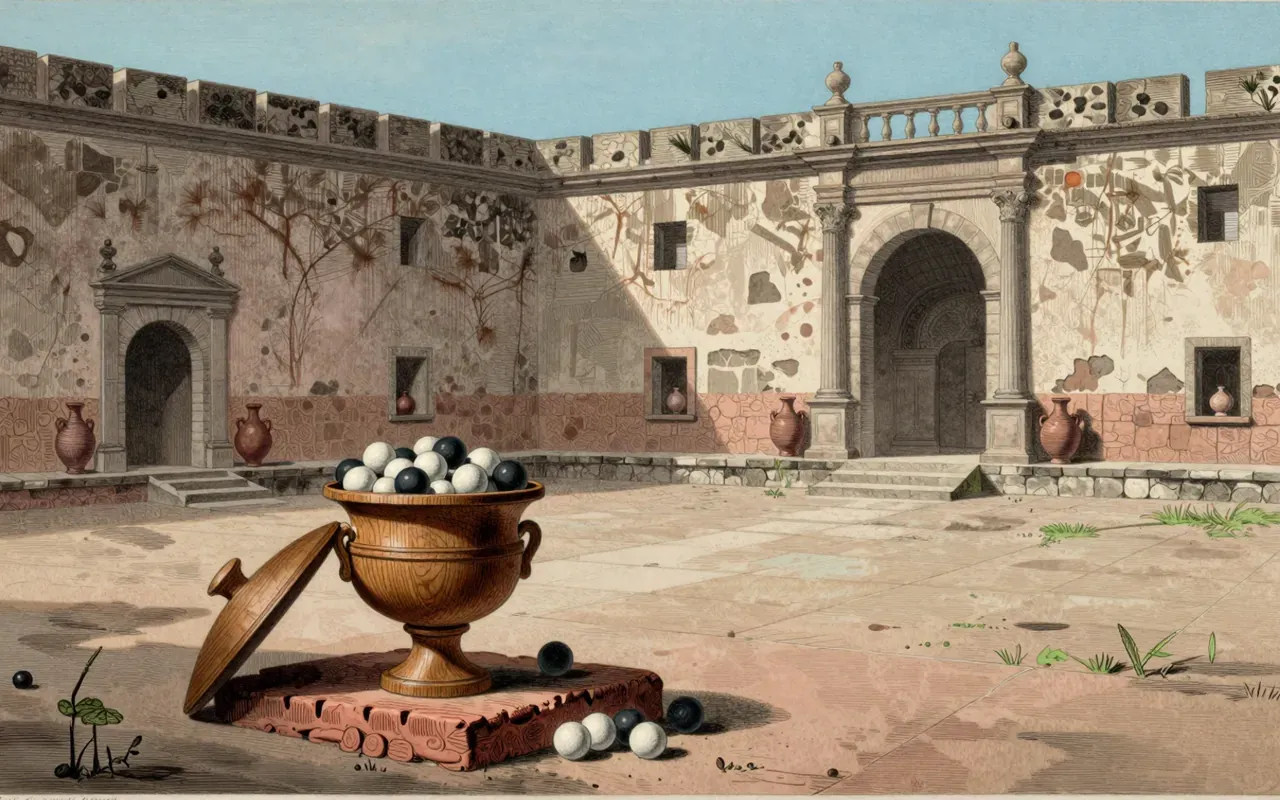
Bayes's 1763 essay solves a narrow inverse probability problem using conditional probability. It computes limits on a binomial parameter—not a general theory of belief updating. Its power lies in precision, not generality.
10:37

Cassini–Huygens

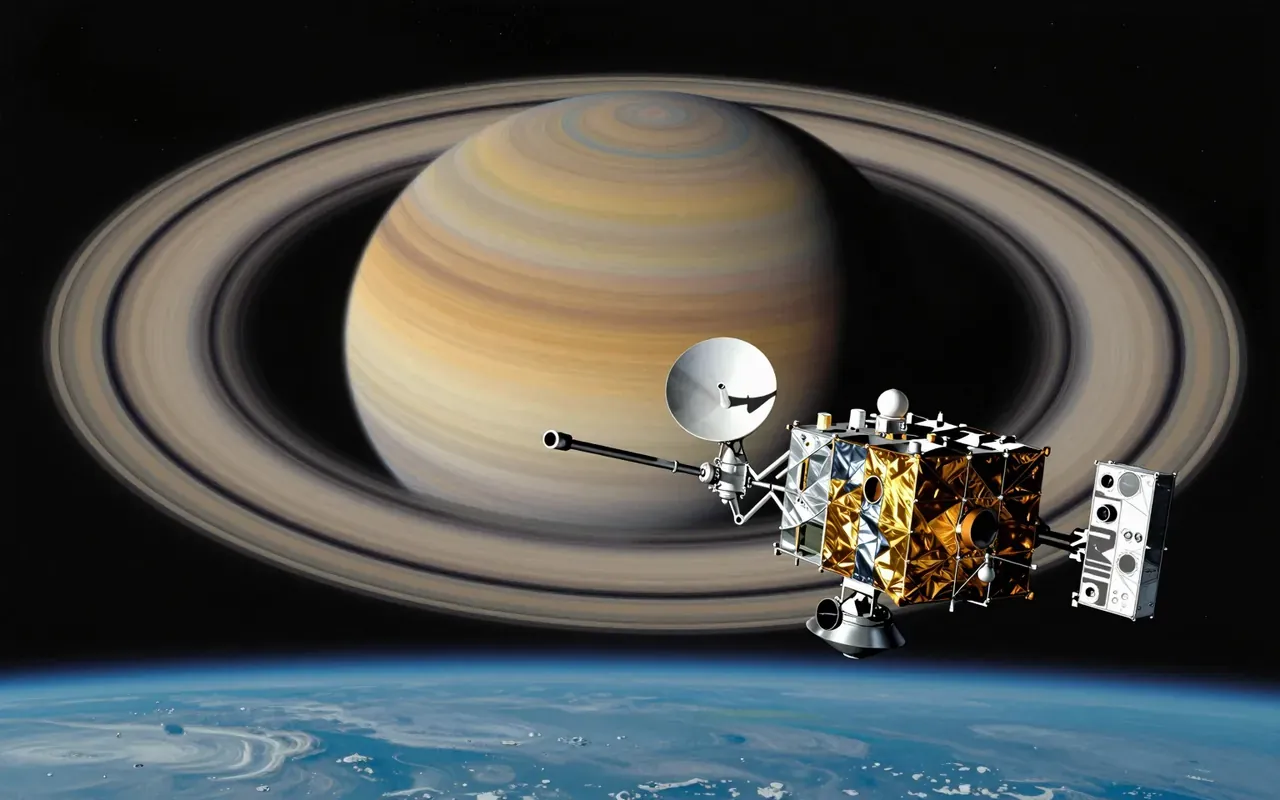
Cassini didn’t just visit Saturn — it proved icy moons can be wet, wild, and chemically alive.
10:35

William Buckland

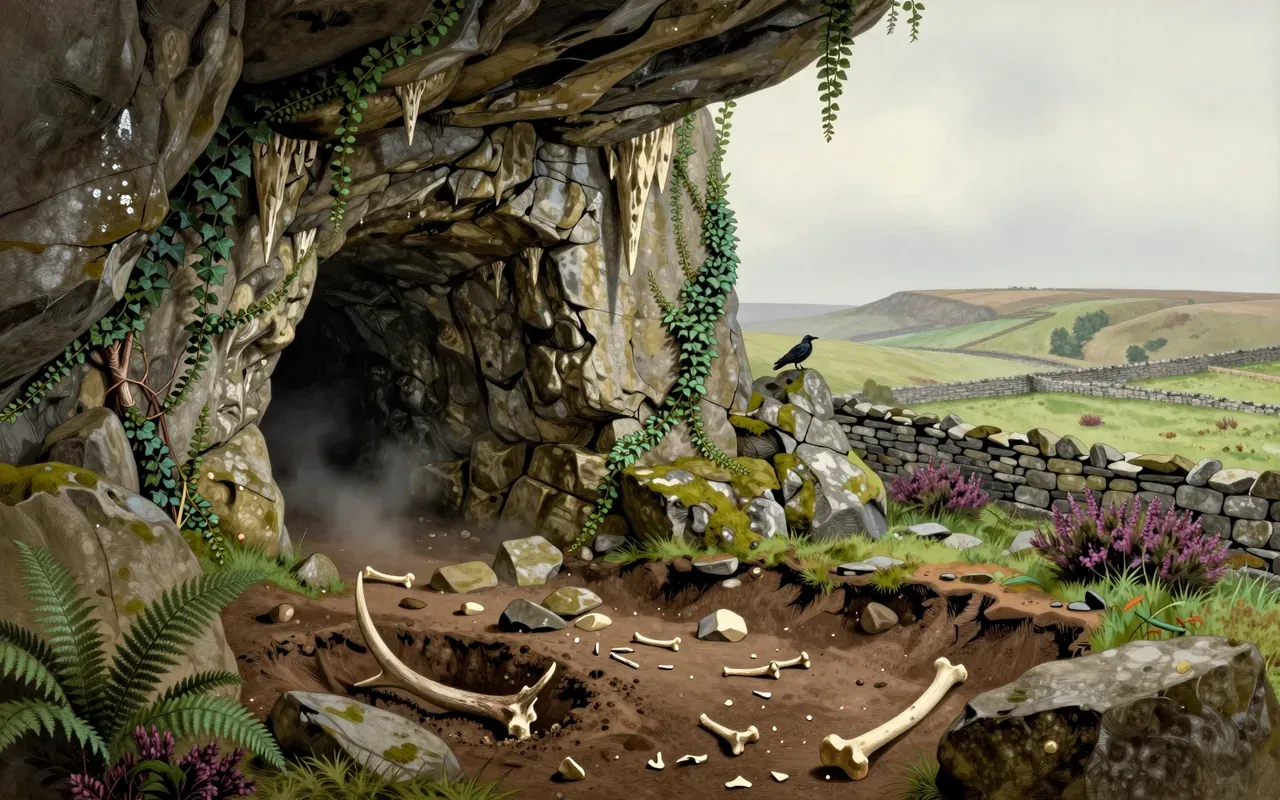
He proved hyaenas once ruled Yorkshire caves—but still buried them under Noah’s flood.
10:34

Baconian method

Francis Bacon

Bacon’s method is not a working protocol but a declaration of epistemic discipline: knowledge must be built stepwise from particulars, anchored in observation, and guarded against the Idols of the mind. Its power lies in its framing—not its execution.

10:34

David Gross

Asymptotic freedom isn’t just clever math — it’s why we can ever see quarks at all.
10:34

Karl von Frisch

Bees don’t just react — they compute direction, time, and identity with senses we lack.
10:34

Norbert Wiener

Wiener didn’t invent AI — he invented the idea that purpose could be noise-filtered, feedback-driven, and machine-simulable.
10:33

Mario Molina

A postdoc and a chemist proved your fridge coolant was eating the sky — and changed how the world governs chemistry.