sciencebriefs
Longest first

All briefs

561 briefs · 6515 min · 481–561 on page 6 of 6
9:39

Thomas Edison

Edison didn’t invent the light bulb—he invented the process that made it matter.
9:39

Thomas Henry Huxley

Huxley didn’t just defend evolution — he rebuilt animal classification from the inside out, using scalpels, not sermons.
9:37

Induced pluripotent stem cell

Yamanaka

iPSCs are somatic cells reprogrammed to pluripotency using four transcription factors. Demonstrated in 2006 in mouse fibroblasts via retroviral delivery and Fbx15 selection. Established direct reprogramming as possible—but only to the level of Fbx15 reactivation, not full pluripotency validation.

9:36

Space

Space is not empty. It bends, ripples, expands—and you’re standing inside a four-dimensional object you can’t see.
9:36

Arthur Ashkin

He didn’t just trap light — he made light grab matter, one photon at a time.
9:36

Stanley Norman Cohen

This wasn’t about curing disease — it was about making bacteria read foreign genes, copy them, and pass them on.
9:35

Carl Rogers

Therapy isn’t about what you say — it’s about how you hold space, and in 1941 they proved it with tape recorders.
9:34

Grace Hopper

She didn’t invent the compiler—but she proved code didn’t need to speak machine to get work done.
9:33

Hans Christian Ørsted

Ørsted didn’t stumble on electromagnetism — he hunted it for two years with a compass, and got the physics half-right.
9:33

On the Origin of Species

Charles Darwin

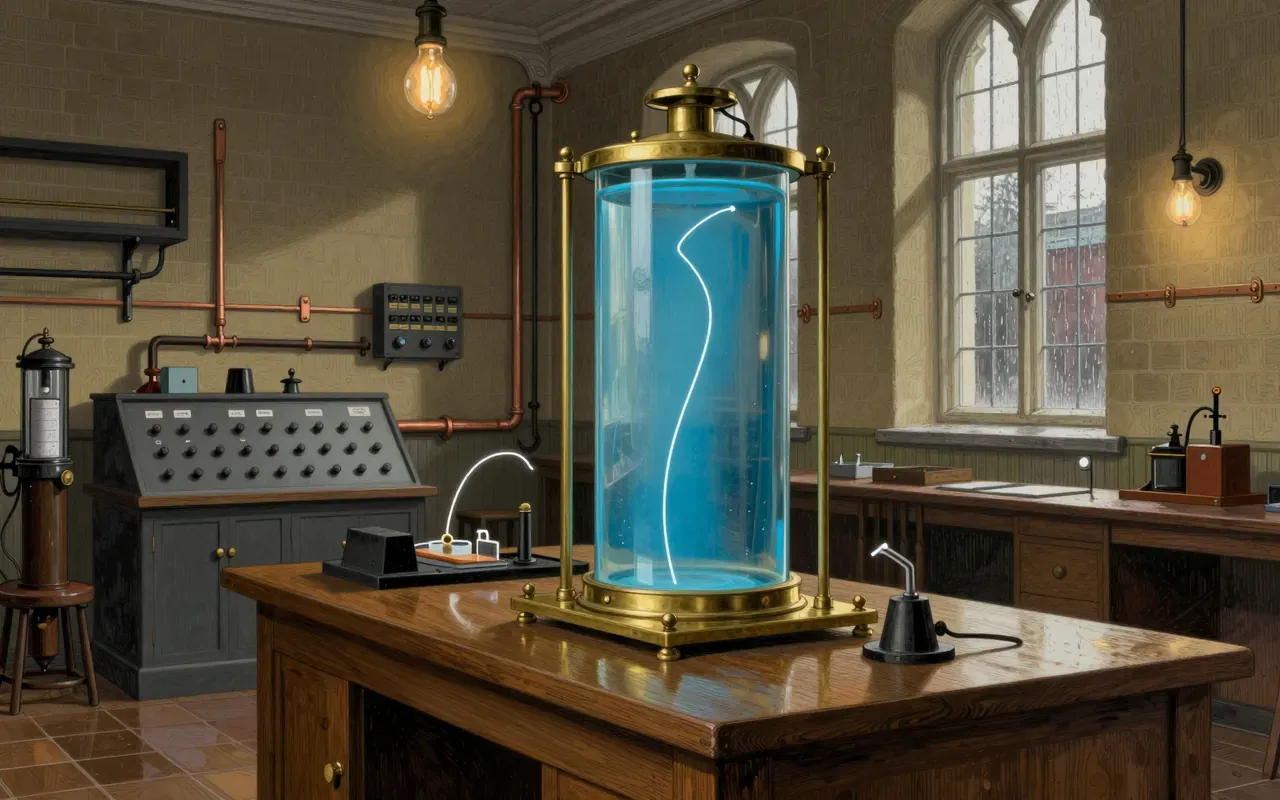
On the Origin of Species (1859) introduced natural selection as the mechanism for evolutionary descent with modification. It presented evidence for common descent via a branching pattern, drawn from Darwin’s Beagle expedition, research, correspondence, and experimentation. It established descent with modification as the dominant scientific explanation of natural diversification. Its proposition of universal common ancestry is now accepted—but that acceptance postdates the book and is not itself what the book established.
9:31

Arieh Warshel

He did not explain enzymes—he built the first working computational microscope for them.
9:31

Lysosome

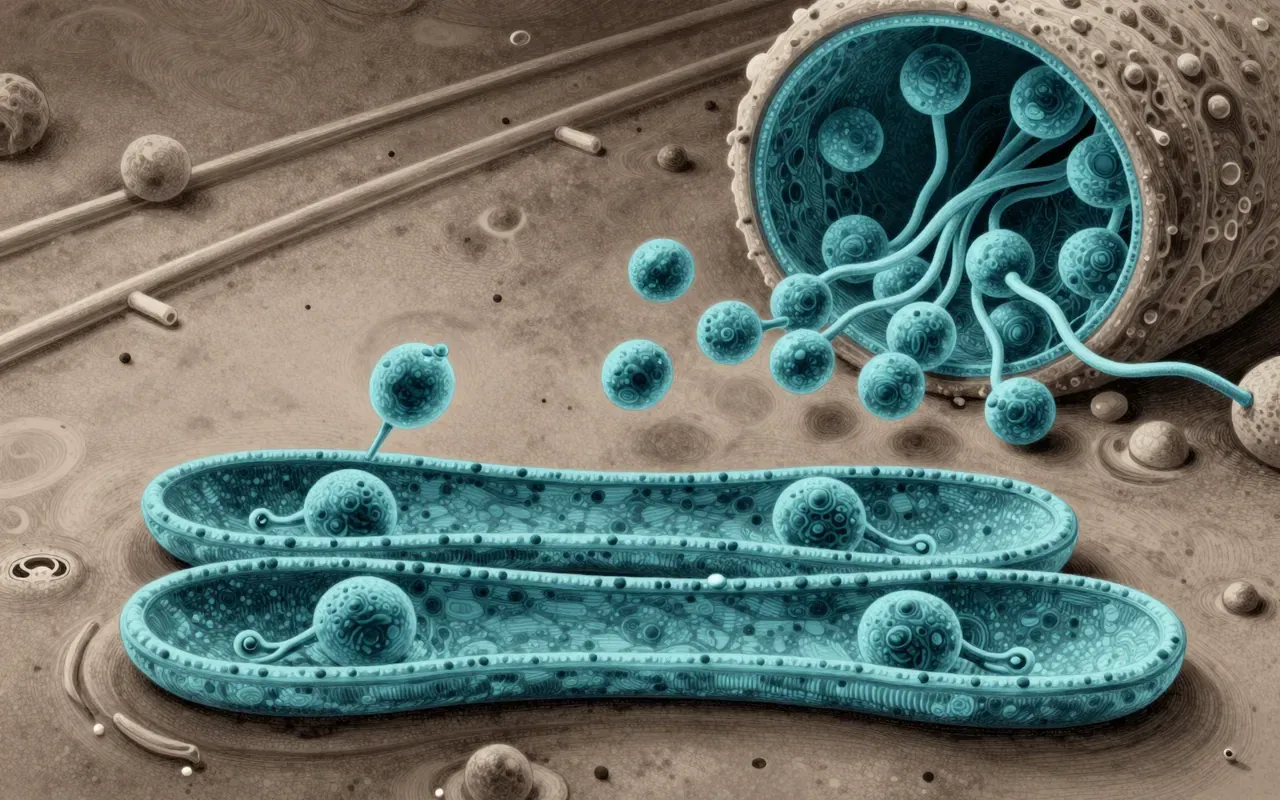
Lysosomes weren’t found — they were inferred from acid phosphatase, then confirmed by centrifugation.
9:30

Meave Leakey

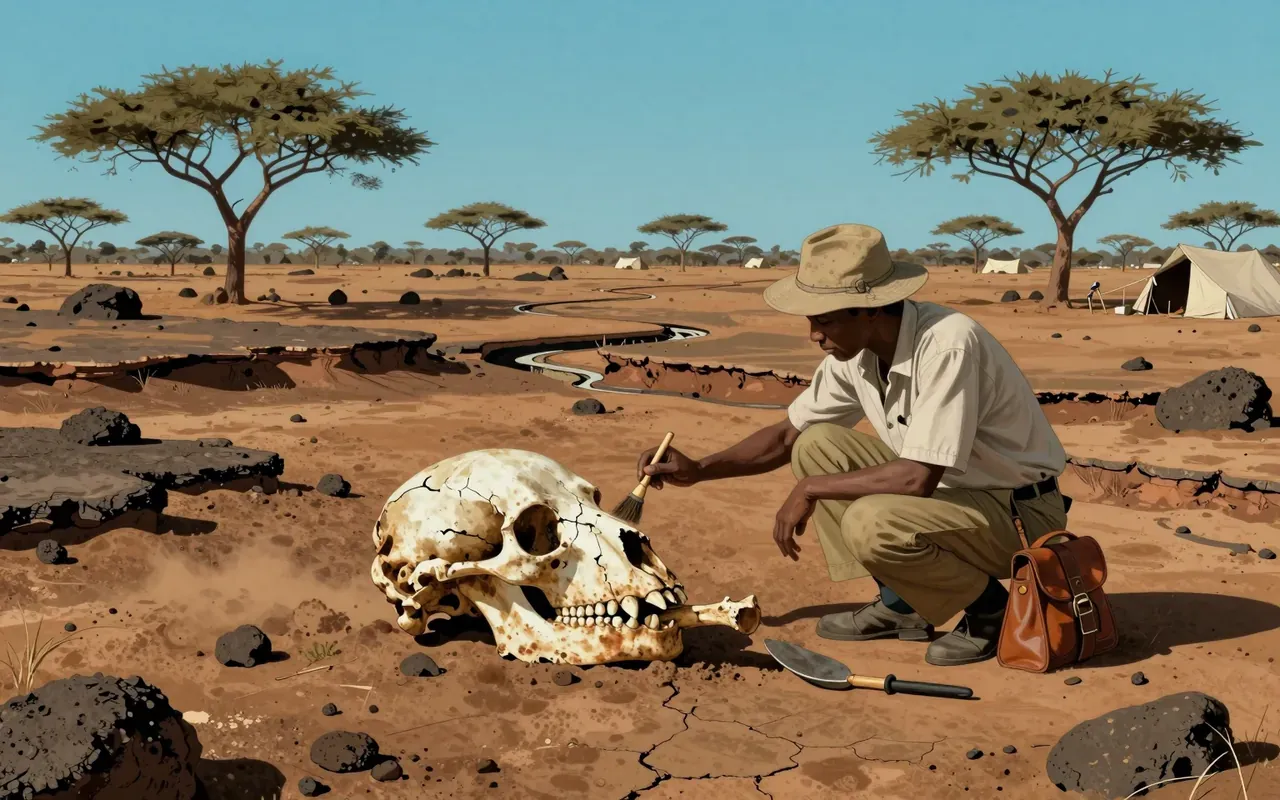
A flat-faced skull from Kenya shattered the illusion of a tidy human family tree.
9:30

Calvin cycle

Calvin

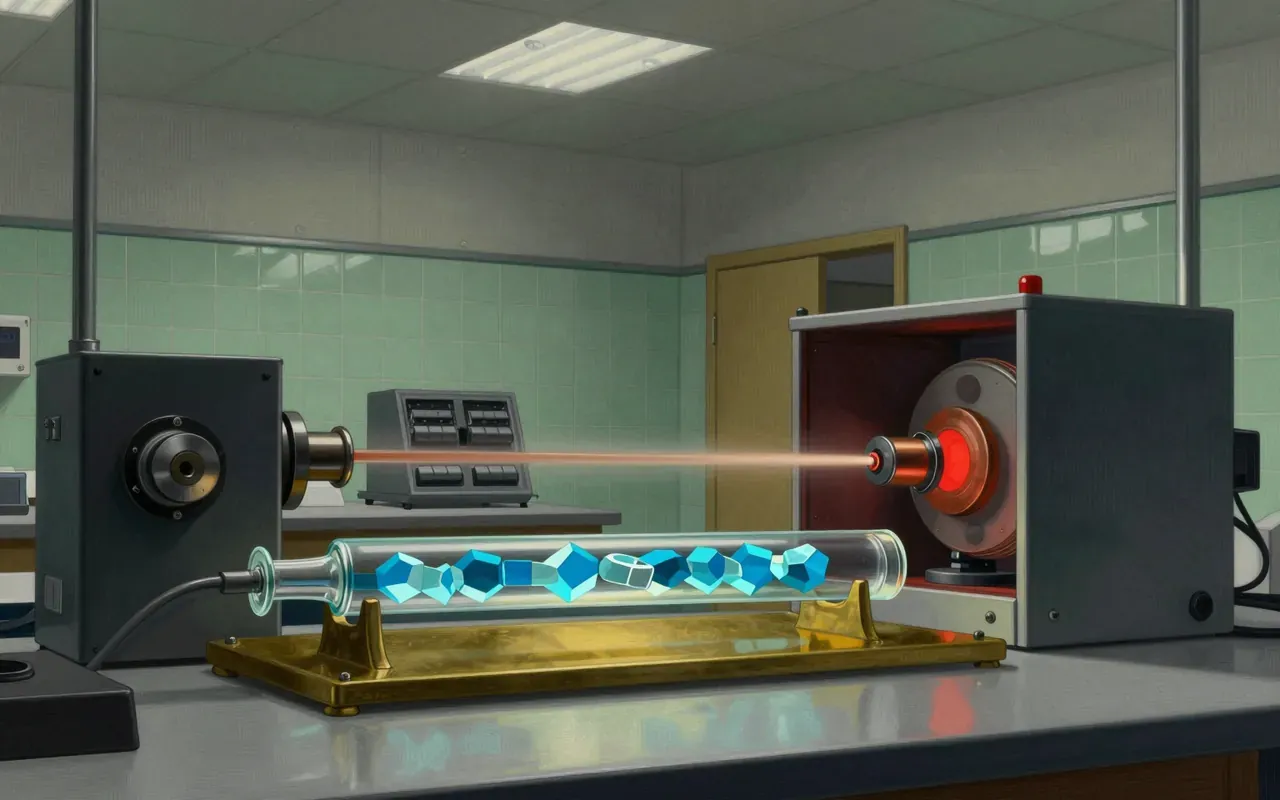
The Calvin cycle is the first experimentally mapped biochemical pathway for carbon fixation. It established the sequence of carbon-containing intermediates using carbon-14 labelling in algae. It did not characterise enzymes, kinetics, or regulation. Its power lies in its direct, empirical tracing — not theoretical elegance.
9:30

Great Pacific Garbage Patch

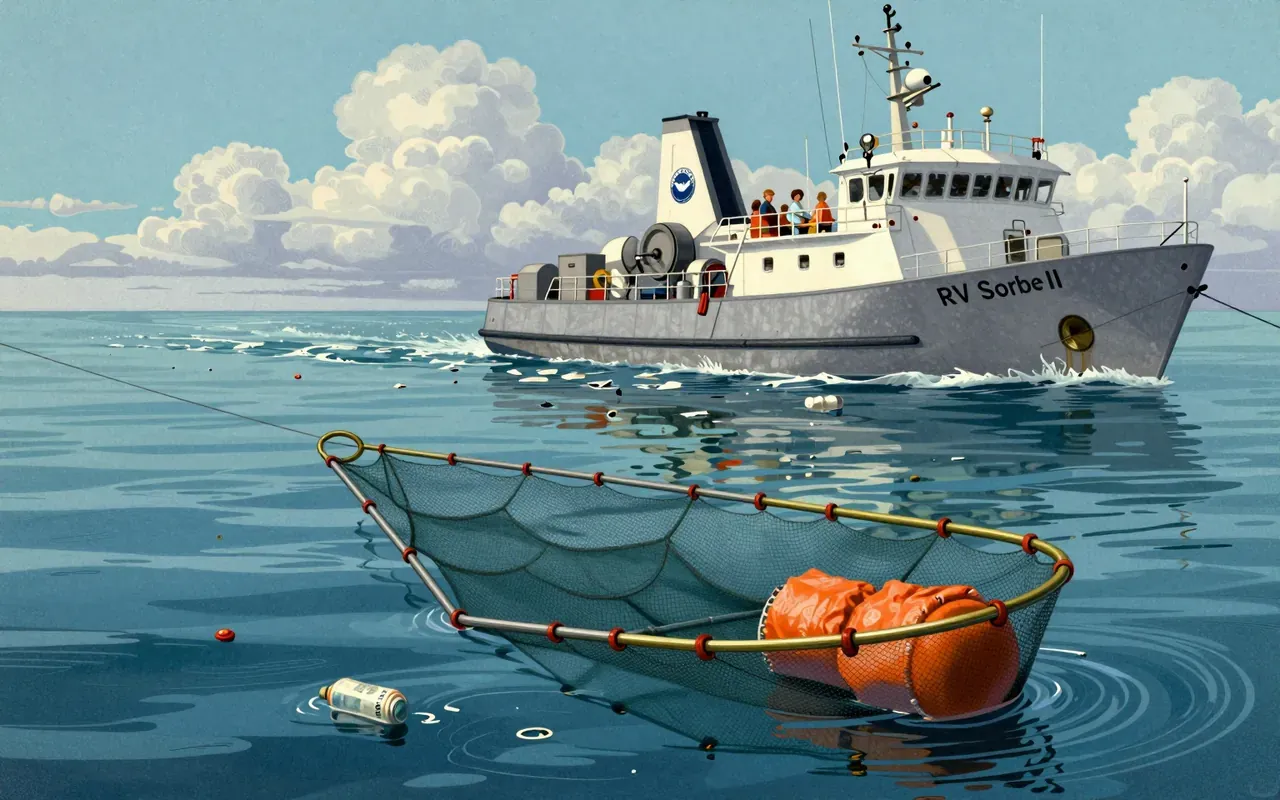
Charles Moore · 1980

Moore’s 1997 observation was vivid and consequential — but not novel in evidence. The 1988 NOAA paper delivered the first empirical basis. The gap between public attribution and scientific priority is the real story.
9:30

Wendy Freedman

She pinned down how fast the Universe expands — not with theory, but with stars as rulers.
9:28

Dirac equation

Paul Dirac

The Dirac equation is the first consistent relativistic quantum wave equation. It predicts antimatter and derives spin — verified by hydrogen fine structure and Anderson’s 1932 positron detection. It does not prove antimatter; it implies it. It does not go beyond first-order fine structure. It remains indispensable in particle physics.
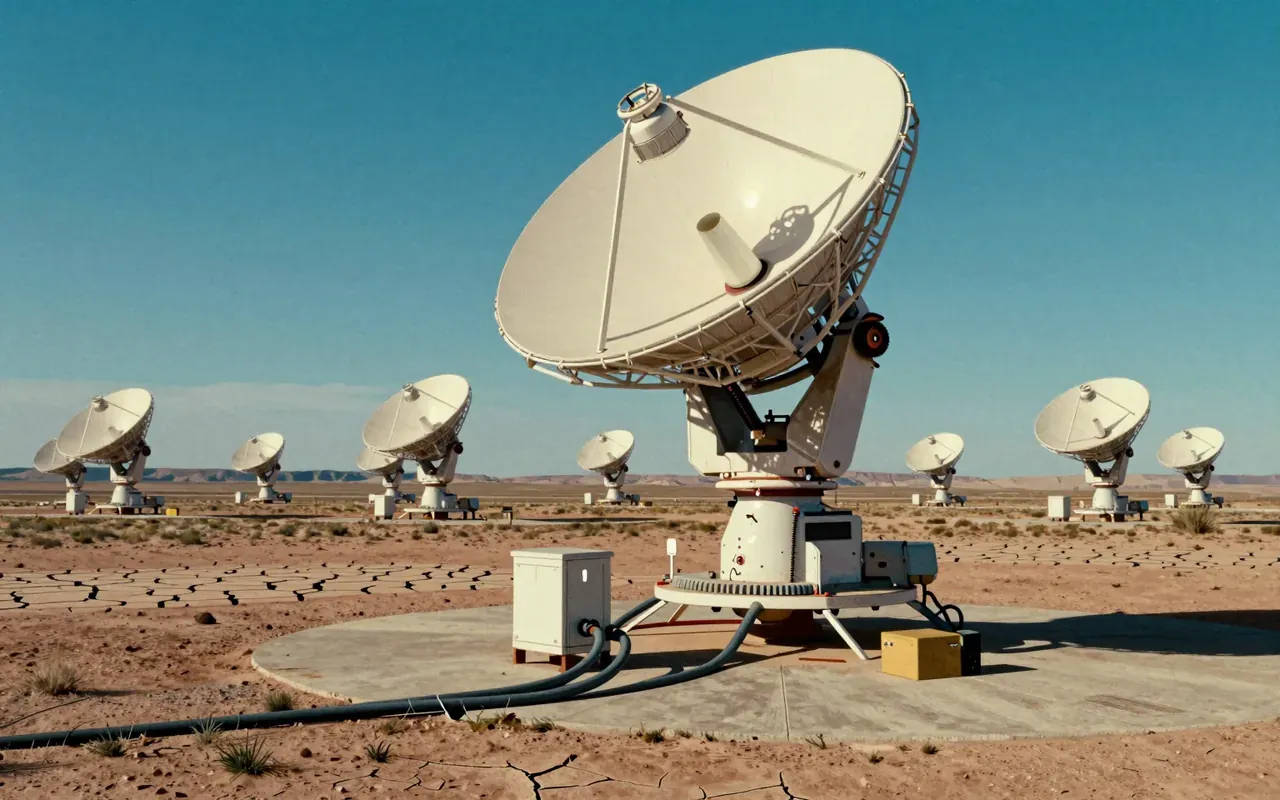
9:28

Very Large Array

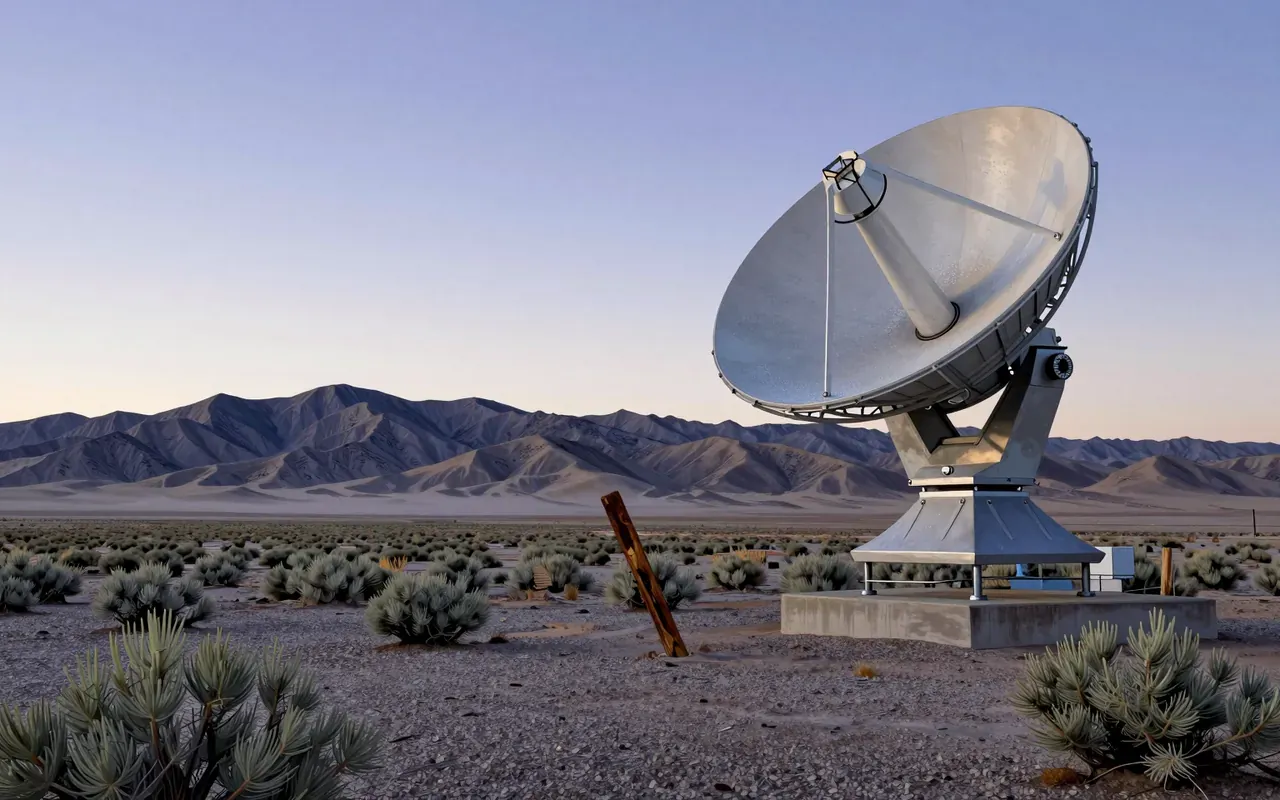
The VLA did not invent radio interferometry — it weaponised reconfigurability.
9:26

Human Microbiome Project

It gave us the first map of where microbes live in healthy humans — not why they matter, not how to fix them, just where they are.
9:25

Niels Bohr

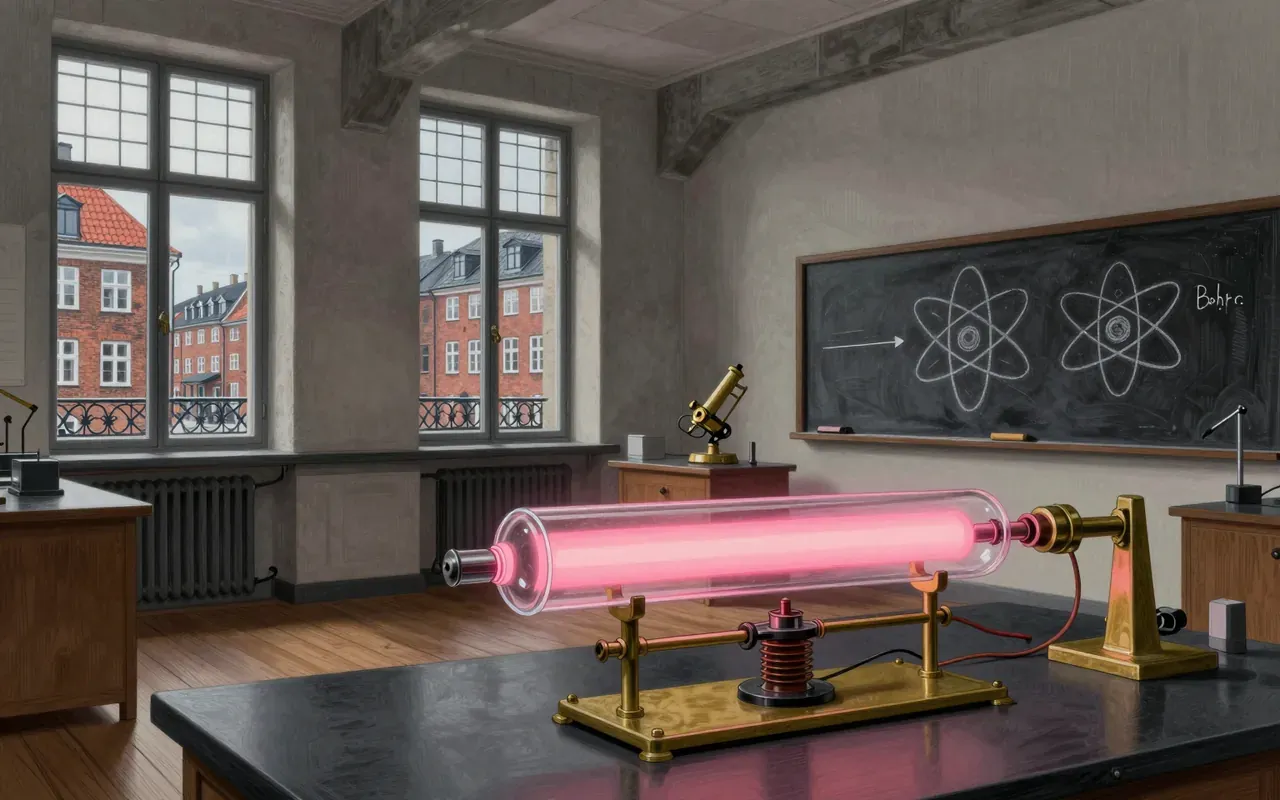
Bohr didn’t fix the atom—he broke classical physics wide open.
9:24

Liu Hui

Liu Hui didn’t borrow from Greece — he built a parallel mathematics, complete with proof, algorithms, and limits.
9:23

George Westinghouse

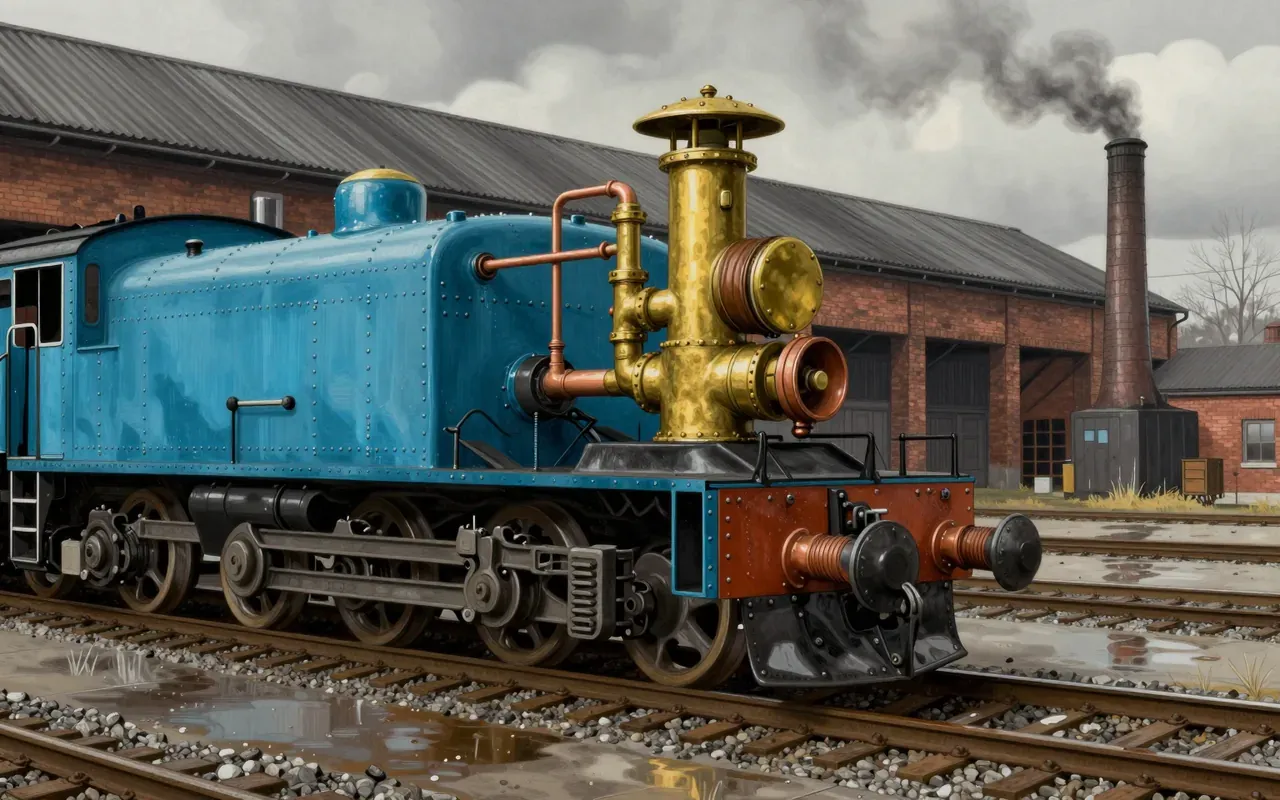
Fail-safe engineering began not in labs, but on broken railway lines — where a ruptured pipe had to stop a train, not kill its passengers.
9:21

Mary Anning

She didn’t theorise deep time — she dug it up, dissected it, and named its waste.
9:20

Lawrence Kohlberg

Kohlberg did not discover morality—he invented a ruler for one kind of moral talk.
9:19

Water cycle

A correct theory of the water cycle existed for 230 years before science accepted it.
9:19

Marie Curie

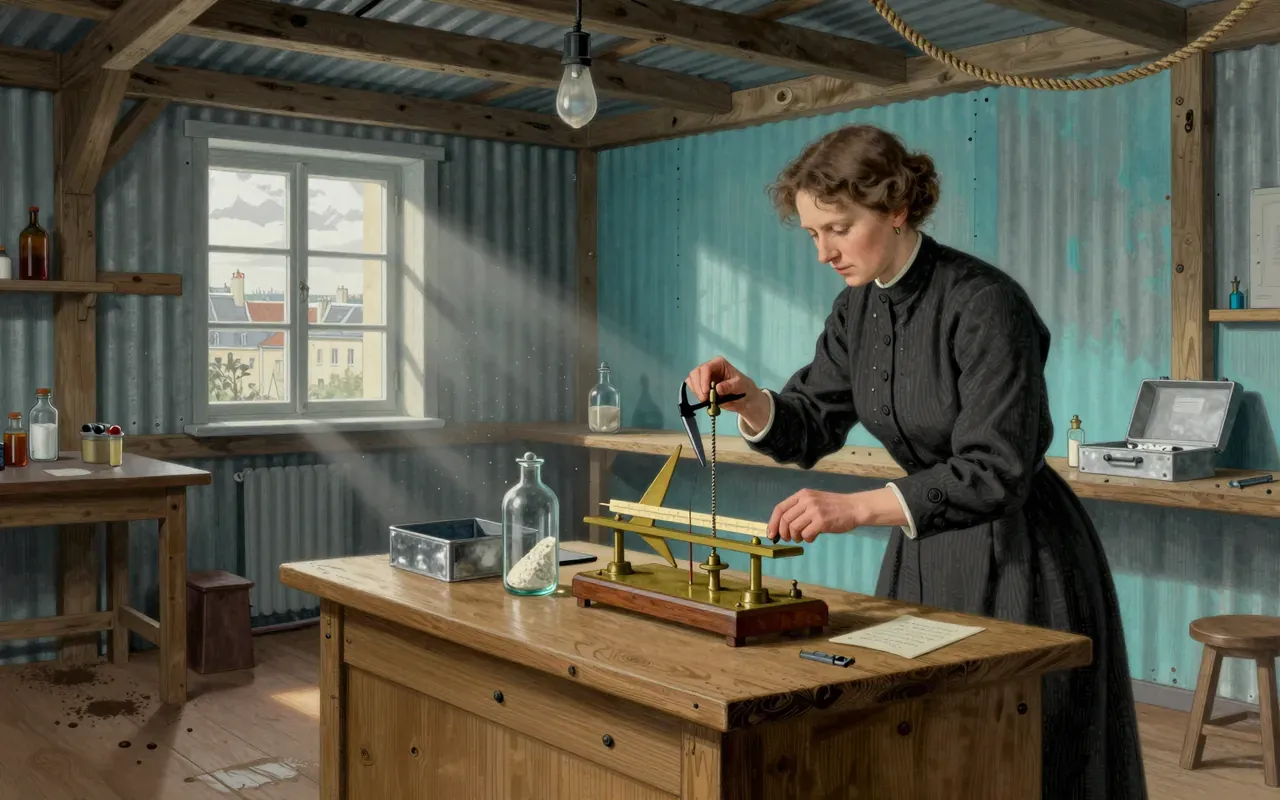
She didn’t find radioactivity—she proved it lived inside the atom.
9:19

Golgi apparatus

Camillo Golgi

Camillo Golgi discovered the Golgi apparatus in 1898 using osmium dichromate staining on barn owl Purkinje cells. He named it 'apparato reticolare interno' and asserted it was a real, unique cellular component. Initial scepticism held that it was an optical illusion. The finding was not firmly established until electron microscopy emerged ~50 years later. It revealed a new intracellular structure but gave no insight into its function, mechanism, or universality.
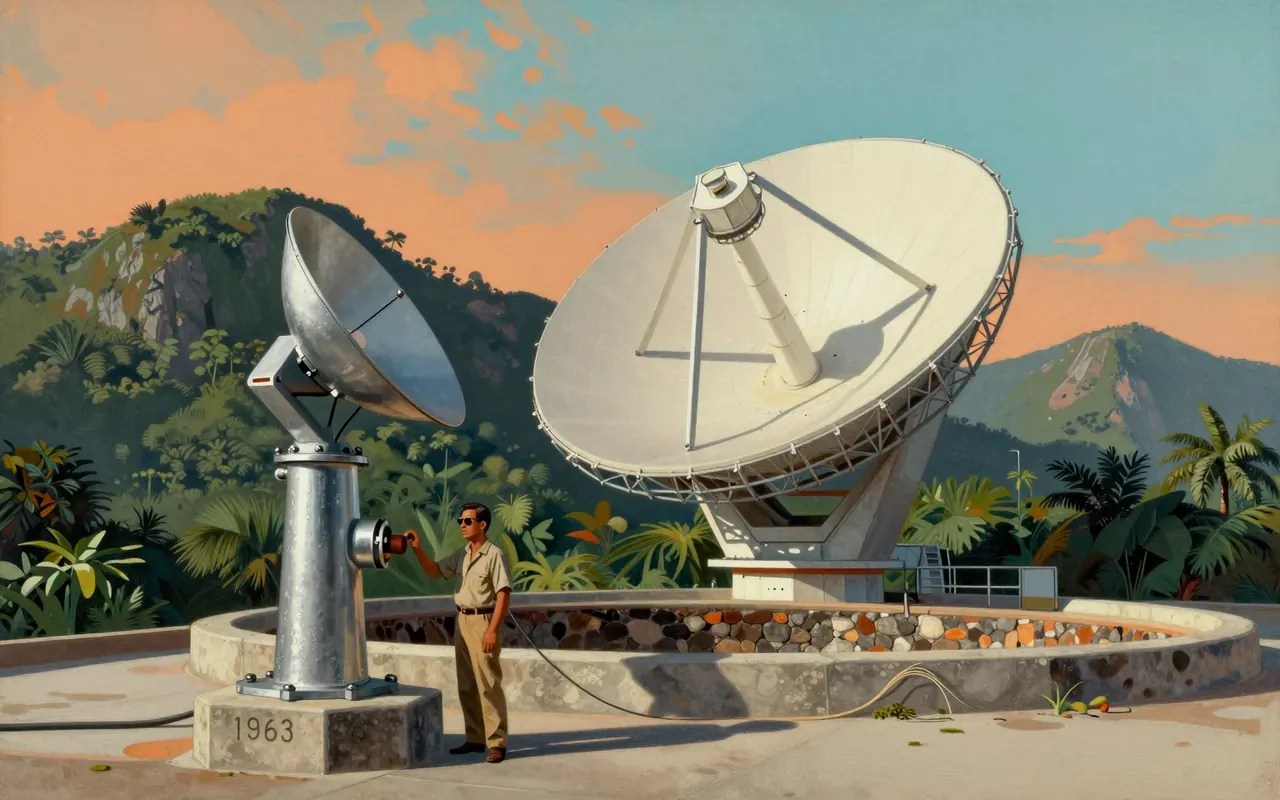
9:18

Arecibo Observatory

A 305-m dish carved into a Puerto Rican sinkhole didn’t just listen to space — it bent the rules of what a telescope could be.
9:17

Donald Johanson

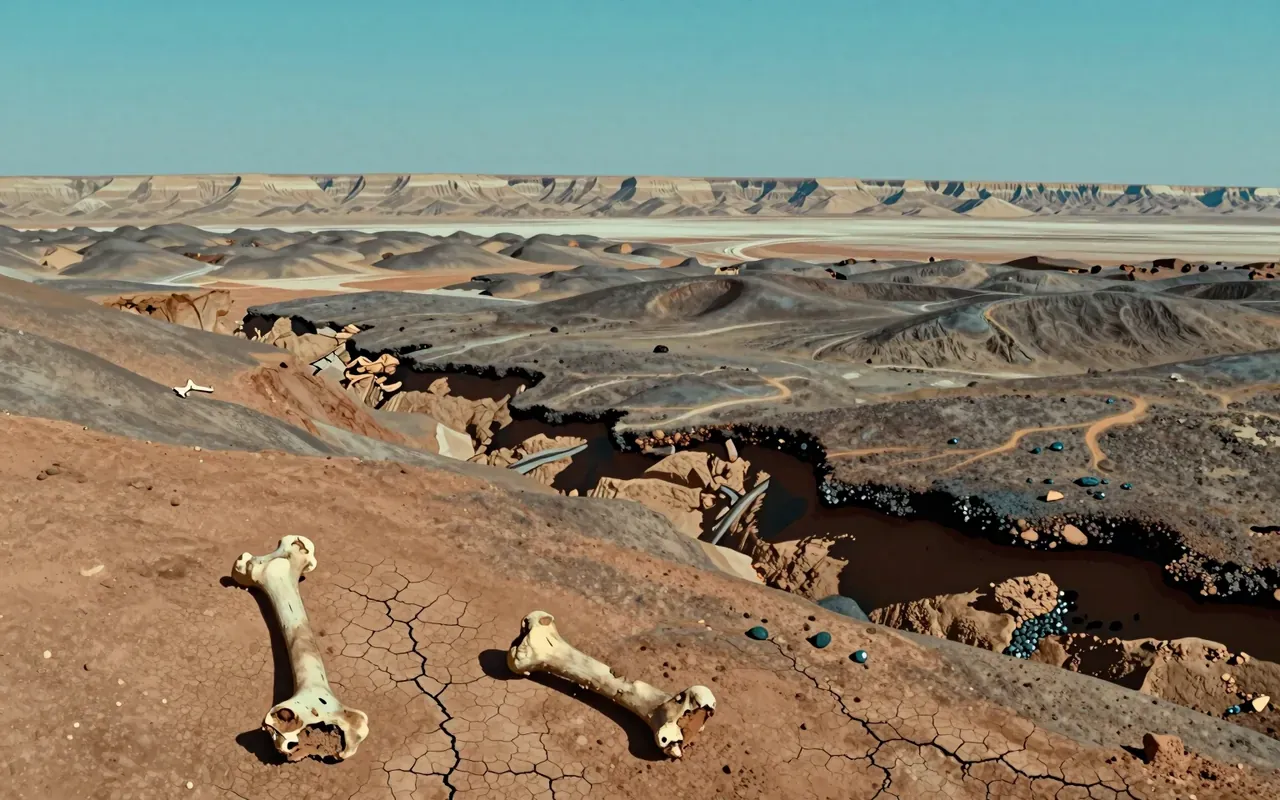
One glance at a bone changed human evolution—by forcing palaeontology to redraw the family tree around a single, incomplete skeleton.
9:17

Gregor Mendel

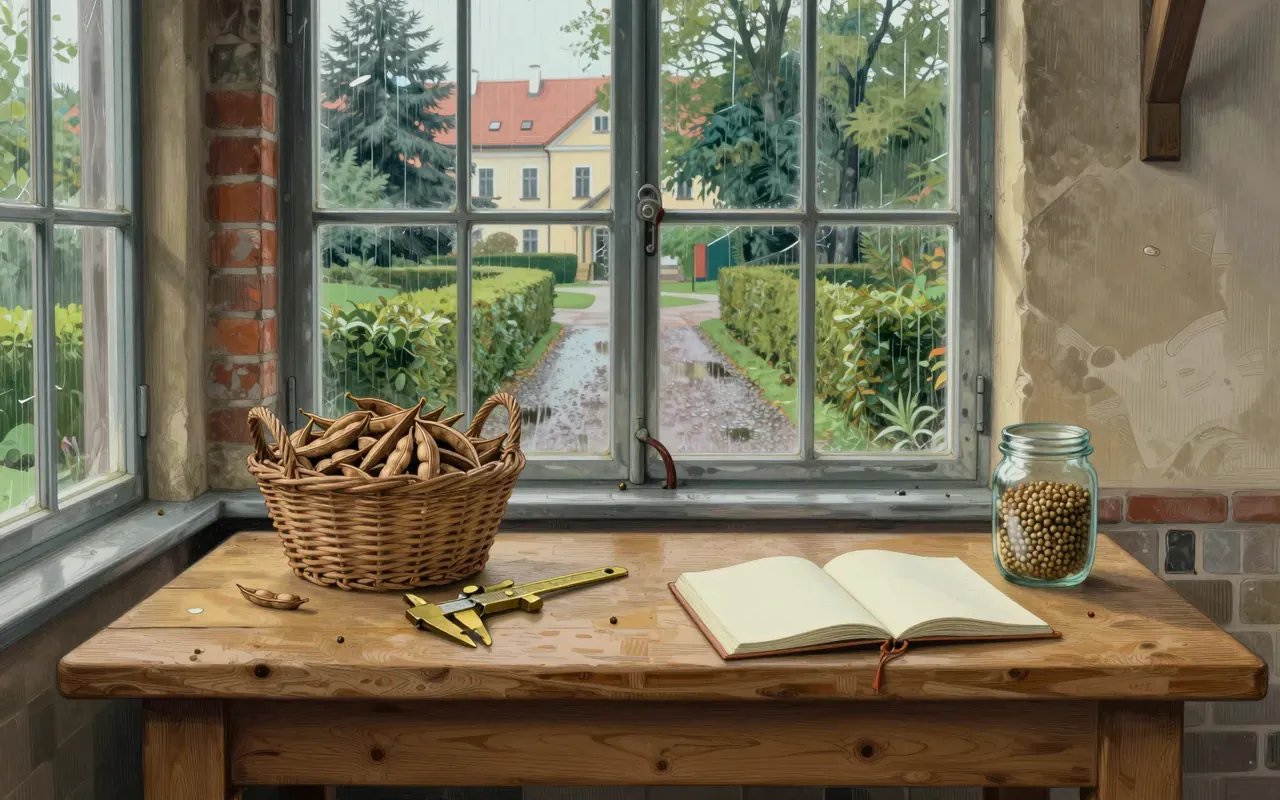
Mendel didn’t discover genes — he discovered that inheritance isn’t blended, but counted.
9:14

Abraham Maslow

Maslow didn’t measure self-actualisation—he curated it from heroes he admired.
9:14

Aryabhata

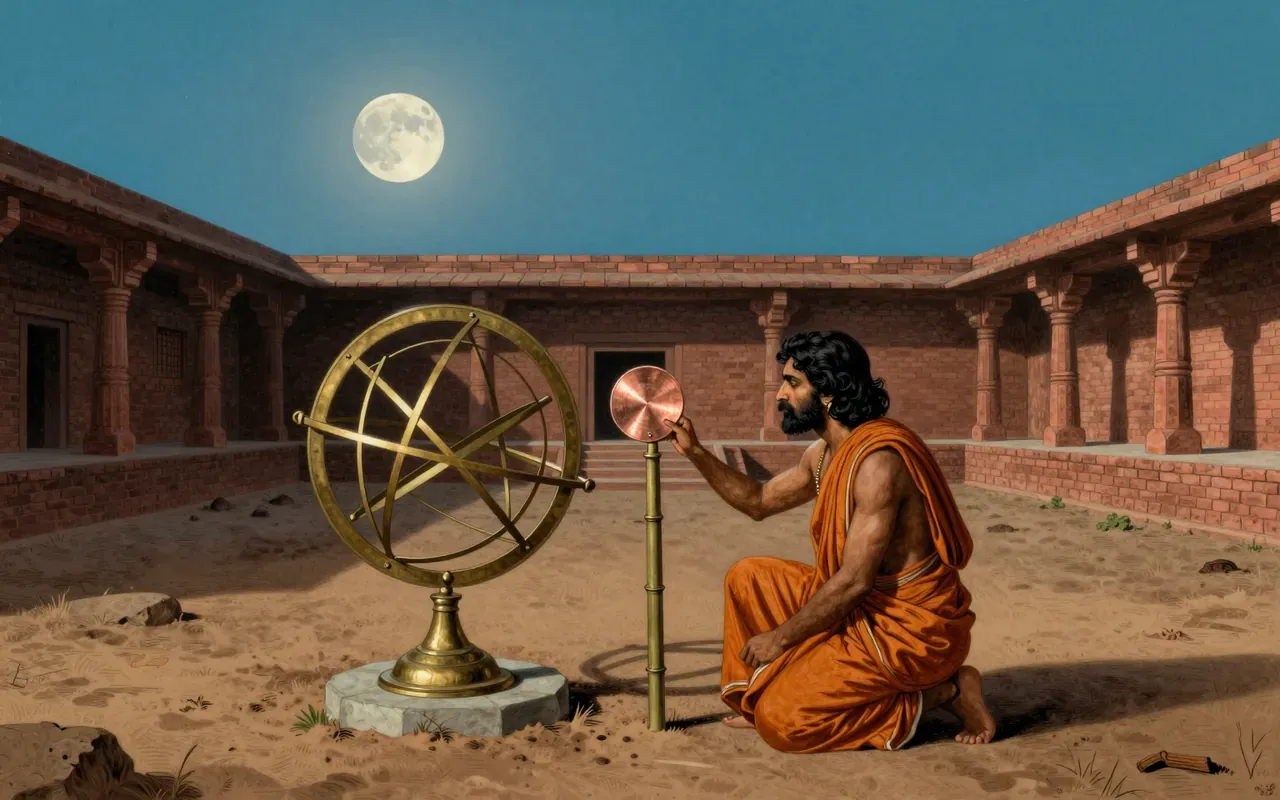
Aryabhata didn’t just anticipate Copernicus — he built a working, quantified geocentric model that outperformed contemporaries for a millennium.
9:13

Burgess Shale

The Burgess Shale doesn’t prove an ‘explosion’ — it’s the only place where we can see what exploded.
9:12

Richard Owen

Owen didn’t discover dinosaurs — he invented the category, and got the logic right before the fossils did.
9:11

Lord Kelvin

He didn’t discover cold — he made temperature itself objective.
9:11

Erwin Schrödinger

Schrödinger didn’t just write an equation — he gave quantum theory its working language and named its deepest mystery.
9:11

Schrödinger's cat

Erwin Schrödinger

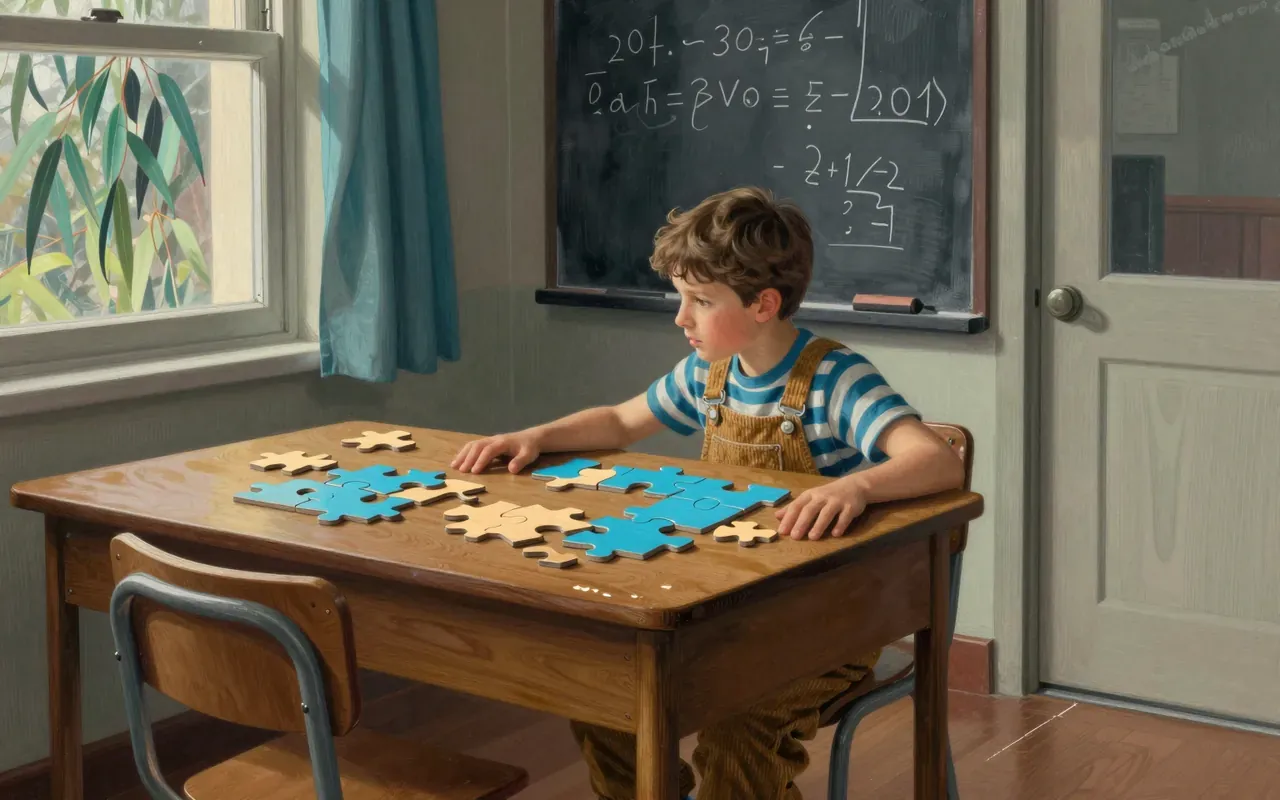
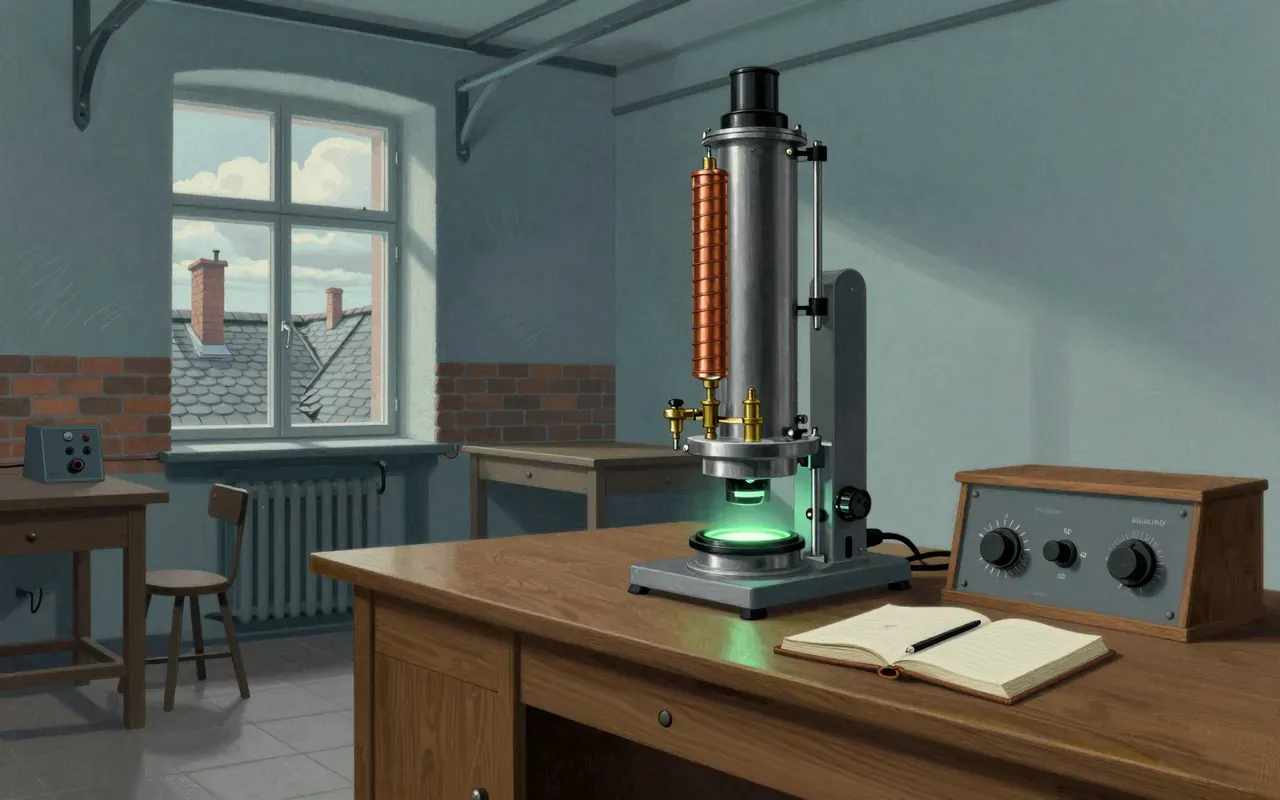
Schrödinger's cat is a 1935 thought experiment designed by Erwin Schrödinger in correspondence with Einstein to critique the Copenhagen interpretation of quantum mechanics. It uses a sealed chamber containing a cat, radioactive source, Geiger counter, relay, hammer, and flask of hydrocyanic acid. The setup links a single quantum event — atomic decay — to a macroscopic outcome. Mathematically, the wave function describes a superposition of 'alive' and 'dead', yet observation always reveals one definite state. Schrödinger intended this as reductio ad absurdum, not as a proposal. No experiment was conducted. The work establishes a tension between formalism and observation — nothing more.
9:09

Carol Dweck

Praising intelligence isn’t kind—it’s a trap that makes people avoid hard work.
9:08

Electron microscope

Ernst Ruska · 1931

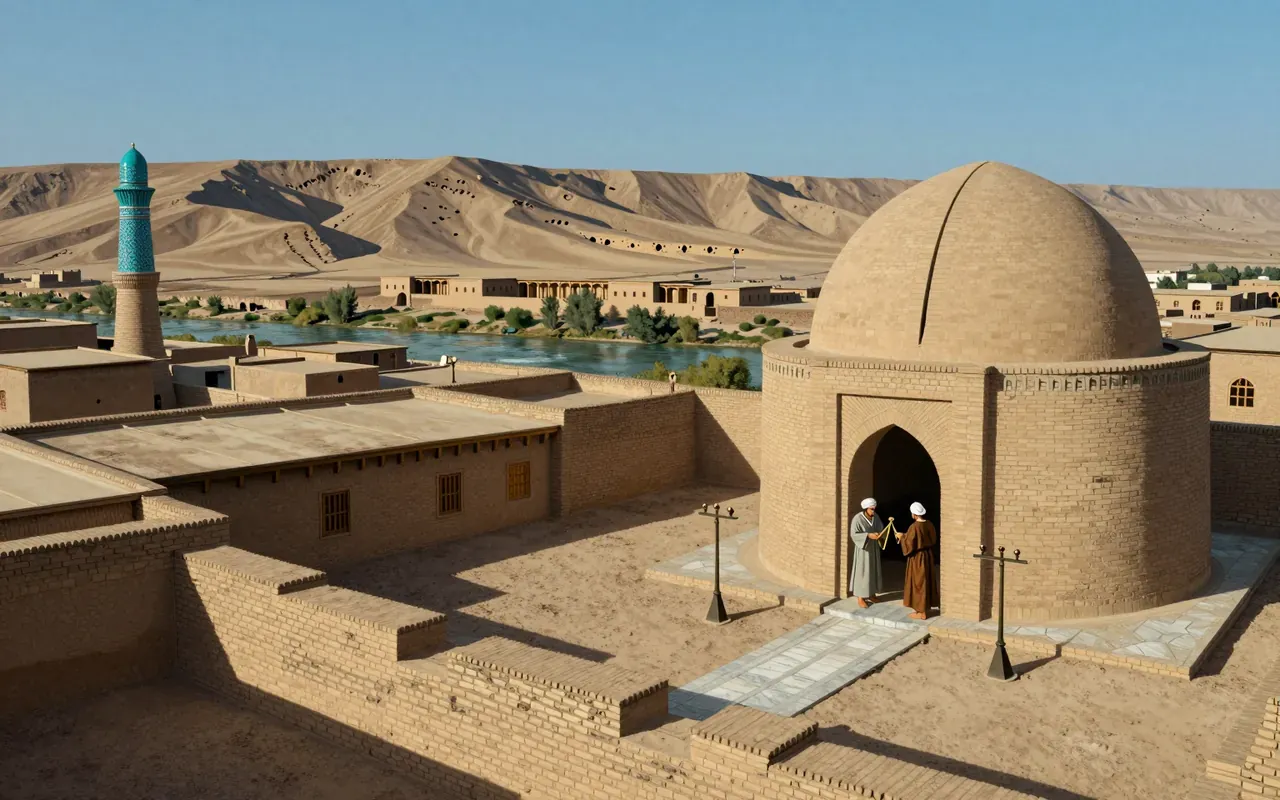
The electron microscope began not with biology, but with physics: a test of magnetic lensing on engineered grids. Its first success was mechanical and conceptual — not observational.

9:07

Endoplasmic reticulum

Seeing a structure is not understanding it — and the endoplasmic reticulum took 48 years just to become visible.
9:06

Omar Khayyam

Omar Khayyam didn’t just do maths and astronomy — he built tools that outlived empires.
9:06

Hershey–Chase experiment

DNA is genetic material — not because it looks right, but because it’s the only molecule that gets inside and gets copied.
9:05

Barbara McClintock

Genes don’t just code—they jump, break, and switch traits on and off depending on where they land.
9:05

Viktor Frankl

Meaning is not discovered — it is assigned, argued for, and clinically deployed.
9:04

Turing test

Alan Turing

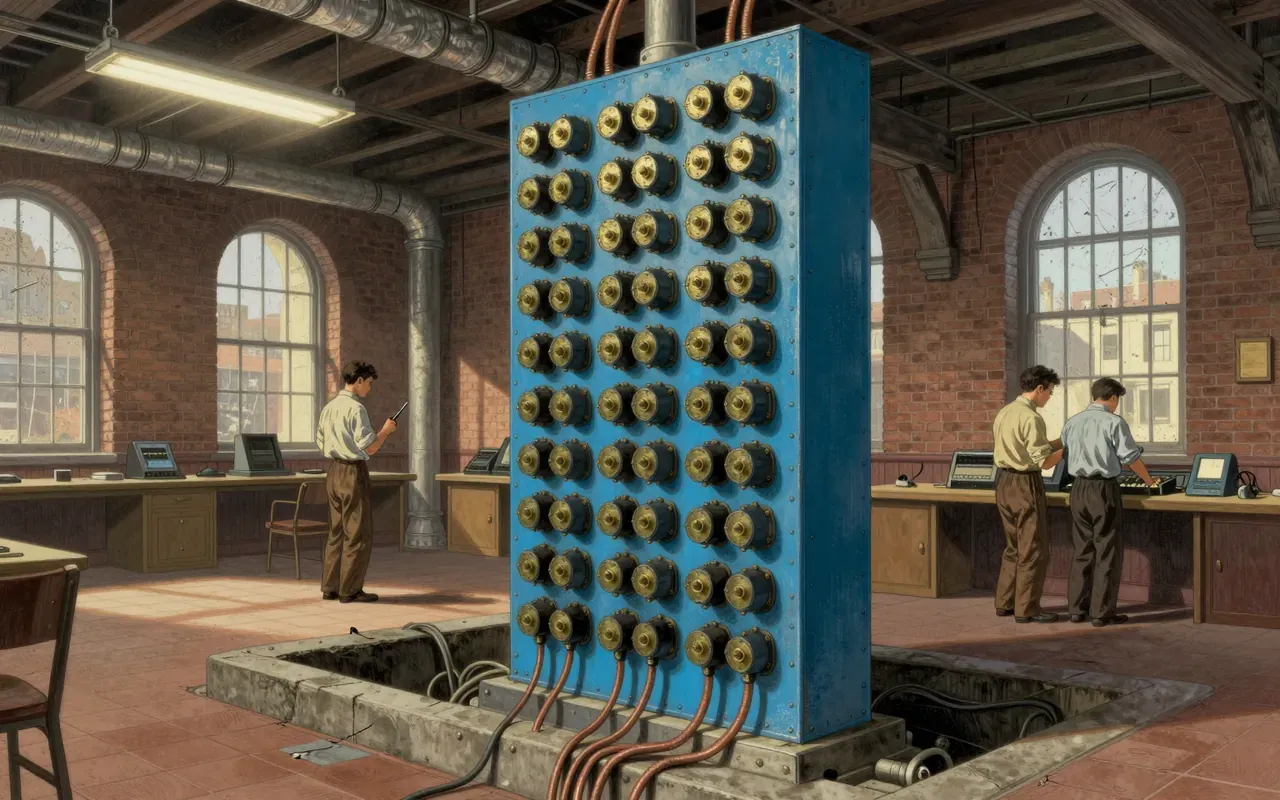
The Turing test is a precise, behaviour-first redefinition of intelligence—not proof of thought, but a standard for functional equivalence in dialogue. It endures because it is simple, testable, and ruthlessly limited.
9:03

Claude Shannon

Shannon didn’t invent the computer — he proved electricity could think.
9:01

David M. Raup

Extinction isn’t random — but the 26-million-year pulse Raup found is not a law of nature.
8:59

Dian Fossey

She didn’t just watch gorillas—she fought for them, and changed conservation forever.
8:58

Werner Heisenberg

Heisenberg didn’t discover uncertainty — he abolished the idea that particles have definite positions and momenta at all.
8:56

Oscilloscope

The oscilloscope wasn’t invented — it was incrementally engineered from a clattering mechanical recorder into a portable CRT.
8:55

Norman Borlaug

Borlaug didn’t end world hunger — he doubled wheat yields in three countries in five years by breeding shorter, sturdier plants.
8:52

The Double Helix

Watson, Crick, Franklin and Wilkins

The Double Helix is not the discovery of DNA’s structure — it is Watson’s memoir of it. The real discovery is in the 1953 Nature papers. The book’s value lies in exposing how scientific credit gets assigned, not in explaining how the structure was found.
8:48

Galileo Galilei

Galileo didn’t prove Copernicus right — he proved Ptolemy wrong, using light, shadow, and timing.
8:46

Howard Carter

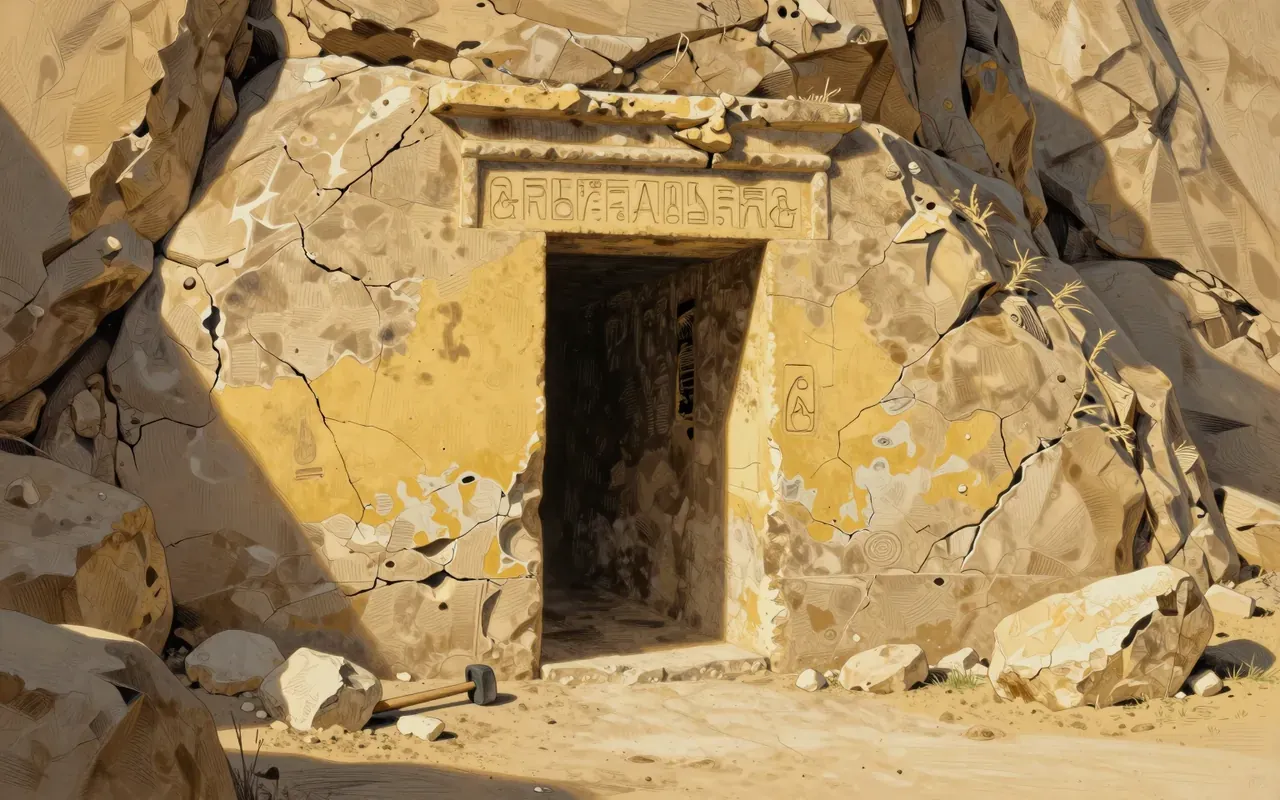
One tomb. One cartouche. Five thousand objects. Not proof — but proof enough to reset Egyptology.
8:44

Alexander Fleming

Fleming didn’t discover a drug — he discovered a warning system built into microbial ecology.
8:44

Edward Jenner

Jenner didn’t invent vaccination — he invented the human challenge trial.
8:42

Monoclonal antibody

Georges Köhler and César Milstein

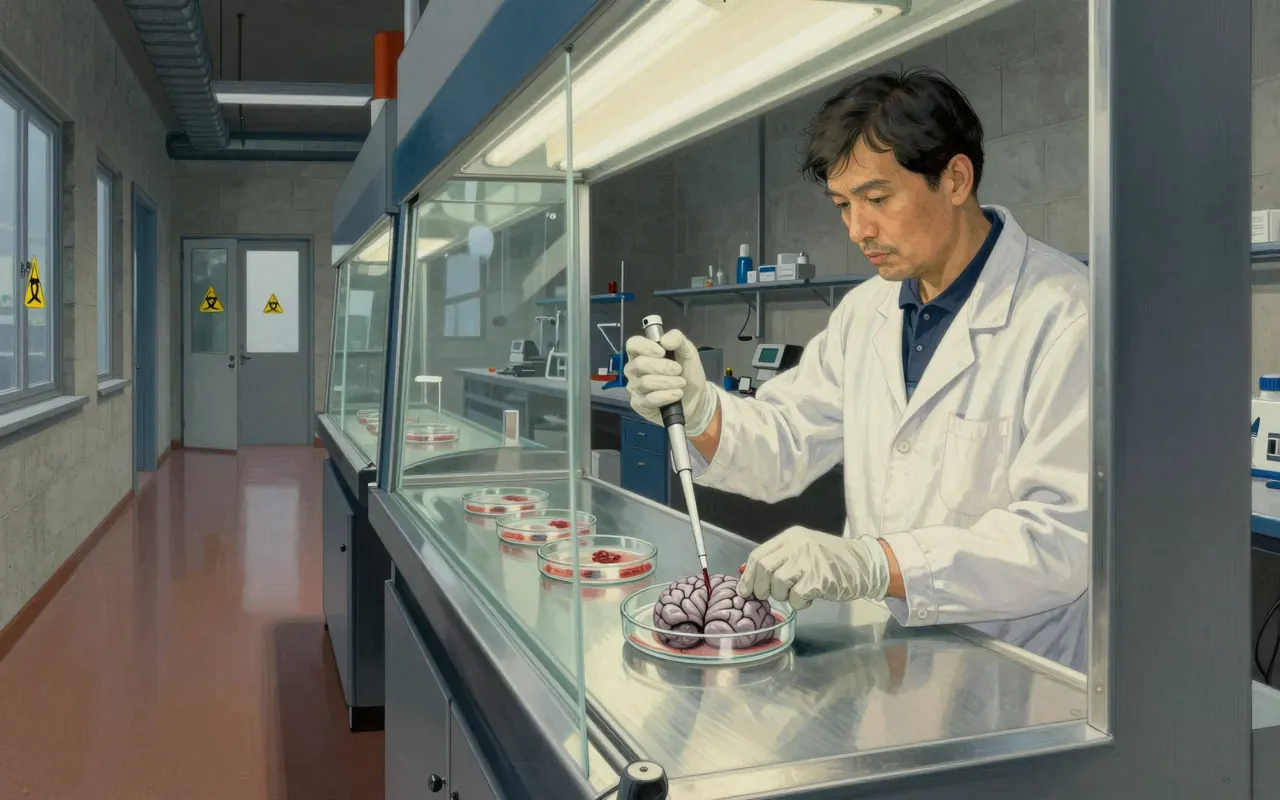
The 1975 hybridoma technique solved one problem: how to make unlimited quantities of identical antibodies targeting a known antigen. It did not solve delivery, safety, scalability, or therapeutic function. Its value lies in reproducibility — not potency, not novelty of target, not clinical impact.
8:40

Blood–brain barrier

Paul Ehrlich

Ehrlich’s intravenous dye experiments revealed selective absence of brain staining — but he misinterpreted it as passive under-uptake. His student Goldmann’s 1913 intracerebrospinal injection proved compartmentalization. The barrier was attributed to blood vessels, not a membrane. Ehrlich never believed in it. The term came later, from Lina Stern.
8:32

Wind power

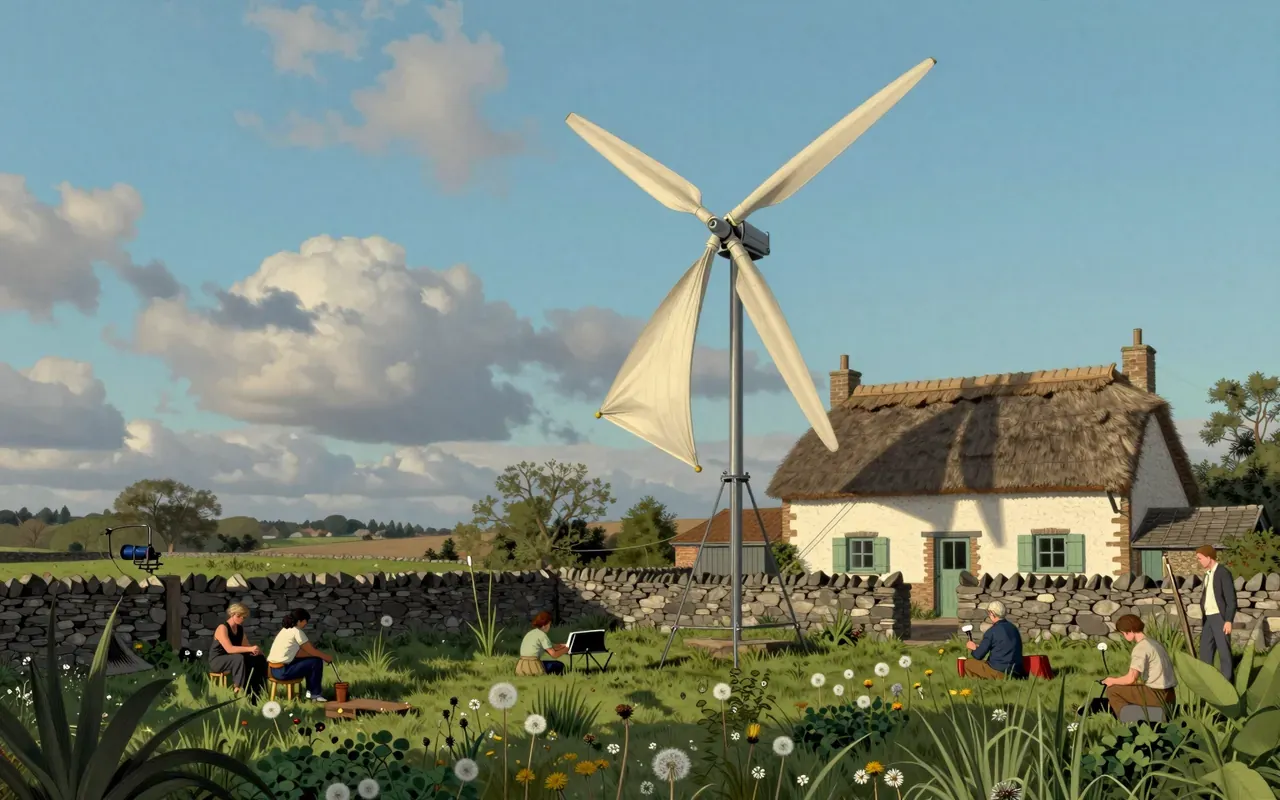
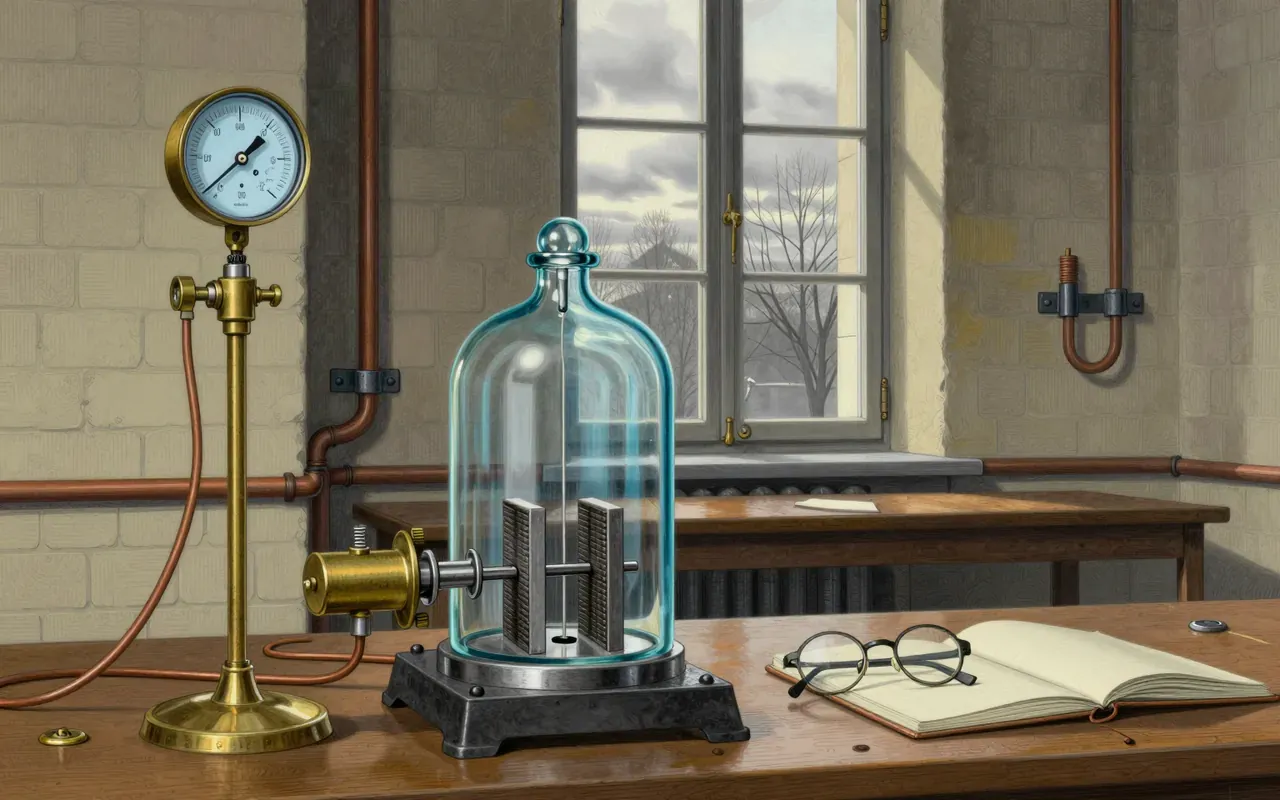
Wind power did not begin with climate policy — it began with a Scottish professor lighting his cottage in 1887.
8:32

Cell-mediated immunity

Cell-mediated immunity isn’t a discovery—it’s a category carved from a 19th-century conceptual split.
8:32

Antikythera mechanism

The Antikythera mechanism proves ancient Greeks built analogue computers — not myth, not reconstruction, but physical evidence.
8:28

Discovery of cosmic microwave background radiation

Penzias and Wilson

Penzias and Wilson discovered a 3.5 K isotropic microwave background in 1964 using the Holmdel Horn Antenna at Bell Labs. They eliminated local interference — including pigeon droppings — and confirmed the signal originated outside the Milky Way. Its match to Dicke’s prediction prompted interpretation as the Big Bang’s remnant. But the work itself claimed only a persistent, unexplained antenna temperature — not cosmology.
8:27

Mass–energy equivalence

Albert Einstein · 1905

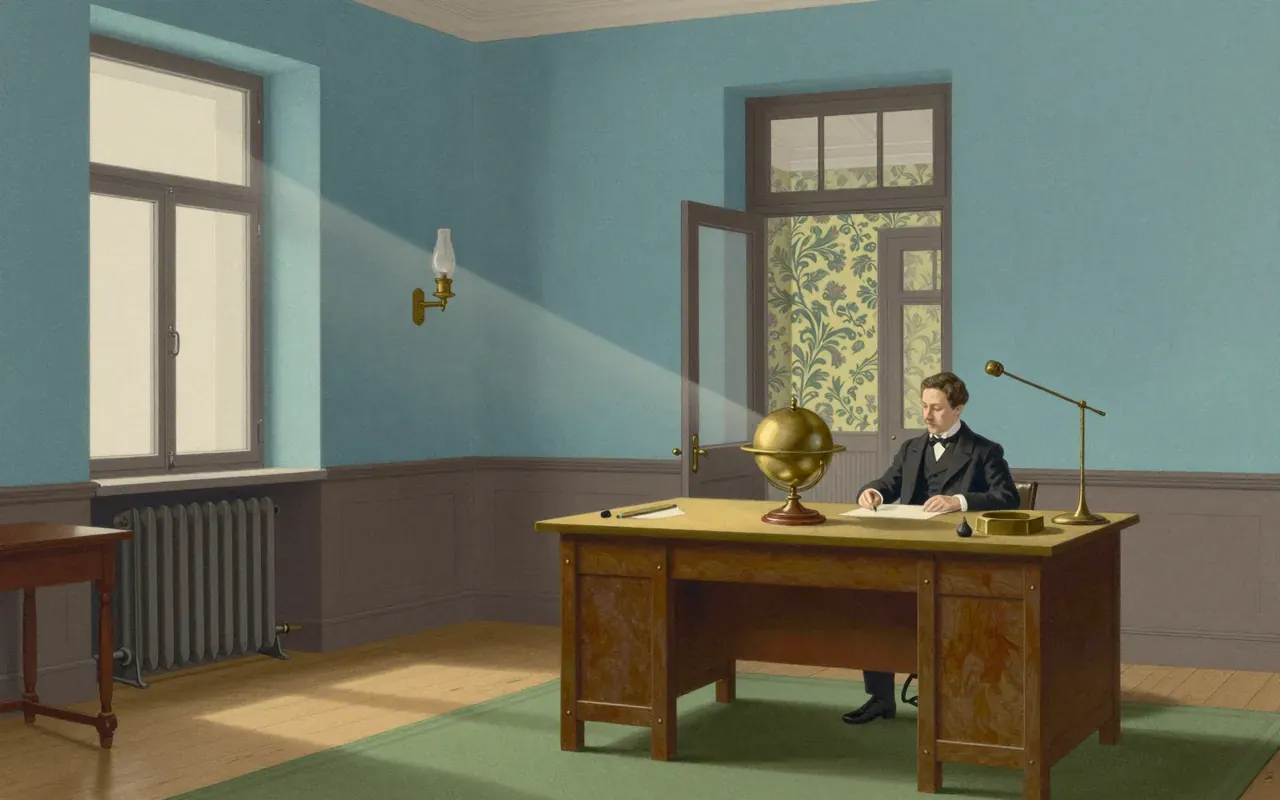
Einstein’s 1905 derivation unified mass and energy conceptually — not empirically. It replaced two conservation laws with one. It did not predict applications. It did not contain E = mc² as written. Its power lies in logical necessity, not experimental novelty.
8:20

Eric F. Wieschaus

He didn’t find genes that build embryos—he found the switches that start the clock.
8:07

Henry Gee

Henry Gee is a British palaeontologist and evolutionary biologist, a senior editor at Nature, and the author of books on deep time, the origin of vertebrates and human evolution.
8:03

String theory

String theory is not a theory of nature—it’s a laboratory for quantum gravity ideas that have no experimental anchor.
7:51

Double-slit experiment

Young · 1801

Young’s 1801 double-slit experiment established wave behaviour for visible light. Later versions with electrons (1927) extended it to matter. The interference pattern is real. The disappearance of that pattern upon path detection is real. But Young did not observe particles, nor did he claim duality — he argued for waves only. Duality emerged from later experiments combining his method with quantum detection.
7:40

Accelerating expansion of the universe

Perlmutter, Riess and Schmidt · 1990

The 1998 supernova measurements established cosmic acceleration via distance–redshift mismatch — not theory, not analogy, but empirical inference from standard candles. It overturned the assumption of gravitational deceleration. It did not identify dark energy. It did not prove Λ. It remains the strongest direct evidence for accelerated expansion — and the clearest signal of our ignorance about 70% of reality.
7:37

Human Genome Project

A reference genome is not a human genome — it’s a mosaic scaffold, finished in stages, missing its most complex chromosome until 2023.