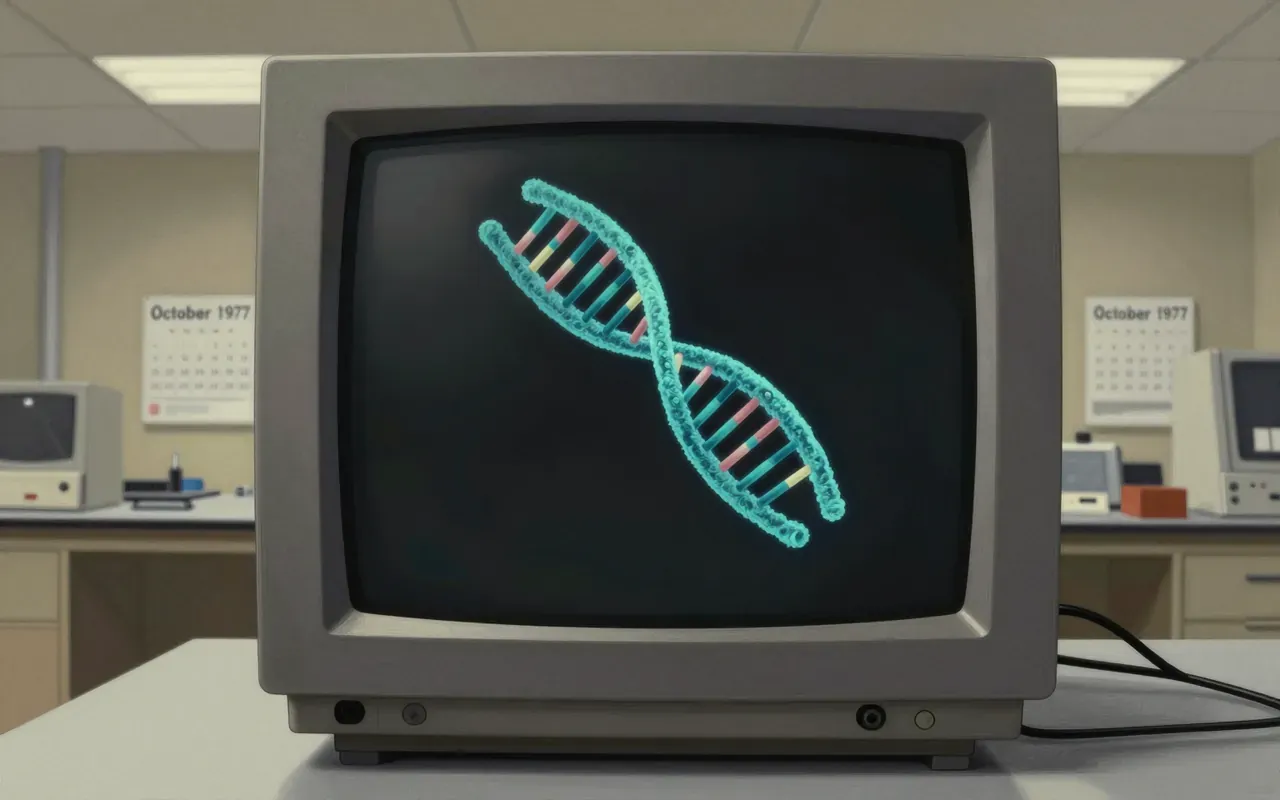
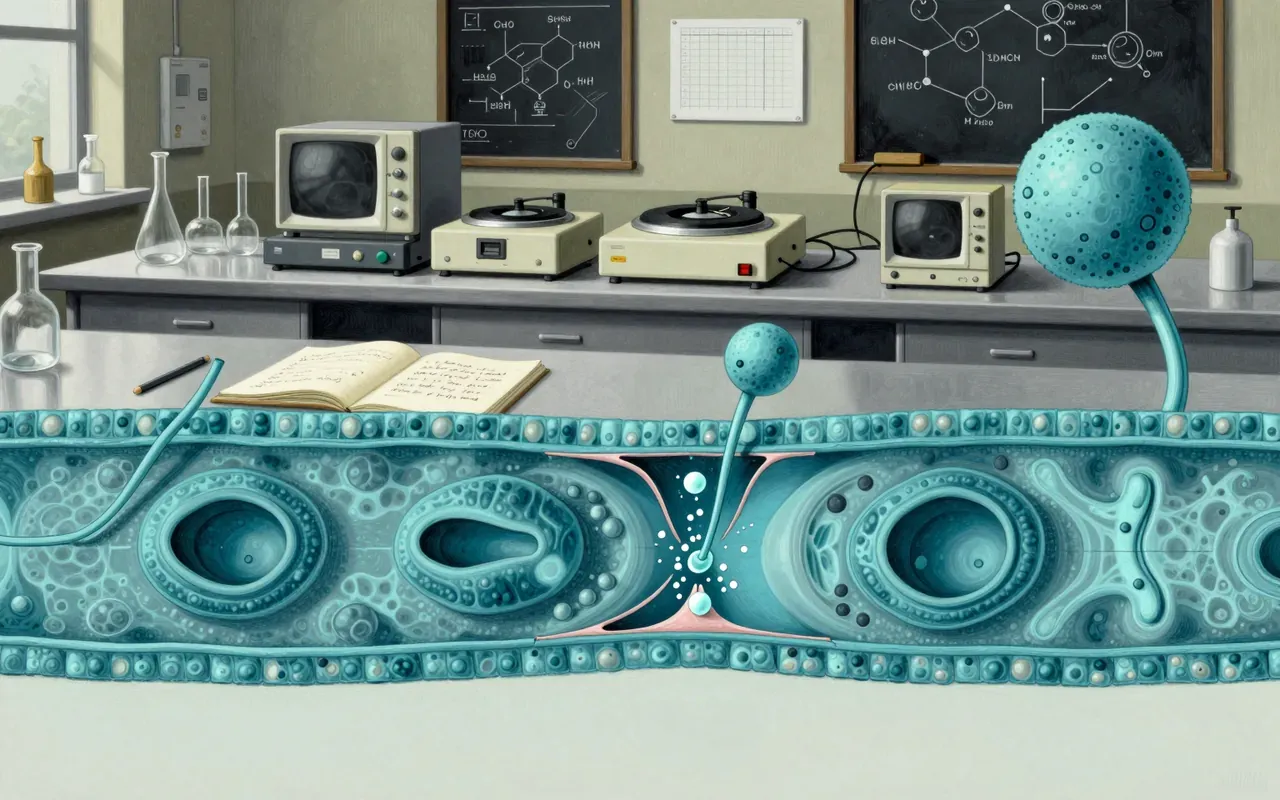
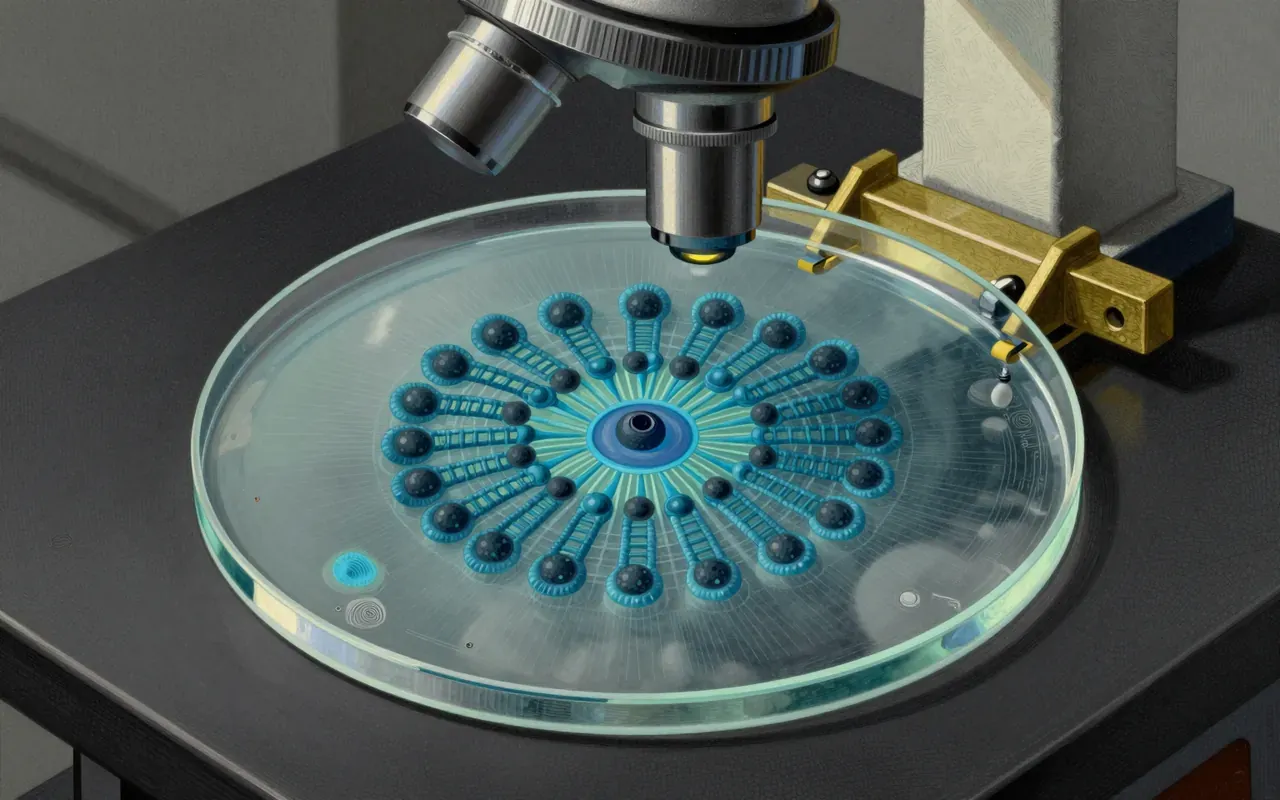
In 1977 Phillip Sharp and Richard Roberts, examining adenovirus RNA under the electron microscope, found that genes are not continuous stretches of code but are broken up by non-coding introns removed during splicing.
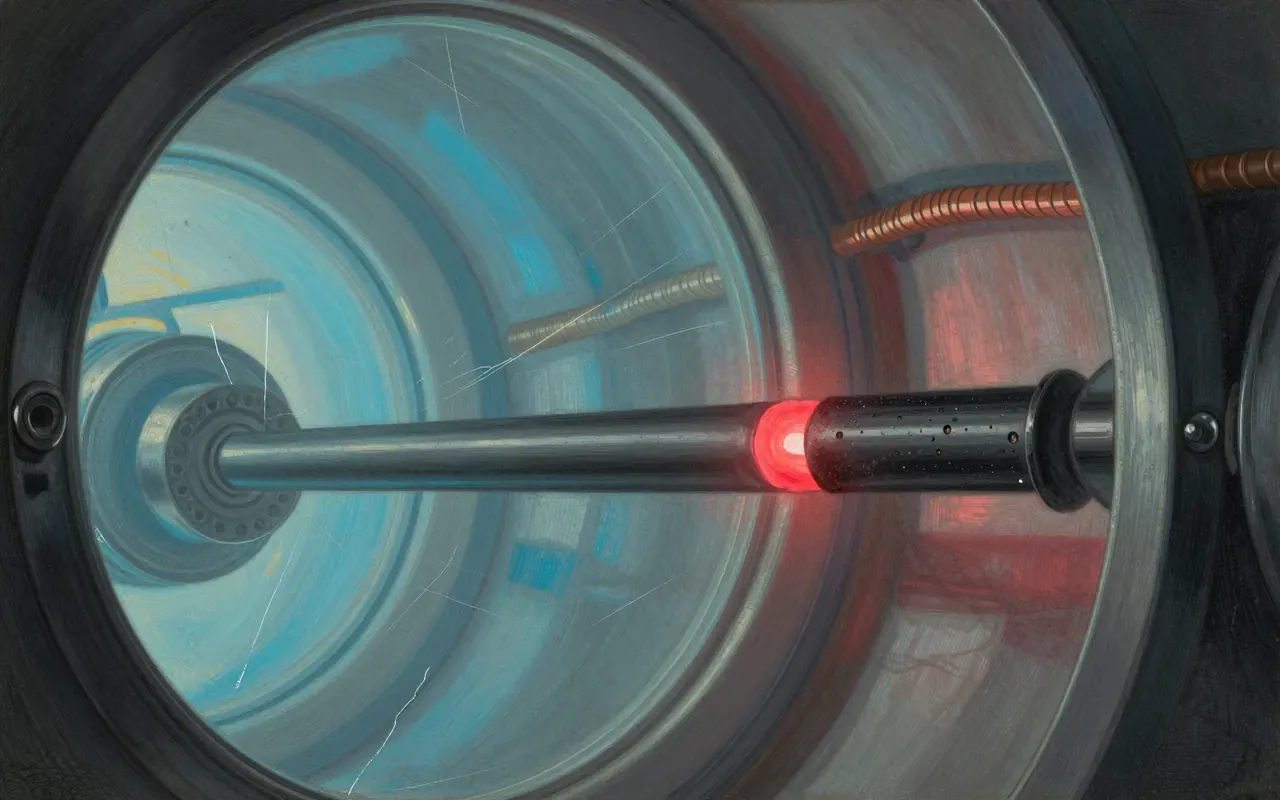
Kroto was chasing carbon chains from outer space, not a new form of carbon on Earth. Vaporising graphite with a laser to mimic a dying star's atmosphere produced a molecule shaped like a football instead — sixty carbon atoms folded into a closed cage.
Henry Cavendish isolated the gas in 1766 and showed in 1781 that burning it makes water. He explained both facts through phlogiston theory, a framework chemistry would later discard entirely — the credit for what hydrogen actually is went to Lavoisier, who named it.
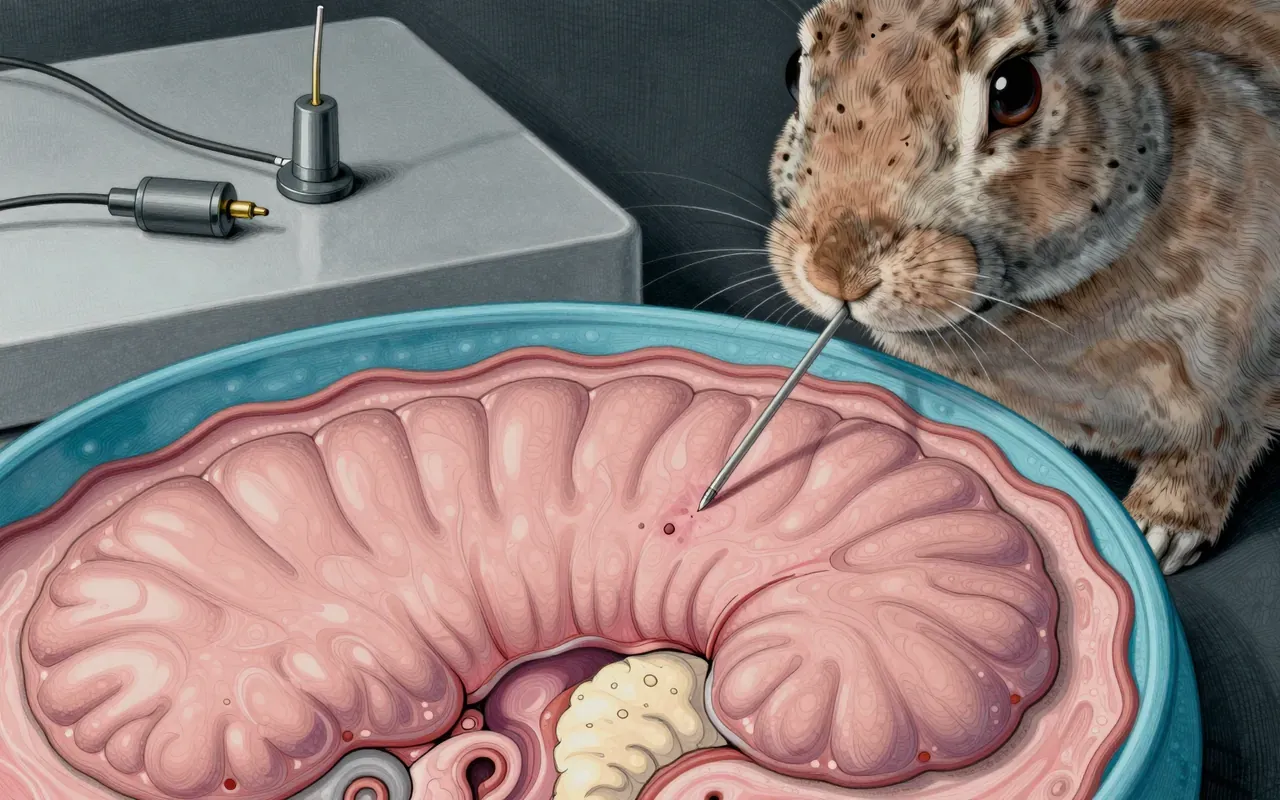
In 1973 Timothy Bliss and Terje Lømo showed that briefly stimulating a pathway in a rabbit's brain left its synapses firing harder for hours afterward — physical evidence for Donald Hebb's 1949 idea that repeated use is what strengthens a connection between neurons.
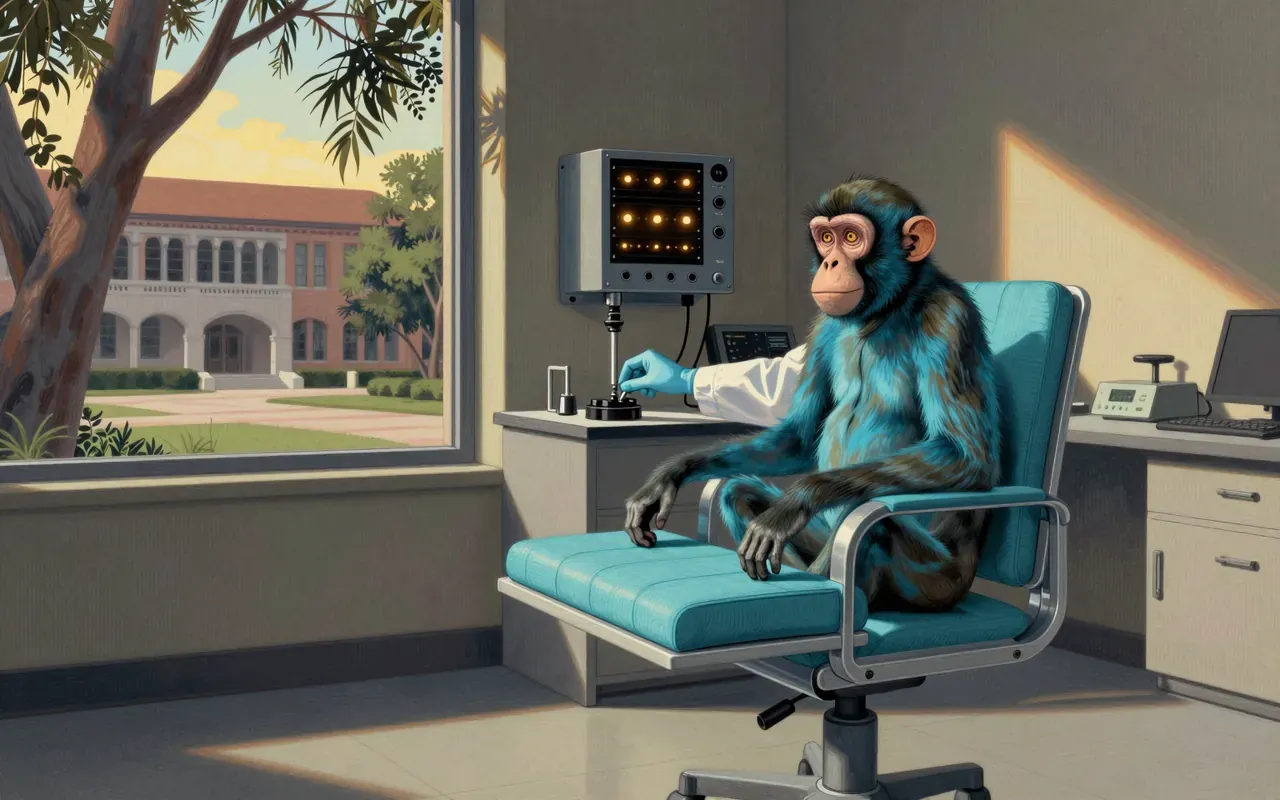
In the early 1990s a Parma laboratory found monkey brain cells that fired both when the animal grasped food and when it merely watched someone else grasp it — a finding since stretched into theories of empathy, language and autism that the evidence itself struggles to support.
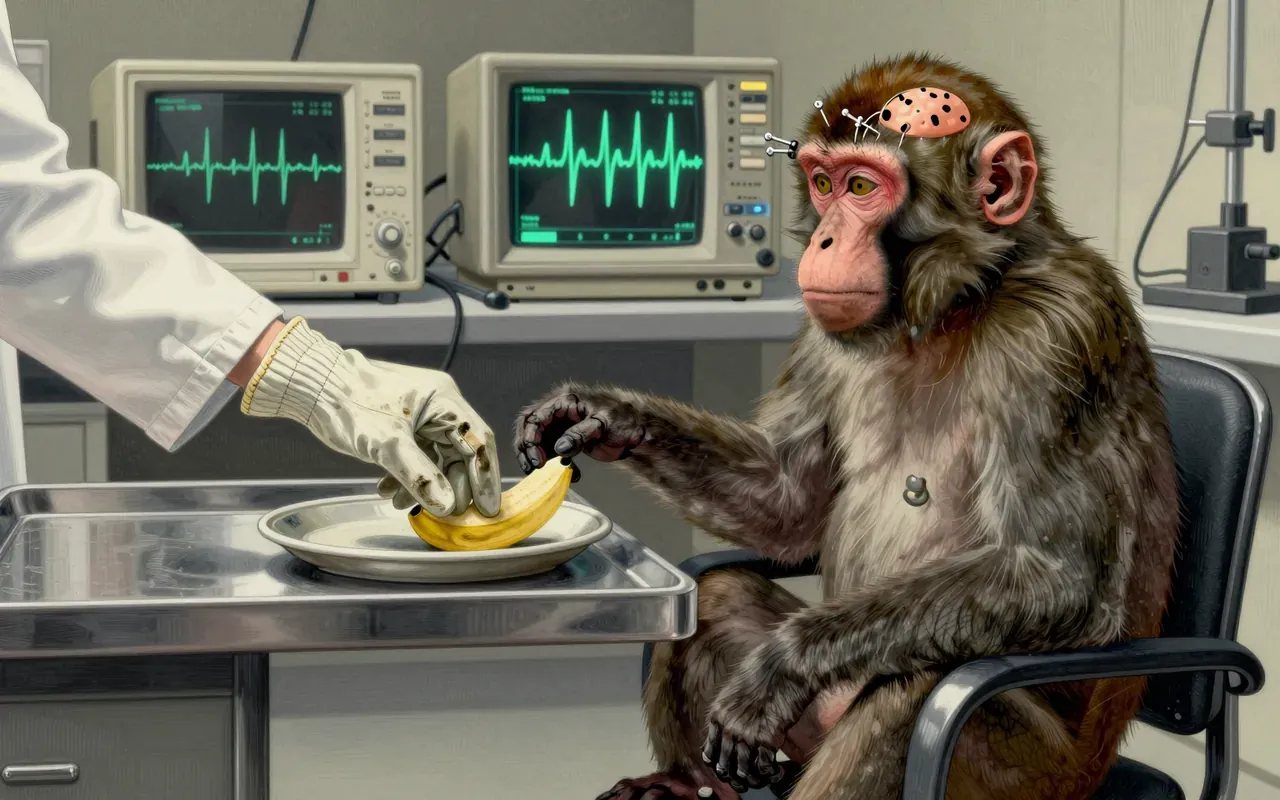
Michael Merzenich's monkey experiments in the 1980s showed a hand map in the brain redrawing itself after nerve surgery, overturning the assumption that adult brain wiring was fixed — a finding since used, and sometimes oversold, to build a commercial brain-training industry.
Stanley Prusiner proposed that an infectious agent could be a misfolded protein with no genetic material at all — a claim his own field initially rejected as impossible.
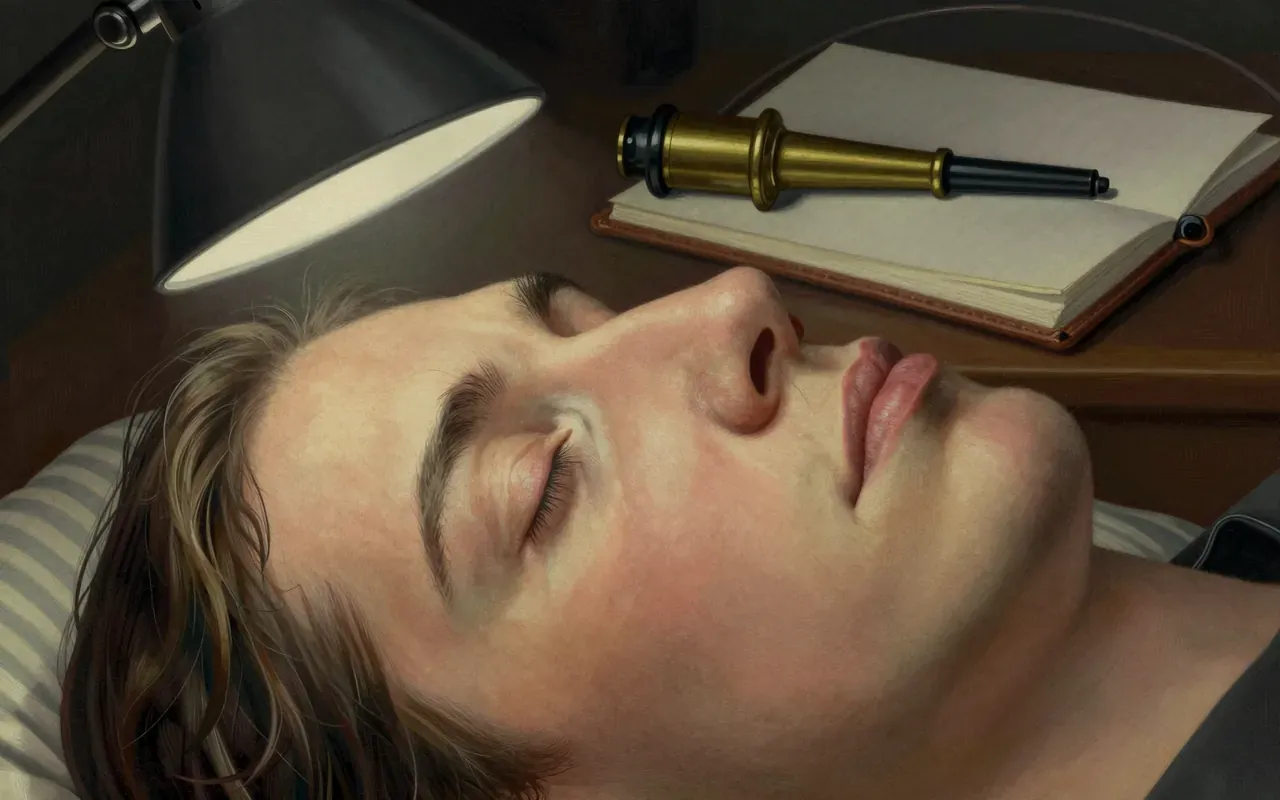
Kleitman and Aserinsky's 1953 discovery gave dream research a measurable brain state, rapid eye movement sleep, but seven decades on, what REM sleep actually evolved to do remains a genuinely open question.
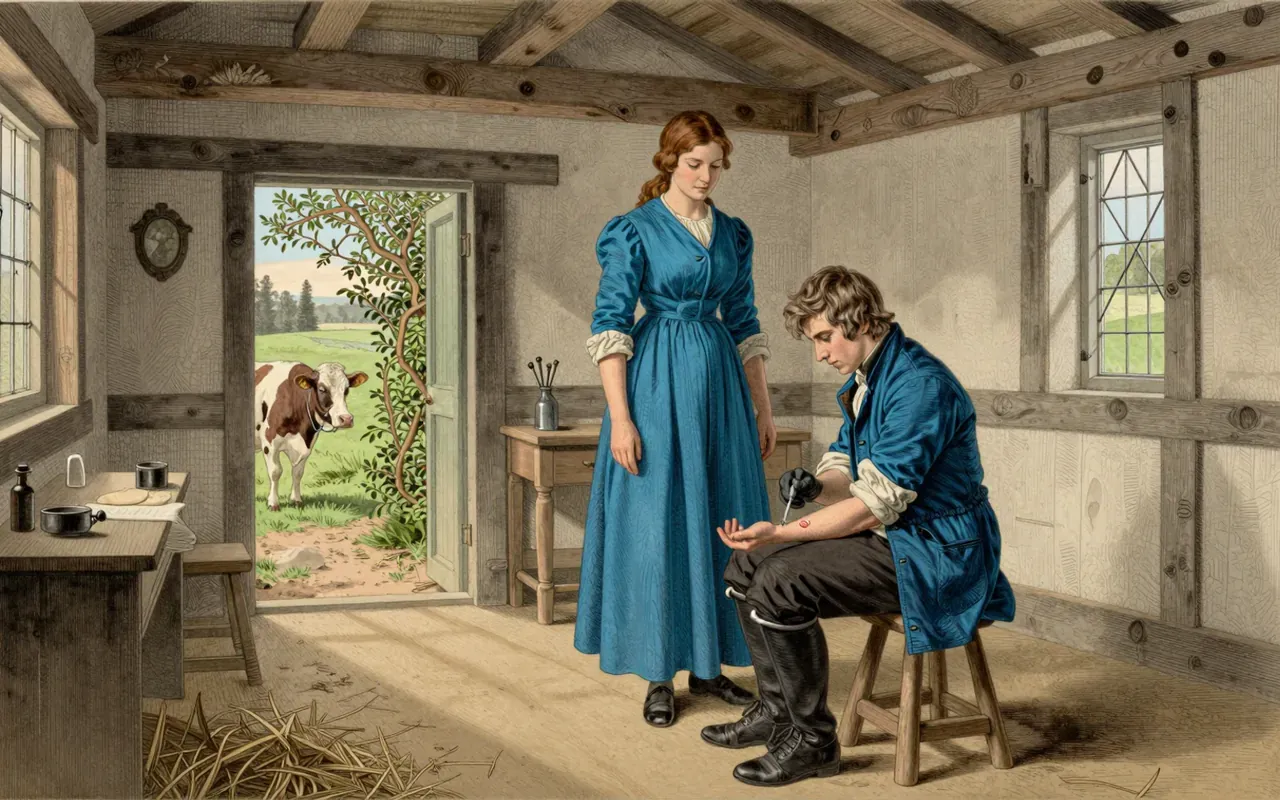
In 1796 Edward Jenner tested whether cowpox could protect against smallpox, and the vaccination method that followed eventually let the World Health Organization declare smallpox eradicated in 1980.
A rigorous population study put synesthesia, the blending of senses so letters carry colour or sounds carry taste, at 4.4 per cent of people — far below folklore's one in four, and far above the one-in-tens-of-thousands earlier, self-selected samples had produced.
Bishop and Varmus's 1976 discovery that a cancer virus's src gene was actually a captured, mutated version of a normal cellular gene reframed cancer as damage to the cell's own machinery, not a foreign invasion.
A thirteen-year-old whose physics teacher called it impossible found that his hot ice cream mix froze faster than his classmates' cold ones, and physicists still cannot agree whether the effect is even real.
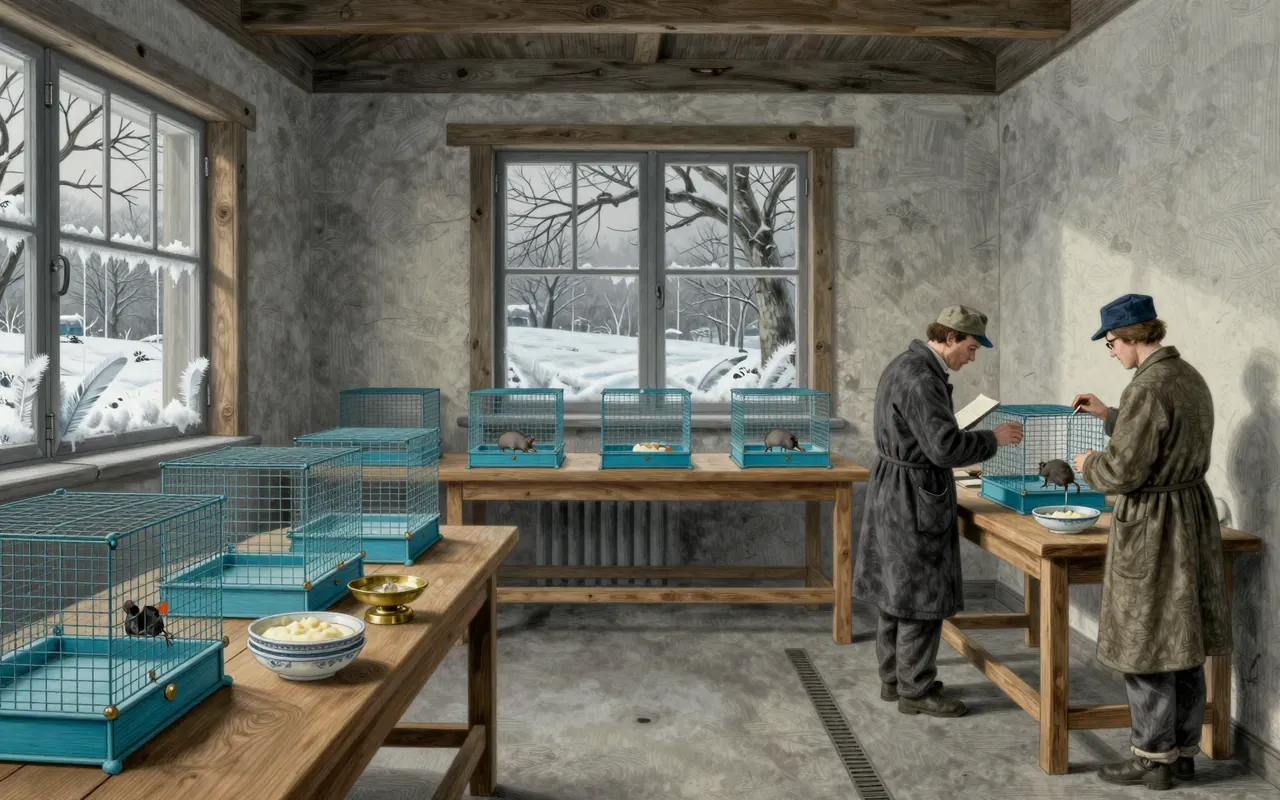
A 1913 feeding experiment on rats at a Wisconsin farm station established that fat could carry an essential nutrient — the discovery that gave nutrition science the category of vitamin, and fixed the name, vitamin A, after a decade of dispute over what to call it.
Frederick Hopkins didn't discover a vitamin; he proved by feeding trial that food contains something beyond protein, fat and carbohydrate that animals cannot grow without.
A spectrometer aboard an Indian orbiter found hydroxyl and water signatures spread across the whole lunar surface in 2009, after more than a century of assuming the Moon was simply dry.
In November 1895 Wilhelm Rontgen noticed a screen glowing near a covered vacuum tube and, within weeks, had produced an X-ray of his wife's hand, a discovery adopted by medicine so fast that its radiation dangers were only understood after the damage had been done.
The precisely dated 1944-45 Dutch famine let researchers trace, decades later, how prenatal starvation shaped adult diabetes, heart disease and possibly even grandchildren's health through epigenetic change.
James Gibson argued that we perceive a chair or a staircase directly as something to sit on or climb, not as raw shape our brain then interprets — a claim that gave design and robotics the word affordance, which promptly split into two incompatible meanings.
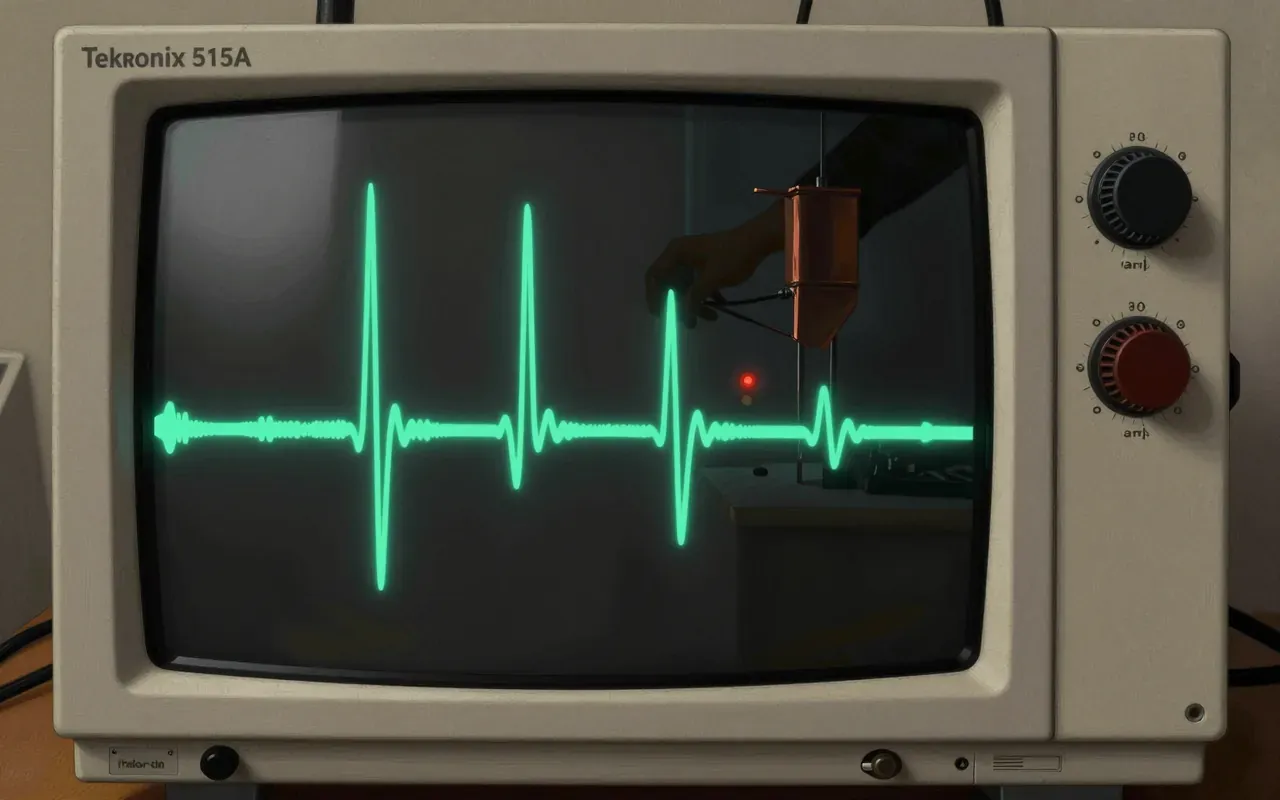
Willem Einthoven's 1903 string galvanometer, a device that needed five operators and weighed 270 kilograms, turned the heart's faint electrical signal into a readable trace and gave cardiology the electrocardiogram.
A phenomenon first noticed in 1801, that an electric field drags charged particles through a fluid, took more than a century of small, separate refinements before it became the gel-based technique that now sorts DNA and proteins by size in nearly every biology lab.
In 1975 researchers identified enkephalin, a chain of just five amino acids made in the brain, as a substance the body produces on its own that binds the very receptors morphine does — the first sign of a whole family of the body's own pain and reward chemistry.
ENIAC filled a room, ate 150 kilowatts, needed weeks to reprogram by rewiring plugboards, and was legally stripped of its patent in 1973 when a court ruled its core idea had come from a machine most people had never heard of.
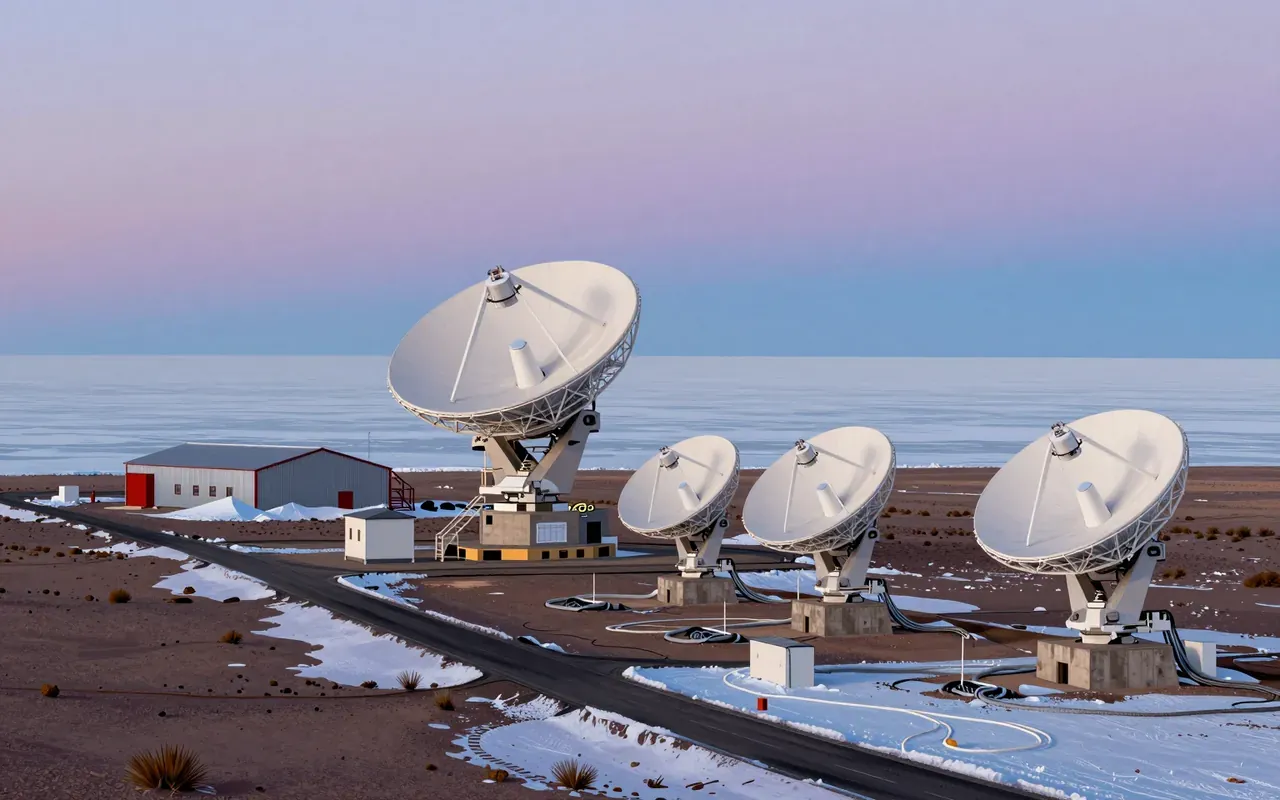
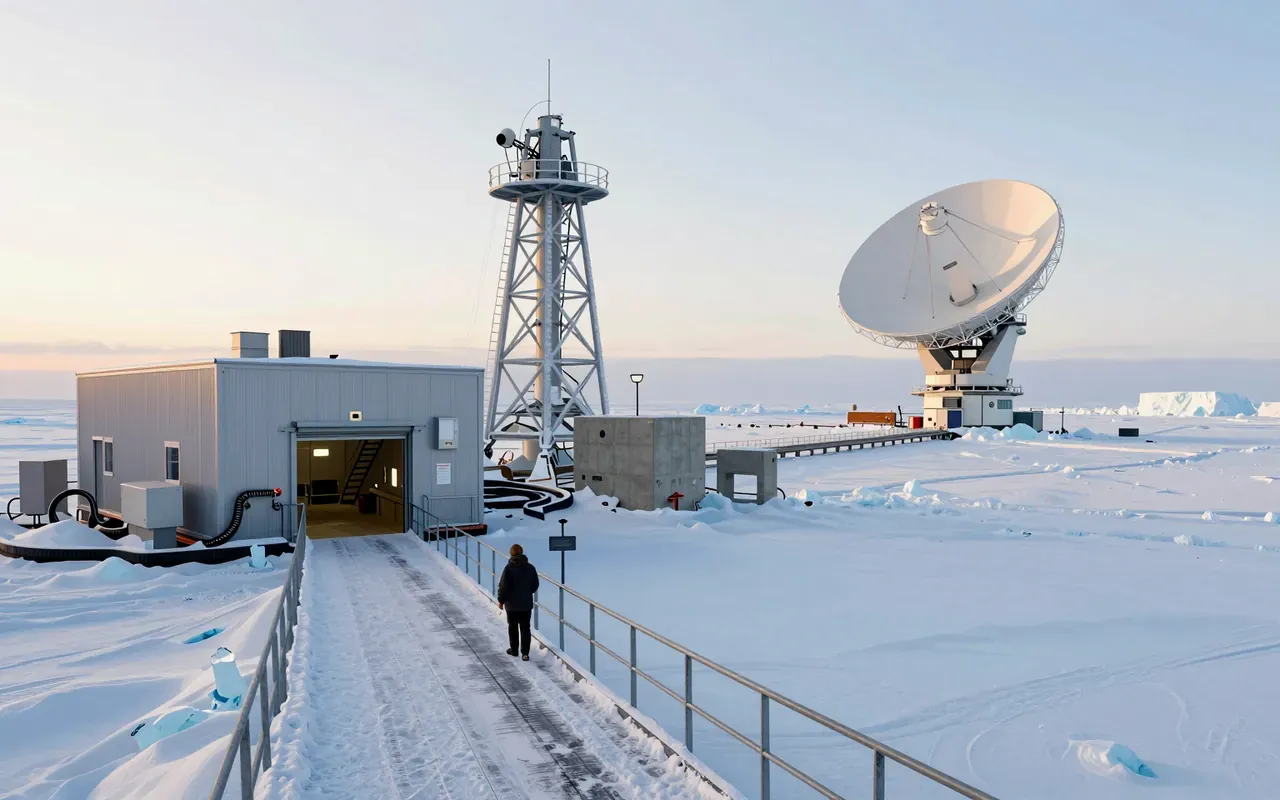
In 2019 the Event Horizon Telescope turned eight radio observatories into one Earth-sized instrument and released a picture of the shadow cast by the black hole at the centre of the galaxy M87.
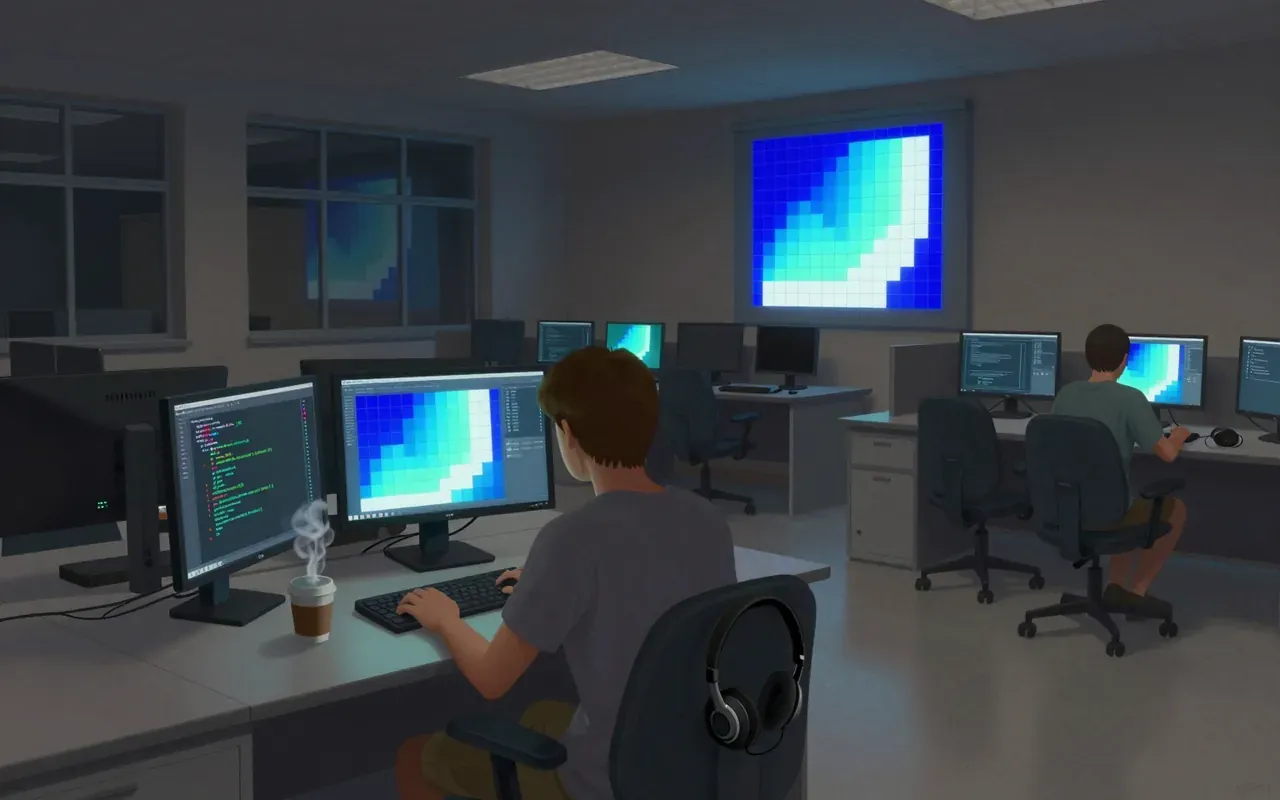
Richardson's 1922 hand-calculated weather forecast was correct in method but wildly wrong in result, and it took until a 1950 computer at ENIAC to finally calculate weather faster than the weather itself changed.
Stanley Cohen and Herbert Boyer's 1973 splicing of foreign DNA into bacteria became the first licensed recombinant drug within five years, after scientists paused their own field in 1975 to weigh the risks first.
On 23 December 1954 Joseph Murray transplanted a kidney between identical twins Richard and Ronald Herrick, sidestepping the rejection problem that had defeated every earlier attempt, and the ethical question of operating on a healthy donor to help his brother.
Venter's team built a bacterial genome from chemical building blocks and started it running inside a hollowed-out cell in 2010, though the cell's machinery, not the genome alone, did the actual living.
An instrument that now sorts thousands of individual cells a second by their exact chemistry began as two borrowed industrial tricks, an electrical particle counter and an ink-jet printer, combined into a single machine decades apart.
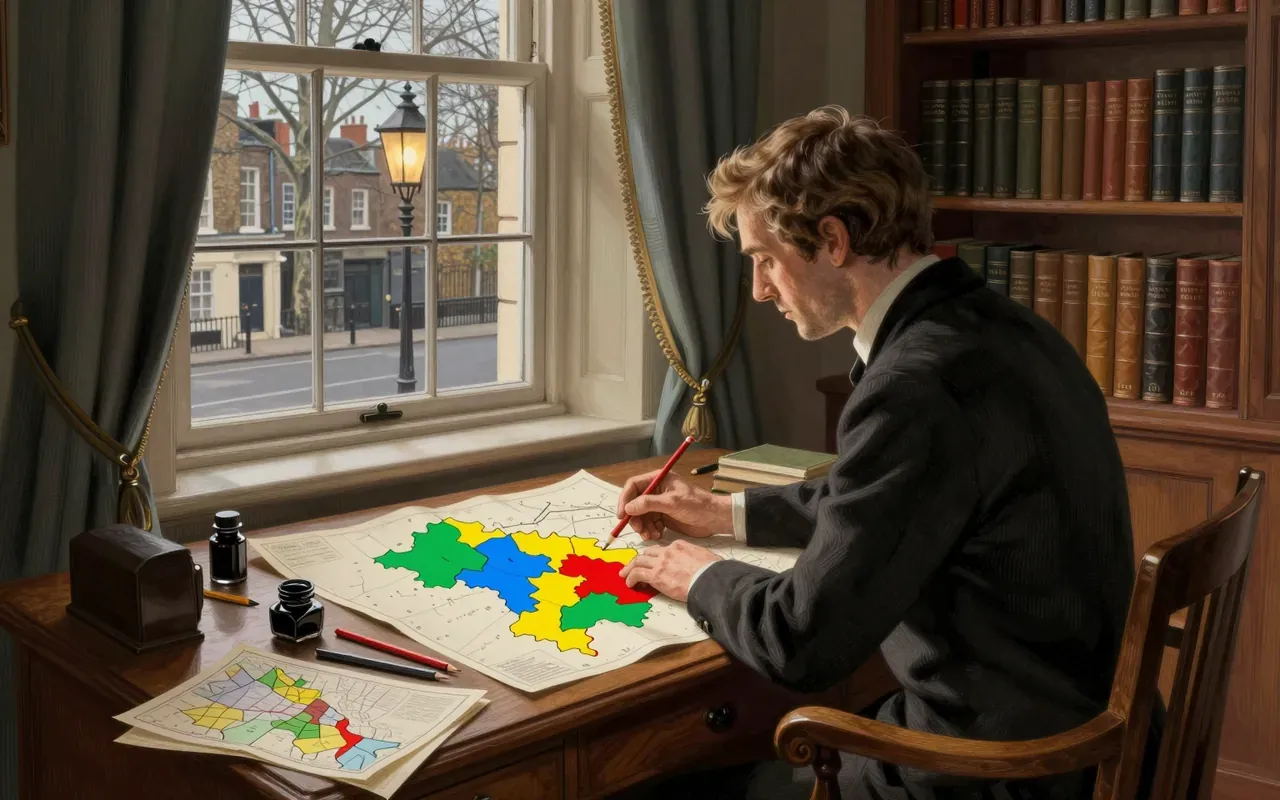
In 1976 Kenneth Appel and Wolfgang Haken proved that any map can be coloured with just four colours so no two neighbouring regions match, by having a computer check over 1,800 configurations for more than 1,000 hours — the first major theorem no human could verify by hand.
Newton and Leibniz independently found that finding a curve's area and its rate of change are the same operation reversed, then spent decades accusing each other of theft — a dispute the Royal Society, with Newton as president, judged in his own favour.
A single experiment with a synthetic RNA of nothing but uracil gave Nirenberg and Matthaei the first codon; a decade of follow-up work by Khorana, Holley and others filled in the other sixty-three.
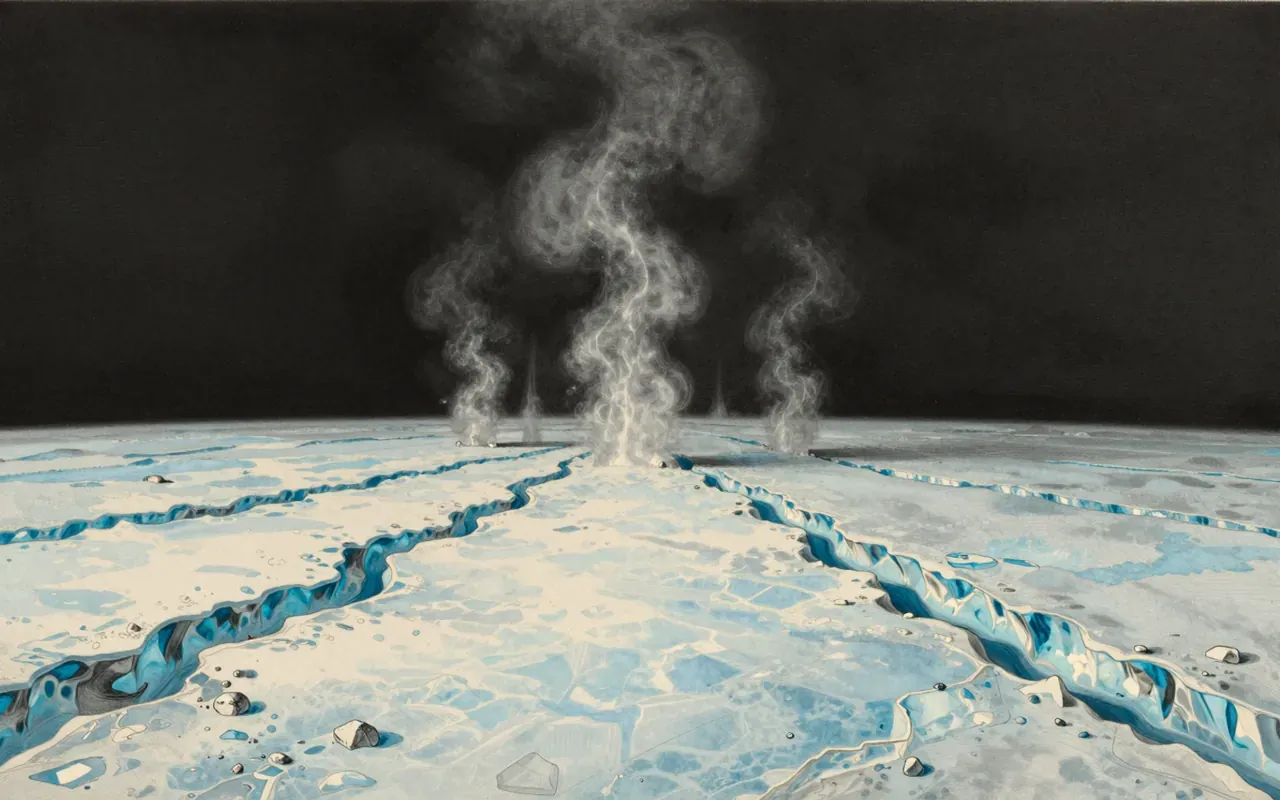
Cassini flew through jets of water vapour erupting from a small icy moon's south pole and found salts, organics, and eventually phosphates, evidence of a hidden alkaline ocean rather than a dead ball of ice.
It took following sperm whales to a spot 970 kilometres south of Tokyo and a four-hour struggle on a baited line before anyone photographed a living giant squid, and it showed an aggressive hunter, not a passive drifter.
In 1920 two astronomers each gave a forty-minute talk on whether the Milky Way was the whole universe or one galaxy among many, and neither had quite enough evidence to win outright, until a third astronomer settled it a few years later.
The reaction that fixes nitrogen out of thin air now feeds close to half the people on Earth. The chemist who invented it also personally directed the first large chlorine gas attack of the First World War, days before his wife took her own life with his service revolver.
Turing's 1936 proof that no algorithm can tell, for every program and input, whether that program will ever stop running set a permanent boundary on what computation can decide.
A puzzle about black hole entropy scaling with surface area, not volume, led to the idea that a region of space might be fully described by information on its boundary, and Juan Maldacena's 1997 conjecture gave that idea its clearest, still unproven, form.
Thallium would rather give up one electron than the three its position on the periodic table suggests it should. Sidgwick named the pattern in 1927; nobody has ever reduced it to a single cause.
In 1921 Frederick Banting, Charles Best, John Macleod and James Collip at the University of Toronto isolated and purified insulin from animal pancreases, turning a previously fatal diagnosis into a manageable condition within months.
Two engineers solved the same wiring problem months apart in 1958 and 1959, and it was the less-famous first version, not the one modern chips descend from, that reached the Nobel committee.
Engineers warned the night before that rubber seals had never been tested that cold, management overruled them, and Challenger broke apart 73 seconds after launch on 28 January 1986.
In 1943 two scientists asked whether bacteria become resistant to a virus because the virus causes it or because a random mutation was already there waiting, and settled the question just by counting how unevenly resistant colonies turned up across separate culture tubes.
A 1958 isotope-labelling experiment on dividing E. coli DNA ruled out two rival theories of how the double helix copies itself and confirmed the semiconservative model that Watson and Crick had only proposed.
Trillions of microbes live on and in every human body, and genetic sequencing has replaced old guesses about their numbers and roles — but most links between the microbiome and disease remain correlations, not proven causes.
In 1998 Andrew Fire and Craig Mello found that double-stranded RNA, not single-stranded RNA, silences genes with striking potency in roundworms, revealing RNA interference as a cellular pathway now used as both a lab tool and a medicine.
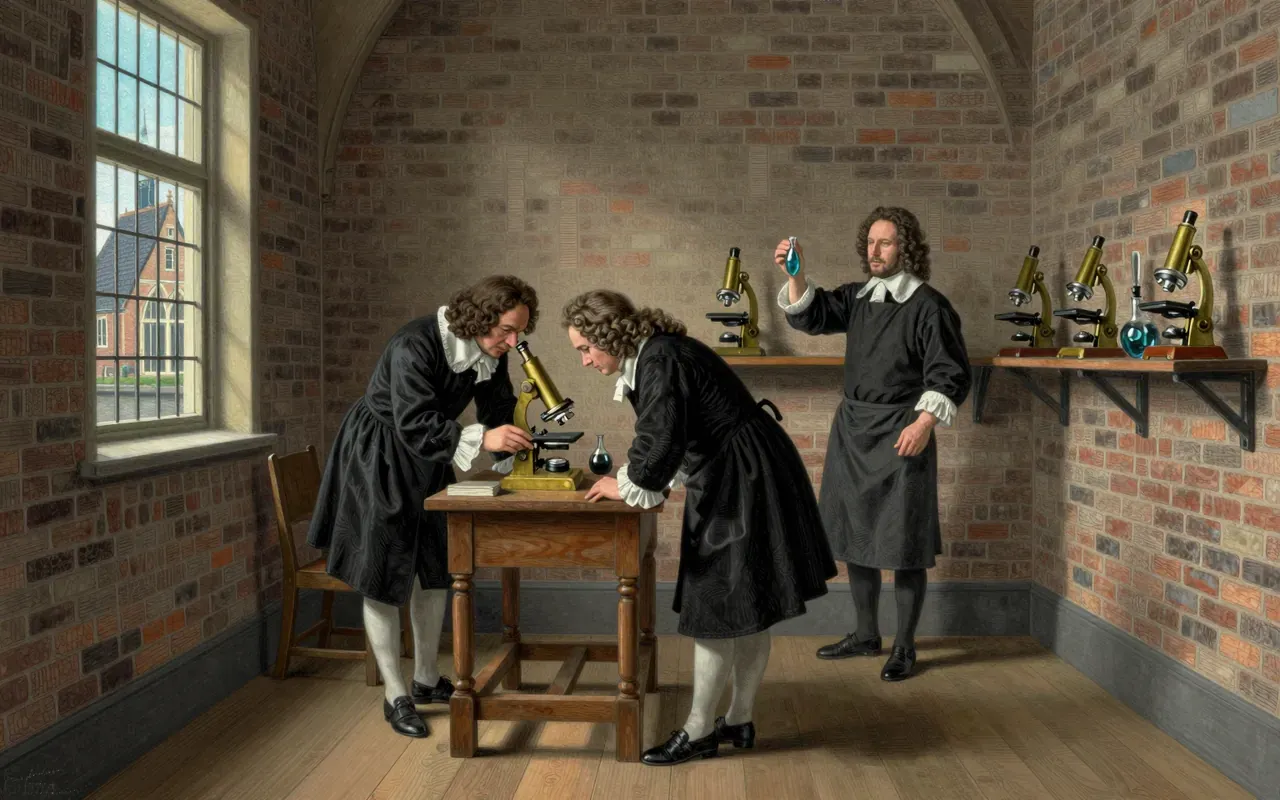
Antonie van Leeuwenhoek, a self-taught draper who ground his own lenses to magnify up to roughly 300 times, reported in 1676 seeing living organisms too small for anyone to have observed before, a claim the Royal Society doubted until it sent people to Delft to check.
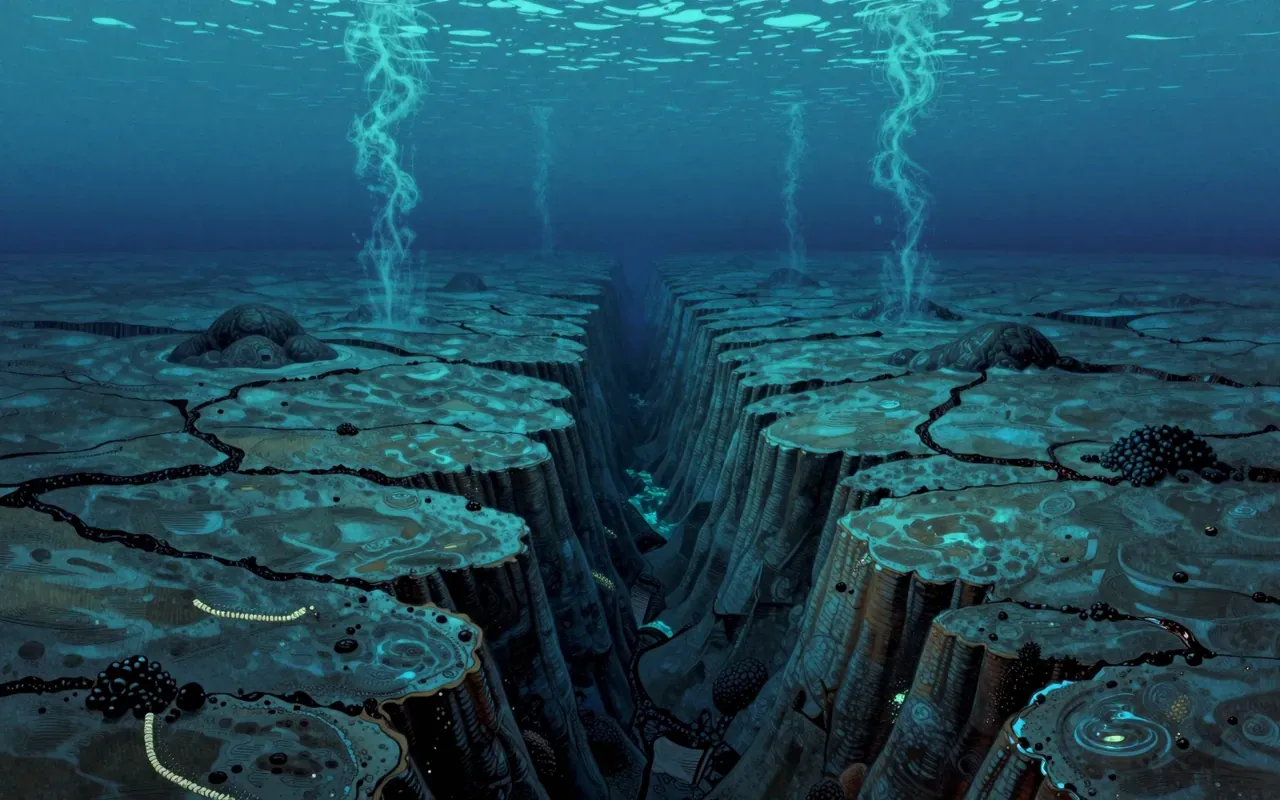
Marie Tharp saw a valley running down the centre of a seafloor mountain range in her own sounding data, and her research partner initially dismissed it as girl talk because it supported a theory the field had already rejected.
Around 120 scientists published roughly 300 papers confirming a new radiation that did not exist, until Robert Wood quietly pulled the essential prism out of the apparatus and the readings continued anyway.
The National Ignition Facility's December 2022 shot produced more fusion energy than its laser delivered to the fuel, a real milestone at the target that is roughly a hundredfold short of net energy for the facility itself.
Ramsay and Travers found an entire missing column of the periodic table by carefully distilling liquid air. The gases they pulled out were named for being lazy, hidden, new and strange — and chemistry believed they never reacted with anything until 1962 proved otherwise.
Mitochondrial DNA studies traced every non-African lineage back to a single African branch, settling a long dispute over whether modern humans arose in one place or evolved in parallel across continents, though later genetics complicated the tidy version of the story.
Stephen Cook's 1971 paper didn't solve P versus NP — it proved one problem could stand for all of them, which is why the question cryptography rests on is still open.
Sealing a glass pipette tightly enough against a cell membrane cut background electrical noise so far down that Erwin Neher and Bert Sakmann could finally watch a single ion channel molecule opening and closing, something no earlier technique could isolate at all.
An enzyme borrowed from a bacterium that lives in hot springs let a single sealed machine copy a chosen stretch of DNA over and over, doubling it with every cycle, and turned an idea worked out on a car journey into the standard tool of molecular biology.
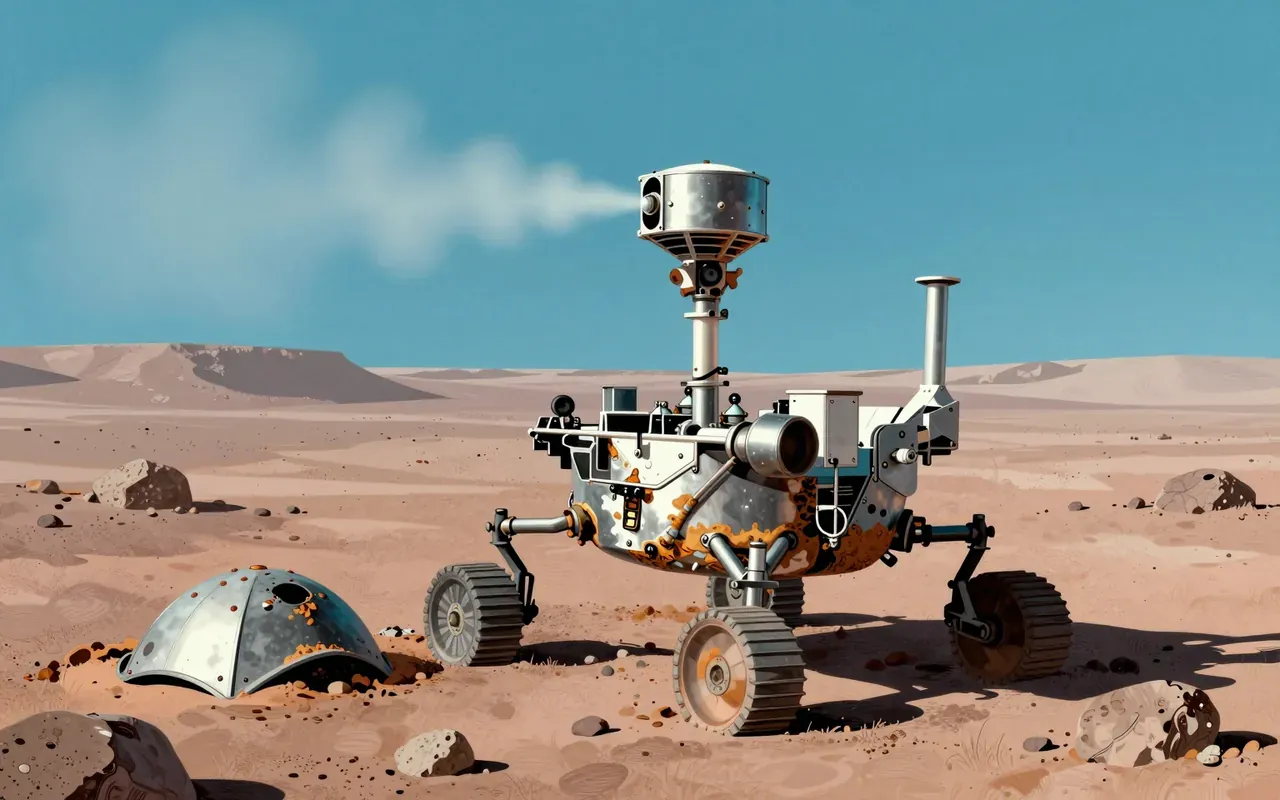
Perseverance's 2021 landing and its instruments have delivered exactly what was engineered, precise navigation, a surprise helicopter programme, oxygen from thin air, but the sample-return mission that would confirm any life finding is stalled.
Hall's press squeezed carbon to roughly 100,000 atmospheres and 1,600 degrees Celsius in 1954, and thirty-eight minutes later found actual diamond crystals on a tantalum disk. GE's reward for the invention that built an industry was a ten-dollar savings bond.
A single UK trial tested ten COVID-19 treatments in one adaptive framework, found a cheap steroid cut ventilator deaths by roughly a third, and just as firmly ruled out several drugs that had drawn far more public attention.
In 2015 a coordinated effort to redo 100 published psychology experiments found only 36 per cent reproduced the original significant result, effect sizes roughly halved on average — a number that turned scattered doubts into a named crisis.
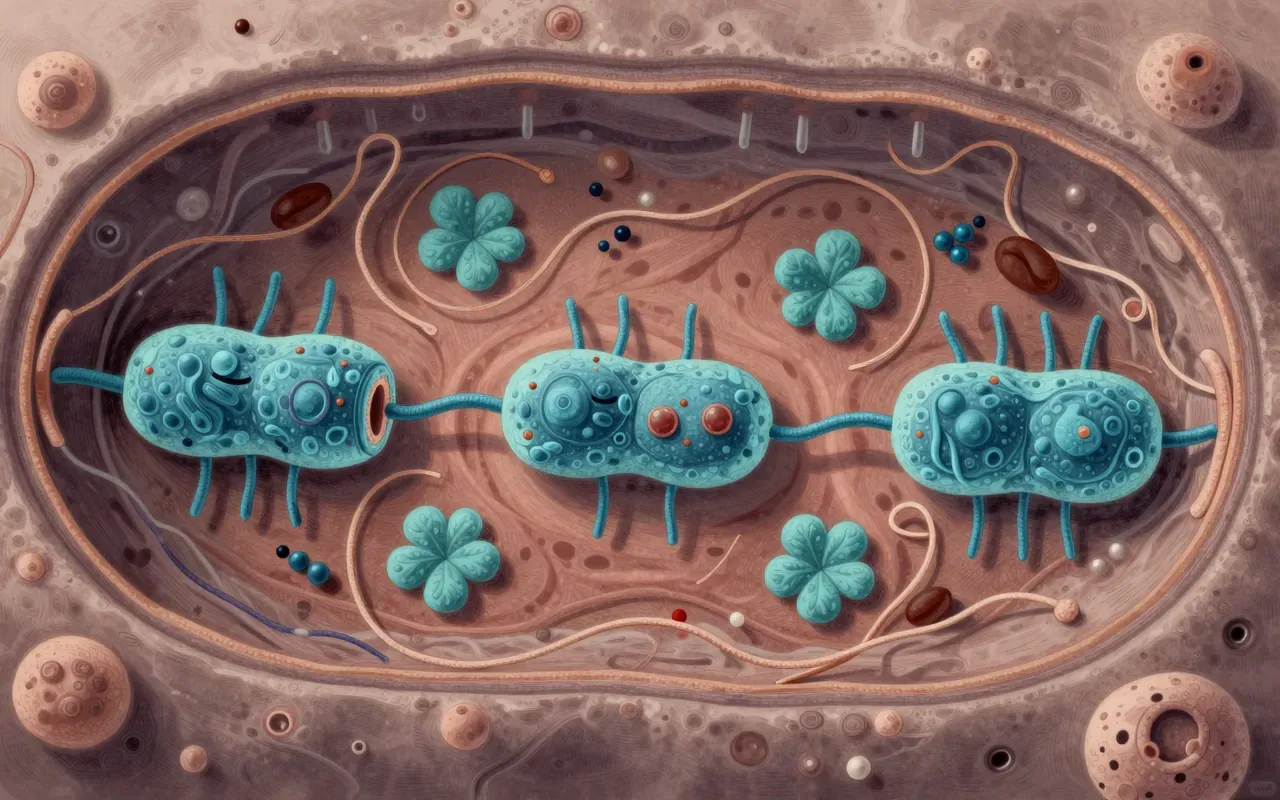
The ribosome is a machine made mostly of RNA that reads genetic messages and builds proteins one amino acid at a time, and this brief traces how that was worked out and what still counts as settled.
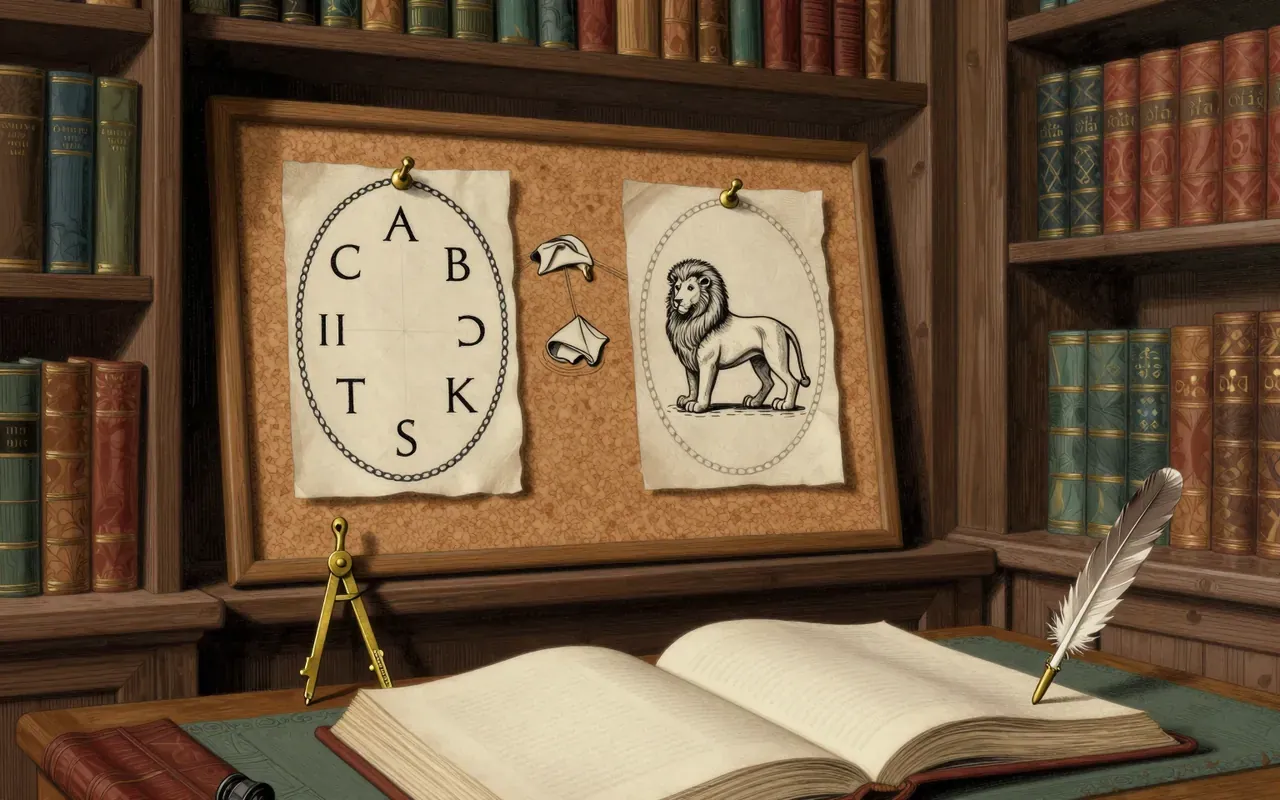
Thomas Young worked out that Egyptian cartouches spelled foreign kings' names phonetically; Jean-François Champollion needed one more comparison, in September 1822, to see that the same was true of native Egyptian rulers all along.
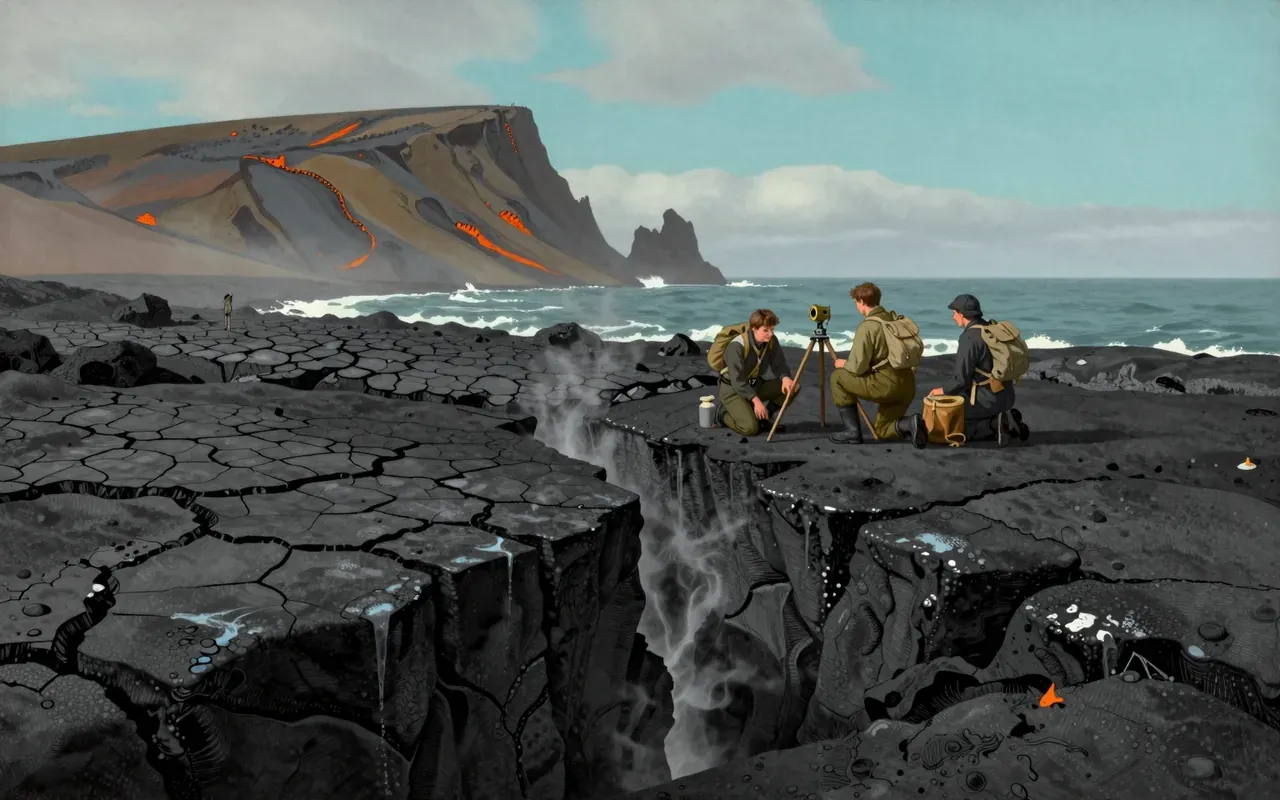
After the 1906 San Francisco earthquake, geologist Harry Fielding Reid measured decades of ground bending along the San Andreas Fault and proposed that faults store strain quietly for years before snapping back all at once.
Quantum tunnelling had been known physics for decades before Gerd Binnig and Heinrich Rohrer built an instrument steady enough to hold a metal tip a few atomic widths above a surface and turn that old effect into a working microscope.
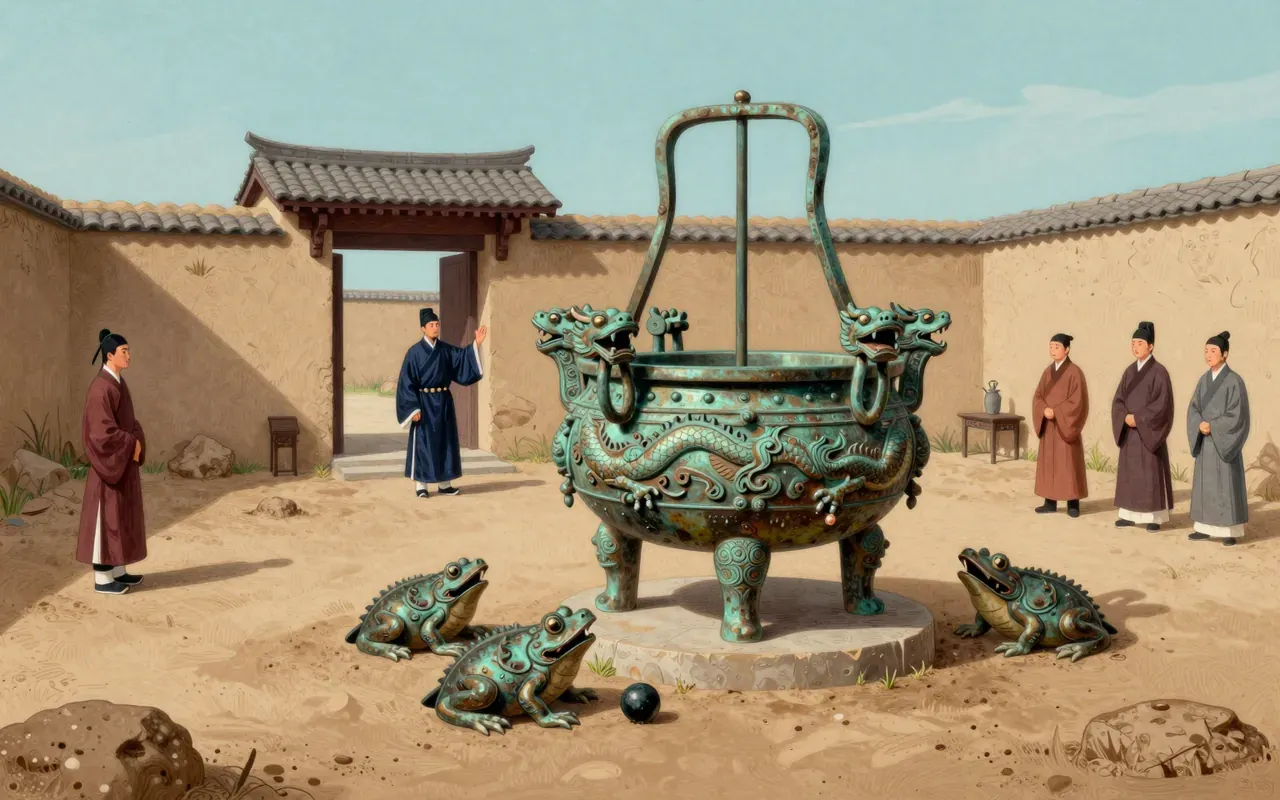
A bronze vessel ringed with dragons detected a Chinese earthquake in AD 143 that nobody nearby had felt, and it took well over a thousand years before any instrument matched what it had already managed to do.
Richard Dawkins's 1976 book argued natural selection is best understood from the gene's perspective, not the organism's, a framing Stephen Jay Gould called book-keeping mistaken for causality, and one Dawkins himself later regretted titling so misleadingly.
The metre, the kilogram and five other units used to rest on physical objects kept in a French vault. Now every one of them is fixed to a constant of nature, and the change is quieter than it sounds.
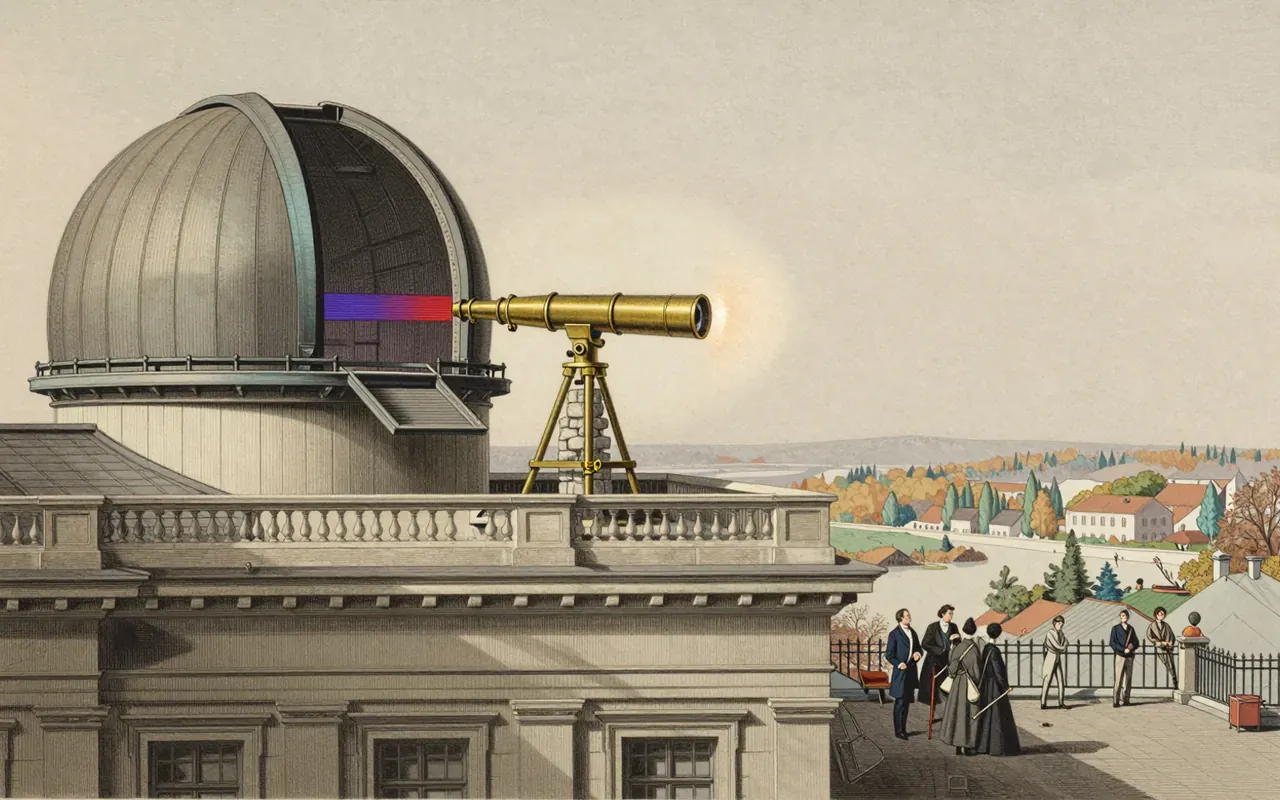
In 1815 a German physicist counted six hundred dark gaps in the spectrum of sunlight, and within a few decades that oddity had become a method for reading the chemical makeup of a flame in a laboratory or a star many light years away.
Sperry and Gazzaniga's split-brain experiments showed real hemisphere specialisation and a left-brain 'interpreter' that invents confident reasons for actions it didn't cause, but not the tidy left-brain, right-brain myth it spawned.
Built up piece by piece from the 1960s to the 2012 discovery of the Higgs boson, the Standard Model correctly predicts particle physics down to its component quarks and forces, while leaving gravity and dark matter untouched.
In 1816 Rene Laennec rolled a sheet of paper into a tube rather than press his ear to a female patient's chest, and the instrument he built from that improvisation let him match chest sounds to disease for the first time.
Roderick MacKinnon's 1998 crystal structure of a bacterial potassium channel showed the shape that lets potassium pass freely while turning away the smaller sodium ion — a puzzle that had stood since Hodgkin and Huxley's electrical studies of the 1950s.
Wöhler heated ammonium cyanate in 1828 and got urea. Textbooks still call this the moment vitalism died on the spot. A 2000 survey found nine in ten chemistry textbooks repeat that version, and the actual history took another seventeen years to catch up.
Wimmer and Perner's 1983 false-belief task, staged as the Sally-Anne test with two dolls and a moved marble, showed children under about four cannot yet grasp that someone else can believe something the child knows to be false — a milestone since disputed on what it measures.
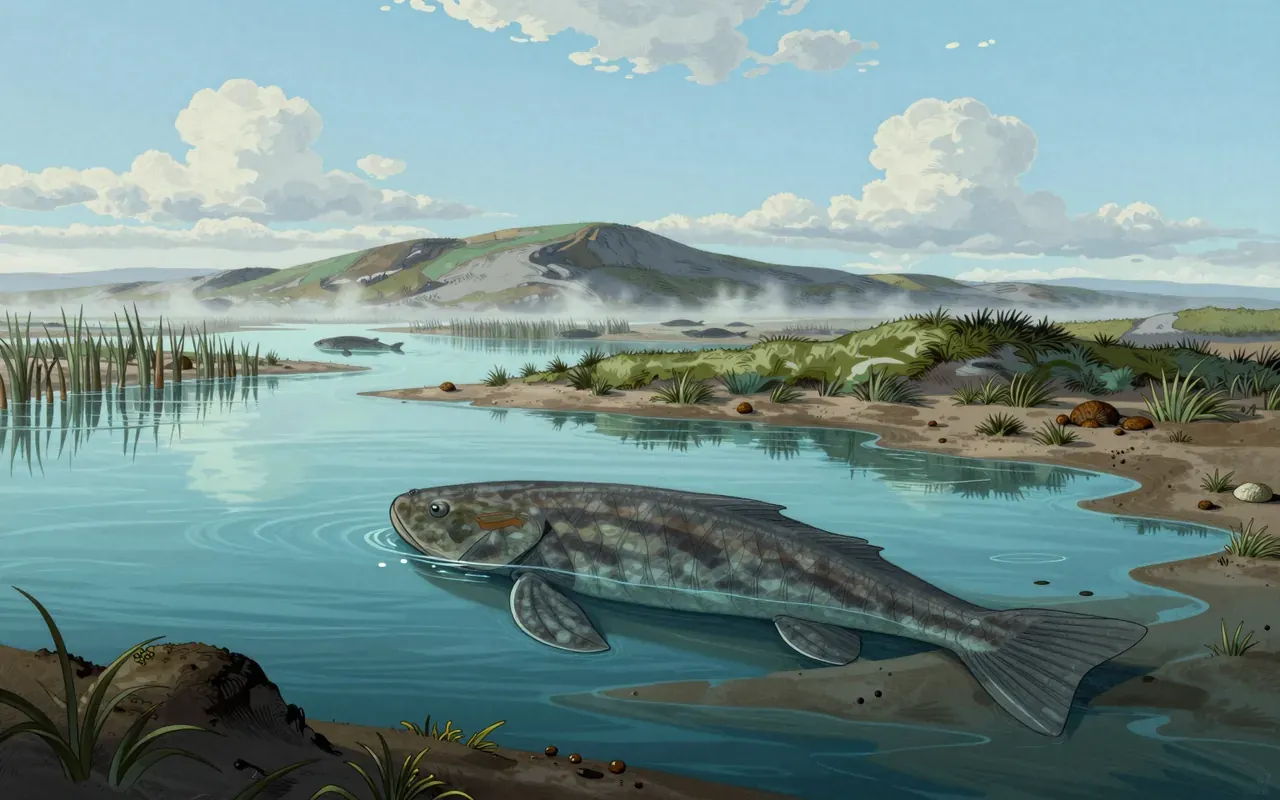
Neil Shubin's team predicted where a fish-to-land transitional fossil should be found, went looking on Arctic Ellesmere Island, and found Tiktaalik, though a 2010 trackway discovery has since complicated the tidy story of what it represents.
Three Bell Labs physicists built a working solid-state amplifier in December 1947, and the falling-out that followed shaped how the transistor reached the market as much as the physics did.
Albert Calmette and Camille Guerin spent thirteen years weakening a tuberculosis strain into the BCG vaccine, first given to a child in 1921, whose protection has since proved real but strikingly inconsistent from one country to the next.
A 1998 study of twelve children claiming a link between MMR vaccine and autism took thirteen years to be formally called fraud, and vaccination rates and measles cases moved in step the whole time.
The Younger Dryas plunged the Northern Hemisphere back into cold within decades, and while most researchers link it to a slowdown in Atlantic ocean circulation, a rival comet-impact idea has been examined and largely rejected.
A brewer with no university post announced in 1843 that he had measured how much mechanical work turns into a fixed amount of heat. He was met with silence. Four years later Helmholtz's own declaration of energy conservation credited him by name.
Charles Kane and Eugene Mele predicted in 2005 that a material could conduct only along its edges while remaining insulating throughout its interior, and a mercury telluride sandwich confirmed it two years later.
A 2017 Google paper argued attention alone, without the recurrent processing every prior language model relied on, could handle sequences better and in parallel, and that architectural bet underlies essentially every large language model built since.
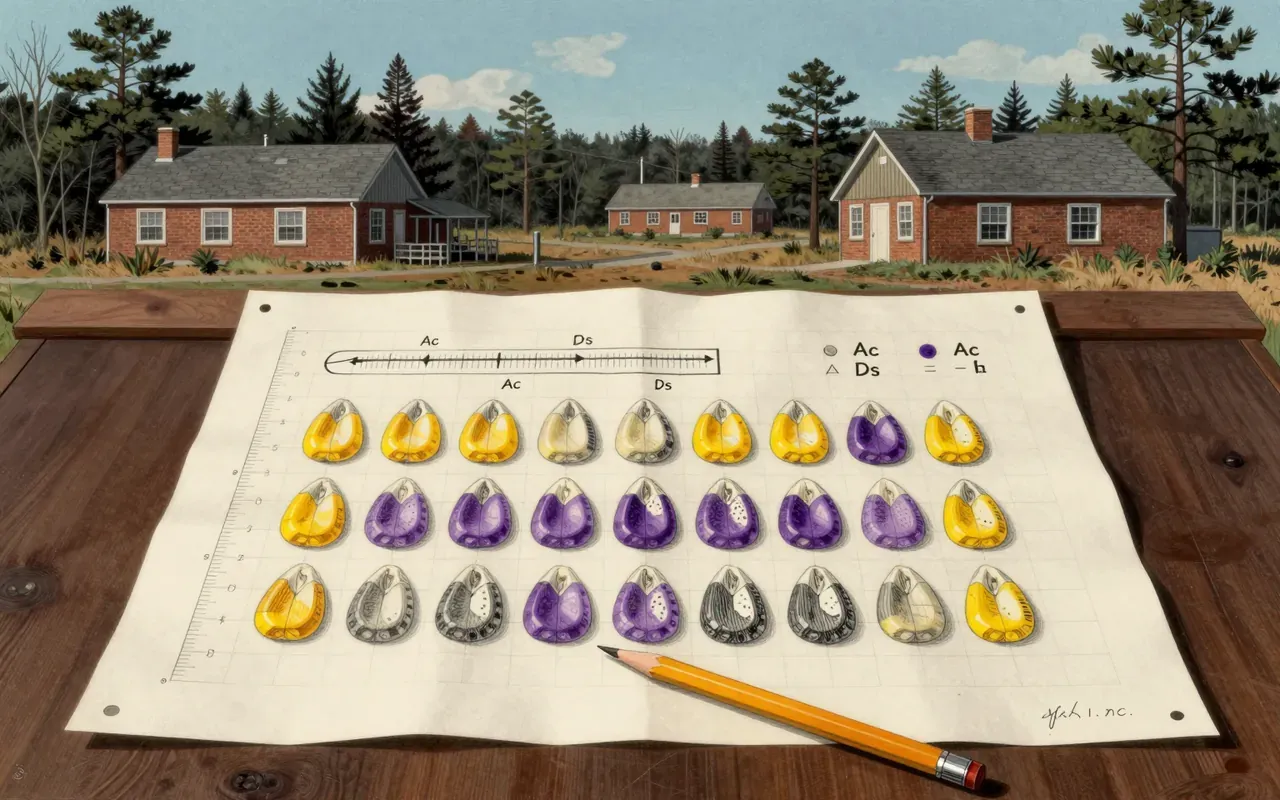
Barbara McClintock's 1940s maize experiments revealed that genes can change position within a genome, a finding dismissed for decades until molecular biology confirmed it and belatedly earned her an unshared Nobel Prize.
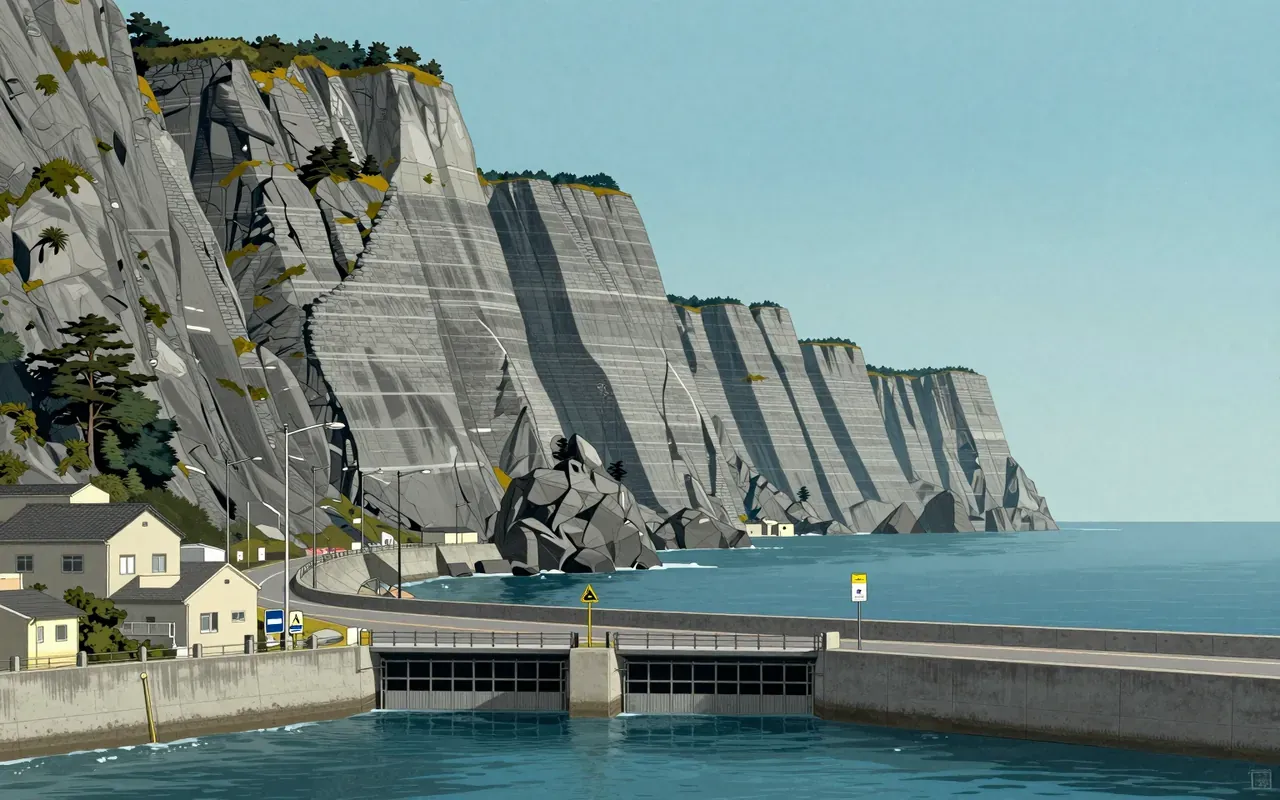
Tsunamis begin when a megathrust earthquake abruptly lifts or drops a stretch of seafloor, and the resulting wave stays almost invisible in the open ocean before growing dangerous as it reaches shallow water.
Alan Turing's 1936 paper described a machine that never got built, made of an infinite tape and a table of rules, to answer a narrow question about mathematical logic — and in doing so proved some problems can never be solved by any computer at all.
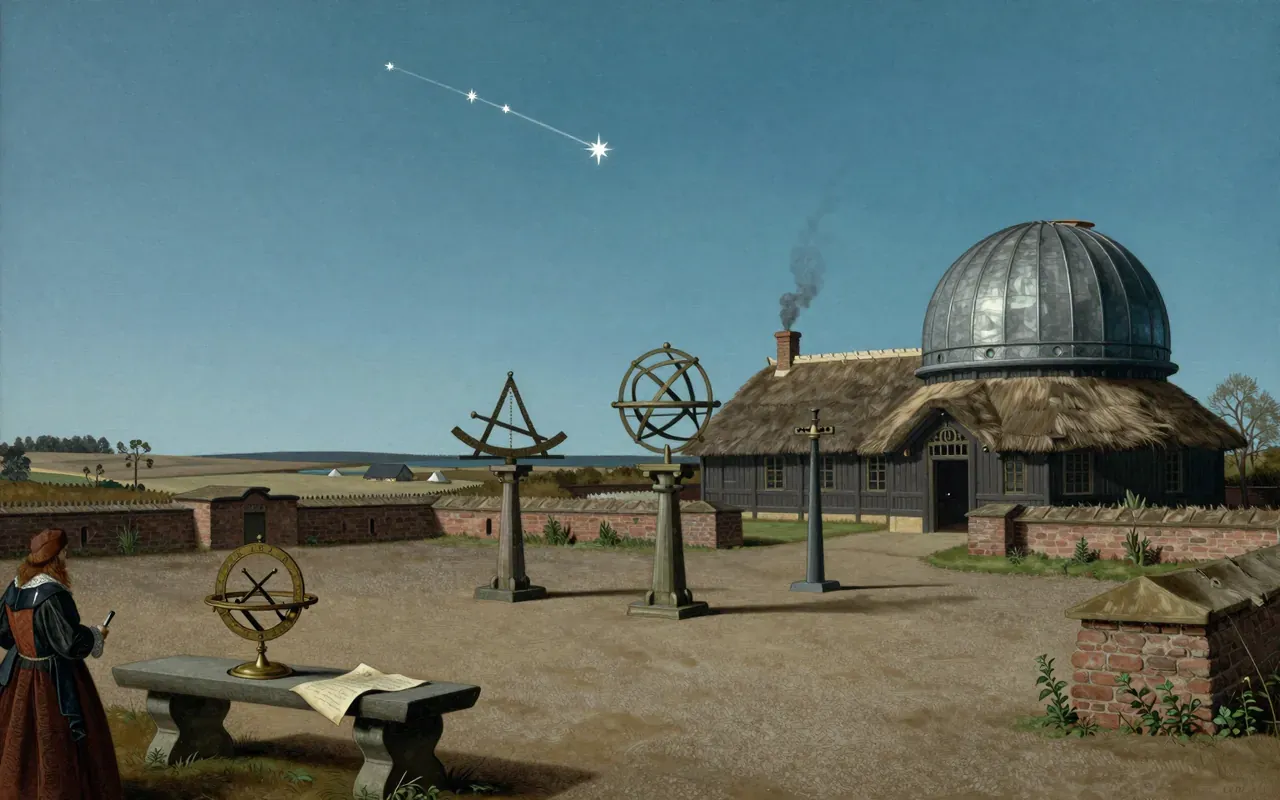
In 1572 a new star appeared in Cassiopeia and refused to shift position the way anything closer than the Moon should, and Tycho Brahe's careful measurement of that non-movement helped crack the idea that the heavens never change.
James Hutton and Charles Lyell argued that the slow processes shaping the Earth today have always operated the same way, and reading that logic backward is what first showed the planet had to be far older than tradition allowed.
In July 1885 Louis Pasteur gave an unlicensed, ethically fraught treatment to a bitten nine-year-old, having claimed far more animal testing than his own lab notebooks later showed he had actually done.
James Lind showed citrus cured scurvy in 1747 and the advice was ignored for decades; Albert Szent-Györgyi isolated the actual compound in 1927 and still needed another scientist's proof to confirm what he had found.
Cod liver oil and sunlight looked like unrelated folk remedies for rickets until researchers proved both worked through the same molecule, vitamin D — a discovery that eliminated a disfiguring childhood disease at national scale.
Sulphate haze from Tambora's 1815 eruption cooled the world enough to freeze crops in New England, and that one well-documented winter anchors the theory of how big eruptions chill the planet.
Wegener's 1912 evidence for drifting continents was sound, but geologists rightly rejected it for lacking a mechanism, until seafloor spreading and magnetic striping supplied one roughly fifty years later.
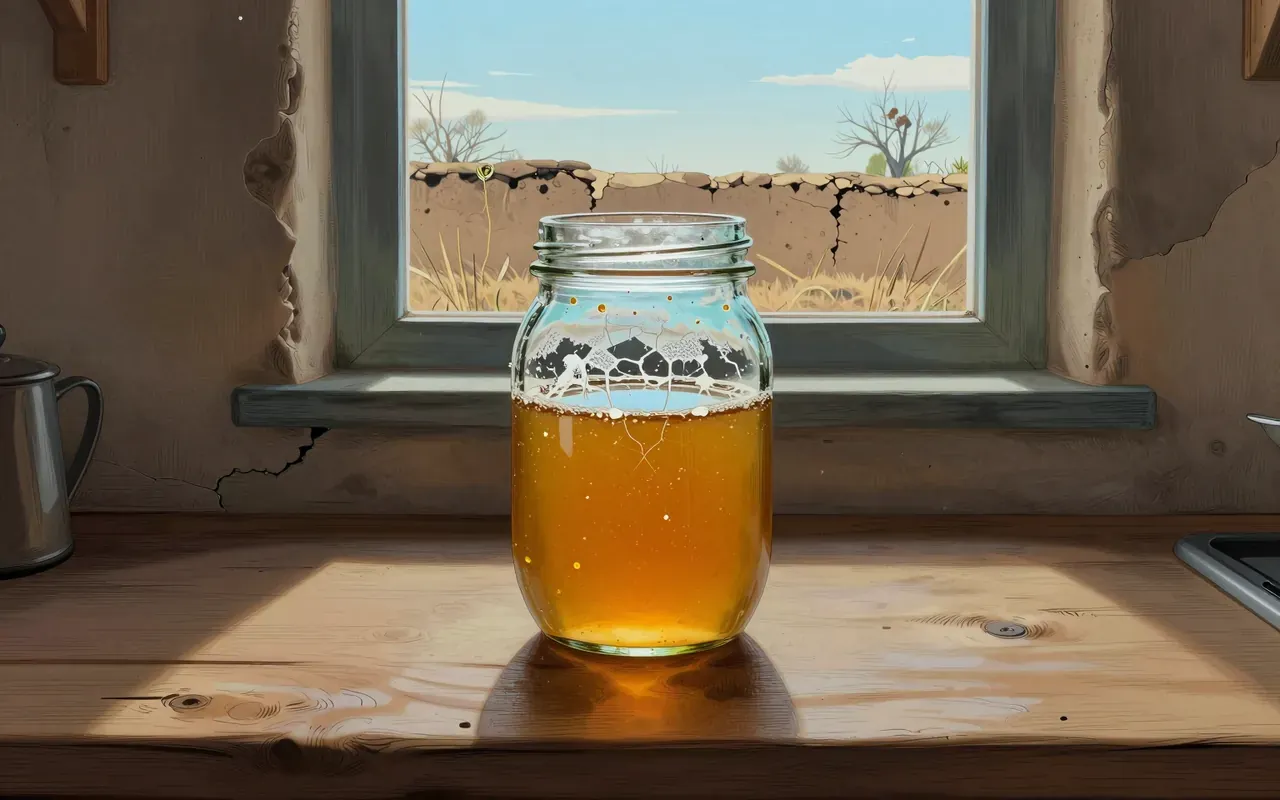
Honey and jam are supposed to be too dry inside for anything to grow, yet certain fungi manage it anyway, and this brief follows the specific chemistry that lets xerophiles colonise exactly the low-water conditions food preservation depends on.
Aaron Klug's laboratory found that a small zinc-stabilised loop of protein, first spotted in a frog transcription factor, recurs across the genome as a modular way for proteins to grip specific DNA sequences.