Seismometer
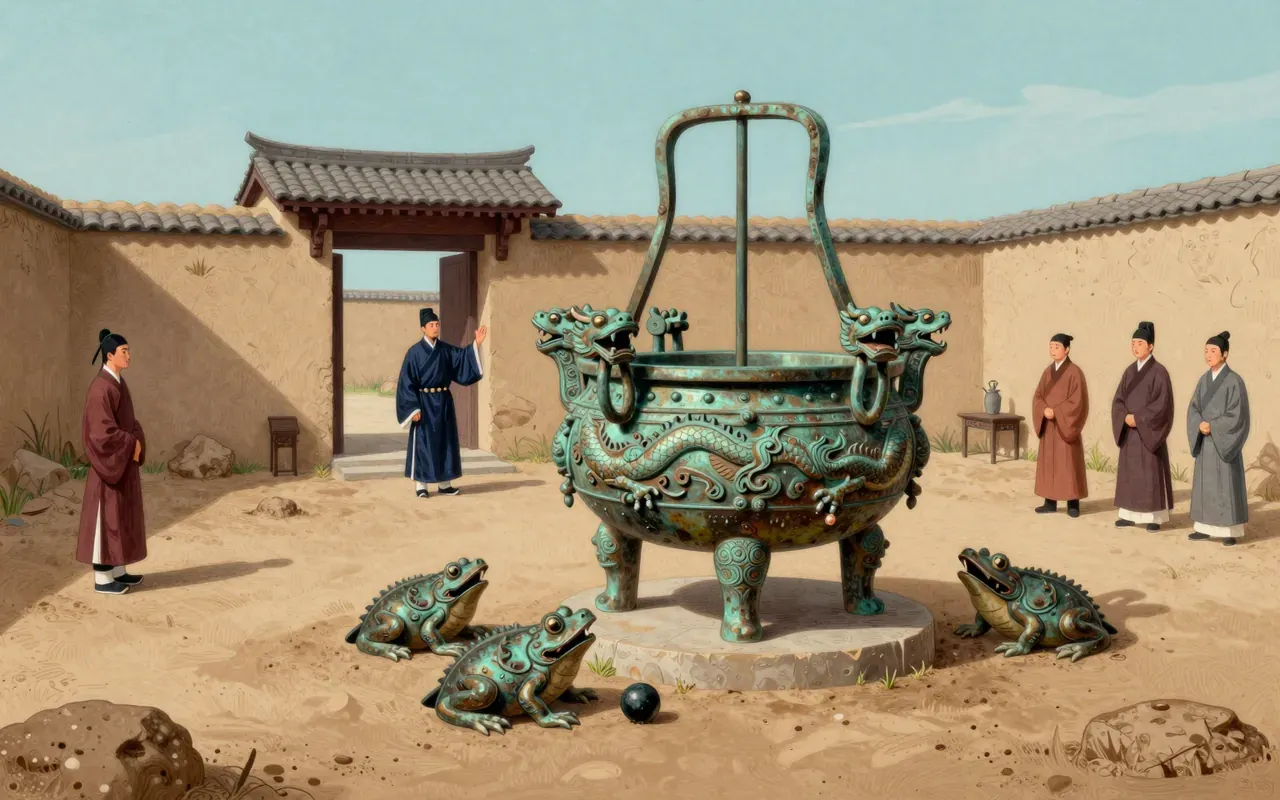
A bronze vessel ringed with dragons detected a Chinese earthquake in AD 143 that nobody nearby had felt, and it took well over a thousand years before any instrument matched what it had already managed to do.







The Turing test is a precise, behaviour-first redefinition of intelligence—not proof of thought, but a standard for functional equivalence in dialogue. It endures because it is simple, testable, and ruthlessly limited.









Van der Waals’s 1873 equation was the first thermodynamic model to treat fluids as composed of real molecules — with finite size and mutual attraction — and it successfully described both liquid and gas phases, predicted critical-point behaviour, and yielded quantitative estimates of molecular size and attraction strength. It did not prove molecular existence, nor does it hold across all conditions. Its value lies in making molecular assumptions productive — long before they were directly observable.









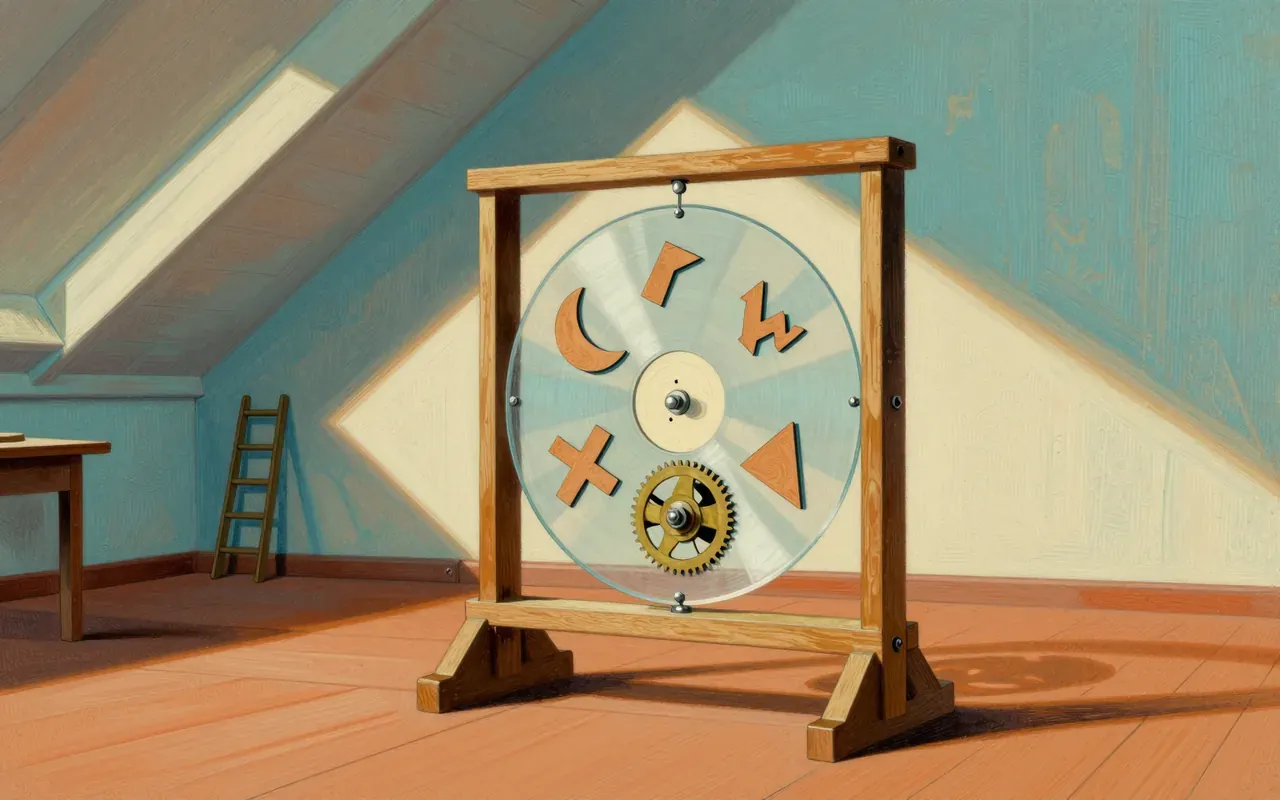
Baddeley and Hitch’s 1974 model reframed working memory as a set of interacting, domain-specific components — not a single bottleneck. Dual-task interference, the word length effect, and amnesic patient profiles provide direct empirical support. Later additions (episodic buffer in 2000, renamed awareness buffer in 2026) extend but do not overturn the core claim of fractionation. It remains indispensable — not because it is complete, but because it is falsifiable, componential, and repeatedly predictive.
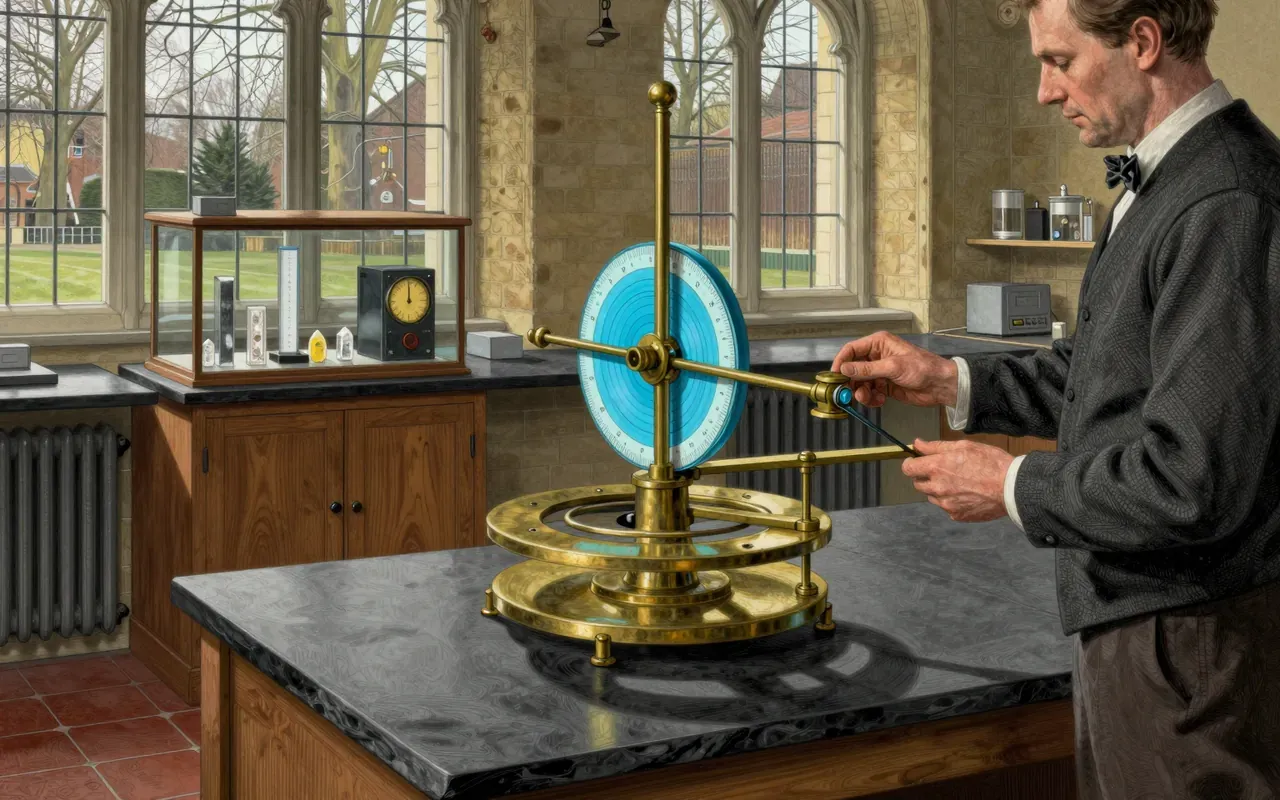
The Braggs established X-ray crystallography as a quantitative physical method by linking diffraction geometry to atomic spacing — using simple crystals, mechanical rotation, film detection, and arithmetic. They did not image atoms. They inferred lattice periodicity. Their work is durable, narrow, and strictly instrumental.


iPSCs are somatic cells reprogrammed to pluripotency using four transcription factors. Demonstrated in 2006 in mouse fibroblasts via retroviral delivery and Fbx15 selection. Established direct reprogramming as possible—but only to the level of Fbx15 reactivation, not full pluripotency validation.

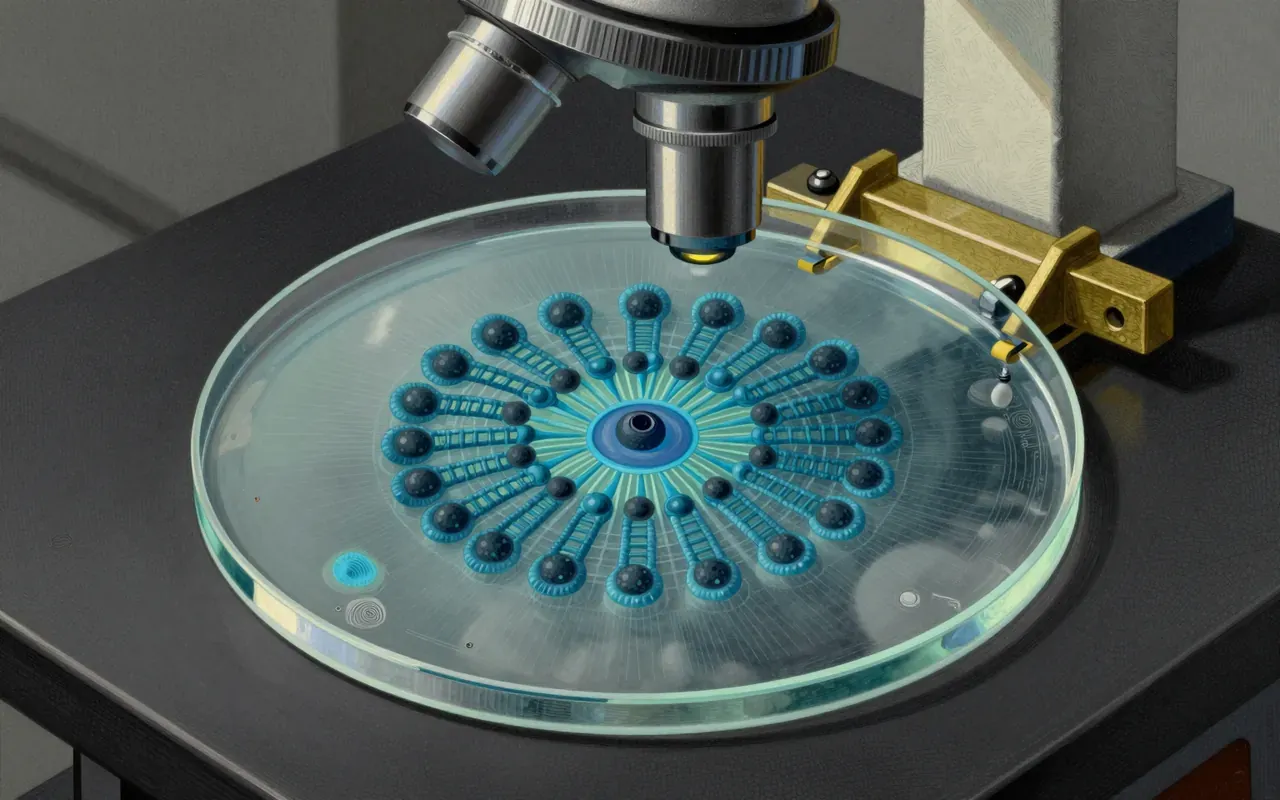


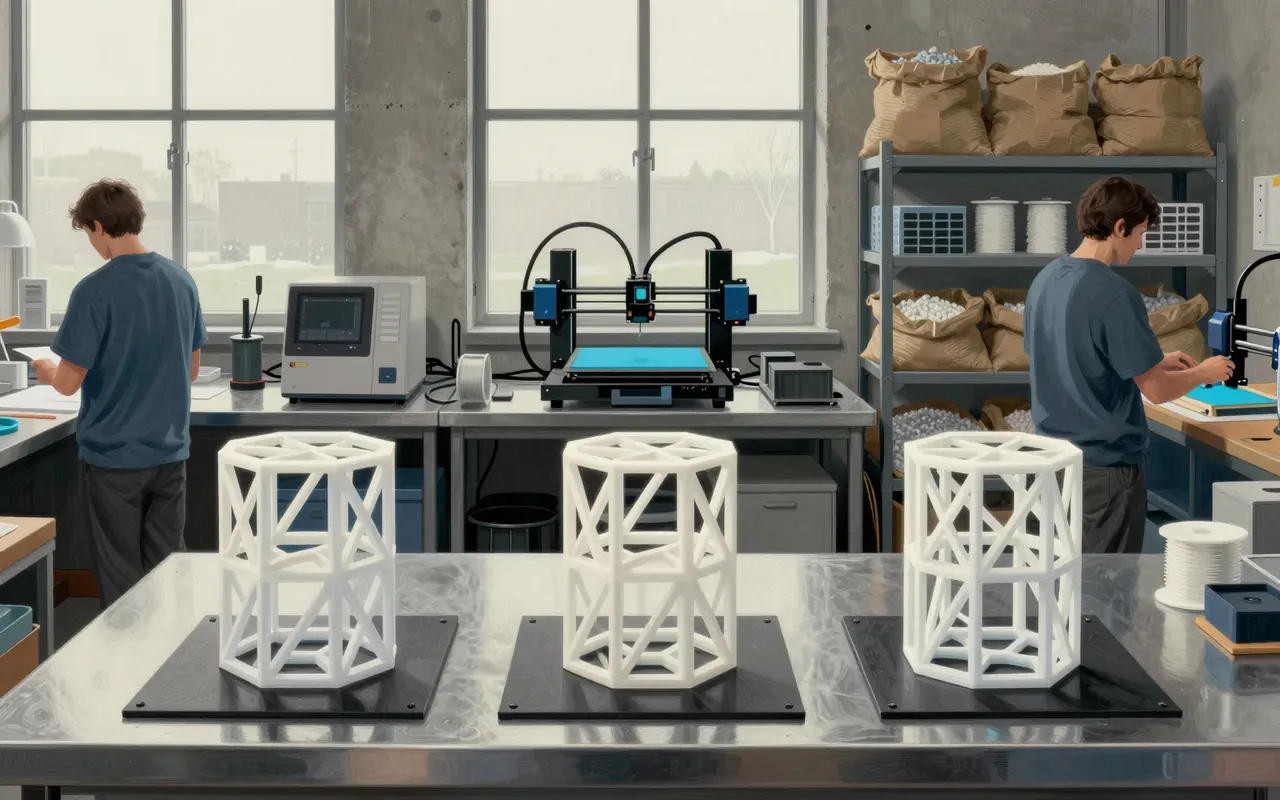
3D printing is a layer-by-layer fabrication method rooted in Chuck Hull’s 1984 stereolithography patent. It evolved from rapid prototyping in the 1980s into an industrial production option by 2019. Its real advantage is enabling previously impossible geometries—like hollow or truss-structured parts—that cut weight and waste. Fused deposition modeling (FDM) was the most common process as of 2020. It does not replace conventional manufacturing at scale. It does not solve material consistency, certification, or throughput problems. Its impact is precise, not pervasive.


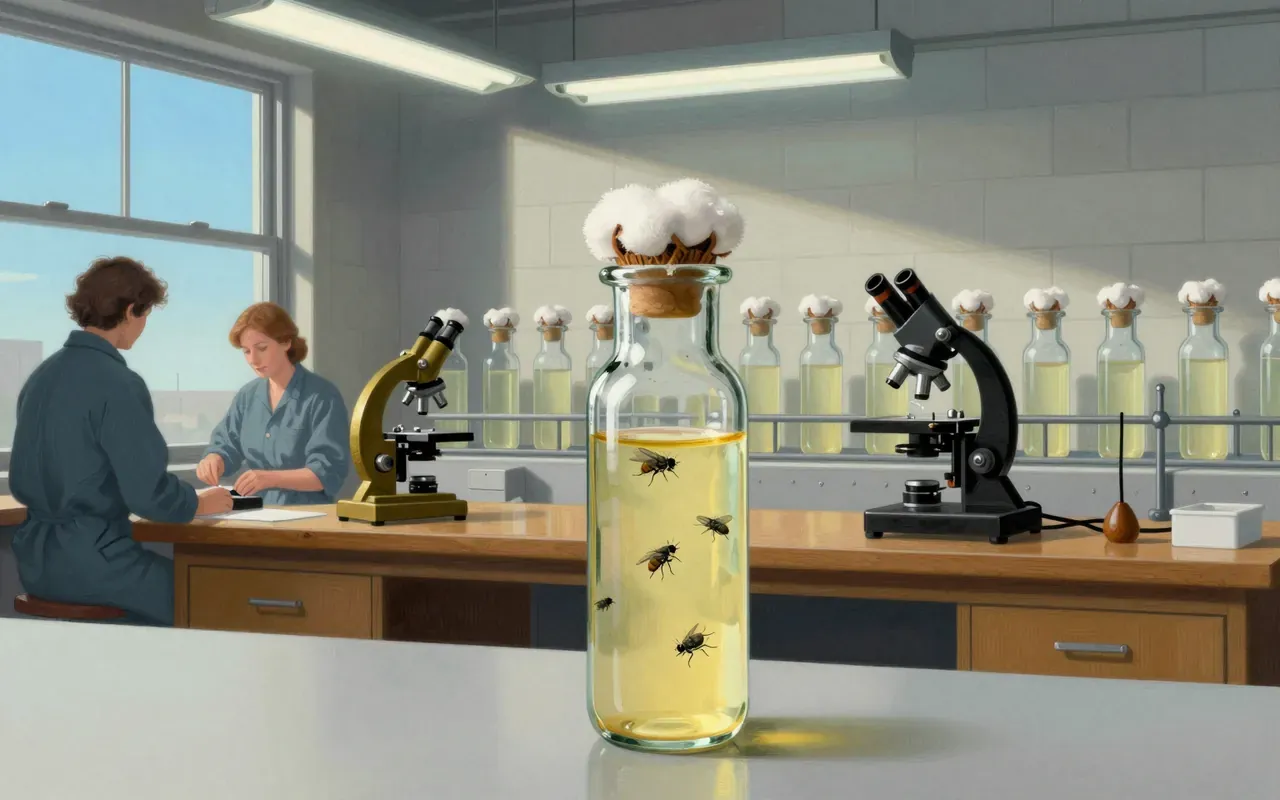



The 1975 hybridoma technique solved one problem: how to make unlimited quantities of identical antibodies targeting a known antigen. It did not solve delivery, safety, scalability, or therapeutic function. Its value lies in reproducibility — not potency, not novelty of target, not clinical impact.
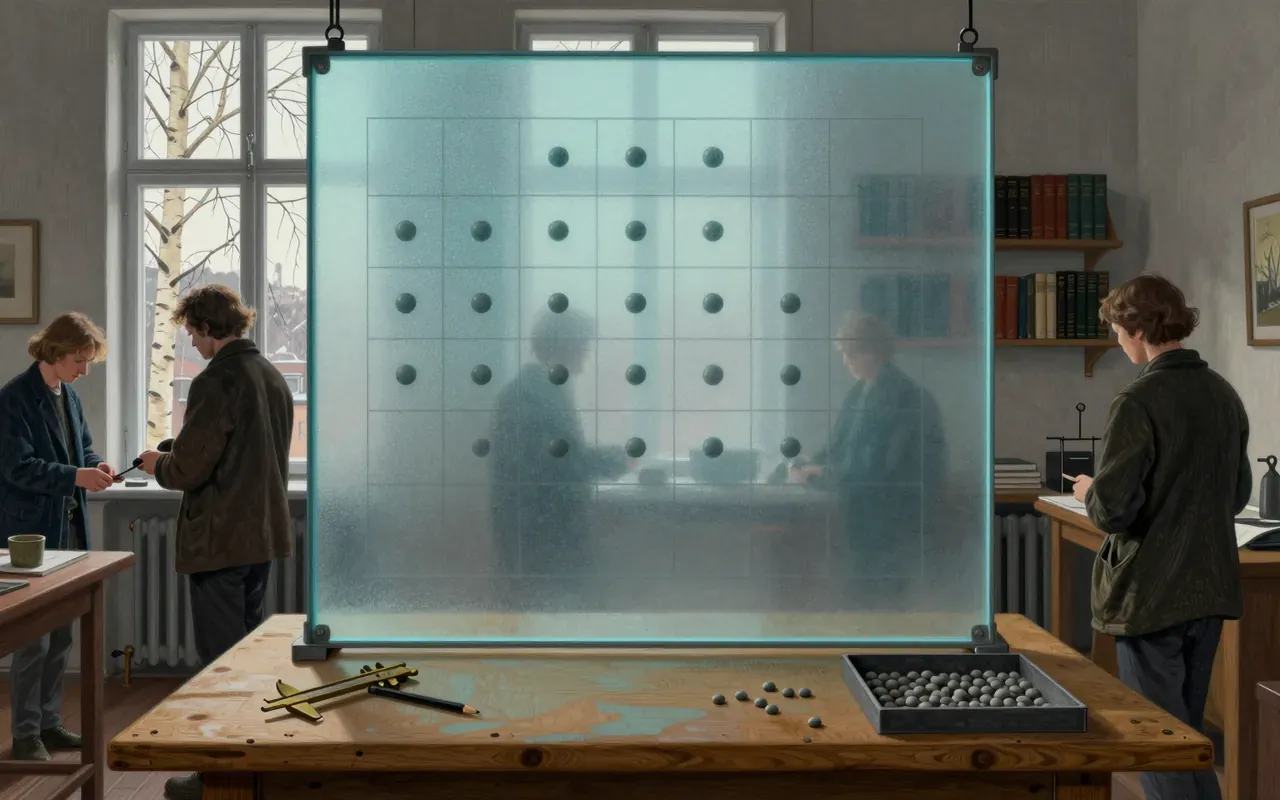

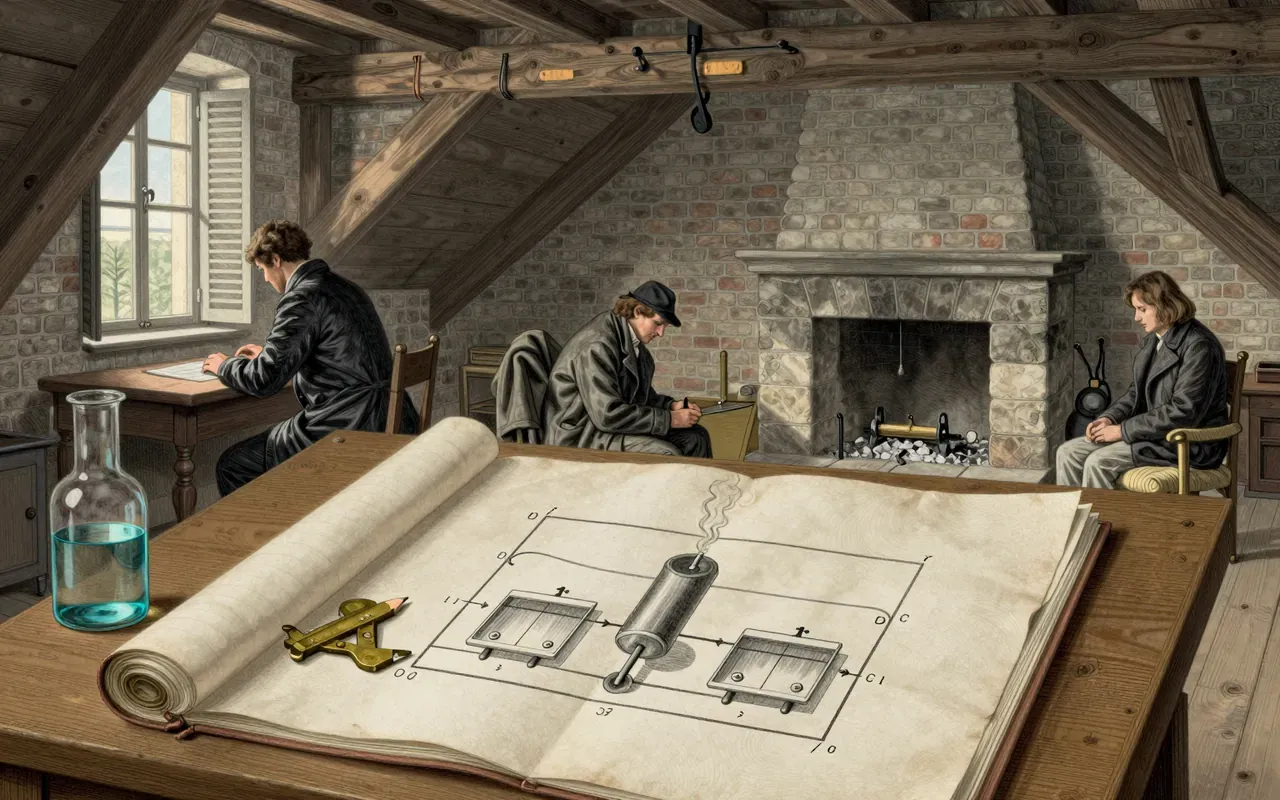

Bacon’s method is not a working protocol but a declaration of epistemic discipline: knowledge must be built stepwise from particulars, anchored in observation, and guarded against the Idols of the mind. Its power lies in its framing—not its execution.


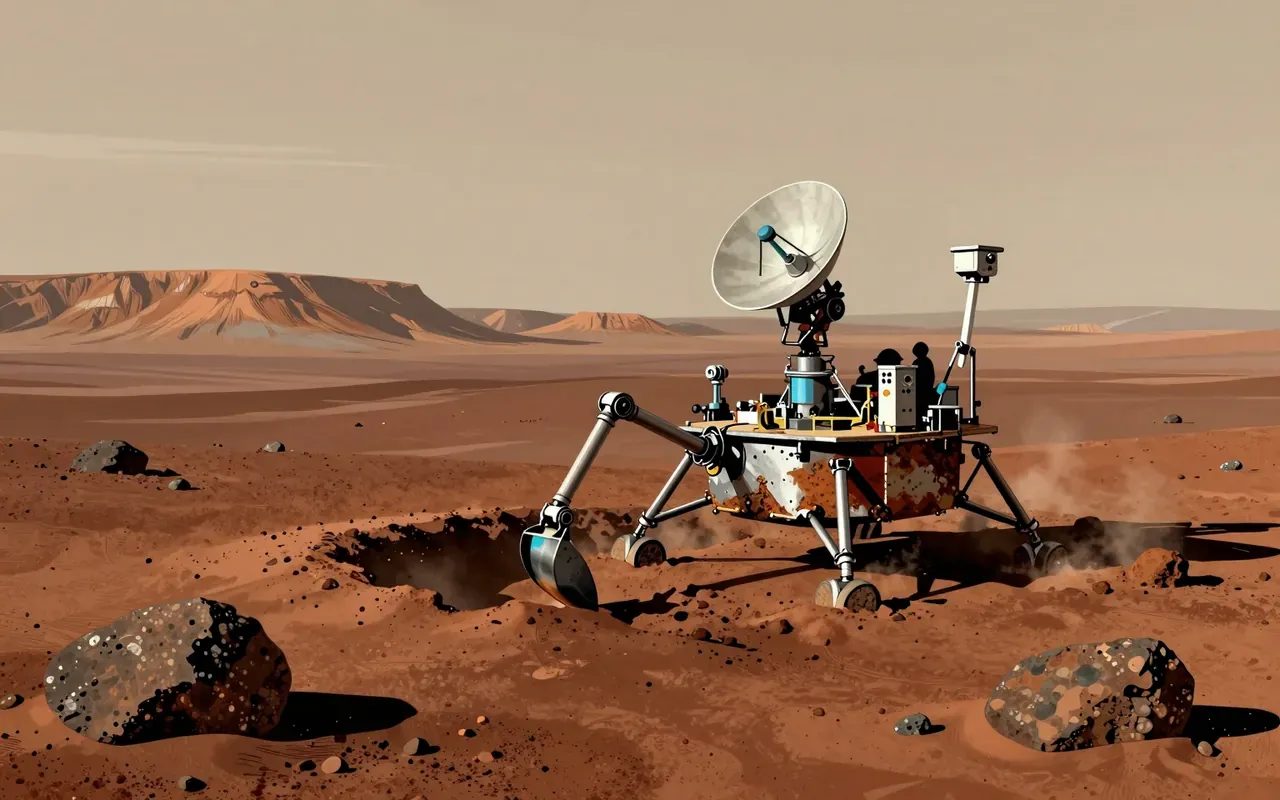
The Viking lander biological experiments were a suite of four in situ tests conducted in 1976 by the Viking 1 and Viking 2 landers to detect microbial life on Mars. The experiments—Gas Chromatograph–Mass Spectrometer (GCMS), Gas Exchange (GEX), Labeled Release (LR), and Pyrolytic Release (PR)—used soil samples collected by robotic arm and analyzed them under controlled conditions. While GCMS found no significant organic molecules, LR yielded positive, reproducible signals of radioactive gas release upon nutrient addition—signals that diminished or disappeared after heat sterilization or cold storage—prompting ongoing debate over whether the results indicate biological metabolism or abiotic oxidative chemistry, especially in light of later discoveries like perchlorate.


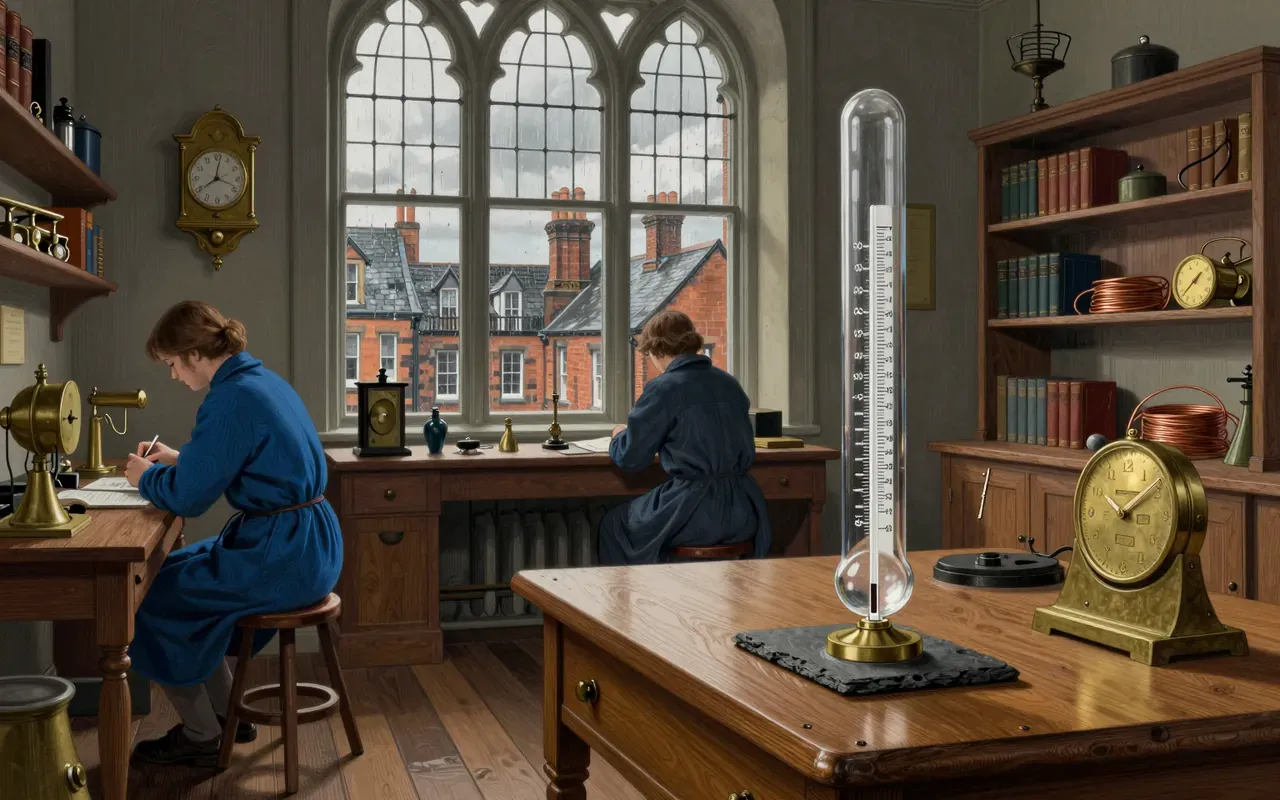

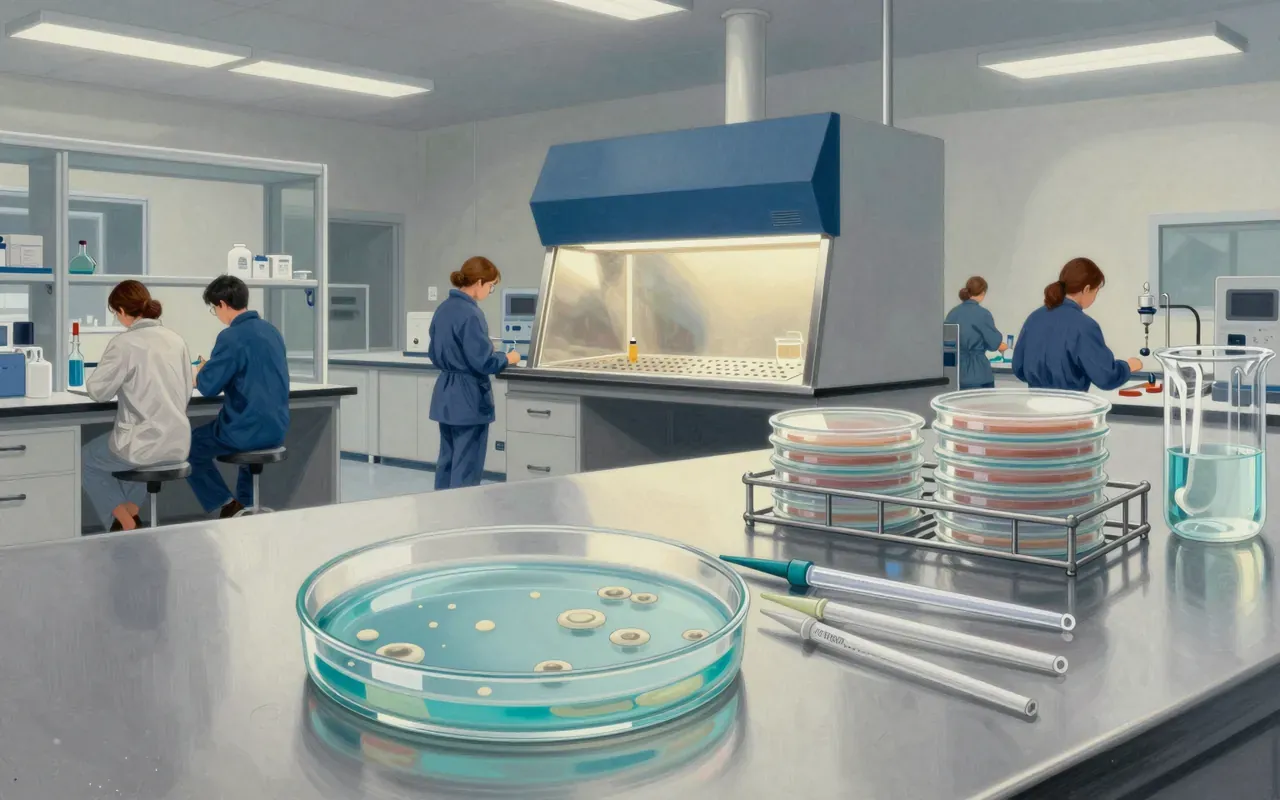
Doudna and Charpentier’s 2012 work established CRISPR-Cas9 as the first programmable, RNA-guided DNA cleavage system. It relies on Cas9 protein and a synthetic guide RNA chimera. It works in vitro. It does not demonstrate editing in living organisms or repair outcomes. It is the origin of all subsequent CRISPR applications — not a refinement, but the first functional design.
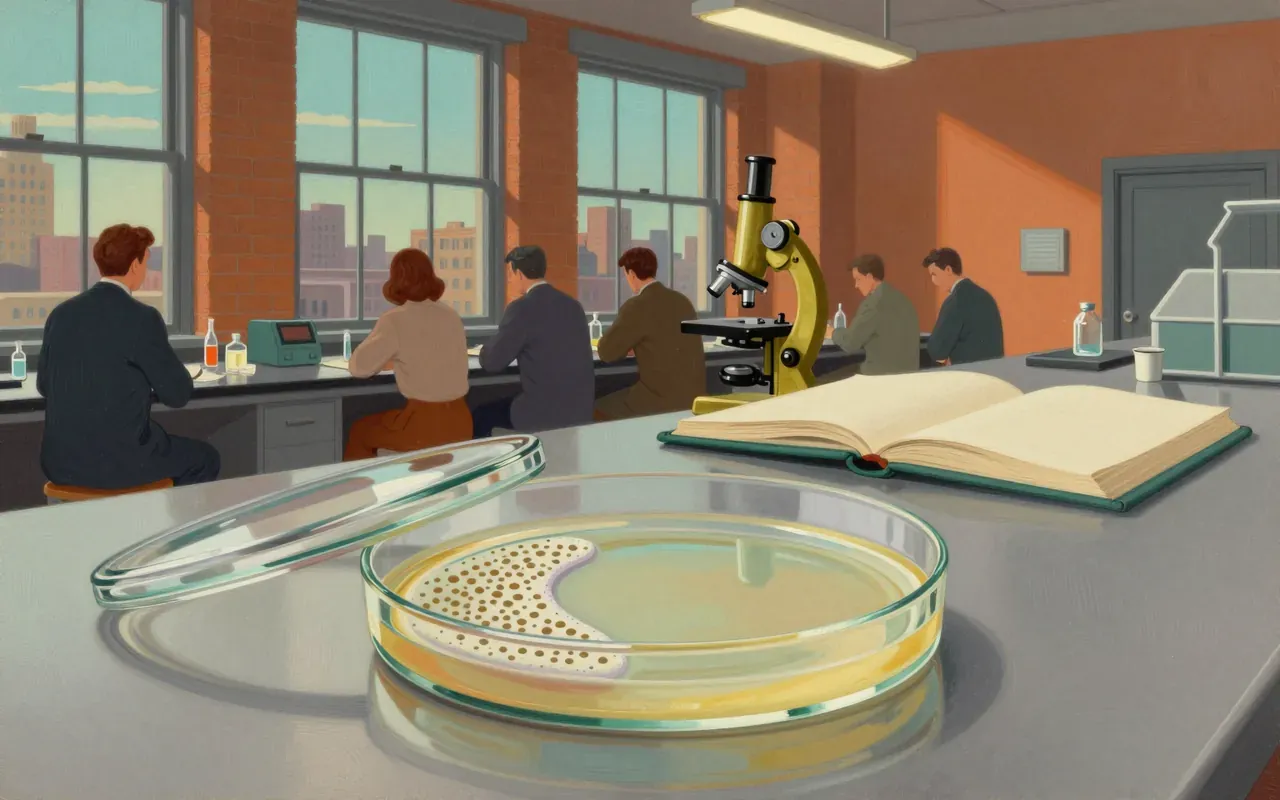
Bacteria can pick up genes from other cells by transformation, transduction or conjugation, not only by inheriting them. Lederberg and Zinder showed in 1951 that a virus could carry genes from one strain of Salmonella to another, and Lederberg's earlier work with Edward Tatum showed that E. coli can exchange genes by conjugation. The material treats the process as the main route by which antibiotic resistance spreads among bacteria.