sciencebriefs
Oldest

All briefs

561 briefs · 6515 min · 289–384 on page 4 of 6
10:19

Perovskite solar cell

Kojima, Park and others

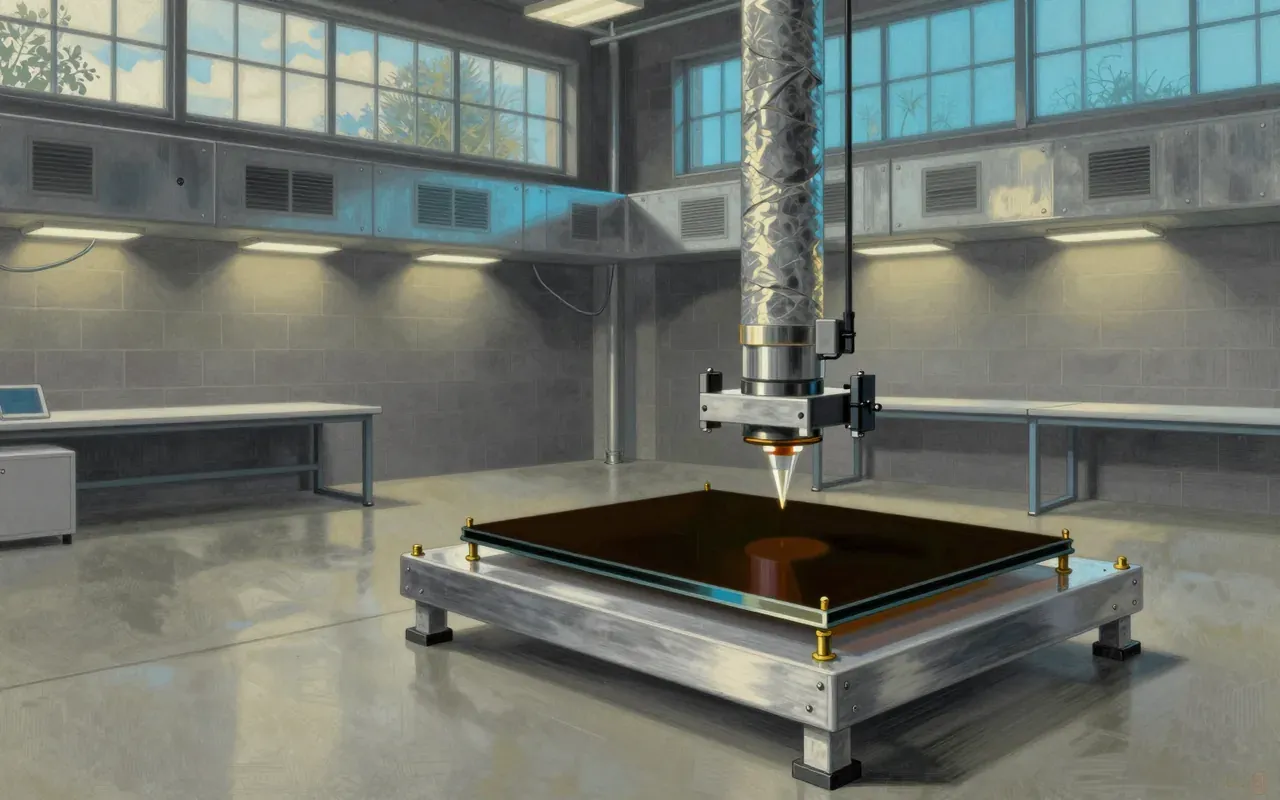
Perovskite solar cells began with CsSnI3 in a solid-state dye-sensitized architecture. They proved 3D halide perovskites could act as efficient semiconductors — not just additives — and enabled rapid efficiency gains: 3.8% to 27% (single-junction) and 34.85% (silicon tandem) between 2009 and 2025. The materials are cheap and simple to make. But no source names Kojima or Park, reports stability, or confirms real-world deployment.
13:00

Peroxisome

Peroxisomes were found almost by accident in a search for something else, and this brief follows how a small oxygen-handling organelle turned out to matter for nerve myelination and long-chain fat breakdown.
13:00

Perpetual motion

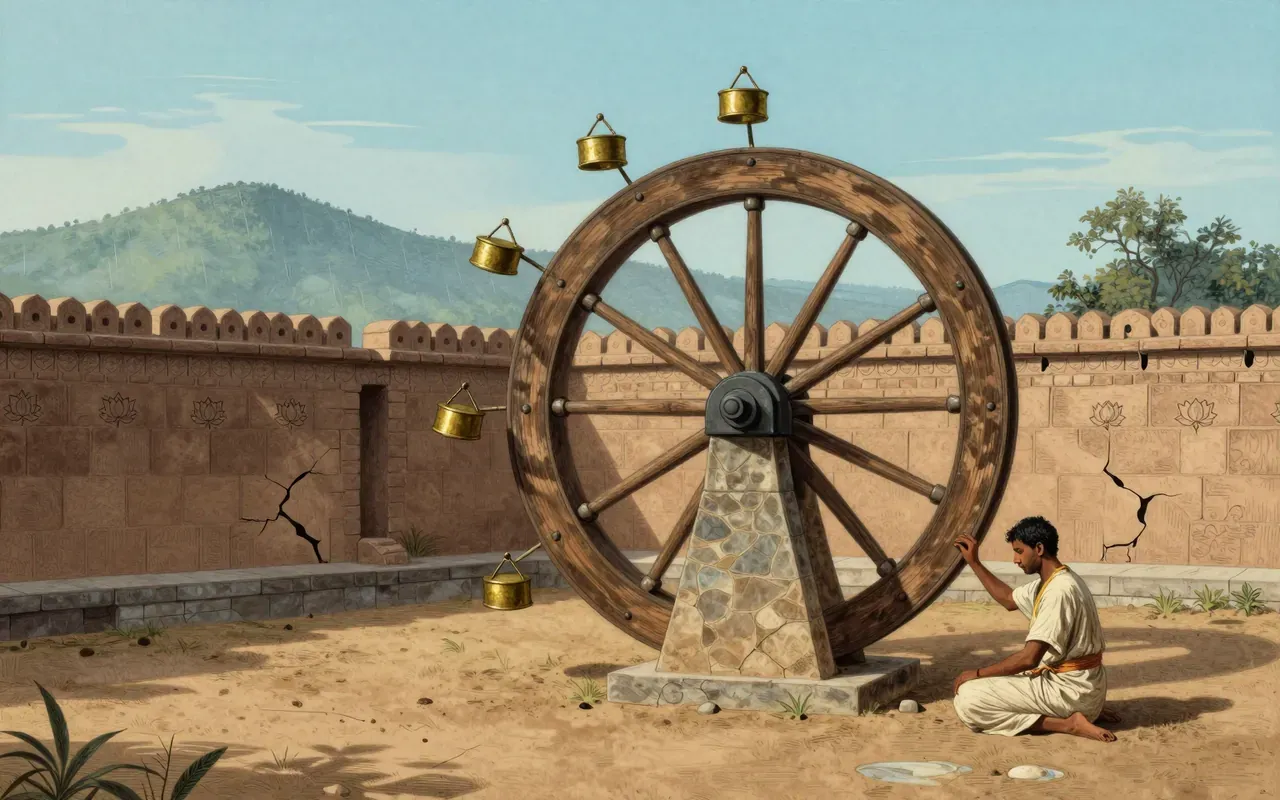
Every self-sustaining machine ever proposed, from a medieval overbalanced wheel to modern magnetic motors, runs into the same two laws of thermodynamics that patent offices now use to reject them without a hearing.
13:00

Piezoelectricity

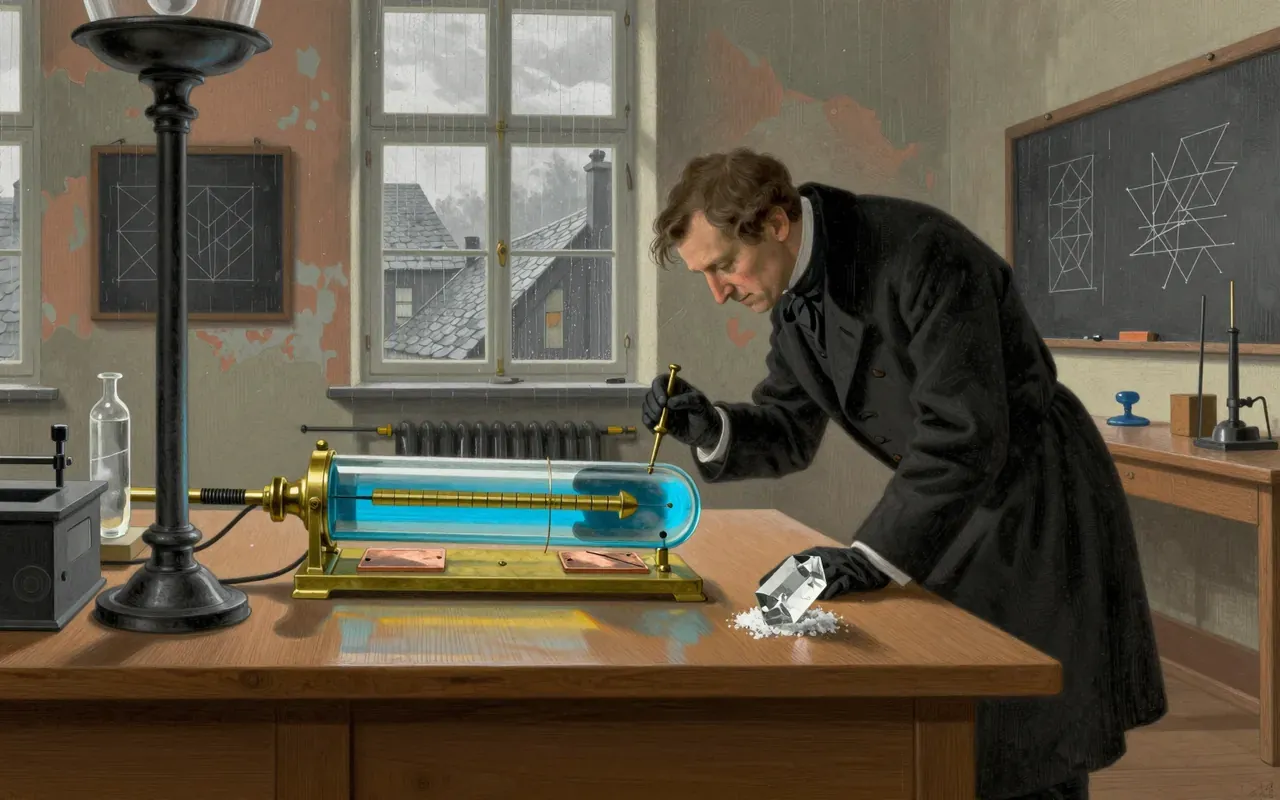
Pierre and Jacques Curie showed in 1880 that squeezing certain crystals generates a voltage, and the reverse effect their colleague predicted the following year now drives everything from sonar to quartz watches to fuel injectors.
13:00

Piltdown Man

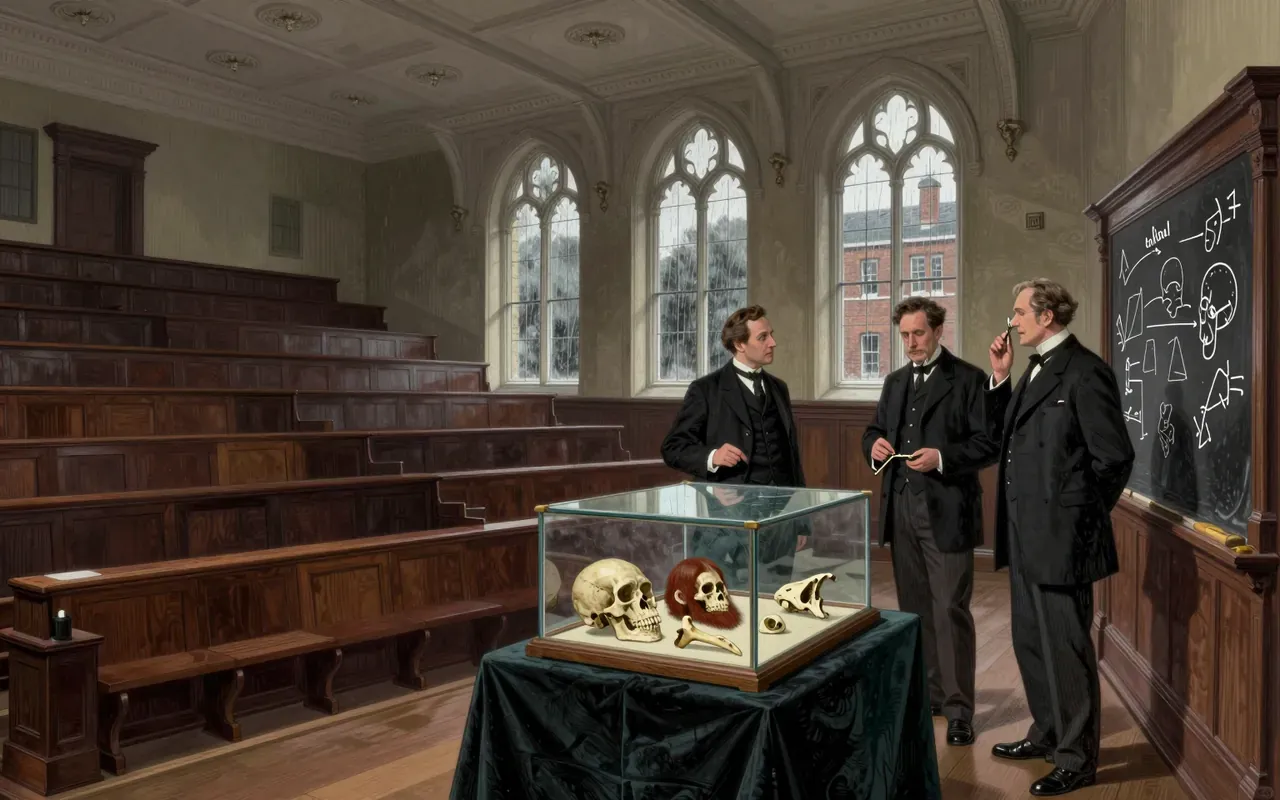
A human skull and an orangutan jaw, filed and stained to look ancient, passed as the missing link for forty-one years because they told British science exactly the evolutionary story it expected to hear.
13:00

Black-body radiation

Classical physics predicted a heated object should radiate an unlimited amount of energy at high frequencies, measurements showed it does no such thing, and Max Planck's 1900 fix, a trick he did not even believe in at first, opened the door to quantum theory.
13:00

Planck postulate

To make his 1900 blackbody radiation law work, Max Planck assumed energy could only be emitted in fixed units, a device he called a formal assumption and did not believe was physically real.
13:00

Plant hormone

Plants have no glands and no circulatory system, yet every cell can make its own hormones, and this brief follows how at least nine separate signal classes coordinate growth without either of those animal-style tools.
13:00

Seafloor spreading

A Canadian geologist worked out the same explanation as two Cambridge researchers in 1963, but his paper was rejected twice, and the idea now carries only their names in its title.
13:00

Polymerization

Hermann Staudinger's macromolecule hypothesis, once dismissed by his own field, is the reason polymerisation is understood as chains of covalently linked units rather than clusters of small molecules stuck together.
13:00

Polymerase chain reaction

Thirty cycles of heating and cooling turn one strand of DNA into roughly a billion copies. The method came from Kary Mullis in 1983 and won a Nobel Prize; his later claims about HIV and AIDS did not come from the same place and should not borrow its authority.
13:00

Positron emission tomography

PET scanning images metabolic activity rather than anatomy, by catching the paired gamma rays a positron tracer produces on annihilation — a physical trick that took decades, and Michel Ter-Pogossian's team, to turn into a working scanner.
13:00

Prime editing

David Liu's lab built a gene editor that writes new DNA directly into place without cutting both strands, and by 2025 a version of it had reportedly cleared a genetic disease from two patients' cells.
13:00

Psychrophile

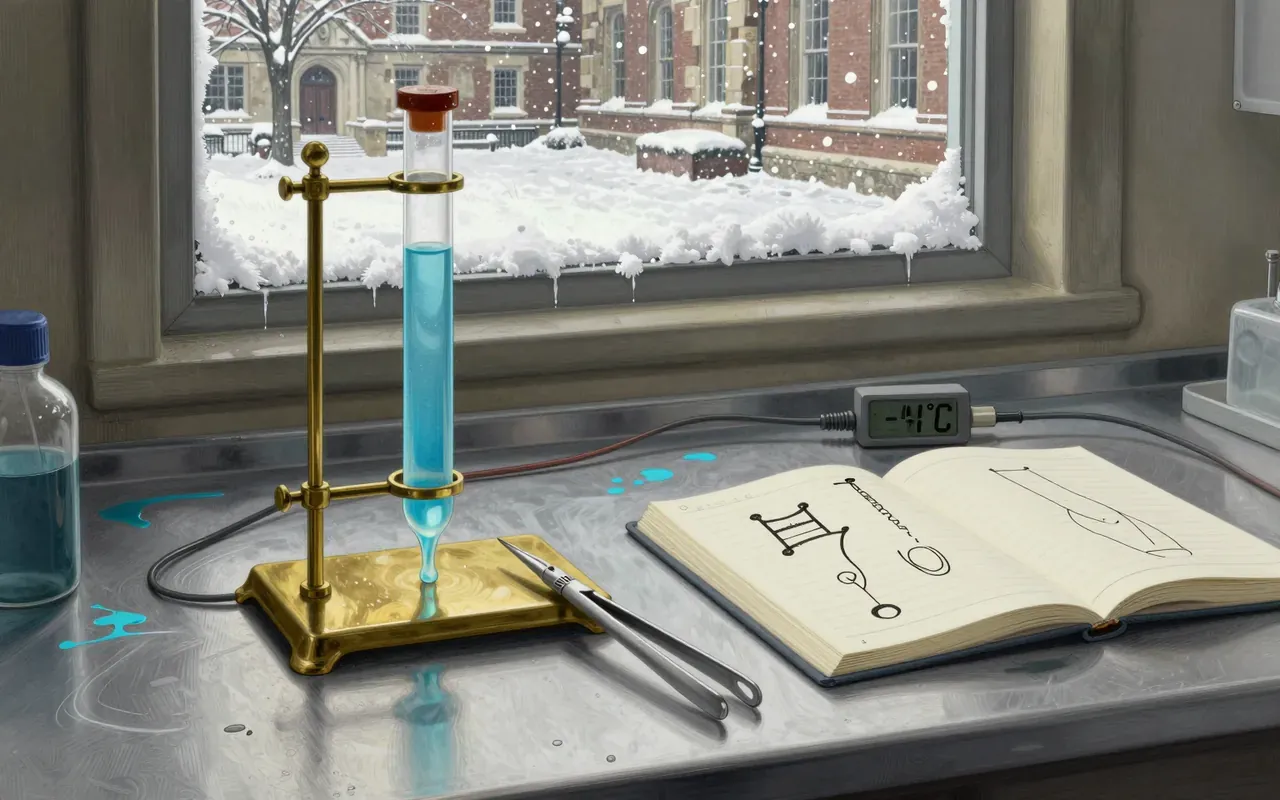
A lichen that keeps photosynthesising below freezing shows cold tolerance is not one trick but several, and this brief follows those strategies alongside a decades-old dispute over what actually counts as a true psychrophile.
13:00

Pulsar

A graduate student spotted a stubborn scrap of noise repeating every 1.33 seconds in her own radio telescope data, and the Nobel Prize for what it turned out to be went to her supervisor instead.
10:26

Punctuated equilibrium

Gould and Eldredge

Punctuated equilibrium is a descriptive claim about fossil patterns — not a mechanism, not a refutation, not a universal law. It says what is seen (stasis), what is rare (gradualism), and where change appears (cladogenesis). Its power lies in its restraint.

13:00

Quantum tunnelling

George Gamow's 1928 theory explained why alpha particles with far too little energy to climb a nucleus's confining wall still escape it, by treating the particle as a wave that can pass through a barrier it cannot classically surmount.
13:00

Molecular orbital theory

Ordinary oxygen is attracted to a magnet, a fact the older theory of chemical bonds simply could not explain. Molecular orbital theory got it right by giving up on the idea that a bond belongs to two atoms alone.
13:00

Quantum teleportation

Quantum teleportation moves the description of a quantum state between two locations using entanglement and an ordinary message, not matter or energy, and it cannot go faster than light because that ordinary message still has to arrive.
10:58

Rachel Carson

Carson didn’t need a lab to prove pesticides were biocides — she used lawsuits, sick farmers, and library stacks.
13:00

Radiocarbon dating

Willard Libby built radiocarbon dating around a half-life value later found off by three percent, an error still baked into how raw dates get reported, and this brief follows that wrinkle and everything else that must be corrected first.
13:00

Ramsey theory

At any party of six people, mathematics guarantees either three mutual acquaintances or three mutual strangers — a provable fact built on an idea so simple it dates to 1622, and one that grows, in Ramsey theory generally, into numbers too large to compute.
13:00

2019 revision of the SI

On 20 May 2019 the kilogram stopped being a chunk of metal in France and became a consequence of the Planck constant. The vote took eleven years to arrive and left a few loose mathematical ends behind.
13:00

REM rebound

William Dement's REM-deprivation experiments showed the brain pushes back when a sleep stage is withheld, and that push-back, not sleep loss in general, is what REM rebound actually measures.
10:30

Richard Feynman

Feynman didn’t explain quantum reality — he built a working language for it.
11:04

Richard Leakey

Leakey didn’t find 'human origins' — he found five fossils that pinned Homo sapiens, erectus, rudolfensis, ergaster, and aethiopicus to East Africa, nothing more.
9:12

Richard Owen

Owen didn’t discover dinosaurs — he invented the category, and got the logic right before the fossils did.
13:00

Ribozyme

In the early 1980s Thomas Cech and Sidney Altman independently found RNA molecules that catalyse chemical reactions on their own, overturning the assumption that only proteins act as biological catalysts.
10:16

Robert Hooke

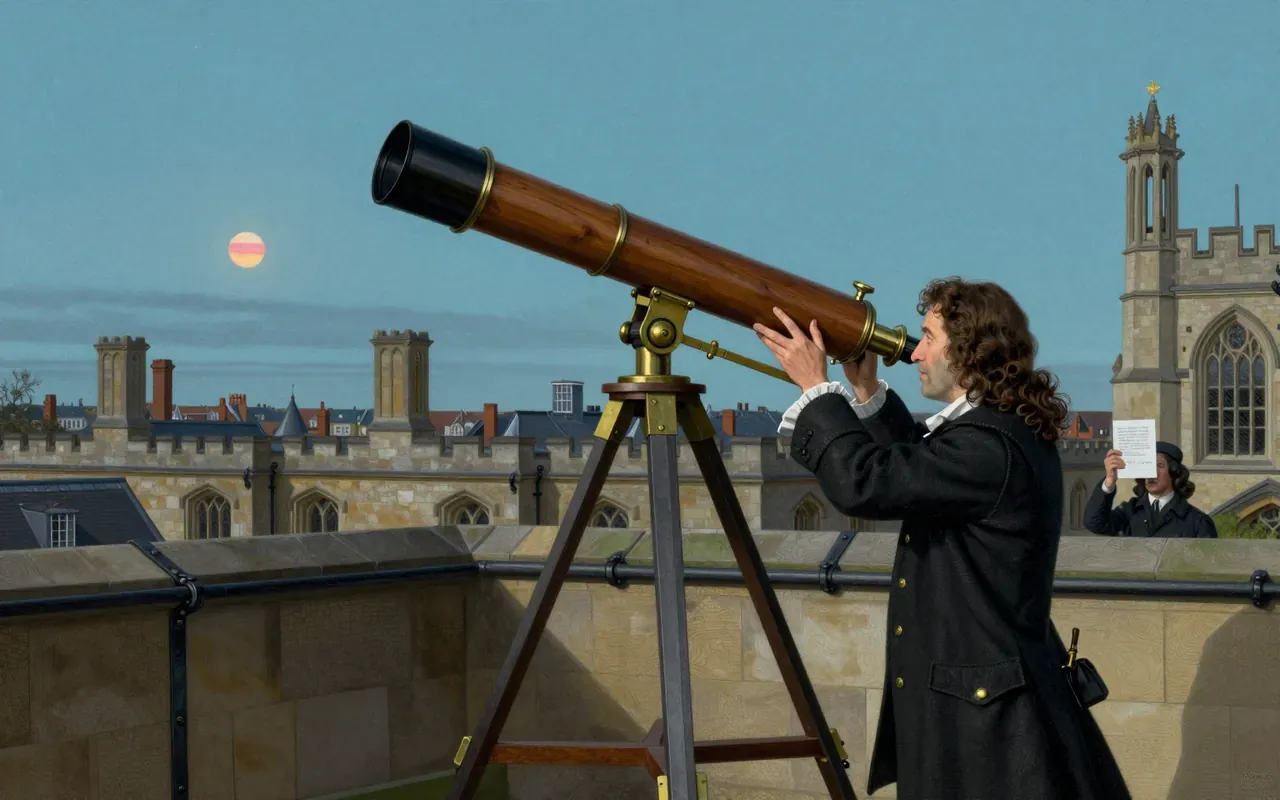
Hooke didn’t just see further — he built the lenses, drew what he saw, and named what he found.
10:08

J. Robert Oppenheimer

Oppenheimer didn’t build bombs — he built the mathematical scaffolding for quantum chemistry, nuclear physics, and black holes.
10:15

Roger Penrose

Penrose didn’t find black holes—he proved they’re unavoidable if Einstein was right.
13:00

Root nodule

A legume root sends out a chemical invitation, a bacterium curls a root hair in response, and what follows is a structure built specifically to keep oxygen away from the enzyme doing the actual nitrogen fixing, which this brief walks through step by step.
10:57

Rosalind Franklin

Franklin didn’t discover the double helix — she discovered that DNA’s shape changes with humidity, and that its backbone faces outward. Everything else was interpretation.
13:00

Photo 51

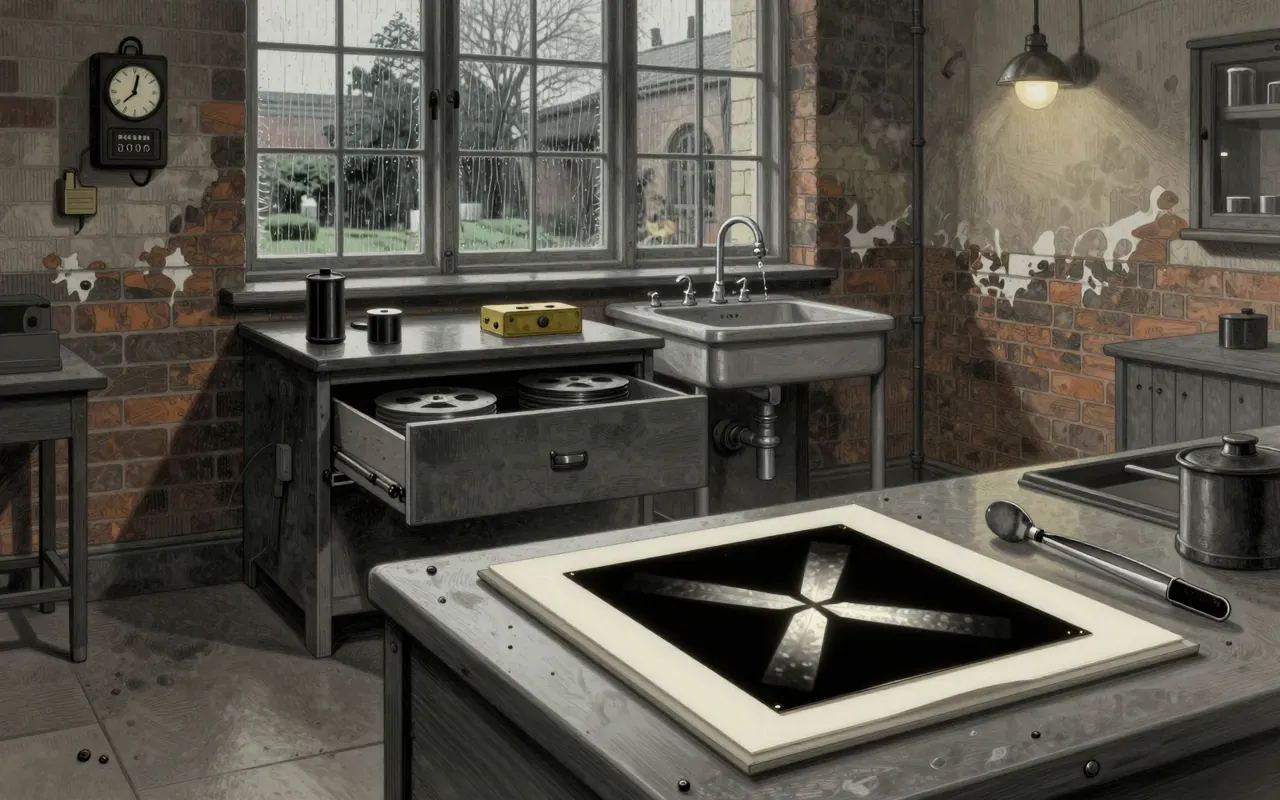
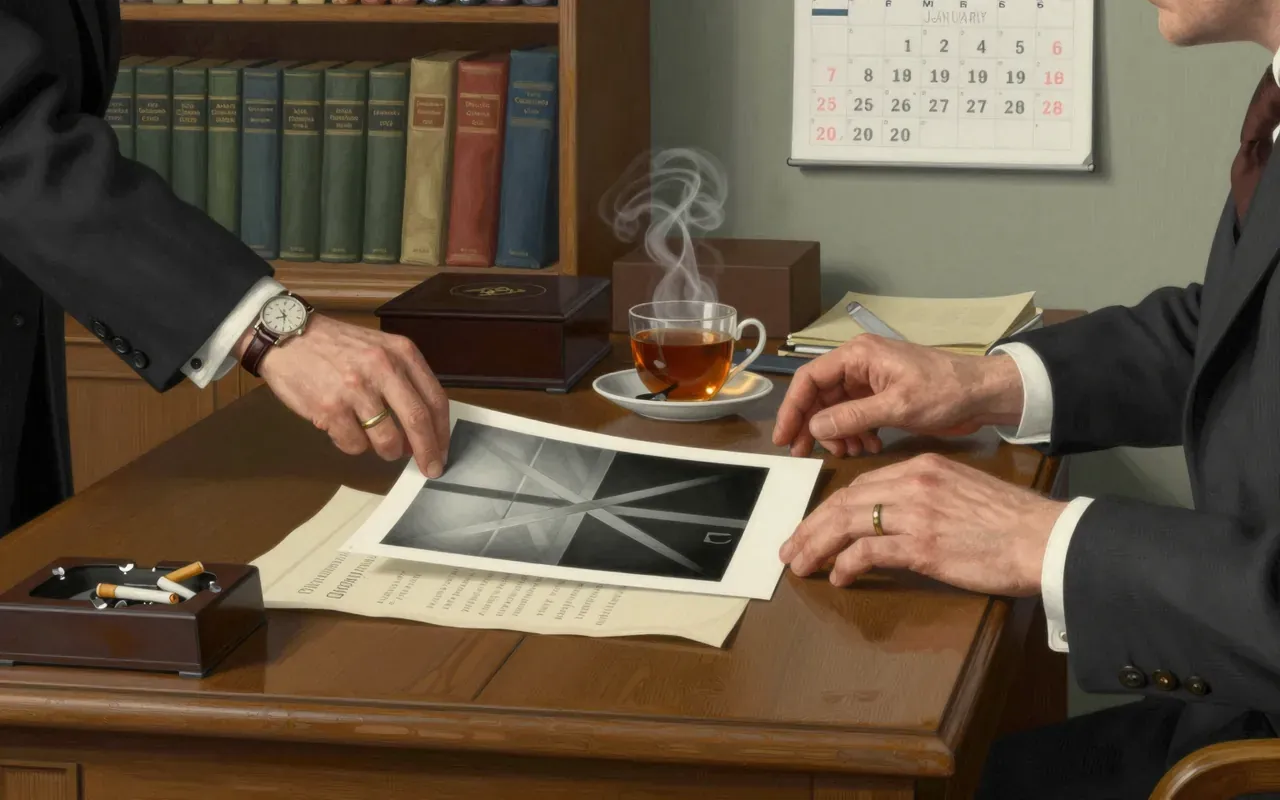
The X-ray photograph that revealed DNA's helical structure was Rosalind Franklin's, made with a camera she engineered herself, and it reached Watson and Crick's desk in 1953 through two separate acts of sharing she never agreed to.
13:00

Perceptron

A 1958 Navy press conference promised a machine that would walk, talk and think; what Frank Rosenblatt had actually built was a simple trainable classifier, and a decade later a single technical proof about it nearly ended neural-network research.
13:00

Galaxy rotation curve

Vera Rubin and Kent Ford measured how fast stars orbit at the edges of spiral galaxies and found speeds that refused to fall off with distance, evidence that most of a galaxy's mass is invisible.
13:00

Rutherford scattering experiments

In 1909 a beam of particles fired at gold foil should have passed through with barely a wobble, and the tiny fraction that bounced almost straight back instead forced physicists to accept that atoms are mostly empty space around a dense core.
13:00

COVID-19 pandemic

Confirmed COVID-19 deaths sit around seven million, but excess-mortality estimates run two to five times higher, and years on, researchers still cannot say for certain which animal carried the virus to humans in Wuhan.
13:00

Seismic wave

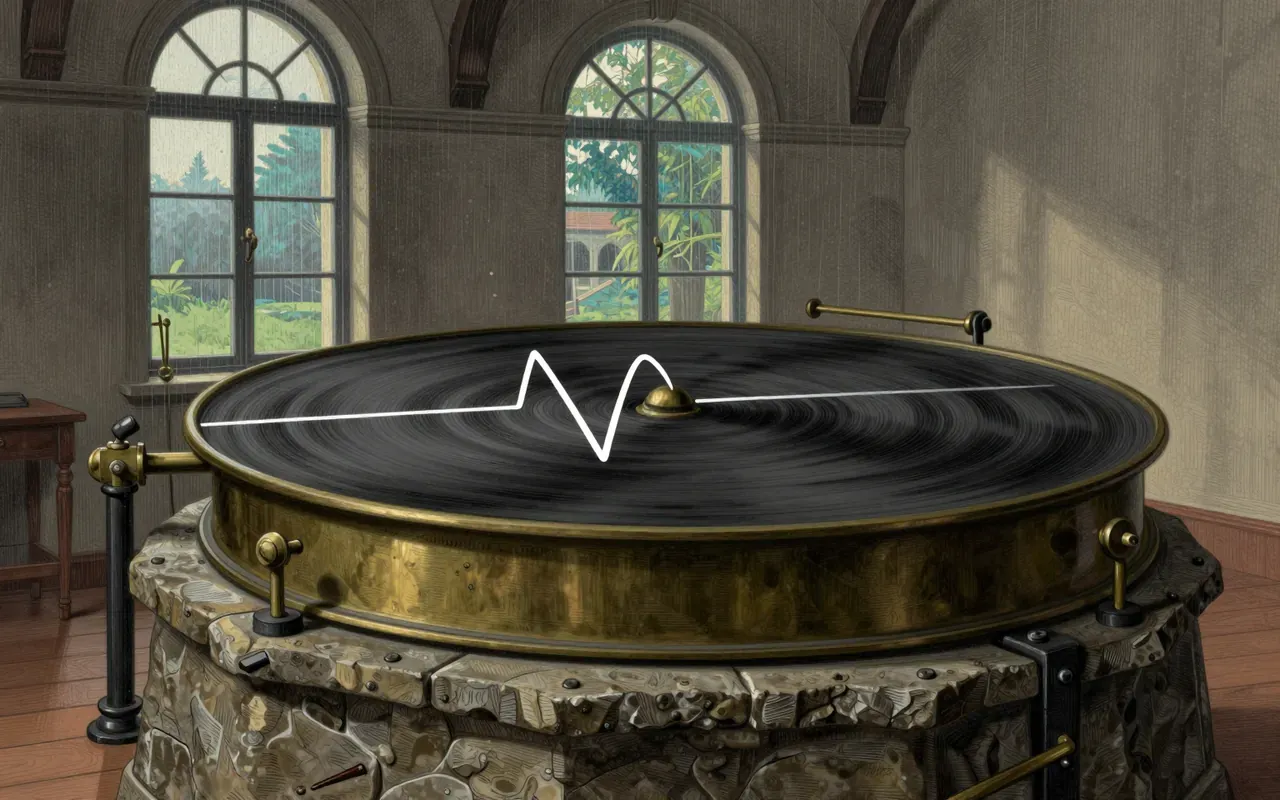
Nobody has ever drilled to the centre of the Earth. What we know of its core comes from timing how earthquake waves bend, vanish and reappear on the far side of the planet — a method Richard Dixon Oldham first made work.
10:16

Sheldon Glashow

Glashow didn’t discover particles — he built the grammar that forced them to exist.
9:44

Shor's algorithm

Shor · 1994

Shor’s algorithm is a quantum algorithm for integer factorisation, developed by Peter Shor in 1994. It runs in polynomial time in log N and places factorisation in BQP. It is asymptotically faster than the general number field sieve.

13:00

Detection theory

Signal detection theory, formalised in 1954 out of radar research and set out for psychology by Green and Swets in 1966, split a single accuracy score into two things: how well someone can actually tell signal from noise, and how readily they say yes at all.
13:00

Trypanosoma brucei

Trypanosoma brucei swaps its surface coat faster than the immune system can catch up, and this brief follows that trick from a 1901 Ugandan epidemic that killed a quarter of a million people to a single-dose drug approved a little over a year ago.
13:00

Snake venom

Snake venom is a mixture of enzymes and peptides, not a single poison, and its neurotoxins each interrupt one precise step in how a nerve signals a muscle — a mechanism well established even where the broader classification of venom types is not.
13:00

Soil microbiology

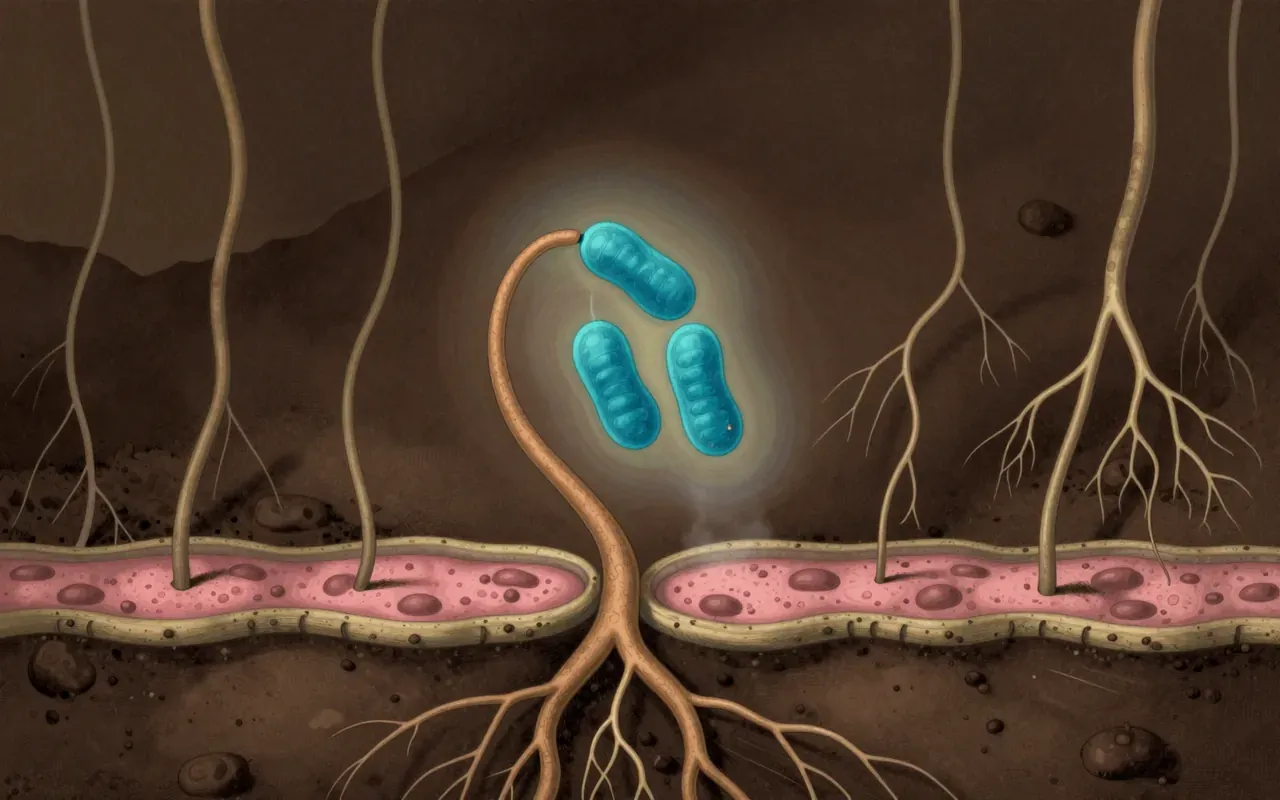
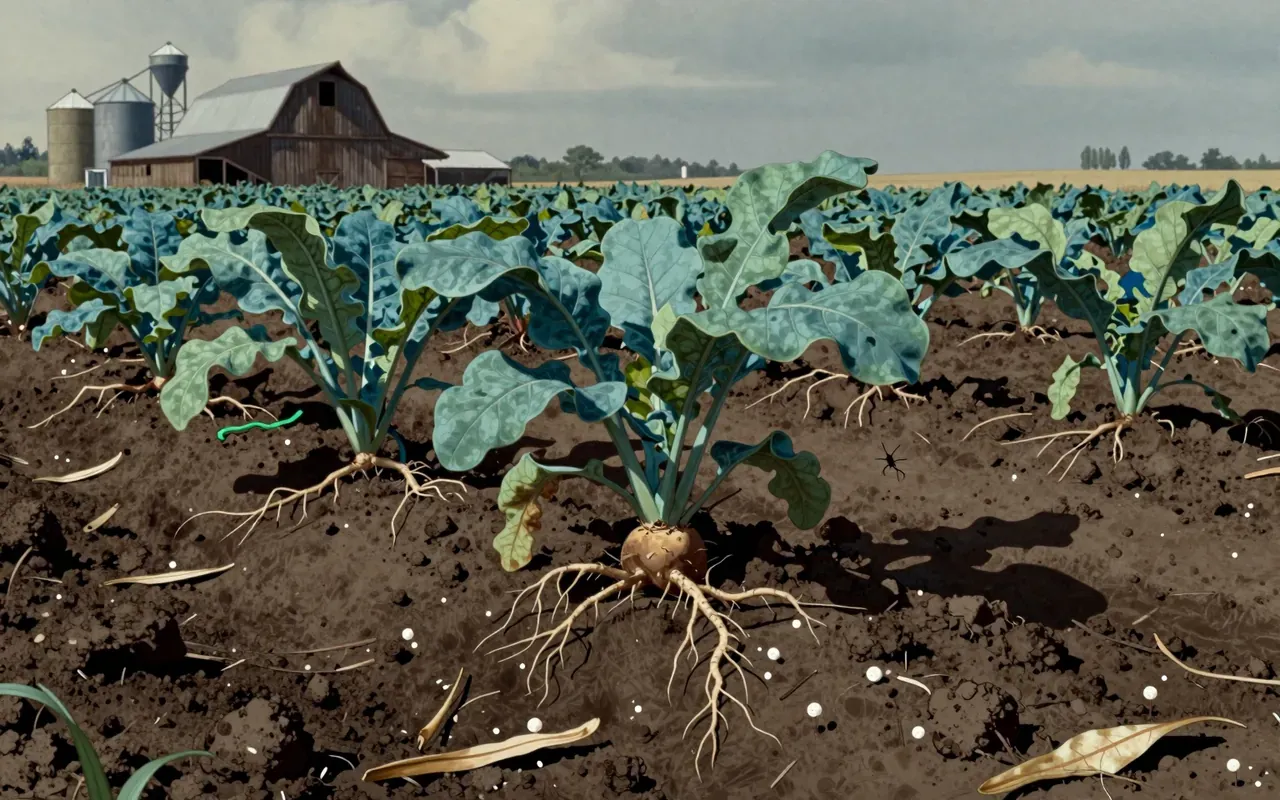
A gram of soil around a plant's roots can hold up to ten billion bacteria, and this brief follows what they do for nitrogen, the nutrient plants run short of most, alongside the industrial process that now supplies nearly a third of it artificially.
10:56

Sophie Germain

Germain’s mathematics was right where it counted—and wrong where it mattered most.
13:14

Stanford prison experiment

Philip Zimbardo

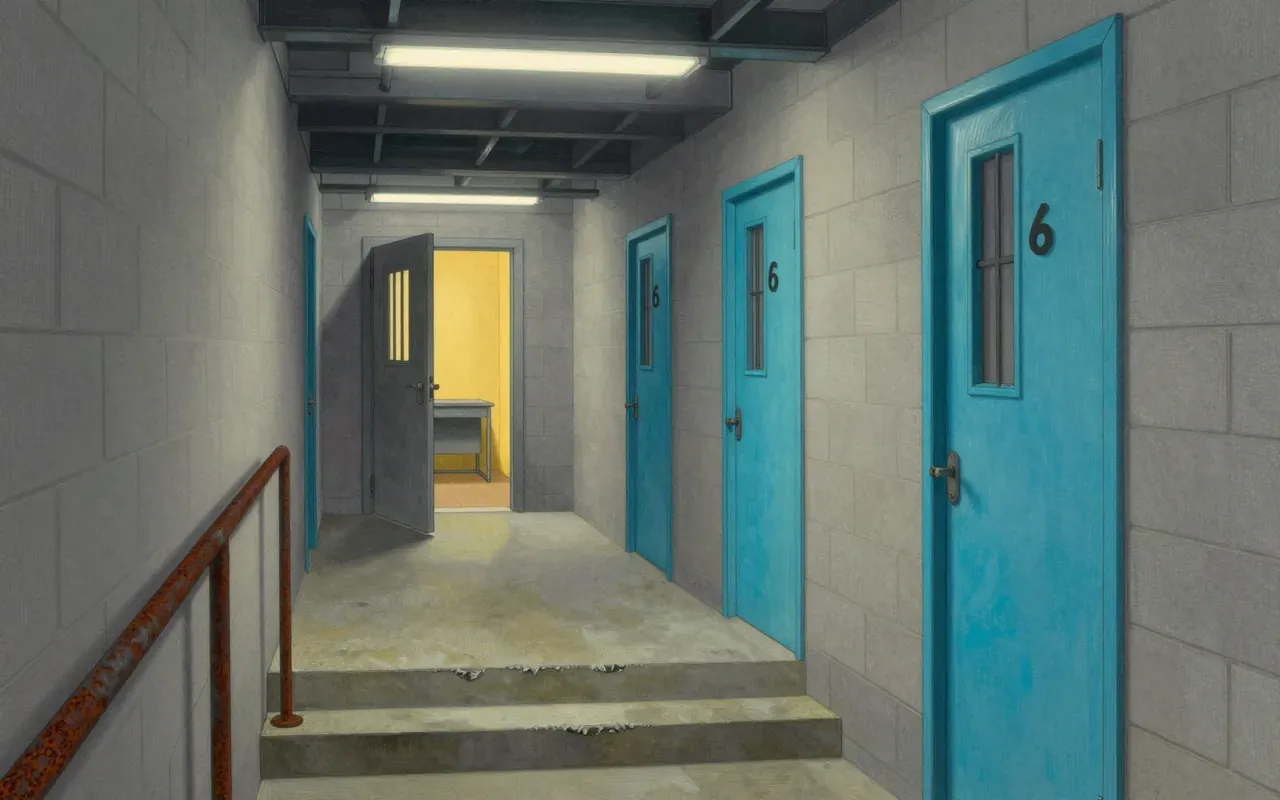
The Stanford prison experiment was a 1971 simulation study conducted by Philip Zimbardo at Stanford University, using 24 male college students randomly assigned as prisoners or guards in a mock prison in the psychology building basement. Its goal was to assess the psychological effects of role assignment, focusing on how roles, rules, symbols, group identity, and situational forces shape behavior. Results showed rapid, extreme role adaptation by both groups, leading to dangerous and psychologically damaging conditions; Zimbardo himself became immersed in his role as superintendent until intervened by Christina Maslach. The core conclusion was that situational forces can exert far greater influence on behavior than commonly recognized.
9:36

Stanley Norman Cohen

This wasn’t about curing disease — it was about making bacteria read foreign genes, copy them, and pass them on.
9:49

Stephen Hawking

Hawking didn’t prove black holes radiate—he proved they must, if quantum theory and gravity coexist at all.
10:06

Steven Weinberg

Weinberg didn’t unify forces — he made mass a consequence of broken symmetry.
13:00

Superconductivity

Three years after liquefying helium itself, Heike Kamerlingh Onnes watched mercury's electrical resistance vanish outright rather than merely fall, opening a phenomenon still not fully explained for its high-temperature cousins.
13:00

High-temperature superconductivity

A ceramic that theory said should not superconduct at all did so at 35 kelvin in 1986, and the mechanism behind it is still not fully explained nearly four decades later.
13:00

SN 1987A

A burst of 25 neutrinos arrived hours before the light from a 1987 supernova, confirming a theory of how dying stars collapse, and decades of watching the wreckage afterward has tracked the radioactive decay chains that theory says forge heavy elements.
12:20

Svante Pääbo

Human evolution wasn’t a ladder — it was a tangle of interbreeding lineages, and some of their genes are still making us sick.
10:39

Sydney Brenner

Brenner didn’t decode life — he built the syntax that made decoding possible.
8:32

Cell-mediated immunity

Cell-mediated immunity isn’t a discovery—it’s a category carved from a 19th-century conceptual split.
13:00

Ecosystem

Arthur Tansley's 1935 ecosystem concept, coined against a rival view of nature as a superorganism, turned ecology into something measurable, and now finds only four of twenty-four global ecosystem services improving.
13:00

Anthropocene

Geologists spent fifteen years deciding whether human impact deserves its own named epoch, and in 2024 formally said no, even as the biodiversity losses the term describes continue to be measured and debated.
8:32

Antikythera mechanism

The Antikythera mechanism proves ancient Greeks built analogue computers — not myth, not reconstruction, but physical evidence.
13:00

Alvarez hypothesis

The Alvarez team's 1980 iridium anomaly predicted a hidden asteroid crater, confirmed a decade later at Chicxulub, turning the dinosaurs' extinction from vague speculation into a dated, physically evidenced event.
13:00

Axiom of choice

In 1904 Ernst Zermelo introduced a rule letting mathematicians pick one item from each of infinitely many sets, with no procedure for how, purely to prove a separate theorem — strange enough to prove a ball can be split and reassembled into two of the original size.
10:38

Barometer

Torricelli didn’t discover air pressure—he killed the idea that nature abhors a vacuum.
13:00

Solar cell

In 1954 Bell Labs built a silicon cell that converted sunlight to electricity roughly six times better than anything before it, and then spent the next two decades discovering that solving efficiency was the easy half of the problem.
8:40

Blood–brain barrier

Paul Ehrlich

Ehrlich’s intravenous dye experiments revealed selective absence of brain staining — but he misinterpreted it as passive under-uptake. His student Goldmann’s 1913 intracerebrospinal injection proved compartmentalization. The barrier was attributed to blood vessels, not a membrane. Ehrlich never believed in it. The term came later, from Lina Stern.

11:03

British Doctors Study

A single mail-out to British doctors in 1951 settled the smoking debate — but only for men, and only for death.
9:13

Burgess Shale

The Burgess Shale doesn’t prove an ‘explosion’ — it’s the only place where we can see what exploded.
13:00

Caesium standard

Since 1967 the second has been defined by a fixed count of caesium-133 oscillations, a standard that still runs GPS and global timekeeping even though optical clocks have already surpassed it in precision.
9:30

Calvin cycle

Calvin

The Calvin cycle is the first experimentally mapped biochemical pathway for carbon fixation. It established the sequence of carbon-containing intermediates using carbon-14 labelling in algae. It did not characterise enzymes, kinetics, or regulation. Its power lies in its direct, empirical tracing — not theoretical elegance.

11:05

Central dogma of molecular biology

Francis Crick

Crick’s central dogma is a precise, unidirectional constraint on sequential information transfer — not a summary of known pathways. It was proposed theoretically, refined formally in 1970, and immediately misrepresented. Its endurance lies not in experimental confirmation but in its utility as a boundary condition: what molecular biology *cannot* do.

13:00

Challenger Deep

The Trieste's 1960 dive to the Challenger Deep proved crewed vessels could survive Earth's deepest ocean point, though its famous fish sighting there is no longer considered valid by later authorities.
11:03

Church–Turing thesis

Alonzo Church and Alan Turing

The Church–Turing thesis is not a theorem but a foundational assumption — one that equates human-effective calculation with machine computation. It holds because no counterexample exists, not because it is proven. Its endurance is its strength — and its limitation.

13:00

Cold fusion

Two respected electrochemists announced room-temperature fusion at a press conference before publication, and within six weeks most of the physics community had rejected the claim outright.
13:00

Colossus computer

Tommy Flowers built Colossus on a bet that thousands of valves could run reliably where convention said hundreds was the limit. It worked, breaking Lorenz traffic through the war's final years — then vanished into thirty years of secrecy.
13:00

Space Shuttle Columbia disaster

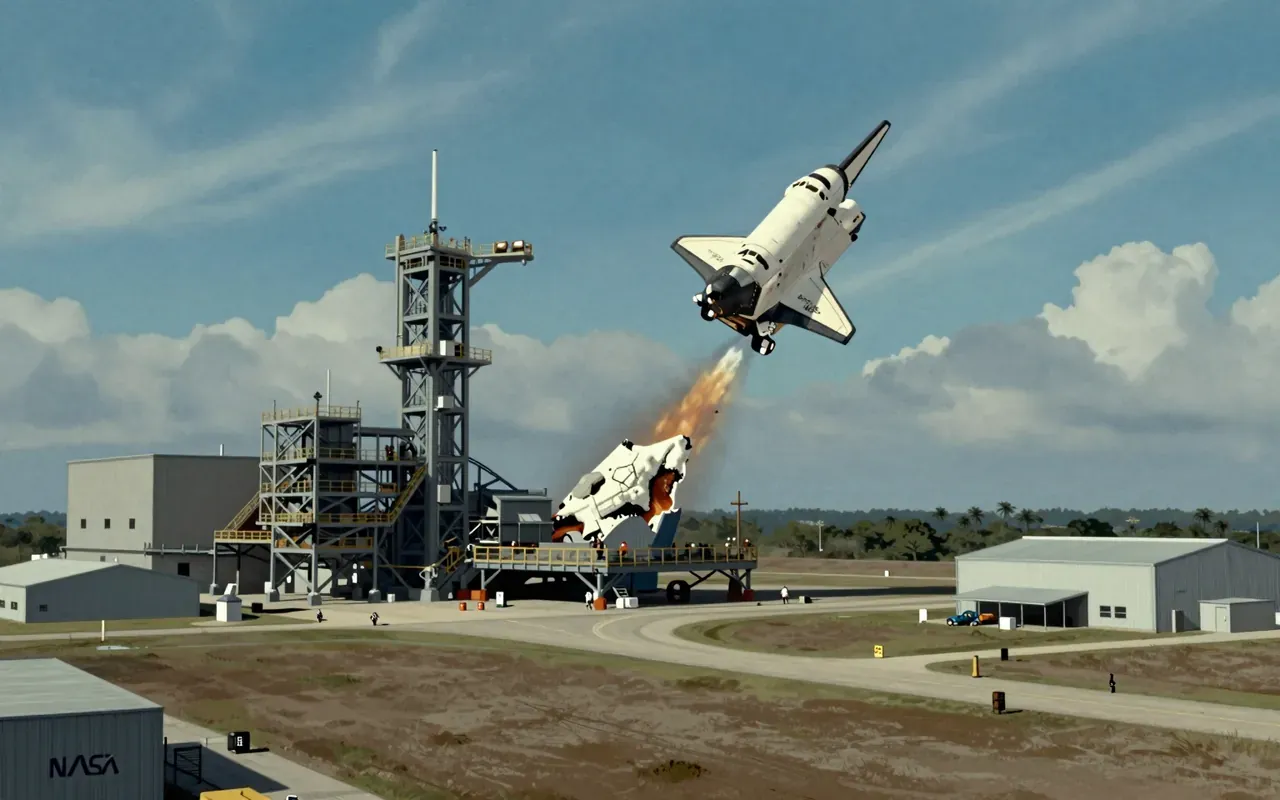
A briefcase-sized piece of foam had fallen off shuttle tanks six times before without incident, so when it struck Columbia's wing on launch, NASA managers treated the seventh strike as routine rather than as a threat.
13:00

Complement system

The complement system was named for what it does to other parts of immunity, not for anything it does alone, and this brief follows about fifty blood proteins from an 1888 anthrax experiment to their newly found role trimming synapses in the brain.
13:00

Confocal microscopy

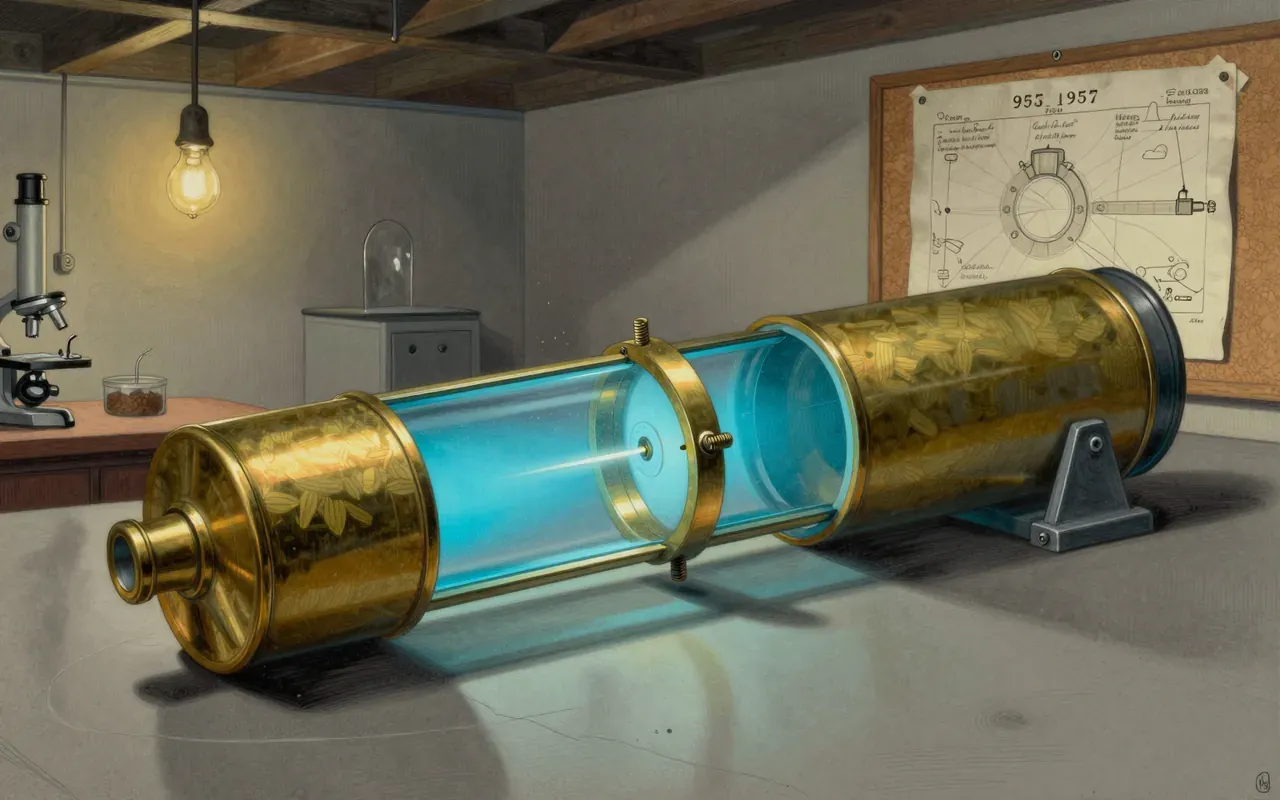
Marvin Minsky patented a microscope in 1957 that could see one thin layer of a sample sharply by blocking out all the light from everywhere else, and then the idea sat almost unused for thirty years because no light source was strong enough to make it work.
13:00

Continuum hypothesis

Georg Cantor believed, and spent years failing to prove, that no set's size sits strictly between the integers and the real numbers — a question later shown by Gödel in 1940 and Cohen in 1963 to be neither provable nor disprovable from mathematics' own standard axioms.
13:00

Copernican heliocentrism

Copernicus's 1543 heliocentric model was neither more accurate nor simpler than the system it challenged, and it took Kepler's ellipses and Galileo's telescope, decades later, to actually settle the argument.
13:00

Large-scale structure of the universe

Mapping galaxy positions in three dimensions revealed a vast web of filaments and voids, a structure dark-matter simulations had already anticipated, though the largest structures found still test how uniform the universe is supposed to be.
13:00

Covalent bond

Lewis drew two dots between atomic symbols in 1916 and called it a bond. Pauling spent the next two decades giving that drawing a quantum-mechanical foundation, then later applied the same confident certainty to a vitamin C cancer claim a 1982 re-evaluation could not support.
13:00

Cryo-electron microscopy

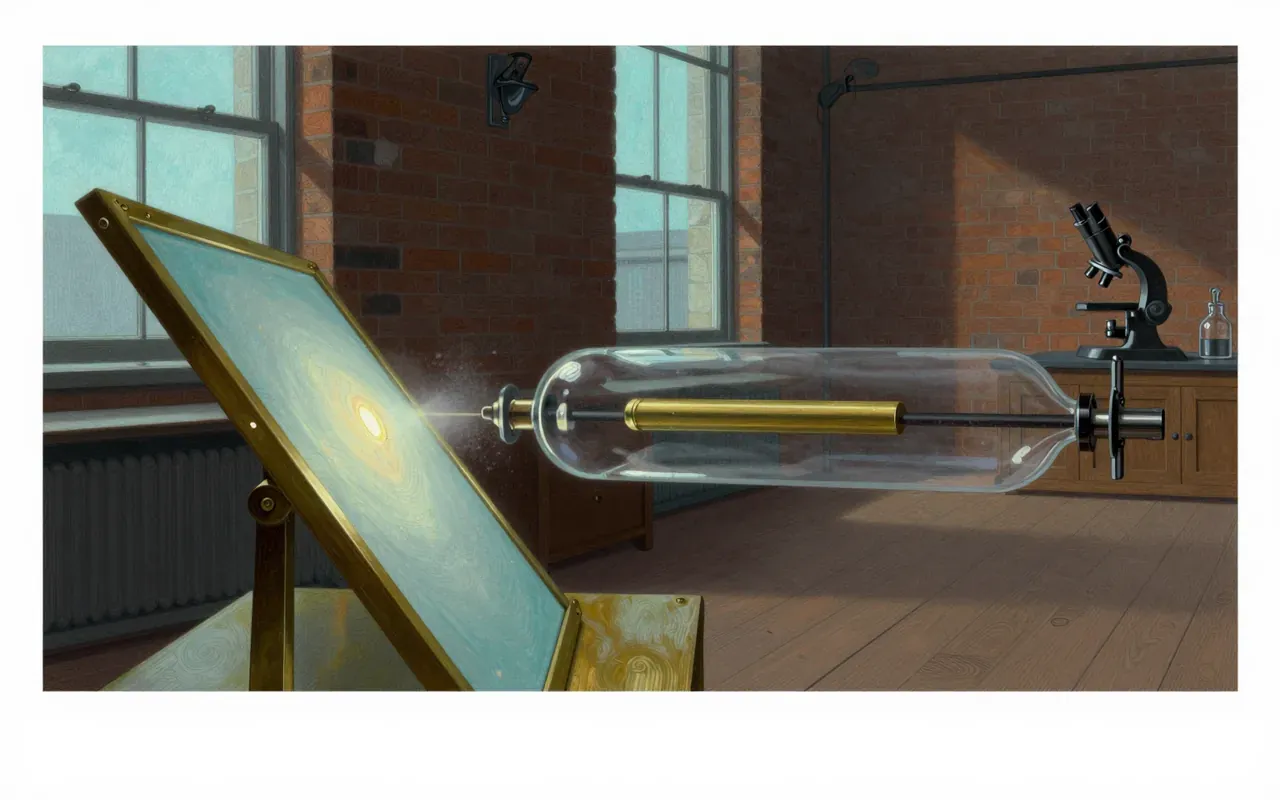
Freezing biological molecules in place fast enough to stop ice crystals forming let electron microscopes see proteins as they actually sit in solution, ending structural biology's dependence on crystallisation.
13:00

CT scan

Godfrey Hounsfield built a scanner from an idea on a country walk; Allan Cormack had already worked out the mathematics years earlier without knowing anyone intended to build the machine.
9:52

Dartmouth workshop

The Dartmouth workshop didn’t build AI — it invented the idea that AI could be built.
13:00

Higgs boson

The 2012 discovery at CERN's Large Hadron Collider confirmed, at five-sigma significance, the particle that three groups of theorists had predicted in 1964, closing the last open piece of the Standard Model of particle physics.
13:00

51 Pegasi b

In 1995 two Geneva astronomers measured a small, regular wobble in a distant star's light and found a giant planet closer to its star than any theory expected, opening the search for exoplanets and forcing a rethink of how planets form.
13:00

Adult neurogenesis

In November 1998 Peter Eriksson and Fred Gage reported that the adult human brain does, after all, grow new neurons, overturning decades of dogma that people are born with a fixed supply — a claim a prominent 2018 study concluded may not hold in adults at all.
13:00

Penicillin

Alexander Fleming's 1928 observation that a stray mould killed his bacterial cultures sat mostly ignored for a decade until Howard Florey and Ernst Chain turned it into the first mass-produced antibiotic.
13:00

Benzene

Kekulé's 1865 ring solved a real structural puzzle using real isomer counts. The story that a dream of a snake biting its tail handed him the answer came twenty-five years later, and historians now think he may have invented the anecdote rather than remembered it.