Blood type
In 1900 and 1901 Karl Landsteiner mixed blood from his colleagues and found it clumped in a consistent pattern, revealing the ABO blood groups that explained why transfusions had so often killed patients before.












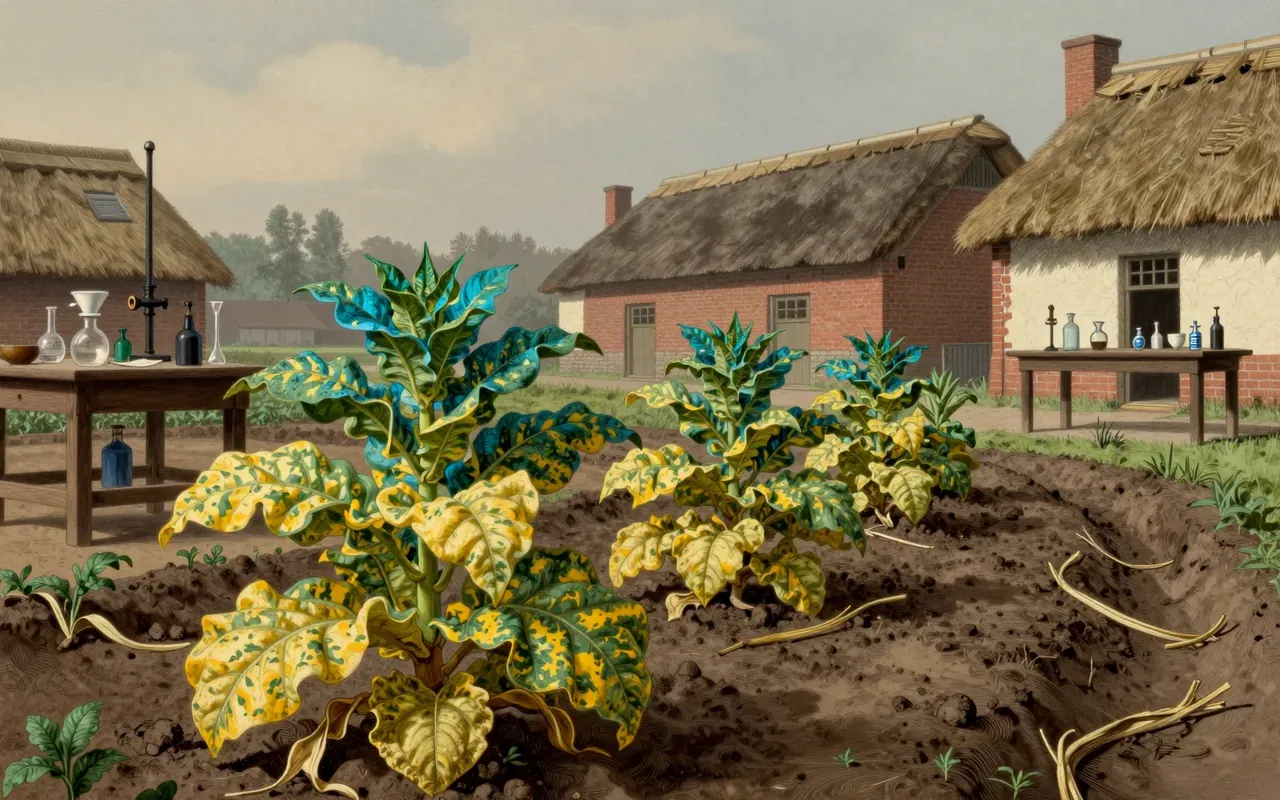
The discovery of the tobacco mosaic virus established the existence of infectious agents smaller than bacteria and dependent on living hosts for replication. Ivanovsky (1892) demonstrated filterability; Beijerinck (1898) added host-dependent multiplication and coined 'virus'. Neither observed the virus itself. Their work founded virology — but also embedded a flawed 'fluid' model that delayed recognition of viruses as particulate, genetic entities.






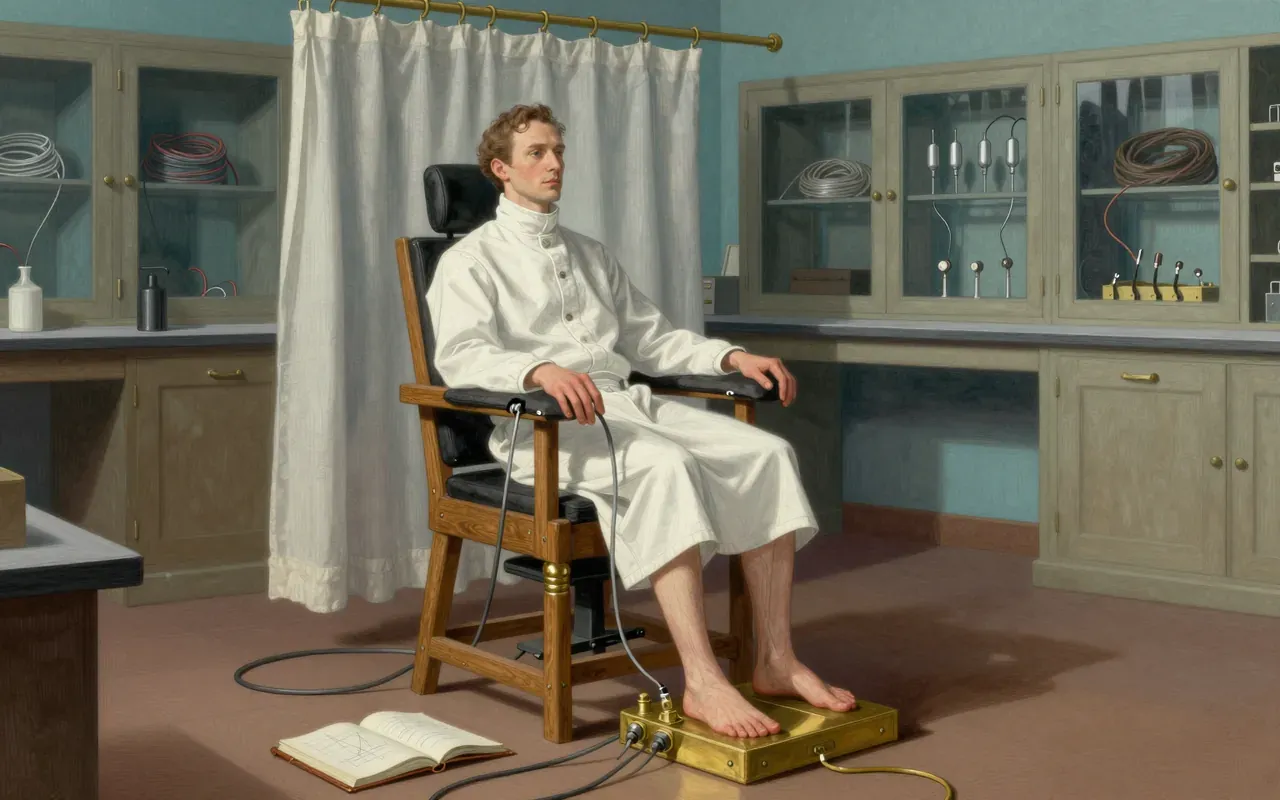

The electron microscope began not with biology, but with physics: a test of magnetic lensing on engineered grids. Its first success was mechanical and conceptual — not observational.



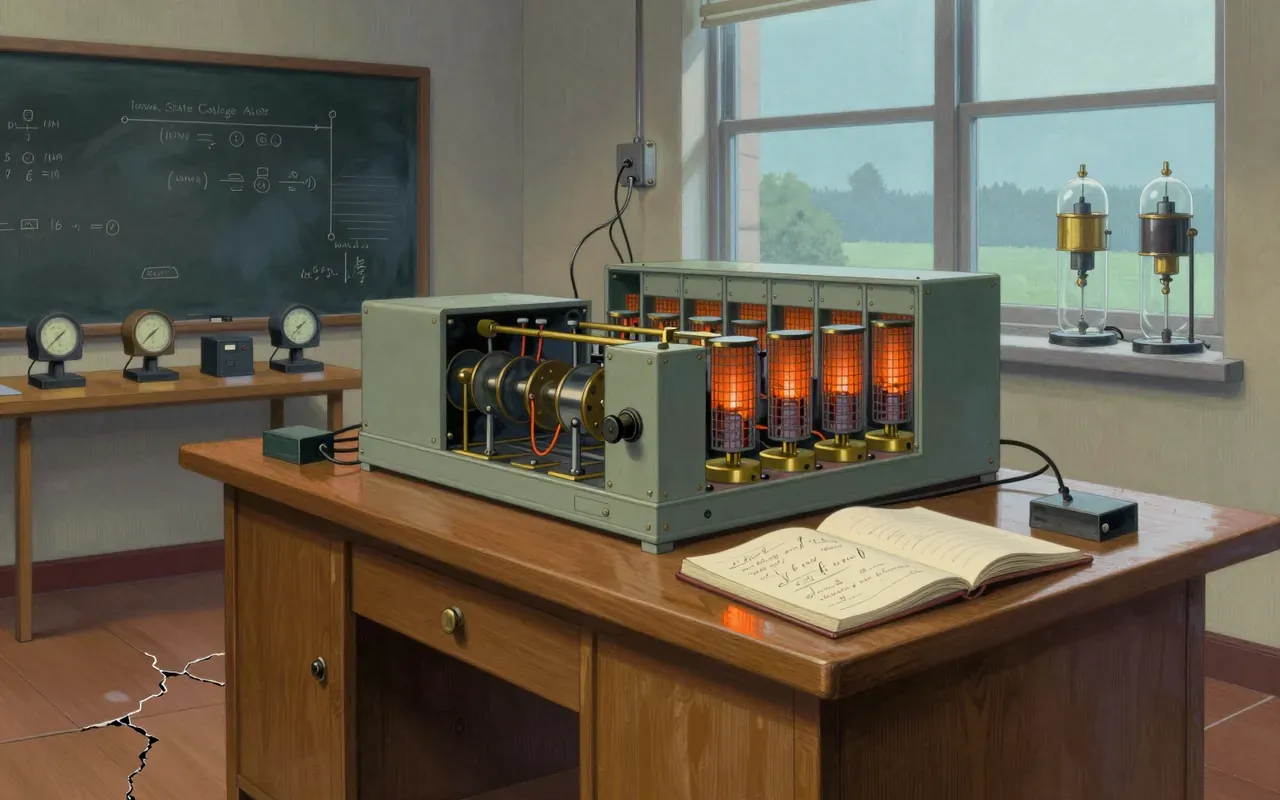












The Fujita scale is a damage-based tornado classification system introduced in 1971. It is not a wind-speed measurement tool. Its F0–F5 categories remain operationally useful. Its theoretical F6–F12 levels were never used. Its wind-speed estimates were unverified and later shown to be inflated.






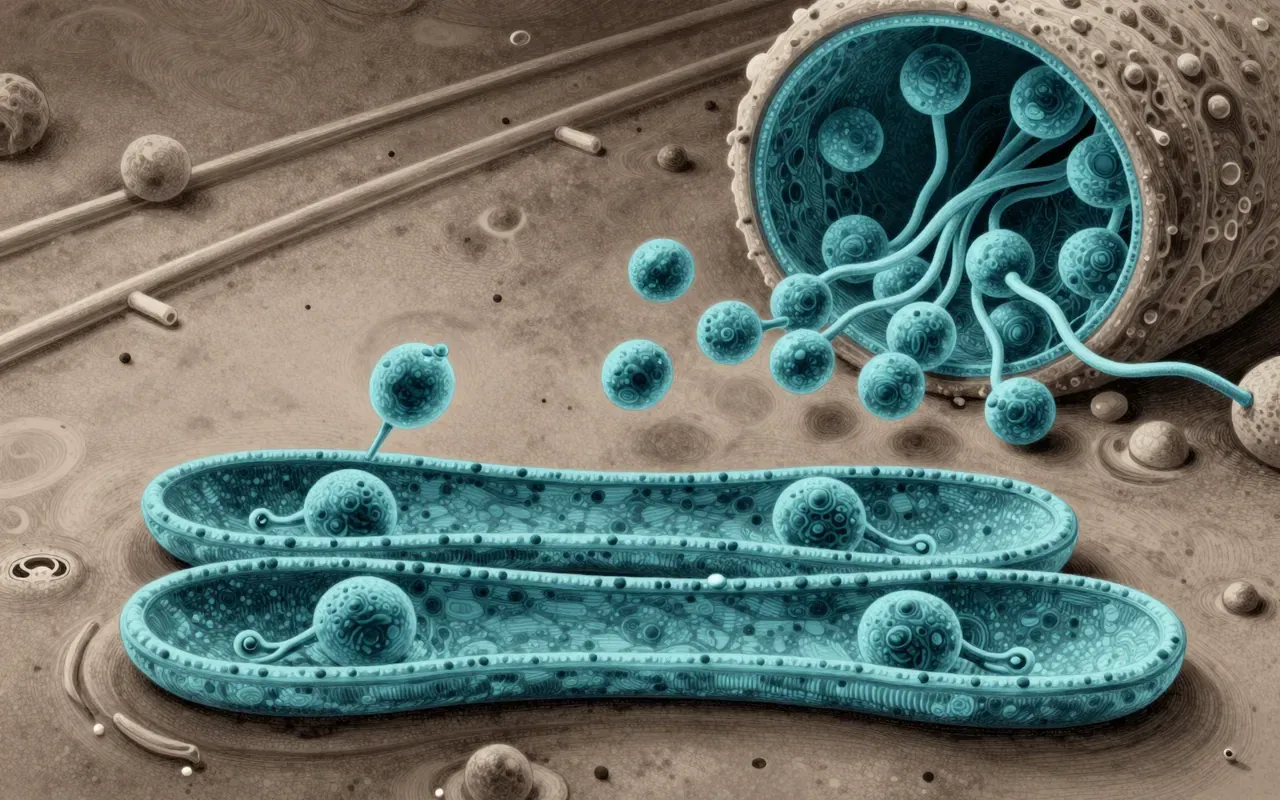
Camillo Golgi discovered the Golgi apparatus in 1898 using osmium dichromate staining on barn owl Purkinje cells. He named it 'apparato reticolare interno' and asserted it was a real, unique cellular component. Initial scepticism held that it was an optical illusion. The finding was not firmly established until electron microscopy emerged ~50 years later. It revealed a new intracellular structure but gave no insight into its function, mechanism, or universality.


Moore’s 1997 observation was vivid and consequential — but not novel in evidence. The 1988 NOAA paper delivered the first empirical basis. The gap between public attribution and scientific priority is the real story.



Hayflick’s 1962 work established a finite replication limit for normal human fetal cells — 40–60 divisions — using culture methods and a definitive male-female co-culture experiment. It refuted Carrel’s immortality claim, distinguished mortal normal from immortal cancer cells, and produced WI-38 — the foundational cell strain for vaccine development. It did not identify the counting mechanism, nor prove cellular senescence drives whole-organism aging.








The Keeling Curve is the first continuous, calibrated record of atmospheric CO₂. It shows a seasonal cycle and a monotonic rise — from 313 ppm in 1958 to 406 ppm in 2018. Its strength lies in methodological rigour: remote site selection, contamination control, and instrumental precision. It does not prove causation, but establishes an unambiguous trend correlated with fossil fuel use. It remains the gold standard for atmospheric CO₂ monitoring.




Mandelbrot visualised a known mathematical object with unprecedented clarity — making topology legible through computation.


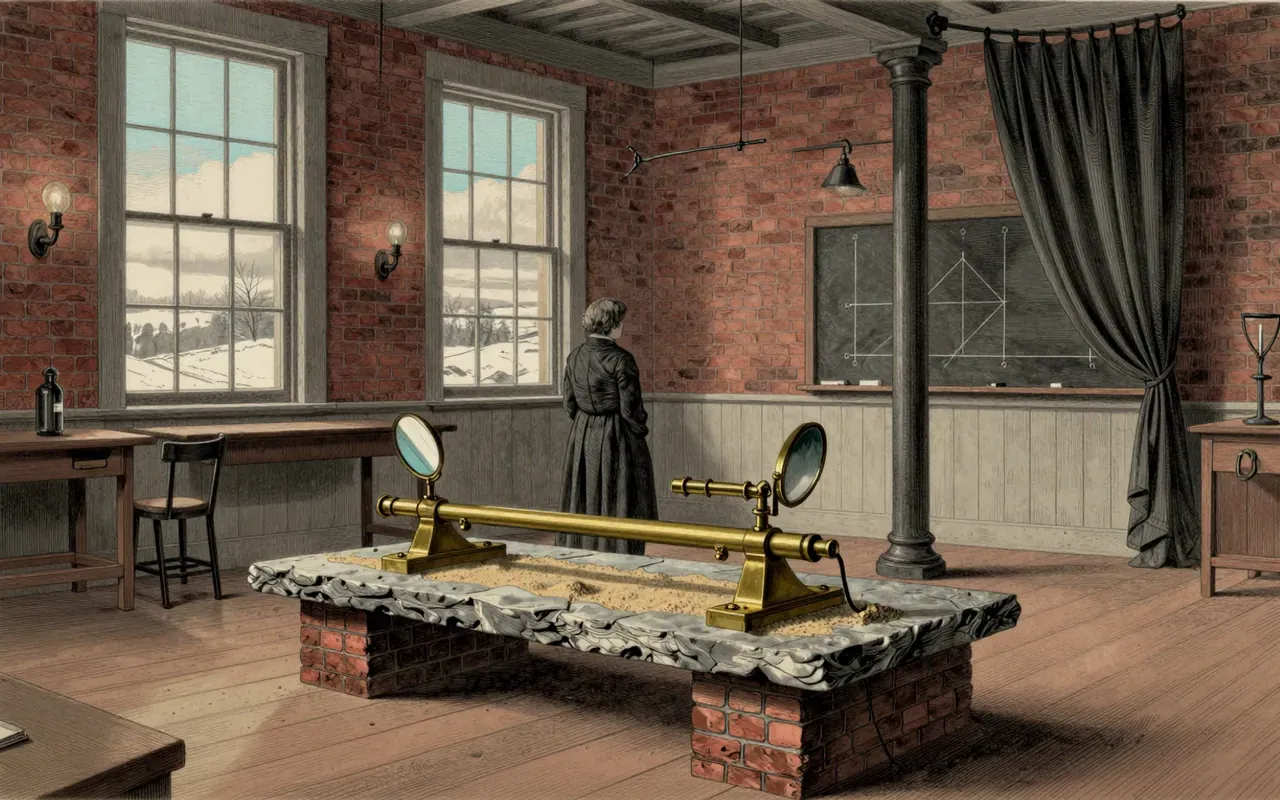








The Neanderthal genome project did not discover interbreeding as a hypothesis — it confirmed it with genomic data. It replaced speculation with measurement: four billion base pairs, three Croatian specimens, one decisive conclusion. Its legacy is methodological rigour and a rewritten human family tree.

The neutral theory reframed molecular evolution around stochasticity—not adaptation—as the dominant force shaping DNA change. It offered precise, falsifiable predictions about rates and variation, grounded in population genetics. It did not disprove selection; it defined its null model. Its endurance lies not in universality, but in utility: every test for selection begins here.





The Pauli exclusion principle is not a force or interaction. It is a constraint on how quantum states may be occupied. It arose from spectral anomalies, not theory-first deduction. Its power lies in its austerity: four numbers, one electron, and a sign flip upon exchange. It remains indispensable — and unexplained at root.







The Richter scale is a local, instrument-specific amplitude scale — not a universal measure of earthquake size. Its rigour lies in its narrow definition, not its breadth.

Riemann’s 1859 hypothesis is a precise, unproven claim about zeta zeros — central to prime distribution, yet untouched by proof for 165 years.