sciencebriefs
Oldest

All briefs

561 briefs · 6515 min · 193–288 on page 3 of 6
13:00

Isotope

Forty radioactive substances had been found between uranium and lead, but the periodic table had room for only eleven. Soddy's 1913 answer was that many were the same element at different weights — and a doctor friend named the idea over conversation.
10:06

Ivan Pavlov

Pavlov won the Nobel Prize for stomach surgery — not salivation. The dog’s drool was a footnote, not the finding.
11:18

James Clerk Maxwell

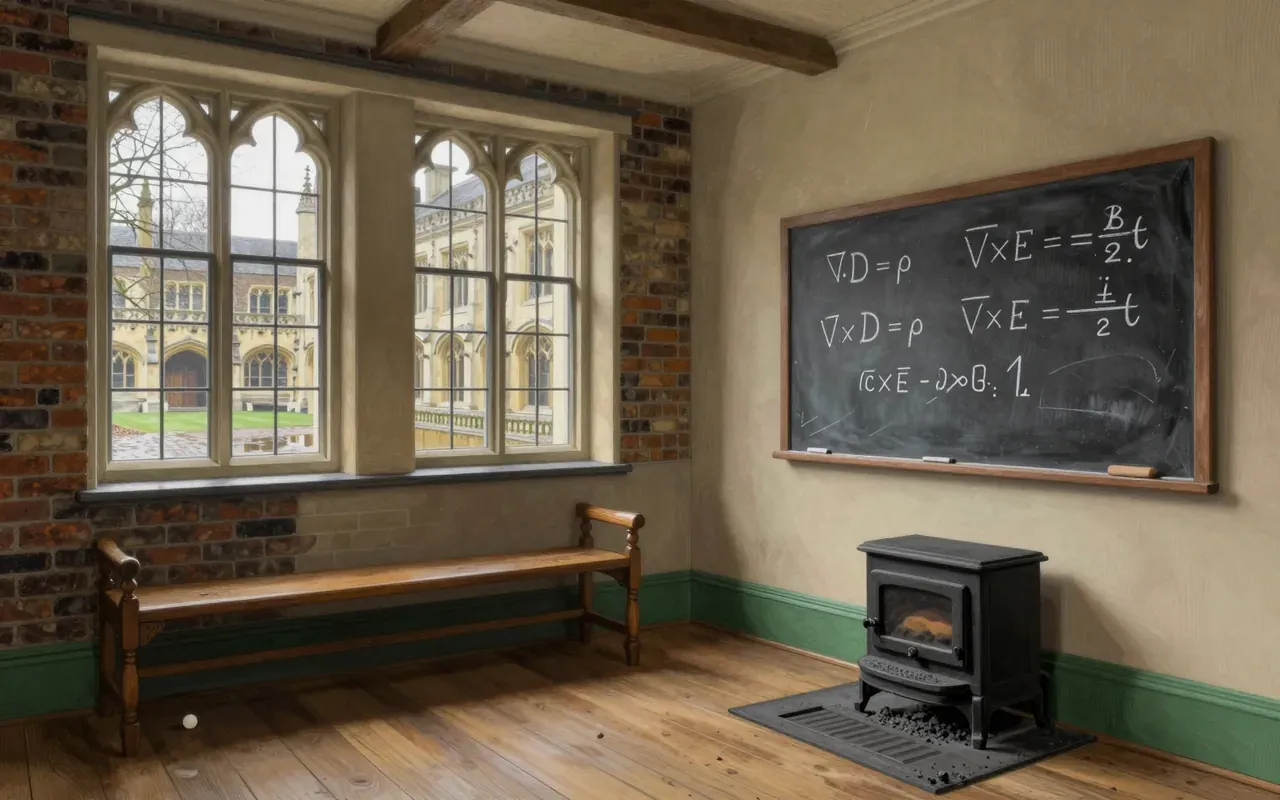
Maxwell didn’t discover light — he discovered that light is electricity dancing with magnetism.
10:31

James Lovelock

A gas detector built for Mars revealed Earth’s pollution — and mistook it for safety.
10:11

Jane Goodall

Goodall didn’t just watch chimps — she dismantled the scientific fiction of human exceptionalism with a stripped twig and a notebook.
9:46

Jean-Baptiste Lamarck

Lamarck didn’t get evolution wrong — he built the first working theory of it, and it still shapes how we ask biological questions.
10:11

Jean Piaget

Piaget didn’t discover how children think—he discovered that we’d been misreading their wrong answers all along.
10:52

Jing Fang

A Han dynasty mathematician calculated musical temperaments to 0.0145-cent precision — and declared the Moon a mirror centuries before Europe.
13:00

PSR B1919+21

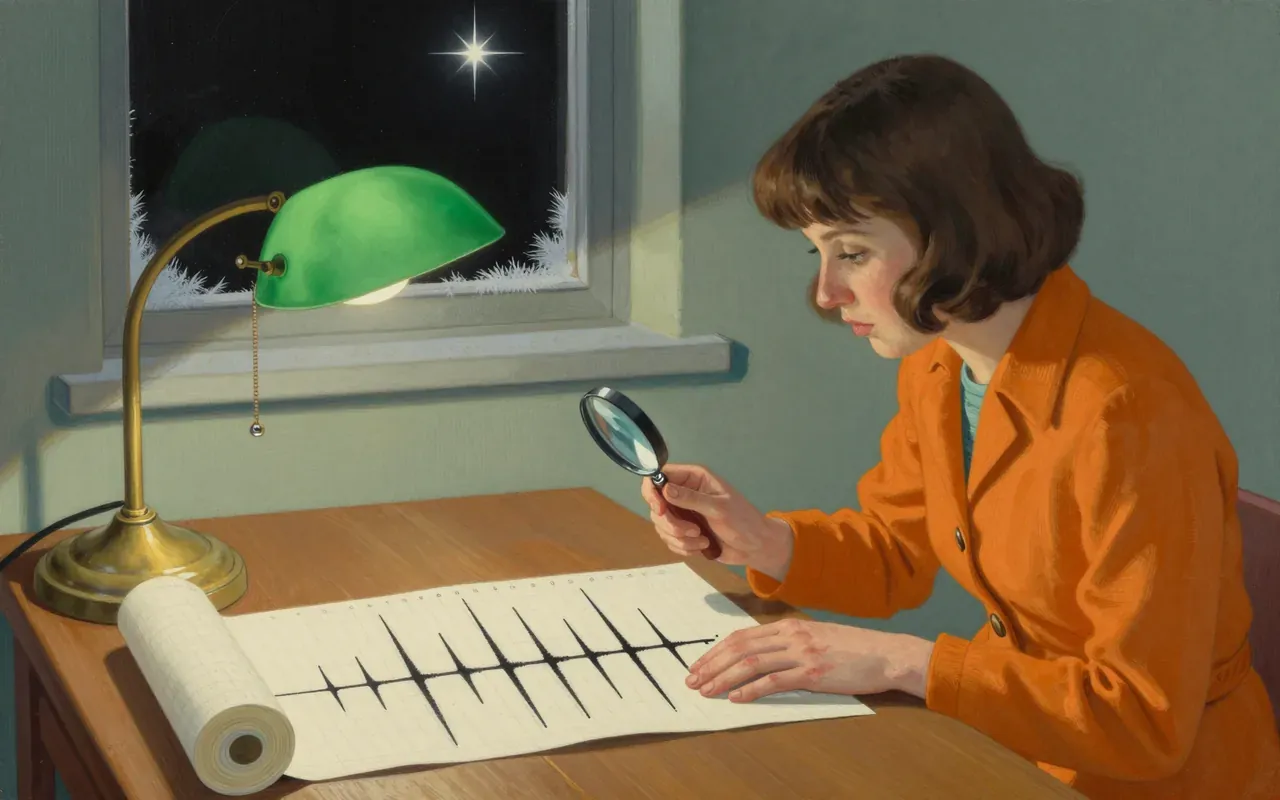
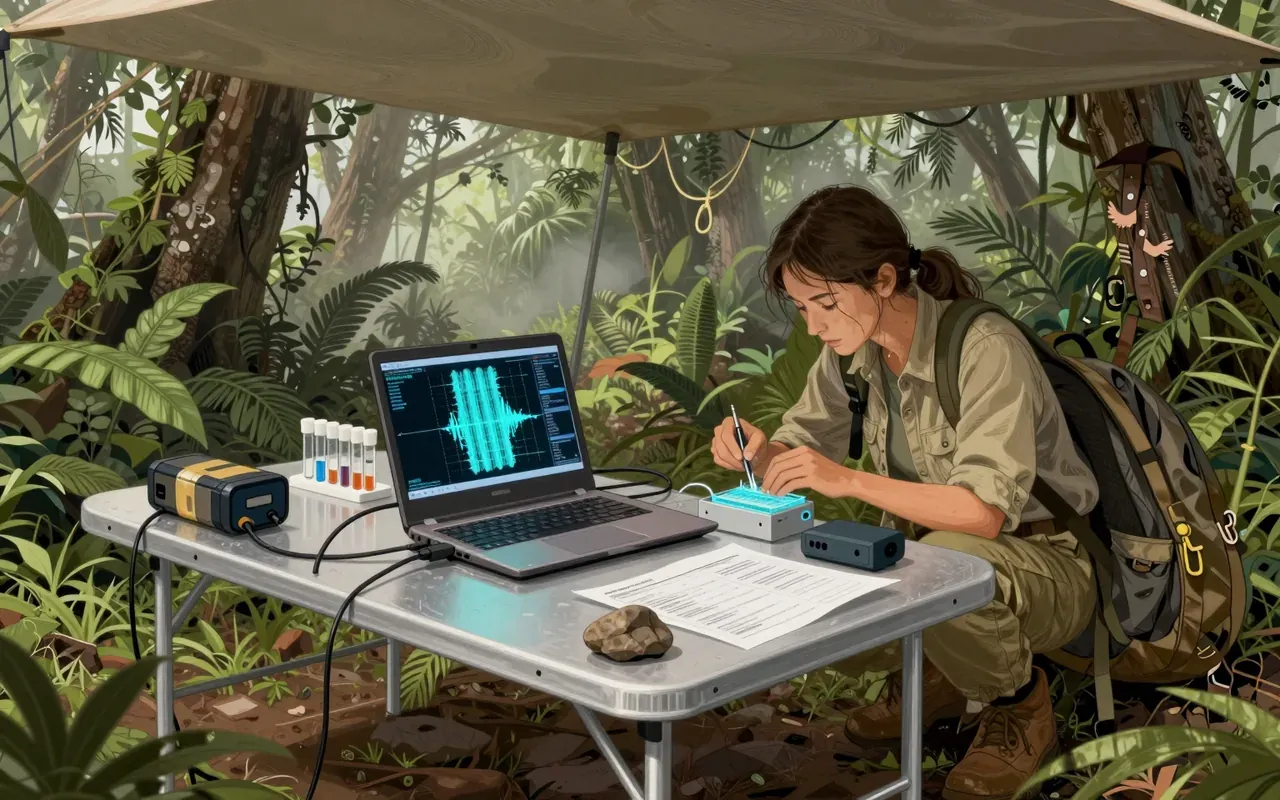
In 1967 a Cambridge graduate student noticed an oddly regular signal on a chart recorder, ruled out interference and little green men, and found the first pulsar, a discovery that won a Nobel Prize for the men above her.
12:18

Johannes Kepler

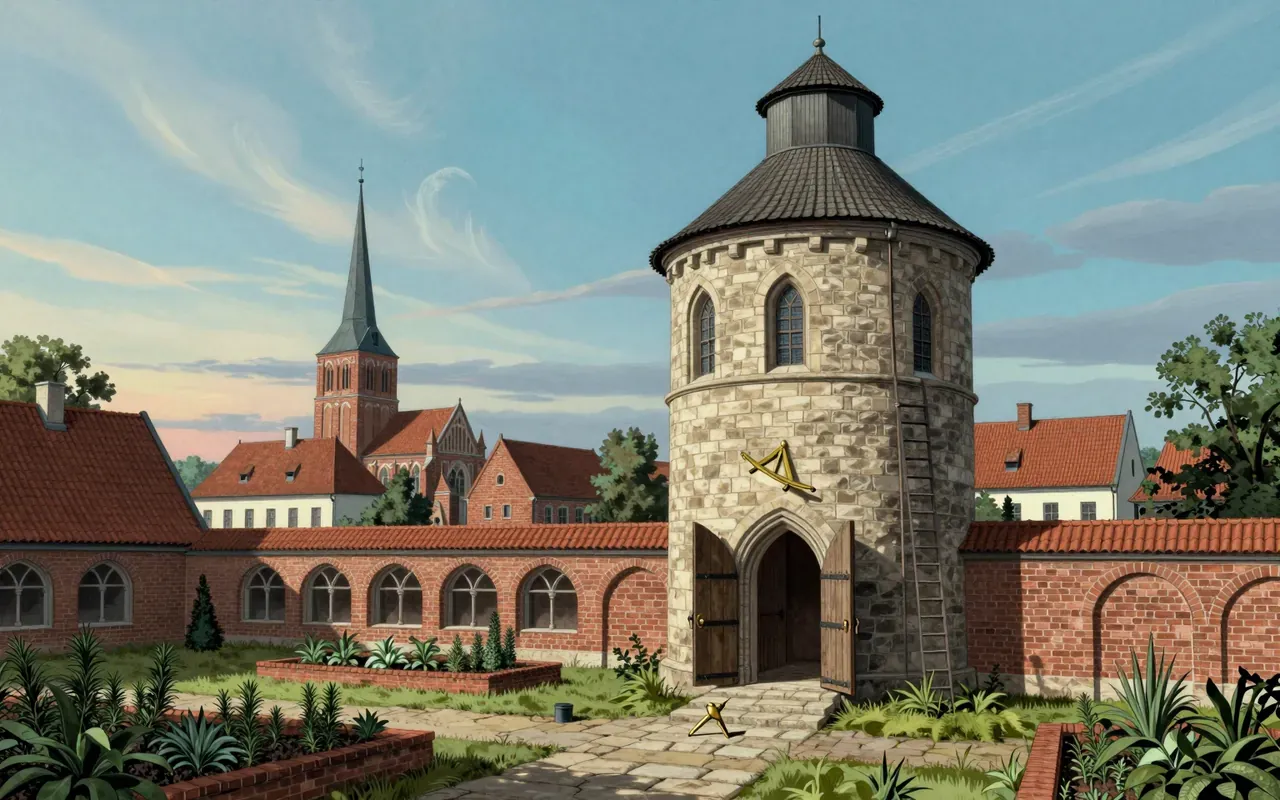
Kepler didn’t just map the planets—he invented celestial physics by forcing geometry to obey Tycho’s data.
10:18

John Tyndall

Tyndall didn’t discover climate change — he discovered why the atmosphere holds heat at all.
10:03

John von Neumann

Von Neumann didn’t build computers—he built the logical floor they stand on, and then proved the floor could hold two floors at once.
11:03

Josef Stefan

Stefan didn’t need quantum theory to fix the Sun’s temperature — he just needed better data and a fourth power.
10:32

Joseph Henry

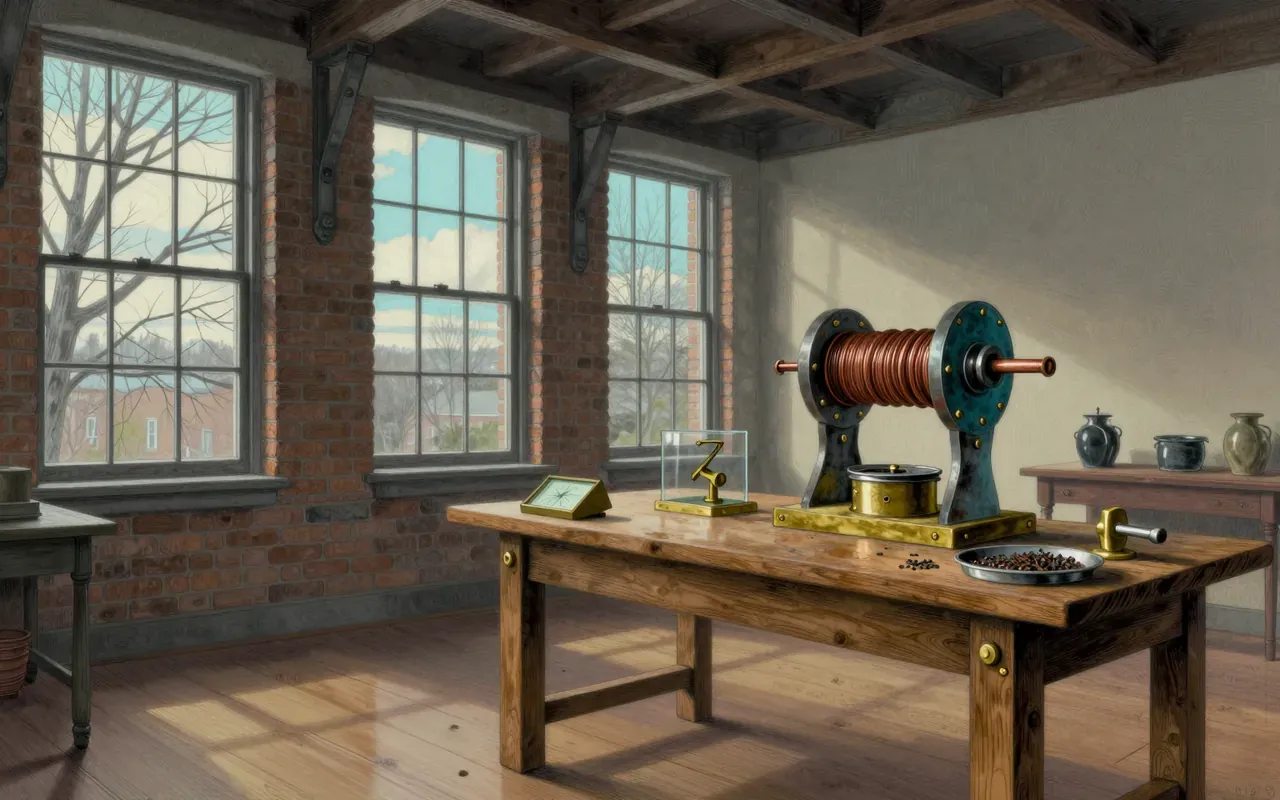
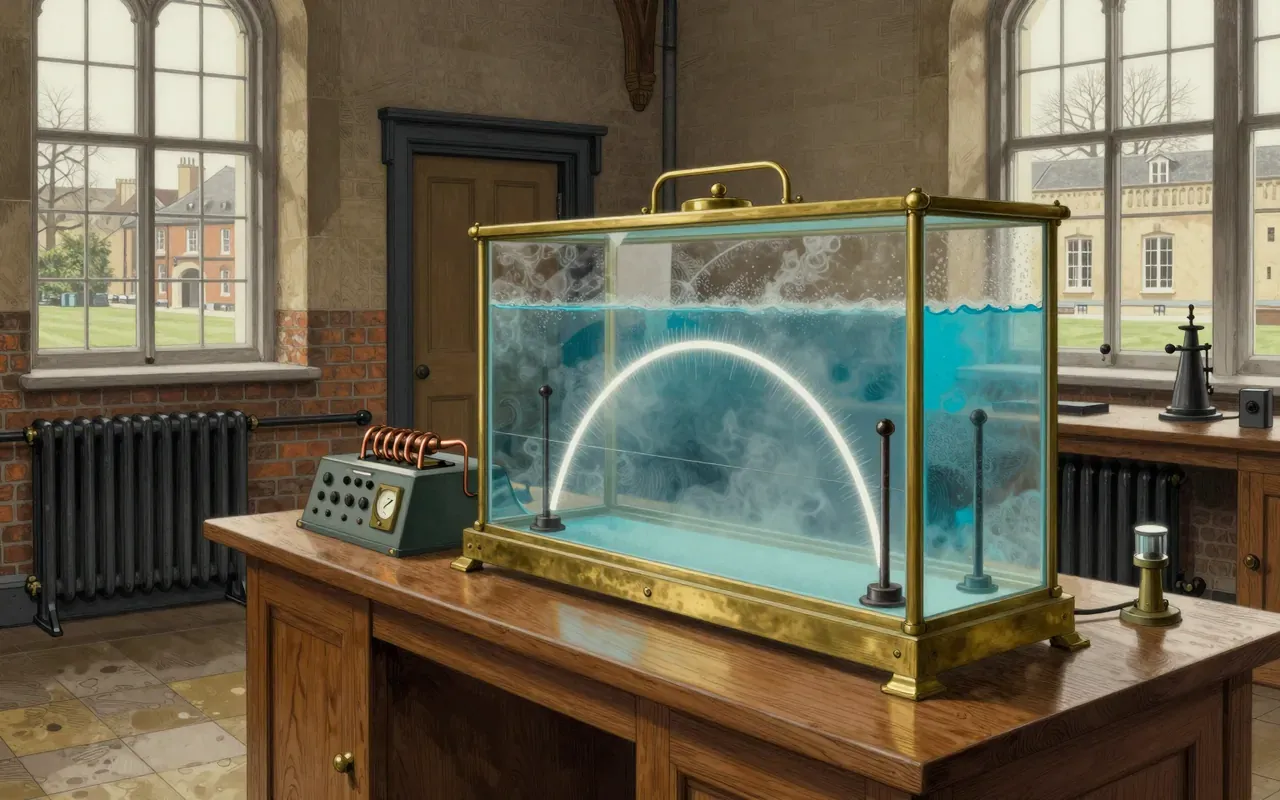
Inductance wasn’t deduced — it was rocked, wound, and wired into existence.
13:00

Kamioka Observatory

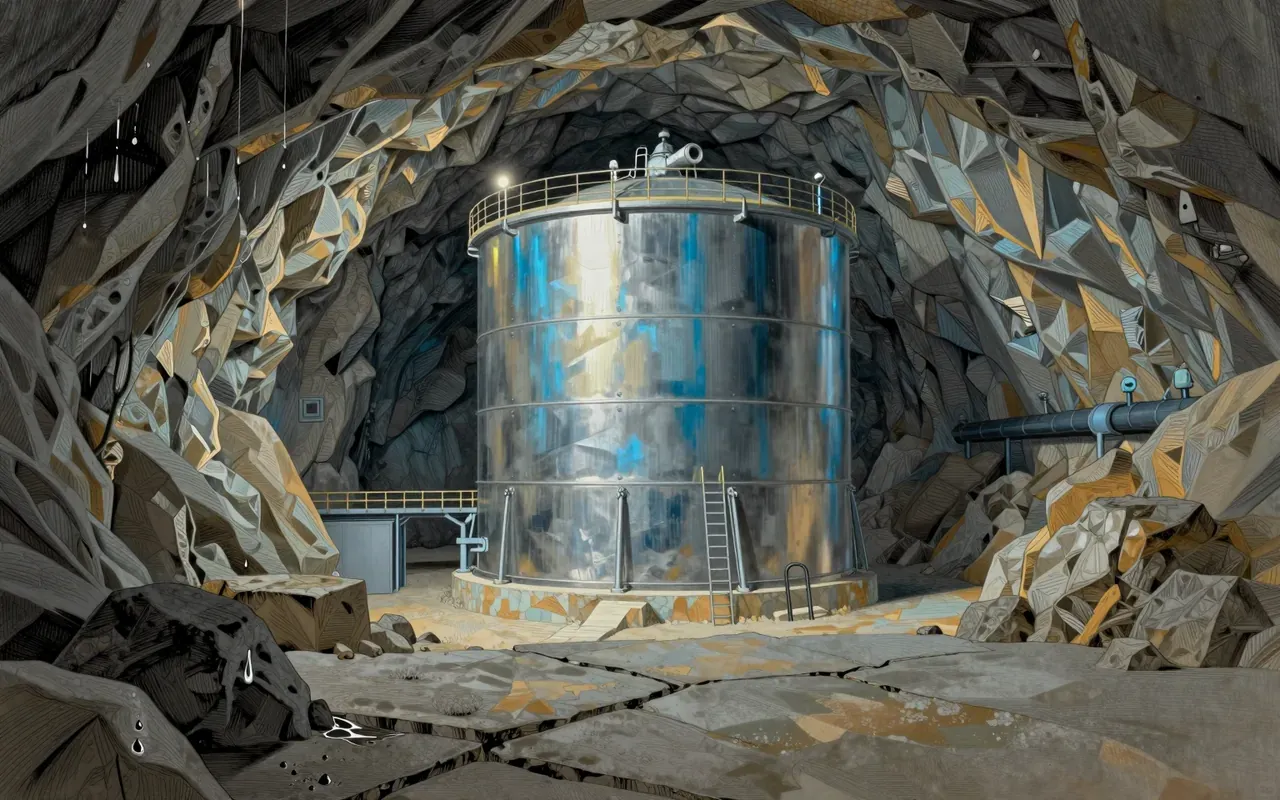
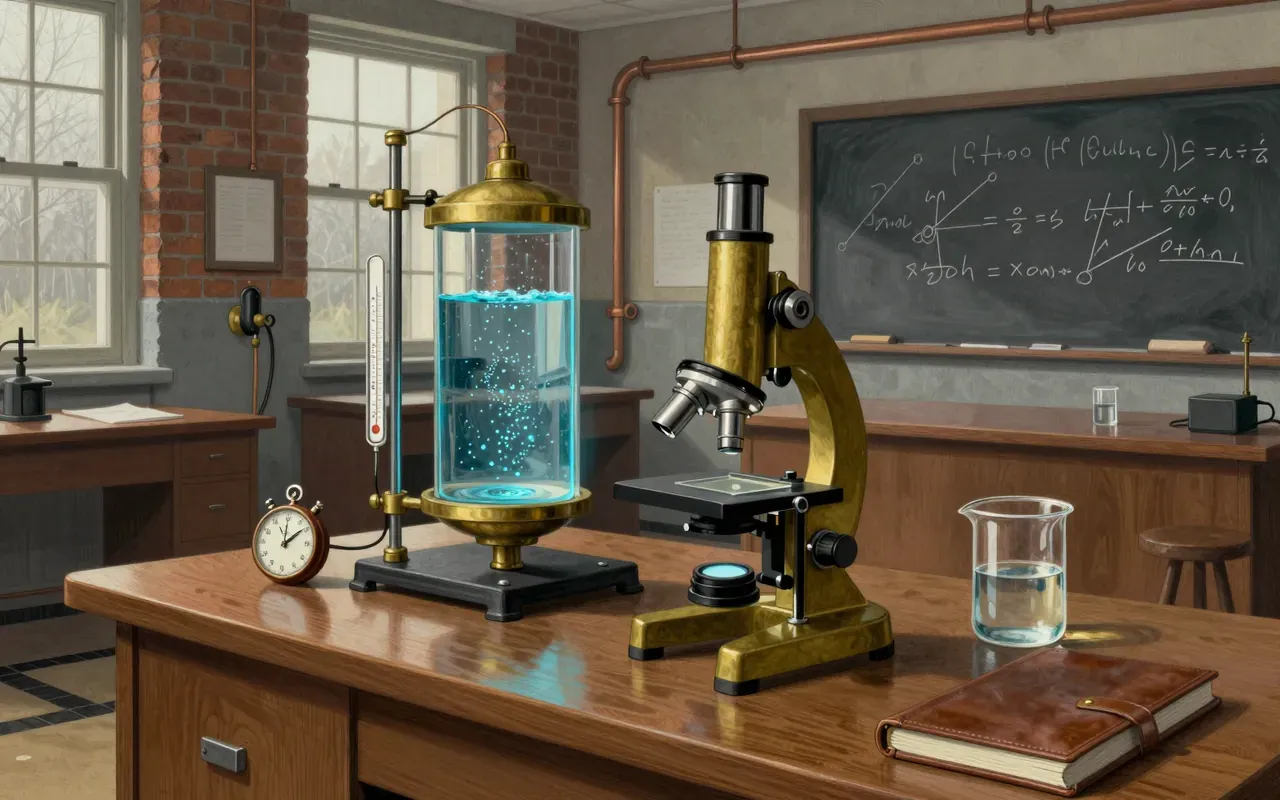
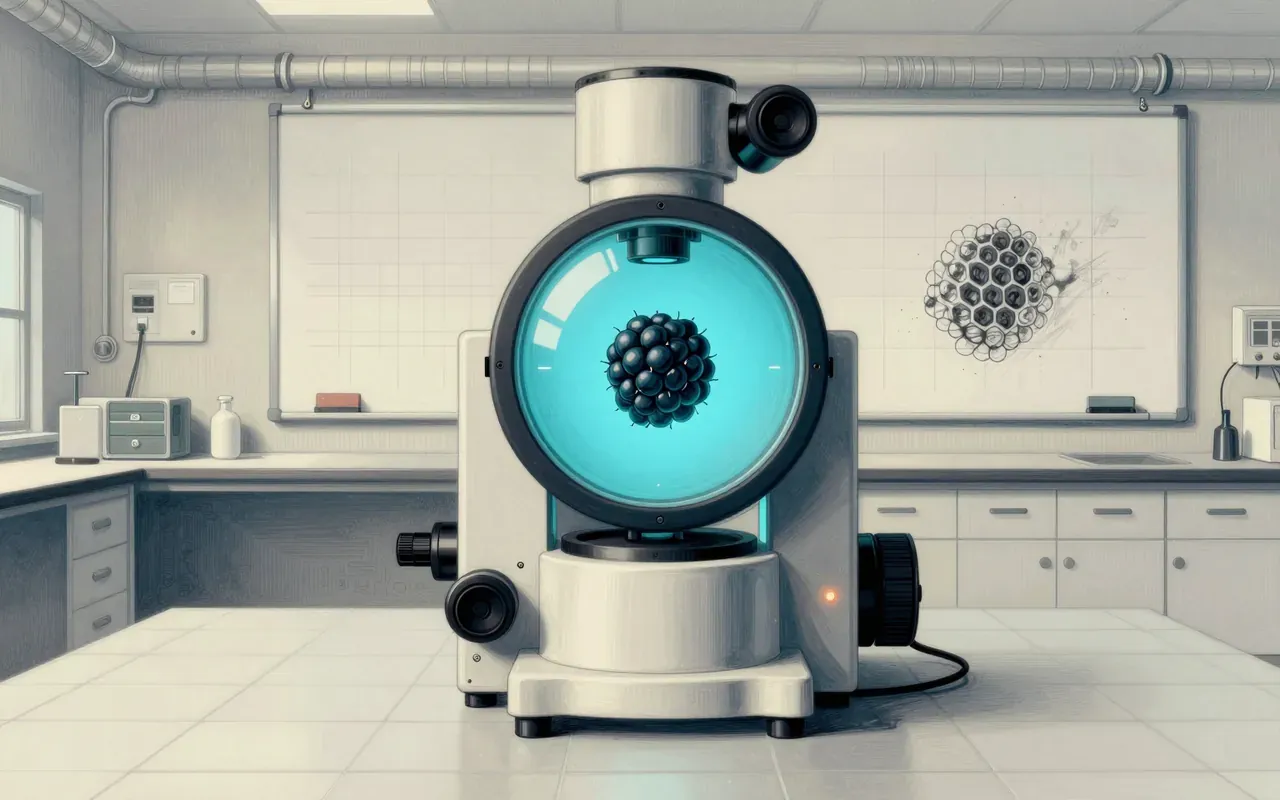
A tank of water buried under a Japanese mountain to escape cosmic ray noise caught eleven particles from an exploding star in 1987, and a decade later caught a pattern showing neutrinos are not massless after all.
10:34

Karl von Frisch

Bees don’t just react — they compute direction, time, and identity with senses we lack.
9:47

Katherine Johnson

Human calculation didn’t just support early spaceflight—it certified the machines that replaced it.
10:04

Kinetic theory of gases

Daniel Bernoulli

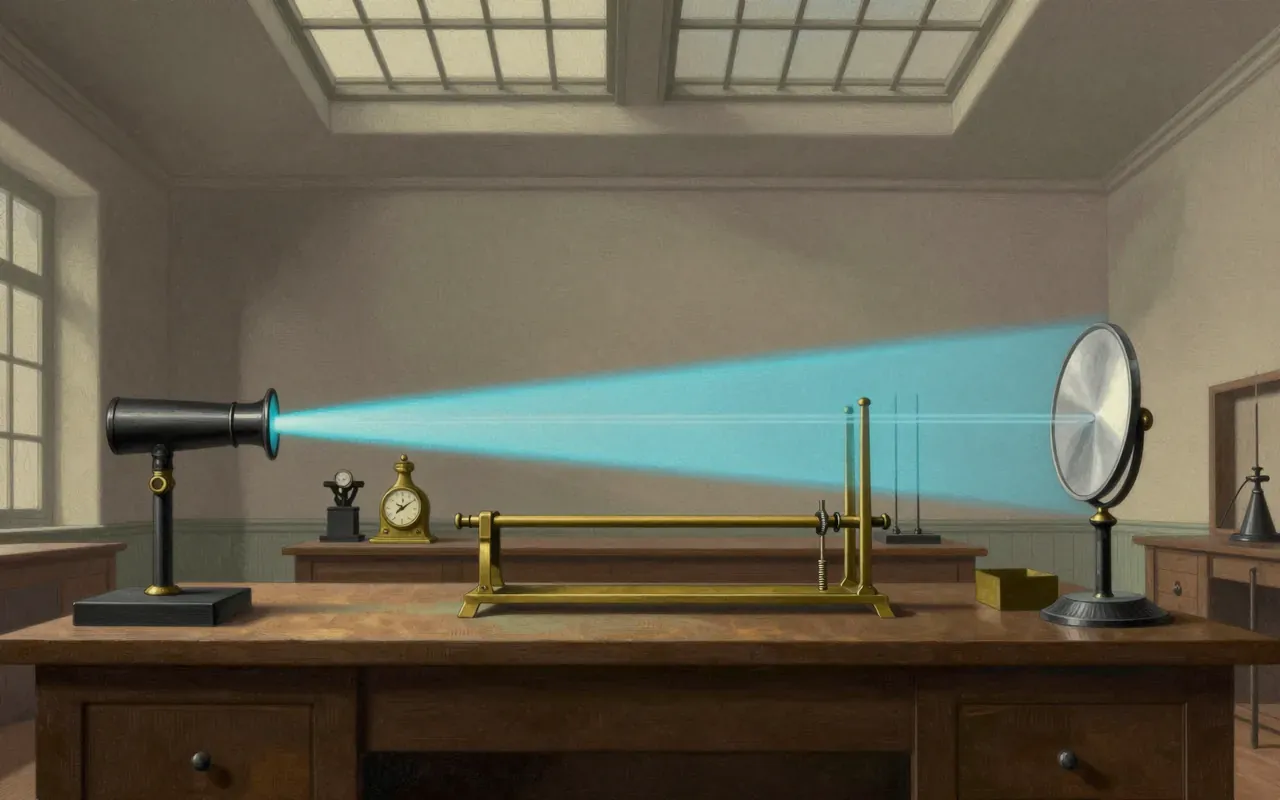
Bernoulli’s 1738 kinetic theory is the first mechanistic explanation of gas behaviour. It correctly identifies pressure as momentum transfer and temperature as mean kinetic energy. It derives Boyle’s law from molecular motion. It fails to resolve energy conservation or collision elasticity — gaps that stalled acceptance for a century. Its value lies not in immediate utility but in framing matter as particulate and dynamic — a conceptual pivot that enabled thermodynamics and statistical mechanics.
11:38

Kirchhoff's circuit laws

Gustav Kirchhoff

Kirchhoff’s 1845 circuit laws are two experimentally derived equalities — one for current at junctions, one for voltage around loops — valid only under strict physical assumptions of the lumped-element model.

13:00

Knot theory

A wrong theory that atoms were knotted loops of ether pushed nineteenth-century mathematicians to catalogue every possible knot — the classification survived even after the physics it was built to explain was abandoned.
11:26

Konrad Lorenz

Imprinting isn’t love—it’s a hardwired species-recognition switch flipped in the first hours after hatching.
10:04

Kurt Gödel

Gödel didn’t break mathematics — he mapped its borders with surgical precision.
13:00

Lambda calculus

Alonzo Church built computation from three constructs and one substitution rule in the 1930s, a system minimal enough that its equivalence to Turing machines still defines what "computable" means, and specific enough to have real blind spots.
13:00

Conservation of mass

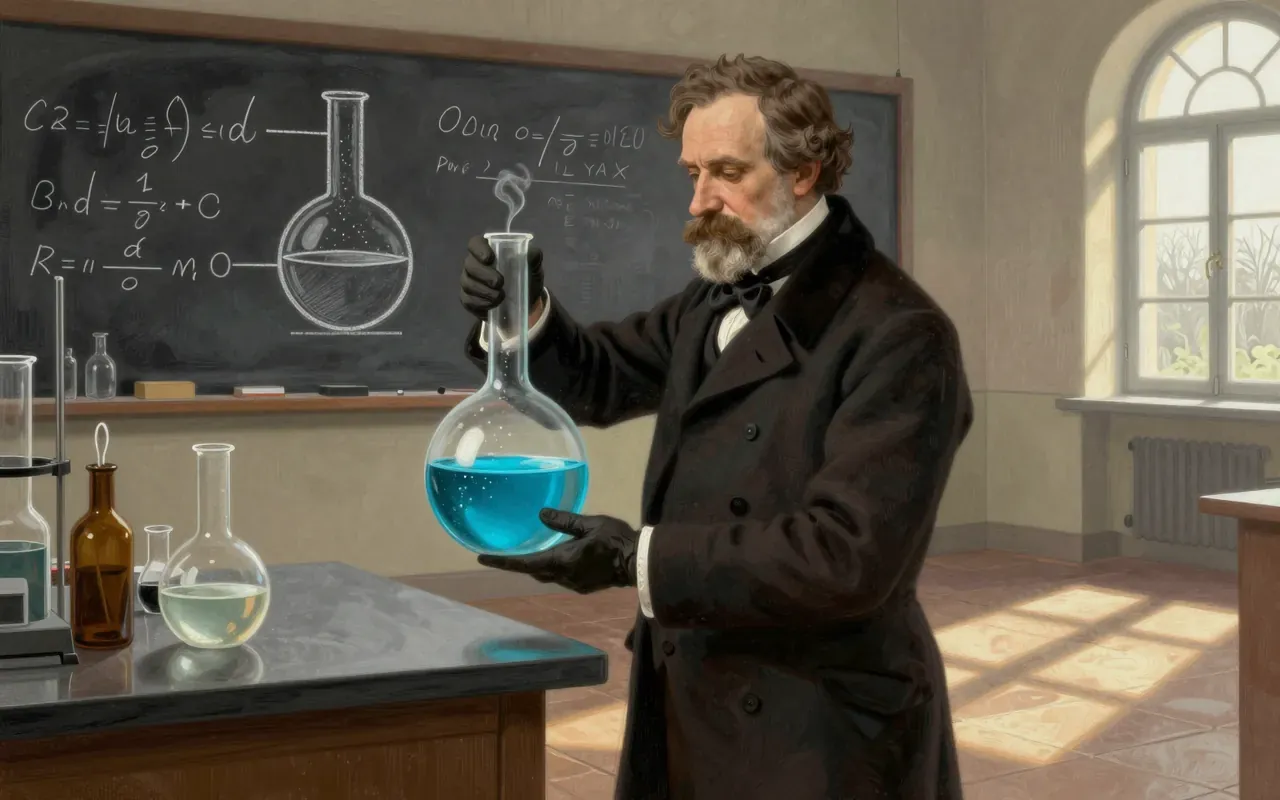
Lavoisier weighed everything, sealed his reactions in glass so nothing could escape unnoticed, and found the numbers always balanced. That habit of weighing rather than guessing did more to end phlogiston theory than any argument could have.
9:20

Lawrence Kohlberg

Kohlberg did not discover morality—he invented a ruler for one kind of moral talk.
13:00

Animalcule

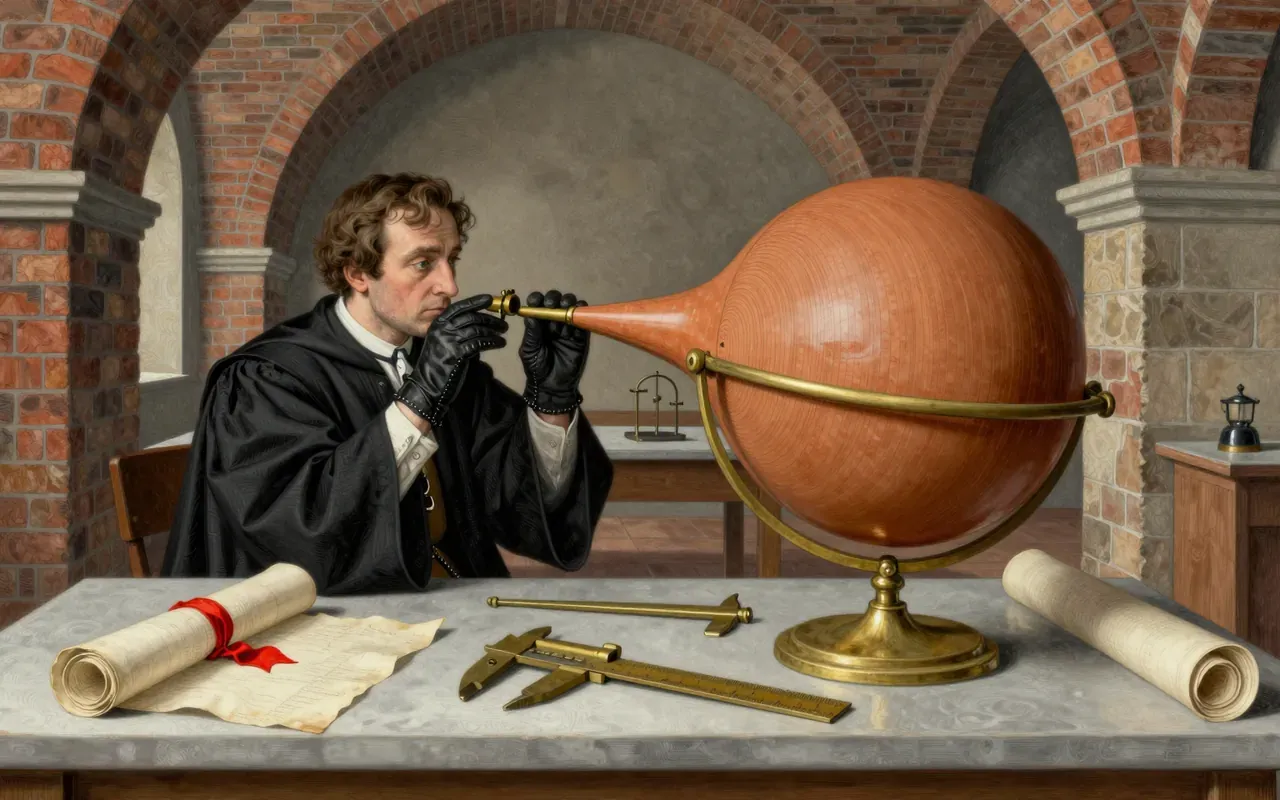
A self-taught Delft draper's hand-ground lenses revealed bacteria, sperm cells and single-celled organisms nobody else could see, and the Royal Society verified his claims before microbiology existed as a field.
11:09

Lise Meitner

Meitner and Frisch didn’t discover fission — they explained it, named it, and measured its energy in six weeks.
9:24

Liu Hui

Liu Hui didn’t borrow from Greece — he built a parallel mathematics, complete with proof, algorithms, and limits.
10:38

Lorentz transformation

Hendrik Lorentz

Lorentz’s transformations were a technically successful but conceptually constrained response to experimental anomalies in electrodynamics. They preserved the aether while making predictions match observation—by introducing local time, length contraction, and time dilation as mathematical corrections. Their algebraic form survived into special relativity, but their physical meaning did not.

11:29

Louis Leakey

Leakey didn’t discover human origins — he relocated them to Africa. And then mislaid them again in California.
9:42

Louis Pasteur

Pasteur didn’t discover germs—he proved dust carries them, and nothing grows without them.
13:00

Australopithecus afarensis

Lucy's 1974 skeleton, confirmed two years later by footprints preserved at Laetoli, showed that walking upright evolved long before the large human brain, though her species' exact lifestyle and lineage remain debated.
13:00

Lucy (hominid)

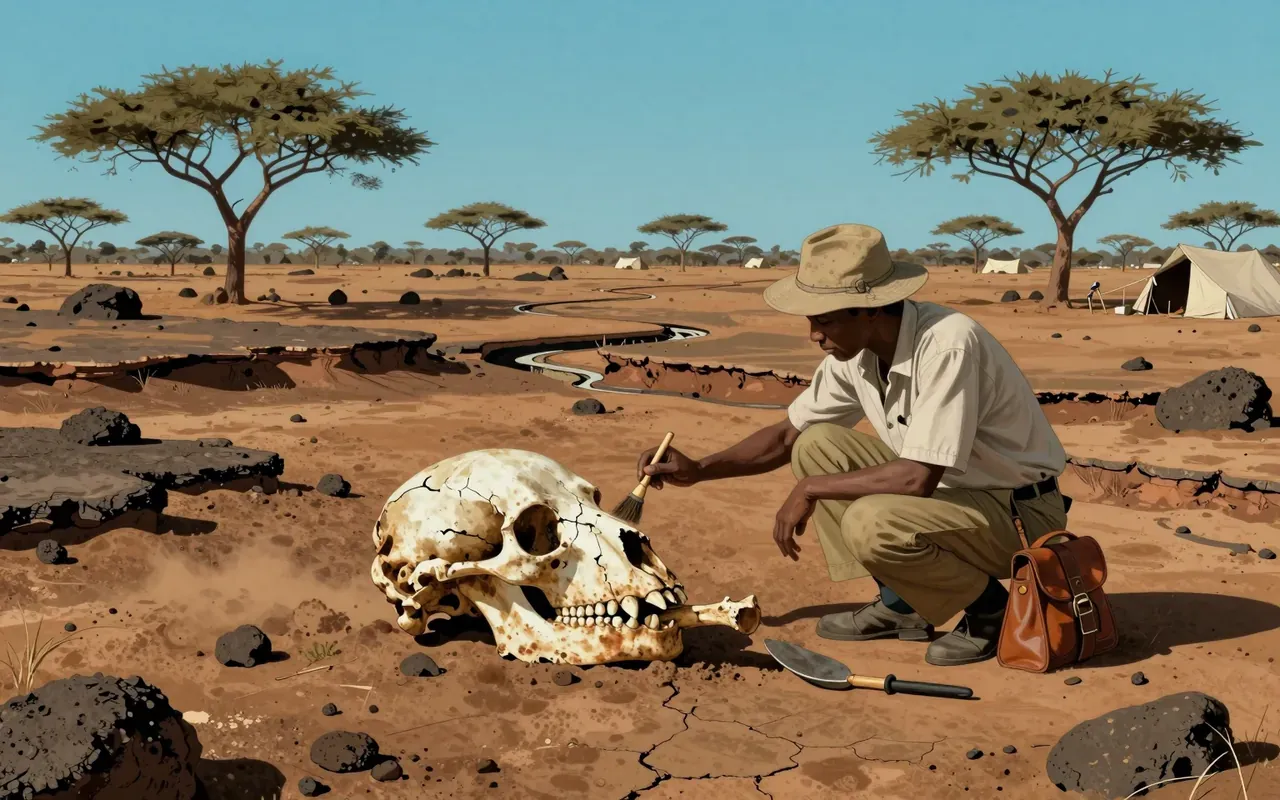
Lucy's pelvis, knee and spine show she walked upright 3.2 million years ago with a small, ape-like skull, evidence that bipedalism came well before big brains, though her proportionally long arms still divide researchers over how much time she spent in trees.
10:19

Ludwig Boltzmann

Entropy isn’t fate — it’s odds. Boltzmann proved the second law is a bet, not a command.
10:08

Lynn Margulis

Endosymbiosis isn’t just about organelles — it’s proof that evolution advances by merger, not just mutation.
9:31

Lysosome

Lysosomes weren’t found — they were inferred from acid phosphatase, then confirmed by centrifugation.
13:00

Insular biogeography

MacArthur and Wilson's 1967 theory that island species counts balance immigration against extinction was confirmed by deliberately wiping out mangrove islands, then sparked an unresolved fight over reserve design.
13:00

Magnetic resonance imaging

Paul Lauterbur's 1973 idea of adding magnetic field gradients to nuclear magnetic resonance let it produce images instead of single readings — and thirty years later the Nobel committee's choice of who to credit left one rival taking out newspaper adverts.
13:00

Magnetostratigraphy

Rock cooling or settling locks in a record of which way Earth's magnetic field pointed at that moment, and stacking those records into black-and-white bands helped confirm seafloor spreading, which this brief follows into the reversals themselves.
13:00

Plasmodium

Plasmodium spends part of its life dormant in the liver for over a year before it ever reaches the blood, a hiding strategy this brief follows alongside the parasite's steady, documented history of outlasting every drug built against it.
13:00

Manganese nodule

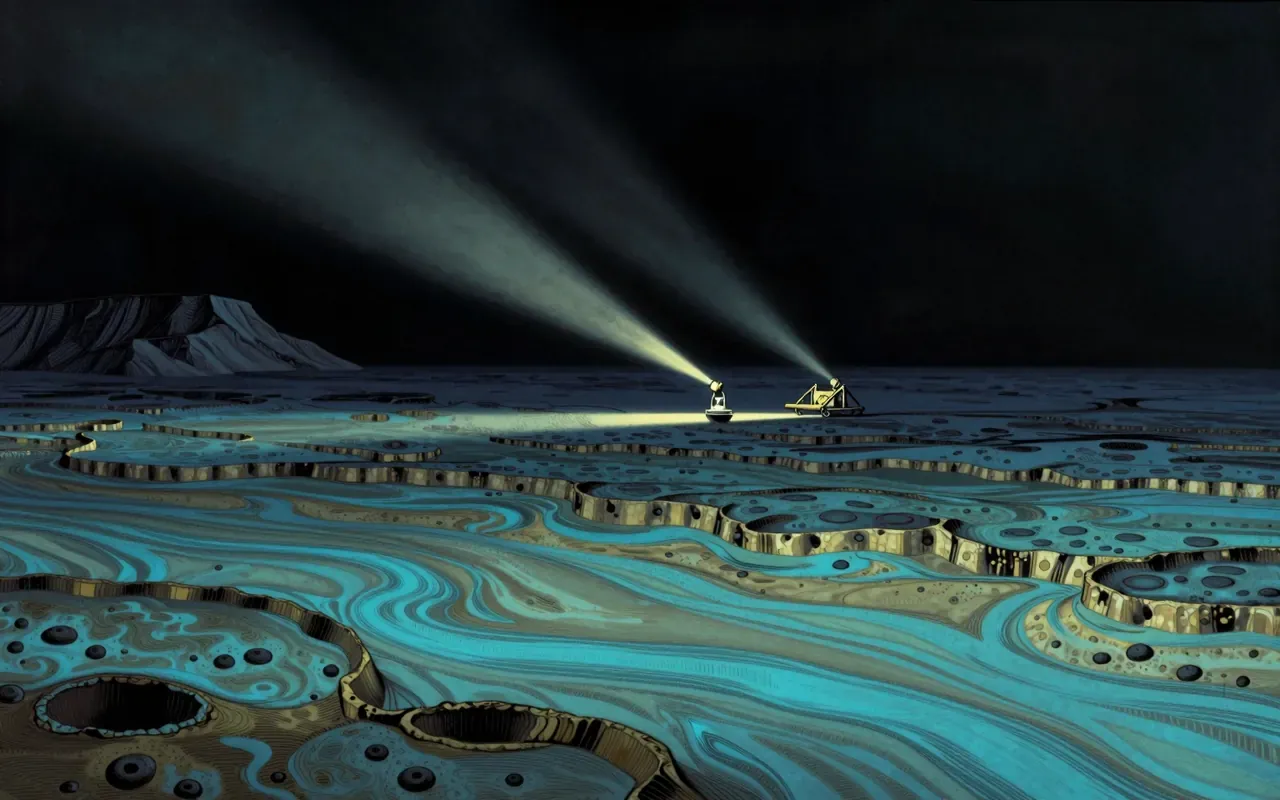
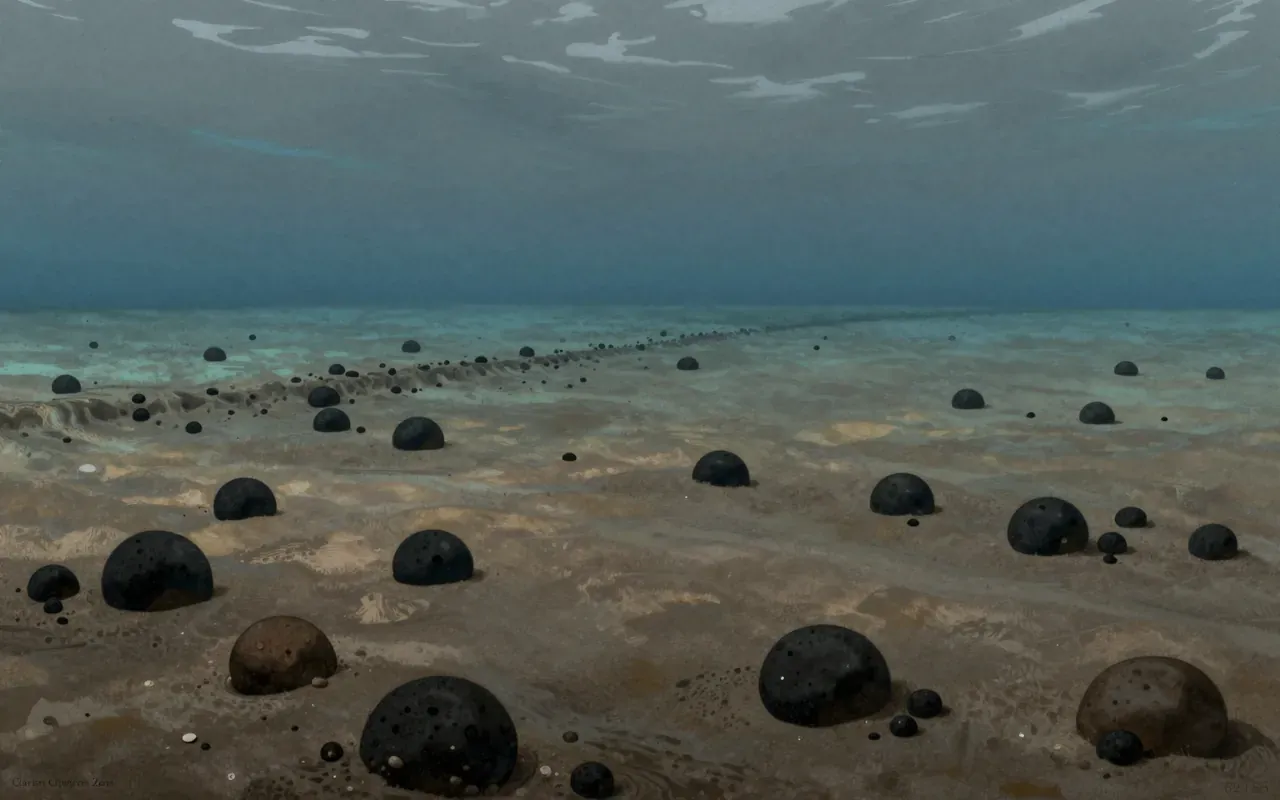
Potato-sized rocks that took millions of years to grow a few millimetres now sit at the centre of a mining industry racing ahead of ecosystem studies that find recovery incomplete even after 26 years.
10:20

Margaret Mead

Margaret Mead didn’t prove culture shapes adolescence—she showed it could, and that was enough to break biological determinism.
9:19

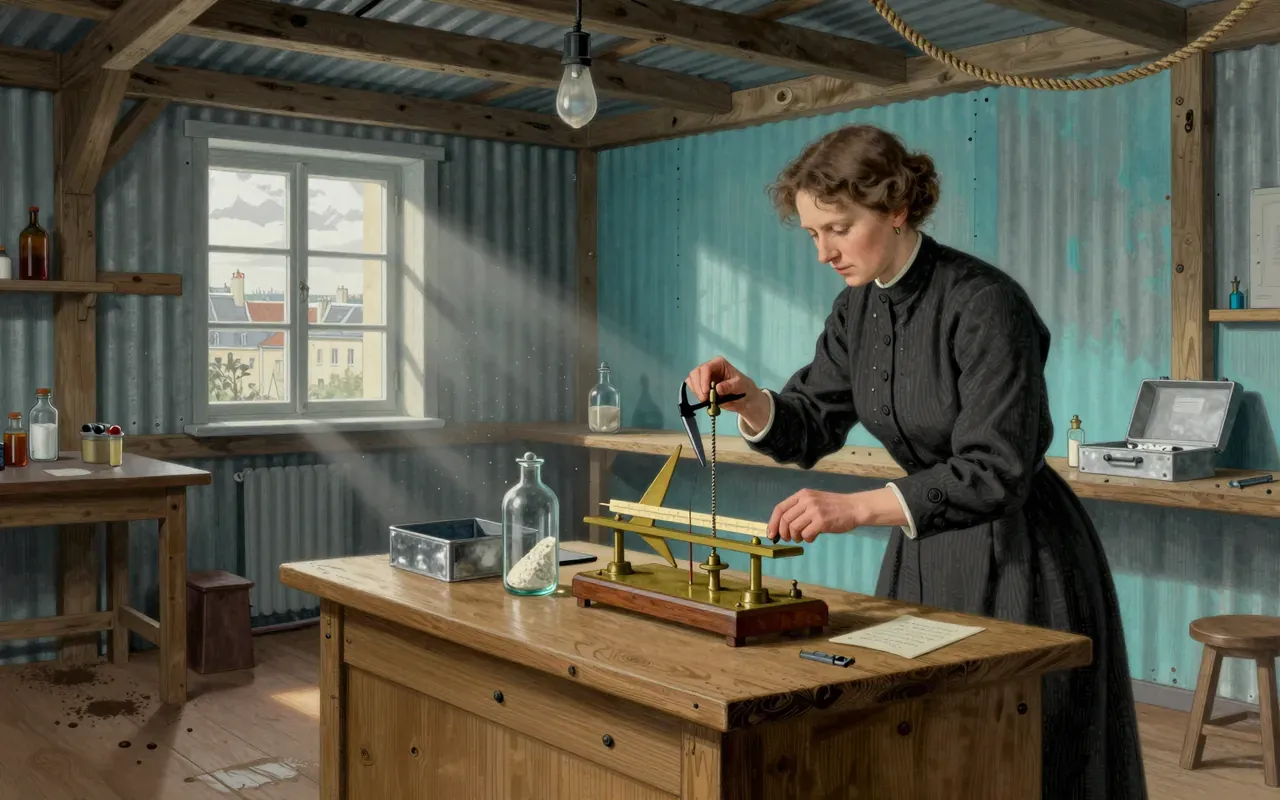
Marie Curie

She didn’t find radioactivity—she proved it lived inside the atom.
10:33

Mario Molina

A postdoc and a chemist proved your fridge coolant was eating the sky — and changed how the world governs chemistry.
11:54

Marvin Harris

Marvin Harris didn’t prove materialism — he weaponised it as an organising principle for anthropology.
9:21

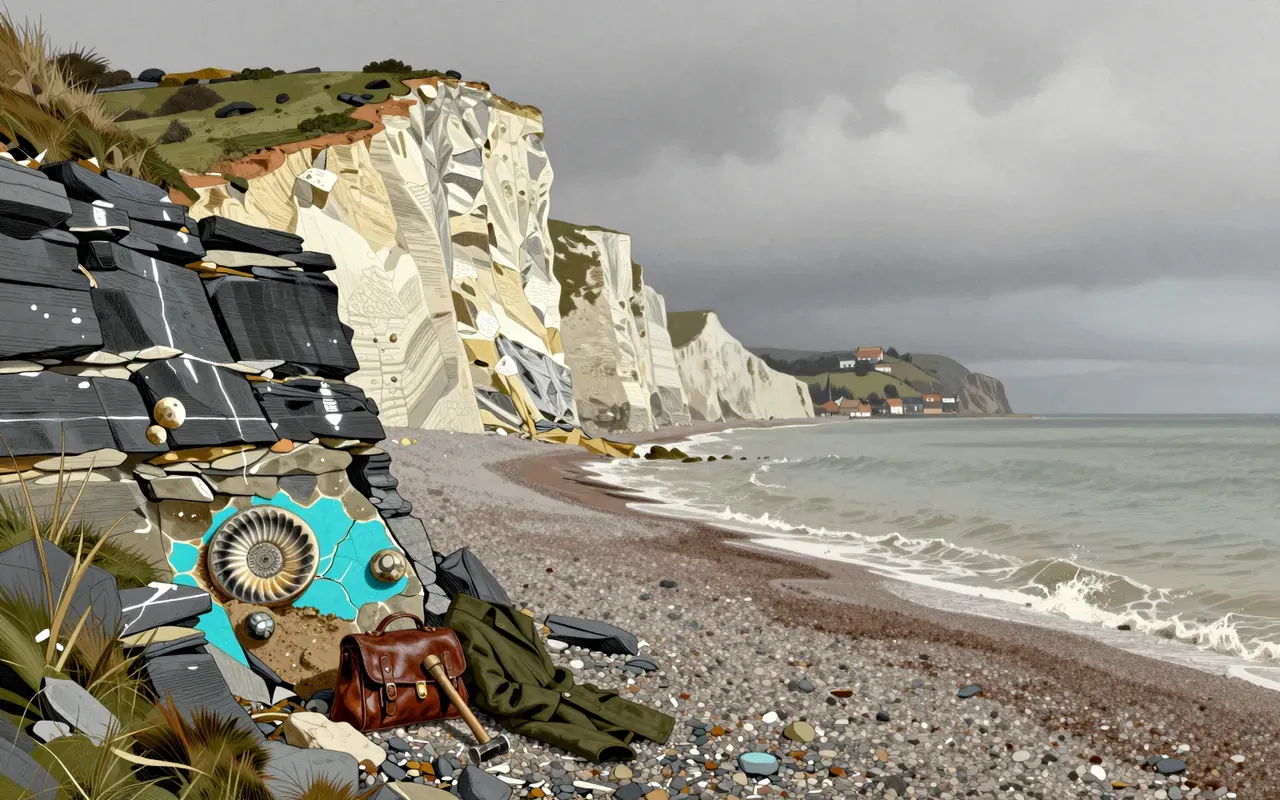
Mary Anning

She didn’t theorise deep time — she dug it up, dissected it, and named its waste.
11:00

Max Planck

Planck didn’t discover quanta — he invented them to save classical physics, then accidentally broke it forever.
13:00

Maxwell's equations

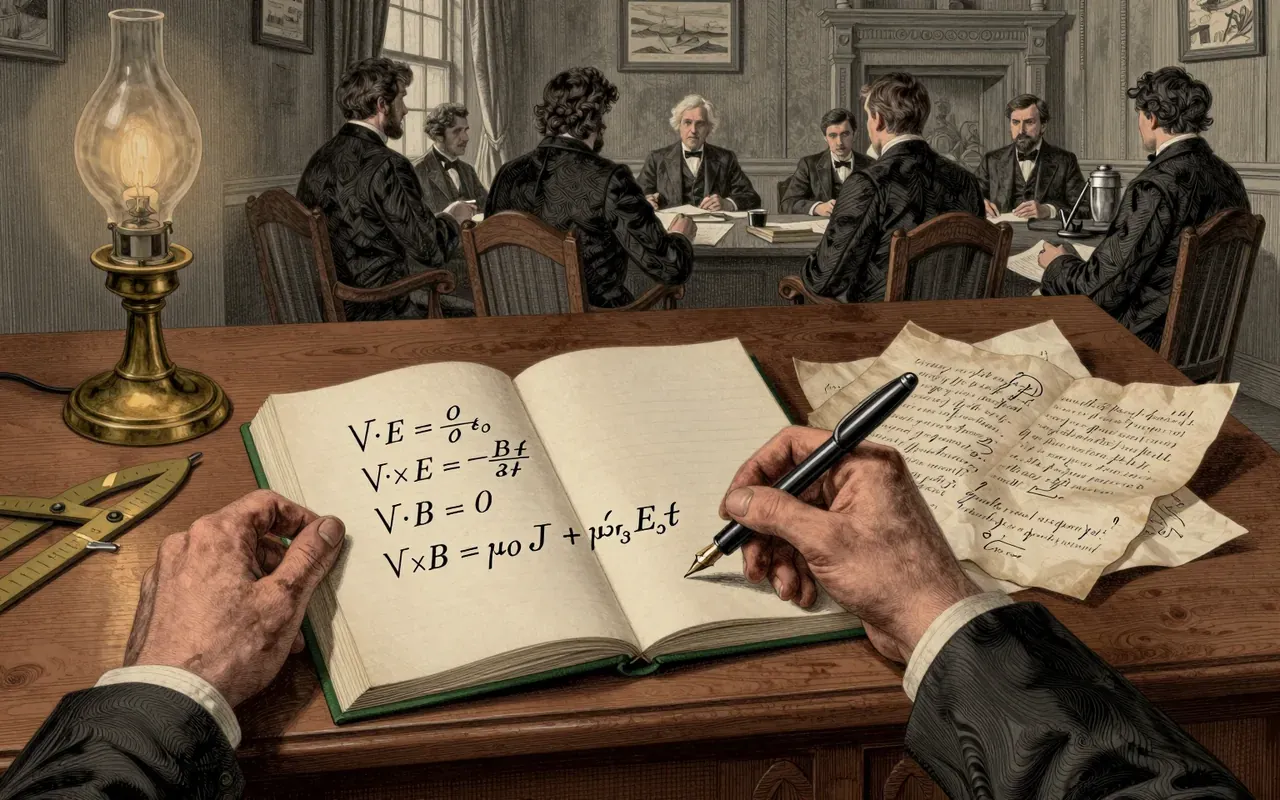
When James Clerk Maxwell added one missing term to the equations linking electricity and magnetism, the mathematics predicted a wave travelling at a speed that matched light almost exactly, revealing light itself as an electromagnetic phenomenon.
9:30

Meave Leakey

A flat-faced skull from Kenya shattered the illusion of a tidy human family tree.
13:00

Nuclear fission

Otto Hahn's puzzling 1938 chemistry, barium from bombarded uranium, was explained within weeks by the exiled Lise Meitner and Otto Frisch as nuclear fission, work for which only Hahn received the 1944 Nobel Prize.
13:00

Melatonin

American and European sleep guidelines look at the same melatonin evidence and reach opposite conclusions about treating insomnia, and this brief follows that split alongside what melatonin actually does in the body before it ever reaches a bottle.
13:00

Metamaterial

A material Victor Veselago predicted mathematically in 1967 and nobody believed worth building sat ignored for three decades until copper rings on circuit board made light bend the wrong way in 2000.
13:00

Milgram experiment

In 1961, months after Adolf Eichmann's trial opened, Stanley Milgram found 65 per cent of volunteers at Yale would deliver what they believed was a 450-volt shock to a stranger simply because told to continue — far more than psychiatrists had predicted.
13:00

Mitochondria

Mitochondria carry their own DNA and a double membrane, the physical evidence that convinced biologists they began as free-living bacteria, and this brief looks at how far that evidence actually carries the story.
13:00

Molecular clock

A 1967 protein comparison suggested humans and chimpanzees split far more recently than fossils then implied, and the molecular clock method behind that claim has since been refined to account for the fact that its own ticking rate is not actually constant.
13:00

Nash equilibrium

A 28-page dissertation defined stability in a game as nobody being able to do better by switching strategy alone, a simple condition that says nothing about whether the outcome is actually good for anyone.
13:00

Natural killer cell

Natural killer cells attack by noticing what is missing from a cell's surface rather than what is present, an idea that only became testable once researchers could see the cells at all, and this brief follows that logic into innate immunity more broadly.
13:00

Neurotransmitter

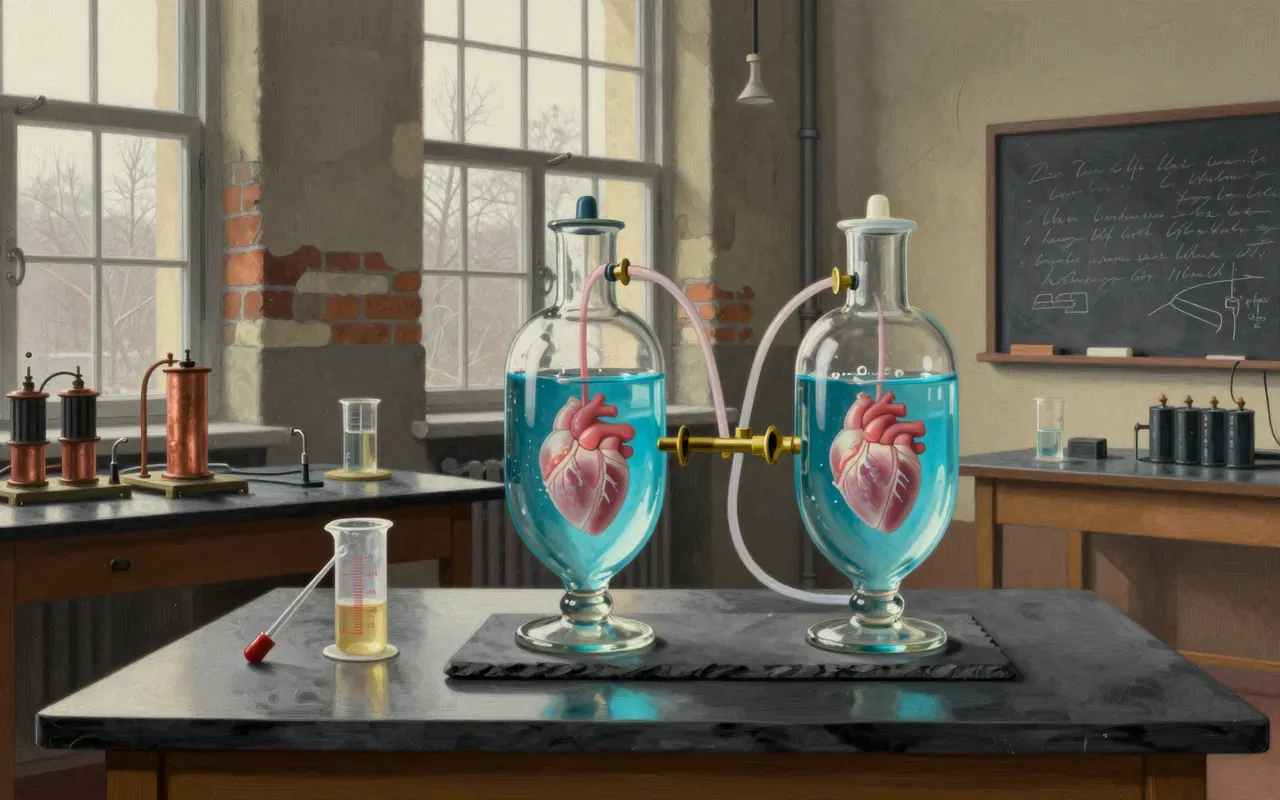
Otto Loewi's 1921 experiment transferred fluid from one stimulated frog heart to a second, unconnected heart, and it slowed too — evidence that nerves signal with a released chemical rather than electricity alone, and the start of a search for what else nerves release.
13:00

Solar neutrino problem

Ray Davis's underground tank of cleaning fluid counted only about a third of the solar neutrinos theory predicted for three decades, a gap eventually traced not to a flawed experiment but to neutrinos changing type on the way to Earth.
13:00

Massively parallel sequencing

Reading DNA one lane at a time cost the Human Genome Project years and roughly a hundred million dollars. Spreading millions of short reads across one flow cell instead brought that down toward a few hundred dollars, trading length and certainty for volume.
9:25

Niels Bohr

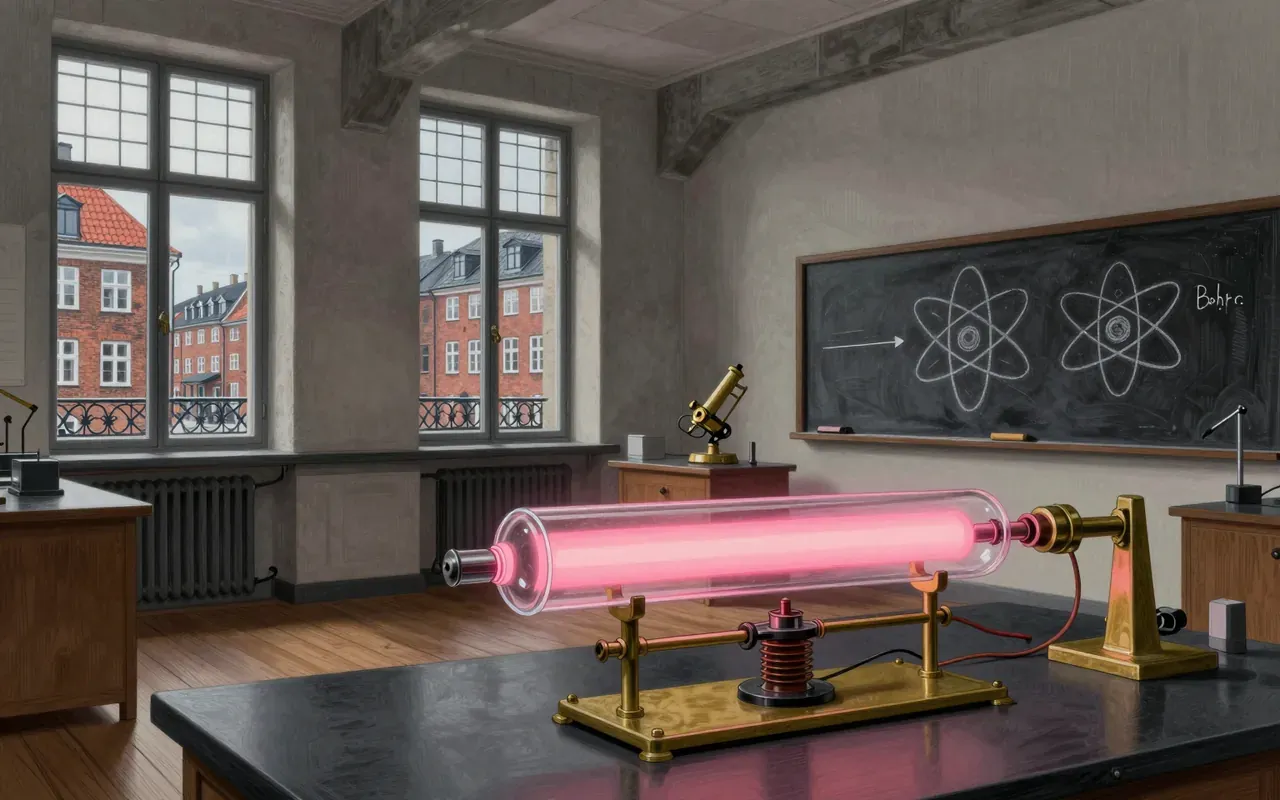
Bohr didn’t fix the atom—he broke classical physics wide open.
9:59

Nikola Tesla

Tesla didn’t invent the future — he engineered its first working parts.
13:00

Nitrogen fixation

A single enzyme that breaks down the moment it meets oxygen is what lets bacteria turn inert air into usable nitrogen, and this brief follows that chemistry from an eccentric Dutch microbiologist's 1901 discovery to the industrial process that now feeds most of humanity.
10:20

Noether's theorem

Emmy Noether

Noether's theorem is the rigorous, general proof that continuous symmetries of the action imply conservation laws. It was published in 1918 in Invariante Variationsprobleme. It applies only to smooth, differentiable symmetries in conservative systems. It resolved energy conservation in general relativity. It reshaped theoretical physics’ emphasis toward symmetry.

13:00

Non-Euclidean geometry

For two thousand years mathematicians tried proving Euclid's parallel postulate from his other axioms. In 1829 and 1832, Lobachevsky and Bolyai independently showed the opposite: denying it produces a consistent geometry, one Gauss had already found and hidden.
10:34

Norbert Wiener

Wiener didn’t invent AI — he invented the idea that purpose could be noise-filtered, feedback-driven, and machine-simulable.
8:55

Norman Borlaug

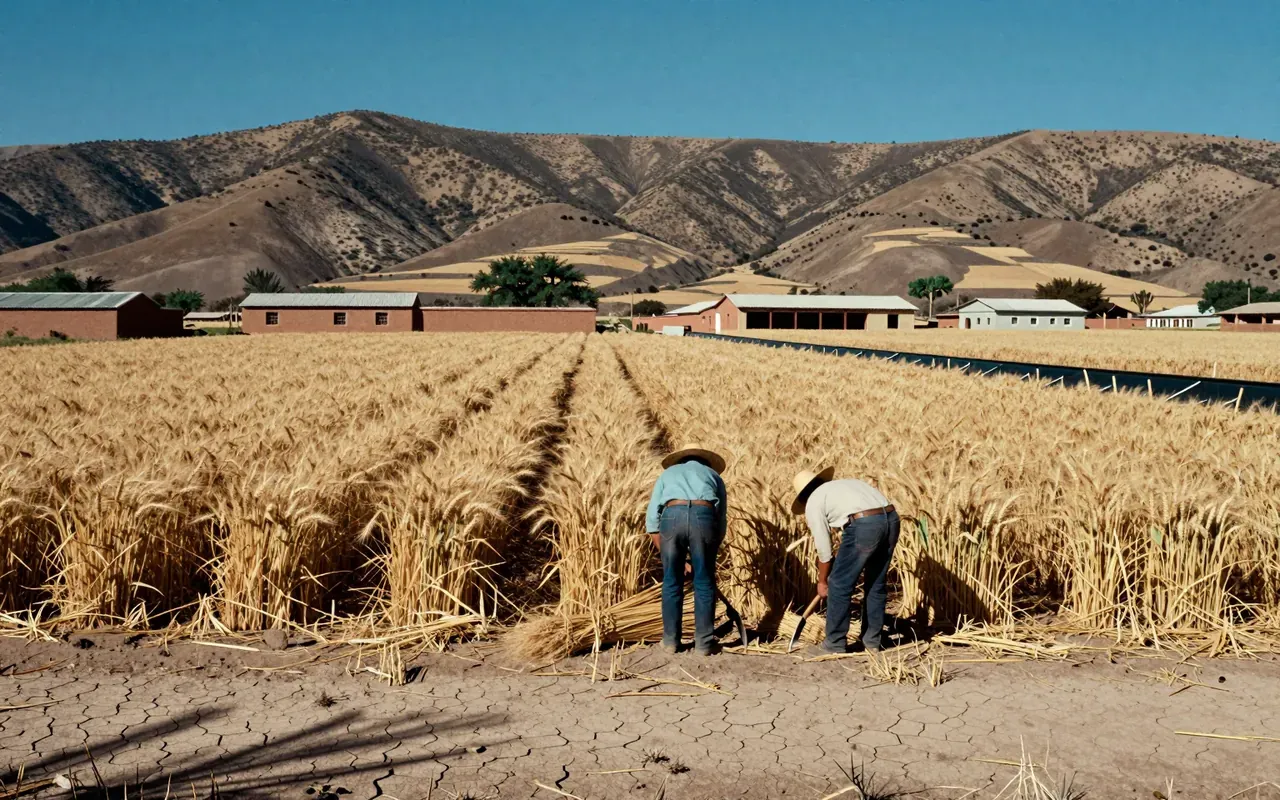
Borlaug didn’t end world hunger — he doubled wheat yields in three countries in five years by breeding shorter, sturdier plants.
13:00

Nylon

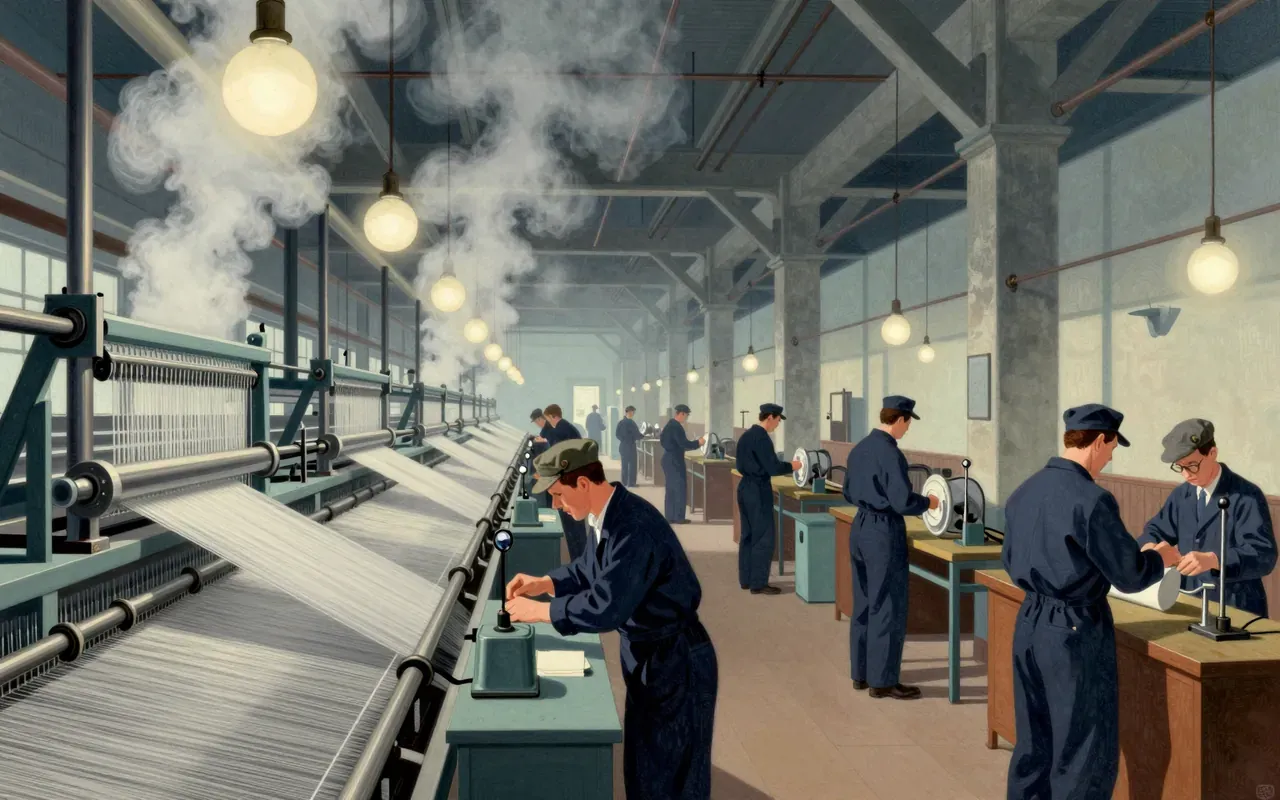
Carothers's lab made the first fully synthetic fibre strong enough to replace silk in 1935. He died by suicide sixteen months before DuPont told the world, and never saw the 64 million pairs of stockings that sold in the first year alone.
13:00

Ocean acidification

Roughly a third of the carbon dioxide humans have put into the air over 270 years has dissolved into the ocean, and surface seawater pH has already dropped further than at any point in at least 26,000 years.
13:00

Thermohaline circulation

Sinking cold, salty water near Iceland and Antarctica drives a global circulation that keeps Europe warmer than its latitude suggests, and the IPCC now says it is very likely to weaken further this century.
13:00

Ohm's law

Georg Ohm's 1827 relationship between voltage, current and resistance was dismissed by German critics as fanciful speculation, and it took until the 1840s, and a Royal Society medal, for the field to accept what turned out to be one of electrical engineering's basic tools.
10:49

Ole Rømer

Light does not arrive when it happens — Rømer proved it arrives late, and that delay changed how we see the universe.
11:09

Oliver Heaviside

Heaviside didn’t just tidy up Maxwell—he rewrote the rules of signal, space, and time.
9:06

Omar Khayyam

Omar Khayyam didn’t just do maths and astronomy — he built tools that outlived empires.
13:00

Combined oral contraceptive pill

Gregory Pincus and John Rock turned a 1950s hypothesis about progesterone into the first oral contraceptive, tested on women in Puerto Rico whose reported side effects were overridden on the way to FDA approval in 1960.
13:00

Ozone depletion

A single chlorine atom released from a refrigerant molecule can wreck roughly one hundred thousand ozone molecules before it is finally removed from the cycle, and this brief follows that chemistry from a 1985 Antarctic discovery to a treaty now credited with actual recovery.
13:00

Palynology

Lennart von Post built the first modern pollen diagram in 1916 but published mostly in Swedish, and it took a colleague's German-language paper to spread the method, which this brief follows from a Christiania lecture to modern forensic and honey testing.
13:00

Swan neck flask

A curved glass neck that let air through but trapped dust settled a centuries-old argument about whether life could spring from nothing, by turning a philosophical dispute into a shape anyone could picture and test.
13:00

Henry Molaison

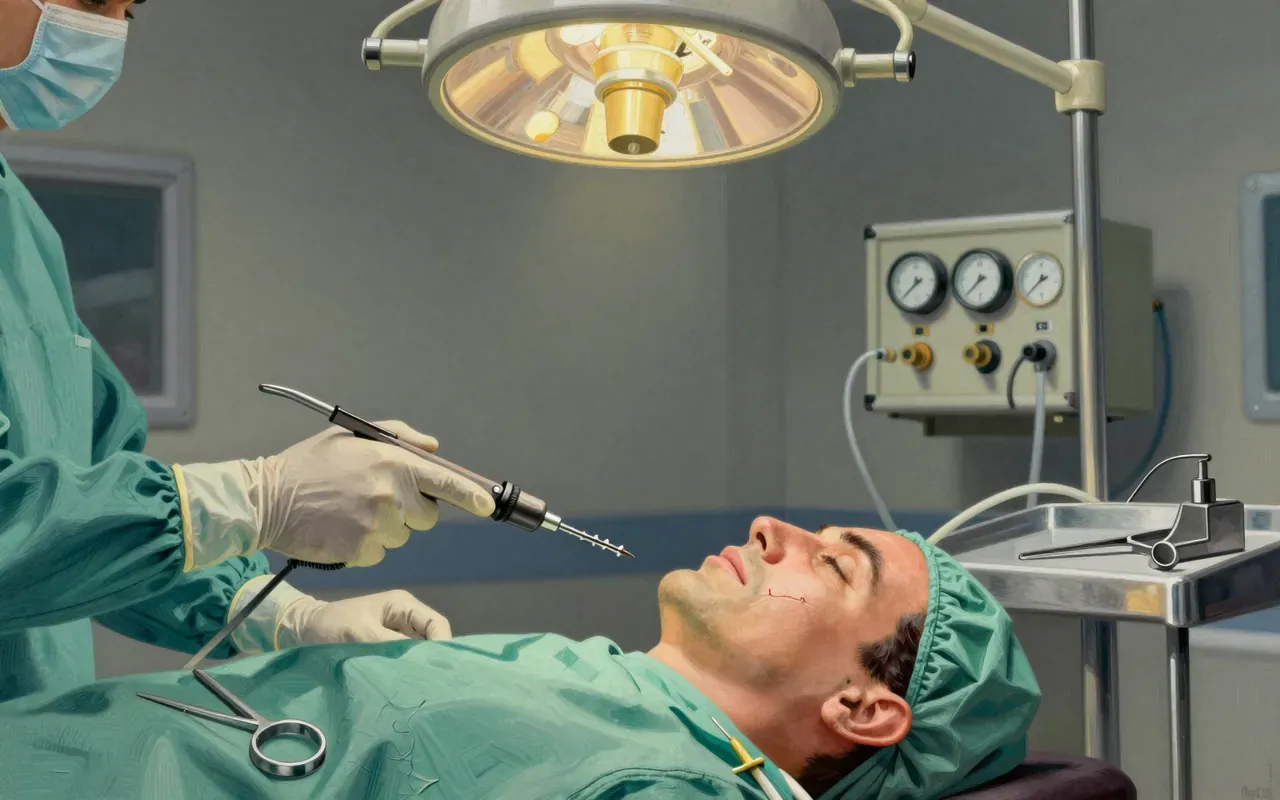
Henry Molaison's 1953 surgery destroyed his ability to form new memories but left skill learning intact, giving Brenda Milner decades of evidence that declarative and procedural memory are genuinely separate systems.
9:53

Paul Dirac

Dirac didn’t just predict antimatter — he built the grammar in which all particle physics is written.
13:00

History of penicillin

Howard Florey and Ernst Chain's Oxford team, aided by a mould found on a Peoria cantaloupe, turned Fleming's decade-old observation into billions of units of penicillin a year, though Britain's refusal to patent the method cost it years of royalties.
13:00

Pentaquark

A wave of pentaquark sightings in 2003 collapsed entirely by 2008 once other experiments failed to replicate them, and it took the LHCb collaboration's accidental 2015 discovery, confirmed at 15-sigma significance, to establish the particle for real.