sciencebriefs
Highest rated

All briefs

561 briefs · 6515 min · 481–561 on page 6 of 6
13:00

Mycoplasma laboratorium

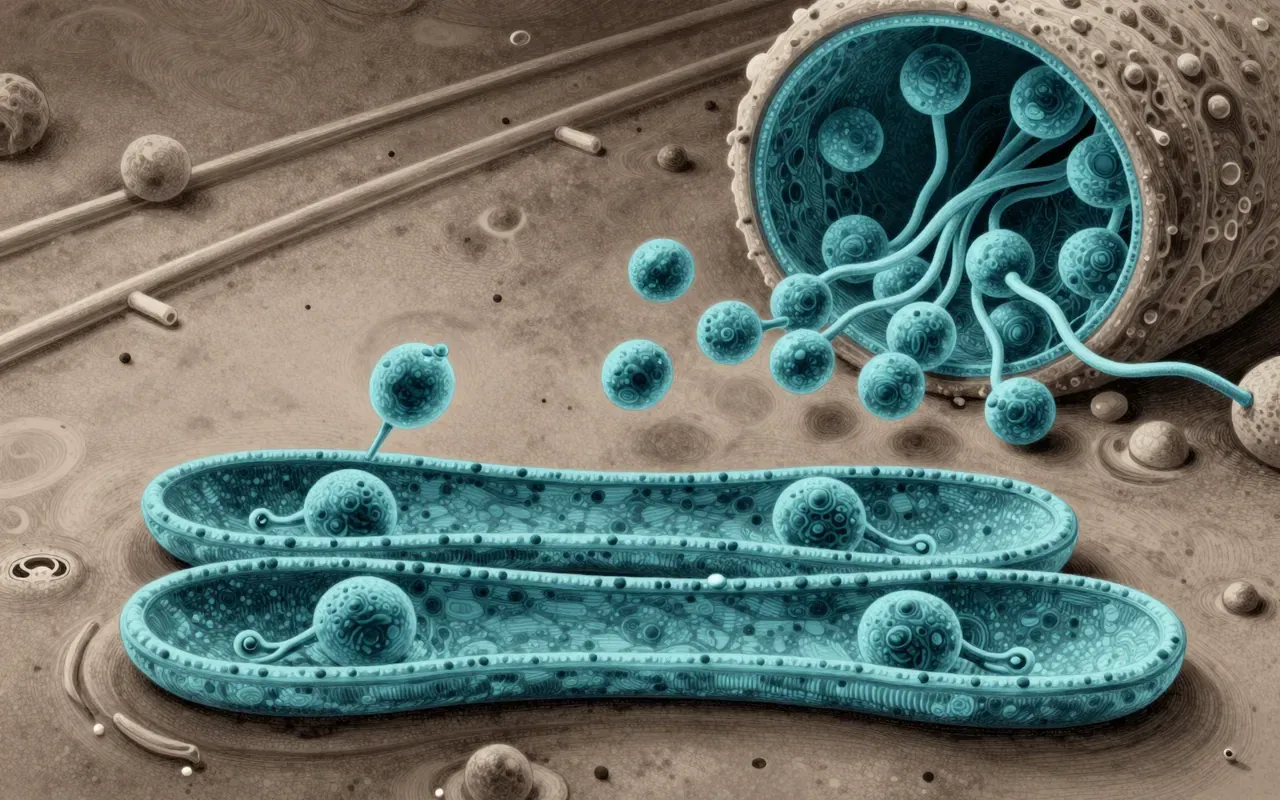
Venter's team built a bacterial genome from chemical building blocks and started it running inside a hollowed-out cell in 2010, though the cell's machinery, not the genome alone, did the actual living.
13:00

Flow cytometry

An instrument that now sorts thousands of individual cells a second by their exact chemistry began as two borrowed industrial tricks, an electrical particle counter and an ink-jet printer, combined into a single machine decades apart.
13:00

Four color theorem

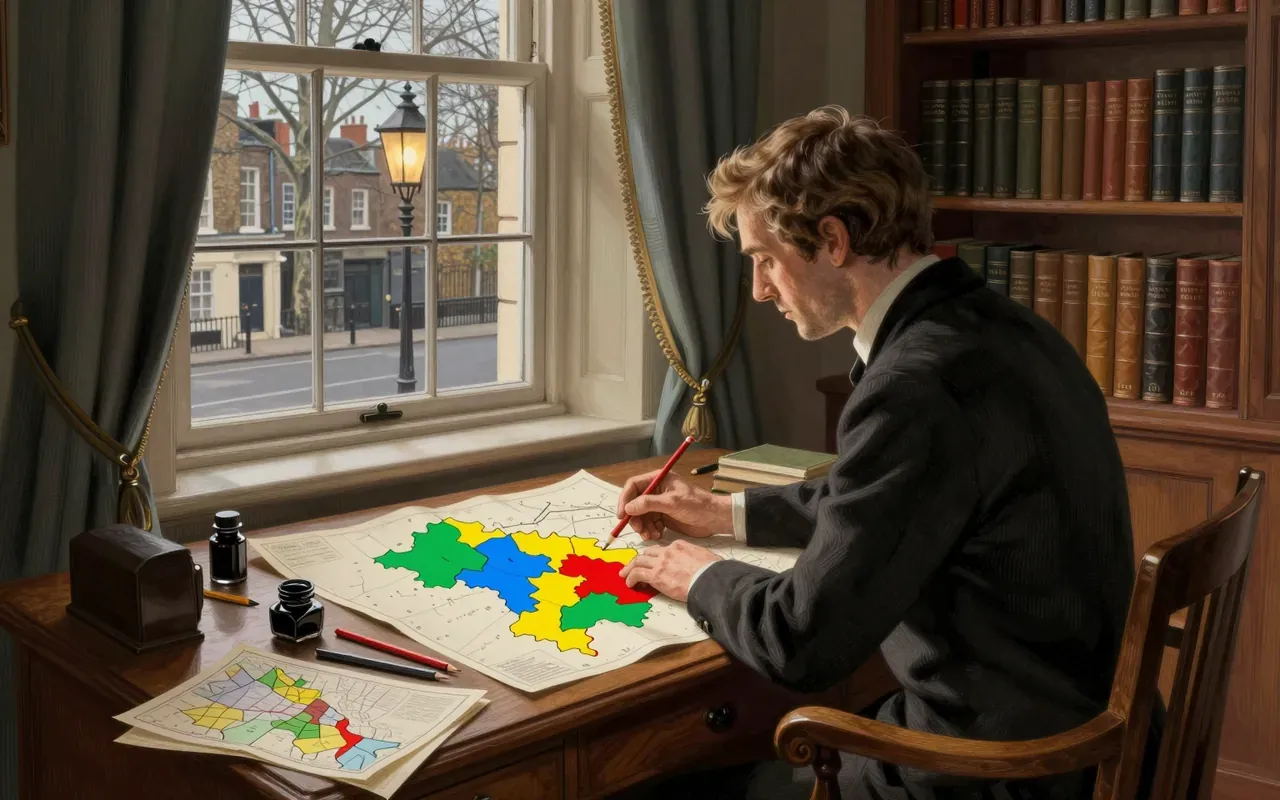
In 1976 Kenneth Appel and Wolfgang Haken proved that any map can be coloured with just four colours so no two neighbouring regions match, by having a computer check over 1,800 configurations for more than 1,000 hours — the first major theorem no human could verify by hand.
13:00

Genetic code

A single experiment with a synthetic RNA of nothing but uracil gave Nirenberg and Matthaei the first codon; a decade of follow-up work by Khorana, Holley and others filled in the other sixty-three.
9:19

Golgi apparatus

Camillo Golgi

Camillo Golgi discovered the Golgi apparatus in 1898 using osmium dichromate staining on barn owl Purkinje cells. He named it 'apparato reticolare interno' and asserted it was a real, unique cellular component. Initial scepticism held that it was an optical illusion. The finding was not firmly established until electron microscopy emerged ~50 years later. It revealed a new intracellular structure but gave no insight into its function, mechanism, or universality.
13:00

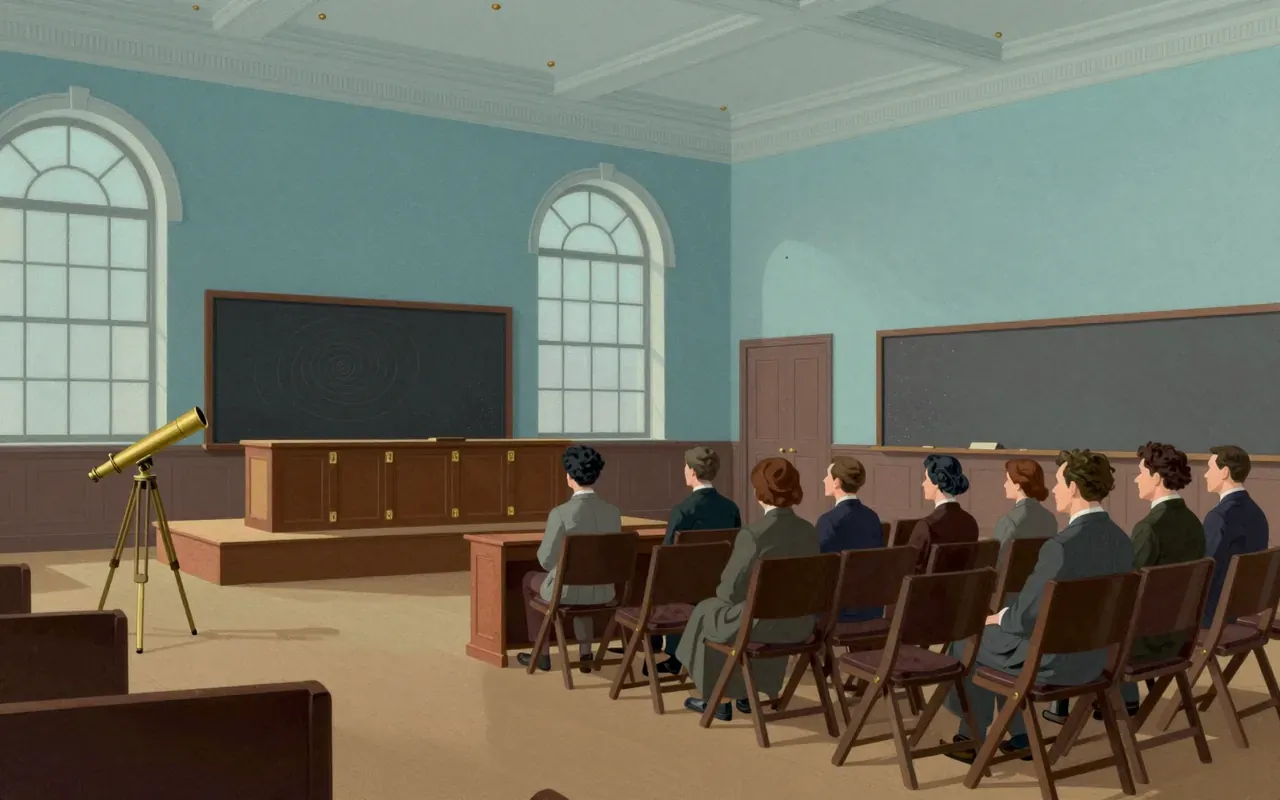
Great Debate (astronomy)

In 1920 two astronomers each gave a forty-minute talk on whether the Milky Way was the whole universe or one galaxy among many, and neither had quite enough evidence to win outright, until a third astronomer settled it a few years later.
13:00

Holographic principle

A puzzle about black hole entropy scaling with surface area, not volume, led to the idea that a region of space might be fully described by information on its boundary, and Juan Maldacena's 1997 conjecture gave that idea its clearest, still unproven, form.
9:26

Human Microbiome Project

It gave us the first map of where microbes live in healthy humans — not why they matter, not how to fix them, just where they are.
13:00

Integrated circuit

Two engineers solved the same wiring problem months apart in 1958 and 1959, and it was the less-famous first version, not the one modern chips descend from, that reached the Nobel committee.
11:07

Mandelbrot set

Benoit Mandelbrot

Mandelbrot visualised a known mathematical object with unprecedented clarity — making topology legible through computation.
13:00

Human microbiome

Trillions of microbes live on and in every human body, and genetic sequencing has replaced old guesses about their numbers and roles — but most links between the microbiome and disease remain correlations, not proven causes.
13:00

Thermal cycler

An enzyme borrowed from a bacterium that lives in hot springs let a single sealed machine copy a chosen stretch of DNA over and over, doubling it with every cycle, and turned an idea worked out on a car journey into the standard tool of molecular biology.
13:00

Perseverance (rover)

Perseverance's 2021 landing and its instruments have delivered exactly what was engineered, precise navigation, a surprise helicopter programme, oxygen from thin air, but the sample-return mission that would confirm any life finding is stalled.
13:00

Ribosome

The ribosome is a machine made mostly of RNA that reads genetic messages and builds proteins one amino acid at a time, and this brief traces how that was worked out and what still counts as settled.
13:00

Elastic-rebound theory

After the 1906 San Francisco earthquake, geologist Harry Fielding Reid measured decades of ground bending along the San Andreas Fault and proposed that faults store strain quietly for years before snapping back all at once.
13:00

Seismometer

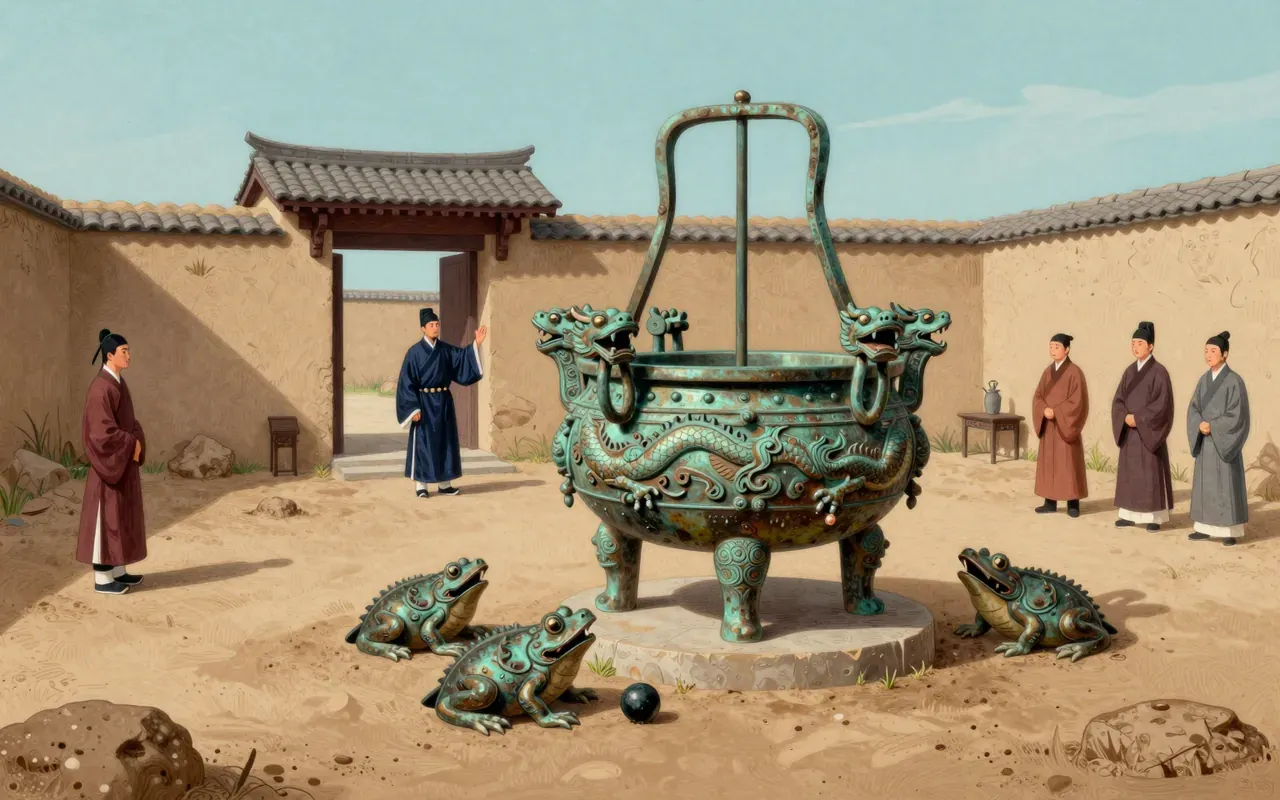
A bronze vessel ringed with dragons detected a Chinese earthquake in AD 143 that nobody nearby had felt, and it took well over a thousand years before any instrument matched what it had already managed to do.
13:00

Gene-centered view of evolution

Richard Dawkins's 1976 book argued natural selection is best understood from the gene's perspective, not the organism's, a framing Stephen Jay Gould called book-keeping mistaken for causality, and one Dawkins himself later regretted titling so misleadingly.
13:00

International System of Units

The metre, the kilogram and five other units used to rest on physical objects kept in a French vault. Now every one of them is fixed to a constant of nature, and the change is quieter than it sounds.
13:00

Optical spectrometer

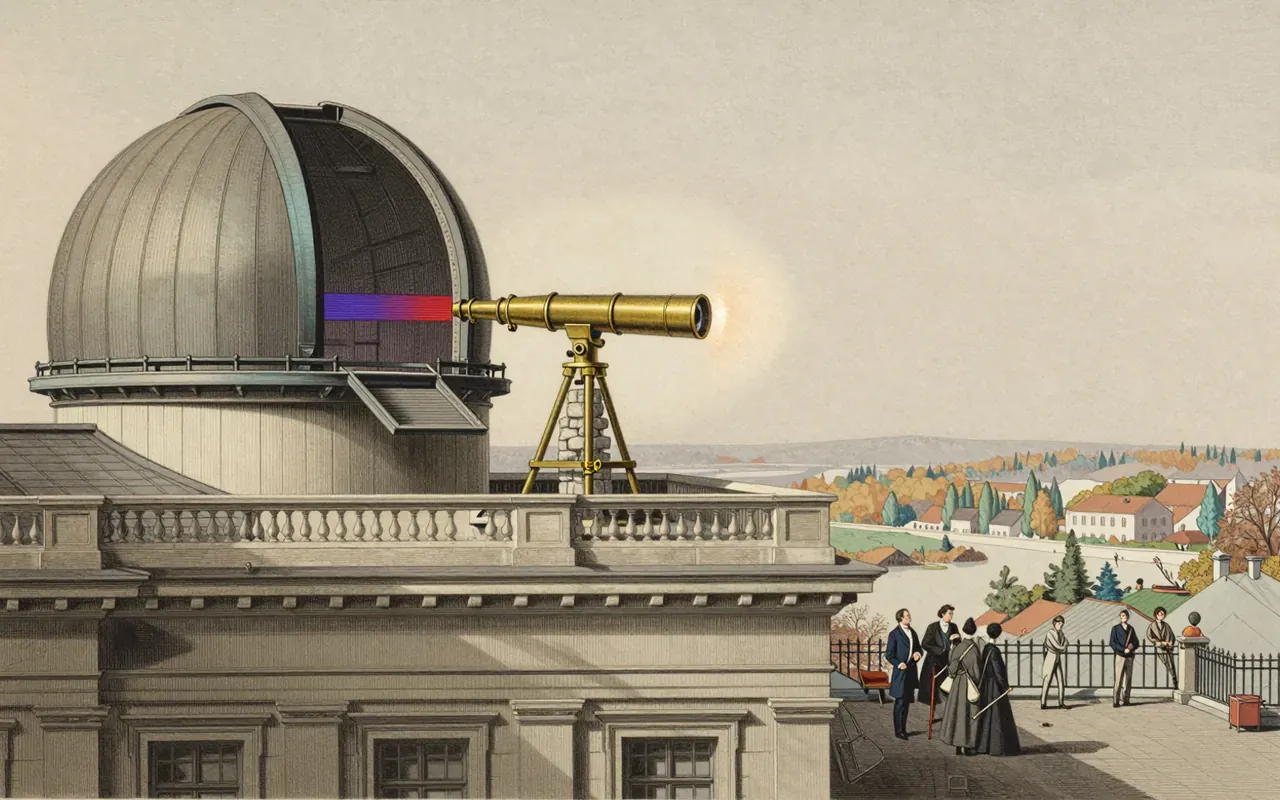
In 1815 a German physicist counted six hundred dark gaps in the spectrum of sunlight, and within a few decades that oddity had become a method for reading the chemical makeup of a flame in a laboratory or a star many light years away.
13:00

Standard Model

Built up piece by piece from the 1960s to the 2012 discovery of the Higgs boson, the Standard Model correctly predicts particle physics down to its component quarks and forces, while leaving gravity and dark matter untouched.
13:00

Theory of mind

Wimmer and Perner's 1983 false-belief task, staged as the Sally-Anne test with two dolls and a moved marble, showed children under about four cannot yet grasp that someone else can believe something the child knows to be false — a milestone since disputed on what it measures.
13:00

BCG vaccine

Albert Calmette and Camille Guerin spent thirteen years weakening a tuberculosis strain into the BCG vaccine, first given to a child in 1921, whose protection has since proved real but strikingly inconsistent from one country to the next.
13:00

Younger Dryas

The Younger Dryas plunged the Northern Hemisphere back into cold within decades, and while most researchers link it to a slowdown in Atlantic ocean circulation, a rival comet-impact idea has been examined and largely rejected.
13:00

Topological insulator

Charles Kane and Eugene Mele predicted in 2005 that a material could conduct only along its edges while remaining insulating throughout its interior, and a mercury telluride sandwich confirmed it two years later.
13:00

Transformer (deep learning)

A 2017 Google paper argued attention alone, without the recurrent processing every prior language model relied on, could handle sequences better and in parallel, and that architectural bet underlies essentially every large language model built since.
13:00

Tsunami

Tsunamis begin when a megathrust earthquake abruptly lifts or drops a stretch of seafloor, and the resulting wave stays almost invisible in the open ocean before growing dangerous as it reaches shallow water.
13:00

SN 1572

In 1572 a new star appeared in Cassiopeia and refused to shift position the way anything closer than the Moon should, and Tycho Brahe's careful measurement of that non-movement helped crack the idea that the heavens never change.
13:00

Uniformitarianism

James Hutton and Charles Lyell argued that the slow processes shaping the Earth today have always operated the same way, and reading that logic backward is what first showed the planet had to be far older than tradition allowed.
13:00

Vitamin C

James Lind showed citrus cured scurvy in 1747 and the advice was ignored for decades; Albert Szent-Györgyi isolated the actual compound in 1927 and still needed another scientist's proof to confirm what he had found.
13:00

Vitamin D

Cod liver oil and sunlight looked like unrelated folk remedies for rickets until researchers proved both worked through the same molecule, vitamin D — a discovery that eliminated a disfiguring childhood disease at national scale.
9:49

Vladimir Vernadsky

Life isn’t just on Earth — it *is* Earth’s geology, and minds are its next stratum.
13:00

Volcanic winter

Sulphate haze from Tambora's 1815 eruption cooled the world enough to freeze crops in New England, and that one well-documented winter anchors the theory of how big eruptions chill the planet.
10:35

William Buckland

He proved hyaenas once ruled Yorkshire caves—but still buried them under Noah’s flood.
13:00

Zinc finger

Aaron Klug's laboratory found that a small zinc-stabilised loop of protein, first spotted in a frog transcription factor, recurs across the genome as a modular way for proteins to grip specific DNA sequences.
8:52

The Double Helix

Watson, Crick, Franklin and Wilkins

The Double Helix is not the discovery of DNA’s structure — it is Watson’s memoir of it. The real discovery is in the 1953 Nature papers. The book’s value lies in exposing how scientific credit gets assigned, not in explaining how the structure was found.
8:07

Henry Gee

Henry Gee is a British palaeontologist and evolutionary biologist, a senior editor at Nature, and the author of books on deep time, the origin of vertebrates and human evolution.
11:16

Geoffrey West

Cities scale like organisms—but the 15% salary bump isn’t a law, it’s a rough correlation with no mechanism, margin of error, or boundary conditions.
10:10

Renewable energy

Renewables aren’t a discovery — they’re a scaling target with a definition, not a breakthrough.
9:14

Abraham Maslow

Maslow didn’t measure self-actualisation—he curated it from heroes he admired.
11:02

Aubrey de Grey

A gerontologist broke a 60-year-old maths stalemate—and used graveyard soil to test an anti-ageing idea no one else would touch.
9:35

Carl Rogers

Therapy isn’t about what you say — it’s about how you hold space, and in 1941 they proved it with tape recorders.
9:09

Carol Dweck

Praising intelligence isn’t kind—it’s a trap that makes people avoid hard work.
13:00

Catastrophe theory

René Thom classified every possible way a stable system can suddenly break into seven geometric templates. The mathematics is settled; its 1970s use to explain animal and human behaviour was not, and a public critique said so.
13:00

Cytokine

Cytokines carry immune instructions at concentrations far lower than hormones, and the same signalling logic that lets a handful of molecules coordinate an infection response can also spiral into a cytokine storm, which this brief traces from 1957 discoveries to COVID-19.
9:01

David M. Raup

Extinction isn’t random — but the 26-million-year pulse Raup found is not a law of nature.
13:00

Focal mechanism

A single earthquake can be read as a diagram that looks like a beach ball. Which quadrants come out shaded tells you whether a fault pulled apart, pushed together or slid sideways — and that reading once settled a live argument about seafloor spreading.
10:41

Edward Drinker Cope

Cope didn’t found American palaeontology—he flooded it with names, many of which still stand only because no one has cleared the backlog.
13:00

Photoemission spectroscopy

Shine light on a surface and the electrons it knocks loose carry a precise record of the energy levels inside — the method Kai Siegbahn spent decades turning into one of chemistry's sharpest tools.
13:00

Extremophile

Some organisms hold their internal chemistry near neutral by constantly pumping protons out against a hostile acidic environment, and this brief follows that strategy alongside the wider extremophile catalogue it belongs to, from mine drainage to the edge of space.
10:26

Hedy Lamarr

A Hollywood actress co-patented a jam-proof torpedo system — but never saw it built, tested, or used.
10:11

Jean Piaget

Piaget didn’t discover how children think—he discovered that we’d been misreading their wrong answers all along.
9:20

Lawrence Kohlberg

Kohlberg did not discover morality—he invented a ruler for one kind of moral talk.
10:20

Margaret Mead

Margaret Mead didn’t prove culture shapes adolescence—she showed it could, and that was enough to break biological determinism.
11:54

Marvin Harris

Marvin Harris didn’t prove materialism — he weaponised it as an organising principle for anthropology.
13:00

Peroxisome

Peroxisomes were found almost by accident in a search for something else, and this brief follows how a small oxygen-handling organelle turned out to matter for nerve myelination and long-chain fat breakdown.
13:00

Plant hormone

Plants have no glands and no circulatory system, yet every cell can make its own hormones, and this brief follows how at least nine separate signal classes coordinate growth without either of those animal-style tools.
13:00

Psychrophile

A lichen that keeps photosynthesising below freezing shows cold tolerance is not one trick but several, and this brief follows those strategies alongside a decades-old dispute over what actually counts as a true psychrophile.
13:00

Snake venom

Snake venom is a mixture of enzymes and peptides, not a single poison, and its neurotoxins each interrupt one precise step in how a nerve signals a muscle — a mechanism well established even where the broader classification of venom types is not.
13:14

Stanford prison experiment

Philip Zimbardo

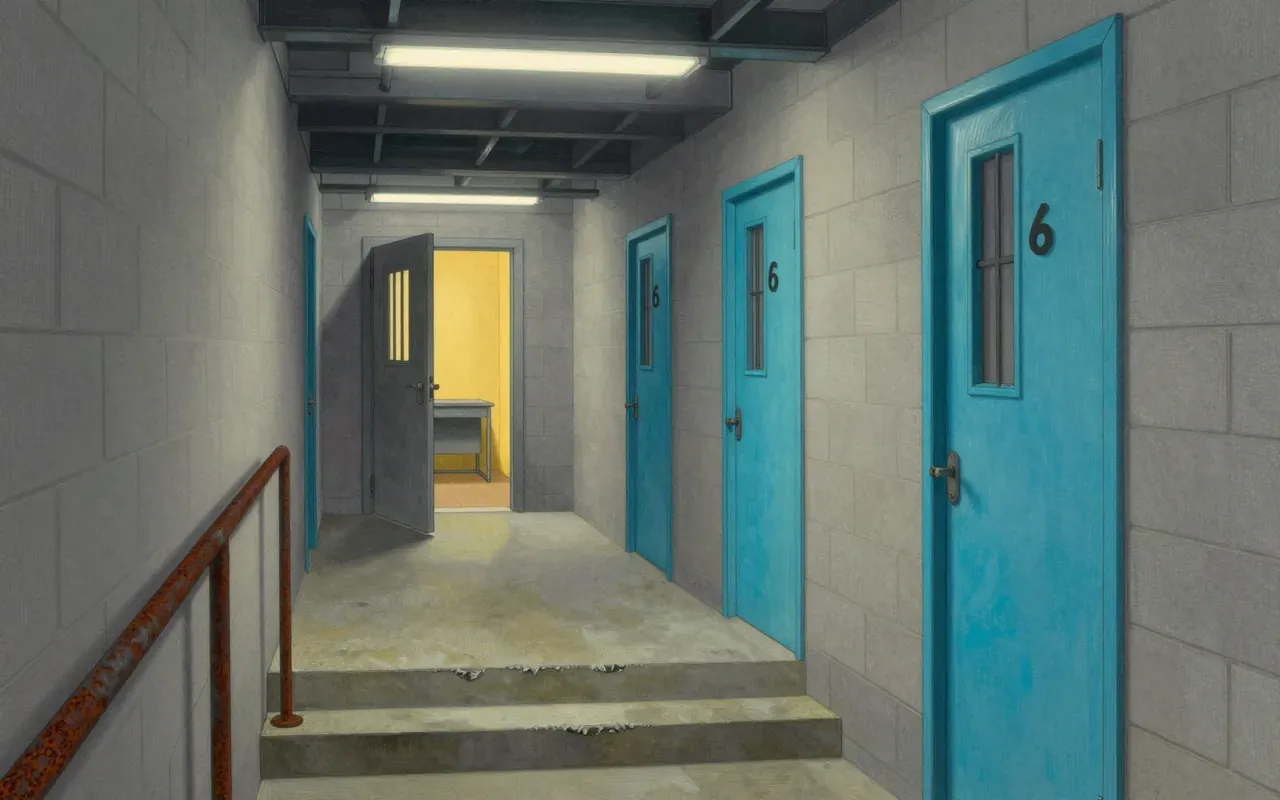
The Stanford prison experiment was a 1971 simulation study conducted by Philip Zimbardo at Stanford University, using 24 male college students randomly assigned as prisoners or guards in a mock prison in the psychology building basement. Its goal was to assess the psychological effects of role assignment, focusing on how roles, rules, symbols, group identity, and situational forces shape behavior. Results showed rapid, extreme role adaptation by both groups, leading to dangerous and psychologically damaging conditions; Zimbardo himself became immersed in his role as superintendent until intervened by Christina Maslach. The core conclusion was that situational forces can exert far greater influence on behavior than commonly recognized.
8:32

Cell-mediated immunity

Cell-mediated immunity isn’t a discovery—it’s a category carved from a 19th-century conceptual split.
13:00

Solar cell

In 1954 Bell Labs built a silicon cell that converted sunlight to electricity roughly six times better than anything before it, and then spent the next two decades discovering that solving efficiency was the easy half of the problem.
13:00

Mirror neuron

In the early 1990s a Parma laboratory found monkey brain cells that fired both when the animal grasped food and when it merely watched someone else grasp it — a finding since stretched into theories of empathy, language and autism that the evidence itself struggles to support.
13:00

Vitamin A

A 1913 feeding experiment on rats at a Wisconsin farm station established that fat could carry an essential nutrient — the discovery that gave nutrition science the category of vitamin, and fixed the name, vitamin A, after a decade of dispute over what to call it.
13:00

Vitamin

Frederick Hopkins didn't discover a vitamin; he proved by feeding trial that food contains something beyond protein, fat and carbohydrate that animals cannot grow without.
13:00

Gel electrophoresis

A phenomenon first noticed in 1801, that an electric field drags charged particles through a fluid, took more than a century of small, separate refinements before it became the gel-based technique that now sorts DNA and proteins by size in nearly every biology lab.
13:00

Enkephalin

In 1975 researchers identified enkephalin, a chain of just five amino acids made in the brain, as a substance the body produces on its own that binds the very receptors morphine does — the first sign of a whole family of the body's own pain and reward chemistry.
9:46

Fujita scale

Fujita

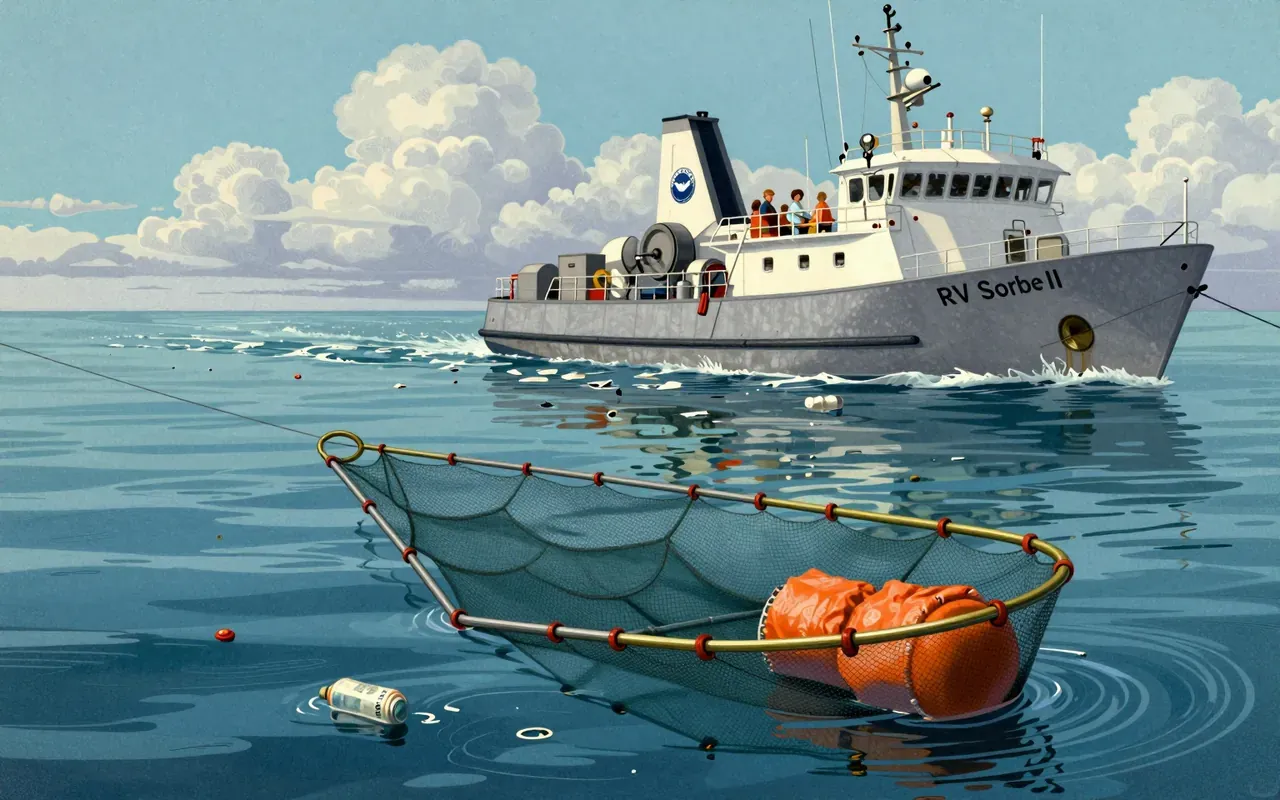
The Fujita scale is a damage-based tornado classification system introduced in 1971. It is not a wind-speed measurement tool. Its F0–F5 categories remain operationally useful. Its theoretical F6–F12 levels were never used. Its wind-speed estimates were unverified and later shown to be inflated.
9:30

Great Pacific Garbage Patch

Charles Moore · 1980

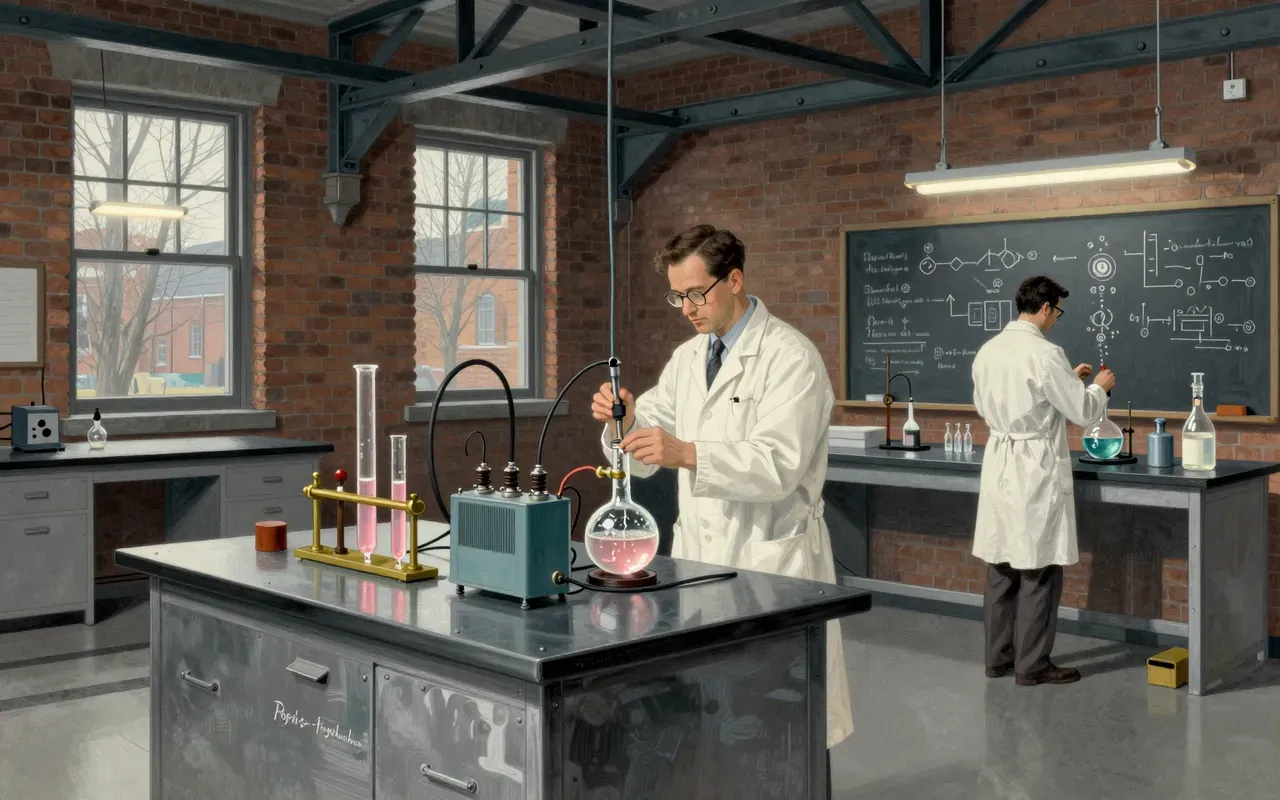
Moore’s 1997 observation was vivid and consequential — but not novel in evidence. The 1988 NOAA paper delivered the first empirical basis. The gap between public attribution and scientific priority is the real story.
13:00

National Ignition Facility

The National Ignition Facility's December 2022 shot produced more fusion energy than its laser delivered to the fuel, a real milestone at the target that is roughly a hundredfold short of net energy for the facility itself.
11:30

Wow! signal

A single 72-second blip — thirty times louder than noise, narrower than 10 kHz, never seen again — is not evidence of aliens. It is evidence of how easily curiosity outruns verification.
9:05

Viktor Frankl

Meaning is not discovered — it is assigned, argued for, and clinically deployed.
9:53

Vladimir K. Zworykin

Zworykin didn’t invent television—he weaponised the cathode-ray tube and made it central to its first electronic incarnation.
8:03

String theory

String theory is not a theory of nature—it’s a laboratory for quantum gravity ideas that have no experimental anchor.
13:00

Inert-pair effect

Thallium would rather give up one electron than the three its position on the periodic table suggests it should. Sidgwick named the pattern in 1927; nobody has ever reduced it to a single cause.
13:00

Xerophile

Honey and jam are supposed to be too dry inside for anything to grow, yet certain fungi manage it anyway, and this brief follows the specific chemistry that lets xerophiles colonise exactly the low-water conditions food preservation depends on.