Eliza Marian Butler
German philhellenism wasn’t just scholarship — it was a weapon Butler named before the war.



















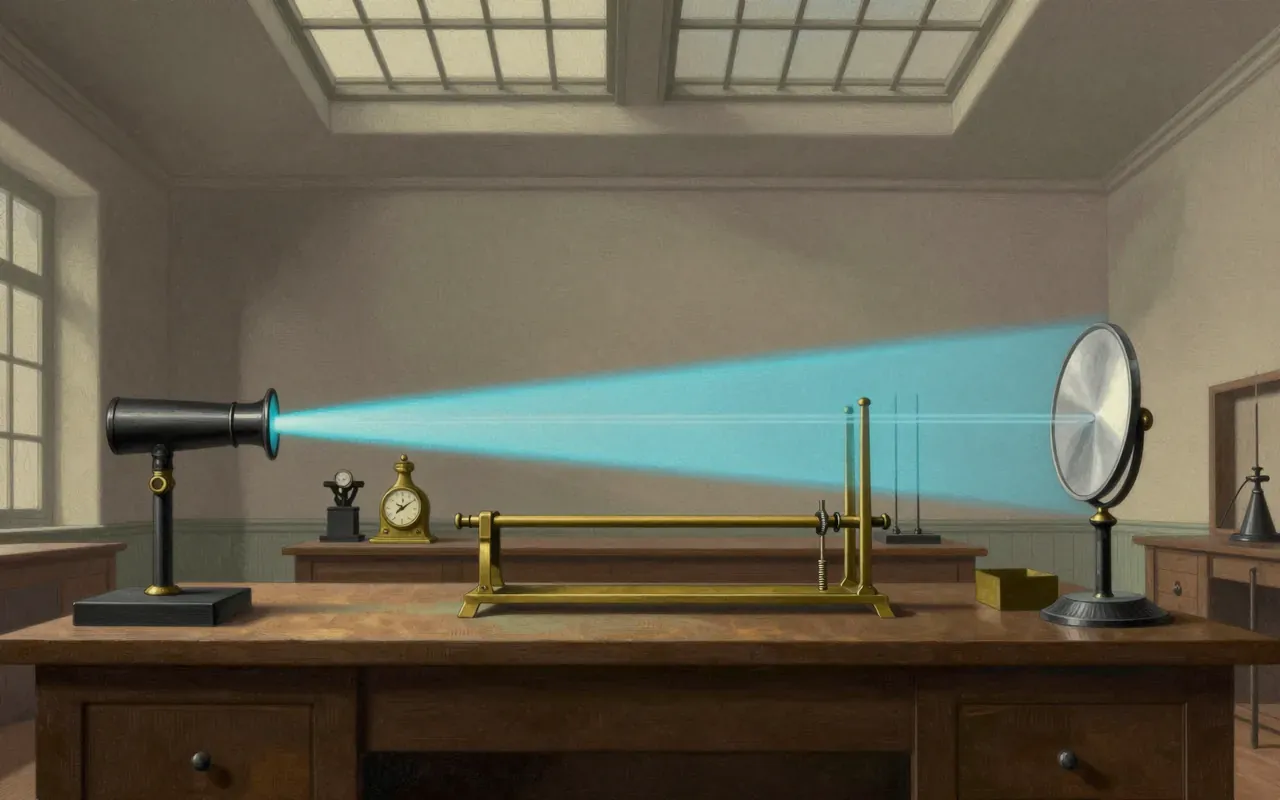
Lorentz’s transformations were a technically successful but conceptually constrained response to experimental anomalies in electrodynamics. They preserved the aether while making predictions match observation—by introducing local time, length contraction, and time dilation as mathematical corrections. Their algebraic form survived into special relativity, but their physical meaning did not.












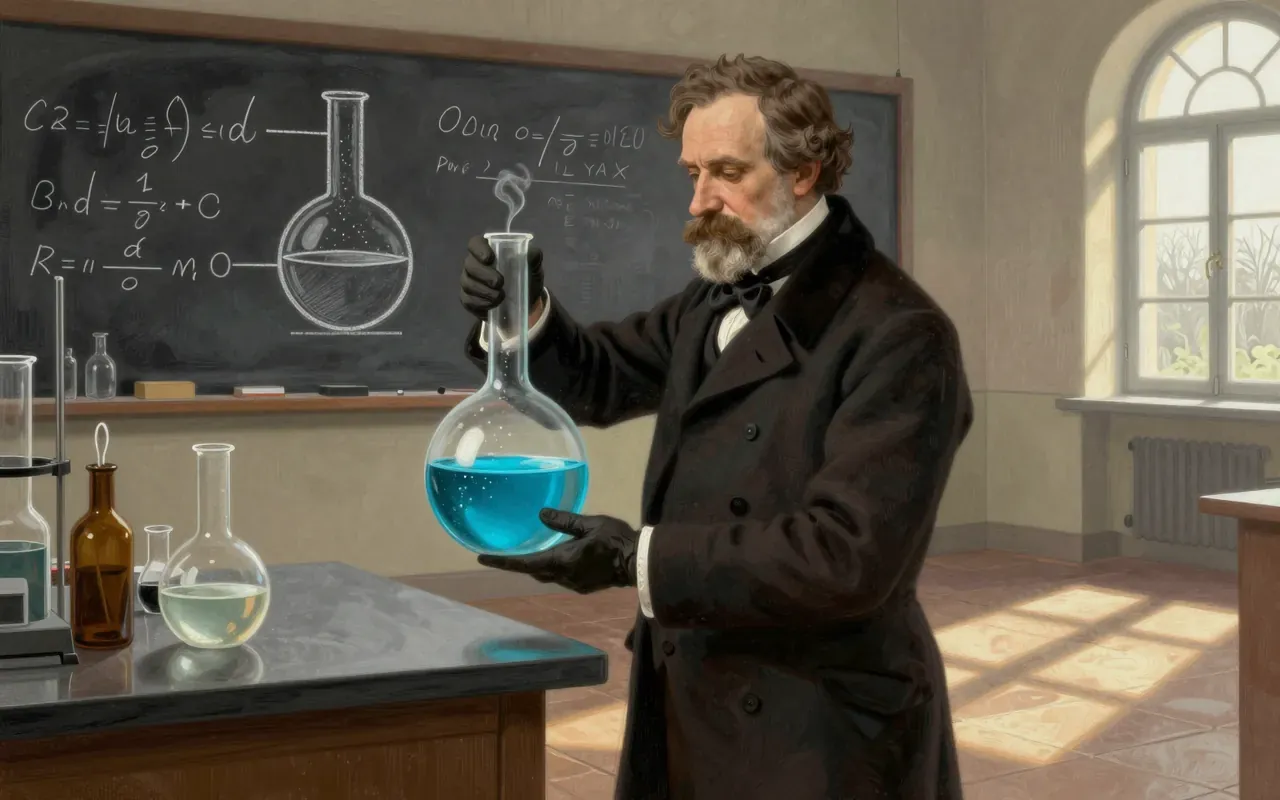

Perovskite solar cells began with CsSnI3 in a solid-state dye-sensitized architecture. They proved 3D halide perovskites could act as efficient semiconductors — not just additives — and enabled rapid efficiency gains: 3.8% to 27% (single-junction) and 34.85% (silicon tandem) between 2009 and 2025. The materials are cheap and simple to make. But no source names Kojima or Park, reports stability, or confirms real-world deployment.

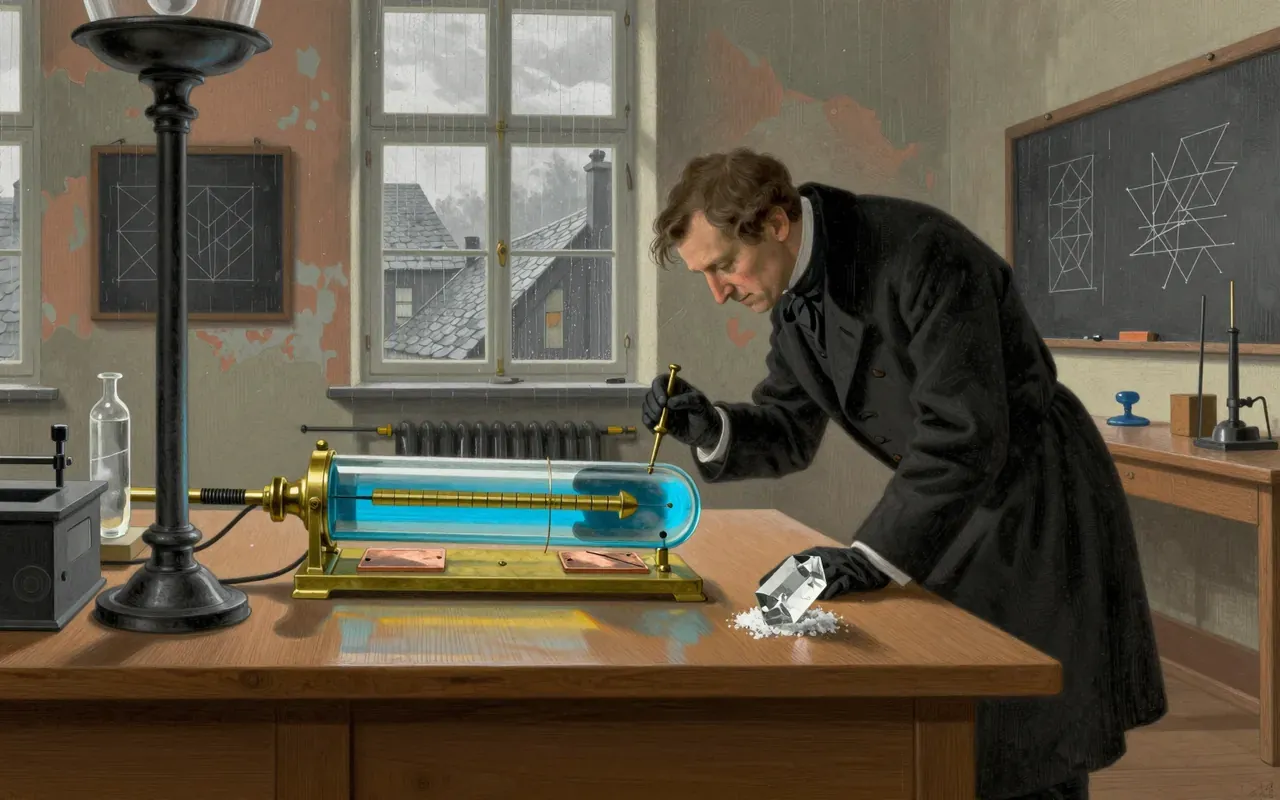



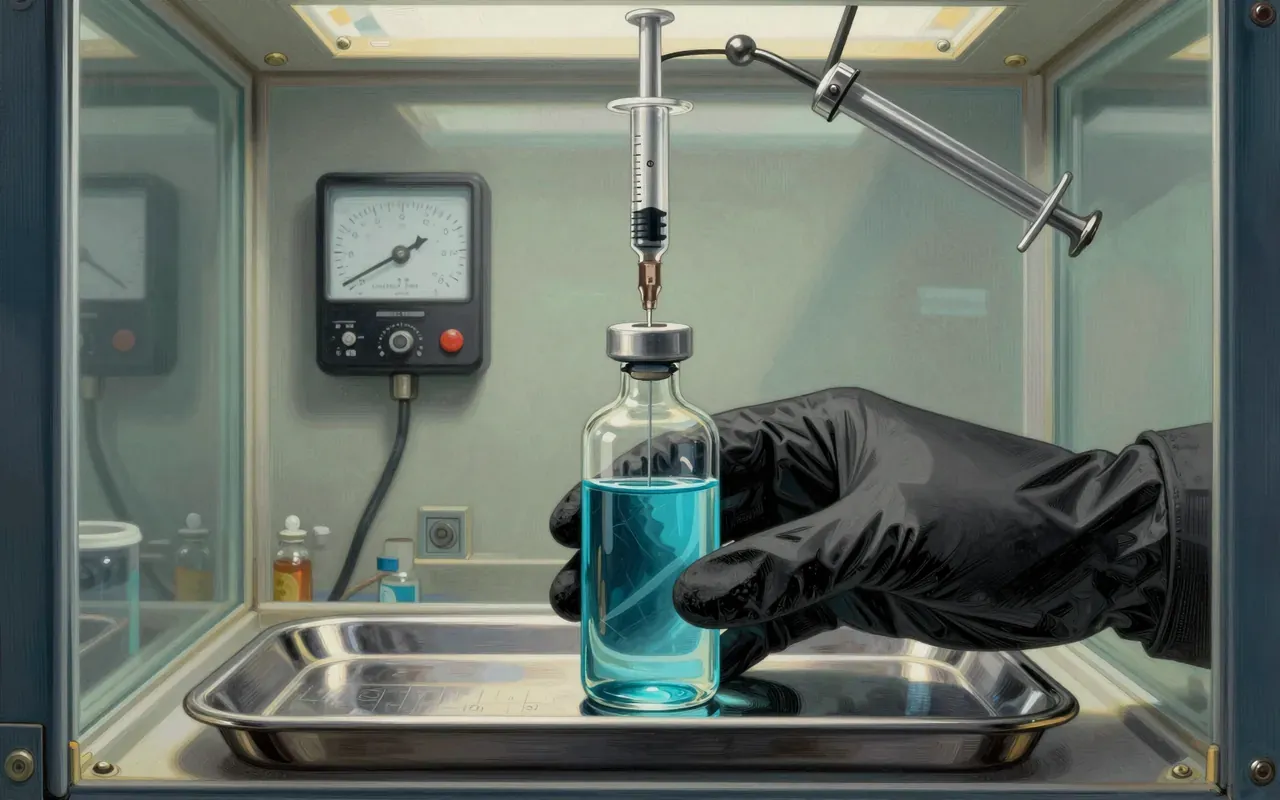





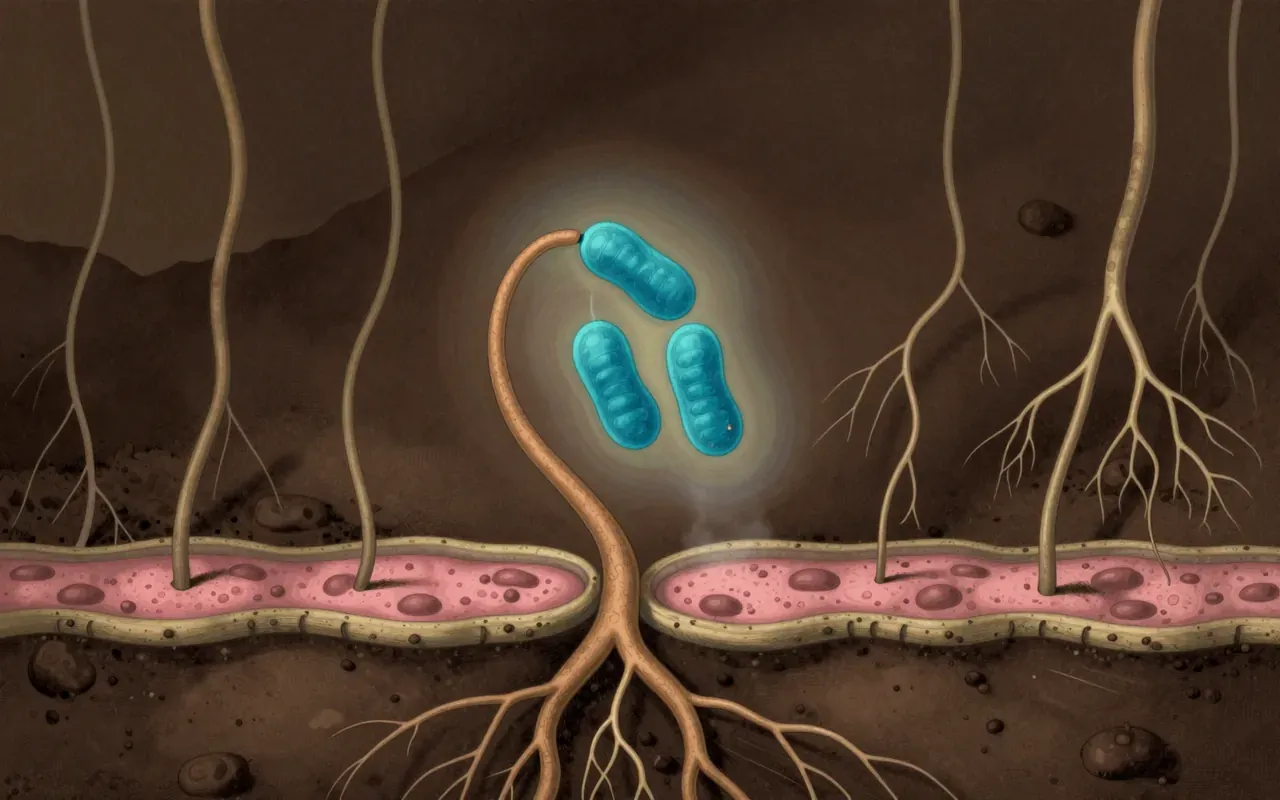












Ehrlich’s intravenous dye experiments revealed selective absence of brain staining — but he misinterpreted it as passive under-uptake. His student Goldmann’s 1913 intracerebrospinal injection proved compartmentalization. The barrier was attributed to blood vessels, not a membrane. Ehrlich never believed in it. The term came later, from Lina Stern.











The discovery of the tobacco mosaic virus established the existence of infectious agents smaller than bacteria and dependent on living hosts for replication. Ivanovsky (1892) demonstrated filterability; Beijerinck (1898) added host-dependent multiplication and coined 'virus'. Neither observed the virus itself. Their work founded virology — but also embedded a flawed 'fluid' model that delayed recognition of viruses as particulate, genetic entities.

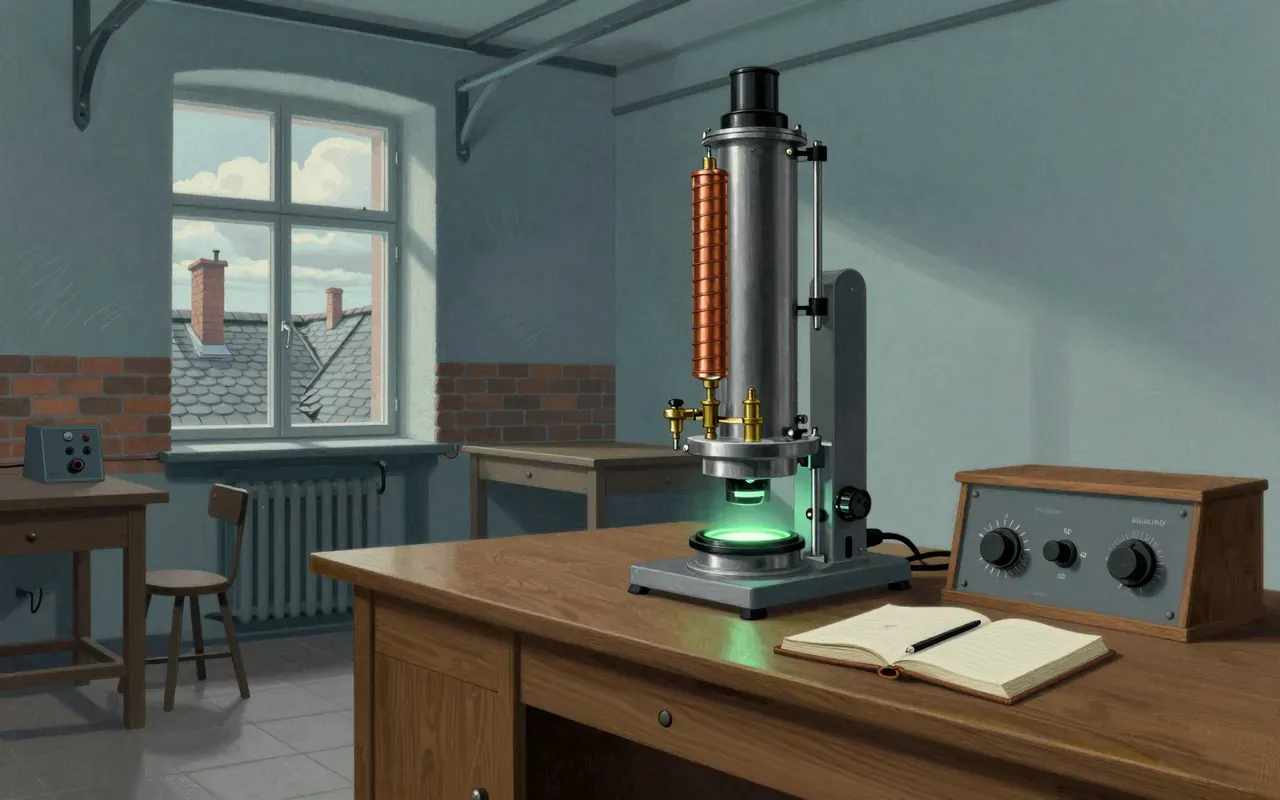
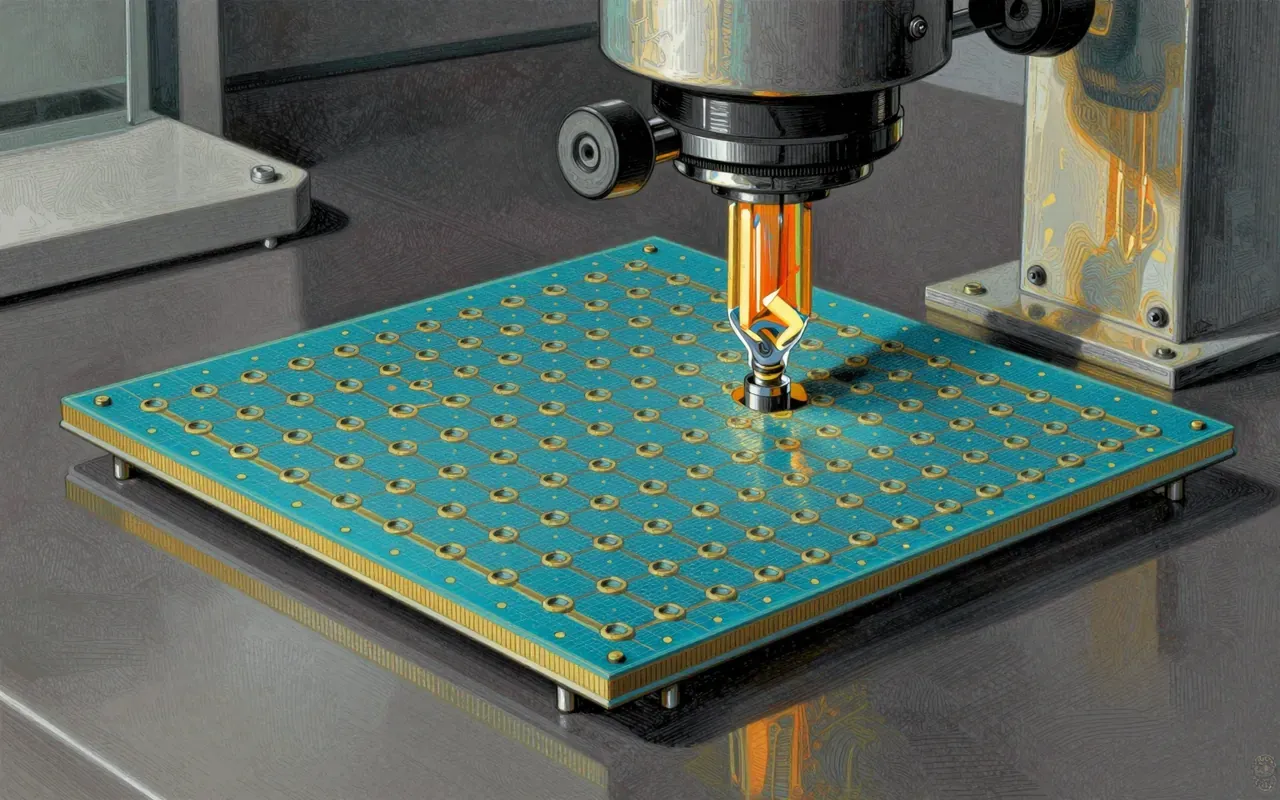
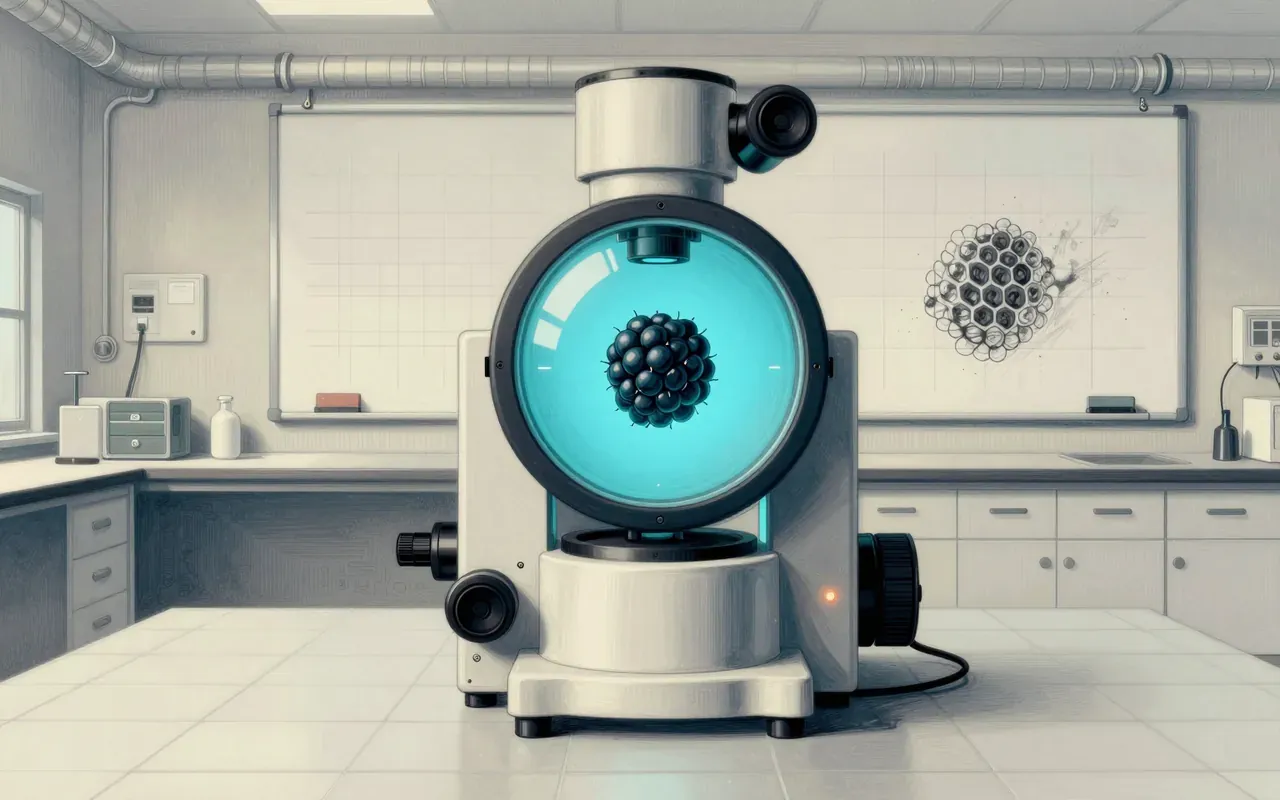
The electron microscope began not with biology, but with physics: a test of magnetic lensing on engineered grids. Its first success was mechanical and conceptual — not observational.