All briefs
561 briefs · 6515 min · 289–384 on page 4 of 6

Microscope

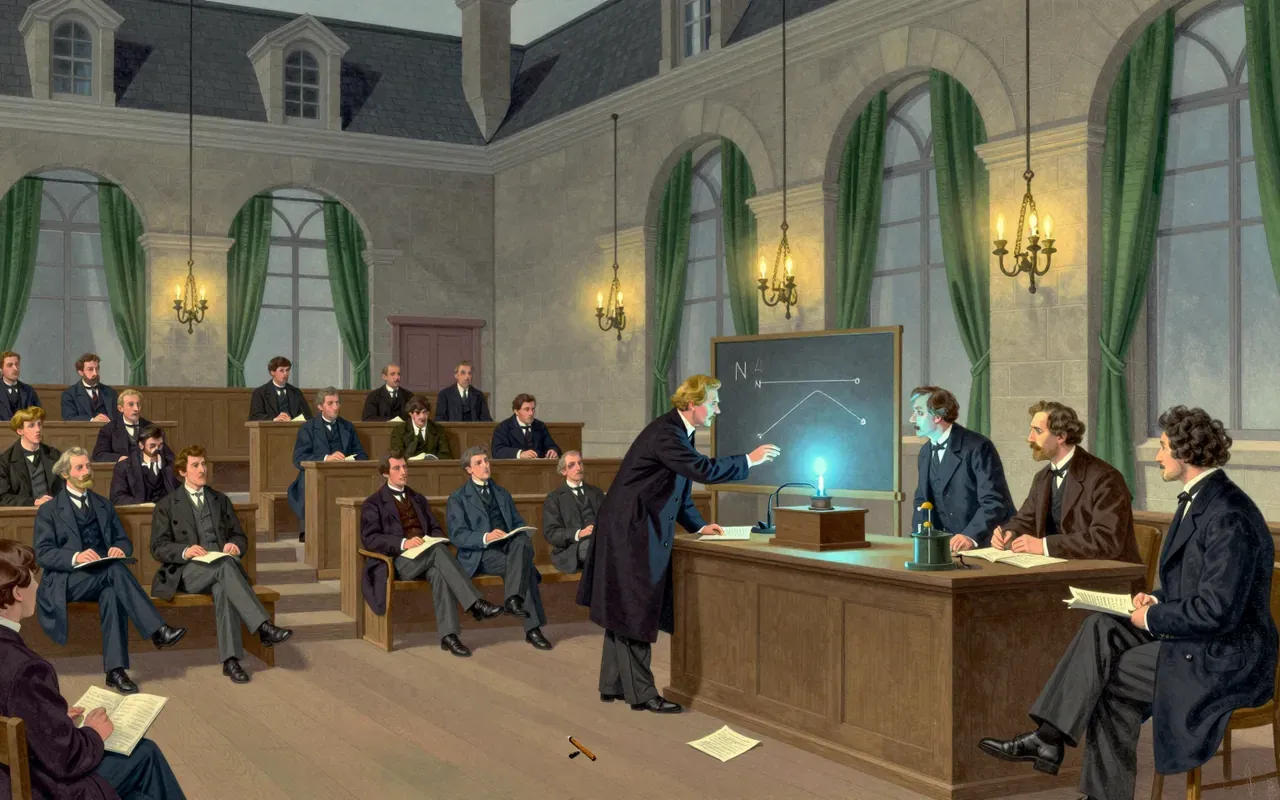
N-ray

Neanderthal genome project
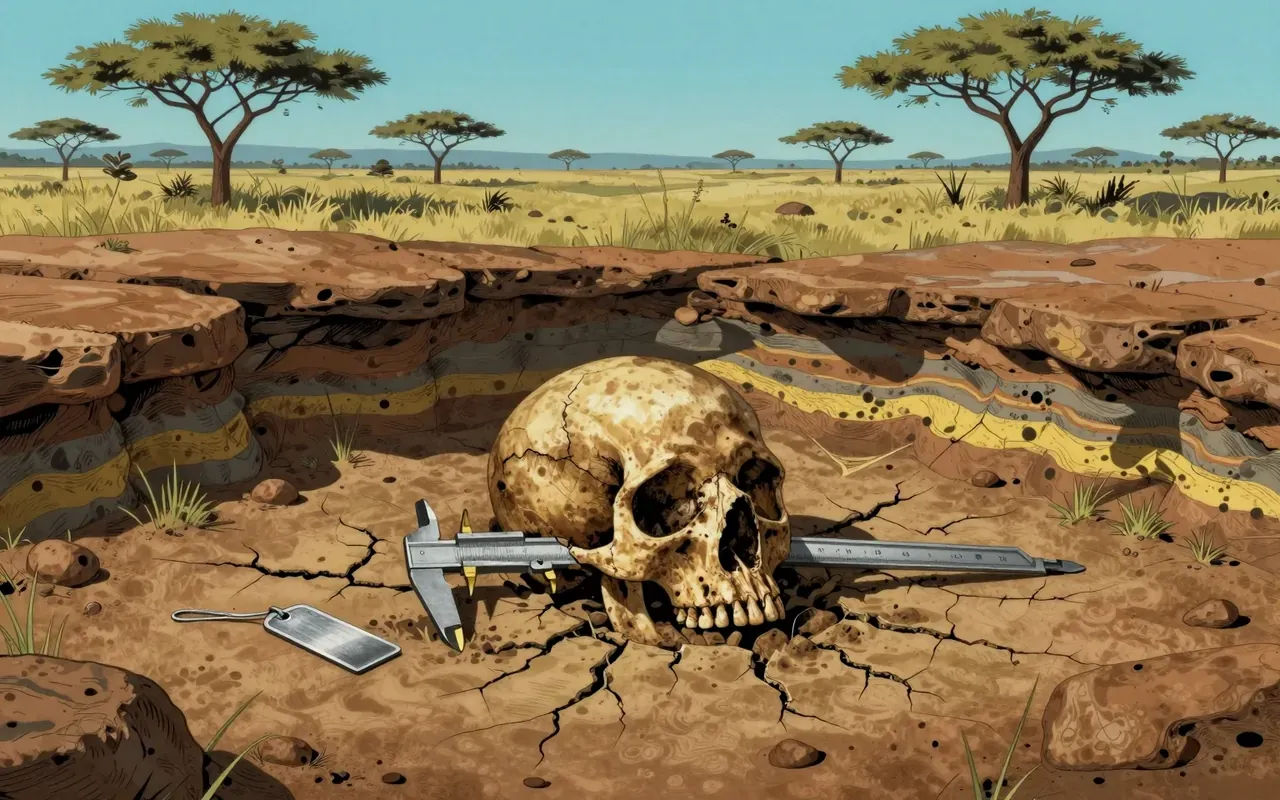
The Neanderthal genome project did not discover interbreeding as a hypothesis — it confirmed it with genomic data. It replaced speculation with measurement: four billion base pairs, three Croatian specimens, one decisive conclusion. Its legacy is methodological rigour and a rewritten human family tree.

Neutral theory of molecular evolution
The neutral theory reframed molecular evolution around stochasticity—not adaptation—as the dominant force shaping DNA change. It offered precise, falsifiable predictions about rates and variation, grounded in population genetics. It did not disprove selection; it defined its null model. Its endurance lies not in universality, but in utility: every test for selection begins here.

Noble gas

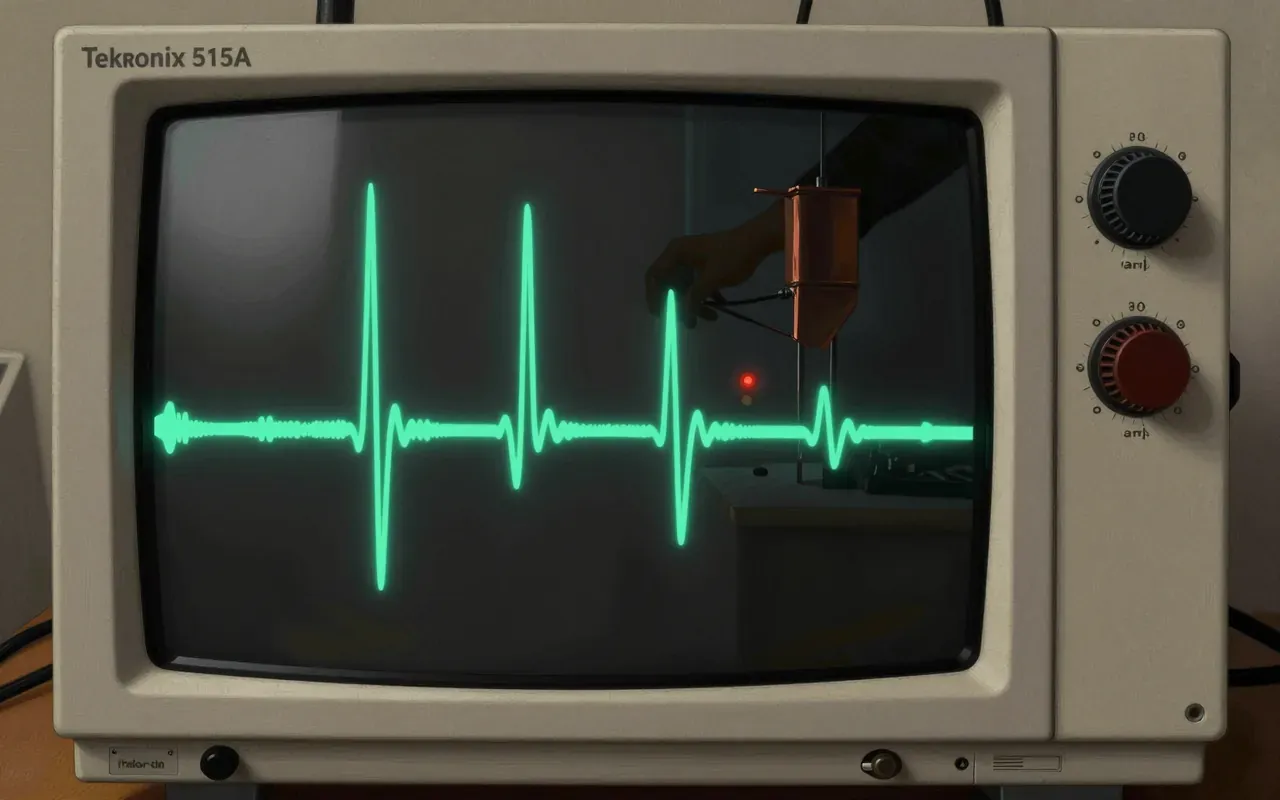
Oscilloscope

Recent African origin of modern humans

P versus NP problem

Patch clamp

Pauli exclusion principle
The Pauli exclusion principle is not a force or interaction. It is a constraint on how quantum states may be occupied. It arose from spectral anomalies, not theory-first deduction. Its power lies in its austerity: four numbers, one electron, and a sign flip upon exchange. It remains indispensable — and unexplained at root.

Synthetic diamond

Quantum Zeno effect

RECOVERY Trial

Replication crisis

Richter scale
The Richter scale is a local, instrument-specific amplitude scale — not a universal measure of earthquake size. Its rigour lies in its narrow definition, not its breadth.

Riemann hypothesis
Riemann’s 1859 hypothesis is a precise, unproven claim about zeta zeros — central to prime distribution, yet untouched by proof for 165 years.

Decipherment of ancient Egyptian scripts

Scanning tunneling microscope

Split-brain

Stern–Gerlach experiment

Stethoscope

Ion channel

Wöhler synthesis

Tiktaalik

Transistor

Turing test
The Turing test is a precise, behaviour-first redefinition of intelligence—not proof of thought, but a standard for functional equivalence in dialogue. It endures because it is simple, testable, and ruthlessly limited.

Ultracentrifuge

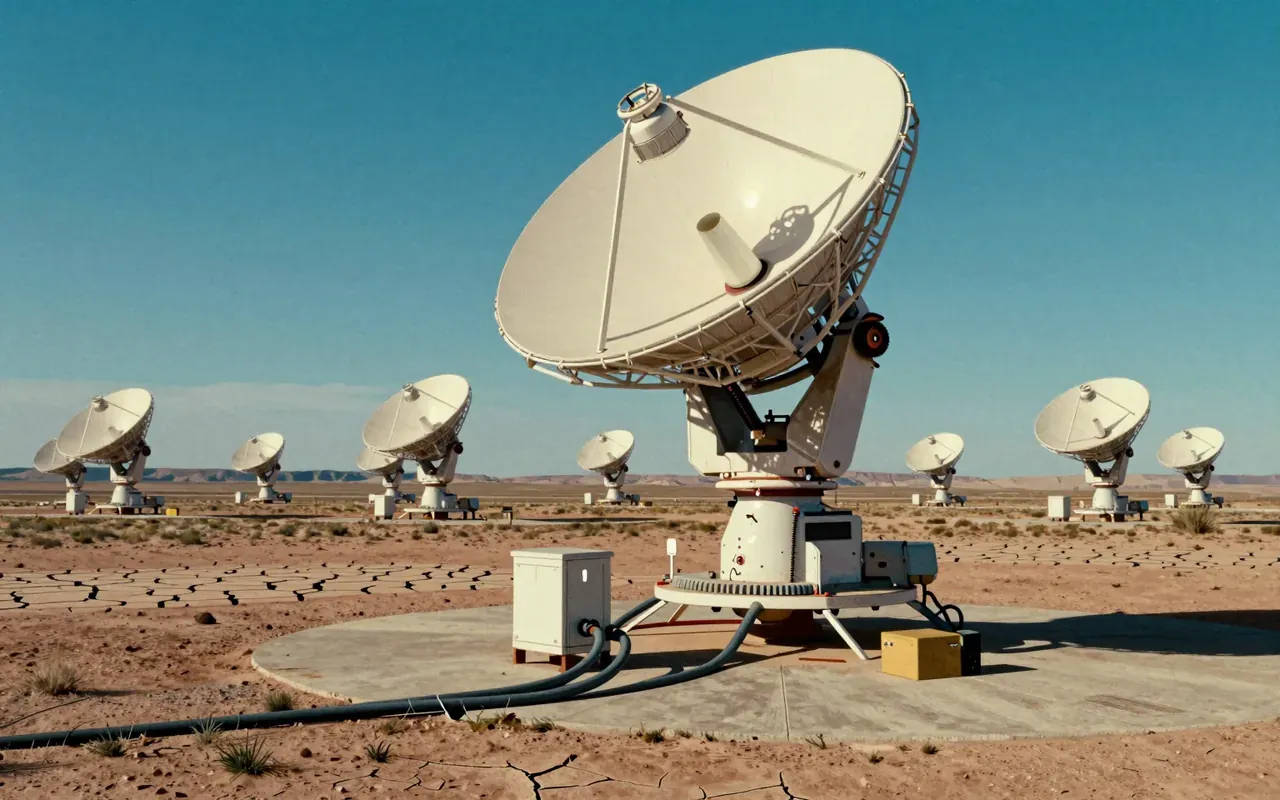
Very Large Array

First law of thermodynamics

Thomas Henry Huxley

Thomas Hunt Morgan

Tim D. White

Turing machine

Tycho Brahe

Rabies vaccine

Van der Waals equation
Van der Waals’s 1873 equation was the first thermodynamic model to treat fluids as composed of real molecules — with finite size and mutual attraction — and it successfully described both liquid and gas phases, predicted critical-point behaviour, and yielded quantitative estimates of molecular size and attraction strength. It did not prove molecular existence, nor does it hold across all conditions. Its value lies in making molecular assumptions productive — long before they were directly observable.

Vera Rubin

Wendy Freedman

William Herschel

Baddeley's model of working memory
Baddeley and Hitch’s 1974 model reframed working memory as a set of interacting, domain-specific components — not a single bottleneck. Dual-task interference, the word length effect, and amnesic patient profiles provide direct empirical support. Later additions (episodic buffer in 2000, renamed awareness buffer in 2026) extend but do not overturn the core claim of fractionation. It remains indispensable — not because it is complete, but because it is falsifiable, componential, and repeatedly predictive.

X-ray crystallography
The Braggs established X-ray crystallography as a quantitative physical method by linking diffraction geometry to atomic spacing — using simple crystals, mechanical rotation, film detection, and arithmetic. They did not image atoms. They inferred lattice periodicity. Their work is durable, narrow, and strictly instrumental.

Induced pluripotent stem cell
iPSCs are somatic cells reprogrammed to pluripotency using four transcription factors. Demonstrated in 2006 in mouse fibroblasts via retroviral delivery and Fbx15 selection. Established direct reprogramming as possible—but only to the level of Fbx15 reactivation, not full pluripotency validation.

Zheng He

Zu Chongzhi

Mass–energy equivalence
Einstein’s 1905 derivation unified mass and energy conceptually — not empirically. It replaced two conservation laws with one. It did not predict applications. It did not contain E = mc² as written. Its power lies in logical necessity, not experimental novelty.

Schrödinger's cat
Schrödinger's cat is a 1935 thought experiment designed by Erwin Schrödinger in correspondence with Einstein to critique the Copenhagen interpretation of quantum mechanics. It uses a sealed chamber containing a cat, radioactive source, Geiger counter, relay, hammer, and flask of hydrocyanic acid. The setup links a single quantum event — atomic decay — to a macroscopic outcome. Mathematically, the wave function describes a superposition of 'alive' and 'dead', yet observation always reveals one definite state. Schrödinger intended this as reductio ad absurdum, not as a proposal. No experiment was conducted. The work establishes a tension between formalism and observation — nothing more.
Accelerating expansion of the universe
The 1998 supernova measurements established cosmic acceleration via distance–redshift mismatch — not theory, not analogy, but empirical inference from standard candles. It overturned the assumption of gravitational deceleration. It did not identify dark energy. It did not prove Λ. It remains the strongest direct evidence for accelerated expansion — and the clearest signal of our ignorance about 70% of reality.

Discovery of cosmic microwave background radiation
Penzias and Wilson discovered a 3.5 K isotropic microwave background in 1964 using the Holmdel Horn Antenna at Bell Labs. They eliminated local interference — including pigeon droppings — and confirmed the signal originated outside the Milky Way. Its match to Dicke’s prediction prompted interpretation as the Big Bang’s remnant. But the work itself claimed only a persistent, unexplained antenna temperature — not cosmology.

Double-slit experiment
Young’s 1801 double-slit experiment established wave behaviour for visible light. Later versions with electrons (1927) extended it to matter. The interference pattern is real. The disappearance of that pattern upon path detection is real. But Young did not observe particles, nor did he claim duality — he argued for waves only. Duality emerged from later experiments combining his method with quantum detection.

Human Genome Project

Large Hadron Collider

Horizontal gene transfer
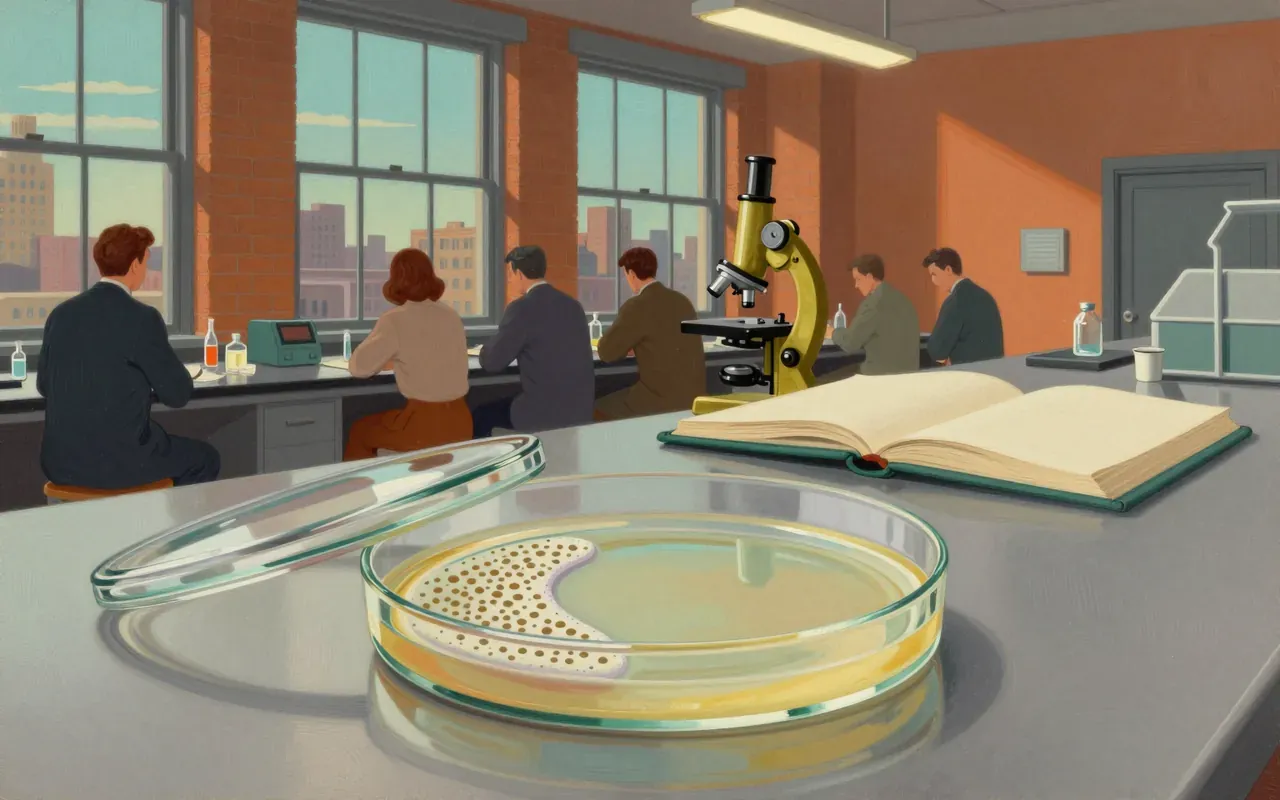
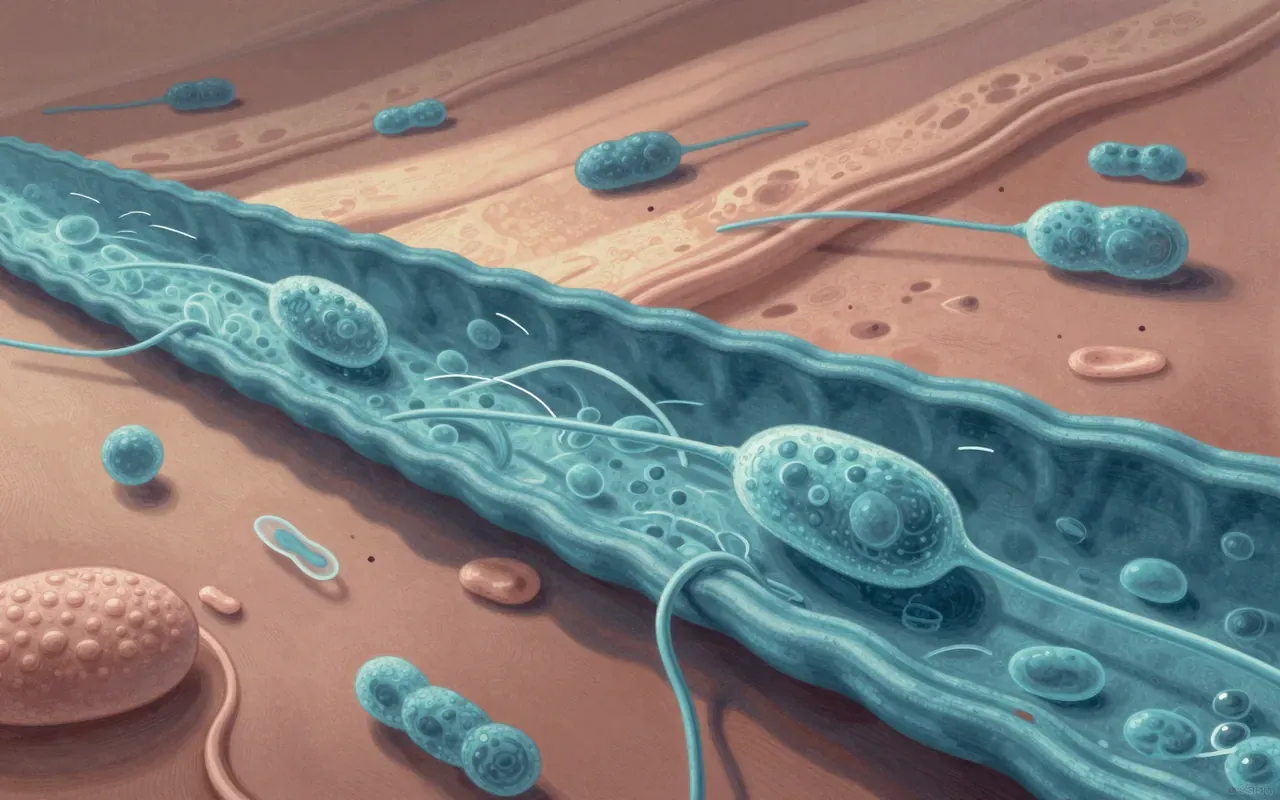
Bacteria can pick up genes from other cells by transformation, transduction or conjugation, not only by inheriting them. Lederberg and Zinder showed in 1951 that a virus could carry genes from one strain of Salmonella to another, and Lederberg's earlier work with Edward Tatum showed that E. coli can exchange genes by conjugation. The material treats the process as the main route by which antibiotic resistance spreads among bacteria.

3D printing
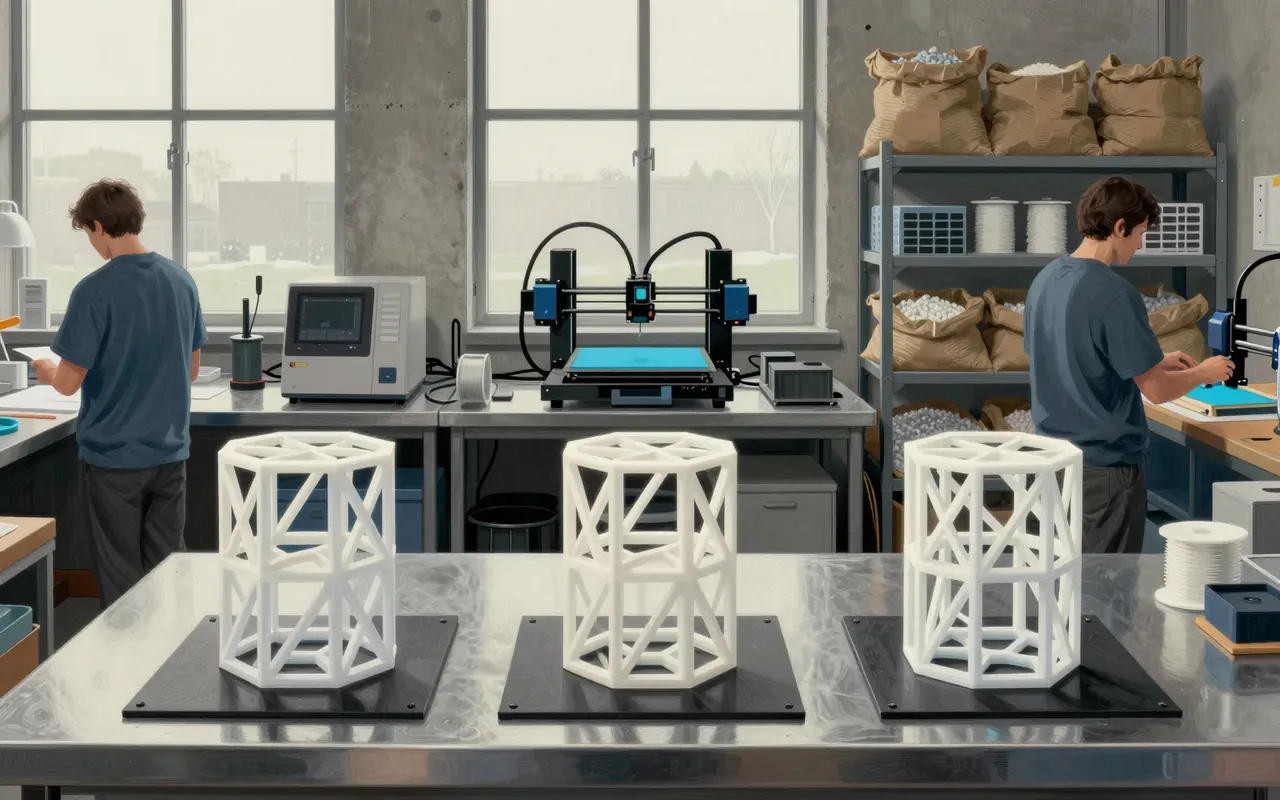
3D printing is a layer-by-layer fabrication method rooted in Chuck Hull’s 1984 stereolithography patent. It evolved from rapid prototyping in the 1980s into an industrial production option by 2019. Its real advantage is enabling previously impossible geometries—like hollow or truss-structured parts—that cut weight and waste. Fused deposition modeling (FDM) was the most common process as of 2020. It does not replace conventional manufacturing at scale. It does not solve material consistency, certification, or throughput problems. Its impact is precise, not pervasive.
Evolutionary computation

Avicenna

Per Bak

Baconian method
Bacon’s method is not a working protocol but a declaration of epistemic discipline: knowledge must be built stepwise from particulars, anchored in observation, and guarded against the Idols of the mind. Its power lies in its framing—not its execution.

Deep-sea exploration

Viking lander biological experiments
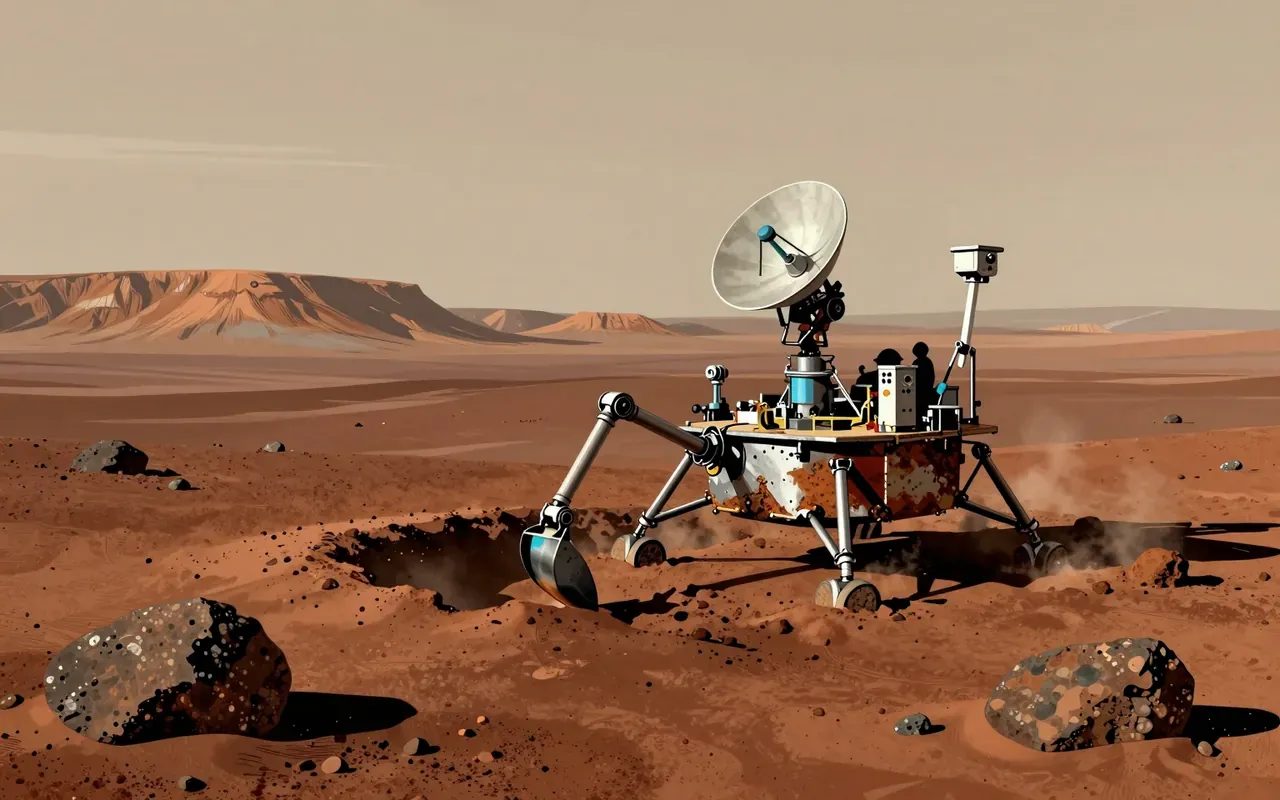
The Viking lander biological experiments were a suite of four in situ tests conducted in 1976 by the Viking 1 and Viking 2 landers to detect microbial life on Mars. The experiments—Gas Chromatograph–Mass Spectrometer (GCMS), Gas Exchange (GEX), Labeled Release (LR), and Pyrolytic Release (PR)—used soil samples collected by robotic arm and analyzed them under controlled conditions. While GCMS found no significant organic molecules, LR yielded positive, reproducible signals of radioactive gas release upon nutrient addition—signals that diminished or disappeared after heat sterilization or cold storage—prompting ongoing debate over whether the results indicate biological metabolism or abiotic oxidative chemistry, especially in light of later discoveries like perchlorate.

Thomas Edison

Yohannes Haile-Selassie

Hypatia

Abdus Salam

Management of HIV/AIDS

Asepsis

Atomic force microscopy

Cocktail party effect

B cell

Bell's theorem

Benoit Mandelbrot

Biodiversity hotspot

Boolean algebra

Carbon nanotube

Carnot heat engine

Carotenoid

Catalysis

Cellular automaton

Chargaff's rules

Universal grammar

Cauchy–Riemann equations

Compton scattering

Cortisone

Cosmic inflation

Cytotoxic T cell

History of atomic theory

Publication of Darwin's theory

Atoll

Matter wave

Neural network (machine learning)
Geoffrey Hinton and colleagues established core methods—backpropagation for representation learning, and Boltzmann machines for unsupervised deep generative modelling—between 1985 and 1995. Their work was grounded in statistical mechanics, experimentally verified on small-scale networks, and explicitly recognised as foundational for machine learning with artificial neural networks. It did not deliver production AI, nor claim to.

Dendritic cell

Dian Fossey

Dihydrogen monoxide parody

Donald Johanson

Edward Jenner