sciencebriefs
Highest rated

All briefs

561 briefs · 6515 min · 97–192 on page 2 of 6
11:02

Edward B. Lewis

Lewis didn’t just find new genes — he broke the gene open, then used the pieces to rebuild how we think about risk, development, and inheritance.
11:03

Edwin Hubble

Hubble didn’t prove the universe is expanding — he proved galaxies are islands, and that they flee each other in proportion to distance.
13:00

Photoelectric effect

Three stubborn facts about light knocking electrons off a metal surface made no sense as waves, and Einstein's 1905 fix, that light travels in discrete packets, was still too radical for the Nobel committee to fully endorse sixteen years later.
13:00

Special relativity

Einstein's 1905 paper resolved a conflict between mechanics and electromagnetism by making the speed of light constant for every observer, at the cost of absolute time, absolute length, and separate mass and energy.
10:47

Emmy Noether

Noether didn’t just find links between symmetry and conservation—she rebuilt mathematics so those links were inevitable.
13:00

Symbiogenesis

Lynn Margulis's paper arguing that mitochondria and chloroplasts were once free-living bacteria was rejected by around fifteen journals before publication in 1967, and it took another decade of genetic evidence before biologists widely accepted it.
10:25

Enrico Fermi

Fermi didn’t discover new elements — he discovered how to split atoms, then misread the evidence.
10:01

Ernst Mach

Mach didn’t discover relativity — he photographed shock waves and mapped how your inner ear keeps you upright.
9:11

Erwin Schrödinger

Schrödinger didn’t just write an equation — he gave quantum theory its working language and named its deepest mystery.
10:14

Eunice Newton Foote

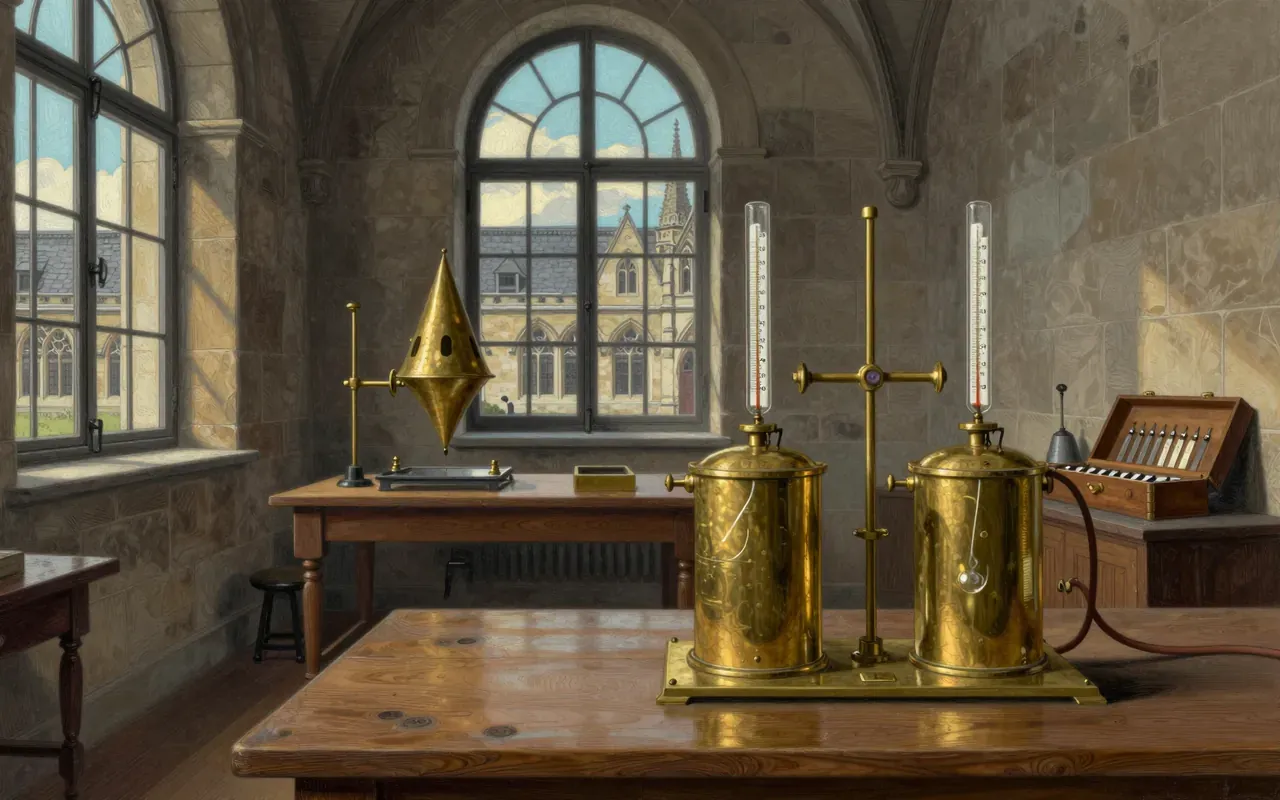
The first person to experimentally prove CO2 heats more than air under sunlight was a woman in 1856 — and her apparatus was simpler than your kitchen thermometer.
10:54

Évariste Galois

Galois didn’t just solve an old problem — he invented the language to say why some problems can’t be solved at all.
13:00

Sinosauropteryx

A 1996 fossil found by a farmer in Liaoning gave the first non-bird dinosaur with feather-like structures, and later melanosome studies even reconstructed its probable colouring, though the collagen-versus-feather argument took two decades to close.
10:57

Felix Klein

Klein didn’t discover space—he discovered how to stop arguing about it.
10:14

Fermat's Last Theorem

Andrew Wiles · 1638

Wiles proved Fermat’s Last Theorem by establishing the modularity theorem for semistable elliptic curves — a result that, combined with Ribet’s theorem, ruled out integer solutions to a^n + b^n = c^n for n > 2. His initial 1993 proof contained a flaw in the Selmer group argument; he and Taylor repaired it in 1994 using Galois representations and Iwasawa theory. The complete proof appeared in the Annals of Mathematics in 1995.
9:52

Fick's laws of diffusion

Adolf Fick

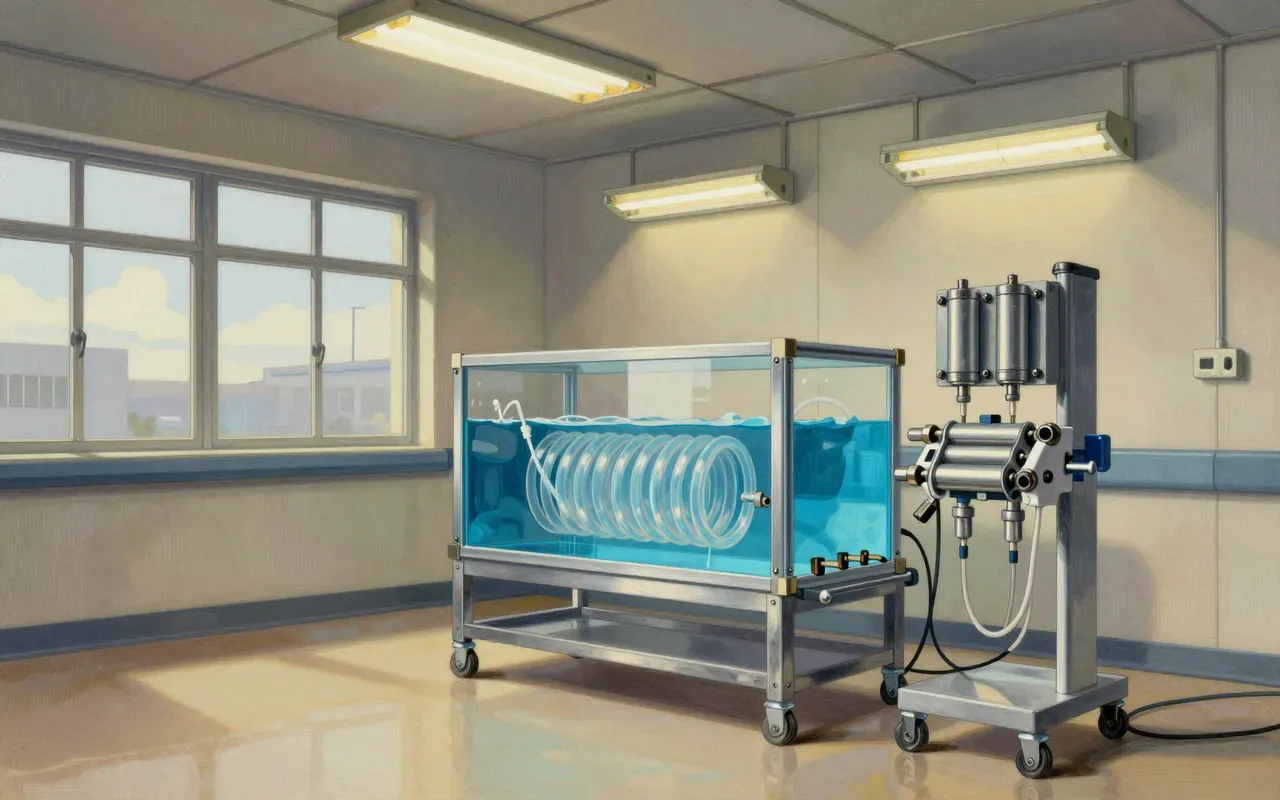
Fick’s laws quantify diffusion in fluids using direct measurements of salt flux and concentration. They hold for liquids, not solids. Their derivation is experimental, their form exact, and their reach vast — but they are not universal, not theoretical first principles, and not extended beyond their empirical domain.

13:00

Fourier analysis

Joseph Fourier claimed in 1807, studying how heat spreads through a solid, that almost any function could be rebuilt from sine and cosine waves alone — a claim reviewers thought too bold to be rigorous, and one still central to JPEG images and digital audio.
10:40

Frank Wilczek

Asymptotic freedom didn’t explain quarks — it saved quantum chromodynamics from mathematical collapse.
13:11

Functional magnetic resonance imaging

Seiji Ogawa

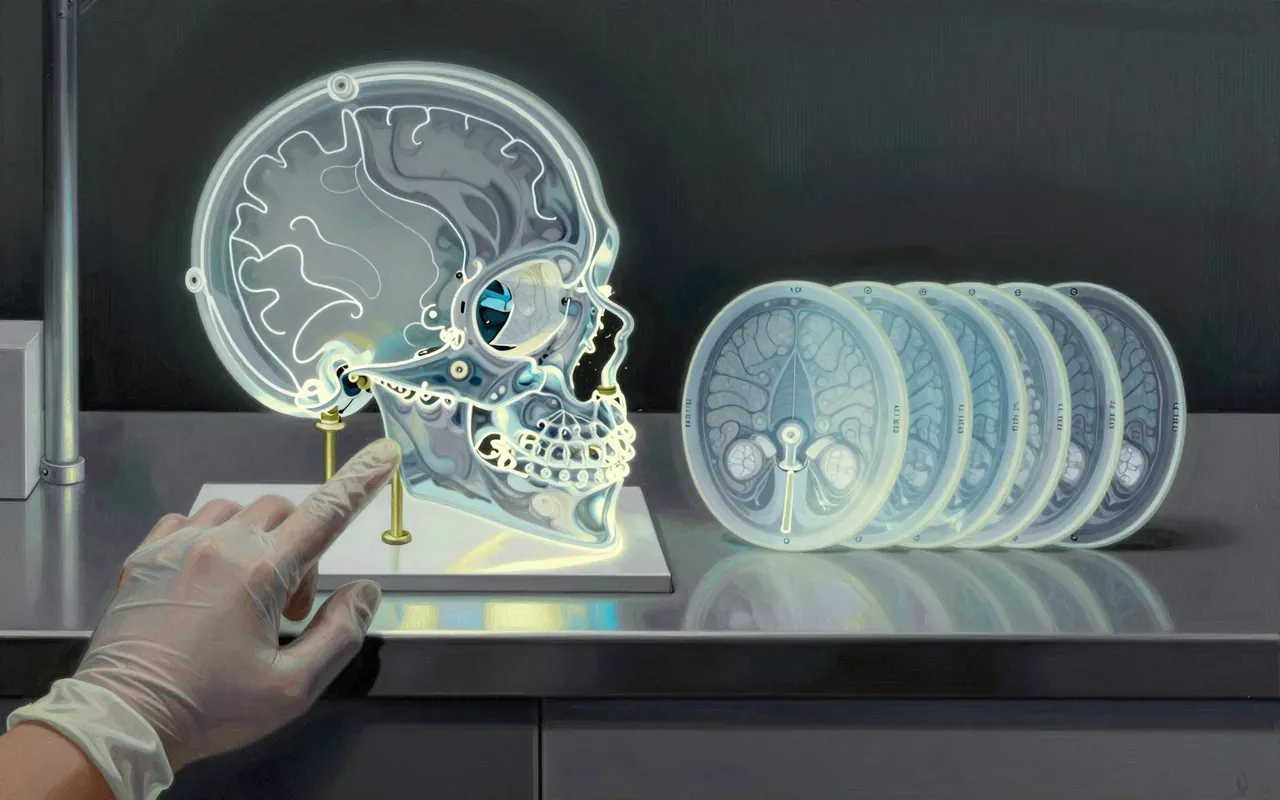
Ogawa’s 1990 work established the BOLD effect — a measurable, oxygenation-dependent MRI signal shift in rodent brain tissue — verified with blood samples and EEG correlation. It is the physical foundation of human fMRI, but maps vascular response, not neural activity directly.
8:48

Galileo Galilei

Galileo didn’t prove Copernicus right — he proved Ptolemy wrong, using light, shadow, and timing.
9:47

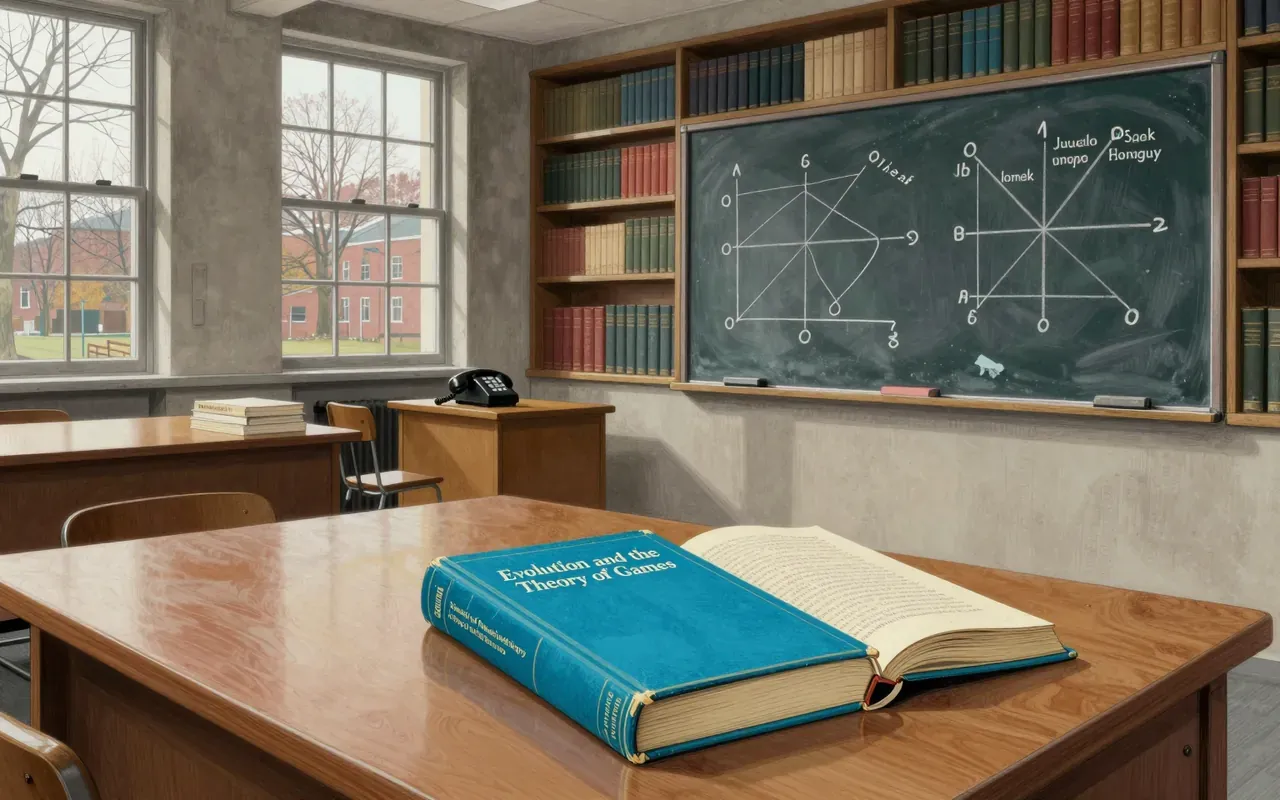
Evolutionary game theory

John Maynard Smith

Evolutionary game theory is a precise, minimal framework that explains how genetically fixed behaviours persist without cognition. Its strength lies in its constraints — no rationality, no learning, no flexibility — and its explanatory reach is limited to frequency-dependent contests where inheritance and replication are well defined.
9:44

Georg Cantor

Cantor didn’t discover infinity — he broke it into pieces you can count, compare, and order.
10:41

Georg Ohm

Ohm didn’t discover a universal law — he built a working model for a narrow class of circuits, and it stuck.
10:00

George Boole

Boole didn’t invent computing — he invented the grammar that lets silicon speak.
9:50

Georges Lemaître

Lemaître didn’t discover the Big Bang — he built its first mathematical scaffold, and it still holds.
9:23

George Westinghouse

Fail-safe engineering began not in labs, but on broken railway lines — where a ruptured pipe had to stop a train, not kill its passengers.
9:58

Georges Cuvier

Cuvier didn’t just name extinct beasts — he proved life could vanish, and made Earth’s history a story of catastrophe, not continuity.
11:14

Gerty Cori

Enzyme defects cause genetic disease — and this was proven, not hypothesised.
13:00

Milankovitch cycles

Milutin Milanković worked out how slow wobbles and stretches in Earth's orbit change sunlight at high latitudes, and ice cores confirm the pattern, but the dominant cycle length still does not match his prediction.
13:34

Gödel's incompleteness theorems

Kurt Gödel

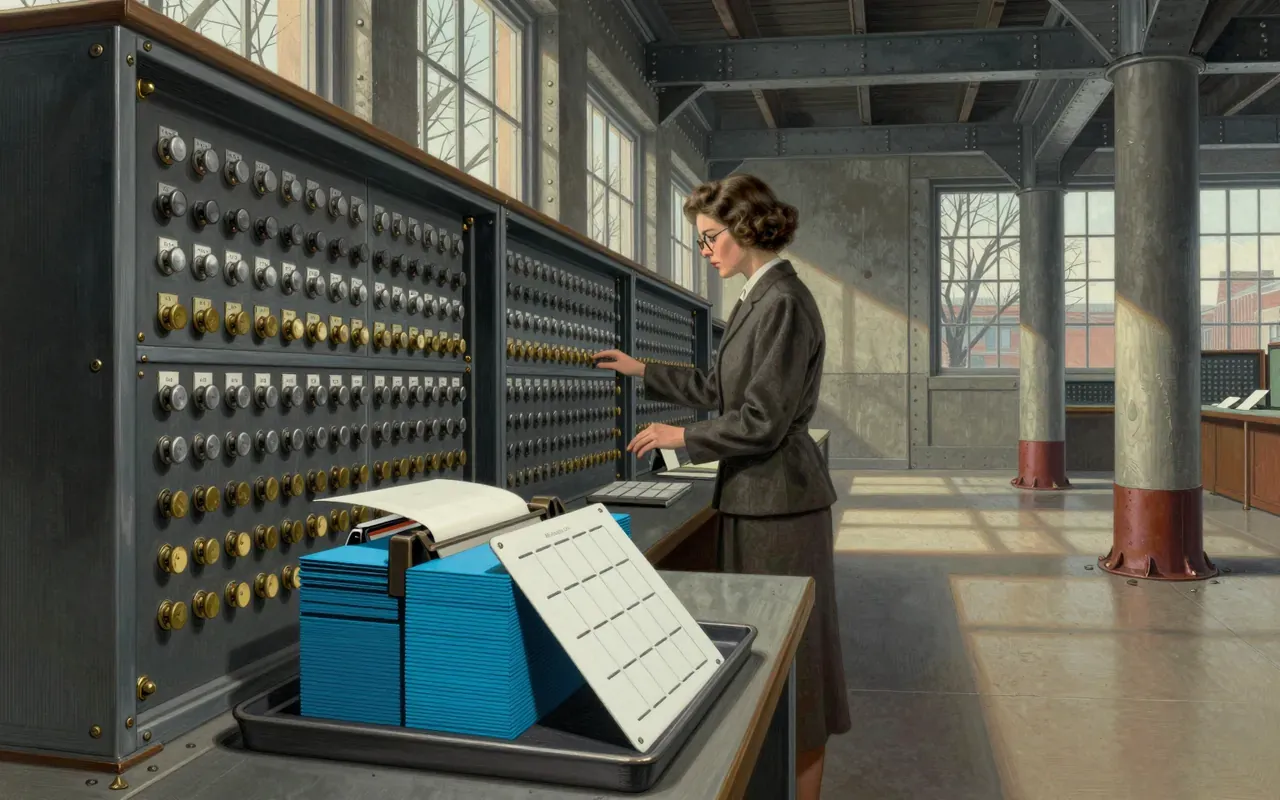
Gödel’s 1931 incompleteness theorems show that no consistent, effectively axiomatized formal system capable of arithmetic can be both complete and self-consistent. They ended Hilbert’s program. Their method — Gödel numbering and diagonalisation — became foundational for computability theory. They do not apply outside formal systems satisfying strict technical conditions.
9:34

Grace Hopper

She didn’t invent the compiler—but she proved code didn’t need to speak machine to get work done.
13:00

Seven Bridges of Königsberg

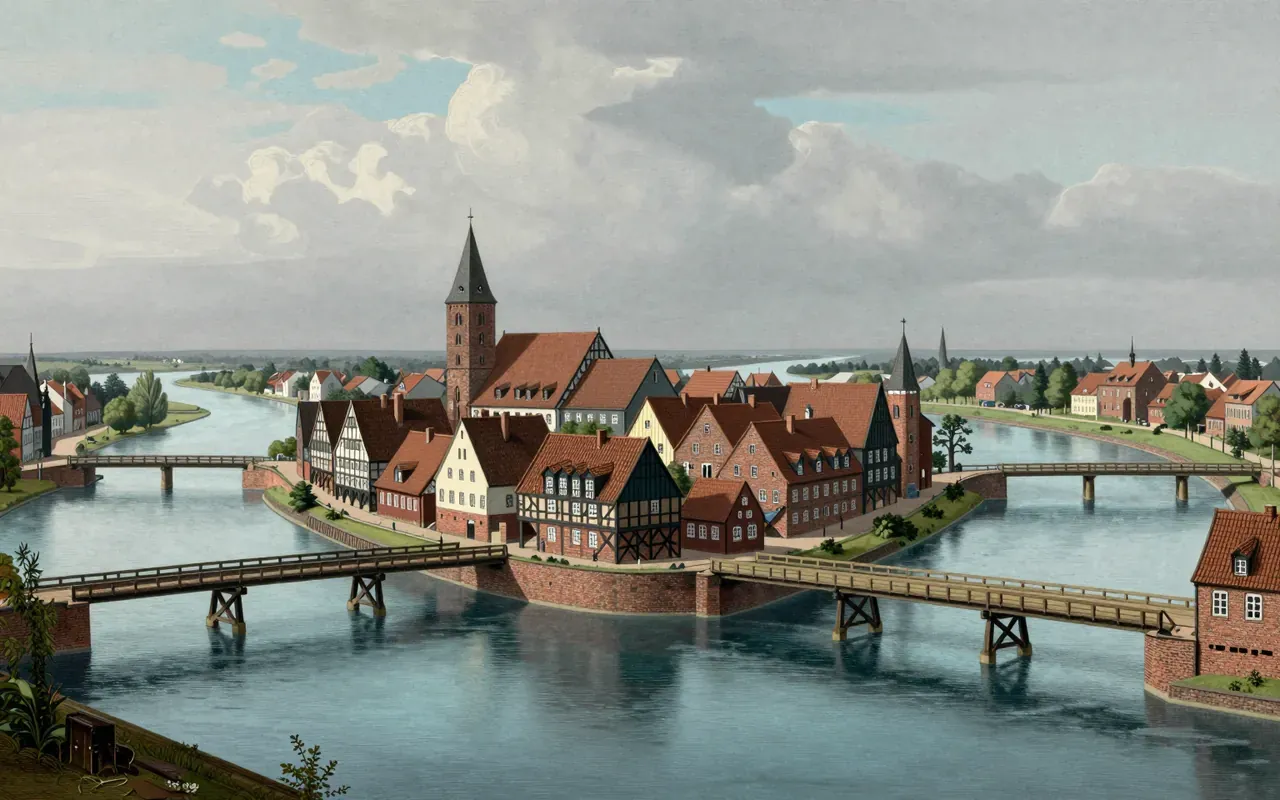
In 1735 Leonhard Euler proved that no walk through Königsberg could cross all seven of its bridges exactly once, by throwing away the map entirely and reducing the city to dots and lines — the first proof in what became graph theory, and arguably the birth of topology.
9:17

Gregor Mendel

Mendel didn’t discover genes — he discovered that inheritance isn’t blended, but counted.
13:00

Experiments on Plant Hybridization

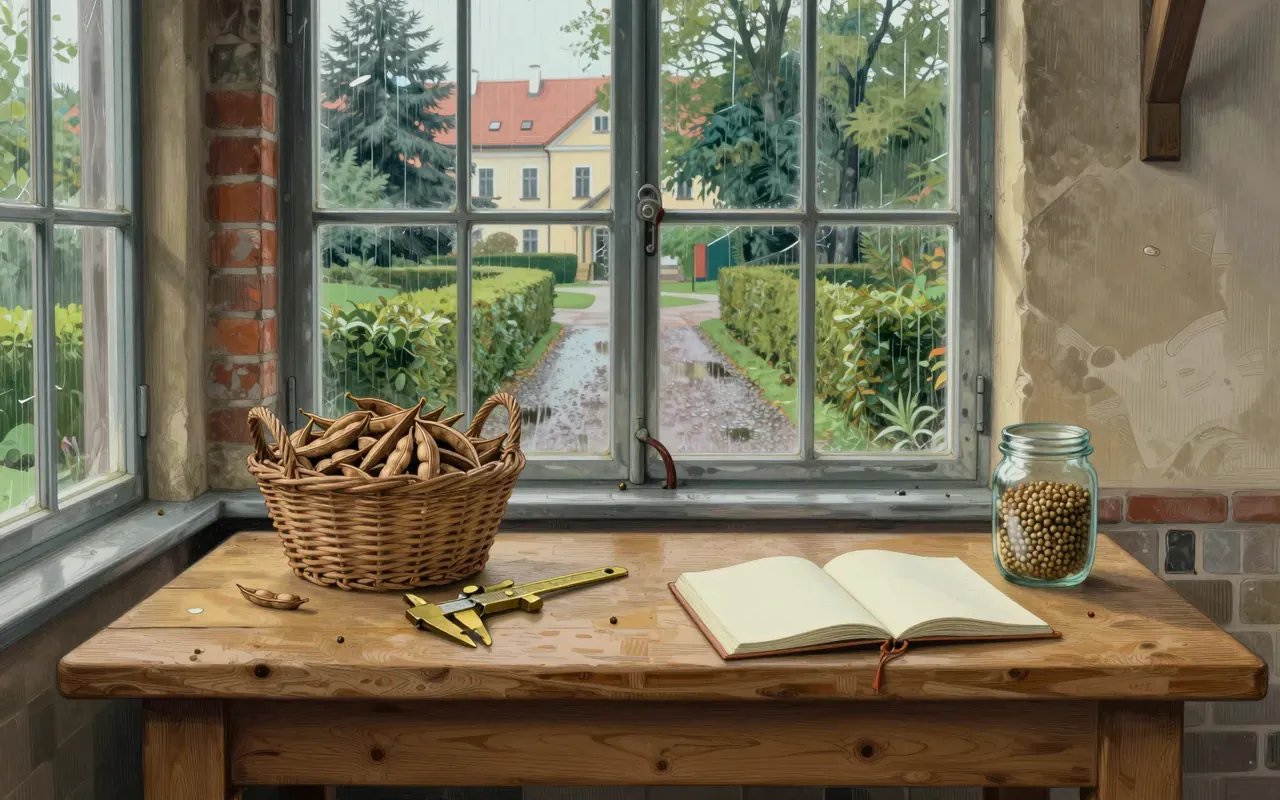
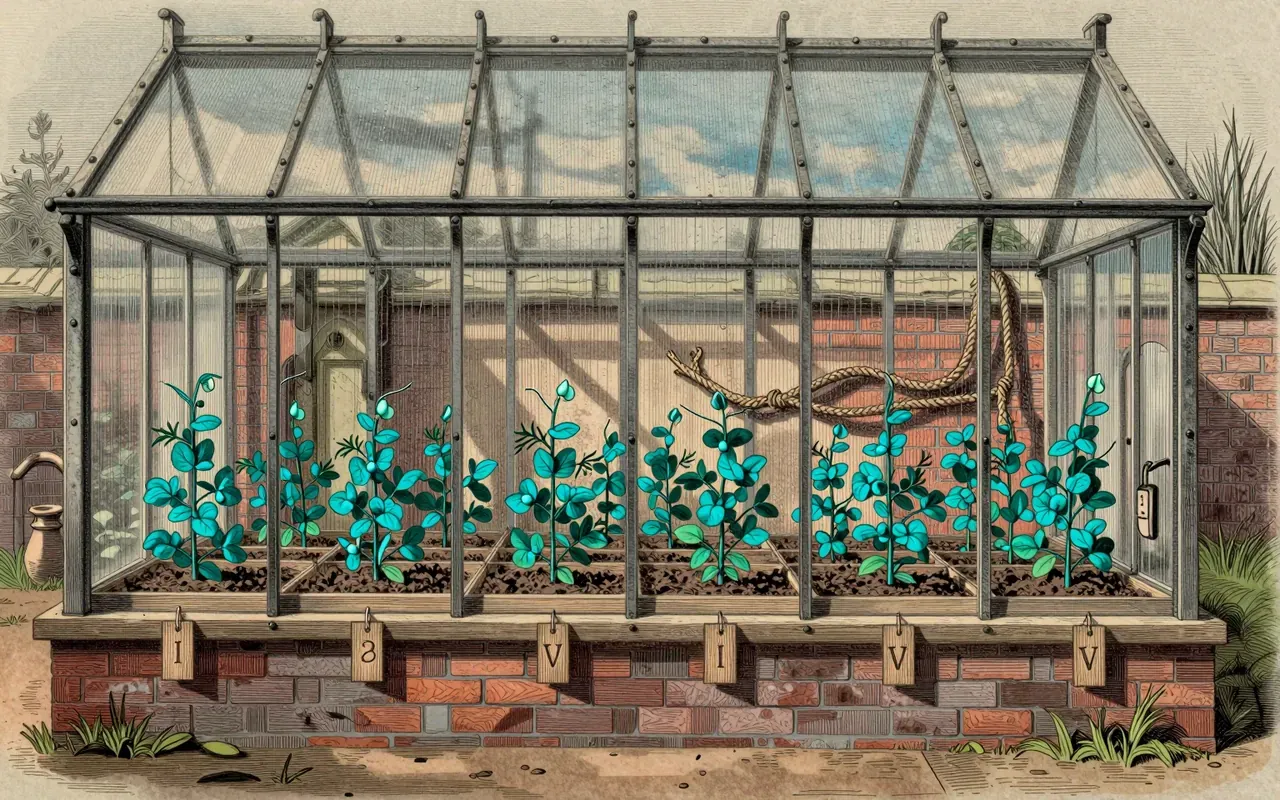
A monk in Moravia counted traits across 28,000 pea plants and found a hereditary pattern so tidy that a statistician later suspected the numbers were too good to be true, a suspicion still argued over more than a century on.
9:57

Guglielmo Marconi

Marconi didn’t discover radio—he engineered its first working system, one patent and one grounded wire at a time.
9:33

Hans Christian Ørsted

Ørsted didn’t stumble on electromagnetism — he hunted it for two years with a compass, and got the physics half-right.
13:00

Hawking radiation

Stephen Hawking's 1974 calculation showed black holes should slowly radiate and eventually evaporate, a result with no direct astronomical confirmation yet, that also produced a genuine, still unresolved puzzle about where the information inside them goes.
13:00

Uncertainty principle

Werner Heisenberg's 1927 principle is often mistaken for a statement about clumsy measuring instruments, but it describes a limit built into quantum mechanics itself, one later physicists made more precise rather than ever overturned.
11:05

Henri Poincaré

Poincaré didn’t just anticipate relativity — he built its mathematical skeleton before Einstein published.
11:14

Henrietta Lacks

HeLa didn’t just change science — it revealed that medical immortality has a name, a race, and no consent.
9:58

Hilbert's problems

David Hilbert

Hilbert’s problems are not a discovery in the empirical sense. They are a curatorial act—23 unsolved questions published in 1900 to define mathematics’ trajectory for the next century. Their influence stems from uptake, not truth. They succeeded because mathematicians treated them as a syllabus—not because they were complete, precise or even consistent.
13:00

Homo floresiensis

A metre-tall skeleton found in an Indonesian cave in 2003 was either a new dwarfed human species or a sick modern human, a dispute settled largely by CT scans of its brain case rather than by its strikingly small size alone.
8:46

Howard Carter

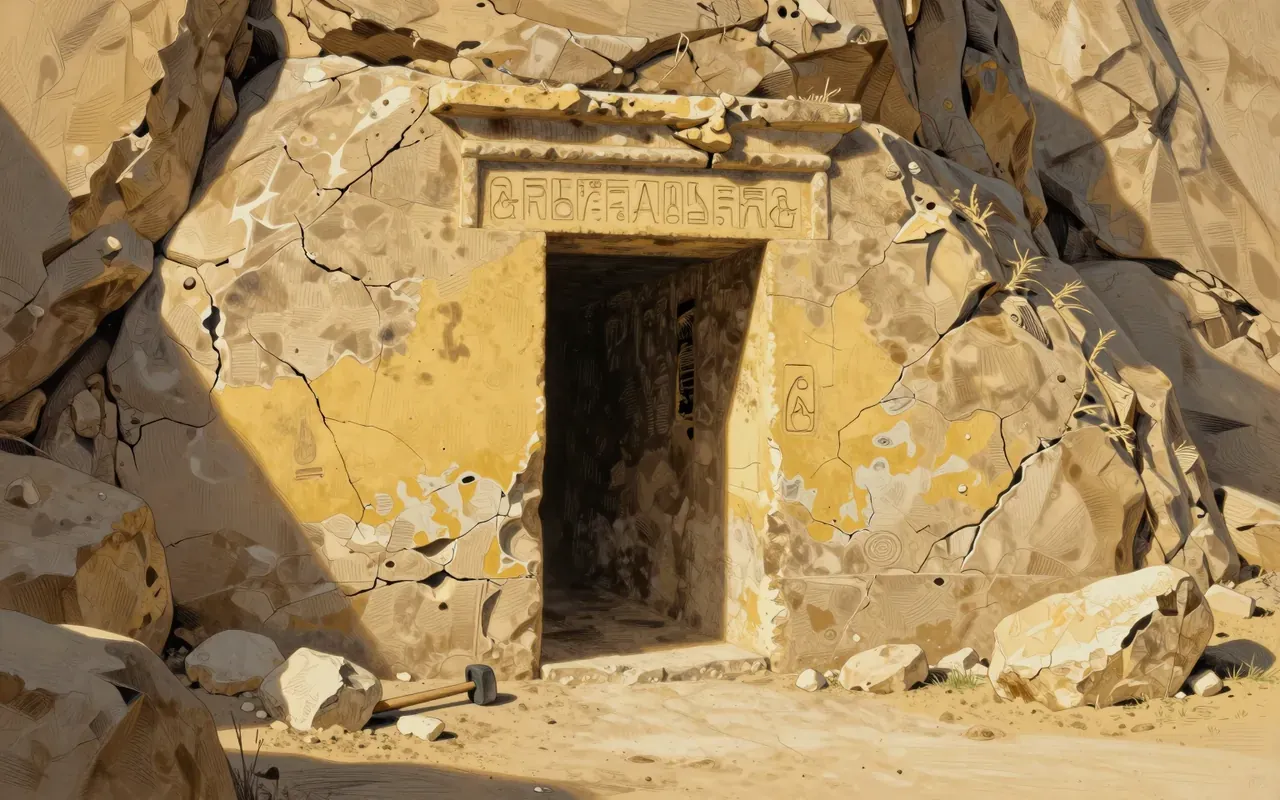
One tomb. One cartouche. Five thousand objects. Not proof — but proof enough to reset Egyptology.
13:00

Hubble's law

Hubble's 1929 pairing of galaxy distances with their redshifts became the observational basis for cosmic expansion, though his own constant was wrong by nearly a factor of seven and its modern successor is still disputed.
13:00

Ice core

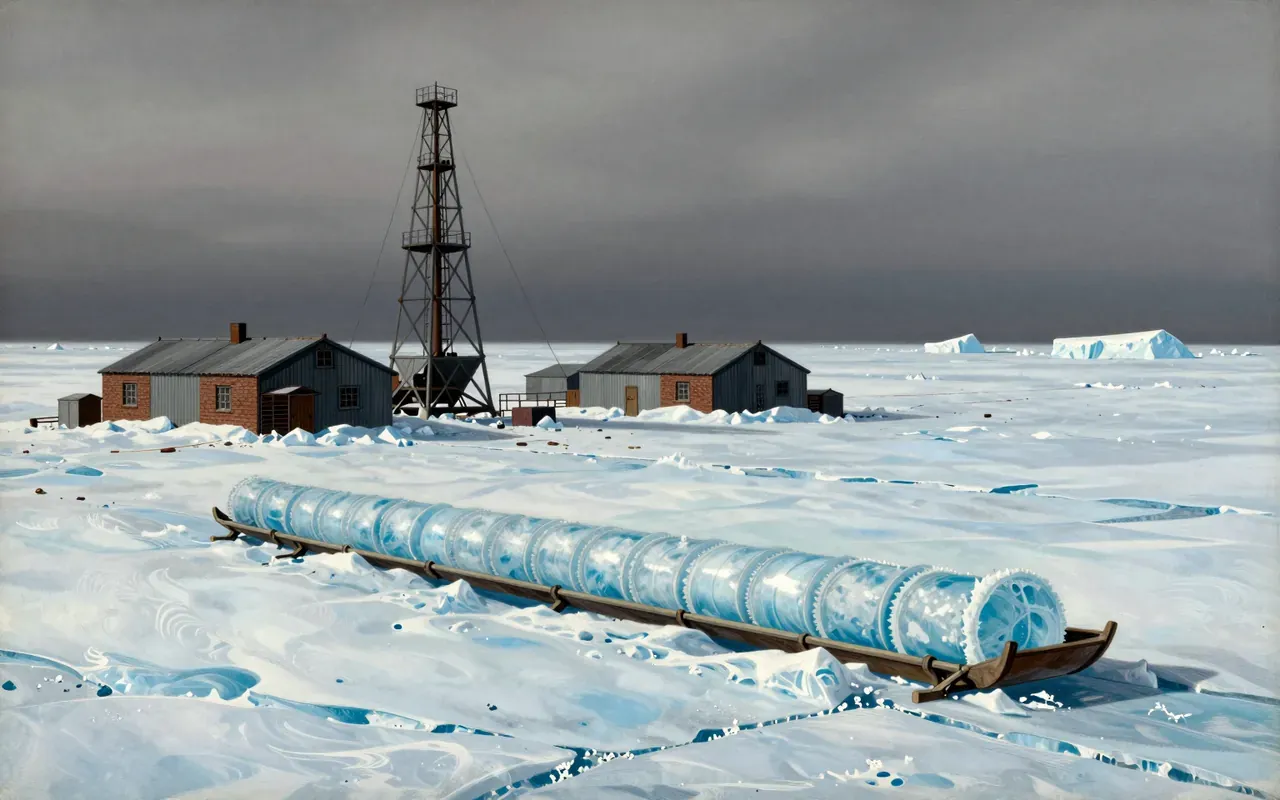
Ice drilled from Antarctica now reaches back 2.7 million years, and the air bubbles trapped inside it are treated as a direct sample of ancient atmosphere, which this brief follows alongside the other proxies paleoclimatology relies on where ice cannot reach.
11:54

Ignaz Semmelweis

Semmelweis didn’t discover germs — he discovered that doctors were killing mothers, and proved it with monthly death counts.
11:29

Entropy (information theory)

Claude Shannon

Shannon’s 1948 theory redefined communication as a mathematical problem of uncertainty reduction. He proved entropy is the irreducible cost of lossless encoding — not a metaphor, not a heuristic, but a bound. It applies only where messages are statistically structured, and only to syntactic information — never semantics. Its power lies in its narrowness.
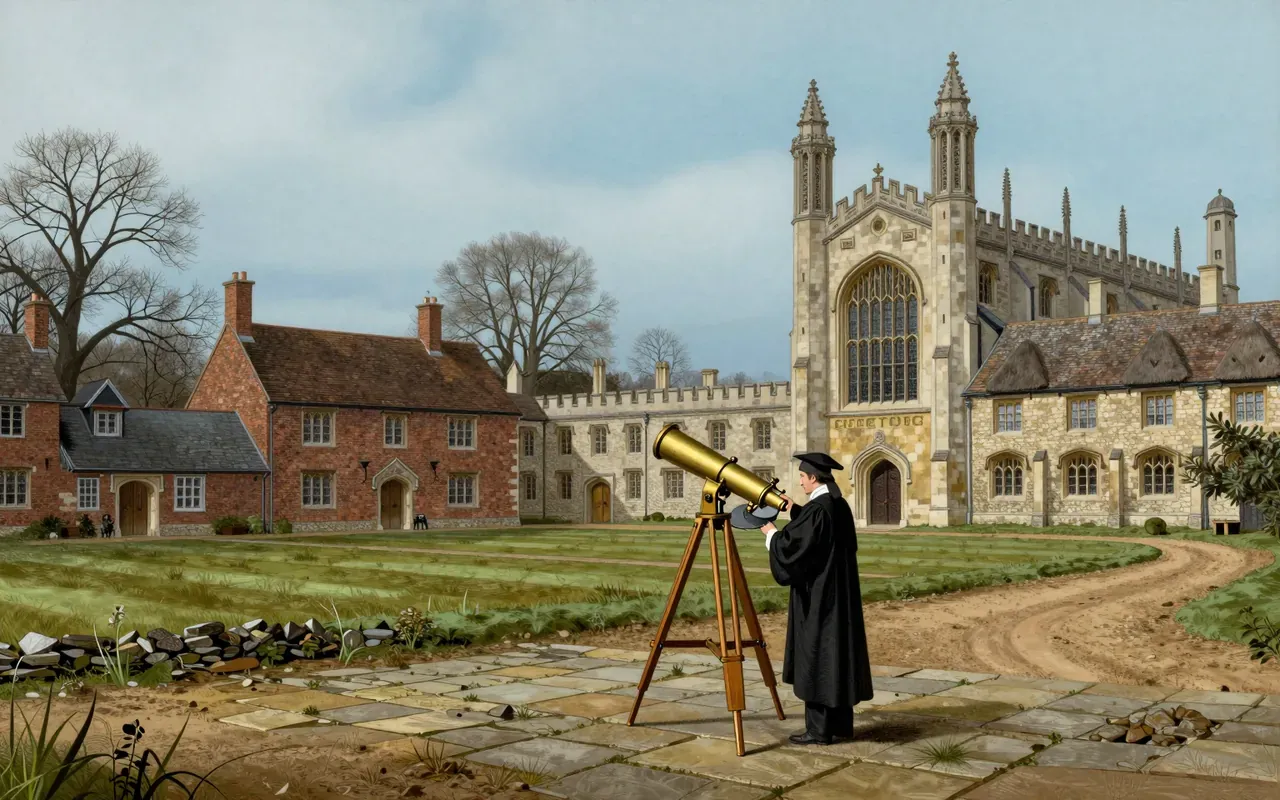
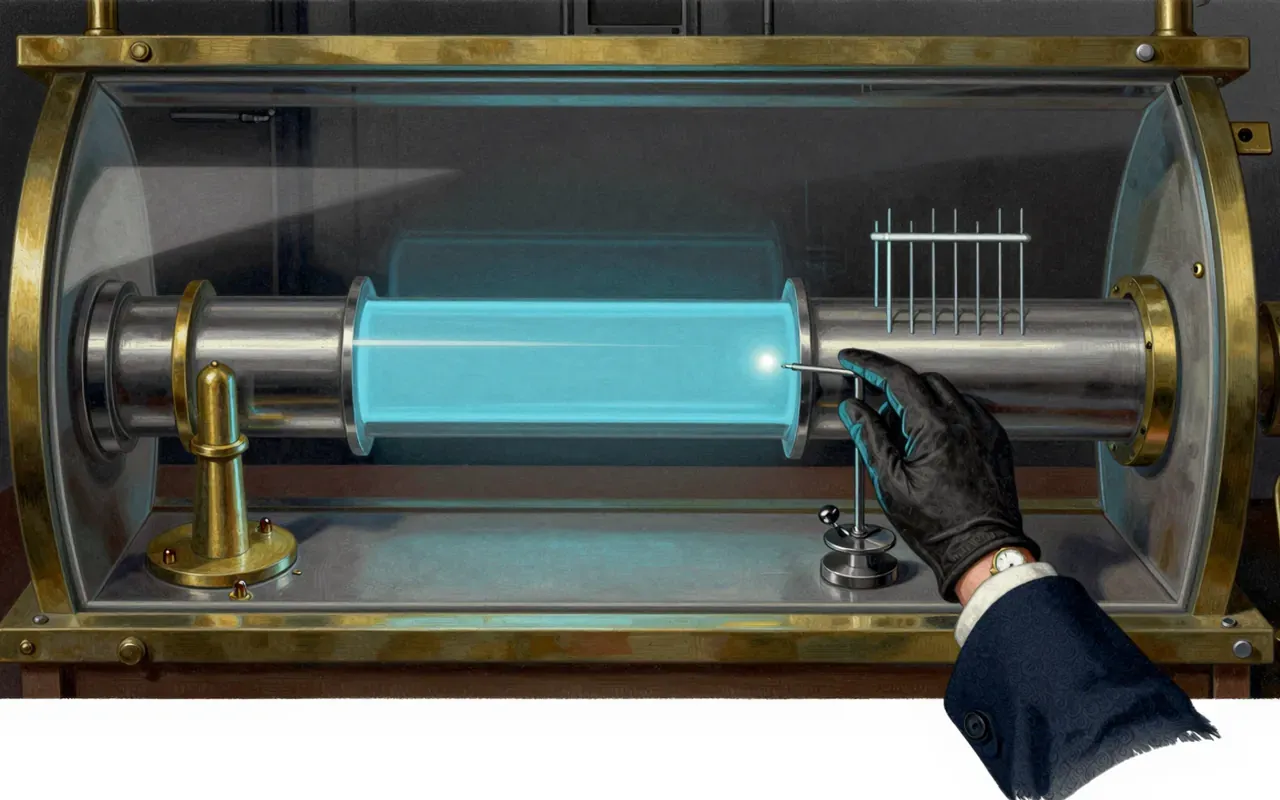
10:50

Isaac Newton

Newton didn’t discover gravity — he discovered that the same mathematics explains an apple and a moon.
13:00

Isotope

Forty radioactive substances had been found between uranium and lead, but the periodic table had room for only eleven. Soddy's 1913 answer was that many were the same element at different weights — and a doctor friend named the idea over conversation.
10:06

Ivan Pavlov

Pavlov won the Nobel Prize for stomach surgery — not salivation. The dog’s drool was a footnote, not the finding.
11:18

James Clerk Maxwell

Maxwell didn’t discover light — he discovered that light is electricity dancing with magnetism.
10:31

James Lovelock

A gas detector built for Mars revealed Earth’s pollution — and mistook it for safety.
10:11

Jane Goodall

Goodall didn’t just watch chimps — she dismantled the scientific fiction of human exceptionalism with a stripped twig and a notebook.
9:46

Jean-Baptiste Lamarck

Lamarck didn’t get evolution wrong — he built the first working theory of it, and it still shapes how we ask biological questions.
10:52

Jing Fang

A Han dynasty mathematician calculated musical temperaments to 0.0145-cent precision — and declared the Moon a mirror centuries before Europe.
13:00

PSR B1919+21

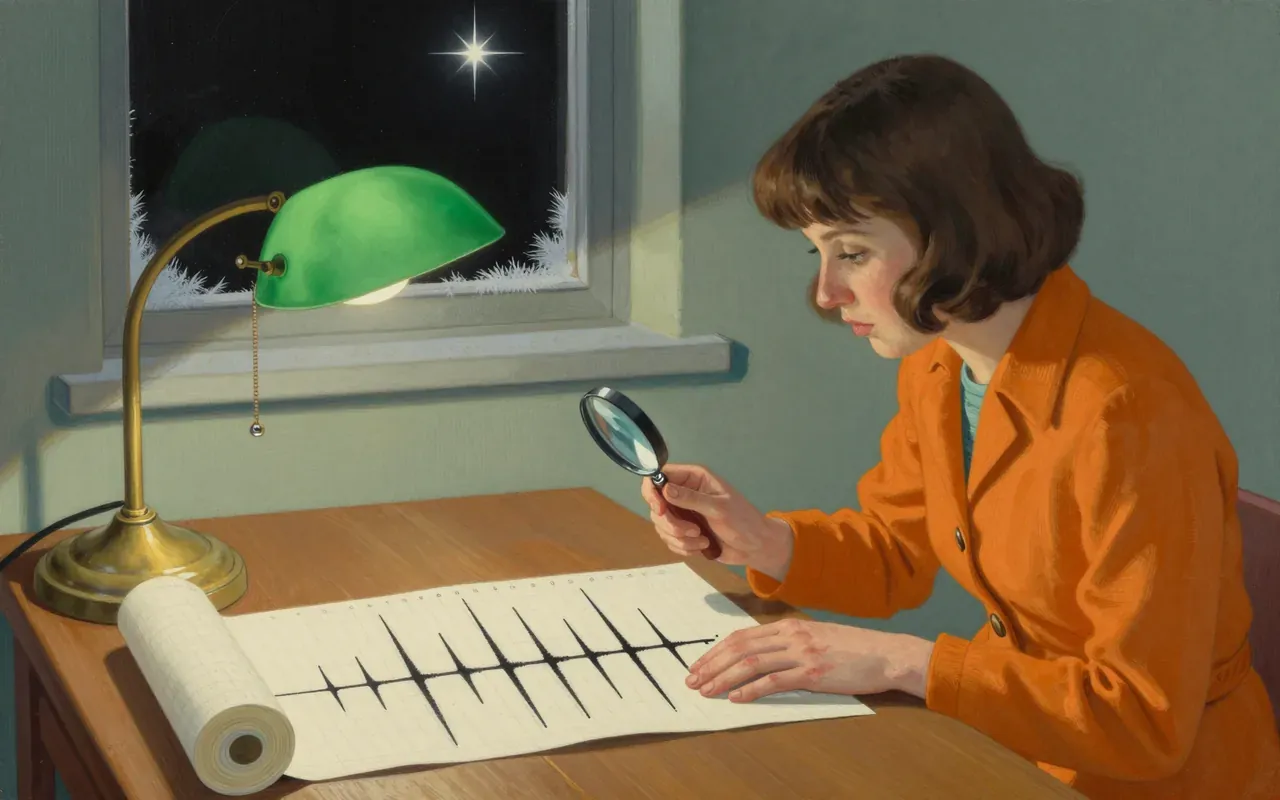
In 1967 a Cambridge graduate student noticed an oddly regular signal on a chart recorder, ruled out interference and little green men, and found the first pulsar, a discovery that won a Nobel Prize for the men above her.
12:18

Johannes Kepler

Kepler didn’t just map the planets—he invented celestial physics by forcing geometry to obey Tycho’s data.
10:18

John Tyndall

Tyndall didn’t discover climate change — he discovered why the atmosphere holds heat at all.
11:03

Josef Stefan

Stefan didn’t need quantum theory to fix the Sun’s temperature — he just needed better data and a fourth power.
10:32

Joseph Henry

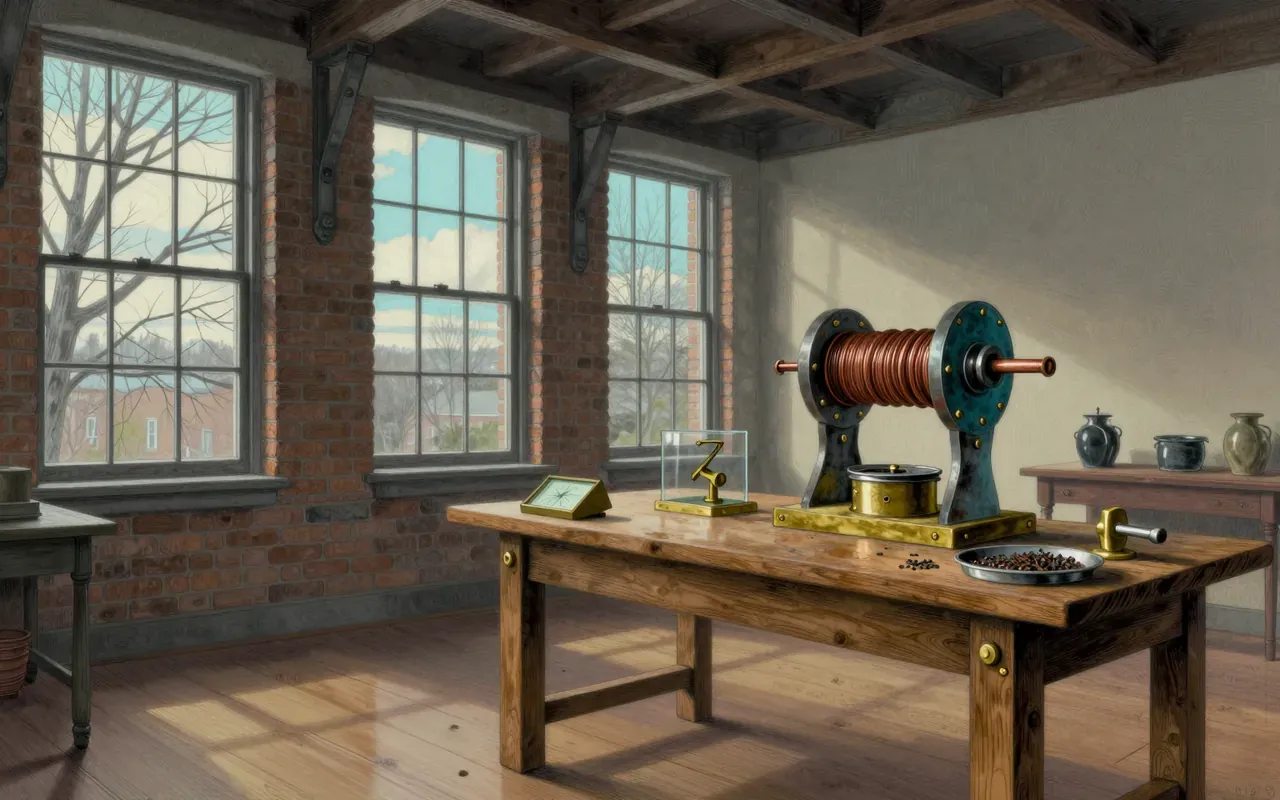
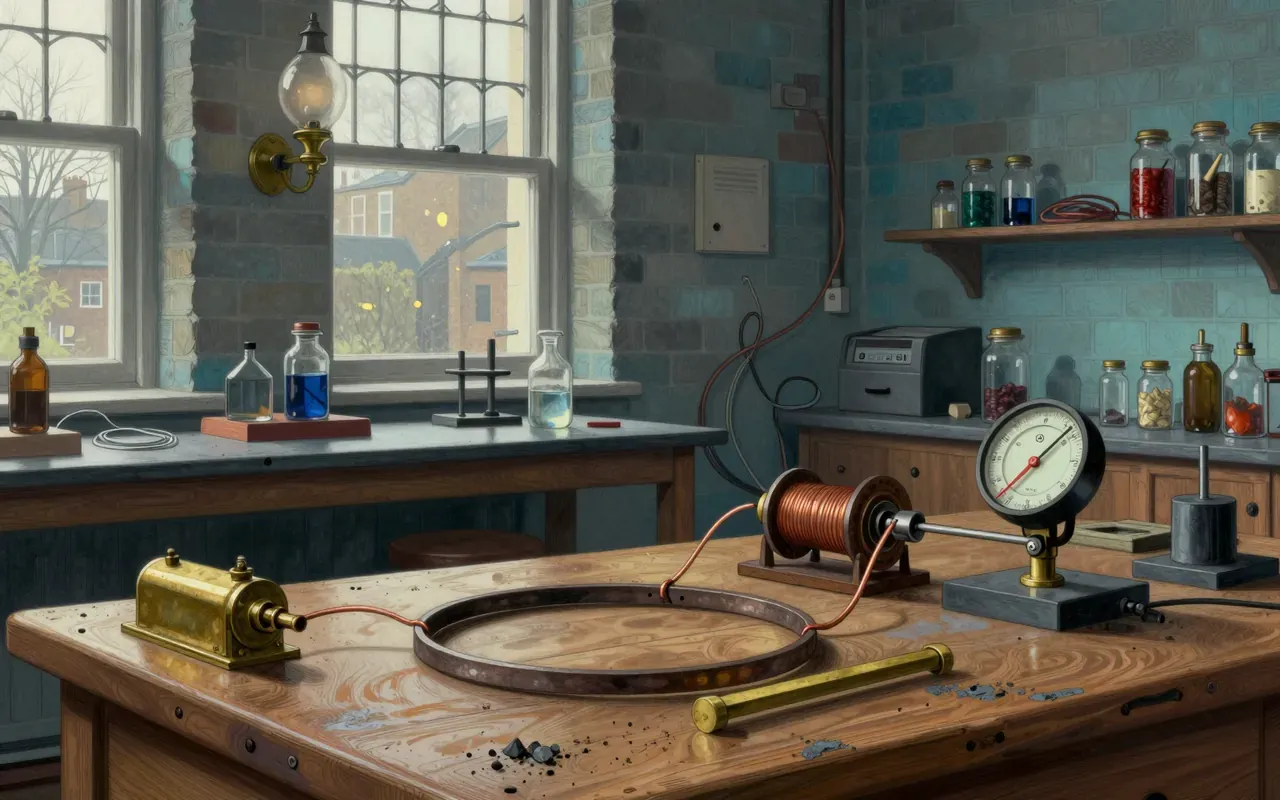
Inductance wasn’t deduced — it was rocked, wound, and wired into existence.
13:00

Kamioka Observatory

A tank of water buried under a Japanese mountain to escape cosmic ray noise caught eleven particles from an exploding star in 1987, and a decade later caught a pattern showing neutrinos are not massless after all.
10:34

Karl von Frisch

Bees don’t just react — they compute direction, time, and identity with senses we lack.
9:47

Katherine Johnson

Human calculation didn’t just support early spaceflight—it certified the machines that replaced it.
10:04

Kinetic theory of gases

Daniel Bernoulli

Bernoulli’s 1738 kinetic theory is the first mechanistic explanation of gas behaviour. It correctly identifies pressure as momentum transfer and temperature as mean kinetic energy. It derives Boyle’s law from molecular motion. It fails to resolve energy conservation or collision elasticity — gaps that stalled acceptance for a century. Its value lies not in immediate utility but in framing matter as particulate and dynamic — a conceptual pivot that enabled thermodynamics and statistical mechanics.
11:38

Kirchhoff's circuit laws

Gustav Kirchhoff

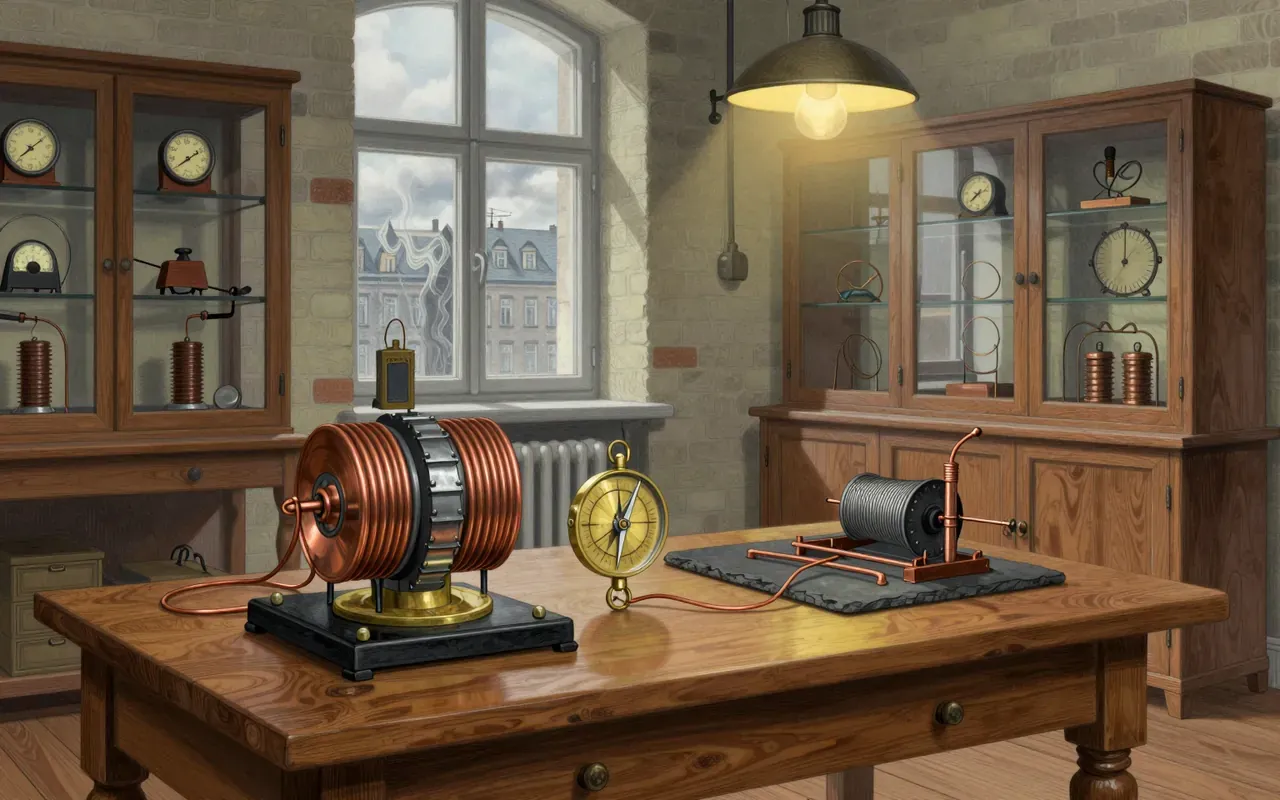
Kirchhoff’s 1845 circuit laws are two experimentally derived equalities — one for current at junctions, one for voltage around loops — valid only under strict physical assumptions of the lumped-element model.
13:00

Conservation of mass

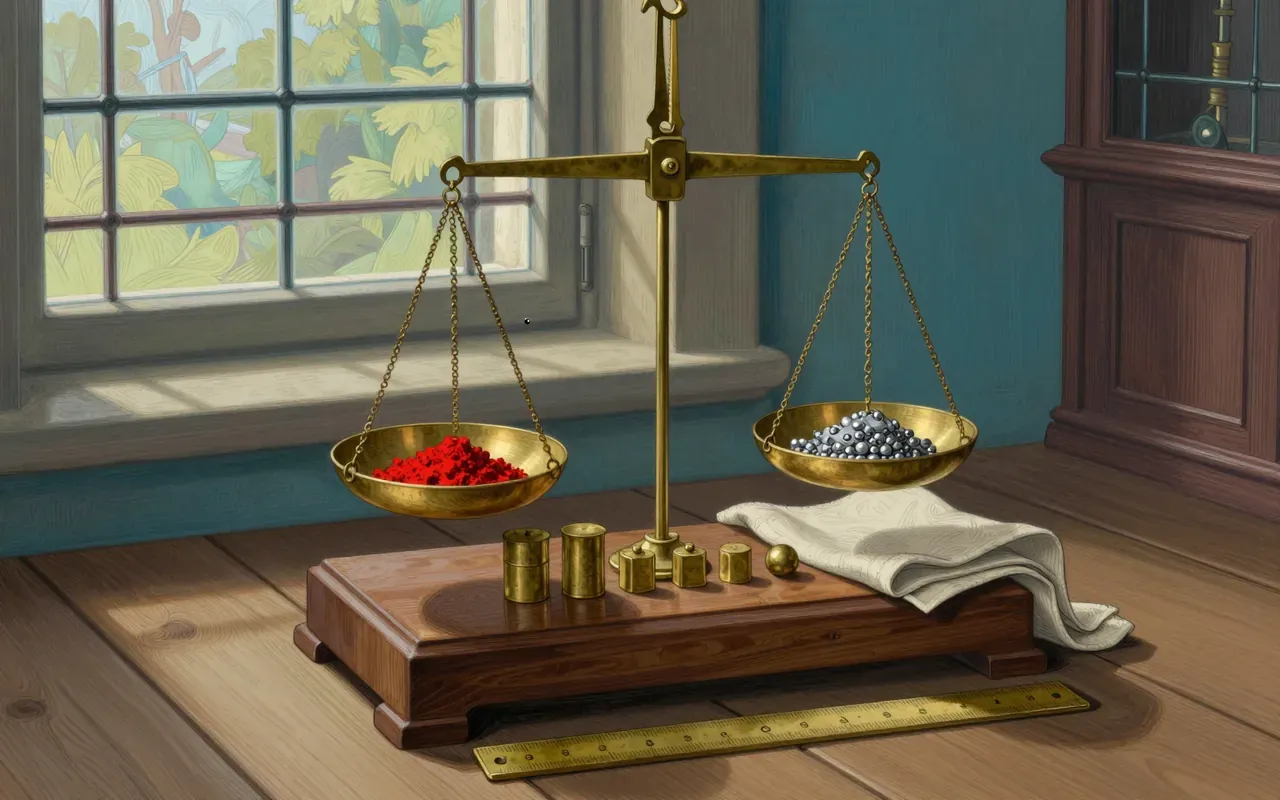
Lavoisier weighed everything, sealed his reactions in glass so nothing could escape unnoticed, and found the numbers always balanced. That habit of weighing rather than guessing did more to end phlogiston theory than any argument could have.
13:00

Animalcule

A self-taught Delft draper's hand-ground lenses revealed bacteria, sperm cells and single-celled organisms nobody else could see, and the Royal Society verified his claims before microbiology existed as a field.
11:09

Lise Meitner

Meitner and Frisch didn’t discover fission — they explained it, named it, and measured its energy in six weeks.
9:24

Liu Hui

Liu Hui didn’t borrow from Greece — he built a parallel mathematics, complete with proof, algorithms, and limits.
9:42

Louis Pasteur

Pasteur didn’t discover germs—he proved dust carries them, and nothing grows without them.
13:00

Australopithecus afarensis

Lucy's 1974 skeleton, confirmed two years later by footprints preserved at Laetoli, showed that walking upright evolved long before the large human brain, though her species' exact lifestyle and lineage remain debated.
13:00

Lucy (hominid)

Lucy's pelvis, knee and spine show she walked upright 3.2 million years ago with a small, ape-like skull, evidence that bipedalism came well before big brains, though her proportionally long arms still divide researchers over how much time she spent in trees.
10:19

Ludwig Boltzmann

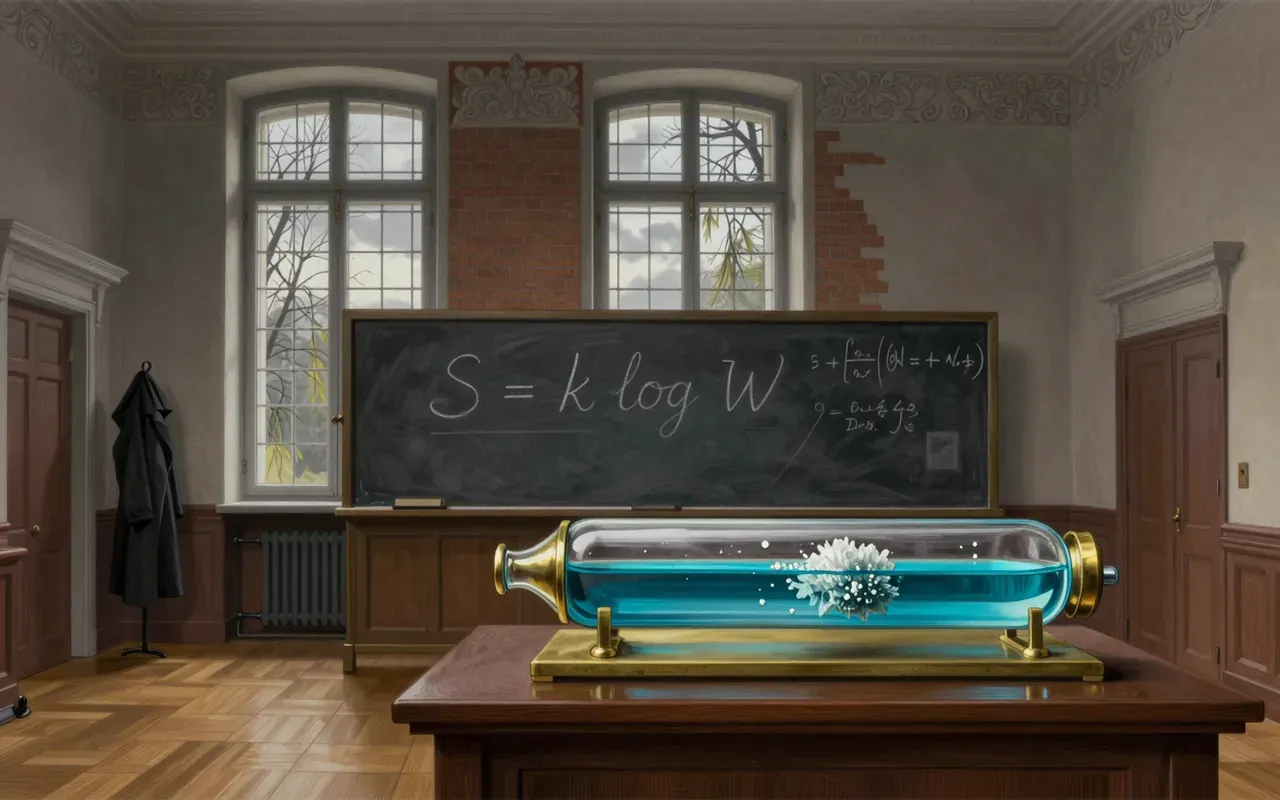
Entropy isn’t fate — it’s odds. Boltzmann proved the second law is a bet, not a command.
10:08

Lynn Margulis

Endosymbiosis isn’t just about organelles — it’s proof that evolution advances by merger, not just mutation.
9:31

Lysosome

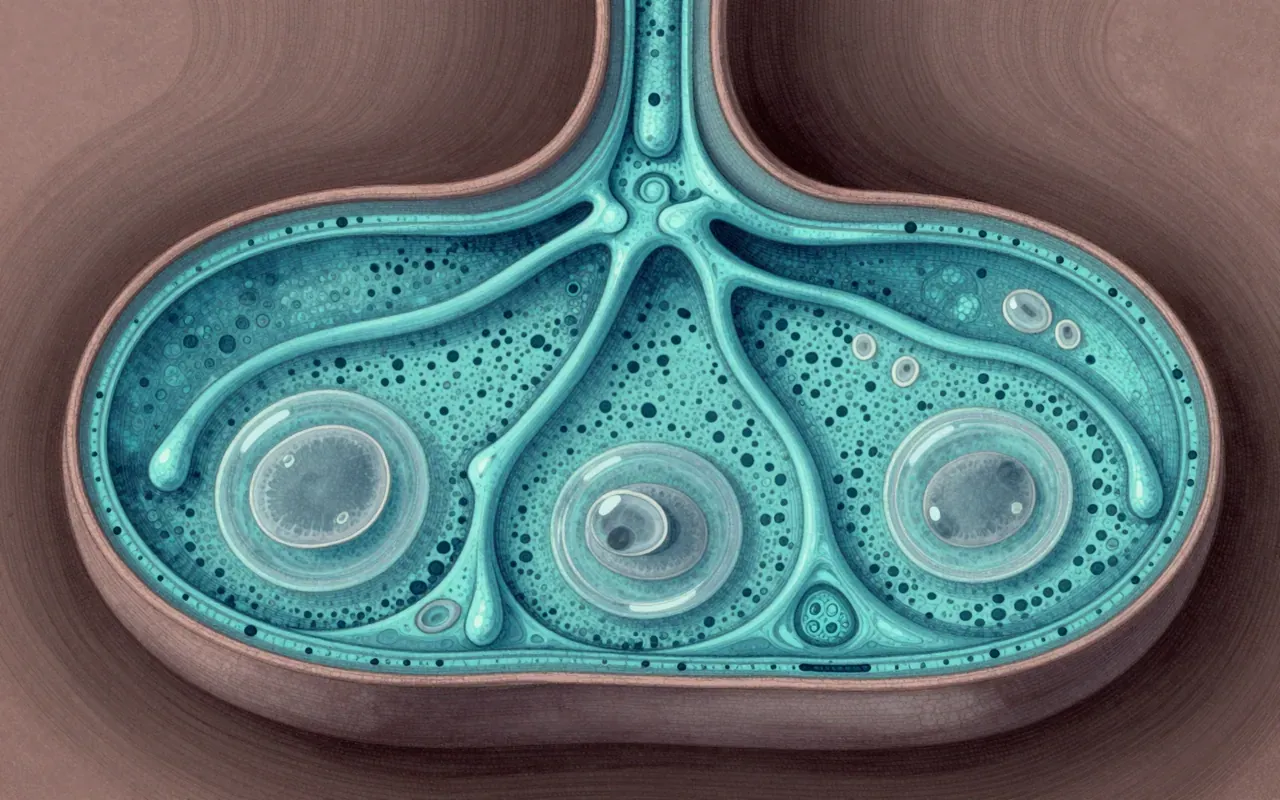
Lysosomes weren’t found — they were inferred from acid phosphatase, then confirmed by centrifugation.
13:00

Insular biogeography

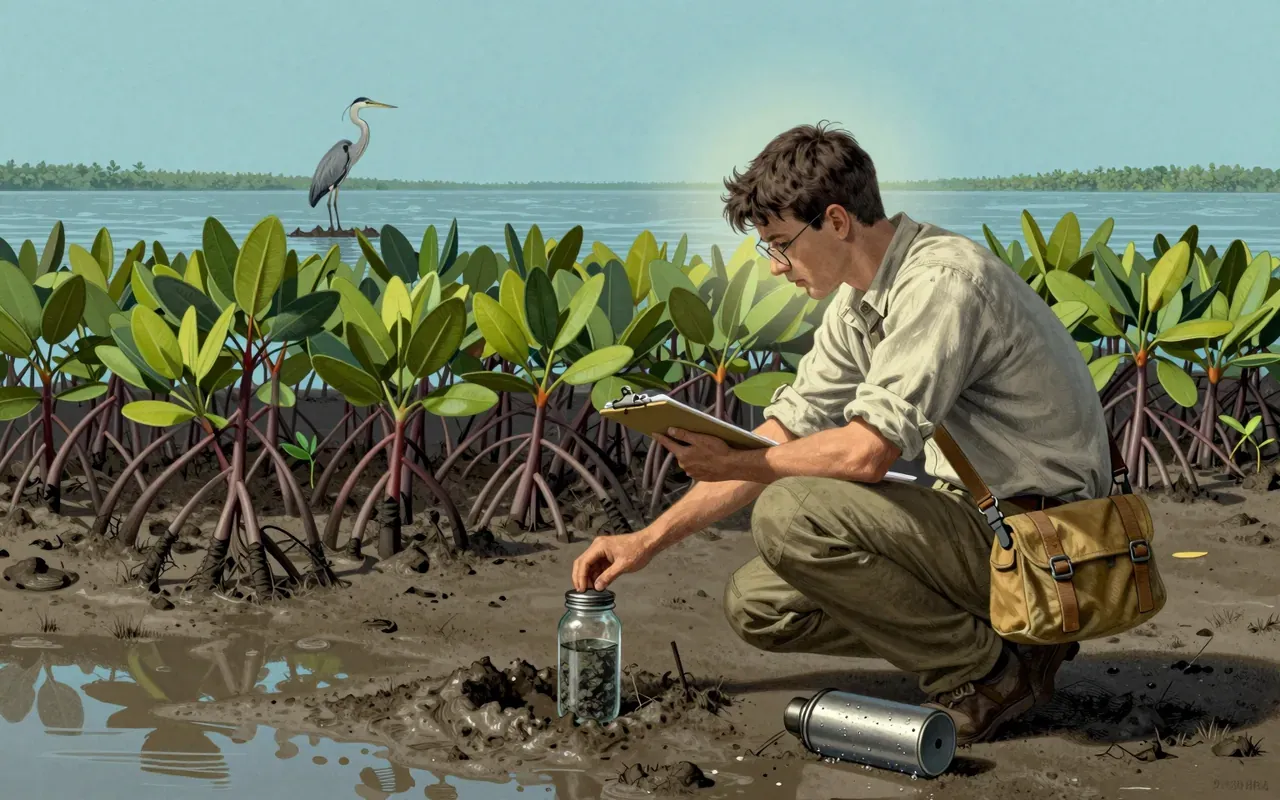
MacArthur and Wilson's 1967 theory that island species counts balance immigration against extinction was confirmed by deliberately wiping out mangrove islands, then sparked an unresolved fight over reserve design.
13:00

Plasmodium

Plasmodium spends part of its life dormant in the liver for over a year before it ever reaches the blood, a hiding strategy this brief follows alongside the parasite's steady, documented history of outlasting every drug built against it.
9:19

Marie Curie

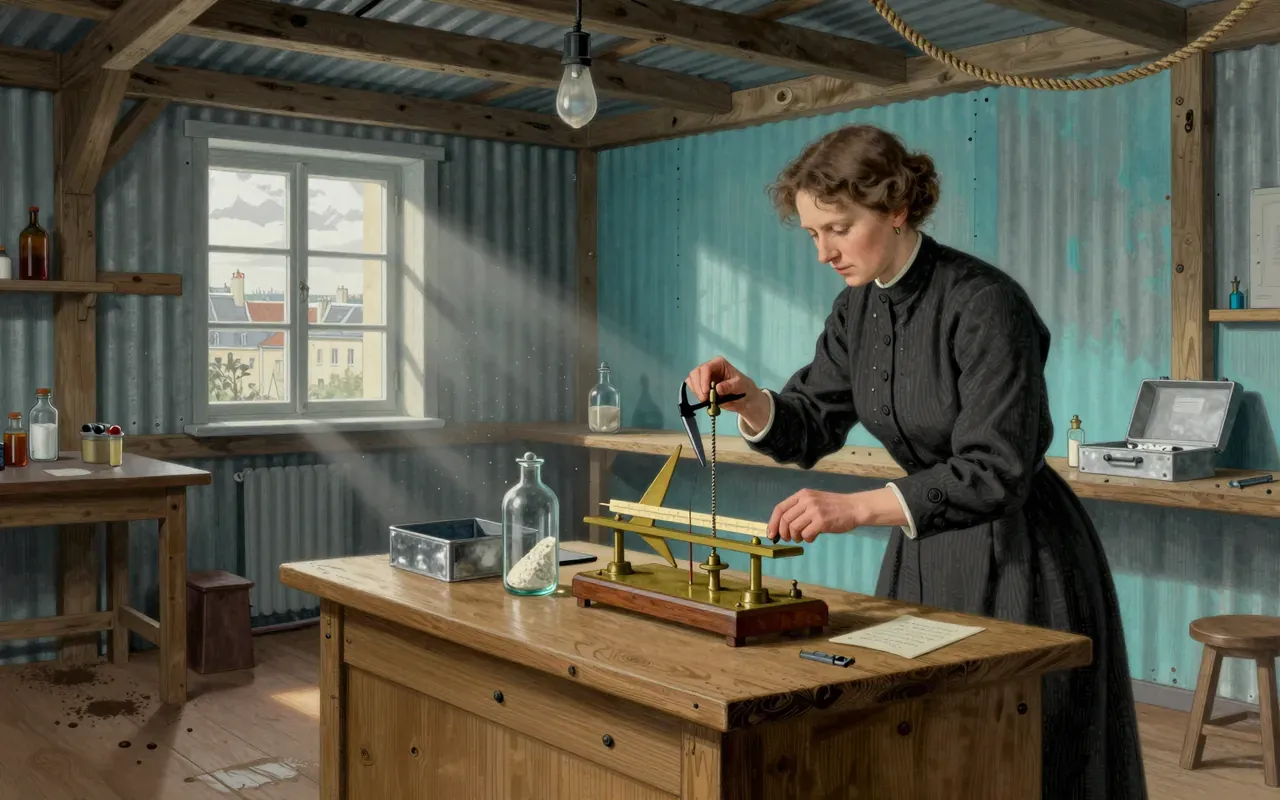
She didn’t find radioactivity—she proved it lived inside the atom.
10:33

Mario Molina

A postdoc and a chemist proved your fridge coolant was eating the sky — and changed how the world governs chemistry.
9:21

Mary Anning

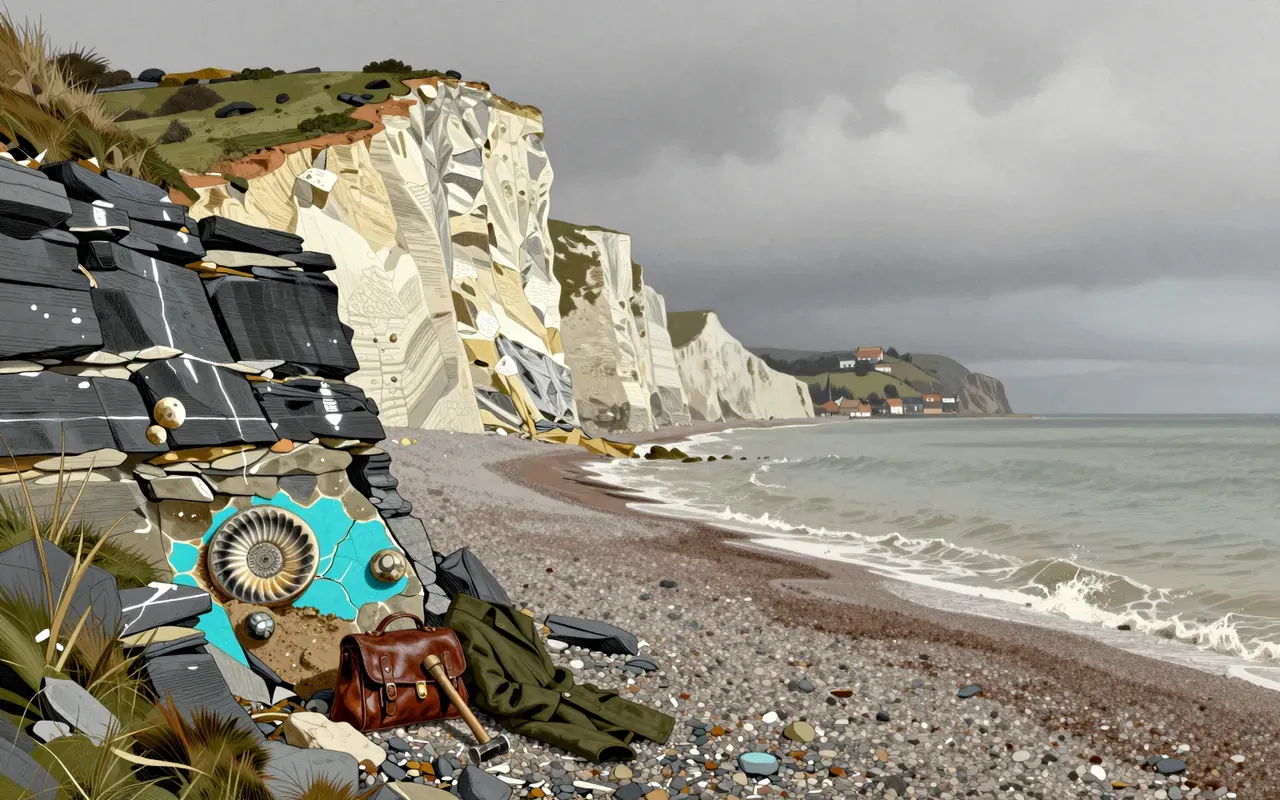
She didn’t theorise deep time — she dug it up, dissected it, and named its waste.
11:00

Max Planck

Planck didn’t discover quanta — he invented them to save classical physics, then accidentally broke it forever.
13:00

Maxwell's equations

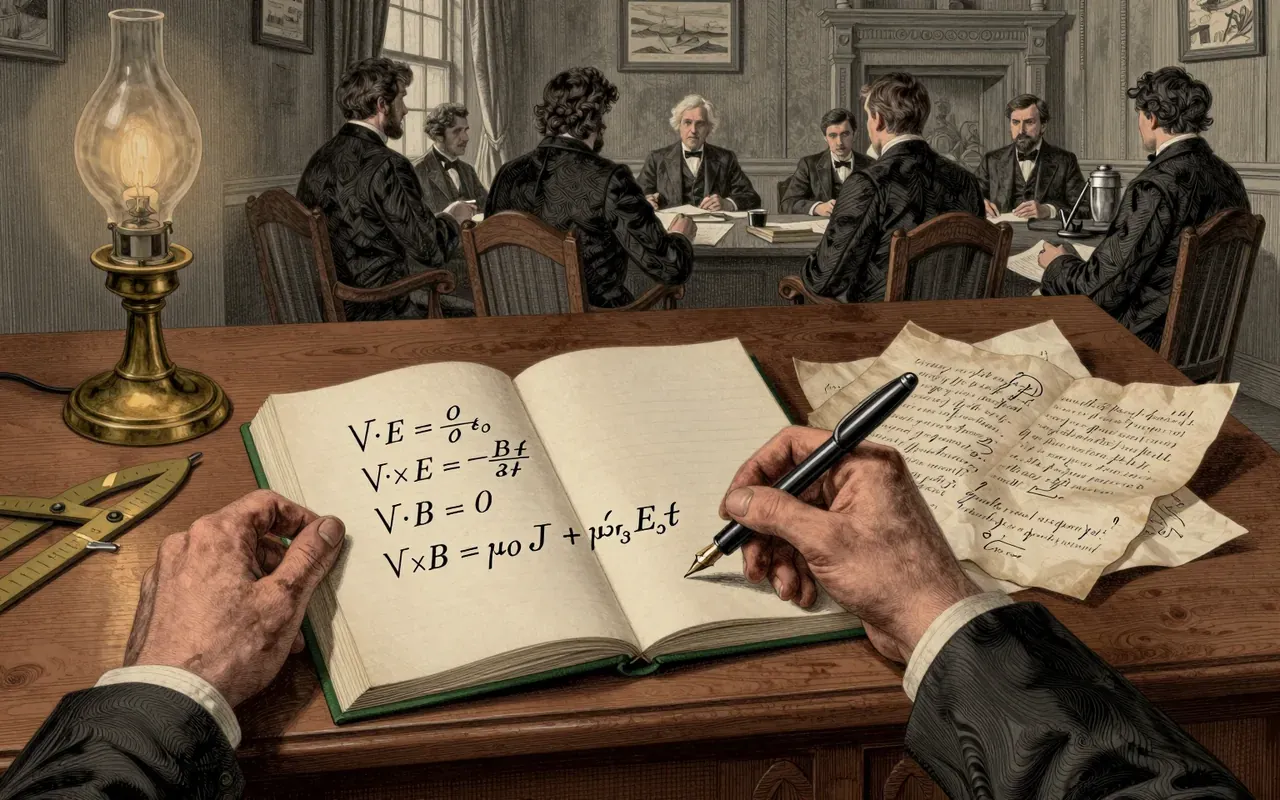
When James Clerk Maxwell added one missing term to the equations linking electricity and magnetism, the mathematics predicted a wave travelling at a speed that matched light almost exactly, revealing light itself as an electromagnetic phenomenon.
13:00

Nuclear fission

Otto Hahn's puzzling 1938 chemistry, barium from bombarded uranium, was explained within weeks by the exiled Lise Meitner and Otto Frisch as nuclear fission, work for which only Hahn received the 1944 Nobel Prize.