sciencebriefs
Shortest first

All briefs

561 briefs · 6515 min · 385–480 on page 5 of 6
13:00

Natural killer cell

Natural killer cells attack by noticing what is missing from a cell's surface rather than what is present, an idea that only became testable once researchers could see the cells at all, and this brief follows that logic into innate immunity more broadly.
13:00

Neurotransmitter

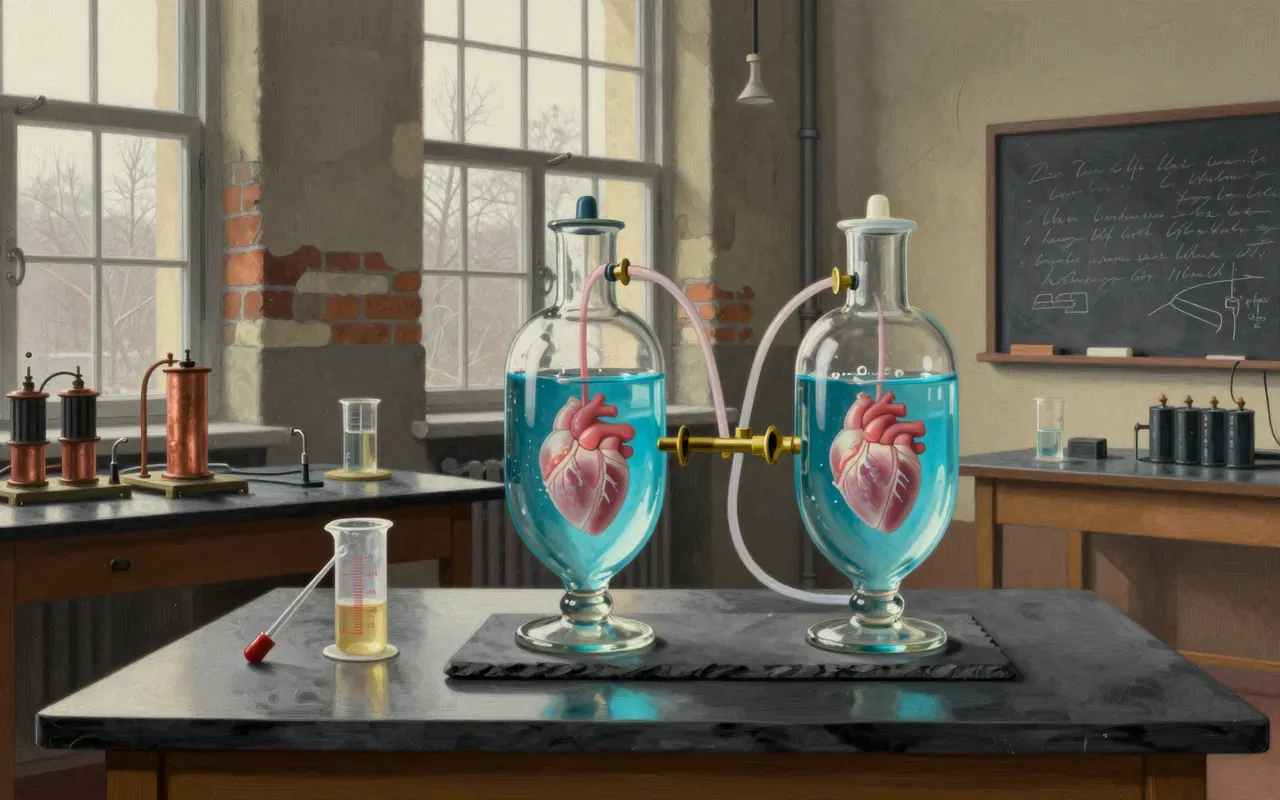
Otto Loewi's 1921 experiment transferred fluid from one stimulated frog heart to a second, unconnected heart, and it slowed too — evidence that nerves signal with a released chemical rather than electricity alone, and the start of a search for what else nerves release.
13:00

Solar neutrino problem

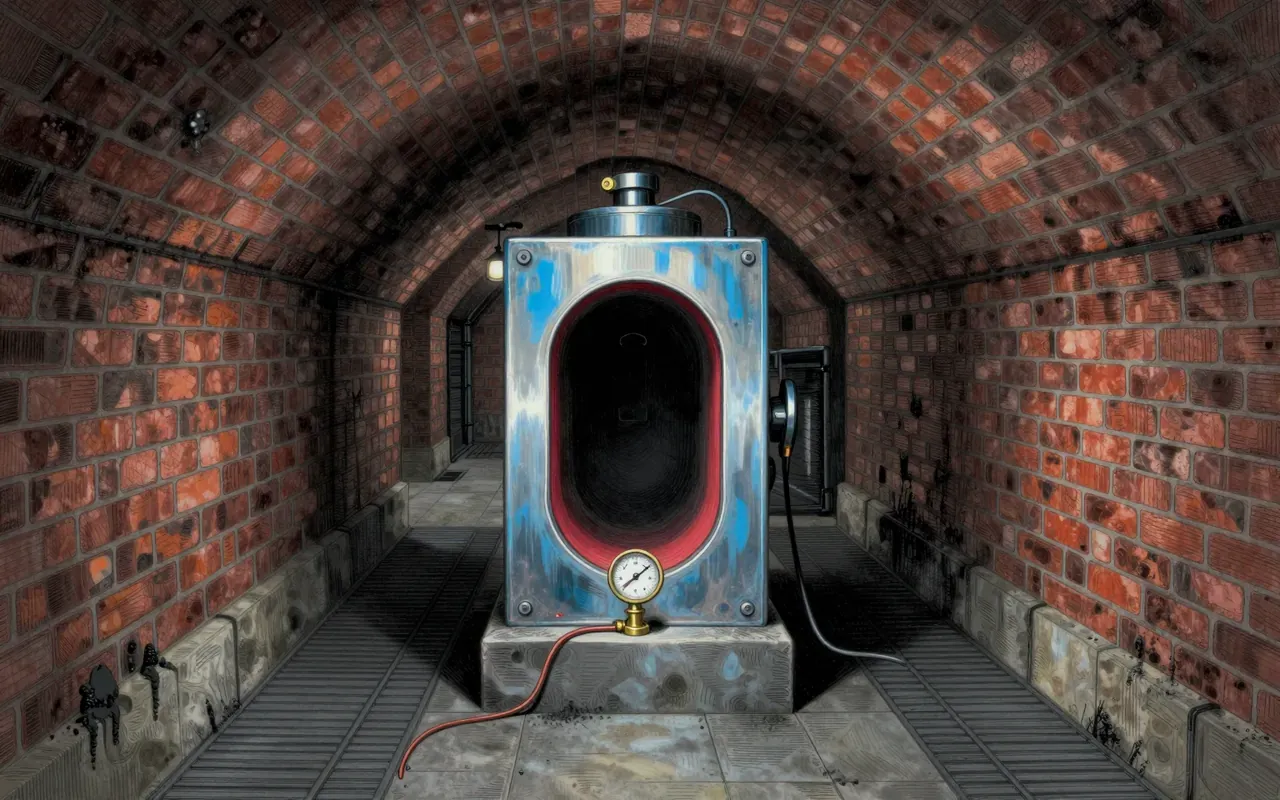
Ray Davis's underground tank of cleaning fluid counted only about a third of the solar neutrinos theory predicted for three decades, a gap eventually traced not to a flawed experiment but to neutrinos changing type on the way to Earth.
13:00

Massively parallel sequencing

Reading DNA one lane at a time cost the Human Genome Project years and roughly a hundred million dollars. Spreading millions of short reads across one flow cell instead brought that down toward a few hundred dollars, trading length and certainty for volume.
13:00

Nitrogen fixation

A single enzyme that breaks down the moment it meets oxygen is what lets bacteria turn inert air into usable nitrogen, and this brief follows that chemistry from an eccentric Dutch microbiologist's 1901 discovery to the industrial process that now feeds most of humanity.
13:00

Non-Euclidean geometry

For two thousand years mathematicians tried proving Euclid's parallel postulate from his other axioms. In 1829 and 1832, Lobachevsky and Bolyai independently showed the opposite: denying it produces a consistent geometry, one Gauss had already found and hidden.
13:00

Nylon

Carothers's lab made the first fully synthetic fibre strong enough to replace silk in 1935. He died by suicide sixteen months before DuPont told the world, and never saw the 64 million pairs of stockings that sold in the first year alone.
13:00

Ocean acidification

Roughly a third of the carbon dioxide humans have put into the air over 270 years has dissolved into the ocean, and surface seawater pH has already dropped further than at any point in at least 26,000 years.
13:00

Thermohaline circulation

Sinking cold, salty water near Iceland and Antarctica drives a global circulation that keeps Europe warmer than its latitude suggests, and the IPCC now says it is very likely to weaken further this century.
13:00

Ohm's law

Georg Ohm's 1827 relationship between voltage, current and resistance was dismissed by German critics as fanciful speculation, and it took until the 1840s, and a Royal Society medal, for the field to accept what turned out to be one of electrical engineering's basic tools.
13:00

Combined oral contraceptive pill

Gregory Pincus and John Rock turned a 1950s hypothesis about progesterone into the first oral contraceptive, tested on women in Puerto Rico whose reported side effects were overridden on the way to FDA approval in 1960.
13:00

Ozone depletion

A single chlorine atom released from a refrigerant molecule can wreck roughly one hundred thousand ozone molecules before it is finally removed from the cycle, and this brief follows that chemistry from a 1985 Antarctic discovery to a treaty now credited with actual recovery.
13:00

Palynology

Lennart von Post built the first modern pollen diagram in 1916 but published mostly in Swedish, and it took a colleague's German-language paper to spread the method, which this brief follows from a Christiania lecture to modern forensic and honey testing.
13:00

Swan neck flask

A curved glass neck that let air through but trapped dust settled a centuries-old argument about whether life could spring from nothing, by turning a philosophical dispute into a shape anyone could picture and test.
13:00

Henry Molaison

Henry Molaison's 1953 surgery destroyed his ability to form new memories but left skill learning intact, giving Brenda Milner decades of evidence that declarative and procedural memory are genuinely separate systems.
13:00

History of penicillin

Howard Florey and Ernst Chain's Oxford team, aided by a mould found on a Peoria cantaloupe, turned Fleming's decade-old observation into billions of units of penicillin a year, though Britain's refusal to patent the method cost it years of royalties.
13:00

Pentaquark

A wave of pentaquark sightings in 2003 collapsed entirely by 2008 once other experiments failed to replicate them, and it took the LHCb collaboration's accidental 2015 discovery, confirmed at 15-sigma significance, to establish the particle for real.
13:00

Peroxisome

Peroxisomes were found almost by accident in a search for something else, and this brief follows how a small oxygen-handling organelle turned out to matter for nerve myelination and long-chain fat breakdown.
13:00

Perpetual motion

Every self-sustaining machine ever proposed, from a medieval overbalanced wheel to modern magnetic motors, runs into the same two laws of thermodynamics that patent offices now use to reject them without a hearing.
13:00

Piezoelectricity

Pierre and Jacques Curie showed in 1880 that squeezing certain crystals generates a voltage, and the reverse effect their colleague predicted the following year now drives everything from sonar to quartz watches to fuel injectors.
13:00

Piltdown Man

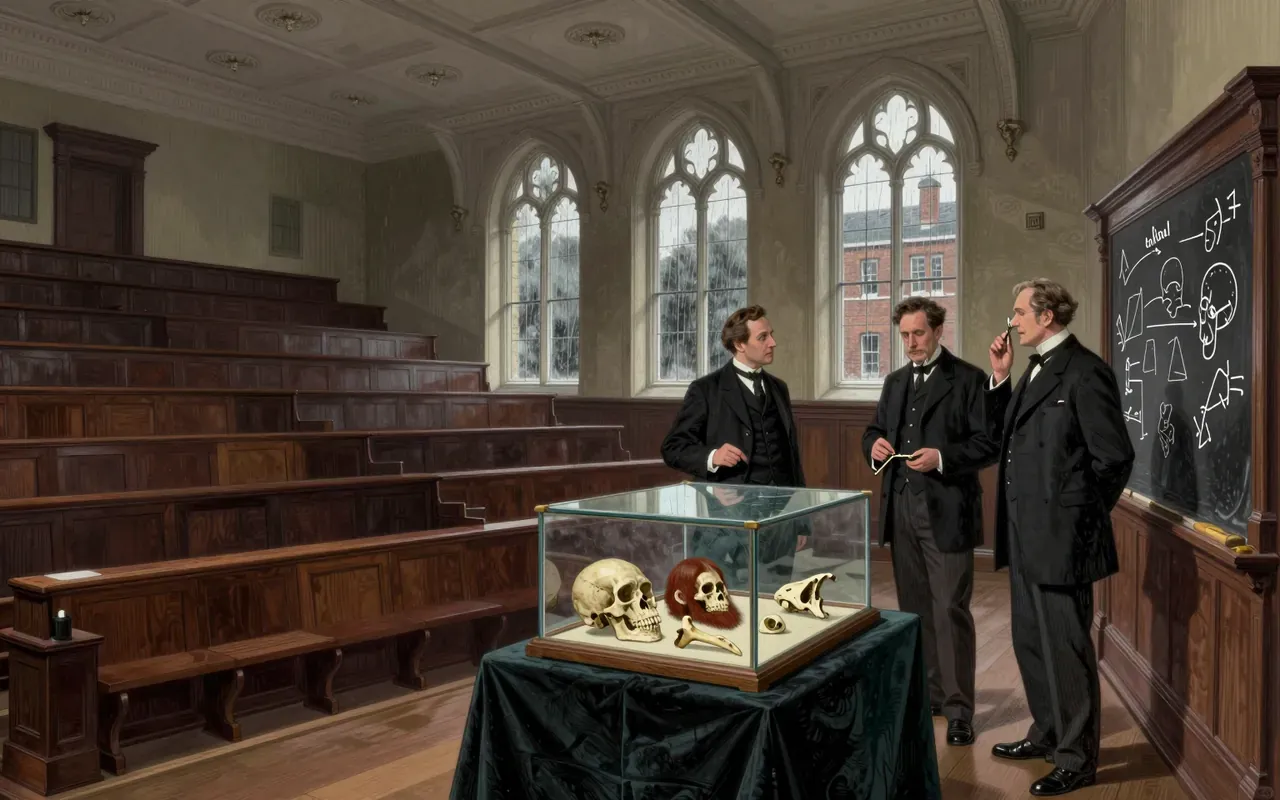
A human skull and an orangutan jaw, filed and stained to look ancient, passed as the missing link for forty-one years because they told British science exactly the evolutionary story it expected to hear.
13:00

Black-body radiation

Classical physics predicted a heated object should radiate an unlimited amount of energy at high frequencies, measurements showed it does no such thing, and Max Planck's 1900 fix, a trick he did not even believe in at first, opened the door to quantum theory.
13:00

Planck postulate

To make his 1900 blackbody radiation law work, Max Planck assumed energy could only be emitted in fixed units, a device he called a formal assumption and did not believe was physically real.
13:00

Plant hormone

Plants have no glands and no circulatory system, yet every cell can make its own hormones, and this brief follows how at least nine separate signal classes coordinate growth without either of those animal-style tools.
13:00

Seafloor spreading

A Canadian geologist worked out the same explanation as two Cambridge researchers in 1963, but his paper was rejected twice, and the idea now carries only their names in its title.
13:00

Polymerization

Hermann Staudinger's macromolecule hypothesis, once dismissed by his own field, is the reason polymerisation is understood as chains of covalently linked units rather than clusters of small molecules stuck together.
13:00

Polymerase chain reaction

Thirty cycles of heating and cooling turn one strand of DNA into roughly a billion copies. The method came from Kary Mullis in 1983 and won a Nobel Prize; his later claims about HIV and AIDS did not come from the same place and should not borrow its authority.
13:00

Positron emission tomography

PET scanning images metabolic activity rather than anatomy, by catching the paired gamma rays a positron tracer produces on annihilation — a physical trick that took decades, and Michel Ter-Pogossian's team, to turn into a working scanner.
13:00

Prime editing

David Liu's lab built a gene editor that writes new DNA directly into place without cutting both strands, and by 2025 a version of it had reportedly cleared a genetic disease from two patients' cells.
13:00

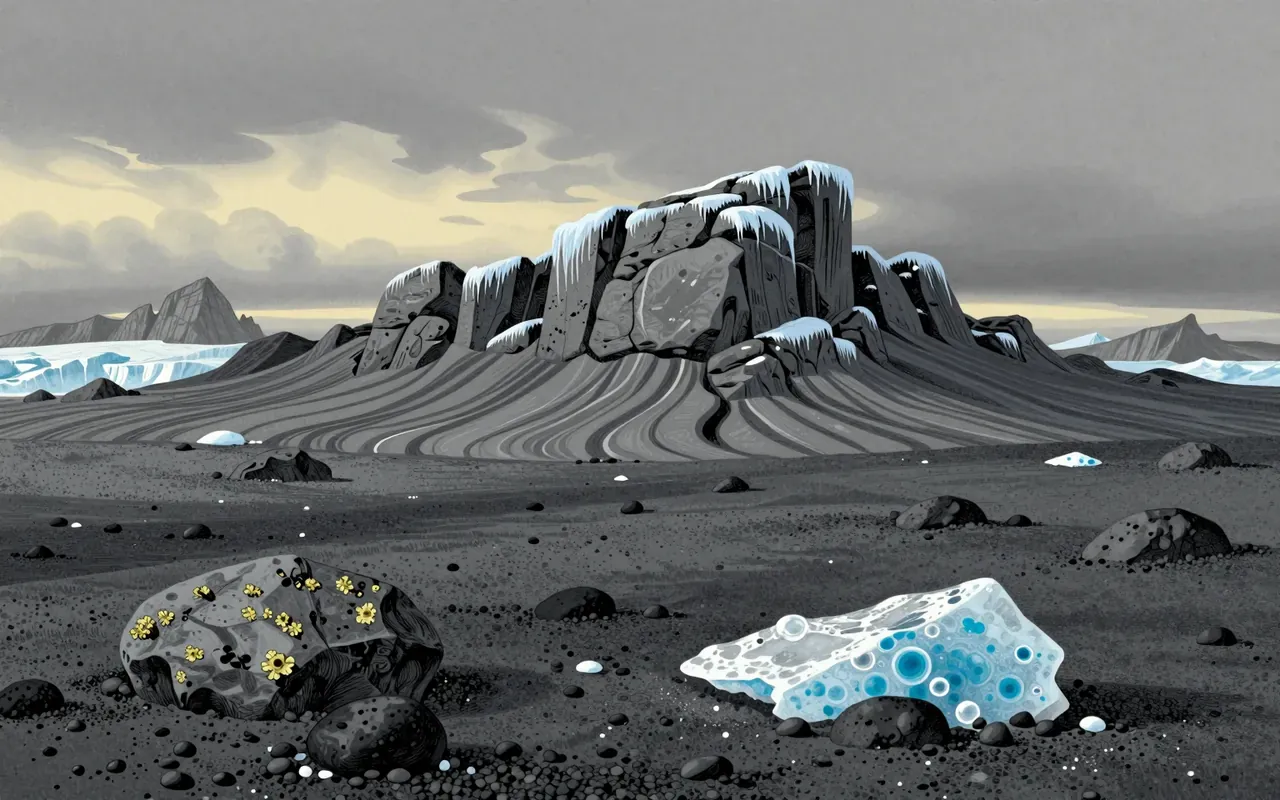
Psychrophile

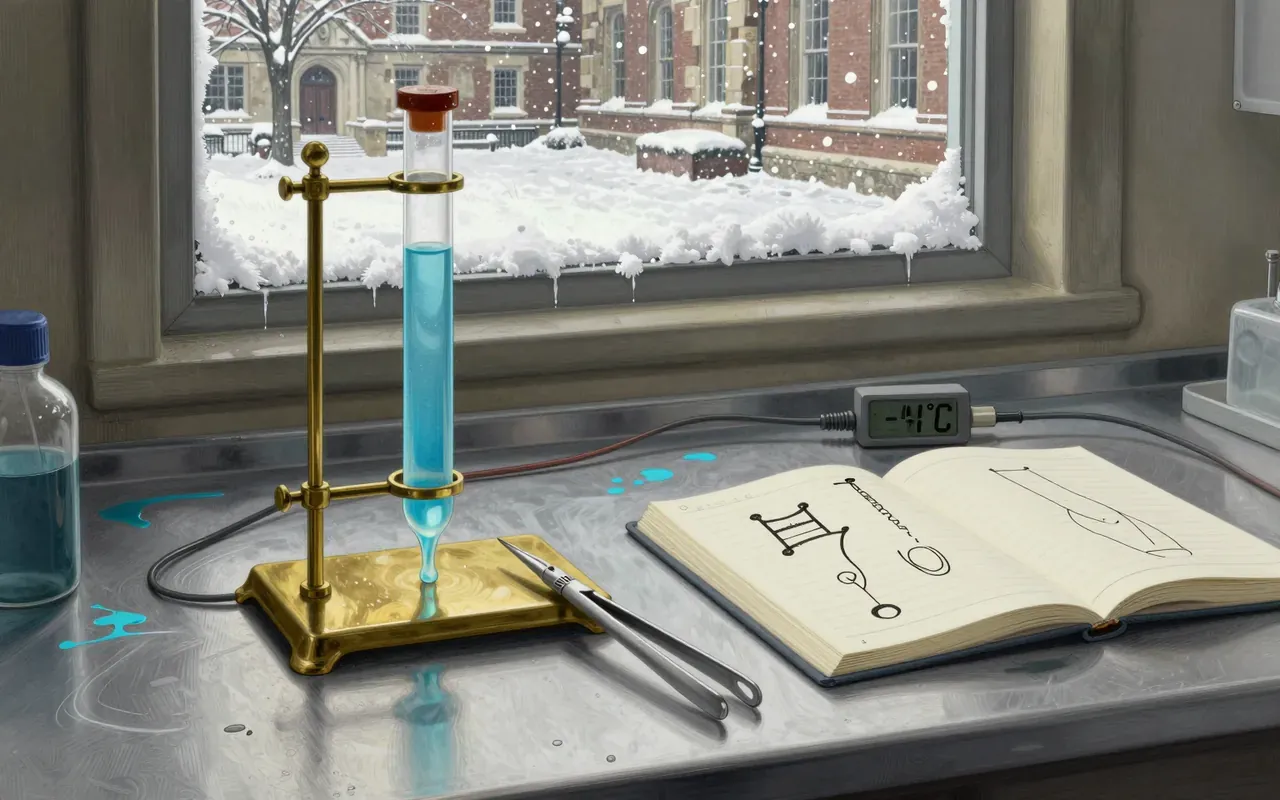
A lichen that keeps photosynthesising below freezing shows cold tolerance is not one trick but several, and this brief follows those strategies alongside a decades-old dispute over what actually counts as a true psychrophile.
13:00

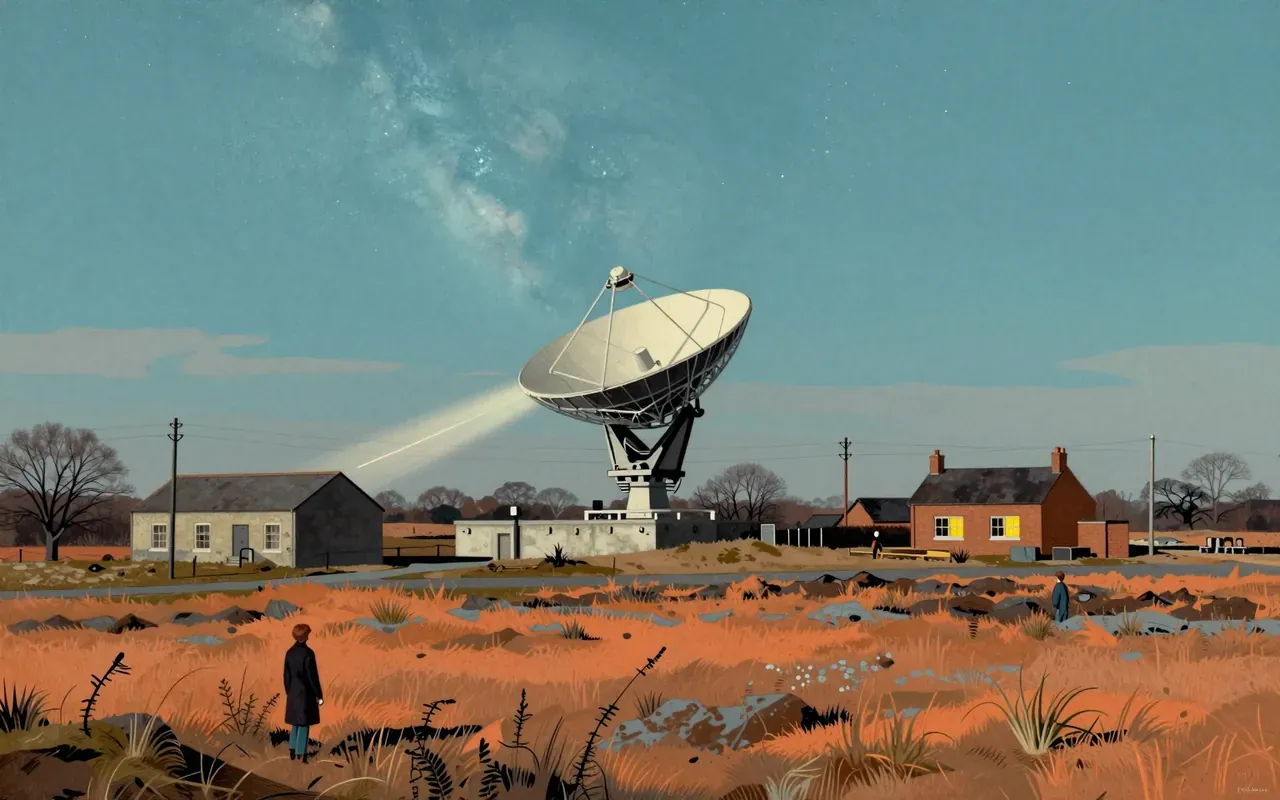
Pulsar

A graduate student spotted a stubborn scrap of noise repeating every 1.33 seconds in her own radio telescope data, and the Nobel Prize for what it turned out to be went to her supervisor instead.
13:00

Quantum tunnelling

George Gamow's 1928 theory explained why alpha particles with far too little energy to climb a nucleus's confining wall still escape it, by treating the particle as a wave that can pass through a barrier it cannot classically surmount.
13:00

Molecular orbital theory

Ordinary oxygen is attracted to a magnet, a fact the older theory of chemical bonds simply could not explain. Molecular orbital theory got it right by giving up on the idea that a bond belongs to two atoms alone.
13:00

Quantum teleportation

Quantum teleportation moves the description of a quantum state between two locations using entanglement and an ordinary message, not matter or energy, and it cannot go faster than light because that ordinary message still has to arrive.
13:00

Radiocarbon dating

Willard Libby built radiocarbon dating around a half-life value later found off by three percent, an error still baked into how raw dates get reported, and this brief follows that wrinkle and everything else that must be corrected first.
13:00

Ramsey theory

At any party of six people, mathematics guarantees either three mutual acquaintances or three mutual strangers — a provable fact built on an idea so simple it dates to 1622, and one that grows, in Ramsey theory generally, into numbers too large to compute.
13:00

2019 revision of the SI

On 20 May 2019 the kilogram stopped being a chunk of metal in France and became a consequence of the Planck constant. The vote took eleven years to arrive and left a few loose mathematical ends behind.
13:00

REM rebound

William Dement's REM-deprivation experiments showed the brain pushes back when a sleep stage is withheld, and that push-back, not sleep loss in general, is what REM rebound actually measures.
13:00

Ribozyme

In the early 1980s Thomas Cech and Sidney Altman independently found RNA molecules that catalyse chemical reactions on their own, overturning the assumption that only proteins act as biological catalysts.
13:00

Root nodule

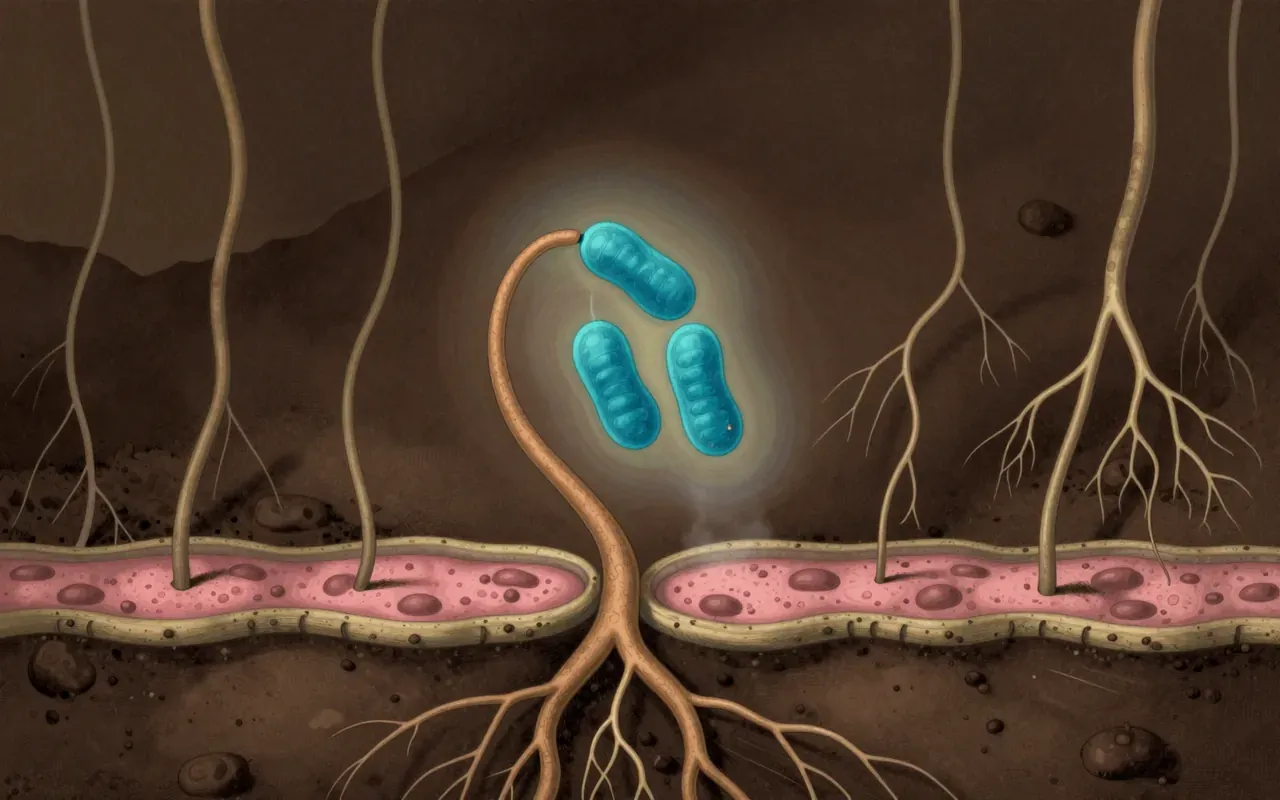
A legume root sends out a chemical invitation, a bacterium curls a root hair in response, and what follows is a structure built specifically to keep oxygen away from the enzyme doing the actual nitrogen fixing, which this brief walks through step by step.
13:00

Photo 51

The X-ray photograph that revealed DNA's helical structure was Rosalind Franklin's, made with a camera she engineered herself, and it reached Watson and Crick's desk in 1953 through two separate acts of sharing she never agreed to.
13:00

Perceptron

A 1958 Navy press conference promised a machine that would walk, talk and think; what Frank Rosenblatt had actually built was a simple trainable classifier, and a decade later a single technical proof about it nearly ended neural-network research.
13:00

Galaxy rotation curve

Vera Rubin and Kent Ford measured how fast stars orbit at the edges of spiral galaxies and found speeds that refused to fall off with distance, evidence that most of a galaxy's mass is invisible.
13:00

Rutherford scattering experiments

In 1909 a beam of particles fired at gold foil should have passed through with barely a wobble, and the tiny fraction that bounced almost straight back instead forced physicists to accept that atoms are mostly empty space around a dense core.
13:00

COVID-19 pandemic

Confirmed COVID-19 deaths sit around seven million, but excess-mortality estimates run two to five times higher, and years on, researchers still cannot say for certain which animal carried the virus to humans in Wuhan.
13:00

Seismic wave

Nobody has ever drilled to the centre of the Earth. What we know of its core comes from timing how earthquake waves bend, vanish and reappear on the far side of the planet — a method Richard Dixon Oldham first made work.
13:00

Detection theory

Signal detection theory, formalised in 1954 out of radar research and set out for psychology by Green and Swets in 1966, split a single accuracy score into two things: how well someone can actually tell signal from noise, and how readily they say yes at all.
13:00

Trypanosoma brucei

Trypanosoma brucei swaps its surface coat faster than the immune system can catch up, and this brief follows that trick from a 1901 Ugandan epidemic that killed a quarter of a million people to a single-dose drug approved a little over a year ago.
13:00

Snake venom

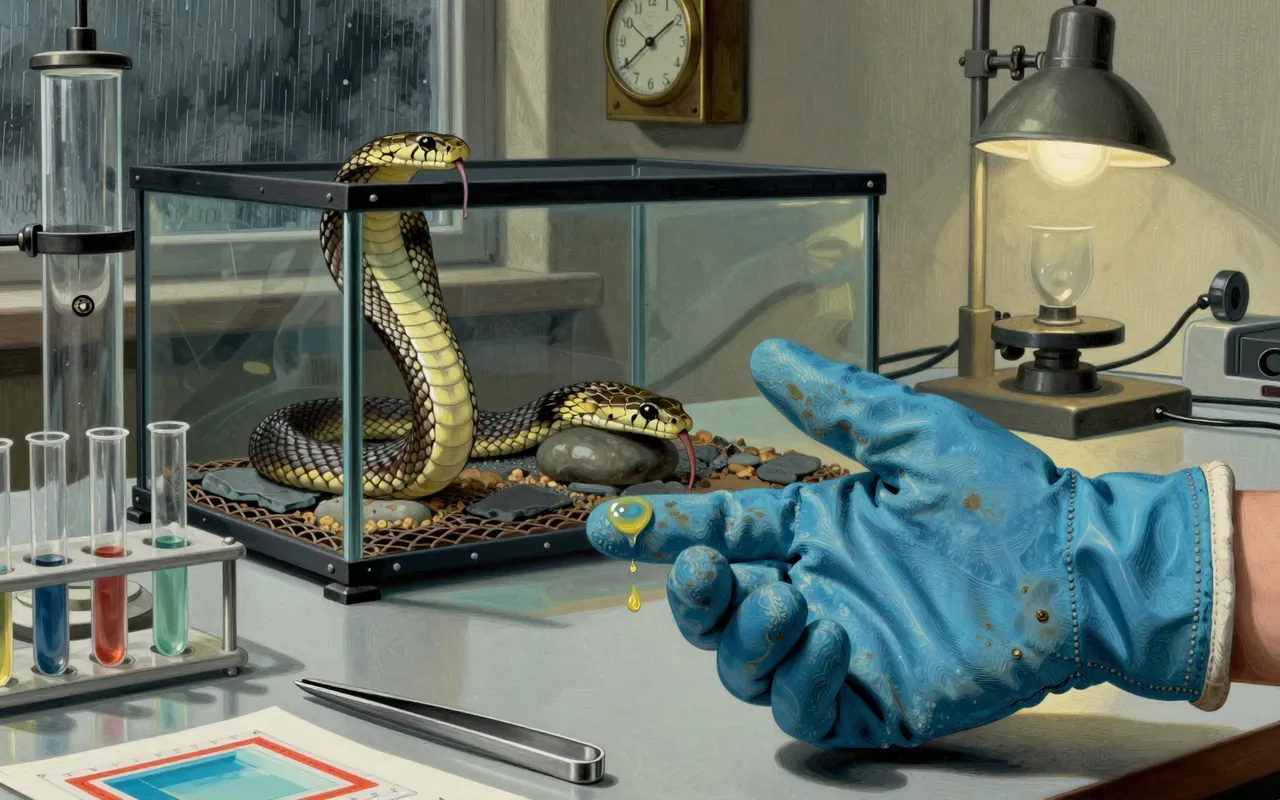
Snake venom is a mixture of enzymes and peptides, not a single poison, and its neurotoxins each interrupt one precise step in how a nerve signals a muscle — a mechanism well established even where the broader classification of venom types is not.
13:00

Soil microbiology

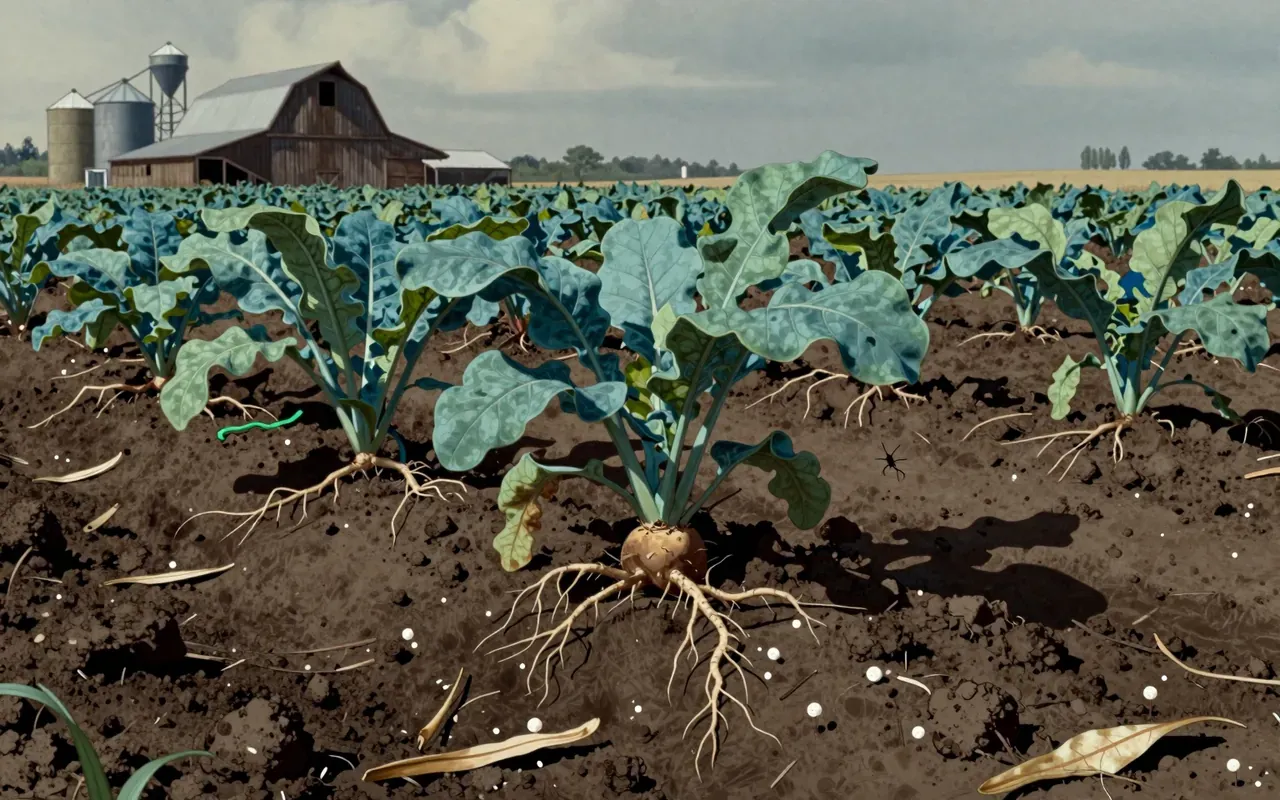
A gram of soil around a plant's roots can hold up to ten billion bacteria, and this brief follows what they do for nitrogen, the nutrient plants run short of most, alongside the industrial process that now supplies nearly a third of it artificially.
13:00

Superconductivity

Three years after liquefying helium itself, Heike Kamerlingh Onnes watched mercury's electrical resistance vanish outright rather than merely fall, opening a phenomenon still not fully explained for its high-temperature cousins.
13:00

High-temperature superconductivity

A ceramic that theory said should not superconduct at all did so at 35 kelvin in 1986, and the mechanism behind it is still not fully explained nearly four decades later.
13:00

SN 1987A

A burst of 25 neutrinos arrived hours before the light from a 1987 supernova, confirming a theory of how dying stars collapse, and decades of watching the wreckage afterward has tracked the radioactive decay chains that theory says forge heavy elements.
13:00

Ecosystem

Arthur Tansley's 1935 ecosystem concept, coined against a rival view of nature as a superorganism, turned ecology into something measurable, and now finds only four of twenty-four global ecosystem services improving.
13:00

Anthropocene

Geologists spent fifteen years deciding whether human impact deserves its own named epoch, and in 2024 formally said no, even as the biodiversity losses the term describes continue to be measured and debated.
13:00

Alvarez hypothesis

The Alvarez team's 1980 iridium anomaly predicted a hidden asteroid crater, confirmed a decade later at Chicxulub, turning the dinosaurs' extinction from vague speculation into a dated, physically evidenced event.
13:00

Axiom of choice

In 1904 Ernst Zermelo introduced a rule letting mathematicians pick one item from each of infinitely many sets, with no procedure for how, purely to prove a separate theorem — strange enough to prove a ball can be split and reassembled into two of the original size.
13:00

Solar cell

In 1954 Bell Labs built a silicon cell that converted sunlight to electricity roughly six times better than anything before it, and then spent the next two decades discovering that solving efficiency was the easy half of the problem.
13:00

Caesium standard

Since 1967 the second has been defined by a fixed count of caesium-133 oscillations, a standard that still runs GPS and global timekeeping even though optical clocks have already surpassed it in precision.
13:00

Challenger Deep

The Trieste's 1960 dive to the Challenger Deep proved crewed vessels could survive Earth's deepest ocean point, though its famous fish sighting there is no longer considered valid by later authorities.
13:00

Cold fusion

Two respected electrochemists announced room-temperature fusion at a press conference before publication, and within six weeks most of the physics community had rejected the claim outright.
13:00

Colossus computer

Tommy Flowers built Colossus on a bet that thousands of valves could run reliably where convention said hundreds was the limit. It worked, breaking Lorenz traffic through the war's final years — then vanished into thirty years of secrecy.
13:00

Space Shuttle Columbia disaster

A briefcase-sized piece of foam had fallen off shuttle tanks six times before without incident, so when it struck Columbia's wing on launch, NASA managers treated the seventh strike as routine rather than as a threat.
13:00

Complement system

The complement system was named for what it does to other parts of immunity, not for anything it does alone, and this brief follows about fifty blood proteins from an 1888 anthrax experiment to their newly found role trimming synapses in the brain.
13:00

Confocal microscopy

Marvin Minsky patented a microscope in 1957 that could see one thin layer of a sample sharply by blocking out all the light from everywhere else, and then the idea sat almost unused for thirty years because no light source was strong enough to make it work.
13:00

Continuum hypothesis

Georg Cantor believed, and spent years failing to prove, that no set's size sits strictly between the integers and the real numbers — a question later shown by Gödel in 1940 and Cohen in 1963 to be neither provable nor disprovable from mathematics' own standard axioms.
13:00

Copernican heliocentrism

Copernicus's 1543 heliocentric model was neither more accurate nor simpler than the system it challenged, and it took Kepler's ellipses and Galileo's telescope, decades later, to actually settle the argument.
13:00

Large-scale structure of the universe

Mapping galaxy positions in three dimensions revealed a vast web of filaments and voids, a structure dark-matter simulations had already anticipated, though the largest structures found still test how uniform the universe is supposed to be.
13:00

Covalent bond

Lewis drew two dots between atomic symbols in 1916 and called it a bond. Pauling spent the next two decades giving that drawing a quantum-mechanical foundation, then later applied the same confident certainty to a vitamin C cancer claim a 1982 re-evaluation could not support.
13:00

Cryo-electron microscopy

Freezing biological molecules in place fast enough to stop ice crystals forming let electron microscopes see proteins as they actually sit in solution, ending structural biology's dependence on crystallisation.
13:00

CT scan

Godfrey Hounsfield built a scanner from an idea on a country walk; Allan Cormack had already worked out the mathematics years earlier without knowing anyone intended to build the machine.
13:00

Higgs boson

The 2012 discovery at CERN's Large Hadron Collider confirmed, at five-sigma significance, the particle that three groups of theorists had predicted in 1964, closing the last open piece of the Standard Model of particle physics.
13:00

51 Pegasi b

In 1995 two Geneva astronomers measured a small, regular wobble in a distant star's light and found a giant planet closer to its star than any theory expected, opening the search for exoplanets and forcing a rethink of how planets form.
13:00

Adult neurogenesis

In November 1998 Peter Eriksson and Fred Gage reported that the adult human brain does, after all, grow new neurons, overturning decades of dogma that people are born with a fixed supply — a claim a prominent 2018 study concluded may not hold in adults at all.
13:00

Penicillin

Alexander Fleming's 1928 observation that a stray mould killed his bacterial cultures sat mostly ignored for a decade until Howard Florey and Ernst Chain turned it into the first mass-produced antibiotic.
13:00

Benzene

Kekulé's 1865 ring solved a real structural puzzle using real isomer counts. The story that a dream of a snake biting its tail handed him the answer came twenty-five years later, and historians now think he may have invented the anecdote rather than remembered it.
13:00

Blood type

In 1900 and 1901 Karl Landsteiner mixed blood from his colleagues and found it clumped in a consistent pattern, revealing the ABO blood groups that explained why transfusions had so often killed patients before.
13:00

Chlorine

Scheele made a yellow-green gas in 1774 that bleached litmus paper and stripped the colour from flowers. He decided it was a compound of muriatic acid missing its phlogiston. It took Humphry Davy another thirty-six years to tell him, posthumously, that he'd isolated an element.
13:00

Color constancy

Edwin Land, better known for instant photography, showed in 1959 that projecting light from just two narrow wavebands could still make an audience see a full range of colour — evidence that colour depends on the brain comparing surfaces, not reading wavelength alone.
13:00

CRISPR

A bacterial defence system that remembers past viral infections turned out, once its guide-RNA targeting was simplified in 2012, to be programmable enough to cut DNA anywhere a scientist chose.
13:00

RNA splicing

In 1977 Phillip Sharp and Richard Roberts, examining adenovirus RNA under the electron microscope, found that genes are not continuous stretches of code but are broken up by non-coding introns removed during splicing.
13:00

Fullerene

Kroto was chasing carbon chains from outer space, not a new form of carbon on Earth. Vaporising graphite with a laser to mimic a dying star's atmosphere produced a molecule shaped like a football instead — sixty carbon atoms folded into a closed cage.
13:00

Hydrogen

Henry Cavendish isolated the gas in 1766 and showed in 1781 that burning it makes water. He explained both facts through phlogiston theory, a framework chemistry would later discard entirely — the credit for what hydrogen actually is went to Lavoisier, who named it.
13:00

Long-term potentiation

In 1973 Timothy Bliss and Terje Lømo showed that briefly stimulating a pathway in a rabbit's brain left its synapses firing harder for hours afterward — physical evidence for Donald Hebb's 1949 idea that repeated use is what strengthens a connection between neurons.
13:00

Mirror neuron

In the early 1990s a Parma laboratory found monkey brain cells that fired both when the animal grasped food and when it merely watched someone else grasp it — a finding since stretched into theories of empathy, language and autism that the evidence itself struggles to support.
13:00

Neuroplasticity

Michael Merzenich's monkey experiments in the 1980s showed a hand map in the brain redrawing itself after nerve surgery, overturning the assumption that adult brain wiring was fixed — a finding since used, and sometimes oversold, to build a commercial brain-training industry.
13:00

Prion

Stanley Prusiner proposed that an infectious agent could be a misfolded protein with no genetic material at all — a claim his own field initially rejected as impossible.
13:00

Rapid eye movement sleep

Kleitman and Aserinsky's 1953 discovery gave dream research a measurable brain state, rapid eye movement sleep, but seven decades on, what REM sleep actually evolved to do remains a genuinely open question.
13:00

Smallpox vaccine

In 1796 Edward Jenner tested whether cowpox could protect against smallpox, and the vaccination method that followed eventually let the World Health Organization declare smallpox eradicated in 1980.
13:00

Synesthesia

A rigorous population study put synesthesia, the blending of senses so letters carry colour or sounds carry taste, at 4.4 per cent of people — far below folklore's one in four, and far above the one-in-tens-of-thousands earlier, self-selected samples had produced.
13:00

Oncogene

Bishop and Varmus's 1976 discovery that a cancer virus's src gene was actually a captured, mutated version of a normal cellular gene reframed cancer as damage to the cell's own machinery, not a foreign invasion.
13:00

Mpemba effect

A thirteen-year-old whose physics teacher called it impossible found that his hot ice cream mix froze faster than his classmates' cold ones, and physicists still cannot agree whether the effect is even real.
13:00

Vitamin A

A 1913 feeding experiment on rats at a Wisconsin farm station established that fat could carry an essential nutrient — the discovery that gave nutrition science the category of vitamin, and fixed the name, vitamin A, after a decade of dispute over what to call it.
13:00

Vitamin

Frederick Hopkins didn't discover a vitamin; he proved by feeding trial that food contains something beyond protein, fat and carbohydrate that animals cannot grow without.
13:00

Lunar water

A spectrometer aboard an Indian orbiter found hydroxyl and water signatures spread across the whole lunar surface in 2009, after more than a century of assuming the Moon was simply dry.
13:00

X-ray

In November 1895 Wilhelm Rontgen noticed a screen glowing near a covered vacuum tube and, within weeks, had produced an X-ray of his wife's hand, a discovery adopted by medicine so fast that its radiation dangers were only understood after the damage had been done.